
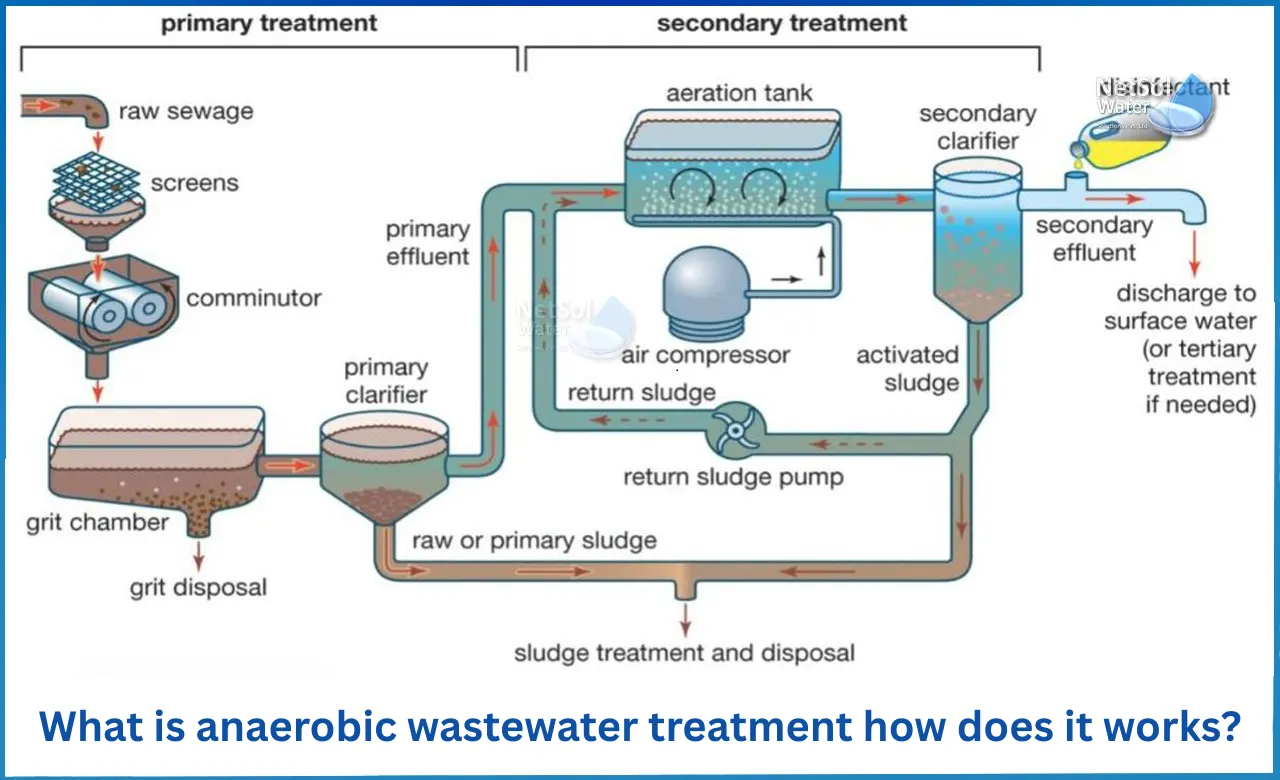
What is Anaerobic Wastewater Treatment and How Does It Work?
Anaerobic treatment plays a strong role in modern water cleaning because it handles heavy waste in a simple way. Its importance also grows because it supports both pollution control and resource recovery. Instead of treating waste only as a problem, this process turns part of it into biogas. The gas can support heating or power use in some plants.
One of the biggest benefits of anaerobic systems is their low energy demand. Since they do not need oxygen input in the same way as aerobic systems, they use less power during operation. This helps industries lower running costs and manage treatment more easily. Many plant owners look for systems that work well without creating high utility bills. Anaerobic wastewater treatment fits that need because it gives solid performance with less mechanical support. It is a practical choice for sites that want steady treatment without high daily energy use.
Another key point is biogas production. When bacteria break down waste in an oxygen-free tank, they release methane-rich gas. This gas can be collected and used as fuel. In some plants, it helps support boilers or energy systems. This gives the treatment process an extra value beyond water cleaning. It also makes the whole operation more efficient. Instead of only spending money on disposal, the plant can recover useful energy from the waste itself. That is one reason many industries now see this method as a smart long-term solution.
How the Process Works
The working of this system is based on natural microbial action inside a closed tank. Wastewater enters the reactor and stays there for enough time so the bacteria can act on the organic matter. These bacteria do not need oxygen. They feed on the waste and change it into simpler compounds. Over time, the solids break down and the water becomes much cleaner. The process is stable when the right temperature, flow rate and loading are maintained.
Anaerobic wastewater treatment works through a series of biological steps. Each step helps move the waste from complex organic material to gas and treated water. The process may look simple from outside but it depends on balance and proper control. Let’s have a look at some of the important stages that make it work well.
1. Hydrolysis
Hydrolysis is the first step. In this stage, large organic particles break into smaller parts. This step is important because later bacteria can only work on small enough pieces. If hydrolysis does not happen well then the whole system slows down. That is why the wastewater must stay in the tank long enough and the feed must remain balanced. This first stage sets the base for the rest of the treatment.
2. Acid Formation
After hydrolysis, the smaller compounds move into acid formation. Here, different bacteria change the broken-down material into volatile fatty acids and other simple substances. This step makes the waste even easier for the next group of microbes to handle. It also creates the right conditions for methane-forming bacteria to do their work. The process must stay stable because too much acid can upset the system. A good design keeps the tank conditions under control so the bacteria remain active and the treatment stays smooth.
3. Methane Formation
This is the final biological stage and it is where gas forms. Methane-producing bacteria use the acids and other simple compounds to create biogas. This gas mainly contains methane and carbon dioxide. It can be collected and used in useful ways. At this stage, a large part of the organic waste has already been reduced. The remaining water is much cleaner than before. This makes the process highly useful for industries that want both treatment and energy recovery in one system.
Where It Is Used and Why It Fits So Many Industries
Anaerobic treatment is not only for one type of wastewater. It works well in many sectors where the water has high organic strength. These industries need a process that can manage heavy load and still stay cost-friendly. This is where anaerobic wastewater treatment becomes a strong option.
Its value comes from its ability to handle strong waste with a compact system size and lower running demand. Many factories have limited space and need a system that fits into a planned layout. Anaerobic reactors can often do this better than large open systems. They also reduce sludge generation in many cases, which makes disposal easier. Let’s have a look at some of the main reasons this method is a good fit for so many industrial sites.
1. Suitable for High Organic Load
This process performs best when the wastewater has a high amount of organic matter. That is why it works well in many food-based and process-based industries. The bacteria inside the tank can digest rich waste streams and lower the pollution level before final discharge or further treatment. A system that can handle strong waste saves time and improves treatment flow. It also helps reduce pressure on the next treatment stage.
2. Good for Space-Limited Sites
Many industrial units do not have much free land for treatment plants. Anaerobic systems often need less space than some other methods because they work in closed reactors with strong biological activity. This makes them useful for sites where land use must stay controlled. A compact design can still support strong treatment performance when it is built and operated well.
Read some interesting information for the Sewage Treatment Plant Manufacturer in Faridabad
Conclusion
Anaerobic wastewater treatment offers a practical path for industries that need efficient waste management. It cleans water through natural biological action and also gives back useful biogas. The process saves energy, handles strong waste and supports better environmental care. With the right design and expert support, it can become a dependable part of a plant’s water treatment plan. Anaerobic wastewater treatment also helps industries move toward cleaner operations without making the system too complex.
Contact Netsol Water at:
Phone: +91-9650608473
Email: enquiry@netsolwater.com