
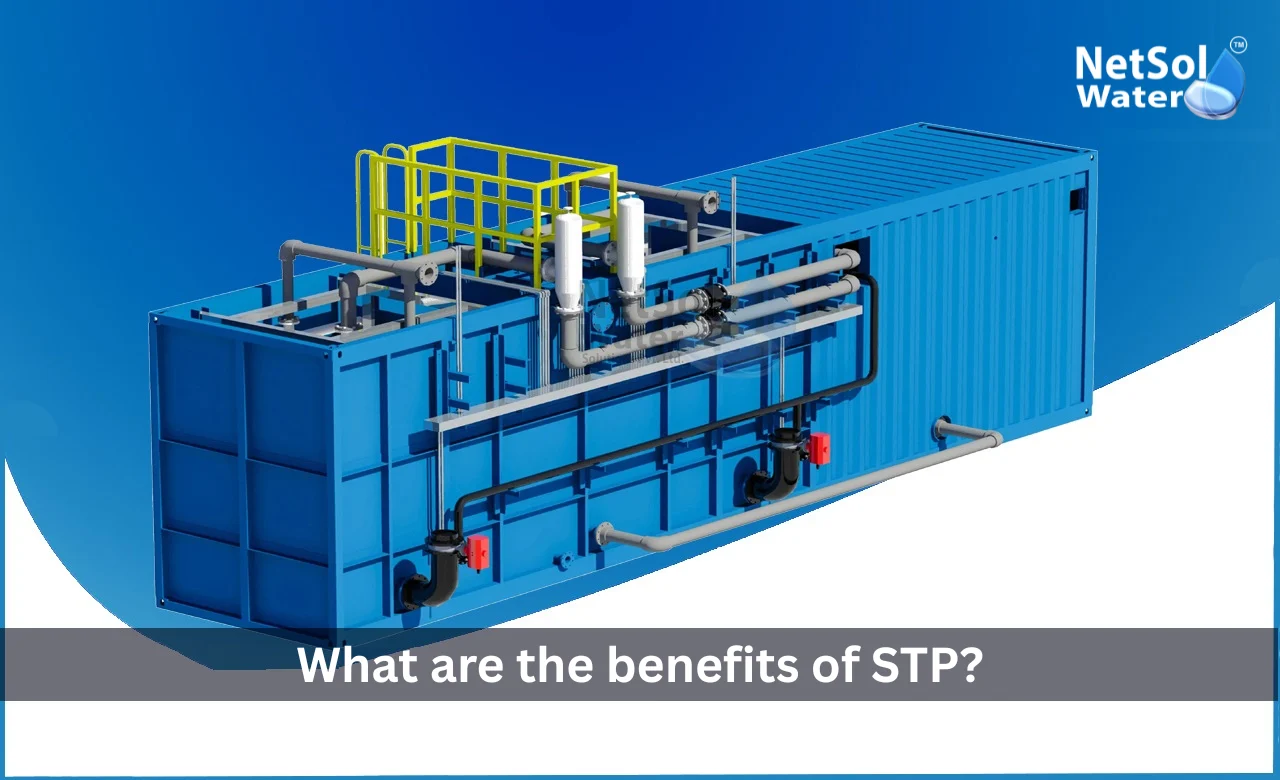
What are the benefits of STP?
Cities grow fast, and industries expand. Rivers and lakes face pressure from waste. People need clean water for daily life and for farming. Netsol Water is the leading sewage treatment plant manufacturer, and the company makes plants that fit many needs. India is famous for its long rivers and rich farming lands. It is also home to many growing towns that need steady water supplies. This mix makes sewage treatment more important than ever. Good treatment plants protect rivers and keep land healthy.
Environmental protection and biodiversity
Sewage treatment keeps pollution out of rivers and lakes. Clean water helps plants and animals to live and to grow. Let us have a look at some key ways treatment systems protect nature and help ecosystems recover.
1. Reduction of pollution load
When a sewage treatment plant manufacturer builds a plant, the first goal is to remove harmful solids and organic matter. Treatment removes suspended particles and lowers the amount of nutrients that cause algae blooms. This process prevents oxygen loss in water bodies. Fish and other aquatic animals need oxygen to survive. Too much untreated waste causes dead zones where few species can live. A proper plant brings water quality back to safe levels. This in turn restores the balance in rivers and wetlands. Communities then see clearer water and more life near their shores. Rivers become more usable for fishing and for cultural uses. Over time the chemical balance of the water improves. That change helps native species to return.
2. Protection of aquatic life
Healthy water supports a wide range of species. When treatment removes toxic compounds, the food chain recovers. Small organisms return first. Then larger species come back as their food sources grow. This change improves biodiversity and strengthens natural resilience. A stable ecosystem resists disease and recovers faster from shocks like floods. Sewage treatment also reduces heavy metals and persistent chemicals. Removing these agents stops harmful buildup in fish tissue. People who depend on fish for food gain safer meals.
Water reuse and resource recovery
Treating sewage turns waste into a resource. Reuse reduces pressure on freshwater sources. Let us have a look at some common ways treated water and recovered materials support local life and industry.
1. Irrigation and industrial reuse
Treated sewage water can serve farms and factories. When a sewage treatment plant manufacturer designs plants for reuse, the output meets local needs. Farmers can water crops with treated water during dry seasons. This reduces the need to draw from wells. Industries can use treated water for cooling and for some processes. Reuse lowers the demand for fresh water and cuts costs for users. It also frees more groundwater for drinking. Reused water keeps green spaces alive near towns. City planners can use reuse to support parks and street trees. In areas with limited rainfall, treated water acts as a steady supply. This change supports food security and keeps businesses running during dry months.
2. Groundwater recharge and conservation
Another benefit comes from using treated water to recharge aquifers. When STP plant manufacturer teams plan recharge schemes, they guide water back to the ground in controlled ways. This step raises the water table over time. Higher groundwater levels reduce the cost of pumping and protect wells from running dry. Recharge also prevents land from sinking in places with heavy extraction. Restored groundwater supports rural and urban users alike. It helps small farmers who rely on shallow wells. It also serves cities that face seasonal shortages. By returning treated water to the ground, communities secure a long-term water supply.
Public health safety and economic savings
Sewage treatment protects people from disease. It also creates jobs and saves money in the long run. Let us have a look at some ways treatment systems raise living standards and support growth.
1. Improved sanitation and disease reduction
Untreated sewage spreads pathogens that cause diarrhea and other illnesses. A well-built plant removes bacteria and viruses from water before it returns to the environment. This reduction lowers the burden on clinics and hospitals. Children gain better health and miss fewer school days. Clean surroundings also cut the cost of medical care for families. Public places such as markets and schools become safer. Clean rivers reduce the spread of waterborne diseases during floods. When sewage treatment plant manufacturers work with local leaders, the project links to sanitation programs. Combined action on treatment and on sanitation raises hygiene standards across a town. This change leads to long-term gains in public health.
2. Cost savings and local employment
Building and running sewage plants creates jobs for engineers and for technicians. It also supports local businesses that supply parts and services. In the long term, treated water lowers the cost of water for farms and factories. Saving on water reduces production costs. Cities then use funds for other services such as roads and schools. Proper treatment also cuts the cost of environmental cleanup after pollution incidents. Repairing a damaged river is far more costly than running a treatment system. Investment in treatment therefore pays back through lower health bills and through new economic activity. Local companies gain a steady supply of water, which they can use reliably. This stability attracts further investment and supports steady growth.
Read some interesting information for the Commercial RO Plant Manufacturer in Noida
Conclusion
Sewage treatment brings clear benefits for nature, health, the economy, and social life. A reliable STP plant manufacturer can turn waste into useful water and protect the places we live in. Netsol Water is the leading sewage treatment plant manufacturer, and the company offers solutions for towns, industries, and farms. If you want to learn how a treatment system can help your project, contact Netsol Water for more details. Request a consultation to explore options that fit your site and your budget.
Contact Netsol Water at:
Phone: +91-9650608473
Email: enquiry@netsolwater.com