Water - Page 10 of 17 - Sewage Treatment Plant Manufacturers

Water-Treatment-Equipment-Manufacturers-in-India-1.webp

December 2, 2025by Netsol Water

Smart Wastewater Monitoring: Real-Time Data for Better Outcomes

Cities in India face fast growth and high demand for clean water. These places also face rising pressure on sewer systems and treatment plants. Smart monitoring helps manage this pressure. Netsol Water is the leading company to offer plants and services that match these needs. A Wastewater Treatment Plant must do more than process water. It must protect health and help businesses run without failure. Real time measurement gives operators clear facts at the right moment. Smart sensors track flows levels, oxygen and key chemicals. Data moves to cloud systems that run analytics and give alerts. Teams use those alerts to act fast and to plan upgrades. This approach reduces downtime and lowers cost.

Why Real Time Monitoring Matters

In a Wastewater Treatment Plant operators once waited for lab results to know what to adjust. That delay can cause overload and damage equipment. Smart monitoring gives continuous data so teams can see trends and detect problems early. Let us have a look on some ways this works and what parts it uses.

Sensors and Data Capture

Sensors measure flow level, temperature, pH, dissolved oxygen and other indicators without delay. Good sensors report data at short intervals and use robust links to send data to a central hub. The hub stores the raw readings and passes them to analytics engines. Operators keep dashboards that show real time status and historical trends. This flow of information helps staff spot a slow decline in performance before it becomes a failure. It also helps plan maintenance during quiet hours to avoid disruption. Modern sensors require less manual calibration and use self checks to keep data accurate. They can run on low power and connect through wired or wireless networks. This flexibility lets plants place sensors where they matter most. Field teams get guided tasks based on sensor flags. That saves time and reduces human error.

Analytics and Alerts

Data without interpretation stays only numbers. Analytics turn streams of sensor data into clear signals. Machine learning models can learn normal patterns and flag deviations. Rules based engines trigger alerts when a value crosses a set threshold. Alerts can go to mobile apps emails or control room panels. The goal is to guide staff to the right response. Analytics also estimate trends so teams can forecast load and chemical demand. They can score the risk of bypass or discharge non compliance. This output supports managers who must make budget and process choices. Visual reports show where upgrades yield the best return. Analytics also feed operational controls. This lets automated valves and pumps act within safe bounds. Human oversight remains key. The combination of analytics and timely alerts speeds repairs and reduces energy use. It also helps a Wastewater Treatment Plant meet public health goals and legal standards.

Implementing Smart Monitoring at the Wastewater Treatment Plant

Implementing smart monitoring needs planning training and steady execution. The project should start with clear goals. Let us have a look on some steps that make the implementation smooth and effective.

System Design and Integration

Design begins with mapping processes and critical points. Teams list which metrics matter most for control and compliance. Next they choose sensors and connectivity that fit the plant environment. Integration links sensor output to the plant SCADA to the cloud and to mobile apps. This integration must secure data and keep it accessible to those who need it. Training helps staff use dashboards and to trust automated guidance. Pilot projects work well to test the system before wider deployment. A pilot shows how sensors perform in real conditions and how analytics handle real data. It also sets baseline metrics for performance gains. After pilot success teams expand coverage and tune alerts. Continuous improvement keeps the system aligned to changing loads and new rules. Netsol Water can guide plant teams through design integration and staff training. Their experience helps plants adopt smart monitoring with less disruption and clearer outcomes.

Operations and Decision Support

Smart monitoring changes how teams work day to day. Operators get early notice about process drift and can reduce emergency fixes. Managers gain reports that link operations to cost and compliance. Decision makers use data driven plans for upgrades for spare parts and for staffing. Over time the system builds a record that supports audits and funding requests. This data driven approach improves transparency for regulators and for the public. It also opens chances to save energy and to reuse treated water with higher confidence. A modern Wastewater Treatment Plant that uses smart monitoring protects people and supports business and environmental goals.

Read some interesting information for Effluent Treatment Plant Manufacturer in Noida

Conclusion

Smart monitoring turns a Wastewater Treatment Plant from a reactive unit into a proactive asset. It improves public health reduces cost and supports clear decision making. Netsol Water is the leading partner to help plants adopt this approach. If you want to explore how smart monitoring can work at your site contact us for more information or request a consultation.

Contact Netsol Water at:

Phone: +91-9650608473

Email: enquiry@netsolwater.com

Water-Treatment-Equipment-Manufacturers-in-India.webp

December 1, 2025by Netsol Water

Wastewater Management Challenges in Rapidly Growing Urban Areas

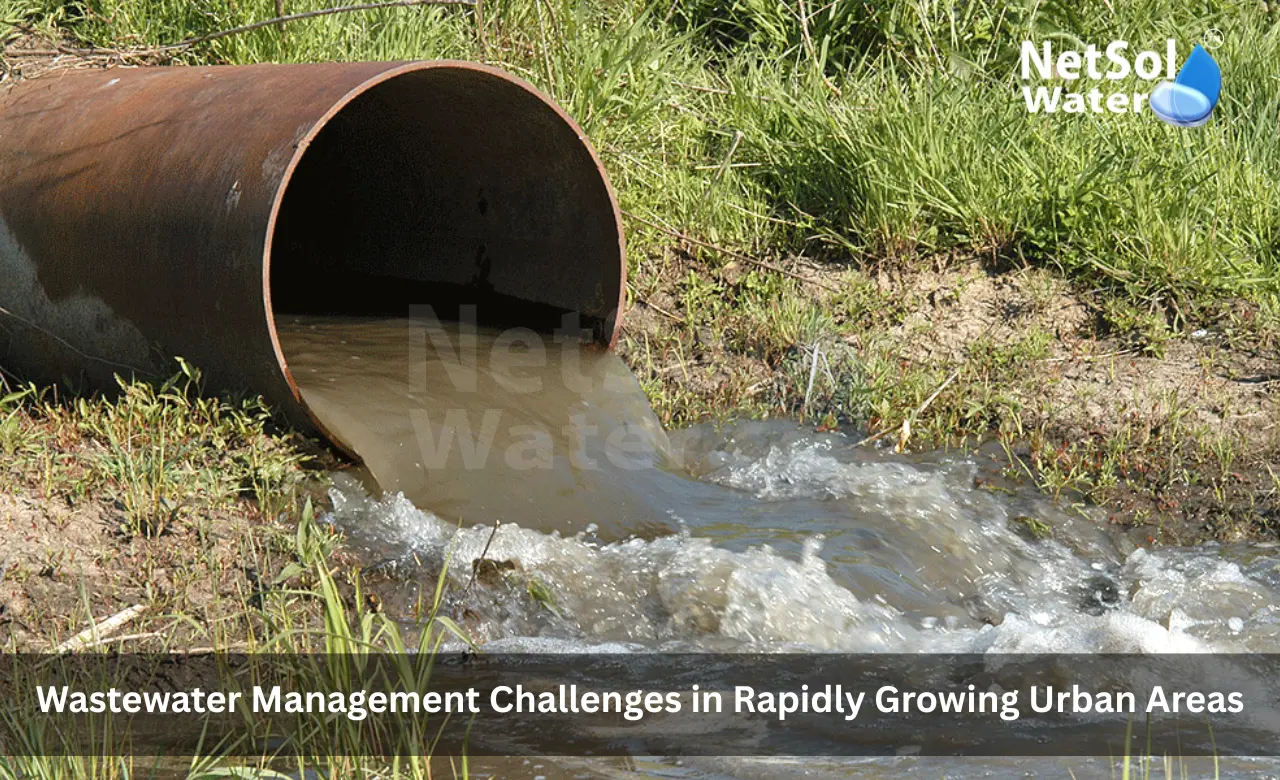
Cities in Indian are famous for their busy markets and strong industry. These cities also attract many people each year. This growth puts pressure on the systems that collect treat and dispose of wastewater. A strong Wastewater Management System helps protect public health the environment and local water bodies. The challenge grows when new housing and new factories appear faster than the sewer network and treatment plants can expand. Netsol Water is the leading company that works on practical solutions for urban wastewater problems. We will explain the main challenges that growing cities face with sewage networks and treatment plants.

Infrastructure and Capacity Challenges

Infrastructure and capacity form the first major challenge for any Wastewater Management System in a fast growing city. New housing and new industry increase the flow that pipes must carry and that plants must treat. City planners must consider current need and future growth. Let us have a look on some common problems and on the ways towns can handle them.

Old networks and new demand

Many cities use sewer lines that were built for much smaller populations. These pipes suffer from wear and from blockages that cut capacity. When flow exceeds pipe ability raw sewage can back up into streets and homes. Repair and replacement take time and funds. Municipal leaders must set clear plans for phased upgrades and for regular maintenance. They must also map networks so targeted work can reduce the most frequent breakdowns. Planning work that matches projected population growth keeps the Wastewater Management System working with fewer surprises.

Treatment plant limits and scaling

Treatment plants can lose efficiency when they receive more load than they were meant to handle. Biological systems need time to adapt. Chemical processes use more inputs and add to cost. Plants that operate past design limits can release poor quality effluent. The city can expand plant capacity or add modular units that scale fast. Operators can also use better monitoring to shift loads and to avoid overload events.

Treatment Technology and Operations Challenges

Treatment technology and operations form the second major challenge for a modern Wastewater Management System. New pollutants and variable flows demand robust treatment steps and skilled teams. Let us have a look on some common technical issues and on practical responses that teams can use.

Changing wastewater quality and new pollutants

nenow carries not only organic load but also new compounds from industry and from households. Pharmaceuticals personal care products and some industrial chemicals need targeted removal steps. Standard biological plants cannot remove all of these compounds. Cities must set monitoring that finds new contaminants early. They must then add advanced treatment modules when the data show a need. These steps increase cost but they protect rivers and groundwater. Operators need training to run advanced filters and to manage chemical dosing with care.

Skills operations and maintenance

Cities often lack enough trained staff for continuous monitoring and for quick repairs. Remote monitoring can help but local staff must still act on alerts. Training programs and clear maintenance schedules reduce breakdowns. Partnerships with experienced firms such as Netsol Water can transfer knowledge and help set practical work routines.

Read some interesting information for Commercial RO Plant Manufacturer in Noida

Conclusion

Good cities plan and act now to secure their Wastewater Management System and to keep public health and the environment safe. Netsol Water is the leading partner that can help with design upgrades operations and staff training. If you need support or if you want a consultation please get in touch for practical advice and for a clear plan that fits your city needs.

Contact Netsol Water at:

Phone: +91-9650608473

Email: enquiry@netsolwater.com

Add-a-subheading-1-2-3.webp

November 26, 2025by Netsol Water

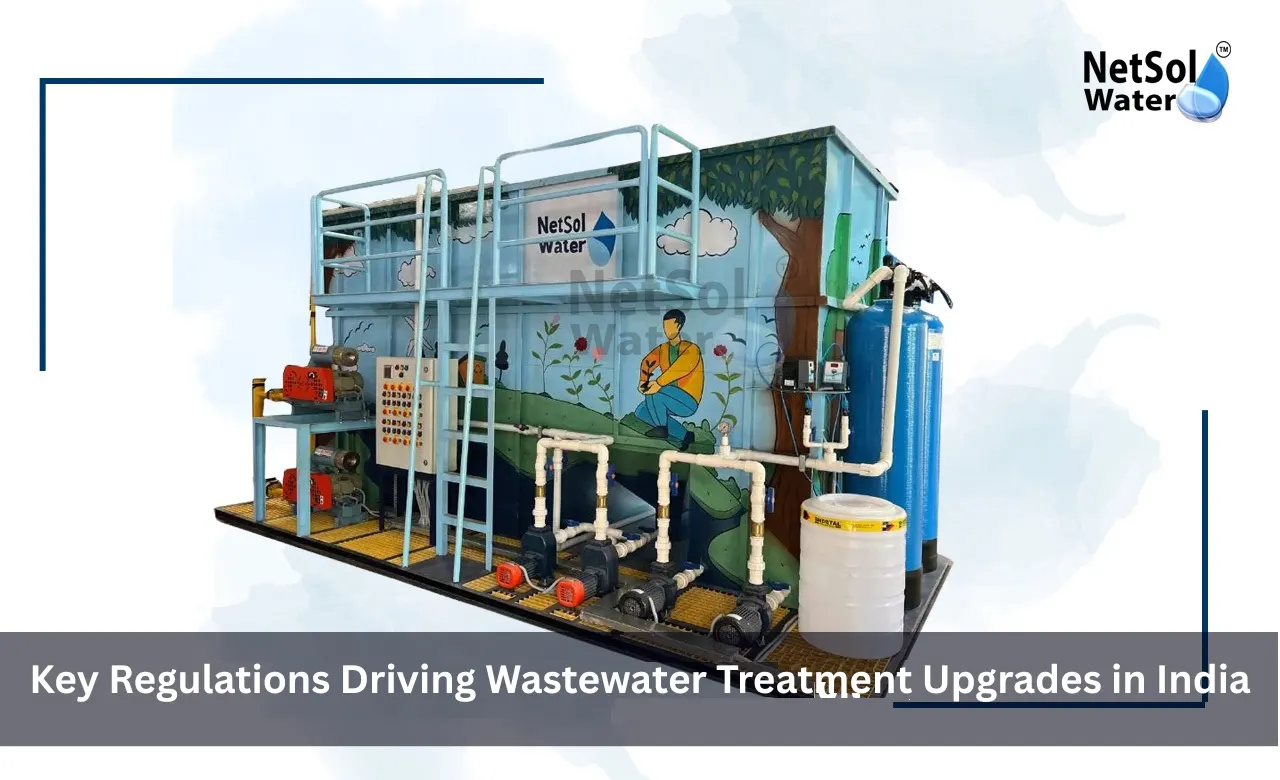
Key Regulations Driving Wastewater Treatment Upgrades in India

Rapid city growth and more factories put heavy pressure on water bodies. Cities need clean water for people and for industry. The government updated rules to meet new needs. These rules push companies and local bodies to upgrade plants for safer discharge. A strong focus now lies on modern design and reliable operation of the Wastewater Treatment Plant. Netsol Water stands as a leading Wastewater Treatment Plant manufacturer that helps meet these requirements.

Central laws and national standards

We will show why national laws set the main direction for upgrades and why compliance matters now. Let us have a look on some national rules and how they force action at the ground level.

Water Act and national standards

The national Water Act gives the core legal duty to protect water quality. It sets clear limits for how much pollutant can go back to a river or a lake. These limits push authorities to inspect places that discharge wastewater. The rules require clear monitoring and regular reporting by the owner of the plant. Over time these standards grew stricter to protect public health and river life. Ministry level guidance and the Central Pollution Control Board issue technical standards. Plants must meet these standards to get or keep their operating permission. A Wastewater Treatment Plant must keep records and show test results in order to satisfy the regulator. This process raises the standard of design and operation. Netsol Water works with clients to match designs to the test needs and to help run tests that the regulator will accept.

Industrial discharge standards and sector rules

Different industry types have different waste streams. The rules treat each sector with special norms. The textile sector faces strict limits on dyes and suspended solids. The food sector faces different limits on organic load. This sector wise approach forces industries to plan specific treatment trains inside each plant. Industries must now move from basic settling tanks to multi stage systems that include biological steps and sometimes membrane filters. The change demands more skilled operation and more careful maintenance planning. For a manufacturer like Netsol Water this trend opens work on customized solutions that fit both the law and the process needs of the client.

State level action and incentives

States shape how rules reach local towns. We will explain why state policies matter and how they affect both cost and speed of upgrades. Let us have a look on some state actions and local programs that help or push change.

Role of state pollution control boards

State boards enforce the national laws on the ground. They issue the permits that allow a plant to operate. They inspect sites and take action when laws fail. Many state boards now run digital portals for consent and for tracking compliance. This makes the process faster but it also means data shows up quickly for audit. State boards may issue directions for city wise programmes. They can ask for cluster level treatment rather than single units for each factory. This approach changes the design and the scale of the Wastewater Treatment Plant that a municipality or an industry chooses. Local direction plays a part in the choice of technology and in the plan for operation and maintenance.

Incentives funding and project support

State and central schemes offer funds for upgrade works and for reuse projects. These funds lower the upfront cost of a modern plant. Subsidy support often comes for projects that target reuse of treated water for gardens or for industry use. Loans and technical support come through specific funds for clean city programs. These options speed up decision making by private owners and by local bodies. A manufacturer can guide a client through the funding steps and help write the technical part of a grant or loan application. Netsol Water provides technical packages that match funding criteria and that show the likely savings from reuse. This help can shorten the time to start work and to bring a new plant online.

Read some interesting information for Effluent Treatment Plant Manufacturer in Gurgaon

Conclusion

Regulatory pressure now pushes many public and private owners to upgrade their Wastewater Treatment Plant. The rules work at national and at state levels. They shape design choice operation plans and the path to reuse treated water. Netsol Water stands ready to help with design execution and long term support. If you plan an upgrade or a new plant reach out for a consultation.

Contact Netsol Water at:

Phone: +91-9650608473

Email: enquiry@netsolwater.com

Add-a-subheading.webp

November 25, 2025by Netsol Water

Which Water Purification Technology Is Right For Me?

Choosing the right water purification system matters for health and daily life. Cities and towns face different water issues. Residents and businesses must pick a plant that matches their water source and their use. Netsol Water is the leading RO Plant Manufacturer and we help many customers find the right plant. We will explain common technologies and how to choose one that meets your needs.

Water purification technologies

Water quality can change by source and by season. Let us have a look on some common water purification technologies and how they work.

Reverse Osmosis

Reverse Osmosis or RO removes dissolved salts and many chemicals by pushing water through a fine membrane. RO works well for hard water and for water that has high total dissolved solids. Homes and small factories often use RO to produce safe drinking water and process water. An RO plant will also lower unwanted minerals that affect taste and household equipment. Netsol Water is the leading RO Plant Manufacturer and we design plants for homes and for industry. RO needs a pre filter to protect the membrane and a post filter to polish the taste. RO plants will use more water than some other options because they flush the membrane to keep it clean. A qualified installer will size the RO to match daily water use. This step keeps running cost in a predictable range. A good service plan will include membrane checks and filter changes so the plant runs long and stays efficient.

Ultraviolet UV and Ultrafiltration UF

Ultraviolet UV and Ultrafiltration UF remove biological hazards and particles. UV kills bacteria and viruses by using light that disrupts their ability to survive. UV does not remove dissolved salts or chemicals. UF uses a tight physical barrier to stop small particles and microbes from passing through. UF will not remove very small dissolved contaminants or salts. These technologies suit water that is mostly clean but may contain germs or cloudiness. A combined approach often offers the best balance. For example a system that uses UF first and then UV will block particles and then kill any microbes that pass through. These systems use less water than RO and they need less frequent membrane care. They work well for municipal water that already has low dissolved solids. An RO Plant Manufacturer can advise when to use UV or UF alone or with RO.

How to choose based on water source and needs

Choosing the right plant means matching water tests with use. Let us have a look how to choose based on water source and needs.

Borewell and groundwater

Borewell and groundwater often carry high mineral content and sometimes iron or salt. These supplies may also show turbidity during rains. For such water an RO plant will remove dissolved salts and reduce hardness. A pre treatment step with sediment filters will protect the RO membrane from particles. If iron is present an iron removal filter helps before the RO stage. For homes that need drinking water and for small plants that need process water an RO based layout works well. Netsol Water is the leading RO Plant Manufacturer and we supply tailored RO designs that fit borewell quality. Regular checks of membrane performance and timely filter changes will keep the system efficient and keep running cost steady.

Municipal and mixed sources

Municipal water often arrives treated but it can carry chlorine taste and occasional microbes due to old pipes. For such water a carbon filter will improve taste and remove chlorine. UF and UV will offer extra protection against microbes. If the municipal supply has rising dissolved solids then adding an RO module will make sense. Businesses that need consistent quality for equipment will often combine carbon UF and RO in a layered design. This keeps each stage doing the work it handles best. A good  Reverse Osmosis Plant Manufacturer can test samples and propose a layered design that balances cost and water efficiency. Service access matters for systems that run daily at scale so choose a supplier who offers timely support.

Read some interesting information for Commercial RO Plant Manufacturer in Gurgaon

Conclusion

Making a clear choice starts with testing your water and listing your needs. Netsol Water is the leading RO Plant Manufacturer and we stand ready to help you pick a plant that fits your water and your budget. Reach out for a consultation or for a sample water test. Our team will explain options and will give a simple plan you can act on. Contact us to request a site visit or to get a custom quote.

Contact Netsol Water at:

Phone: +91-9650608473

Email: enquiry@netsolwater.com

Add-a-subheading-2-1.webp

November 19, 2025by Netsol Water

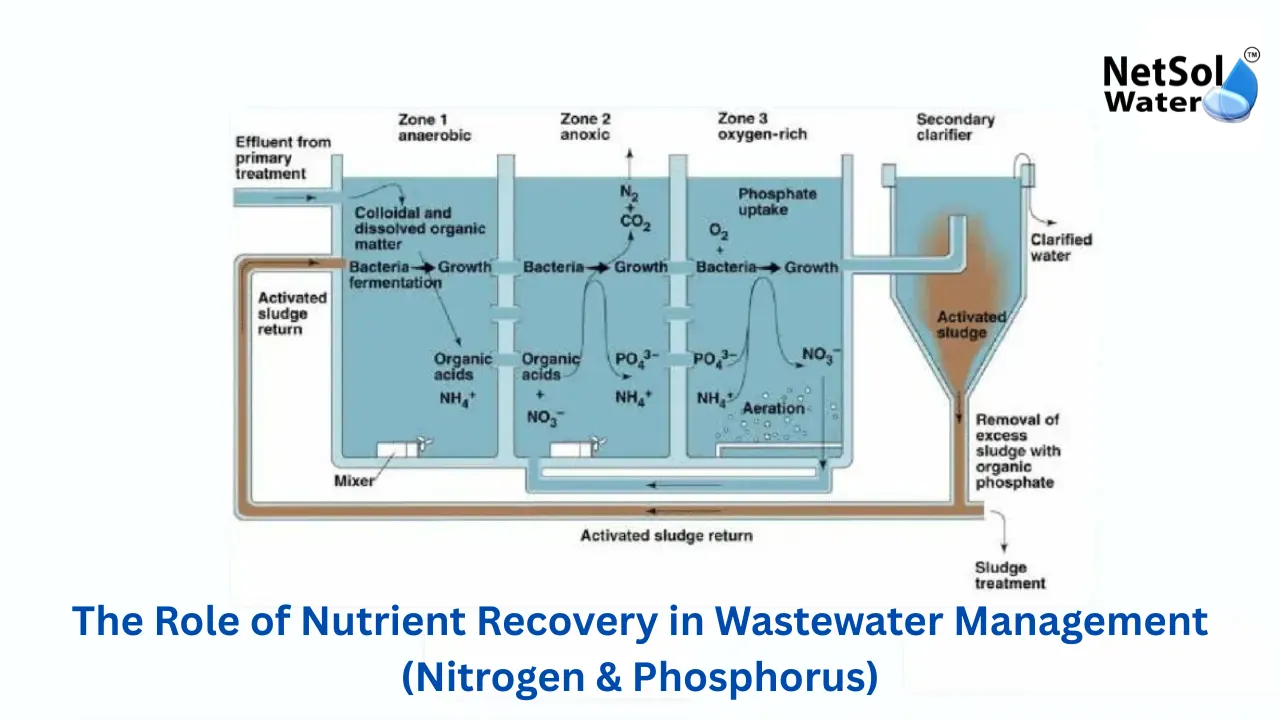
The Role of Nutrient Recovery in Wastewater Management (Nitrogen & Phosphorus)

Wastewater Management faces new demands. Cities need cleaner water and farmers need nutrients for soil. At the same time plants must reduce energy use and lower waste discharge. Recovering nitrogen and phosphorus from wastewater meets these needs. This process turns a problem into a resource. It stops nutrients from harming rivers and lakes. It also creates materials that farmers can use as fertilizer. In many regions this change improves both the local environment and the local economy. In this blog, we will explain why nutrient recovery matters for Wastewater Management.

Nitrogen Recovery and Its Importance

Nitrogen is a major nutrient in wastewater and it can cause serious harm when it reaches natural water bodies. Excess nitrogen leads to algal growth and low oxygen in rivers and lakes. That change harms fish and other life. It also makes water unsafe for use. For Wastewater Management recovering nitrogen helps stop these problems. It also supplies a useful product for agriculture. Let us have a look on some methods and how they work.

Biological and Chemical Methods

Biological methods use bacteria to convert forms of nitrogen into simpler forms that can be removed or captured. These methods work in many plants and they use natural processes. Chemical methods use reactions to form compounds that can be separated. Both paths have strong points and both need careful control. Operators must watch temperature and flow and other key factors. When a plant runs well the nitrogen output falls and the recovery rate goes up. Netsol Water can design systems that balance biology and chemistry so the plant meets local needs.

Ammonia Stripping and Struvite Formation

Ammonia stripping moves ammonia out of the water in a gas form so it can be condensed and used again. Struvite forms when magnesium and phosphate meet under the right conditions. This solid has slow release fertilizer value. The process of making struvite also locks phosphorus at the same time. Both products can leave the plant as usable materials. Farmers can use them to feed crops. The recovered materials reduce the need for mined fertilizer and so lower overall cost and energy for agriculture.

Integration with Plant Operations

Recovering nitrogen works best when the whole plant sees that goal. Treatment steps must match each other and the control system must be smart. A small change upstream can alter recovery downstream. Plant staff need training and good maintenance. When operations follow clear steps the recovery systems run smoothly and the plant meets its discharge limits while creating value from waste.

Phosphorus Recovery and Its Importance

Phosphorus is rare and it drives the growth of algae when it reaches lakes and seas. Wastewater often contains phosphorus from human use and industry. If plants simply remove phosphorus and then throw it away they miss a chance. Recovering phosphorus keeps it in a useful form and also reduces pollution.

Chemical Precipitation and Struvite Recovery

Chemical precipitation uses added salts to turn dissolved phosphorus into solids that can be separated. This method works quickly and it suits many plant sizes. Struvite recovery captures phosphorus while also capturing ammonium. The result is a solid that has fertilizer properties. This material is easy to handle and to transport. It also reduces the chance that pipes will clog from scale. Plants see savings in maintenance and in chemical costs when they adopt these recovery routes.

Enhanced Biological Phosphorus Removal

A second route is to use bacteria that take up phosphorus into their cells in greater amounts than normal. These microbes then leave the system as sludge that holds phosphorus. The sludge can be processed to release and capture the phosphorus in a concentrated form. This route uses biology and careful feeding of bacteria to raise the capture rate. It fits well when the plant can control the feed and the environment for microbes. Combining this route with chemical steps can give steady recovery and high quality output.

Market and Environmental Benefits

Recovered phosphorus has market value and it reduces the need for mined phosphate. That lowers the energy use in the overall food chain. At the same time the local river and lake health improves. Communities see better water for fishing and for recreation. Plants that recover phosphorus also meet stricter rules that many regulators now apply. Netsol Water helps match the recovery route to the local market for recovered materials so the system adds income and lowers pollution.

Read some interesting information for Industrial RO Plant Manufacturer in Delhi


Conclusion

Recovering nitrogen and phosphorus reduces pollution and creates useful products for agriculture. Netsol Water leads in designing systems that match local needs while keeping operations simple and strong. If you want to improve plant performance or to explore nutrient recovery options contact Netsol Water for a consultation. Strong Wastewater Management starts with a good plan and expert support. Reach out to learn how your project can recover value and protect local waters.

Contact Netsol Water at:

Phone: +91-9650608473

Email: enquiry@netsolwater.com

Add-a-subheading-1-2-2.webp

November 18, 2025by Netsol Water

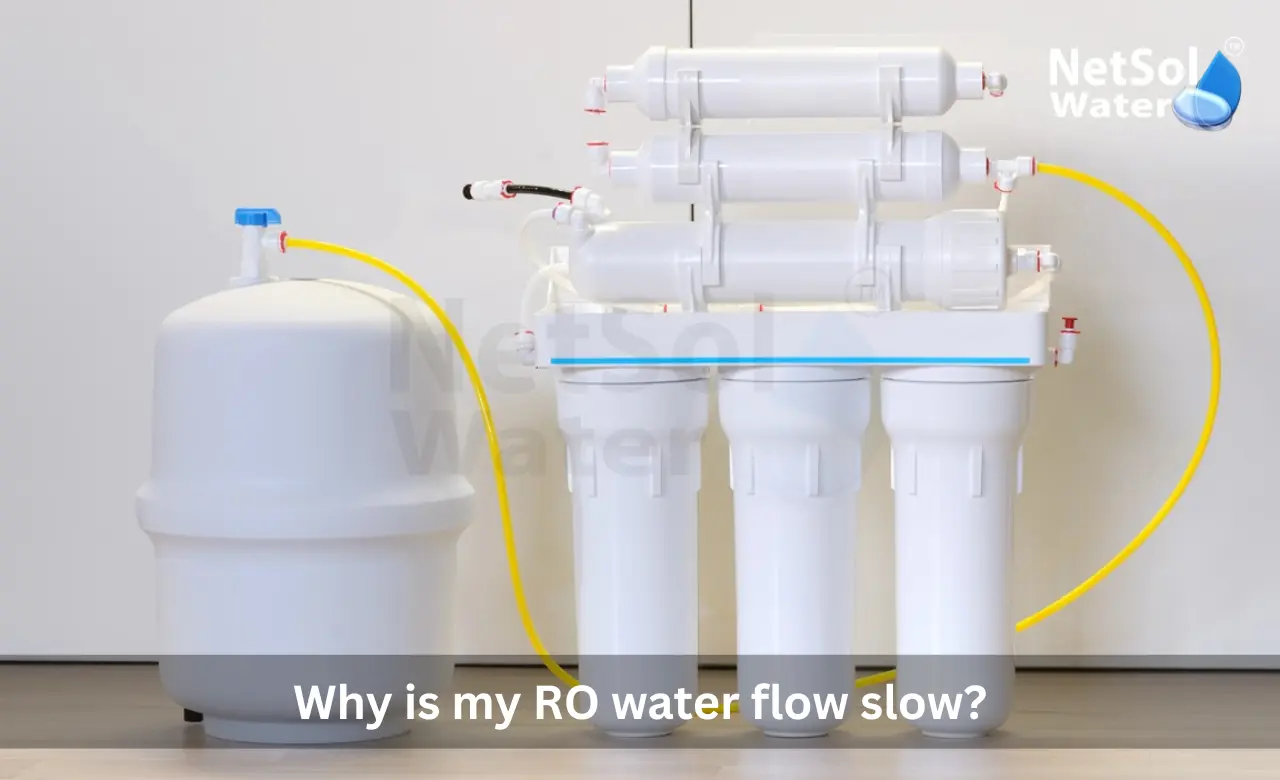
Why is my RO water flow slow?

Many people face slow water flow from their RO plants. This problem can cause worry and interrupt daily tasks that need clean water. Many homes, offices and small businesses use RO plants every day. Hard water and variable water pressure make RO care more important. Netsol Water is the leading RO Water Plant Manufacturer and it helps many customers solve flow problems with clear steps and good parts. We will explain why RO flow can drop and how to find the cause.

Common causes of slow RO flow and what to check first

Understanding the main causes helps you find a fix fast. Let us have a look on some common reasons why flow drops and what you can do at home before you call a technician.

Clogged pre filters

Clogged pre filters can cut water flow and harm the membrane. Pre filters stop sand rust and other particles from entering the system. Over time these parts collect dirt and the filter pores close. When that happens feed water reaches the membrane slowly and the final flow drops. To check this first shut off the feed water and open the pre filter housing. If the filter looks dark or shows layers of trapped matter replace it. New filters restore normal feed flow and protect the membrane. Clean filters also keep the system efficient and save energy. Replace the sediment and carbon filters on time to avoid a slow flow that can stress the system and shorten membrane life.

Fouled membrane and scale build up

The membrane does the main work in an RO. If it clogs the output falls sharply. Hard water with high mineral content causes scale on the membrane surface. Biological growth and chemical deposits also block the membrane. Signs include a weak steady drip from the faucet and low tank refill speed. To test the membrane look at the TDS and the flow rate. If the water still has high TDS the membrane may have lost its function. A cleaning may help if the membrane shows mild scaling. Heavy fouling needs replacement. Preventive steps include using good pre filtration and periodic membrane cleaning with the right chemicals. These steps protect the membrane and keep the system producing water at a healthy rate.

Low feed water pressure and valve issues

RO plants need a steady feed pressure to push water across the membrane. Low pressure means low flow and slow tank refill. Many homes face low pressure at certain times of day. A weak pump or a half closed valve can cause the same effect. Check the feed valve and any supply line for kinks or partial closures. If your unit has a booster pump make sure it runs when the system draws water. Also check the flow restrictor and the automatic shut off valve. These parts control how much water goes to the drain and how fast the tank fills. If any valve sticks the system can slow down. Fixing the valve or raising feed pressure often restores normal flow without replacing major parts.

Storage tank and air bladder problems

The tank stores purified water and delivers it on demand. A bad tank will make the tap flow slow even when the membrane works well. The inner bladder may lose air or the tank may hold a small amount only. A low air charge makes the tank deliver water at low pressure. To test the tank press the faucet after the pump stops and feel the stream. If the flow is weak the tank pressure may be low. Turn off the feed and drain the tank then check the bladder pressure with a gauge. Add air if the pressure falls below the recommended range. If the bladder leaks the tank will need replacement. A healthy tank helps the RO give a steady flow even when the feed pressure changes.

How to act and when to contact Netsol Water

Knowing the cause helps you choose a step that fixes the problem fast. Let us have a look on some easy steps you can do and when to call an expert.

Simple checks you can do now

First check the feed valve and the supply line for blockages. Next inspect the pre filters and replace them if they look dirty. Then check the tank pressure and the pump if your system has one. These checks solve many flow problems at home. If the membrane shows signs of scaling try a gentle cleaning only with approved solutions. Do not use random acids or cleaning formulas. Wrong chemicals can harm the membrane and make flow worse. If you feel unsure stop and call a trusted company for help.

Call a trusted RO Water Plant Manufacturer for service

Netsol Water is the leading Reverse Osmosis Plant Manufacturer and it offers expert service parts and original membranes. If you face repeated slow flow issues or if you see leaks and strange sounds ask for a professional check. A trained technician can test pressure parts replace worn components and tune the system for your water type. Regular service from a specialist keeps your RO working for years and gives steady water flow each day. Contact a certified service team when the problem returns after simple fixes.

Read some interesting information for Commercial RO Plant Manufacturer in Noida


Conclusion

If your RO water flow stays slow do a few basic checks first as described above. If the issue continues get help from a certified provider. Netsol Water is the leading RO Water Plant Manufacturer and it offers support for inspection repair and part replacement. Contact Netsol Water for a consultation and for a service visit.

Contact Netsol Water at:

Phone: +91-9650608473

Email: enquiry@netsolwater.com


Add-a-subheading-1-2-1.webp

November 17, 2025by Netsol Water

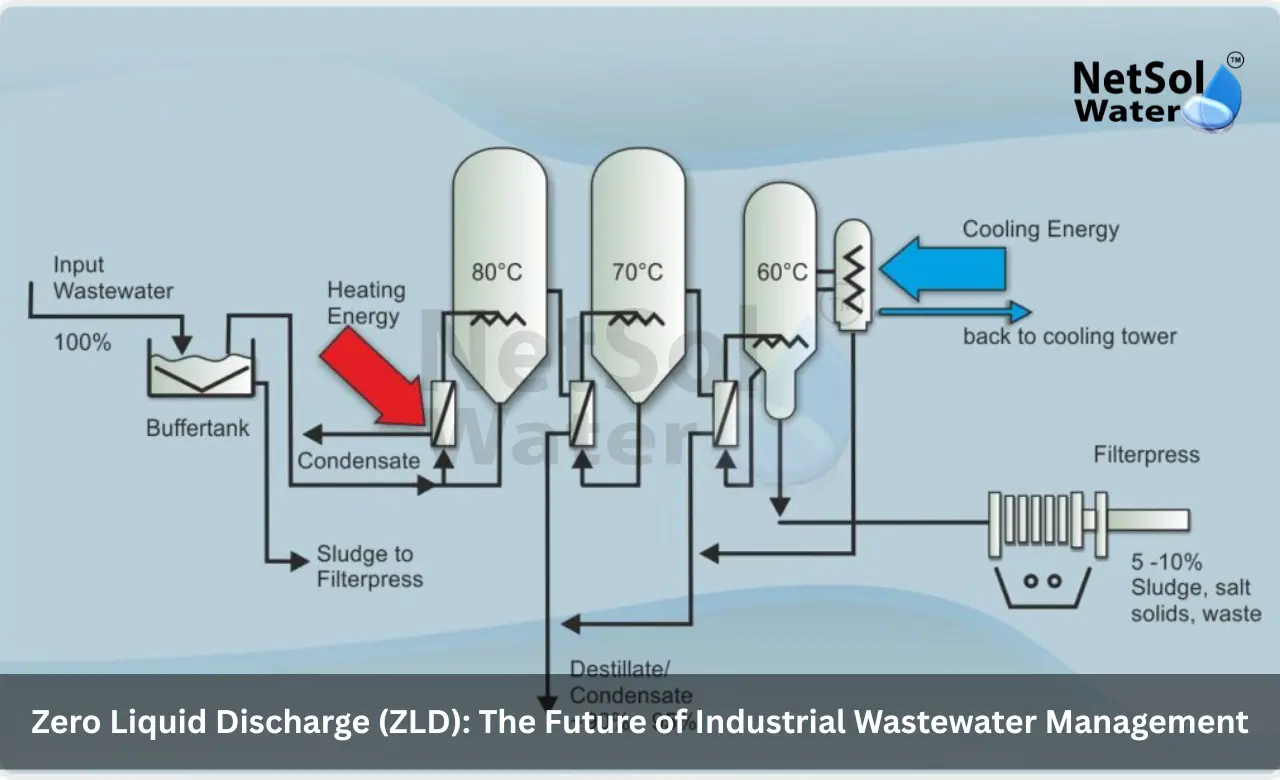
Zero Liquid Discharge (ZLD): The Future of Industrial Wastewater Management

Zero Liquid Discharge aims to stop any untreated or treated effluent from leaving a plant site. India has many industrial hubs and regions that handle heavy industrial activity and face strong pressure on water resources. In such places companies must manage water in a way that protects the local supply and meets strict rules. Wastewater Treatment Plants play a key role in this effort. Netsol Water is the leading firm that makes plants to treat wastewater and to guide industries toward ZLD.

ZLD Technology and How It Works

ZLD matters because it offers a clear way to protect water resources and to meet legal rules while helping companies cut waste and save costs over time. Let us have a look on some key components of ZLD.

Primary Treatment and Preconditioning

First a plant reduces large solids and separates oils and greases. This step reduces load on later processes and keeps equipment safe. Wastewater Treatment Plants use screens settling basins and basic chemical dosing to remove these rough contaminants. Proper preconditioning improves downstream performance and lowers energy needs.

Advanced Treatment and Concentration

Next the stream moves to processes that remove dissolved solids and harmful chemicals. Technologies such as membrane filtration reverse osmosis and evaporation concentrate the wastewater to a much smaller volume. These steps demand careful control and skilled operation.

Crystallization and Zero Discharge

Finally the concentrated brine goes to crystallizers or evaporators that turn the remaining liquid into solid salts or reusable water. This stage completes the ZLD goal because plants recover usable water and leave behind manageable solids. Wastewater Treatment Plants that combine membranes with thermal units can meet strict limits and can return high quality water into plant reuse loops.

Benefits and Challenges of ZLD Implementation

ZLD matters for the long term because it changes a waste problem into a resource opportunity and it helps companies meet rules and protect local communities. Let us have a look on some benefits and the main challenges.

Environmental and Regulatory Benefits

Implementing ZLD reduces discharge into rivers and groundwater. This step lowers the risk of local pollution and helps maintain safe water for people and for farming near industrial zones. Wastewater Treatment Plants that deliver ZLD help firms meet stricter permits and they reduce fines and delays. In many regions regulators now push for lower discharge and ZLD offers a clear path to comply and to protect local ecosystems.

Economic and Operational Gains

ZLD can cut the need for fresh water by enabling reuse inside the plant. This move lowers the cost of buying water and of treating new incoming streams. Wastewater Treatment Plants that recover clean water support more stable operations and lower dependence on external water sources. Netsol Water is the leading company that helps industries design reuse loops so plants can use recycled water for cooling cleaning and process needs.

Technical and Cost Challenges

ZLD systems require higher capital investment and skilled operation compared to simple discharge systems. Operators must plan for periodic cleaning and for safe disposal or sale of recovered salts. These challenges increase the need for proper design and for expert partners who can deliver reliable performance over many years.

Read some interesting information for Commercial Ro Plant Manufacturer in Faridabad

Conclusion

Zero Liquid Discharge marks a clear path for industries that want to protect local water and meet strict rules while finding long term savings. Wastewater Treatment Plants play the key role in turning this path into reality. Netsol Water is the leading provider that can design, make and support ZLD systems for many industries. If you need guidance on ZLD or you want a practical assessment for your plant please contact Netsol Water for more information or request a consultation with their technical team.

Contact Netsol Water at:

Phone: +91-9650608473

Email: enquiry@netsolwater.com


What-should-I-know-about-the-cost-and-installation-of-an-RO-System.webp

November 15, 2025by Netsol Water

What should I know about the cost and installation of an RO System?

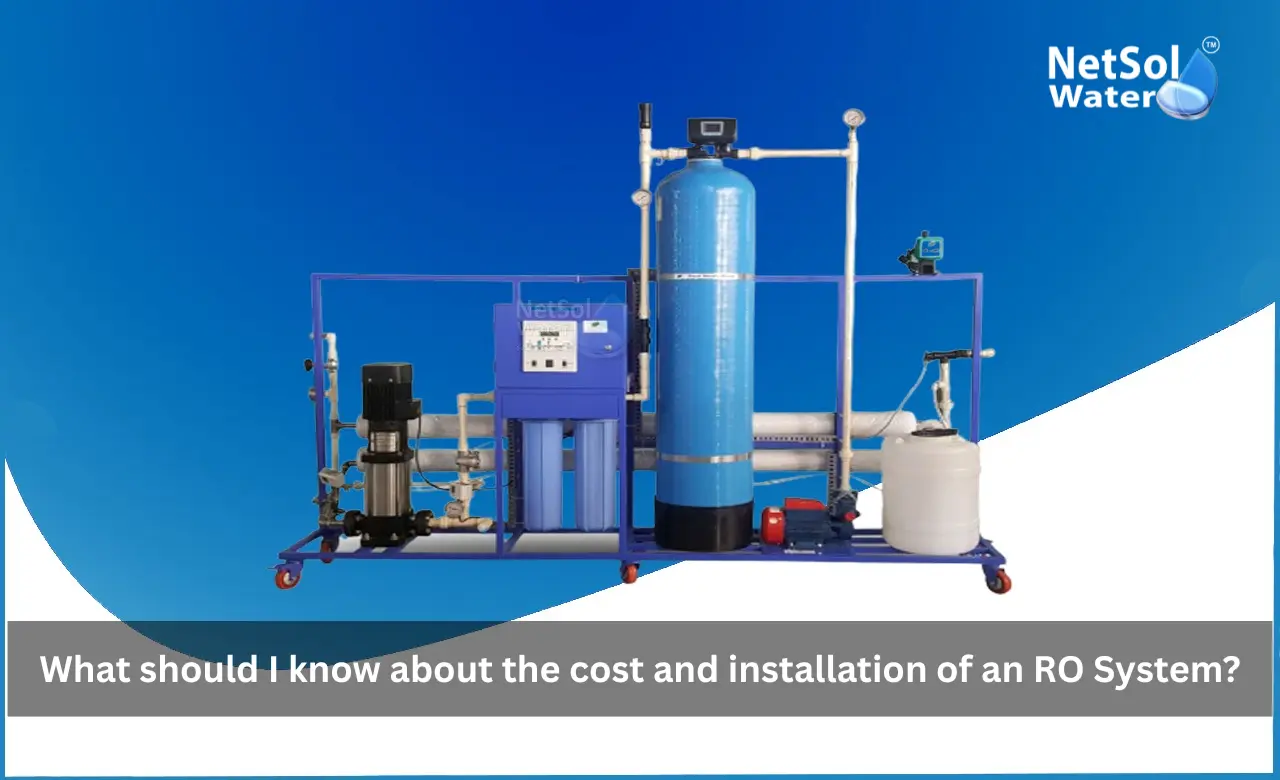
People use water for drinking, cooking, cleaning and industry use. An RO plant can remove many harmful substances and give safe water for homes and businesses. Netsol Water is the leading RO Plant Manufacturer and it makes plants that suit many needs. We will explain what affects the cost of an RO plant and what to expect during installation.

Cost of an RO plant

Understanding the cost helps you plan your budget and choose the right plant for your needs. Let us have a look on some cost elements that you should know.

Upfront cost

Upfront cost covers the purchase of the RO unit parts and installation work. A small unit for a home costs less than a large unit for a factory. Materials matter because better membranes and stronger frames last longer and may cost more at first. Control panels pumps and prefilters add to the price. Custom needs will change the cost if you want special filters or extra treatment steps. Brand also affects price. A trusted RO Plant Manufacturer will offer design support and warranty. Warranties can save money later and must be part of your decision. When you compare quotes check what each vendor includes. Ask if the quote covers delivery on site taxes and basic commissioning. If the supplier gives a low price but leaves out key items then you may pay more later. Think of price and value together.

Operating cost

RO plants use a pump and so they need power. Higher capacity units use more power. Some plants include energy saving pumps to cut this cost. Filters and membranes wear out and need replacement after months or years. Membrane life depends on feed water quality and maintenance. If you have hard water you will need pre treatment and that will increase maintenance cost. Water waste is also important because RO rejects a portion of water during purification. Newer designs reduce waste and save water. Service contracts help by fixing problems fast and keeping the plant running. When you plan cost include a yearly estimate for parts power and service. This will let you compare systems fairly. An RO Plant (Reverse Osmosis Plant) Manufacturer can give typical numbers for similar installations so you can set a sensible budget.

Installation of an RO plant

Good installation makes the plant work well and last longer. Let us have a look on some installation steps that you must plan for.

Site preparation and plumbing

Choosing the right place for the unit is the first step.  The plant should be kept near the feed water source and near a drain for wastewater. If you place the unit far from the feed source you will add pipe cost and lose pressure. Good piping and proper valves help technicians test and service the system. If your water has heavy solids or high hardness you will need pre treatment like sediment filters and softeners before the RO stage. This adds to the installation work but it protects the membranes and reduces long term cost. Electrical supply must meet the pump specifications and follow local safety rules. A qualified electrician should install the power line and earthing. Clear site preparation reduces delays during installation and avoids added expense.

Time and labour

Installation time depends on plant size and site complexity. A small home unit can be installed in a few hours. A commercial plant needs days or weeks for full fitting testing and commissioning. Skilled technicians will install pumps filters membranes and control systems then test the whole flow and take water samples. Testing and commissioning is a key step because it proves the system meets the performance promise. Technicians will adjust pressures and check alarms and safety features. If you want the supplier to train your staff ask for this in the contract. Training helps your team handle routine checks and reduces downtime. A clear work order with stages and milestones keeps everyone aligned and avoids unexpected costs.

Read some interesting information for Effluent Treatment Plant Manufacturer in Noida

Conclusion

Netsol Water is the leading RO Plant Manufacturer and it can help you estimate both cost and installation needs. If you want a formal quote or an on site survey please get in touch with the supplier for a consultation. Netsol Water will give a customized plan and a transparent price. Contact the team to request a visit and to get answers to questions about capacity parts and service.

Contact Netsol Water at:

Phone: +91-9650608473

Email: enquiry@netsolwater.com


A-Complete-Guide-to-Wastewater-Treatment-Plants-for-Small-Industries-1.webp

November 13, 2025by Netsol Water

Micropollutants, PFAS & the Next Generation of Wastewater Treatment

Micropollutants move through sewers, rivers and treatment plants. Cities in India face growing pressure to control these traces while they grow their industries and homes. Wastewater Treatment plants must do more than remove dirt and organic matter. They must detect, reduce and stop chemicals that affect people. Netsol Water is the leading name in practical solutions for modern problems. We will explore why micropollutants matter, what PFAS mean and how the next generation of Wastewater Treatment can meet the challenge.

Micropollutants

Micropollutants pose a special test for current treatment systems. They appear at very low levels. People face long term risks when drinking water carries persistent residues. This makes micropollutants a high priority for cities and industry. Let us have a look on some key areas that define the work to remove these traces and protect water users.

Sources and risks

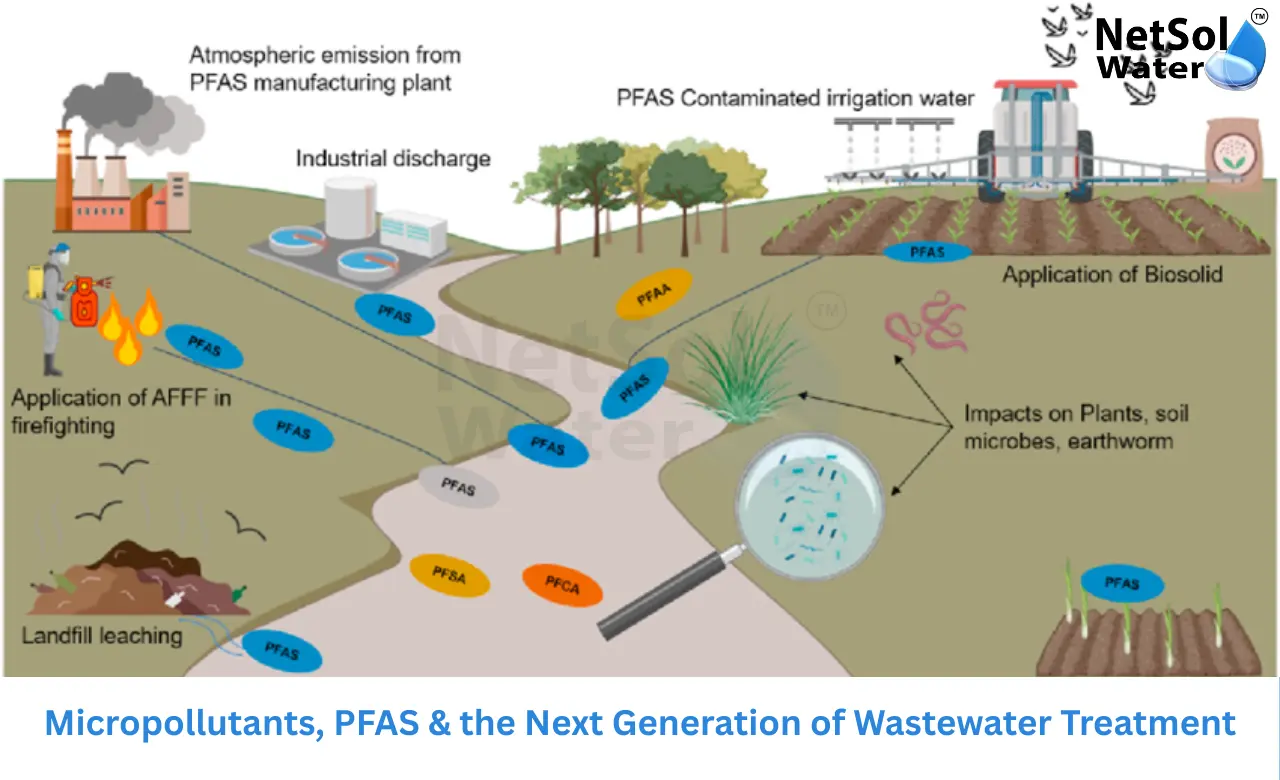
Micropollutants come from many everyday activities. Medicines that people flush down, toilets, personal care items left in drains and chemical runoff from farms all add to the load. Small amounts reach rivers and lakes. Over time those amounts add up. Some compounds interact with human hormone systems. This creates a demand for better detection and for treatment steps that can handle specific chemical classes. Plant operators must map sources track loads and plan targeted upgrades. Communities must also reduce source inputs by changing use patterns and disposal habits.

Detection and removal challenges

Detecting micropollutants requires precise tools and trained staff. Labs must use instruments that can see parts per trillion. Many treatment plants lack this capacity. Even when detection happens removing the chemicals proves hard. Some compounds resist normal biological treatment. Others break into fragments that still cause harm. Advanced steps like adsorption advanced oxidation and membrane processes can work. Each method has strengths and trade offs. For example adsorption captures many compounds but needs safe disposal of the used material. Advanced oxidation breaks molecules but uses energy and chemicals. Plant teams must choose methods that match the compound profile the plant scale and local budgets.

PFAS

PFAS represent one of the clearest modern threats among micropollutants. These chemicals do not break down easily. They move through water and build up in soil and living bodies. Many industries used PFAS for years in products and processes. Now regulators and communities press for action. Let us have a look on some elements that show why PFAS need focused plans and how treatment can address them.

What PFAS are and why they matter

PFAS stand for per and poly fluoroalkyl substances. People used them in firefighting foams, cookware, coatings and fabrics. These molecules resist heat water and chemical attack. That resistance makes them useful and also dangerous. They stay in the environment for a long time. Scientists link some PFAS to health issues when people face long term exposure. Local water supplies can carry PFAS near industrial sites airports and waste disposal areas. Authorities now measure PFAS more widely. Plant operators need clear protocols to test for PFAS and to stop them from passing through to drinking water.

Treatment approaches for PFAS

Treating PFAS requires more than one tool. Adsorption on granular media and on synthetic resins can trap many PFAS molecules. Membrane filtration can concentrate PFAS so operators can manage them more safely. Advanced oxidation sometimes helps to break long chains into simpler pieces but not all PFAS respond well. Safe disposal or destruction of the PFAS rich waste stream matters as much as the capture step. Options include thermal destruction or secure landfilling under strict controls. A clear program must combine source control monitoring and treatment choice. That program also needs trained staff and steady funding.

Next Generation of Wastewater Treatment

The next generation of Wastewater Treatment must match the new chemical threats and the need for clean water for growing cities. New plants must merge proven processes with digital tools and flexible designs. They must aim for lower energy use lower waste and better removal of micropollutants and PFAS. Let us have a look on some practical technologies and systems that plants can adopt to meet the new goals.

Advanced treatment technologies

Plants can add modules that target hard to remove chemicals. Adsorption units using personalized media can pull out a wide range of micropollutants. Membrane systems can separate tiny particles and concentrate harmful compounds. Advanced oxidation processes can break many complex molecules into simpler pieces that biology can then remove. Operators can combine these methods in series to gain wider coverage. The choice depends on the chemicals present the plant size and the available budget. Upgrading existing plants with compact modules helps cities avoid full scale rebuilds. This approach makes upgrades faster and lowers initial investment.

Digital monitoring and decentralized systems

Smart sensors and data platforms change how plants run. Real time monitoring can show spikes in chemical loads. Operators can then shift treatment steps instantly. Decentralized systems can treat water closer to the source. This cuts transport and reduces the release of chemicals into shared sewers. Small modular units work well for industrial parks large buildings and remote communities. Netsol Water is the leading provider that uses practical design with modular delivery and with digital control.

Read some interesting information for Effluent Treatment Plant Manufacturer in Faridabad

Conclusion

Clean water for people and nature depends on solid Wastewater Treatment that meets new chemical risks. Authorities plant operators and technology providers must work together. Netsol Water is the leading partner for many cities and industries that need clear plans upgrades and training. If you want to learn how to detect measure or remove micropollutants or PFAS contact Netsol Water for a consultation.

Contact Netsol Water at:

Phone: +91-9650608473

Email: enquiry@netsolwater.com

A-Complete-Guide-to-Wastewater-Treatment-Plants-for-Small-Industries.webp

November 12, 2025by Netsol Water

A Complete Guide to Wastewater Treatment Plants for Small Industries

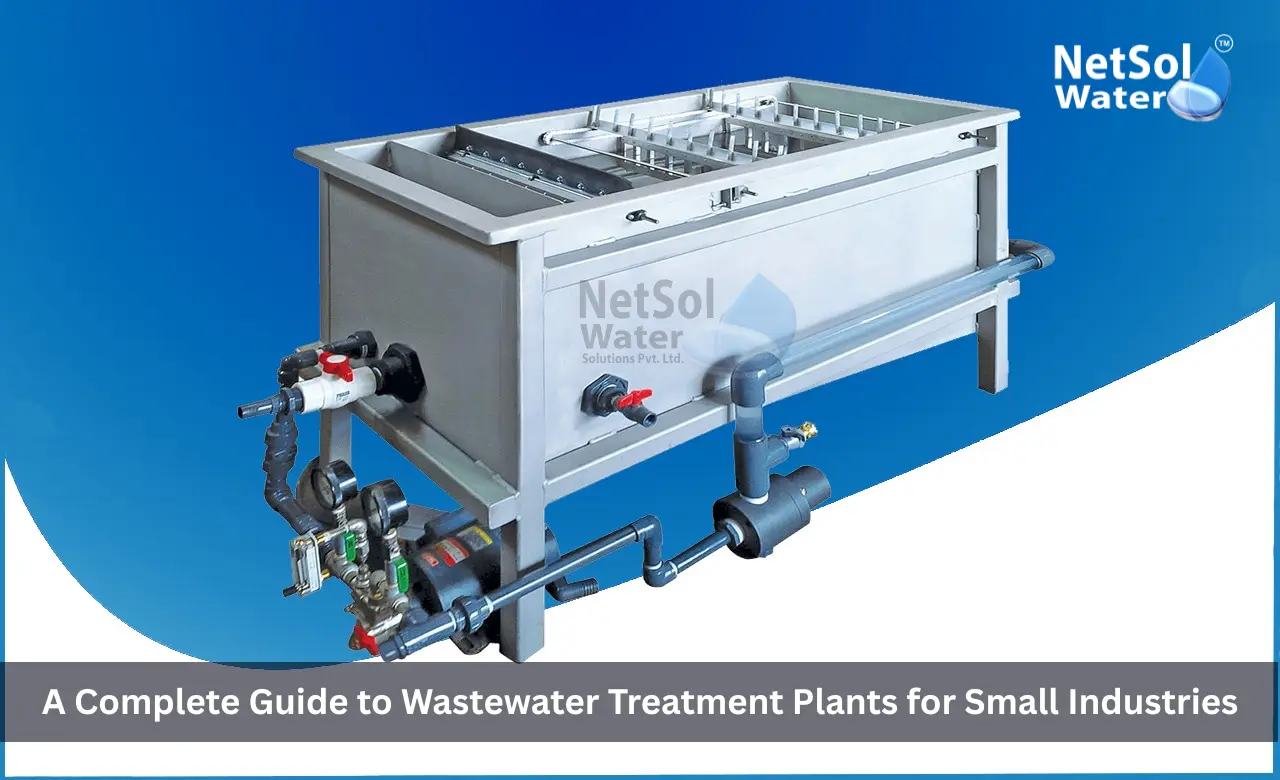
Wastewater Treatment Plants remove harmful substances from used water so that the water becomes safe for discharge or reuse. Small industrial plants face strict rules for water safety and for environmental care. A well planned wastewater system helps these units meet rules and protect local water bodies. Netsol Water is the leading provider of practical solutions for small industry needs. We will explain how plants work and what matters most when a small industry chooses a plant.

Design and Key Components

Design and the choice of components decide how well a plant will perform. Good design fits water type the industry produces and it fits the space available. Designers must balance cost and efficiency. Let us have a look on some essential parts and how each part works together to deliver steady performance.

Primary Treatment and Solids Removal

Primary treatment removes large solids and settles heavy particles. This step lowers the load on later units so that the whole system works better. Typical steps include screening and sedimentation. Screening takes out large objects that can clog pumps and pipes. Sedimentation allows sand and heavy particles to fall to the bottom so that cleaners can remove them. For small industries simple settling tanks can do the job with low power needs. Designers may add a grease trap when oil or grease appears in waste. Grease traps keep floatable matter from reaching biological units. Proper primary treatment reduces smell and reduces the need for chemical doses later. When primary units work well the owners see lower power bills and fewer blockages. This step sets the stage for more complex steps to follow.

Secondary Treatment and Biological Processes

Secondary treatment uses microbes to break down organic matter. This step removes dissolved pollution that primary treatment cannot remove. Small plants often use activated sludge or moving bed biofilm reactors. Each method has clear benefits. Activated sludge needs aeration and regular monitoring of sludge levels. Moving bed reactors need less space and they keep microbes on plastic carriers so the process can stay stable in varying loads. Let us have a look on some design choices. When the wastewater has strong organic load designers may choose a larger biological tank and stronger aeration. When flow varies a flexible process like moving bed reactors will keep treatment steady. Proper control of oxygen and sludge removal keeps the process efficient. Good secondary treatment lowers chemical need and improves the quality of the treated water so that reuse becomes possible.

Operation Maintenance and Compliance

Operation and maintenance make a plant useful over the long run. Even a well designed plant can fail when staff do not follow simple routines. Regular checks save money and reduce downtime. Let us have a look on key tasks and on how to meet legal rules that apply to small industries.

Routine Operation and Simple Checks

Routine operation keeps the system in steady condition. Operators should check pumps valves and tank levels every day. They should record flow rates and check for unusual odors or foam. Scheduled cleaning of screens and desludging of sedimentation tanks prevents clogging and keeps the process stable. Small industries can train one staff member to manage daily checks and to call service teams when issues appear. Good records help to spot trends early. For example a slow rise in sludge level may mean a need for extra sludge removal or a change in feed pattern. Simple monitoring tools can give clear signals without a large expense. A schedule for tasks will reduce emergency repairs and will keep costs predictable.

Regulatory Compliance and Reporting

Meeting legal rules protects the business and the local environment. Authorities require specific limits for chemical oxygen demand solids and for pH. Industries must test treated water and keep records to show that they meet these limits. Many rules also set fines for breaches. Small plants should plan for regular lab tests and should keep a pack of samples for audits. When a plant avoids violations it reduces the risk of fines and of shutdown orders. Netsol Water is the leading service provider that helps small industries meet standards and file reports. Proper compliance planning includes choosing the right treatment level and keeping staff trained on sampling and reporting.

Read some interesting information for Industrial RO Plant Manufacturer in Noida

Conclusion

Wastewater Treatment Plants form the core of safe industrial operation in small units. A clear design and steady operation make treatment cost effective and legal compliance simple. Netsol Water is the leading partner for small industries that need practical solutions and reliable service. If you want more details on plant size costs or on a site survey please get in touch for a consultation. Our team can assess your needs and suggest the right Wastewater Treatment Plants for your business. Contact us today to book a consultation and to protect your operation and the local water around you.

Contact Netsol Water at:

Phone: +91-9650608473

Email: enquiry@netsolwater.com