Wastewater - Page 8 of 13 - Sewage Treatment Plant Manufacturers

Wastewater-Reuse-Best-Practices-for-Agriculture-Irrigation-Applications.webp

January 7, 2026by Netsol Water

Wastewater Reuse: Best Practices for Agriculture & Irrigation Applications

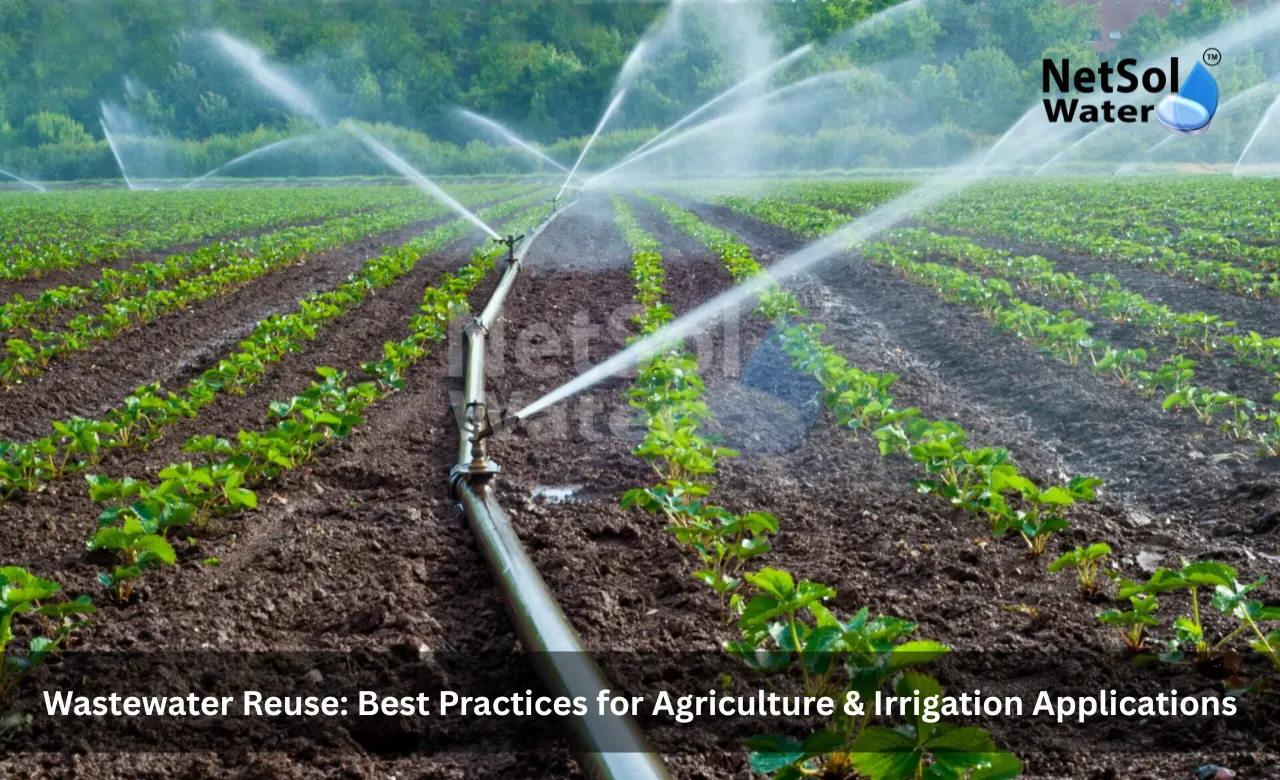
Wastewater reuse can change how farmers water their fields. Netsol Water is the leading provider of solutions and plants that help farms use treated water the right way. This place is famous for strong farming communities and long dry seasons. In such areas, reuse of water can support crops and save fresh water for homes.

Benefits of Reusing Treated Wastewater in Agriculture

Reusing treated water can boost farm resilience and reduce pressure on rivers and groundwater. Farmers face water shortages and rising costs. A good Wastewater Treatment Plant from a reliable Sewage Treatment Plant Manufacturer can supply steady water and reduce costs. Let us have a look at some benefits.

Increased Water Security for Farms

Using treated water gives farms a reliable supply in dry months. Farmers can plan planting and yields with more confidence. Treated water reduces the risk of crop loss from sudden dry spells. When farmers rely on the reuse system, they also reduce demand on local freshwater sources.

Nutrient Value and Soil Health

Treated wastewater often contains nutrients such as nitrogen and phosphorus. When applied with care, these nutrients can lower the need for chemical fertilizers. Farmers can save money and reduce waste from fertilizer runoff. Proper management keeps salts and other elements from building up in the soil. By tracking soil tests and adjusting doses, farmers keep the balance right.

Treatment Methods Suitable for Irrigation Use

Choosing the right treatment steps matters for safe reuse. Different crops and soils need different quality levels. A Wastewater Treatment Plant must match the end use and the local rules. Let us have a look at some treatment options.

Primary Treatment and Solids Removal

Primary steps remove large solids and floating matter. This step uses screens and sedimentation to cut down the heavy load on later systems. Removing solids lowers risks to drip lines and sprinklers. A simple settling tank can do this job at low cost. Operators for small farms will find this step easy to run and to inspect.

Secondary Treatment and Biological Processes

The secondary stage reduces organic load and disease risk. Biological filters and aeration tanks break down waste through microbes. These systems lower the oxygen demand and remove many pollutants. A well-run secondary unit brings the water close to safe levels for many irrigation needs. Farmers must keep the system balanced and avoid sudden shocks to the microbes.

Disinfection and Final Polishing

The last step aims to kill pathogens and remove traces. Options include slow sand filters, ultraviolet light and safe chemical dosing where allowed. This step adapts to crop type and irrigation method. For crops that grow close to the soil surface or that are eaten raw, higher disinfection standards apply. A good Wastewater Treatment Plant from a trusted Sewage Treatment Plant Manufacturer will include a clear plan for disinfection and a way to test the outcome.

Safe Application Practices and Monitoring

How farmers apply treated water decides the health outcome for consumers and the land. Improper use can harm crops or build up salts. Let us have a look at some safe practices and monitoring.

Choosing the Right Irrigation Method

Drip and subsurface irrigation reduce contact between water and edible parts of the plant. These methods cut the chance of contamination. Sprinkler systems can spread pathogens onto leaves when they run near harvest. For root crops and leafy greens, farmers must choose methods that protect the food. Installation and maintenance of drip lines keep systems clean and working.

Crop Selection and Timing of Application

Some crops tolerate lower water quality better than others. Farmers can plan to irrigate non-edible parts or orchard trees with lower grade treated water. They can avoid spraying close to harvest time for fresh produce. Careful scheduling and crop choice reduce health risks while keeping yields high.

Monitoring Soil and Water Quality

Routine testing makes reuse safe and sustainable. Check pathogen indicators, salinity and nutrient levels on a schedule. Use simple field tests for key markers and send samples to a lab for full checks when needed. The operators of a Wastewater Treatment Plant must keep records and follow local rules. These records guide dose changes and signal when to rest fields or flush systems.

Managing Risks and Worker Safety

Workers need clear rules and protective gear when they handle treated water. Training on hygiene on-site and at home keeps families safe. Use barriers and signs to mark reuse water storage and delivery lines. A plan for spill response and for treating sick plants helps reduce long-term problems.

Read some interesting information for the Sewage Treatment Plant Manufacturer in Noida

Conclusion

Using treated water for farming can save water and support food production while keeping people safe. A well-run Wastewater Treatment Plant from an experienced Sewage Treatment Plant Manufacturer makes this possible by treating water to the right standard and by guiding farmers on safe use. Netsol Water can help deliver plants and training that meet local needs. If you want to learn how to set up reuse on your farm or if you need a site assessment, contact Netsol Water for a consultation. They can guide you from design to operation so you can use treated water effectively.

Contact Netsol Water at:

Phone: +91-9650608473

Email: enquiry@netsolwater.com

Why-Decentralised-vs-Centralised-Wastewater-Systems-Matter-in-Urban-Planning-2.webp

January 6, 2026by Netsol Water

How to Prepare for Regulatory Audits for Wastewater Discharge Compliance

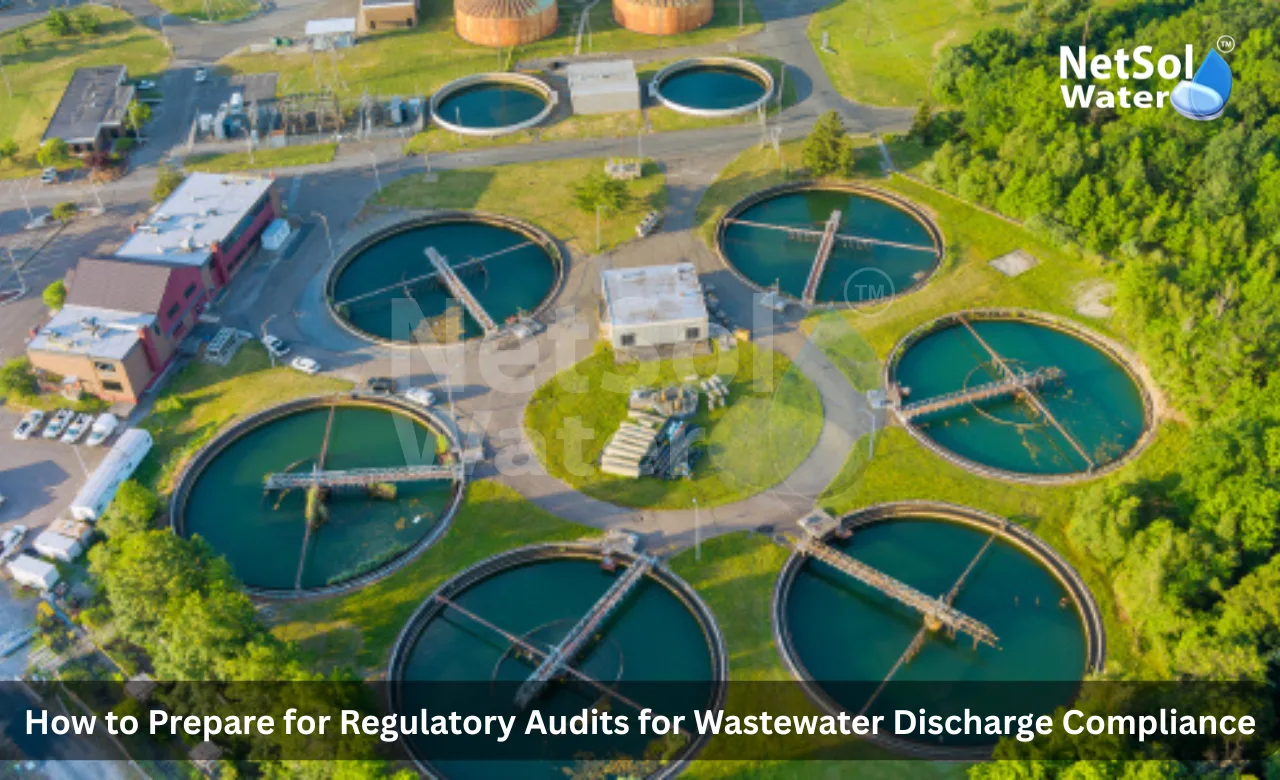
Preparing for a regulatory audit can feel hard for any site that manages wastewater. Netsol Water is the leading Wastewater treatment plant manufacturer and many of the practices discussed here apply to plants built or serviced by them. Knowing the local rules and having records ready makes a big difference during inspections. You will learn how to read the audit scope and how to make sure your plant runs in line with permits and monitoring needs.

Regulations and Audit Scope

Understanding the rules sets the base for any audit plan. You must know what your permit allows and what tests you must run. Let us have a look on some key areas that inspectors focus on and then break these into clear parts.

  • Know your permits and standards

Begin by reading the discharge permit and any associated consent orders. The permit explains limits for parameters like BOD, TSS, pH and specific chemicals. It also lists sample points and reporting frequency. Match these permit items to the way your plant monitors water. If the permit requires daily checks for a parameter, make sure staff log those checks. If the permit asks for monthly lab reports, set a calendar reminder and assign one person to send the file.

  • Map the audit scope to your plant layout

Regulators will view the sampling points the way the permit describes. The map should show influent channels, reactors, clarifiers, and final effluent outfalls. Keep the map near the control room and in the audit pack. When inspectors ask about a point, you should be able to show where the sample came from and the last few results. This link between the site plan and records helps the inspector close the loop on compliance.

Prepare Documentation and Records

Correct records make an audit fast and fair. Let us have a look on some core records and how to make them easy to review.

  • Daily logs and monitoring reports

Daily operation logs form the backbone of your audit file. These logs should record flow rates, chemical doses and any alarms or manual interventions. Keep lab results with the date, time, sampler name and chain of custody details when you use external labs. If you keep digital records, make sure the files are easy to open and print. A regulator will want to see recent data and trends. If a result crosses a limit, write a short note that explains the cause and the corrective step you took.

  • Maintenance history and calibration records

A good audit will check that instruments and treatment units work as intended. Keep clear maintenance files for pumps, blowers, valves and membrane units when present. Include service dates, parts replaced and the name of the person who performed the work. Also save calibration records for meters, sensors and analyzers. If a device shows drift or a failed calibration, explain how you fixed the error and whether you validated any data recorded during the period of drift.

Ensure Operational Readiness and Staff Training

How your team acts during an audit matters. Let us have a look on some actions that prepare people and systems for a smooth inspection.

  • Train staff on protocol and on key equipment

Train operators to answer common questions about inflow patterns, treatment steps and emergency actions. Run mock audits so staff can practice showing the audit pack and walking inspectors to sample points. Teach one person to lead the inspection so the regulator deals with a single contact. Make sure everyone knows how to stop and lock out equipment safely and how to fetch records fast. Confidence and calm work in your favor during the audit.

  • Run pre-audit checks and corrective actions

Schedule a pre-audit review that checks the permit items’ calibration status and safety equipment. Test alarms and backup power so you can show that plants will run if a problem occurs. When you find nonconformities, correct them and write a short report that explains the fix. This report belongs in the audit file. It shows the regulator that you do not hide issues and that you improve the plant over time.

Read some interesting information for the Commercial RO Plant Manufacturer in Noida

Conclusion

A clear plan makes audits less stressful and helps your site stay compliant. Use the checks above to align your operations to the permit. Keep the Wastewater Treatment Plant records neat and ready. Train the team to show work and to act on issues fast. If you want help to prepare your audit or to review your documentation, contact Netsol Water, the leading wastewater treatment plant manufacturer and sewage treatment plant manufacturer, for a consultation. Our team can help review records and train staff so you face audits with confidence.

Contact Netsol Water at:

Phone: +91-9650608473

Email: enquiry@netsolwater.com

Why-Decentralised-vs-Centralised-Wastewater-Systems-Matter-in-Urban-Planning-1.webp

January 5, 2026by Netsol Water

How Smart Sensors are Helping Fight Pollution in Wastewater Streams

India is known for its long rivers, busy cities and strong industrial growth. Rivers like the Ganga have cultural value and also support farming and daily life. At the same time, rising population and fast urban growth place heavy pressure on water bodies. Dirty discharge from homes and factories often enters natural streams, and this creates serious pollution. Because of this problem, the role of a Wastewater Treatment Plant becomes more important than ever. Treatment systems no longer work only with tanks and pipes.

Smart sensors now play a strong role in how pollution is controlled. These sensors check water quality in real time and share data with plant operators. This helps teams act fast when pollution levels rise. It also supports better planning and smoother operations. A modern Wastewater Treatment Plant that uses smart sensors can reduce damage to rivers and protect public health. Netsol Water is the leading name in effluent treatment plant manufacturers and brings smart sensor-based solutions that help industries and cities manage wastewater in a better way. Understanding how these sensors work and why they matter helps decision-makers choose the right plants for long-term water safety.

Real-Time Monitoring and Pollution Control

Real-time monitoring stands at the center of smart sensor use. It helps treatment plants see what happens inside wastewater streams at every moment. This changes how pollution control works and improves overall plant performance.

Importance of Continuous Water Quality Tracking

Water quality changes often during the day. Flow rate, pH level and chemical load shift due to industrial cycles and household use. Traditional testing methods check samples after long gaps. This delay allows polluted water to pass untreated. Smart sensors solve this issue by tracking conditions without stopping. They send live readings to control panels. Operators understand the situation as it happens.

This approach supports a Wastewater Treatment Plant by giving early warnings. When harmful levels rise, teams respond fast. They adjust treatment stages and prevent damage to equipment. Continuous tracking also builds trust with local bodies since records stay clear and accurate. Over time this method improves discharge quality and supports cleaner rivers.

Sensors That Detect Pollutants in Wastewater Streams

Turbidity sensors track solid particles that make water cloudy. Chemical sensors measure oxygen demand and toxic content. Together they give a full picture of wastewater health. Each sensor works inside harsh conditions and sends stable data. This data helps the Wastewater Treatment Plant adjust aeration and filtration steps. As a result, treated water meets discharge rules. Smart detection also reduces manual testing load and human error. With better data, plants run smoother, and pollution drops at the source.

Data-Driven Decisions in Treatment Operations

Smart sensors do more than collect data. They support decisions that improve efficiency and reduce pollution risks. Data-driven operations help plants move from reactive actions to planned control.

Turning Sensor Data into Action

Raw data has little value without proper use. Modern systems connect sensors with software dashboards. These screens show trends, alerts and performance reports. Operators see where problems form and how fast they grow. This helps teams act with confidence.

A Wastewater Treatment Plant that uses data wisely saves time and energy. Operators fine-tune chemical dosing and reduce waste. They also plan maintenance before failures occur. Over time data builds a clear history. This supports audits and future upgrades. Plants become stable and easier to manage.

Improving Compliance and Environmental Safety

Pollution control boards set limits for discharge quality. Missing these limits leads to penalties and public concern. Smart sensors help plants stay within rules by tracking values all day. Alerts inform teams before limits break.

This approach protects nearby water bodies and communities. It also improves the image of industries and cities. Netsol Water is the leading provider and effluent treatment plant manufacturer that designs systems where sensor data links directly with control units. This ensures safe discharge and long-term compliance.

Read some interesting information for the Effluent Treatment Plant Manufacturer in Noida

Conclusion

Clean water supports life, health and growth. Smart sensors change how wastewater gets treated by adding speed, accuracy and control. When used correctly, they help reduce pollution at every stage. A modern wastewater treatment plant gains strength through real-time data and smart decisions. This protects rivers and supports future water needs. Netsol Water is the leading partner and effluent treatment plant manufacturer in delivering such advanced solutions. Connect with the team today to understand how smart sensor-based treatment systems can support cleaner wastewater streams and a safer environment.

Contact Netsol Water at:

Phone: +91-9650608473

Email: enquiry@netsolwater.com

Add-a-subheading-1-2-1.webp

December 27, 2025by Netsol Water

Wastewater Management for Hotels, Resorts & Hospitality Industry

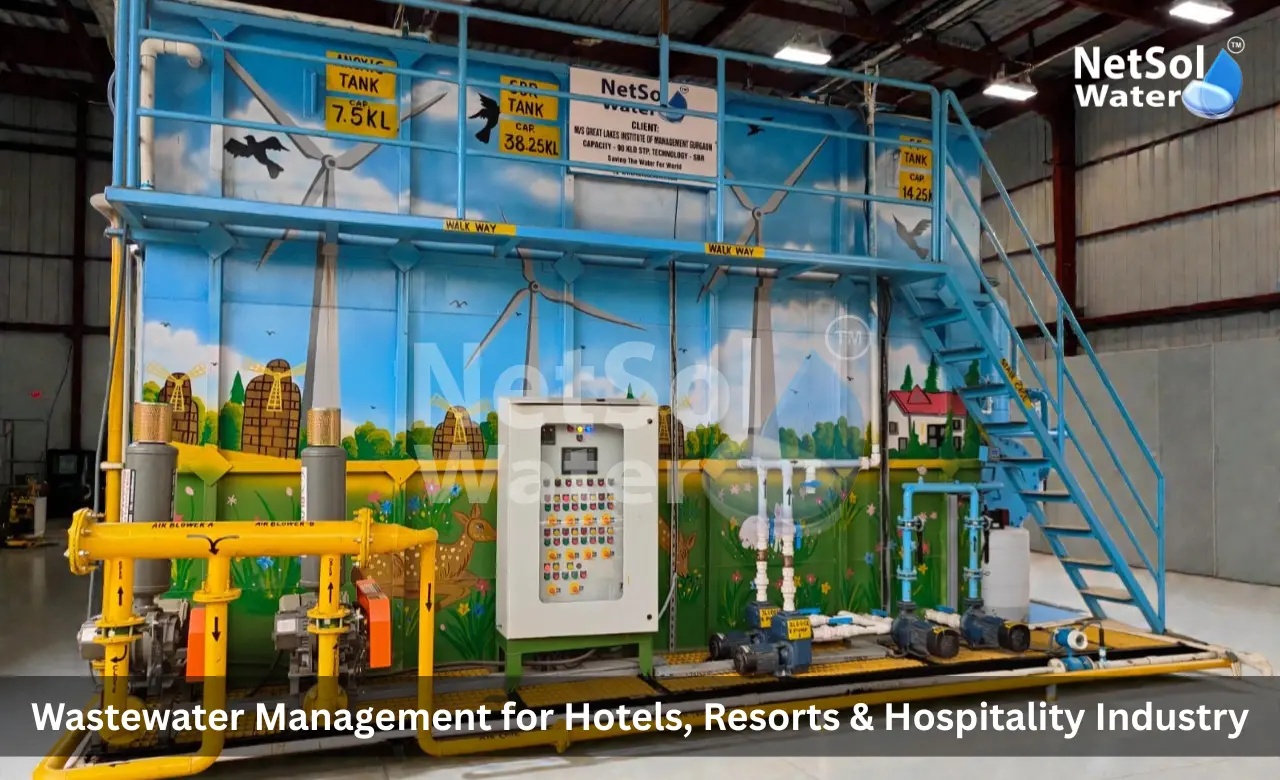
Hotels and resorts has guests from all over the world. In places which draw many visitors each year. These places depend on clean water and on safe disposal of wastewater. A strong wastewater plan helps hotels protect guest health, save water and keep the local environment healthy. Wastewater management matters for operations and for the image of the hotel. It also lowers cost and supports a hotel that wants to be seen as responsible. Wastewater Treatment Plant systems must match the size and needs of the property. Smaller boutique, hotels need compact systems. Large resorts need systems that handle high flow and variable load. We will explain why wastewater management matters for the hotel and resort industry.

Importance of Wastewater Management in Hospitality

Good wastewater management keeps guests safe and keeps the site clean. Let us have a look on some main areas that hotels must focus on and why they matter.

Guest Health and Safety

Hotels must remove harmful pathogens and chemicals from wastewater before it leaves the property. Wastewater that stays untreated can spread disease and harm guest health. Hotels must use systems that remove solids and that reduce biological risk. Staff must check system function every day. Filters and disinfection steps must work without fail. When hotels treat wastewater well they protect guests and staff. Treated water can serve for cleaning and for irrigation. This lowers demand on fresh water and reduces the chance of contamination. A steady system reduces surprises. A reliable Wastewater Treatment Plant helps managers plan and prevents service interruptions that harm guest comfort.

Resource Use and Sustainability

Hotels that manage wastewater well cut water demand and lower cost. Let us have a look on some methods hotels use to save water and to reuse treated water. Reuse starts with proper treatment and safe testing. Grey water from baths and sinks can go through simple systems and then serve for garden irrigation. Mixed wastewater needs more advanced treatment before reuse. When hotels plan reuse they save on municipal water bills. They also show guests that the hotel cares for the planet. Sustainability attracts new guests and builds loyalty. Using treated water for laundry, cooling and landscape irrigation reduces fresh water use and reduces the load on local supplies. This step supports the whole community around the hotel.

Technical Solutions and System Design

Good design matches technology to hotel needs. Let us have a look on some common system parts and how they work together to serve hotels and resorts.

Primary Treatment and Biological Systems

Primary steps remove solids and oils that block later stages. Tanks and screens capture large particles and grease. After that the water moves into biological systems that break down organic matter. These systems use bacteria to remove organic load and to reduce biochemical oxygen demand. For small hotels simple sequencing batch reactors can do the job. Larger resorts often need continuous flow reactors with more capacity. Proper aeration control keeps bacteria healthy and saves energy. Designers must size tanks for peak guest load and for seasonal spikes. Good design also plans for easy access for cleaning. A balanced system avoids odors and keeps treated water clear.

Advanced Treatment and Reuse

Advanced steps polish water to a level safe for reuse. Let us have a look on some advanced technologies that hotels use to meet reuse goals. Membrane filtration and UV disinfection provide high quality water for reuse in cooling towers and for landscape irrigation. Activated carbon can remove color and trace organics. Chemical dosing can balance pH and remove specific contaminants. When hotels aim to reuse water for non potable uses they must test regularly. Online sensors help operators monitor turbidity and disinfectant residual so they can act fast. Combining technologies yields water that meets reuse needs and that protects guest safety.

Operation Maintenance and Compliance

Systems perform well when staff operate them daily and when the hotel follows rules. Let us have a look on the routine tasks and the compliance work that keep systems legal and efficient.

Routine Operation and Staff Training

Daily checks keep plant performance stable. Operators must record flow rates check pumps inspect filters and log readings. Training helps staff spot changes and fix small faults before they grow. Regular cleaning prevents clogging and reduces maintenance cost. A clear maintenance schedule covers pump checks media replacement and sensor calibration. Hotels that train their operators reduce downtime and extend equipment life. Outsourced service contracts can support hotels that lack full time staff.

Regulatory Compliance and Reporting

Hotels must follow rules from local authorities and from environmental agencies. Let us have a look on how hotels meet these requirements and how they document compliance. Permits often require set discharge limits for key parameters. Hotels must test effluent and keep records ready for audits. Reporting shows the regulator that the hotel acts responsibly. Good reporting also protects the hotel when guests or neighbours raise concerns. When a hotel works with a trusted supplier and with a reliable Sewage Treatment Plant Manufacturer it gains documentation and service support. Netsol Water is the leading Wastewater Treatment Plant Manufacturer and it provides systems that meet common regulatory needs along with service support to keep records and to help during inspections.

Read some interesting information for the Industrial RO Plant Manufacturer in Delhi

Conclusion

Wastewater management matters for guest safety, cost control and local environment. A well chosen Wastewater Treatment Plant helps hotels save water reduce cost and meet law. It also shows guests that the hotel cares for the place they visit. Netsol Water is the leading Wastewater Treatment Plant Manufacturer and Sewage Treatment Plant Manufacturers and it offers solutions for small hotels and for large resorts. To learn more or to request a consultation contact Netsol Water for advice on design cost and operation. Good wastewater care protects guests and it protects the future of tourism.

Contact Netsol Water at:

Phone: +91-9650608473

Email: enquiry@netsolwater.com

Top-Mistakes-to-Avoid-When-Installing-a-Water-Wastewater-Treatment-Plant-1-1.webp

December 26, 2025by Netsol Water

Emerging Trends: Nanotechnology in Wastewater Filtration

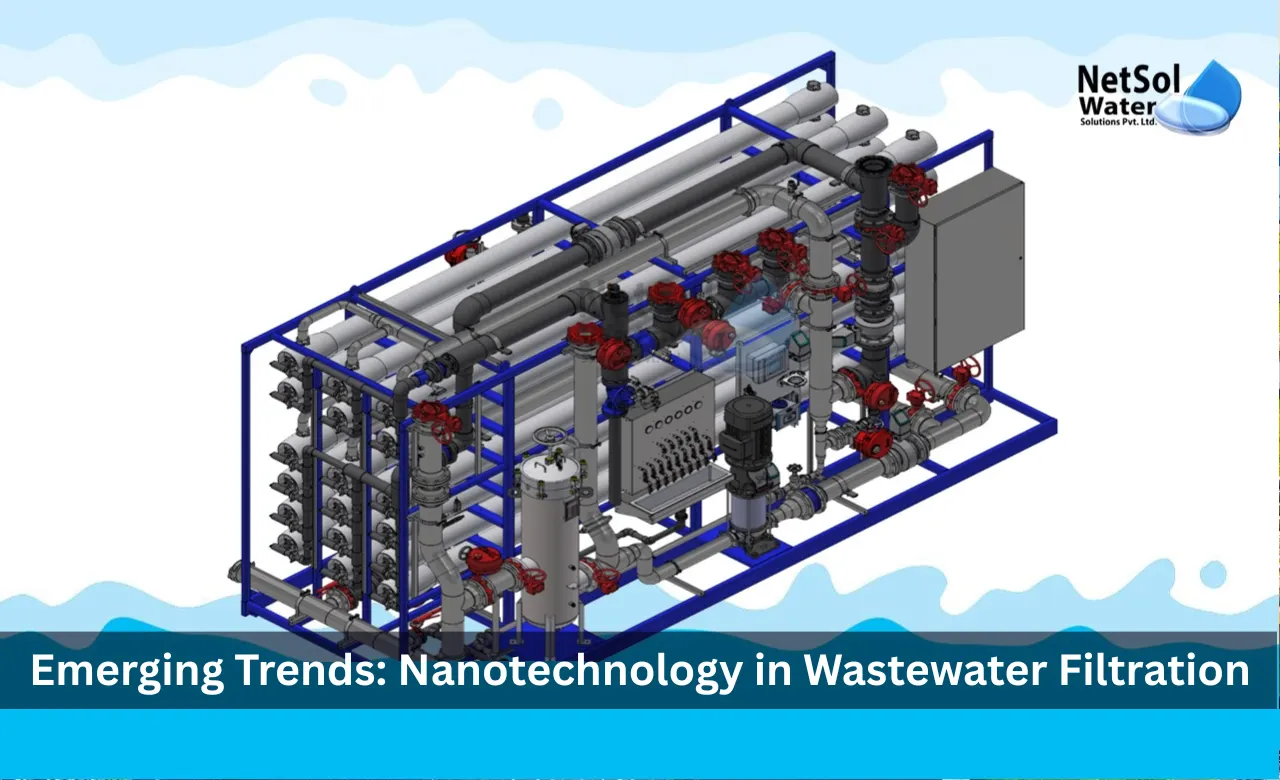
Wastewater Management faces rising demands as cities and industries seek cleaner water and lower costs. New limits on discharges and new goals for reuse require plants to work harder and to use smarter tools. Nanotechnology offers small scale solutions that change how filters work and how managers detect and remove pollutants. These advances help plants treat water more efficiently and they can lower energy use and reduce waste. The changes also open paths to capture contaminants that older systems often miss.

Nanomaterials for Filtration

Nanomaterials can change how filters work. Let us have a look on some main materials and how they perform.

Carbon Nanotubes

Carbon offer strong flow and fine capture of small particles. Plants use them to remove organic matter and certain heavy metals. The tubes form dense networks that trap pollutants while letting water pass. Operators report higher throughput with lower pressure loss. The tubes also resist wear and tear. This means fewer replacements and lower downtime. In field tests filters with these tubes show longer life than many older media. The tubes also help when plants face sudden load spikes. The system keeps working while the filter clears faster during cleaning cycles. Careful design keeps production and disposal safe. Plants must follow handling rules to protect workers and the environment.

Graphene Based Filters

Graphene based filters use thin sheets of carbon that act like sieves at the nano scale. They remove tiny particles and some dissolved organics with high efficiency. The sheets also add strength and reduce fouling on the surface. Plants see more stable flows over long runs. Maintenance staff clean the surfaces more easily. Builders can coat existing membranes with graphene layers to boost performance. The coating improves rejection rates for small molecules that older membranes miss. Researchers pair graphene with other media to target specific pollutants. For example pairing with activated carbon can catch both small organics and dyes. The result fits many textile and dyeing units that need higher quality reuse water. Wider use needs cost cuts and clear safety plans.

Nanocoatings and Surface Functionalization

Coatings change how surfaces meet water and pollutants. Let us have a look on some key coating approaches and their effects.

Antifouling Coatings

Antifouling coatings keep filter surfaces clean for longer. The coatings reduce the build up of bio film and trapped solids. Plants that add these coatings need fewer cleanings. They also use less chemical cleaning agents. The reduced cleaning saves money and lowers the risk of membrane damage. Operators can plan longer service intervals and steadier flow. Antifouling layers often change the surface energy so particles fail to stick. That change creates smoother operation and simpler maintenance routines. This approach fits plants with high organic loads. Textile mills and food units benefit because their effluents cause fast fouling in old systems. Trials show cleaner runs and more predictable output when the coating holds up under real load cycles.

Reactive Surface Coatings

Reactive coatings can hold catalysts that turn hard to treat molecules into safer ones. This step reduces load before the next treatment stage. Plants place these coatings on pipes and on membrane faces. The result cuts stress on downstream units. Reactive coatings also help remove some micro pollutants that passive filters miss. Developers tune the coating to target types of waste found at a site. This helps match the solution to local needs. Safety checks ensure that coating fragments do not enter the treated water. Operators run regular tests to confirm stability and to adjust replacement schedules.

Top Mistakes to Avoid When Installing a Water & Wastewater Treatment Plant


Read some interesting information for the Effluent Treatment Plant Manufacturer in Delhi

Nanotechnology for Detection and Pathogen Removal

We will look at how nanotechnology helps detect and remove pathogens. Let us have a look on some sensor and disinfection options that teams can use.

Nanosensors for Real Time Monitoring

Nanosensors detect small changes fast. Plants use them to watch turbidity and trace chemicals. The sensors send near real time alerts when a pollutant spike arrives. Managers then adjust flows or add steps before the problem spreads. This quick response saves water and prevents permit violations. Nanosensors also aid process control. They feed data to automatic valves and to dosing systems. The result is steadier output with less manual intervention. Sensors tend to cost less as production scales. They also link well to cloud tools that store and show trends. Operators use this trend data to plan maintenance and to spot slow changes that need repair.

Nanoenabled Disinfection

Nanoenabled disinfection uses small particles to reduce pathogens. Some particles kill bacteria. Others work as catalysts under light to destroy microbes. Plants add these particles in fixed beds or as coatings on surfaces. The approach can lower reliance on chemical disinfectants. That change can cut by products that cause odor or that harm downstream ecosystems. Trials show strong pathogen reduction with careful control of contact time. Plant staff must follow rules to keep particles from leaving the system.

Conclusion

Wastewater Management must move with new tools that offer better results and lower life cycle cost. Nanotechnology brings filters coatings sensors and disinfection tools that can change how plants work. These trends help plants reach higher reuse targets and reduce waste. Netsol Water is the leading partner for firms that want to test these methods in Noida and nearby areas. Netsol Water, a trusted Commercial RO Plant Manufacturer, is the leading partner for firms that want to test these methods in Noida and nearby areas. Contact us to learn how these technologies can fit your site and to request a consultation on pilot trials. Reach out for a discussion and for practical next steps.

Contact Netsol Water at:

Phone: +91-9650608473

Email: enquiry@netsolwater.com


Top-Mistakes-to-Avoid-When-Installing-a-Water-Wastewater-Treatment-Plant-1.webp

December 25, 2025by Netsol Water

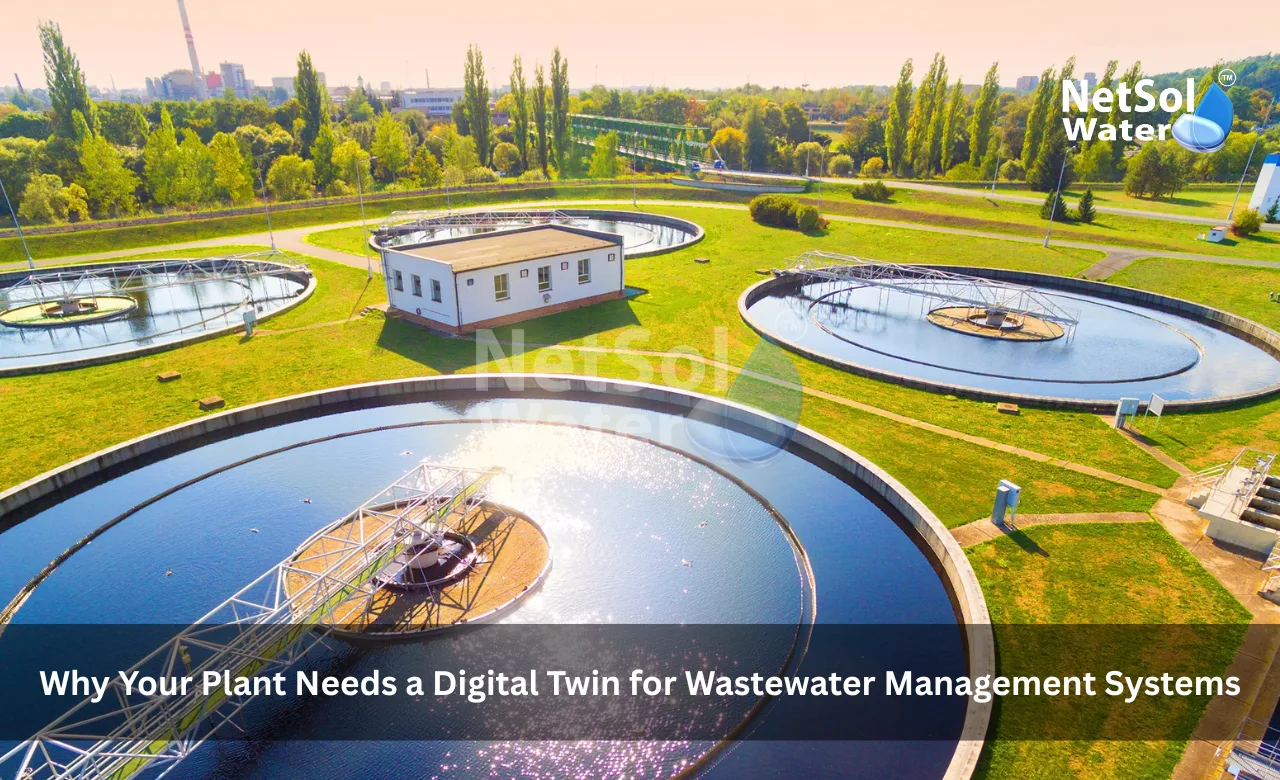
Why Your Plant Needs a Digital Twin for Wastewater Management Systems

A modern Wastewater Treatment Plant faces many challenges each day. Cities and industrial zones that grow fast need systems that work without failure. A digital twin gives a copy of the real plant in a virtual space. This approach helps teams see what happens in real time. It also helps teams test changes before they try them in the real plant. Many operators find that a digital twin reduces downtime and cuts cost. Netsol Water is the leading provider that can help plants adopt this new tool. The idea of a digital twin links sensors, control systems and analytics in one view. This link helps teams find problems early and fix them quickly. A plant that uses a digital twin gains better control over process quality energy use and compliance. In places with strict rules and heavy use this control matters a great deal.

What a Digital Twin Is and Why It Matters

A digital twin matters because it creates a live model of a real Wastewater Treatment Plant. This model shows process flows chemical levels and machine status at each moment. Let us have a look on some key aspects that make the digital twin useful.

Live Process Mirror

A live process mirror takes inputs from sensors across the plant. This mirror shows tank levels pump speed and valve position as they change. Operators can open the mirror on a screen and see current conditions. They can follow a trend line and spot a change before it becomes a failure. The mirror makes training easier because new staff can explore the real plant in a safe virtual space. They can test scenarios without risking equipment. This approach reduces mistakes on the shop floor and speeds up learning.

Model Based Testing

A digital twin lets teams test new settings in a model before they use them in the real plant. Engineers can change chemical dose or aeration time in the virtual plant and watch results. This test reduces the chance of poor outcomes. Teams can compare options and choose the best path. Over time the model improves as it learns from real outcomes. This improvement makes future tests more accurate and more useful.

How Digital Twin Improves Operation and Maintenance

Operation and maintenance shape plant cost and uptime each day. A digital twin helps teams run the plant with more confidence and with fewer surprises. Let us have a look on some ways it improves these tasks.

Predictive Maintenance

Predictive maintenance uses data to find parts that soon need service. The twin shows pump vibration motor heat and flow patterns. Analytics then flag parts that behave out of pattern. Teams then plan repairs in low load hours. This plan keeps production running and limits emergency work. With planned maintenance parts last longer and staff work safer. The result is less downtime and lower cost per treated cubic meter.

Process Optimization

A digital twin helps teams tune process settings for better performance. They can change aeration cycles sludge return rates and chemical feed in the model and then roll out the best setting. This tuning often cuts energy use and improves effluent quality. Teams can meet discharge limits more easily and save on power bills. Over many months small gains add to a large saving that helps the plant budget.

Data Driven Decisions and Compliance Support

Regulators ask for proof that the plant meets rules. Managers need clear records and quick reports. A digital twin makes record keeping clearer and helps teams choose better moves based on data. Let us have a look on some benefits in this area.

Traceable Records

The twin stores time stamped data for all key process points. This store gives clear proof of how the plant ran at any hour. When inspectors ask for data teams can pull a report that shows real numbers and actions. This proof helps avoid penalties and builds trust with regulators and with nearby communities. The record also helps teams review past events and learn from them.

Risk Assessment and Scenario Planning

Teams can use the twin to plan for storms power loss or sudden load increase. The model shows what will likely fail and where staff should focus. Teams can run drills in the virtual plant to test emergency steps. This drill practice makes the real response faster and calmer. The result is less environmental risk and more stable service for users.

Read some interesting information for the Commercial RO Plant Manufacturer in Delhi

Conclusion

A modern Wastewater Treatment Plant gains clearer control and lower cost when it adds a digital twin. The twin turns raw sensor data into usable insight. It helps teams act before small faults become big problems. It helps plan maintenance and meet rules with clear records. Netsol Water is the leading Sewage Treatment Plant Manufacturer partner to guide plants through this change. Netsol Water is the leading partner to guide plants through this change. If you want better uptime lower cost and stronger compliance contact Netsol Water for more information or request a consultation today.

Contact Netsol Water at:

Phone: +91-9650608473

Email: enquiry@netsolwater.com

Add-a-subheading-1-2.webp

December 23, 2025by Netsol Water

Case Study: How the Textile Industry Reduced Freshwater Intake through Wastewater Reuse

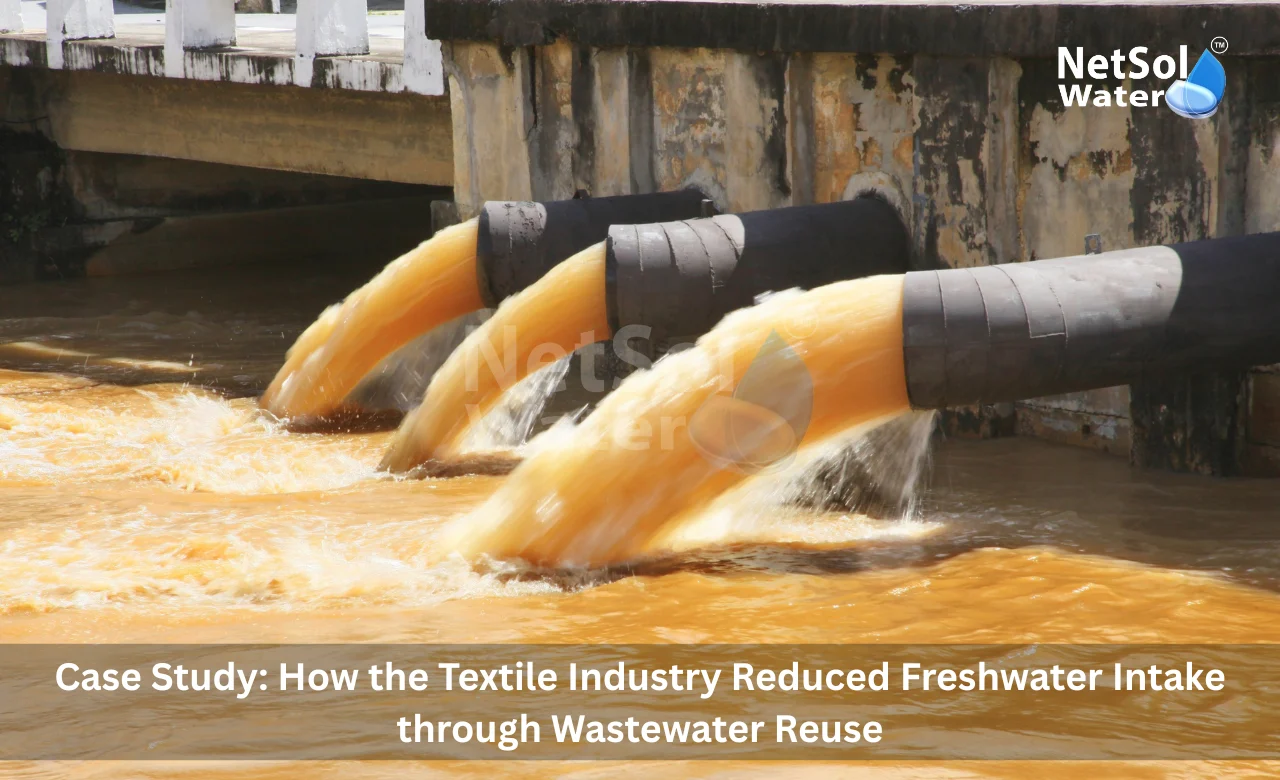
This case study examines how a textile processing cluster in Rajasthan reduced its freshwater intake by nearly 50% through a wastewater reuse program. Facing seasonal water scarcity, rising costs, and stricter effluent norms, the cluster partnered with Netsol Water to implement a modular wastewater treatment and reuse system. The solution enabled reliable reuse of treated effluent for cooling and non-critical rinsing, while maintaining product quality and improving environmental compliance. The project achieved a payback period of under three years and offers a scalable model for water-stressed textile clusters across India.

Background and Challenge

Let us have a look on some key pressure points that pushed the shift to reuse.

Water use in textile processes

Textile mills use water at many steps. Wet processing will need rinse baths and dye baths. Fabric washing will need many cycles. Cooling and boiler feeds will also need water. Each step adds to the total draw from local supplies. The mill faced seasonal shortages that slowed output and raised cost. Managers knew they had to cut fresh water use and to keep product quality. They also knew reuse must meet tight limits so dyes and salts do not harm fabric. Netsol Water helped by mapping each water use point and by sizing a modular Wastewater Treatment Plant that could treat water to reuse class.

Regulatory and cost pressure

Local rules started to set new discharge limits for color and chemical oxygen demand. The cluster faced higher fees for fresh water and for excess discharge. Banks and buyers began to ask for cleaner operations. This pressure made investment in reuse a practical option. The plant team had to meet both daily flow needs and variable loads from batch runs. Netsol Water proposed a staged plan that starts with primary and biological treatment and then adds advanced polishing. The plan aimed to reduce fresh water intake without harming product finish. The team also trained staff to run the new units and to monitor key points in real time. These steps cut risk and made the project workable in the mill setting.

Solution Implemented

Let us have a look on some design steps and on how operations changed to support reuse.

Treatment technologies used

The chosen solution combined physical settling with biological cleaning and advanced polishing. Settling removed heavy solids and lint. A biological reactor broke down organic load from dye and finishing agents. After that a membrane filter removed fine suspended matter. Finally a polishing step reduced color and salts so reused water would not harm fabric. Netsol Water supplied modular reactors that fit inside the existing plant area. The modules used common parts so local teams could keep them running. The system also included simple automation for monitoring turbidity and residuals. This mix of steps gave water quality that matched the needs of rinse and cooling cycles. The team tested treated water on sample runs and adjusted cycles to protect fabric quality.

Process integration and operational changes

The plant changed how it used water to match reuse patterns. Operations grouped high load batches so treatment could run at steady load. The plant also diverted specific streams to the reuse loop. For example centrifugal rinse waters went to the Wastewater Treatment Plant for polishing. The team set rules for where reused water could go. They used treated water for cooling and for some rinses while keeping fresh water for critical dye steps. Plant staff learned to watch key sensors and to flush lines when needed. Maintenance schedules moved from ad hoc to fixed cycles. These operational shifts kept reuse steady and prevented quality slips. The close link between treatment and use let the mill cut fresh water intake while keeping product standards high.

Outcomes and Benefits

Let us have a look on water savings and on financial and environmental benefits.

Water savings and reuse rates

After six months of steady operation the plant cut fresh water intake by nearly half. Treated water supplied cooling towers and process rinses for about 50 percent of those needs. The plant measured lower daily fresh water invoices and fewer supply disruptions in dry months. The reuse loop also lowered the demand on local wells and on river sources. Managers reported steady product quality while using treated water for non critical steps. The reuse rate rose as teams refined operations and as sensors helped match use to supply. This steady rise proved that a modular Wastewater Treatment Plant can deliver reliable reuse at an industrial scale.

Cost reduction and environmental gains

Savings came from lower water charges and reduced fees for effluent discharge. The plant also saved on fresh water pumping energy. Over the first year the payback on capital came faster than forecast because of lower utility bills and fewer production delays. From an environmental view the plant lowered its total load on local water bodies. Color and chemical oxygen demand at discharge fell due to better internal reuse and improved treatment. This change helped the cluster meet local rules and improved relations with nearby communities. The project also built staff skills in process control and in monitoring.

Read some interesting information for the Industrial RO Plant Manufacturer in Gurgaon

Conclusion

Netsol Water helped by offering a modular Wastewater Treatment Plant and by guiding integration and training. The plant cut fresh water use and kept product quality steady. It also cut cost and improved environmental performance. If you want to explore a similar solution please contact Netsol Water for more information or to request a site consultation. A personalized plan will show expected savings and steps to reach reuse targets.

Contact Netsol Water at:

Phone: +91-9650608473

Email: enquiry@netsolwater.com

How-to-Optimize-Operating-Costs-in-Wastewater-Treatment-Plants.webp

December 22, 2025by Netsol Water

How to Optimize Operating Costs in Wastewater Treatment Plants?

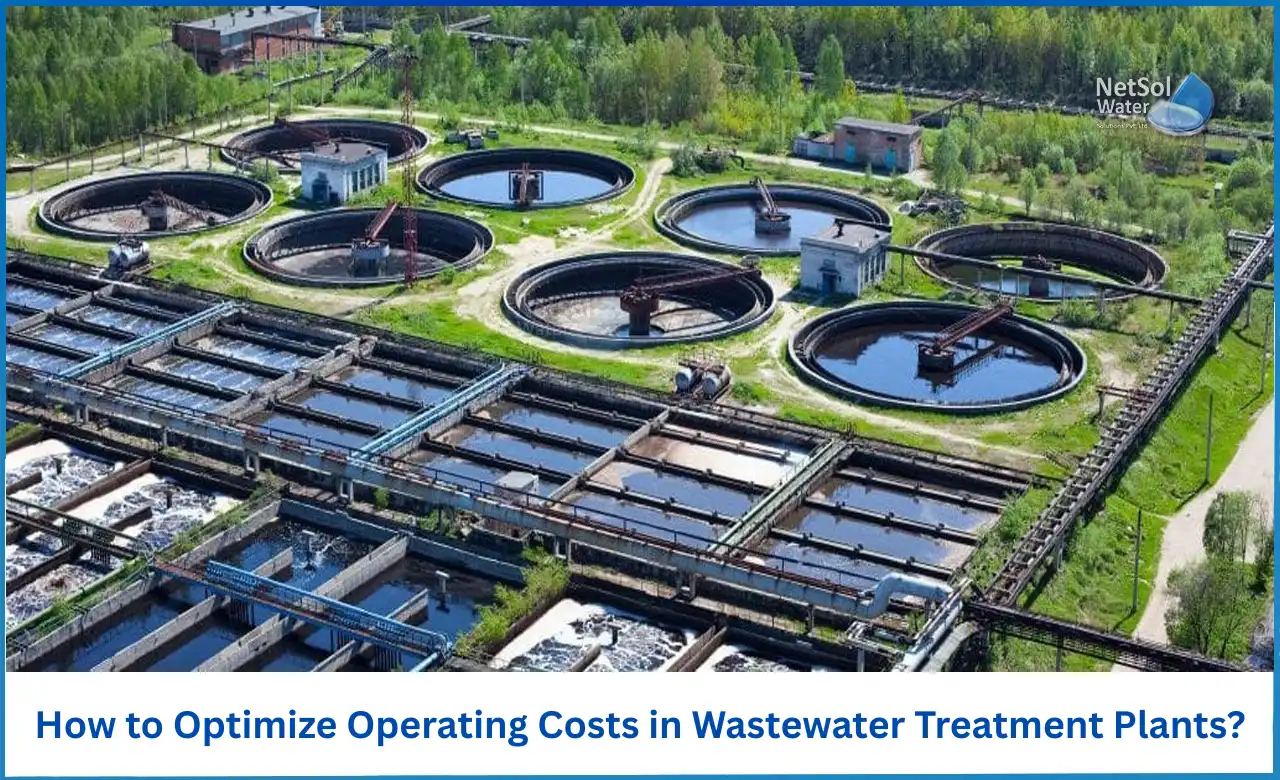
A Wastewater Treatment Plant must work well to protect the public and the local environment. This plant handles water from homes, factories and streets and it keeps rivers and groundwater safe for people and wildlife. We will explain steps to reduce operating costs while keeping performance high. Netsol Water is the leading partner of Wastewater Treatment Plants.

Energy Efficiency and Process Optimization

Energy often makes up the largest share of operating cost at a Wastewater Treatment Plant. Good energy practice lowers the bill and increases the life of plant. Let us have a look on some measures that can reduce energy use and improve process stability.

Variable speed drives and equipment scheduling

Motors, pumps and blowers run for many hours each day. Fitting variable speed drives lets a plant match power use to the real flow and load. This reduces power use and it lowers wear on motors. Smart scheduling moves non urgent tasks to low tariff hours. For example sludge thickening and chemical mixing can run at night when power costs drop. Combining speed control with a clear duty roster for pumps prevents over use of standby equipment. Regular tuning of pump curves and pipe work keeps friction losses low and it keeps energy use predictable. Investing in higher efficiency motors and replacing worn bearings also reduces long term energy use.

Aeration control and process monitoring

Aeration is the biggest energy user in many biological systems. Tight control of dissolved oxygen and targeted aeration reduce energy use. Modern control systems use sensors and model based logic to add air only when needed. For plants that face variable load like hotels or markets this approach avoids constant high blow rates. Process monitoring can also spot clogged diffusers and fouled membranes early. Cleaning and small repairs then prevent long spells of high energy use. Adding simple online meters for oxygen, ammonia and flow gives operators the data they need to act fast. These changes lower power use and they often pay back within a short period.

Chemical and Consumable Management

Better chemical use saves money and it reduces handling and storage risks. Let us have a look on some practical approaches to lower chemical cost while keeping performance high.

Chemical dosing optimisation and alternative reagents

Many plants dose coagulants, flocculants and pH chemicals in fixed amounts. Changing to demand based dosing uses real time measures of water quality to add only what the process needs. Inline sensors for turbidity and pH can feed simple controllers that adjust dose rates. Testing alternative reagents may also cut cost. For instance polymers with different charge density can work at lower doses for the same effect. Buying in bulk and keeping a clear stock rotation also reduces waste from expired products. On site mixing stations that use precise pumps reduce spillage and overuse. Training staff to check dosing lines and calibration improves chemical efficiency each day.

Sludge handling and resource recovery

Sludge management can become a cost center but it also offers value if handled well. Thickening, dewatering and composting reduce the volume that a plant must transport and treat. Recovering biogas from anaerobic digestion supplies a fuel that offsets gas or electricity bills. Selling dried sludge as soil conditioner or using it in land reclamation can bring in revenue. Simple changes like better polymer dosing to improve dewatering and routine checks of centrifuge wear reduce power and chemical use. Planning the sludge chain from thickening to disposal cuts truck trips and lowers fuel cost. These measures shrink the overall expense of running the plant while opening new income streams.

Maintenance Strategy and Skilled Operations

A structured maintenance plan and strong operator skills keep the plant working at low cost. Poor maintenance leads to breakdowns high energy use and repeated repairs. Let us have a look on some key steps to make maintenance predictable and to build operator capacity.

Predictive maintenance and condition monitoring

Moving from time based maintenance to condition based checks reduces spare parts use and cuts downtime. Vibration analysis thermography and oil tests find bearing wear and motor stress before a failure occurs. Simple sensors on pumps blowers and mixers report operating hours and loads so that teams can plan repairs during low demand periods. A history of fault modes helps to spot components that fail early. Stocking critical spares and using standard parts speeds repairs and it keeps downtime low. Digital logs and mobile checklists let maintenance team record work and track recurring faults. These steps lower emergency repairs and they protect plant output.

Training operators and automation integration

Operators who know the process make better daily decisions. Regular training helps staff to interpret alarms to tune control loops and to do routine checks that prevent issues. Pairing trained staff with focused automation reduces the manual workload and it improves consistency. Automation should not replace operator judgment. Instead it should supply clear prompts and diagnostics so that staff can act on the right information. Simple visual dashboards that show key trends in one view reduce mistakes and speed response. Investing in people and in tools for them to succeed keeps the plant efficient and it lowers the total cost over time.

Read some interesting information for the Effluent Treatment Plant Manufacturer in Gurgaon

Conclusion

A strong approach to energy efficiency, chemical management and maintenance brings measurable savings to a Wastewater Treatment Plants. Netsol Water is the leading partner for organizations that want practical cost reduction without trade offs on treatment quality. If you need help to assess your plant or to design a cost saving plan contact us now for a consultation and more information.

Contact Netsol Water at:

Phone: +91-9650608473

Email: enquiry@netsolwater.com

List-of-water-treatment-companies-in-India-5.webp

December 20, 2025by Netsol Water

What is Zero-Waste Water Management and Why It Matters?

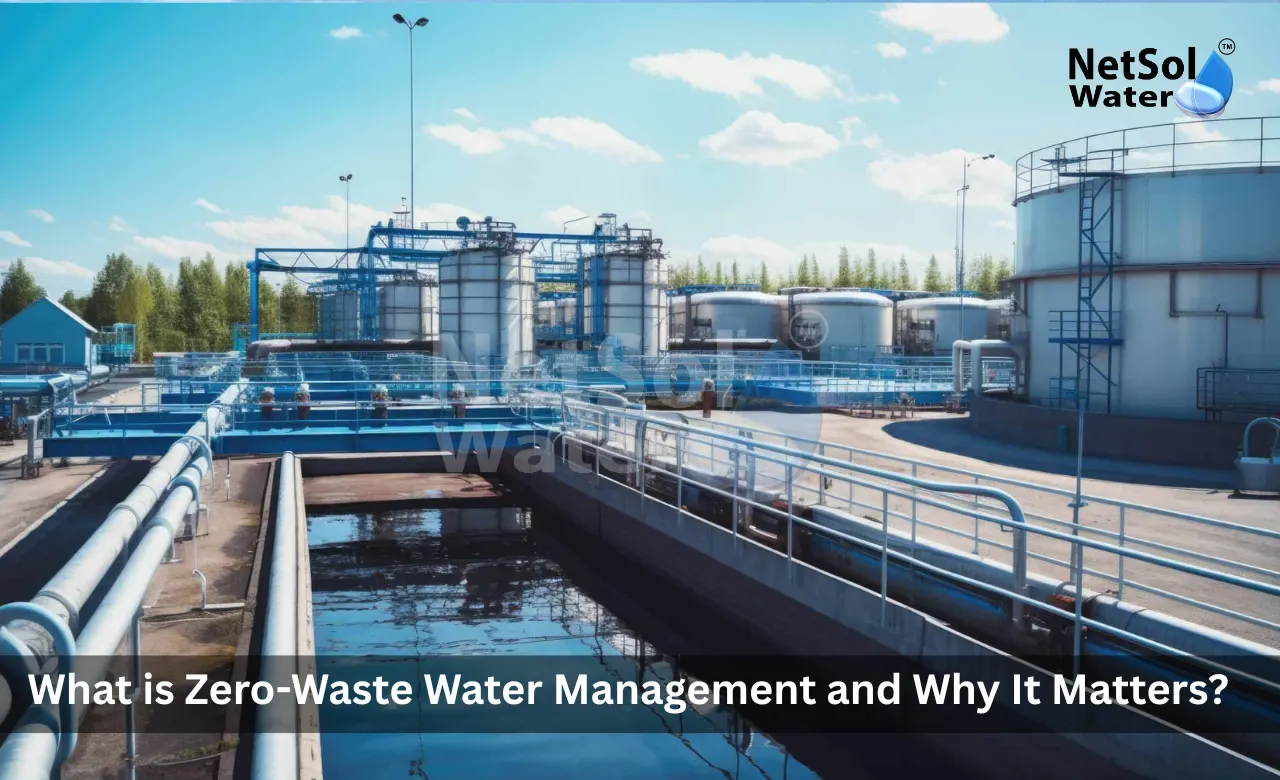
Zero waste water management aims to change how industries, cities and farms treat water that they use and discard. This approach does not stop at treating wastewater. It seeks to prevent waste at its source capture and reuse water and recover useful materials from effluent. Many places now face water stress and pollution. They need plants that save water and cut pollution at the same time. Netsol Water is the leading provider of solutions that help plants move from linear waste disposal to circular water use. We will explain what zero waste water management means why it matters and how businesses and communities can put it into practice.

What Zero-Waste Water Management Means

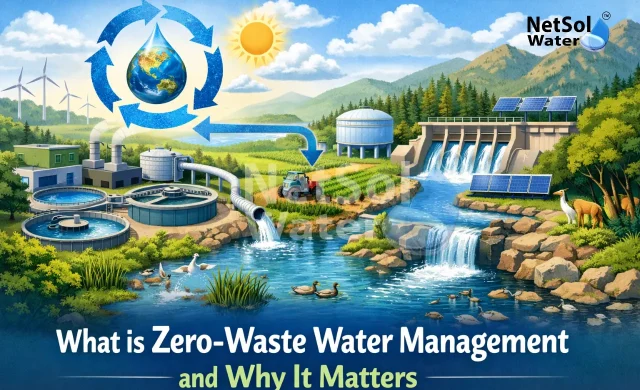
Zero waste water management focuses on keeping water within the economy and reducing what goes out as waste. This view treats wastewater as a resource and not as trash. It pushes designers and operators to cut water use at the source capture clean streams for reuse and recover energy nutrients and other materials. The aim is to close loops and to prevent pollution from reaching the environment.

Principles of Zero Waste

The first principle is source reduction. This means changing processes so they use less water. The second principle is segregation. This means keeping heavy pollution separate from light pollution so each can find the right reuse or treatment path. The third principle is recovery. This covers extracting biogas nutrients or salts for reuse. The final principle is safe discharge only when reuse or recovery cannot work. Each principle leads to practical changes. For example process redesign can cut water use in cooling and washing. Simple segregation can turn a hard to treat stream into a resource once treated separately. Recovery can provide on site energy or fertiliser. These moves reduce load on common treatment plants and lower cost in the long run.

Goals in Practice

In practice zero waste aims for near zero discharge or highly reduced discharge that meets strict standards. Facilities set targets for water reuse and for resource recovery. Teams monitor flow quality and mass balance to find loss points. They look for repeatable gains in water use per unit of product. Plants add modular units for reuse and recovery so they can scale as needs change. The goal does not demand perfection. It asks for steady reductions and clear reuse paths. Regulators and communities then see less pollution and more local benefits.

Key Practices and Technologies

To achieve zero waste managers must use a mix of operational change and technology. The right mix differs by industry and by local rules. Let us have a look at some proven practices and how technology supports them.

Source Reduction and Reuse

Source reduction begins with audits. Teams map where water goes and why. They identify leaks old cycles and avoidable washing steps. Once usage falls operators set up reuse loops. Treated wash water can feed cooling towers or irrigation. Grey water can serve toilets or cleaning. Closed loop systems return process water to the same machine after treatment. These moves cut fresh water demand and reduce effluent volume. Behavior change also matters. Training operators and installing meters helps keep savings. Simple controls and sensors stop overuse quickly. Modular systems let plants expand reuse as production changes. Source reduction and reuse bring quick payback and steady risk reduction.

Treatment and Resource Recovery

Where reuse or reuse fit is limited plants add treatment and recovery modules. Biological treatment removes organic load. Membrane filters and advanced oxidation polish water for reuse. Anaerobic digesters convert organics to biogas. Evaporation crystallisers recover salts. Nutrient recovery units capture phosphorus for fertiliser. Each module targets a resource that the plant can reuse or sell. Choosing the right technology means testing streams and matching performance to reuse goals. Operators must ensure safe handling and monitor quality. With smart controls and good maintenance these systems run reliably and add net value through energy savings lower discharge fees and material recovery.

What is Zero-Waste Water Management and Why It Matters?

Benefits for Industry and Community

Zero waste water management yields clear benefits for firms their workers and the local public. The benefits cover cost savings environmental health and resilience. These benefits make projects attractive to managers and to regulators. Let us have a look on some key benefits in detail.

Economic Benefits

Companies reduces water bills and discharge charges by reusing water. Resource recovery can turn waste into saleable products such as biogas or recovered salts. Plants gain price stability when they cut fresh water needs. Reduced waste can lower regulatory risk and avoid fines. Investments in efficient systems often pay back in a few years. Financial gains also come from lower downtime and fewer supply disruptions when water remains available on site. Capital choices matter. Firms can start with low cost steps and add larger units later. Clear metrics help managers track payback and find new savings. For many firms the economics make zero waste an attractive path.

Environmental and Social Benefits

Reduced discharge means less pollution in rivers and coastal zones. Recovery of nutrients lowers pressure on fertiliser production and on landfills. Biogas reduces fossil fuel use and cuts greenhouse gas emissions. Communities near plants see cleaner water and fewer odor problems. Workers gain safer work environments and new skills when plants update their operations. These benefits also support corporate social goals. Cleaner operations help firms communicate a clear commitment to the environment and to local people. This can help with permits hiring and public partnerships.

Read some interesting information for the Commercial RO Plant Manufacturer in Gurgaon

Conclusion

Zero waste approaches change how we think about Waste Water Management. They turn waste into resource and risk into opportunity. Netsol Water is the leading partner for companies that want to move to circular water use. For guidance on audits system design or a consultation contact the team and ask how a zero waste plan can fit your site. Good Waste Water Management starts with one step. Take that step today.

Contact Netsol Water at:

Phone: +91-9650608473

Email: enquiry@netsolwater.com

List-of-water-treatment-companies-in-India-1-1.webp

December 19, 2025by Netsol Water

Localized Wastewater Treatment Solutions for Housing Societies & Commercial Complexes

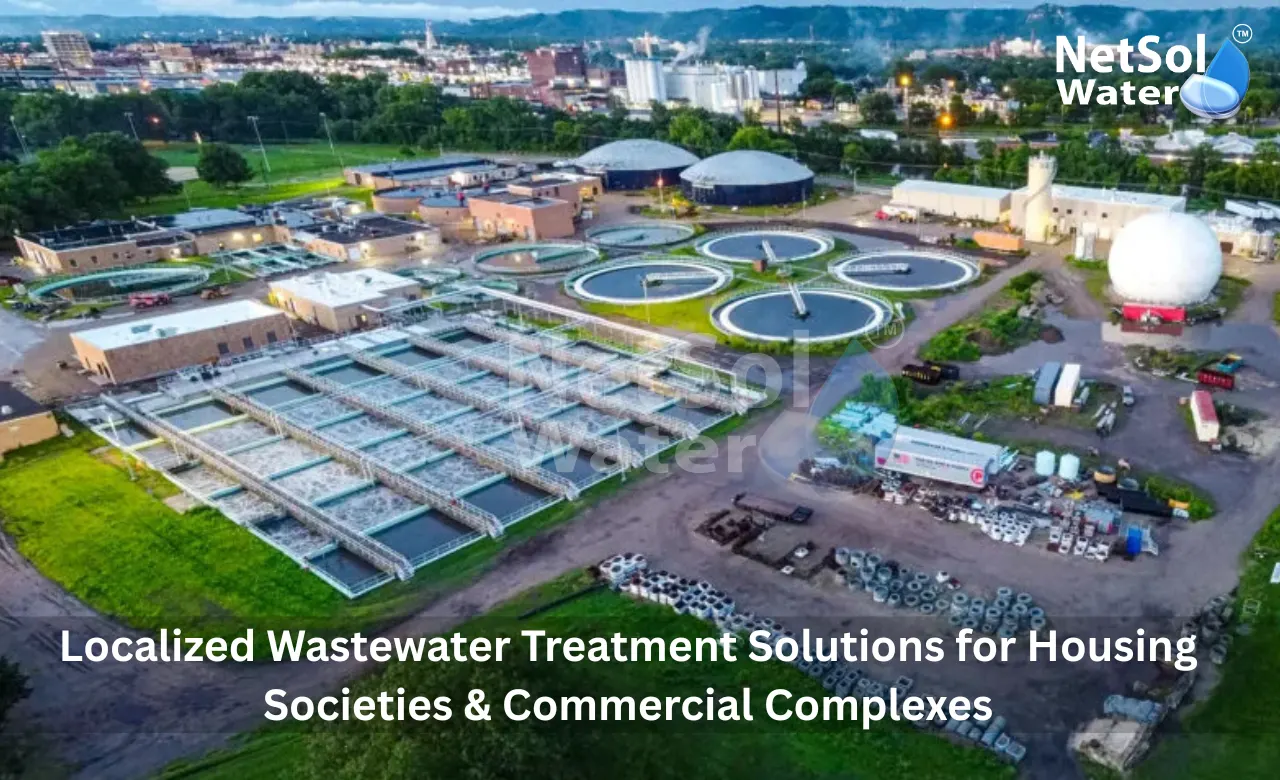
Water that homes and offices use needs careful treatment close to where it is produced. Local solutions can reduce travel time for wastewater and can save resources that a city must otherwise import. A well planned local system can keep neighborhoods clean and reduce risks to public health and the environment. We will explain how localized systems work and why they matter for housing societies and commercial complexes. Netsol Water is the leading provider for many of these projects and they bring experience in design and service for local systems.

Importance of Localized Treatment

Local treatment matters for communities that want clean public spaces and steady water use. When a complex treats wastewater within its grounds it prevents long sewer runs and it cuts the chance of leaks and blockages. This control helps keep local rivers and lakes free from pollution and it protects gardens and public paths from bad smells and pests. Let us have a look on some systems and benefits that managers can use and plan for.

Environmental and Public Health Benefits

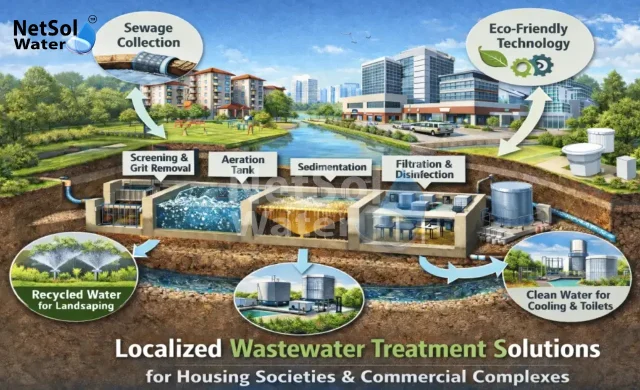
A close by treatment solution reduces the load on city sewers and it lowers the risk of untreated water reaching local waterways which can harm fish and plants. When a Wastewater Treatment Plant sits inside a housing society it filters organic waste and suspended solids and it reduces pathogens which can cause disease. Cleaner water lowers the risk of water borne illness for children and elders in the society and it raises the general level of hygiene. Properly treated water also removes nutrients that cause algae growth in lakes and ponds which keeps public spaces safe for recreation. These benefits grow when managers add safe disposal of sludge and regular checks on system output which protect both people and the local environment.

Resource Recovery and Reuse

A well designed local plant can recover water for non potable use which reduces fresh water demand and it can create sludge that finds use as soil conditioner for gardens. Treatment steps such as filtration and disinfection make water fit for tasks like flushing irrigation and cleaning which lowers operating cost for a complex. Reuse also helps a complex meet building codes and green targets and it supports a circular approach to water use. Some systems also allow energy recovery from biogas or use treated water to cool equipment which adds further gains. These options shift a site from being a water consumer to being a local resource manager and they make the community more resilient during dry spells.

Types of Localized Solutions and Technologies

Choosing the correct technology shapes long term performance and cost. Some solutions suit small housing clusters and others fit large commercial blocks and mixed use complexes. Let us have a look on some common choices and how they match site needs.

Compact Biological Reactors and MBBR Systems

Compact biological reactors and moving bed biofilm reactor systems fit well where space is limited and flow is steady. These systems use media to support bacteria that break down organic matter and they maintain good treatment in small footprints. A compact unit can sit under a landscaped area or inside a plant room and it can handle peak loads which occur after events or during office hours. These systems need steady electricity and routine checks on aeration and media condition. When property managers plan for future load growth they can size the unit with modest overcapacity which keeps the system stable over time. Netsol Water is the leading partner for many installs because they match system design to local patterns and they deliver commissioning and technical support.

Decentralized Systems and Zero Liquid Discharge Options

Decentralized systems such as constructed wetlands and sequencing batch reactors offer simple operation and natural treatment routes which appeal to green minded societies. These systems use plants and long retention to polish water and they can work without heavy chemical inputs. Zero liquid discharge approaches add steps such as membrane filtration and evaporation which aim to leave no wastewater for disposal. These higher level setups increase recovery and they suit complexes that want full reuse or that face strict discharge rules. Each method has trade offs in cost and maintenance and the right choice depends on available land and on the needed reuse quality.

Localized Wastewater Treatment Solutions for Housing Societies & Commercial Complexes

Design Operation and Maintenance for Lasting Performance

Good design and steady maintenance keep a local plant working and they protect the investment. Managers must plan for access routine service and community training so systems run well for years. Let us have a look on practical design and O and M steps that teams can apply.

Design and Sizing Principles

A proper design starts with accurate data on the number of residents, staff and peak flow patterns. Engineers then set the treatment steps and select pumps tanks and control logic that suit the load profile. Good layouts give safe access for desludging and it place instruments where staff can monitor them easily. Designers must plan for power backups and for changes in water quality that come from new uses or new tenants. Oversizing a little helps when a complex grows and it keeps the system stable under event loads. When teams include a clear monitoring plan they can spot issues early and they can adjust operation to keep treated water within the needed standards.

Operation Maintenance and Community Engagement

Daily checks and simple logs help teams catch faults and maintain steady output. Trained staff can watch levels check pumps and confirm disinfection without complex tools and they can call specialized service for mechanical or electrical repairs. Regular desludging and safe disposal keep tanks efficient and they reduce odour and corrosion. Involving residents and tenants builds support and it reduces misuse of the plant such as flushing fats or chemicals which harm microbes. Clear user guidance and visible monitoring readouts help people understand reuse benefits and they encourage water saving. A local maintenance plan also sets budgets and it schedules vendor visits so system life extends and performance remains high.

Read some interesting information for the Sewage Treatment Plant Manufacturer in Gurgaon

Conclusion

Choosing a local Wastewater Treatment Plant brings clear benefits for housing societies and commercial complexes. A local plant cuts pollution protects public health and opens reuse options which save water and cost. Netsol Water is the leading provider that can design supply and maintain systems at scale. If you manage a society or a complex and you want tailored advice please get in touch to request a consultation or a site survey.

Contact Netsol Water at:

Phone: +91-9650608473

Email: enquiry@netsolwater.com