TDS Water - Sewage Treatment Plant Manufacturers

Industrial-RO-Plant-Manufacturer-in-Varanasi-2.webp

February 17, 2026by Netsol Water

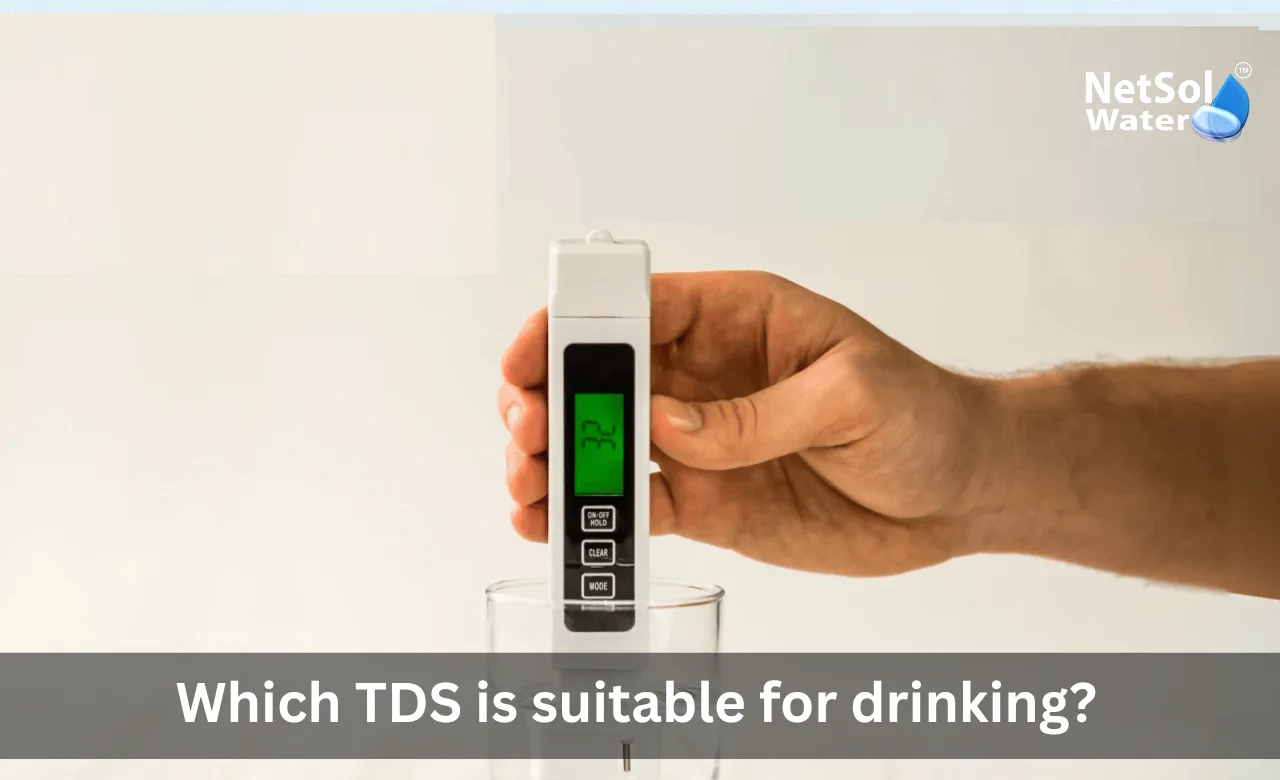
Which TDS is suitable for drinking?

Choosing the right TDS for drinking water matters for both taste and health. We will explain what TDS means and why it matters in homes and cities across India and beyond. Many people ask what level makes water taste good and what is safe to drink. An ideal TDS level generally falls between 50 and 300 mg per liter. We are the leading name in water solutions and can help to check and set the right TDS for your water.

Ideal TDS range for taste and health

Water quality starts with the right TDS range. Knowing the correct range helps you choose the right filter and keeps your family safe. Let us have a look at some common ranges and what each one means for everyday use and health.

1. Below 50 mg per litre

Water with TDS below 50 mg per liter can taste flat and may lack minerals that people expect in natural water. Many home RO units can lower TDS to this level. If you drink this water long-term, you may miss out on small amounts of calcium and magnesium that usually come from natural water. You can add a remineralizer after RO to bring back healthy minerals. This step helps the water taste better and gives small health benefits. For most people, a diet with normal foods covers any mineral gap so this water is safe when handled correctly.

2. 50 to 150 mg per litre

This range often gives the best balance of taste and minerals. Water in this bracket feels fresh and mild on the tongue. It contains enough natural minerals to support basic health needs without any salty taste. Many public water supplies and bottled waters fall in this group. When drinking water reads in this range, many households do not need heavy treatment. Simple disinfection and particle removal keep the water safe.

3.150 to 300 mg per litre

Water with TDS in this zone remains safe and tastes natural for most people. This range gives a clear mineral profile while avoiding any salty feeling. If raw water reaches here, you can use simple filters that remove microbes and particles. You do not need reverse osmosis unless there are other chemical hazards. For people who prefer a fuller mouthfeel, this range can be more satisfying. It also aligns with many international recommendations for drinking water quality.

How to test TDS and read a TDS suitability chart

Let us have a look at some test methods and how to use a chart to decide the next step.

1. Using handheld TDS meters and lab tests

A handheld TDS meter gives a fast number in mg per liter. You dip it in water, wait for the reading, and record the value. This tool shows total dissolved solids, but it cannot name the specific salts or metals. For that, you need a lab test. A lab will show if there are nitrates, lead, arsenic, or other pollutants. Use a meter for daily checks and use lab tests when the TDS reads high or when you find taste or smell issues. Regular checks help you act before problems grow.

2. Interpreting a TDS suitability chart

A chart links TDS values to drinking advice. Below 50, the chart notes low mineral content and a flat taste. From 50 to 300, it marks the best taste and safe use. Between 300 and 500, the chart shows acceptable use but a chance of mild mineral taste. Above 500, the chart warns about high salts and suggests further treatment. Use the chart as a guide and combine it with lab reports for complete safety.

Choosing the right purification method based on TDS

Choosing a filter depends on the TDS number and on what other contaminants may be present. Simple systems can handle low and moderate TDS levels. Heavy salt or chemical loads need stronger systems. Let us have a look at some common purification choices and when to use them.

1. UV and UF for low to moderate TDS

When TDS is below 300 mg per liter, use UV or UF to remove microbes and particles. These systems do not remove dissolved salts, but they kill bacteria and viruses. UV works fast and needs power to run. UF uses a membrane to block larger germs and solids while keeping minerals in the water. These methods keep the healthy minerals in water, and they keep the taste natural. Many homes with municipal water prefer these systems because they need simple maintenance and they protect against disease without stripping minerals.

2. RO and remineralisation for high TDS

When TDS rises over 500 mg per liter, consider reverse osmosis. RO removes most dissolved salts and many harmful chemicals. After RO, you may add a remineralizer to bring back healthy calcium and magnesium. This step improves taste and helps to balance the mineral content. Use RO when lab tests show harmful salts or when the water tastes brackish. RO needs regular servicing, and it uses more water in the process. A good system will save the treated water and will make sure the final water stays balanced.

Health and regulatory limits you should know

Regulatory limits give a safety frame to the TDS numbers. They may vary from place to place. Knowing these limits helps you act when your readings fall outside the safe bands. Let us have a look at the main standards and what they mean for daily use.

Standards and health notes

Many authorities set 500 mg per liter as an acceptable limit for everyday use. Some groups recommend lower levels near 300 mg per liter for best taste. Very high TDS may hide metals or harmful salts, and so you should test further when numbers top 500. Very low TDS may lead some people to add minerals back to keep a balanced intake. If you suspect lead, arsenic, or nitrates in your water, get a lab test and fix the problem with the right filter.

Read some interesting information for the Commercial RO Plant Manufacturer in Noida

Conclusion

Choosing which TDS is suitable for drinking matters for health, taste, and peace of mind. Measure your water with a meter or use a lab test to learn the real values. When you know the number, pick a filter that matches the load and the risks. Netsol Water is the leading partner to help you test and set the right TDS for your home. If you want to know more about how TDS is suitable for drinking, contact an expert or request a consultation today.

Contact Netsol Water at:

Phone: +91-9650608473

Email: enquiry@netsolwater.com

What-causes-high-TDS-in-water-1.webp

February 6, 2026by Netsol Water

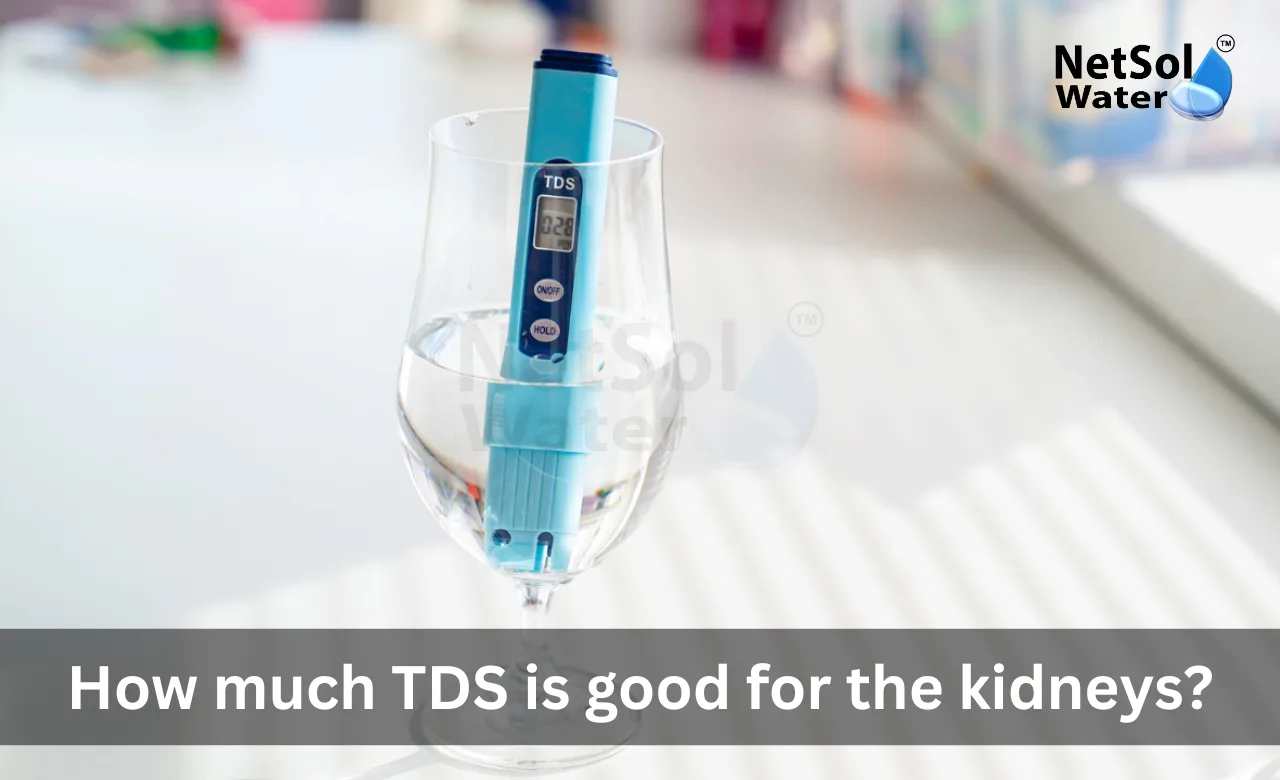
How much TDS is good for the kidneys?

TDS is good for kidneys is a question many people ask when they choose drinking water. India has many water sources that range from mountain springs to coastal wells and that variety changes the mineral load in tap water. We will explain what levels doctors and standards suggest and how those levels affect healthy people and those with kidney problems.

For Healthy Kidneys

Good mineral balance helps the body stay steady and keeps electrolyte levels normal while too much salt or too little minerals can cause future problems. Let us have a look at some key ranges and what they mean for a person who has normal kidney function.

  • Ideal Range 150–300 mg/L

Many experts suggest that water with TDS in the range 150–300 mg per liter works well for most people. This range gives the body helpful minerals such as calcium and magnesium while keeping the total salt load low. Water in this range tastes pleasant and it helps people keep up with daily fluid needs. When you drink water with this mineral level, your kidneys filter the small mineral load with ease and your cells get electrolytes that they need. For households, the 150–300 range often balances good taste and safe mineral content so a household can avoid over filtering and can still provide mild mineral support to children and adults.

  • Acceptable Limit Up to 500 mg/L and Upper Safety Considerations

Standards set by many agencies put 500 mg per liter as an acceptable limit for general use. Water that stays under this level rarely causes harm for people who have normal kidneys and who do not face special health issues. When TDS rises above 500 mg per liter, people may notice a heavier taste and the daily mineral load grows. If water remains above 1000 mg per liter over long time, then the kidneys must work harder and risks such as kidney stone formation may rise. Long term exposure to very high mineral load can affect blood pressure and fluid balance and it can increase the chance that a person will need medical care.

For Kidney Patients

People with kidney problems face limits on how much salt and certain minerals they can handle. Let us have a look at the specific targets and the special caution needed with sodium rich water.

  • Recommended Level Below 100 mg/L

Doctors often suggest that people with chronic kidney disease drink water with TDS below 100 mg per liter. This range reduces the mineral burden that damaged kidneys must clear and it lowers the risk of mineral buildup in the blood. When medical teams set fluid plans, they watch for sodium, calcium, and potassium levels and they fit water selection into the wider diet plan. For a patient, a lower TDS helps control swelling and pressure on the heart while it helps the kidney treatment plan to work better. If you or a family member has a kidney condition, talk to your nephrologist before you change filters or water sources.

  • Caution with Sodium

High TDS can hide a high sodium content and sodium can worsen blood pressure and fluid retention in kidney patients. Water that carries extra sodium adds to the daily salt intake and it can make diet control harder. People with kidney limits must choose water that keeps sodium low and they must check labels or test water. A simple TDS meter cannot separate sodium from other minerals so patients should get a detailed test that shows sodium level. Health teams often ask for total mineral tests before they approve a water source for a patient.

The Risk of “Too Low” TDS

Some modern filters produce water with near zero TDS and that water has fewer dissolved minerals than natural water. Let us have a look at what happens when mineral content drops too far and how that affects daily drinking and kidney work.

  • Below 50 mg/L Hungry Water

Water with TDS below 50 mg per liter has almost no dissolved minerals and it can draw small amounts of minerals from metal pipes or from the mouth. When people drink water that lacks minerals, the body may miss small daily mineral top ups that food may not always cover. Over time this pattern can change electrolyte signals and it can make a person feel weak or unsteady. For this reason, some experts ask households to avoid water that is completely mineral free and to use post mineralisation or to add a simple mineral cartridge after RO.

  • Flat Taste and Hydration

Very low TDS water often tastes flat and this change can reduce how much a person drinks. Lower intake can raise the risk of dehydration and that condition increases the chance of kidney stones. Taste matters for regular drinking habits and it helps people meet daily fluid goals.

Read some interesting information for the Commercial RO Plant Manufacturer in Gurgaon

Conclusion

Choosing water that protects kidney health requires a clear view of mineral levels and of personal medical needs. TDS is good for kidneys when it stays in a balanced range for healthy people and when it stays lower for those with kidney disease. For most people, a TDS range near 150 to 300 mg per liter gives minerals and good taste while patients often do better with levels under 100 mg per liter. If you need help testing water or if you want a solution that matches your health needs, Netsol Water is the leading partner that can help. TDS is good for kidneys so speak with a health professional and contact a trusted water expert for a check or for a consultation. If you would like more details or a water test, reach out and ask for guidance.

Contact Netsol Water at:

Phone: +91-9650608473

Email: enquiry@netsolwater.com

What-causes-high-TDS-in-water.webp

February 5, 2026by Netsol Water

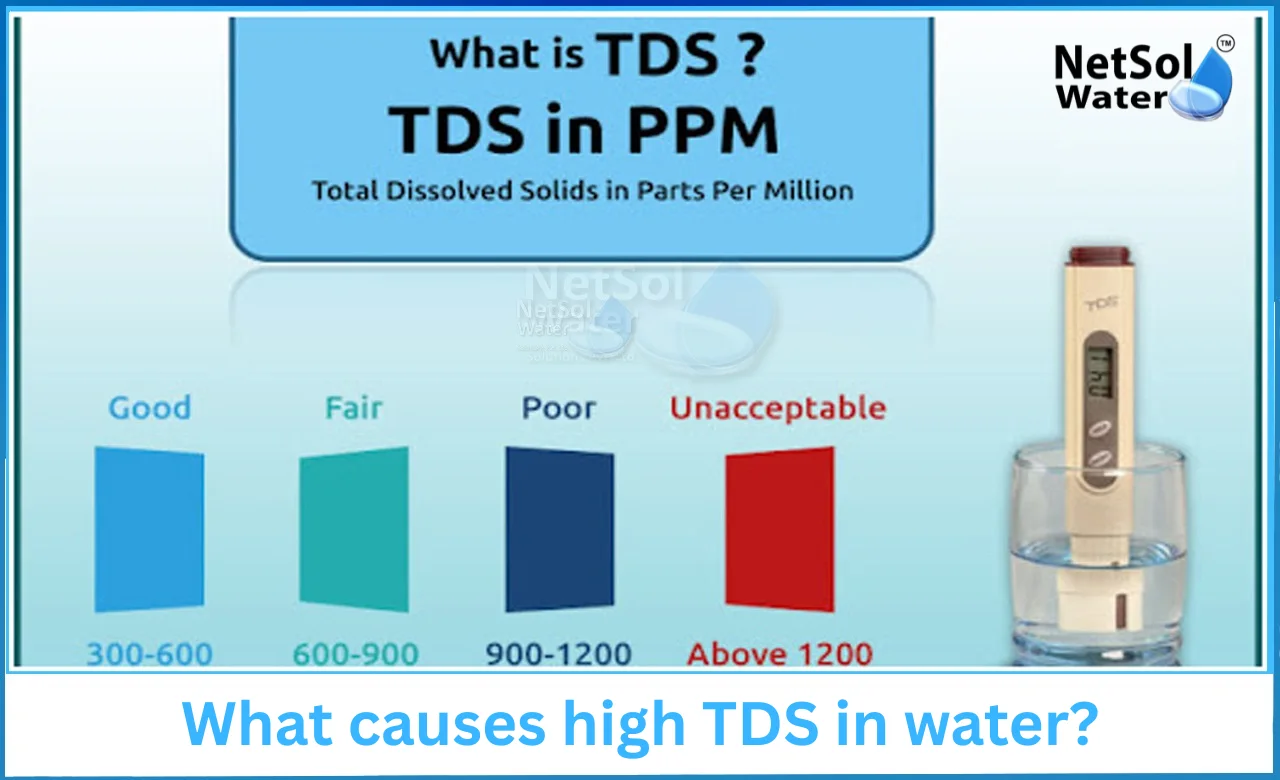
What causes high TDS in water?

High TDS Water affects many homes and businesses. The quality of water matters for health and for equipment. High TDS water can change the taste of drinking water and can shorten the life of water-using machines. Netsol Water offers testing and treatment services for such problems.

Natural Causes of High TDS Water

Understanding natural causes helps to see why some water sources start with higher mineral content. Let us have a look at some common natural sources and how they raise TDS.

1. Mineral Dissolution from Rocks

Water moves through soil and rock layers. It dissolves salts and minerals on the way. Over long time, the water collects calcium, magnesium, sodium, and potassium. These follow the water into wells and pipes. When water carries more dissolved minerals, the TDS value rises. This process happens more in areas with limestone or gypsum. Hard water shows high TDS because it holds many dissolved minerals. Homes that use bore wells often find higher TDS values than homes on surface water.

2. Saline Intrusion and Groundwater Variation

In coastal zones, salt water may move into freshwater aquifers. This saline intrusion raises sodium chloride levels. In dry seasons, the water table drops and the salt mixes more with groundwater. Rivers and lakes also change their mineral mix with the seasons. Heavy rain can dilute minerals and lower TDS for a time. Dry months reverse that effect. Knowing the local water cycle helps in predicting when TDS will rise.

Human Causes and Industrial Sources

Human activity can add dissolved solids to water. Let us have a look at some man made sources which raise TDS.

Agricultural Runoff and Fertilizers

Fields receive fertilizers and soil treatments. Rain moves these chemicals into streams and lakes. The runoff adds nitrates and other salts to the water. Over time this raises the TDS level of surface water that supplies towns. Irrigation return flow also carries dissolved minerals back into local water bodies. Farming areas near water sources often show higher TDS values than undeveloped land.

Effects of High TDS Water on Health and Equipment

High TDS affects both people and machines. Let us have a look at some key impacts.

1. Health Effects and Taste Issues

High TDS alters the taste of water. Water can taste salty, metallic, or bitter. Most healthy people can drink water with moderate TDS for short time. Very high TDS may affect people who need low sodium diets. Some dissolved elements such as lead or arsenic pose real health risks even at low TDS. Testing helps to find the harmful components rather than only the TDS number. Drinking water standards focus on specific contaminants and not only on TDS values.

2. Impact on Appliances and Plumbing

Appliances that use water can fail faster with high TDS. Boilers, heaters, and water purifiers can build scale when minerals concentrate. Scale reduces heat transfer, which raises energy use. Pipes can clog and fixtures can lose flow. Washing machines and dishwashers need more detergent when TDS stays high. Fixed costs rise through repairs and replacements. Treating water lowers these costs and extends plant life.

Testing Treatment and Prevention

Testing gives the data and treatment acts on the problem. Let us have a look at some testing methods and treatment options that work best.

1. Testing and Measurement

A simple digital TDS meter gives a fast reading at the tap. Laboratories can run full water analysis to find specific ions. A lab report shows which dissolved solids appear and how much of each exists. Regular testing helps track changes over time. Testing before and after treatment confirms success. The company that treats water can advise on the right tests to order for a clear diagnosis.

2. Treatment Options and Best Practice

Several treatment methods remove or reduce TDS. RO removes most dissolved solids by forcing water through a fine membrane. Distillation heats water and collects the vapour, leaving the solids behind. Ion exchange swaps unwanted ions for harmless ones. Each method has benefits and trade offs in cost and maintenance. Combining methods may suit some cases better than a single method. A qualified provider can recommend a solution based on the test results and on the user needs. The provider can also supply installation and after sale support.

Read some interesting information for the Sewage Treatment Plant Manufacturer

Conclusion

High TDS water can come from natural processes and from human activity. It affects taste, health, and appliances. Treatment protects both health and devices. If you need a clear assessment or a solution for high TDS water, contact the company that can help you plan a suitable treatment. Ask for a water test and a free consultation to learn which option fits your situation.

Contact Netsol Water at:

Phone: +91-9650608473

Email: enquiry@netsolwater.com

Why-is-STP-so-important-4.webp

February 3, 2026by Netsol Water

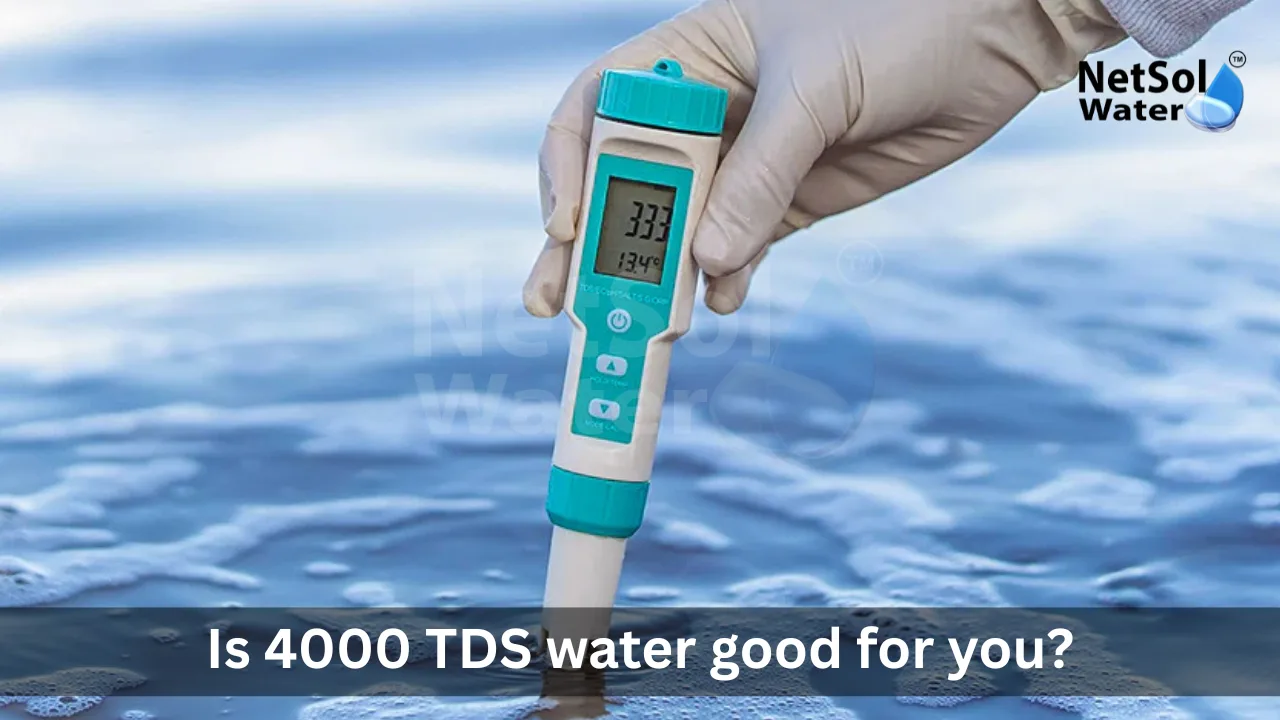
Is 4000 TDS water good for you?

High TDS water can mean many things for people who drink it and for homes that use it. TDS stands for Total Dissolved Solids. TDS counts minerals, salts, and other dissolved material in water. A reading of 4000 TDS shows that the water contains a very large amount of dissolved material. This level sits far above the usual guidance for safe drinking water in many countries. The EPA recommends a secondary limit of 500 parts per million for TDS in drinking water. The World Health Organization notes that water with TDS below about 300 mg per liter tastes excellent. Water with TDS above about 1000 mg per liter becomes increasingly unpalatable. We will explain what TDS means, why 4000 TDS is a concern, and what steps people can take to treat such water.

What TDS Means and Why It Matters

Understanding TDS matters because it tells us about the load of dissolved minerals and salts that the water carries. High TDS water can include calcium, magnesium, sodium, chloride, sulfate, and other ions. These can come from natural sources or from industrial and agricultural pollution. Measuring TDS gives a quick view of overall water quality, but it does not identify specific harmful chemicals. That is why a TDS number only forms part of a water safety check. Panels of tasters and health agencies link TDS to taste and acceptability and to the need for further testing for harmful contaminants when TDS is high.

Let us have a look at how TDS levels compare and what they mean for everyday life.

  • Water under 300 TDS usually tastes clean and fresh.
  • Water around 300 to 600 TDS will still taste fine for most people.
  • Water above 1000 TDS will often taste salty or bitter, and people will avoid drinking it.
  • Water at 4000 TDS sits well above those benchmarks, and it points to either heavy mineral content or serious contamination. This level should trigger detailed testing for specific contaminants and a plan for strong treatment before any human consumption.

1. Health Risks of Drinking 4000 TDS Water

High TDS water at 4000 mg per liter presents clear health concerns. The TDS number can hide salts that stress the body, and it can hide heavy metals and nitrates that damage organs over time. Drinking such water can upset digestion and can cause nausea and diarrhoea in some people. Chronic exposure to very salty water can stress the kidneys and can increase the risk of kidney stones in vulnerable people. When TDS includes harmful ions such as lead, arsenic, or high nitrate, the risk becomes much more serious and may cause long-term illness. Many guides warn that water above 1000 TDS is generally unfit for drinking.

2. Short-Term Effects

Short-term effects from very high TDS may show up as stomach pain, nausea, vomiting, and headache. These effects arise when mineral salts upset the balance of fluids and electrolytes in the gut. People who have weak kidneys or who take medications that affect fluid balance should avoid such water right away. Testing can show whether the TDS comes mainly from benign minerals or from harmful metals and chemicals. When tests show harmful chemicals, immediate action is necessary.

3. Long-Term Effects

Long-term use of water with very high dissolved solids can add stress to the kidneys and to the cardiovascular system. Excess sodium and chloride in drinking water can raise overall salt intake, which may worsen high blood pressure. Heavy metals that sometimes appear along with high TDS can build up in body tissues and cause organ damage over years. For these reasons, experts recommend treating or avoiding water with extremely high TDS and seeking a full water quality analysis when values reach several thousand mg per liter.

Taste Quality and Impact

Taste and smell matter for daily use and safety. High TDS water at 4000 will likely taste very salty or bitter, and many people will find it unpleasant.

The World Health Organization links higher TDS to worsening palatability and to reduced acceptance by consumers. When people avoid drinking tap water because of taste, they often turn to packaged water or to unsafe sources, which brings its own risks.

Beyond taste, the high mineral load can affect plumbing and appliances. Fixtures can clog, and scale can form on heating elements, which reduces efficiency and the life span of machines such as water heaters and washing machines. High hardness and high dissolved solids can change the way soap and detergent perform, and that will require more detergent, and that raises costs.

Let us have a look at practical household concerns and how they link to water quality.

Drinking water with extreme TDS harms human health, and that same water degrades household equipment faster. Homeowners therefore face both health and financial consequences when water quality reaches the 4000 range.

Treatment Options for 4000 TDS Water

Treating water at 4000 TDS calls for industrial-grade processes, not just a simple filter. RO remains the most reliable option to lower TDS for drinking and cooking water. For feed waters at very high TDS, the RO plants must use specialized membranes designed for brackish or seawater, and the system must include strong pretreatment to remove suspended solids, hardness, and iron. Proper selection of the membrane and correct system design shape the success of the treatment.

Let us have a look at specific steps in a treatment.

First carry out a detailed water analysis to learn the exact composition of the dissolved solids. That step guides pretreatment that can include softening to remove calcium and magnesium and filtration to protect the RO membranes.

Next, choose an RO train that fits the feed TDS level and the desired product water quality. For very high feed TDS, design the system to handle high osmotic pressure and to include periodic cleaning cycles.

Finally, plan post-treatment such as remineralization and disinfection to ensure the water meets taste and safety goals. Industry reviews show that desalination and RO for high TDS feed water need careful pre- and post-steps, or the membranes will fail early.

Learn more— Commercial RO Plant Manufacturer

Conclusion

High TDS water at the level of 4000 mg per liter is not safe for drinking without strong treatment. This level greatly exceeds accepted guidance, and it often signals either a heavy mineral load or contamination that can harm health and damage homes. If you see such readings, get a full water test and set up a treatment plan with systems designed for very high TDS. For reliable advice and solutions, Netsol Water is the leading option to consult. Contact a certified water professional to request a consultation and to learn the right next steps for your water.

Contact Netsol Water at:

Phone: +91-9650608473

Email: enquiry@netsolwater.com

Why-is-STP-so-important-1-1.webp

January 31, 2026by Netsol Water

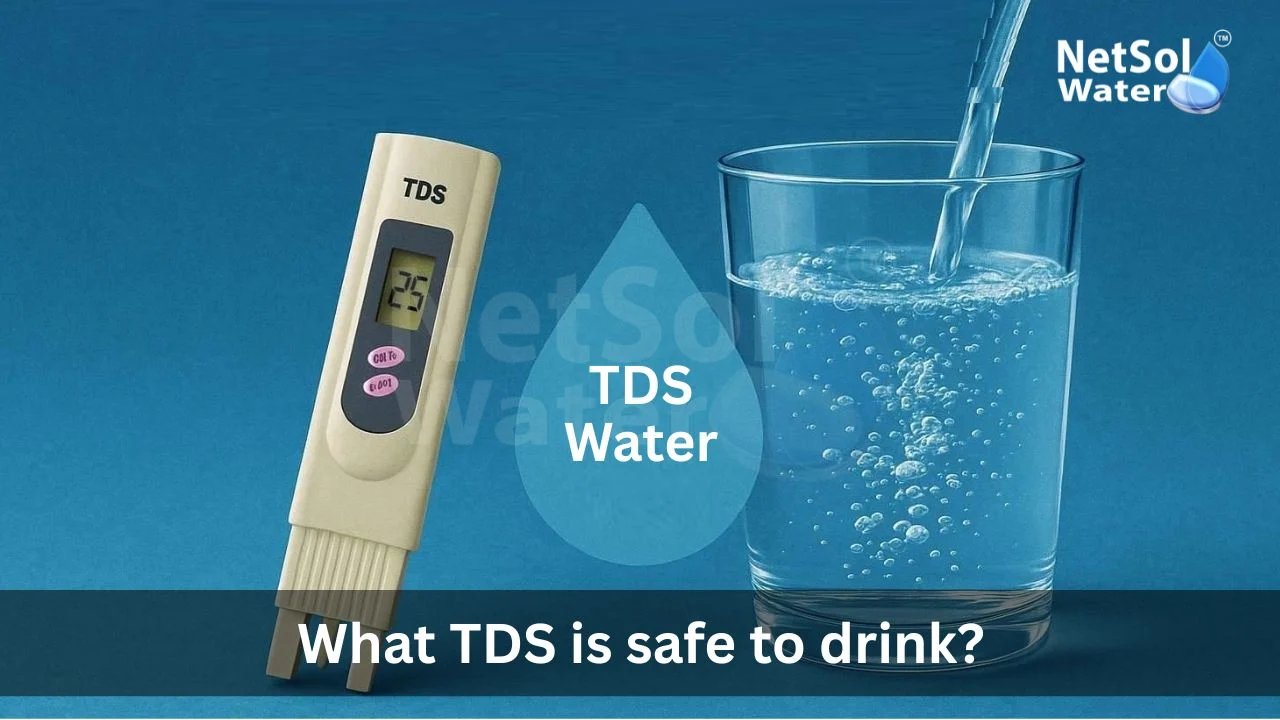
What TDS is safe to drink?

Many people ask about TDS level and what number makes water safe to drink. India is famous for its long history and rich food. Many areas also face changes in water quality for reasons like hard soil and old pipes. People want clear facts they can use at home and at work. Netsol Water is the leading provider of water treatment solutions in many cities.

TDS Level and Why It Matters

Water carries many natural minerals and small impurities. TDS means total dissolved solids. These solids can change the taste of water and affect how appliances work. High TDS can harm machines and shorten the life of kettles and boilers. Low TDS can make water taste flat. People with special health needs should check TDS closely. Farmers and business owners also check TDS to protect plants and machines. A clear view of TDS helps a home choose the correct filter.

1. What TDS Means

TDS means all the dissolved mineral salts in water. These solids include calcium, magnesium, sodium, and tiny organic matter. The unit for TDS is milligrams per liter. A meter reads the amount and gives a quick number. That number shows how many parts of solid matter sit in one liter of water. People use this number to judge the overall mineral load in water. TDS does not show specific toxins. For that, one must test for chemicals and microbes. Still, TDS gives a quick view of the general purity of water.

2. How TDS Is Measured

People measure TDS with a small handheld meter. You dip the meter into a glass of water. The meter then shows a number on a screen. Lab tests can also measure TDS with more detail. Lab methods follow set steps to dry the water and weigh the residue. The meter gives a fast field estimate. Lab methods give a more accurate final number. A homeowner can use a meter to track changes over time. If the number rises a lot, then it signals a change in source or in pipes.

Safe TDS Levels for Drinking and How to Manage Them

We will explain the numbers that health groups often use. Netsol Water is the leading company that can test and advise on fixes.

1. Recommended TDS Ranges and Health Effects

Experts give general bands for TDS level to guide use. Water with TDS under fifty mg per liter can taste flat to many people. Water between fifty and one hundred fifty mg per liter often tastes clean and mild. Most people find water between one hundred and three hundred mg per liter acceptable. This range retains useful minerals. Water above five hundred mg per liter can taste salty or bitter to some people. Very high TDS may mean more dissolved sodium or other salts. That can matter for people with high blood pressure. Low TDS does not mean the water is free from bacteria or chemicals. A full safety check should include both TDS and specific contaminant tests. For daily use, most families aim for a TDS level in the range of one hundred to three hundred mg per liter. That range gives a good balance between taste and minerals.

2. Ways to Control TDS and Role of Netsol Water

People use several methods to change the TDS level in their water. A simple way is to mix water from two sources to lower the overall TDS. Another way is to use an ion exchange filter to remove certain salts. Reverse osmosis gives the biggest drop in TDS. It works by forcing water through a membrane. This removes most dissolved solids. Carbon filters do not cut TDS much. They do remove tastes and odors. The choice of method depends on the source and on the target number. A home may choose a mild softener for hard water. A factory may need a complete RO system to meet process needs. We are the leading commercial RO plant manufacturer that can help test the source and suggest the right system. Netsol Water can also install plants and give a plan for regular checks.

Measurement Methods

Handheld meters and lab tests

A handheld TDS meter gives a quick number in mg per liter. It needs clean probes and fresh batteries. You must rinse the probe before each test to avoid carryover. The meter reads conductivity and converts that reading to a TDS number. Temperature can affect the reading, so many meters adjust for it. A lab test uses a balance and a drying step to weigh the residue. This method takes more time, but it gives a direct measure. A lab can also test for specific ions. Many homeowners start with a meter to spot trends. They then use a lab if the meter shows a big change.

Health Effects

Who must take care and what to do?

People with heart or kidney issues should watch TDS level. High dissolved sodium can affect blood pressure in some people. Low TDS water lacks minerals that support daily needs in small measure. Children and older adults can feel the change in taste and digestion. For these groups, the safest path is to test water and talk with a doctor. A balanced TDS level keeps water pleasant and helps daily use of kitchen and household tools.

Read some interesting information for the Commercial RO Plant Manufacturer in Faridabad

Conclusion

Understanding TDS level helps a family protect health and enjoy good-tasting water. The number gives a useful view of the mineral load in water. It does not show specific harmful chemicals or microbes. For full safety, a user should test for both TDS and specific contaminants. Netsol Water is the leading provider of testing and service. If you want a clear test and a plan to reach a safe TDS level, then get in touch today. Request a consultation and a field test.

Contact Netsol Water at:

Phone: +91-9650608473

Email: enquiry@netsolwater.com

How-to-reduce-TDS-in-RO-system.webp

January 29, 2026by Netsol Water

What are the disadvantages of high TDS water?

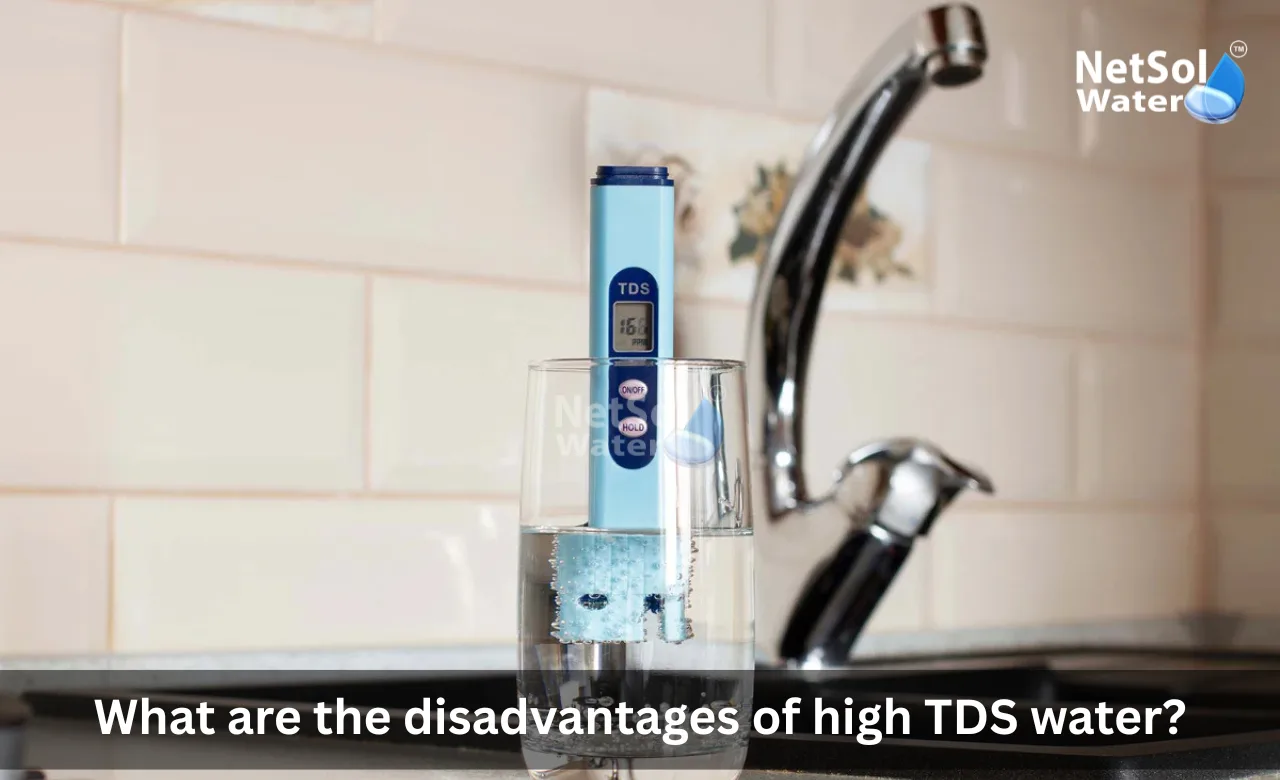
TDS water means the total dissolved solids in water. This number tells us how many minerals and salts the water holds. Many people do not check this number. They drink water. We are the leading provider of water treatment solutions. We help people test and fix water problems. High TDS can come from natural sources or from pipes and industry. It can change the taste of drinks and food. It can affect health over time.

Health risks of high TDS water

High TDS in water can change the balance of minerals you get from drinking. This matters because people drink water every day. The mineral mix in water can add to or upset the minerals you eat in food. High sodium or chloride can strain the heart and raise blood pressure. High calcium and magnesium can cause hardness in the body that may lead to digestive discomfort for some people. Infants and people with health issues may feel these effects more. Doctors often advise safe limits for daily mineral intake. When water adds a large fraction of those minerals, you may cross those limits without noting it.

Let us have a look at some specific health effects.

Mineral overload and digestion

When water holds many dissolved salts, it can cause a mineral overload over time. People may not feel a problem right away. The body will filter excess minerals through the kidneys. Over years this may increase kidney workload. People with weak kidney function or with heart problems face higher risk. High sodium in water can lead to fluid retention. This effect can worsen blood pressure. High sulfate levels may cause loose stools or a change in bowel habits for sensitive people. Drinking water that holds too many metals like lead or cadmium can cause poisoning. Those metals appear only in specific polluted sources but they raise real health concerns. Regular testing and simple treatment can reduce these risks. If you or your family have chronic health issues, you should check the TDS and mineral profile of your water.

Taste and daily use problems

High TDS water often tastes strange. It may taste salty or metallic. This taste can make plain drinking water unpleasant. Food and beverages can also change flavor when cooked with high TDS water. Tea, coffee, and soups may not taste right. Small changes in taste can lead people to drink less water. Less fluid intake can harm general health. The smell of water can change too. Appliances that use water may leave a film on glassware and dishes. This effect can make cleaning harder. The public and guests may notice poor taste or stains. For businesses this issue can affect customer trust and product quality.

Let us have a look at some impacts on cooking and hygiene.

Effect on cooking and hygiene

Cooking with high TDS water can alter the final food texture and taste. When water holds extra salts, it can speed up or slow down reactions in food. Rice and pulses may take longer to cook. Vegetables may lose crispness. Beverages like coffee or tea may not release their full aroma. For hygiene, high TDS can leave a residue on skin and hair. People may feel their skin dry after long showers. Hair may look dull and may tangle. Soap and shampoo may not lather well. This reduces cleaning efficiency. For kitchens and cafes, the change in taste and residue on cups can harm reputation. Simple filtration or partial desalting can fix many of these issues.

Damage to plumbing and appliances

Water with high TDS often contains more calcium and magnesium. These minerals build scale inside pipes and on heating elements. Scale forms a hard layer that blocks flow. It forces pumps and heaters to work harder. This extra strain shortens the life of boilers, water heaters, and dishwashers. Over time, scale causes frequent breakdowns and extra repair bills. Scale also reduces system efficiency. Machines use more energy to reach the same output. For homes this means higher bills. For factories this means higher operating costs and more downtime. Ignoring scale leads to costly replacements and loss of service.

Let us have a look at how scale affects systems.

Scale buildup and reduced efficiency

Scale forms when hard minerals settle out on hot surfaces. It sticks to heating elements and pipe walls. The layer acts as an insulator. Heat must cross the scale before it warms the water. The appliance then runs longer to meet set temperatures. This creates waste. Pumps face greater resistance because scale narrows the pipe. The motor must push harder. That cuts pump life and raises energy use. In water heaters the scale can trap heat and cause the unit to overheat. Service calls then rise. Preventive measures like softening or controlled treatment can stop scale. Regular cleaning can reduce damage, but it costs time and money. Treating water at the source often proves the cheaper long-term solution.

Agricultural and industrial impacts

High TDS water can harm crops and soil. When irrigation water holds many salts, they can build up in the root zone. Plants then have trouble taking up water from soil. This effect lowers crop yields and reduces quality. Young plants and sensitive species show stress first. Soil structure can also change with long-term use of salty water. Good soil can turn dense and poor at holding air. For industry, high TDS water can upset chemical processes and product quality. Boilers and cooling towers suffer scale. Food and beverage manufacturers face taste and texture changes. Textile and dyeing plants may see uneven colors. These effects reduce profit and raise costs.

Let us have a look at soil salinity and process issues.

Soil salinity and production losses

When salts accumulate in soil, they raise osmotic pressure. Roots then need more energy to pull water. Many crops slow growth under this stress. Yield losses vary by crop, but the trend remains clear. Repeated use of high TDS water can force farmers to add more fertilizer. That adds cost and can worsen soil chemistry. Some soils develop a surface crust that hinders seedling emergence. In industry, high TDS water can change reaction rates and product finish. Cooling systems may foul faster. The cost of extra maintenance and lower output adds up.

Read some interesting information for the Sewage Treatment Plant Manufacturer in Noida

Conclusion

TDS Water levels affect health, taste, machines, and the land we use. High TDS changes how water behaves in the body and in systems. It alters taste and raises costs for homes and businesses. Netsol Water is the leading partner for testing and treatment. If your water shows high TDS, get a professional test. A clear plan can save money and protect health. If you look for a reliable partner to build and to service large systems, choose a proven commercial RO plant manufacturer. Contact Netsol Water for a consultation or to request a site visit. Taking action now can improve your water and reduce future problems.

Contact Netsol Water at:

Phone: +91-9650608473

Email: enquiry@netsolwater.com


How-Can-You-Handle-High-TDS-Waters.webp

April 5, 2025by Netsol Water

How Can You Handle High TDS Water?

High Total Dissolved Solids in water create challenges for households and industries worldwide. TDS includes minerals and salts in water that affect its taste, appearance and usability. Water containing TDS levels above 500 parts per million (ppm) demands attention because it damages appliances, creates scaling in pipes and affects human health. Here we show effective methods to handle high TDS water through practical solutions and tested techniques.


Water quality shapes our daily lives through drinking cooking cleaning and industrial processes. High TDS water deposits white residue on utensils dulls clothes and decreases soap effectiveness. It triggers frequent appliance repairs raises energy costs and introduces health concerns. Learning to manage high Total Dissolved Solids water safeguards your investments enhances water quality and promotes a healthier environment.


Understanding the Sources of High TDS

Natural and human activities introduce dissolved substances into water sources causing high TDS. Natural processes weather rocks erode soil and deposit minerals into groundwater. Agricultural runoff, industrial waste and road salt boost TDS levels. Water movement through geological formations absorbs dissolved minerals making groundwater contain higher TDS than surface waters. Let us explore the main contributors to high TDS:


1.  Natural Mineral Sources: Underground water flows through rock formations, absorbing calcium, magnesium and other minerals. These minerals build up as water passes through different soil and rock layers over time.


2. Industrial Impact: Manufacturing operations release dissolved solids into water bodies. These include chemicals, metals and substances that elevate TDS levels in nearby water sources.


3. Agricultural Activities: Farmers use fertilizers and pesticides while irrigation practices add dissolved solids to groundwater. These materials penetrate soil layers and enter water tables.


Treatment Methods for High TDS Water

High TDS waters treatment needs specific approaches based on water makeup and intended purpose. Each method brings unique advantages for different situations. Water composition requires quality and budget guidance in treatment selection. Let us examine the main treatment options:


  • Reverse Osmosis Systems: Reverse osmosis forces water through a semi-permeable membrane blocking dissolved solids. This system effectively eliminates up to 95% of Total Dissolved Solids purifying drinking water. Multiple filtration stages ensure thorough water cleaning.


  • Ion Exchange Technology: Ion exchange systems transform harmful ions into beneficial ones using specialized resins. This method excels at removing specific minerals that harden water. Regular resin renewal maintains system performance.


  • Distillation Methods: Distillation converts water to steam leaving dissolved solids behind. Pure water forms when steam condenses. This method creates extremely clean water but consumes substantial energy.


Maintenance and Monitoring Practices

Consistent maintenance optimizes TDS treatment system performance. Active monitoring catches issues early and sustains water quality standards. These practices protect equipment and deliver steady water quality. Let us explore essential maintenance aspects:


A. System Inspection Schedule: Equipment inspections catch potential problems before they grow serious. Technicians examine filters membranes and components for wear or damage.


B. Water Quality Testing: TDS testing measures treatment system effectiveness. Tests compare pre-treatment and post-treatment water samples to evaluate system operation.


C. Component Replacement Guidelines: System efficiency depends on replacing filters membranes and parts at proper intervals. Following manufacturer instructions prevents system breakdowns.


Ready to Improve Your TDS Water Quality?

High TDS treatment demands professional knowledge and appropriate system selection. Water treatment experts analyze water composition, suggest treatment options and create systems matching specific requirements. Contact water treatment professionals today for comprehensive water analysis and customized treatment plans.


To explore customised commercial RO plants, Industrial RO plant, ETP or STP solutions for your needs in your areas and nearby regions, Contact Netsol Water at:

Phone: +91-965-060-8473

Email: enquiry@netsolwater.com