sewage treatment plants - Sewage Treatment Plant Manufacturers

What-is-the-difference-between-STP-and-ETP-2.webp

February 24, 2026by Netsol Water

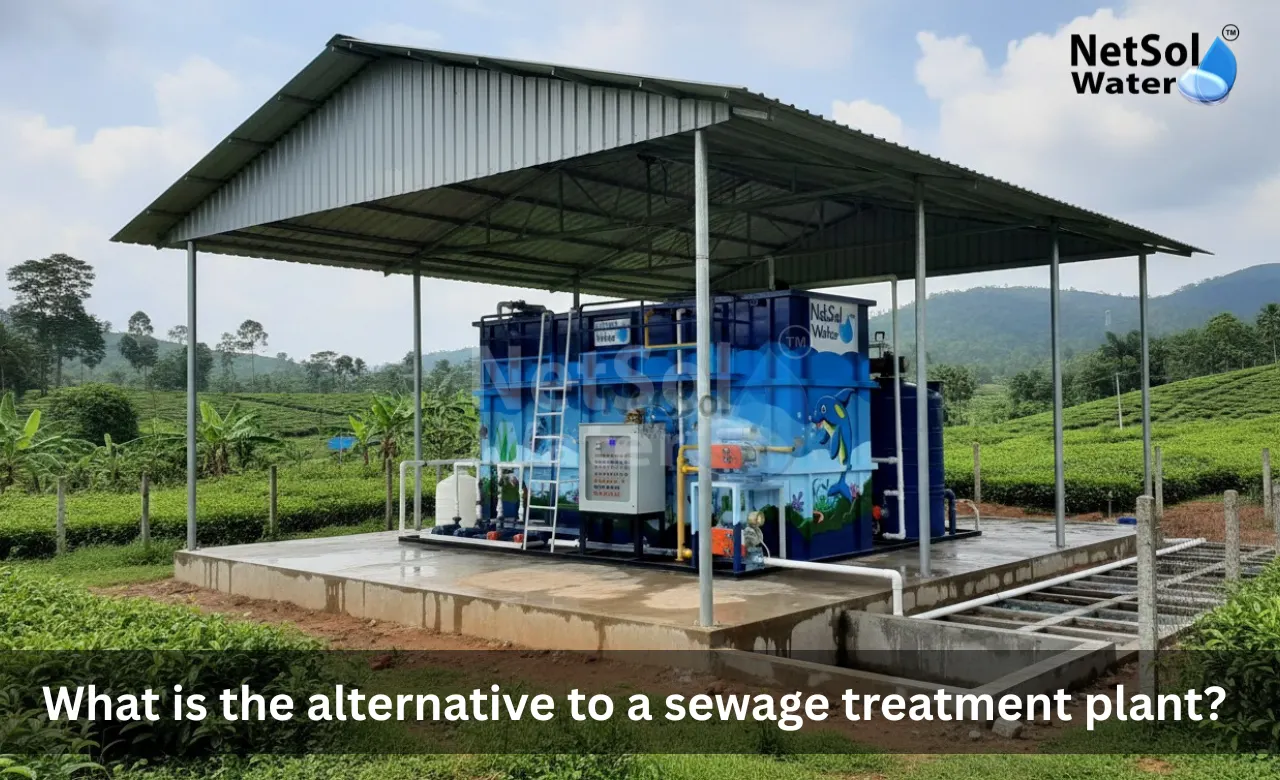
What is the alternative to a sewage treatment plant?

Many places do not have a central sewer network. People and planners look for ways to treat wastewater near the source. We will explain practical alternatives to a sewage treatment plant. We are the leading sewage treatment plant manufacturer, and it supports many on-site and decentralized solutions. The options range from simple tanks to systems that use plants and natural processes. Each option has its own benefits and limits.

Common Alternatives to Central Sewage Treatment Plants

Before looking at choices, we must understand why alternatives matter. Many villages, housing clusters, and industries cannot connect to a central plant. They need plants that work on site. These systems must treat wastewater safely and meet local rules. Let us have a look at some common alternatives that people choose when a central plant is not available.

1. Septic Tanks

Septic tanks serve many homes and small communities. These tanks sit underground and hold wastewater. Solids settle in the tank while bacteria break them down without oxygen. The liquid moves out to a drain field where the soil filters it further. Septic tanks work well for single houses and small groups. They need regular pumping and careful use. Harsh chemicals and heavy loads reduce their life. Proper sizing and soil checks make septic systems work well. A well set-up septic system can protect groundwater and local streams for many years.

2. Constructed Wetlands and Reed Beds

Constructed wetlands mimic natural marshes to clean wastewater. Plants such as reeds grow in shallow beds. Microorganisms on plant roots and soil remove pollutants. Water moves slowly through the planted bed and the environment treats it. These systems give good results for small communities and institutions. Constructed wetlands need space and seasonal care. They also add green cover and habitat for birds. When designed well, they use low energy and give stable results with low running costs.

3. Composting Toilets

Composting toilets use little or no water. They turn human waste into dry compost with the help of air and tiny organisms. These toilets work well in remote sites and places that want to save water. They reduce the need for sewage pipes. Users must follow safe handling rules for the compost. Regular removal and proper storage make the system safe. Many composting toilets can serve homes, camps, and public sites. They lower water use and return nutrients to soil when used correctly.

4. Biodigesters

Biodigesters are similar to septic tanks, but they focus on biogas production. These systems break down waste in sealed chambers and collect the gas. The gas can power stoves and small heaters. This adds value for rural homes and farms. Biodigesters also cut pollution and make the remaining liquid safer for soil use. Regular feeding and basic care keep biodigesters running. Both household and community-scale biodigesters exist. They fit well where people need fuel and where organic waste is available.

5. Aerated Wastewater Treatment Systems

Aerated wastewater treatment systems act like small treatment plants. These systems add air to support oxygen-loving bacteria. The bacteria remove organic matter more efficiently than septic systems. AWTS units need power for blowers and some regular checks. They work well for larger homes, hotels, and small communities. These systems give good effluent quality for reuse in irrigation and flushing. They require planned maintenance and trained operators for long life.

Specialised and Ecological Systems

Some sites require greener or more specific solutions. These systems use nature or small-scale engineering to treat wastewater. They suit places that aim to reduce energy use, save water, or recover resources. Let us have a look at some specialized ecological options that people use instead of a large central plant.

1. Vermi-processing toilets

Vermi processing uses earthworms to break down excreta into rich organic matter. The worms eat the waste and leave a material that improves soil. These toilets need correct moisture levels and a safe design. They work well for community gardens, schools, and eco resorts. Careful management keeps the worms healthy. Vermi toilets reduce waste volume and create a product that supports plant growth.

2. Sand Filters

Sand filters pass wastewater through layers of sand to remove particles and microbes. These filters work where ground soil is poor or where a drain field will not function. Designers select sand size and bed depth to match the waste load. Sand filters need periodic cleaning and may need pre-treatment. They provide reliable polishing of effluent for safe discharge or reuse. Simple versions exist for small households, while larger beds serve institutions.

3. Mound Systems

Mound systems offer a drain field built above ground level when the soil is too wet or rock sits near the surface. Engineers build a raised bed of sand and gravel to allow safe percolation. These systems keep wastewater away from high water tables and shallow bedrock. Mound systems need careful design and steady maintenance. They provide a practical solution for difficult sites where a normal drain field cannot work.

4. Evapotranspiration Tanks

Evapotranspiration tanks remove wastewater by using plants and direct evaporation. These systems suit arid areas where disposal in soil is not safe. Wastewater moves into a tank, and plants draw water out. Over time, little or none of the effluent leaves the site. The system needs regular plant care and checks. For the right climate, this method reduces discharge and creates a closed cycle.

5. Greywater Recycling

Greywater recycling separates water from showers, sinks, and laundry. It treats this water for reuse in irrigation or toilet flushing. Reusing greywater lowers fresh water demand and reduces the load on sewage systems. Systems range from simple filters for gardens to more advanced units for buildings. Users must avoid harmful chemicals and hot water that can damage plants. Proper design ensures safe use and long service life.

How to Choose the Right Alternative

Choosing a system begins with reading the site and the needs of the people who will use it. Let us have a look at factors that matter when making a decision.

1. Site Conditions and Regulations

Site checks reveal soil depth, permeability, and flood risk. These factors decide whether a septic tank, a mound, or a wetland will work. Local law may require certain discharge standards and permits. Planners must follow rules to avoid fines and health risks. A proper site study saves money and prevents future problems. The study helps choose a system that fits the climate, size, and land use.

2. Maintenance and Cost

Every system needs maintenance. Some systems demand regular pumping, and others need trained operators. Upfront costs and running cost differ across options. Simple septic tanks cost less to build but need frequent emptying in some soils. Constructed wetlands cost more land but use less energy. Biodigesters give biogas that offsets fuel costs. Select a system that aligns with the budget and the ability to keep it working for years.

Read some interesting information for the Industrial RO Plant Manufacturer in Faridabad

Conclusion

Alternatives to a central plant offer many paths to manage wastewater. People can choose options depending on the site and their needs. Netsol Water, as a sewage treatment plant manufacturer, helps clients select, design, and maintain the right solution. If you need advice or a consultation, reach out to a trusted manufacturer. Request a site visit and find the right wastewater option for your home or community.

Contact Netsol Water at:

Phone: +91-9650608473

Email: enquiry@netsolwater.com

Which-is-the-largest-STP-in-Delhi.webp

February 21, 2026by Netsol Water

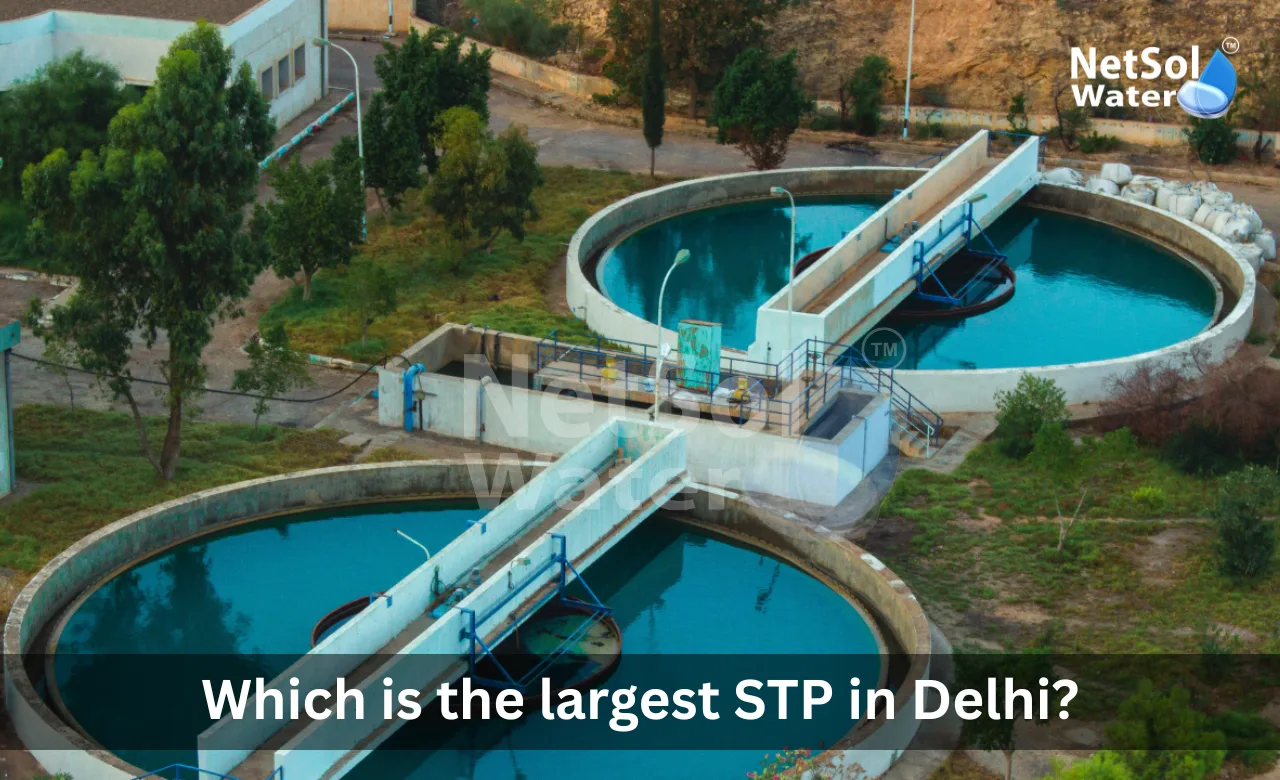
Which is the largest STP in Delhi?

Delhi needs strong STP plants to keep the Yamuna and the city clean. A large sewage treatment plant can make a big difference in the quality of water and public health. We will explain which sewage treatment plant in Delhi holds the record for size. We will also see why size matters and how modern features help reuse water and reduce pollution.

Okhla Sewage Treatment Plant: The largest STP in Delhi

Okhla STP is the largest sewage treatment plant in Delhi and one of the largest in Asia. The plant came after years of planning and upgrades that replaced older, smaller units with a single large facility. The scale of this plant changes how Delhi will handle urban sewage and how the Yamuna will receive cleaner water downstream.

Let us have a look at some core facts about the Okhla

The Okhla plant treats 124 MGD of sewage, which equals 564 MLD. This capacity makes it larger than previous major plants in the city and places it among the largest single-stage plants in Asia. The plant sits on a wide site that was once split into smaller units. By bringing these units together, the Delhi Jal Board created a single treatment line that can handle large peak flows. Officials say the plant will help reduce raw sewage that reaches the Yamuna and will supply treated water for uses such as irrigation and industry. These changes will improve river health and also free municipal water for other city needs.

Key Specifications of the Okhla STP

Let us see the technical specifications to understand why the plant is important for city planning and for future reuse projects.

1. Treatment Capacity and Scale

The Okhla plant has a treatment capacity of 124 MGD, which equals 564 MLD. This level of capacity lets the plant treat sewage from many parts of South, Central, and Old Delhi. The design aims to keep effluent standards low for BOD and solids so that treated water meets the required quality for reuse. By operating at a large scale, the plant reduces the need for many small units and improves process control and monitoring. This makes maintenance simpler and cuts the per-unit cost of treatment, which helps the city save public funds over time.

2. Location, Coverage, and Cost

The plant spreads over 40 acres in Okhla and serves about 40 lakh, or 4 million, residents in nearby zones. The project came under the Yamuna Action Plan and cost about ₹1,161 crore. The funding and the partnerships allowed the Delhi Jal Board to adopt modern systems and to replace older structures on the same site. These investments aim to protect the river and to provide a steady flow of treated water for non-potable uses. The economy of scale lets the plant support irrigation uses and industrial needs, which eases pressure on drinking water sources.

Advanced Features

Let us have a look at some notable advanced features that improve performance and sustainability. The plant uses sludge digestion to capture biogas and to convert waste into green power. The biogas-to-power system can generate about 5 MW of electricity, which covers a large share of the plant’s energy needs. This approach cuts the plant’s carbon output and lowers running costs. The plant also uses UV disinfection, which gives higher control over pathogens and helps the treated water meet reuse standards for irrigation and industrial processes. By producing safe Class A sludge, the plant creates a product that farmers can use as manure. This approach closes the resource loop and turns waste into a useful product.

Water Quality and By-products

The plant targets strict limits for biological oxygen demand and suspended solids so that discharged water harms the river less. The treatment lines include advanced tertiary steps to reduce nutrients and to meet reuse standards. The plant also aims to recover water for urban use, which reduces demand on fresh sources. The Class A biosolids meet sanitization standards so they can return to agriculture as a soil amendment. These by-products make the project more sustainable and more useful for the local economy.

Read some interesting information for the Commercial RO Plant Manufacturer in Faridabad

Conclusion

Okhla holds the title as the largest sewage treatment plant in Delhi and one of the largest single-stage plants in Asia. The plant shows how scale and modern features can reduce pollution and support reuse. A strong sewage treatment plant manufacturer makes such outcomes possible by offering design quality and service. If you seek more details or wish to discuss a custom solution, Netsol Water can help. Contact us for a consultation and to learn how modern systems can meet your city or industry needs.

Contact Netsol Water at:

Phone: +91-9650608473

Email: enquiry@netsolwater.com

How-to-reduce-TDS-in-RO-system-1-1.webp

January 29, 2026by Netsol Water

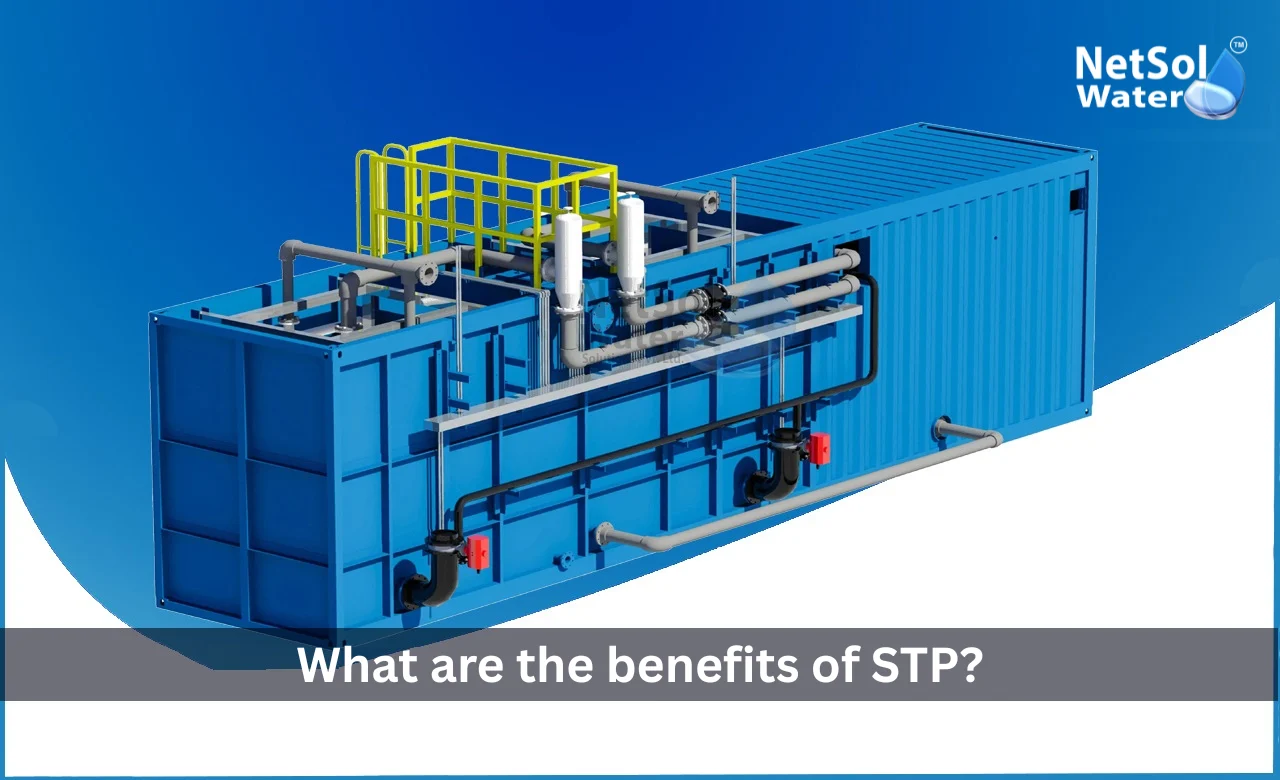
What are the benefits of STP?

Cities grow fast, and industries expand. Rivers and lakes face pressure from waste. People need clean water for daily life and for farming. Netsol Water is the leading sewage treatment plant manufacturer, and the company makes plants that fit many needs. India is famous for its long rivers and rich farming lands. It is also home to many growing towns that need steady water supplies. This mix makes sewage treatment more important than ever. Good treatment plants protect rivers and keep land healthy.

Environmental protection and biodiversity

Sewage treatment keeps pollution out of rivers and lakes. Clean water helps plants and animals to live and to grow. Let us have a look at some key ways treatment systems protect nature and help ecosystems recover.

1. Reduction of pollution load

When a sewage treatment plant manufacturer builds a plant, the first goal is to remove harmful solids and organic matter. Treatment removes suspended particles and lowers the amount of nutrients that cause algae blooms. This process prevents oxygen loss in water bodies. Fish and other aquatic animals need oxygen to survive. Too much untreated waste causes dead zones where few species can live. A proper plant brings water quality back to safe levels. This in turn restores the balance in rivers and wetlands. Communities then see clearer water and more life near their shores. Rivers become more usable for fishing and for cultural uses. Over time the chemical balance of the water improves. That change helps native species to return.

2. Protection of aquatic life

Healthy water supports a wide range of species. When treatment removes toxic compounds, the food chain recovers. Small organisms return first. Then larger species come back as their food sources grow. This change improves biodiversity and strengthens natural resilience. A stable ecosystem resists disease and recovers faster from shocks like floods. Sewage treatment also reduces heavy metals and persistent chemicals. Removing these agents stops harmful buildup in fish tissue. People who depend on fish for food gain safer meals.

Water reuse and resource recovery

Treating sewage turns waste into a resource. Reuse reduces pressure on freshwater sources. Let us have a look at some common ways treated water and recovered materials support local life and industry.

1. Irrigation and industrial reuse

Treated sewage water can serve farms and factories. When a sewage treatment plant manufacturer designs plants for reuse, the output meets local needs. Farmers can water crops with treated water during dry seasons. This reduces the need to draw from wells. Industries can use treated water for cooling and for some processes. Reuse lowers the demand for fresh water and cuts costs for users. It also frees more groundwater for drinking. Reused water keeps green spaces alive near towns. City planners can use reuse to support parks and street trees. In areas with limited rainfall, treated water acts as a steady supply. This change supports food security and keeps businesses running during dry months.

2. Groundwater recharge and conservation

Another benefit comes from using treated water to recharge aquifers. When STP plant manufacturer teams plan recharge schemes, they guide water back to the ground in controlled ways. This step raises the water table over time. Higher groundwater levels reduce the cost of pumping and protect wells from running dry. Recharge also prevents land from sinking in places with heavy extraction. Restored groundwater supports rural and urban users alike. It helps small farmers who rely on shallow wells. It also serves cities that face seasonal shortages. By returning treated water to the ground, communities secure a long-term water supply.

Public health safety and economic savings

Sewage treatment protects people from disease. It also creates jobs and saves money in the long run. Let us have a look at some ways treatment systems raise living standards and support growth.

1. Improved sanitation and disease reduction

Untreated sewage spreads pathogens that cause diarrhea and other illnesses. A well-built plant removes bacteria and viruses from water before it returns to the environment. This reduction lowers the burden on clinics and hospitals. Children gain better health and miss fewer school days. Clean surroundings also cut the cost of medical care for families. Public places such as markets and schools become safer. Clean rivers reduce the spread of waterborne diseases during floods. When sewage treatment plant manufacturers work with local leaders, the project links to sanitation programs. Combined action on treatment and on sanitation raises hygiene standards across a town. This change leads to long-term gains in public health.

2. Cost savings and local employment

Building and running sewage plants creates jobs for engineers and for technicians. It also supports local businesses that supply parts and services. In the long term, treated water lowers the cost of water for farms and factories. Saving on water reduces production costs. Cities then use funds for other services such as roads and schools. Proper treatment also cuts the cost of environmental cleanup after pollution incidents. Repairing a damaged river is far more costly than running a treatment system. Investment in treatment therefore pays back through lower health bills and through new economic activity. Local companies gain a steady supply of water, which they can use reliably. This stability attracts further investment and supports steady growth.

Read some interesting information for the Commercial RO Plant Manufacturer in Noida

Conclusion

Sewage treatment brings clear benefits for nature, health, the economy, and social life. A reliable STP plant manufacturer can turn waste into useful water and protect the places we live in. Netsol Water is the leading sewage treatment plant manufacturer, and the company offers solutions for towns, industries, and farms. If you want to learn how a treatment system can help your project, contact Netsol Water for more details. Request a consultation to explore options that fit your site and your budget.

Contact Netsol Water at:

Phone: +91-9650608473

Email: enquiry@netsolwater.com

Why-is-STP-so-important.webp

January 27, 2026by Netsol Water

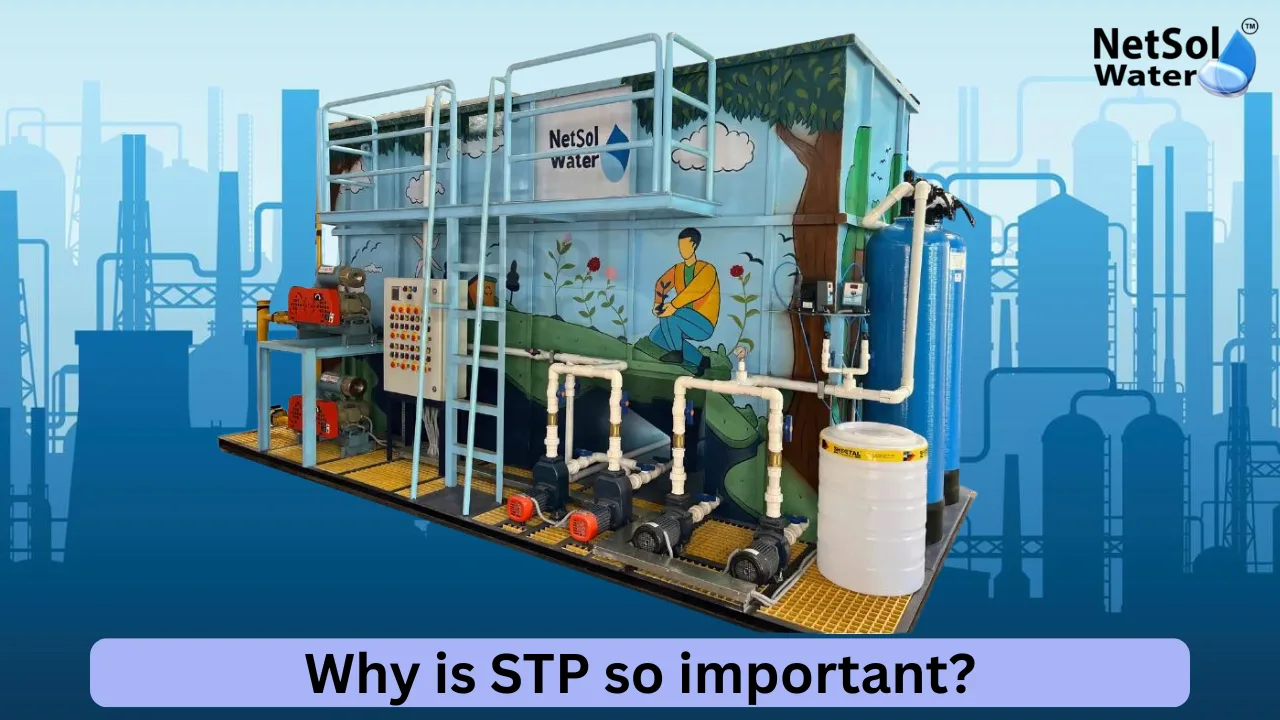
Why is STP So Important?

Sewage treatment plays a strong role in modern life. Urban regions grow fast, and they create large volumes of wastewater each day. Cities known for industry and population growth face heavy pressure on water sources. The Sewage Treatment Plant Manufacturer helps cities manage this pressure in a safe and planned way. Proper treatment prevents pollution and supports reuse of water. It also protects rivers, soil, and groundwater from damage. Netsol Water stands as a leading STP manufacturer with years of experience. We will explain why STP holds great importance for the environment, health, and economy.

Environmental Protection and Recovery

Environmental balance depends on clean water systems. Untreated sewage harms rivers, lakes, and soil. Treatment plants stop this damage before it spreads. Let us have a look at some major environmental benefits of sewage treatment.

  • Reduction of Water Pollution

Sewage treatment removes harmful waste before water enters natural sources. The treatment process separates solids and breaks down organic matter. This process prevents toxic discharge into rivers and lakes. Clean discharge supports plants and soil organisms. Rivers regain oxygen levels and support aquatic life again. This change improves water clarity and reduces foul odor. Proper treatment also controls nutrient overload, which often causes algae growth. When algae growth reduces, rivers regain balance. A trusted sewage treatment plant manufacturer designs plants that achieve these results every day. Netsol Water ensures proper treatment stages and smooth operation. These systems help nature recover and stay protected for the long term.

  • Conservation of Water and Reuse

Treated sewage offers a strong option for water reuse. Cities and industries can use treated water for gardening, cleaning, and cooling systems. This reduces demand on freshwater sources. Water reuse supports regions that face water shortages. Treated water meets safety needs when systems operate correctly. Reuse also supports sustainable planning in urban areas. Skilled sewage treatment plant manufacturers design plants based on reuse goals. Netsol Water focuses on reuse quality and steady output. This approach saves natural water sources and supports long-term water security.

Public Health and Community Safety

Public health depends on safe water management. Untreated sewage spreads disease and creates unsafe surroundings. STPs remove these risks before they affect people. Let us have a look at how STP improves public safety and living conditions.

  • Removing Health Hazards

Wastewater carries bacteria and harmful substances. If untreated, these elements spread illness through water contact. Sewage treatment eliminates these threats during processing. The system removes pathogens and reduces contamination levels. Clean discharge lowers disease risk in nearby areas. Hospitals, schools, and residential zones benefit from this protection. Proper plant design ensures consistent performance. Netsol Water, as a leading STP manufacturer, follows strict treatment standards. These standards help reduce health risks and support safer communities. People experience fewer water-related illnesses and improved daily life.

  • Safer Sanitation and Better Living Conditions

Clean sanitation improves the quality of life in cities and towns. Treated sewage prevents overflow and surface contamination. Streets remain clean, and water bodies stay safe. Children and families can use public spaces. Clean surroundings attract business growth and tourism. Improved sanitation also raises property value. A dependable sewage treatment plant manufacturer supports this outcome through strong maintenance planning. Netsol Water trains operators and provides long-term service support. This support keeps plants running smoothly and ensures safe sanitation every day.

Economic Savings and Regulatory Compliance

Proper sewage treatment supports economic stability. It helps industries and municipalities manage costs and follow laws. Ignoring wastewater rules leads to fines and loss. Let us have a look at the economic and legal advantages.

  • Reducing Treatment and Operation Costs

Efficient STPs consume less energy and fewer chemicals. Smart design reduces wear and repair needs. These savings lower long-term operational expenses. Water reuse also reduces spending on freshwater supply. Industries benefit by using treated water for non-drinking purposes. Good planning ensures steady performance with low cost. Netsol Water delivers efficient designs and reliable systems. As a trusted STP manufacturer, it focuses on cost control and durability. These factors help owners manage budgets and plan growth.

  • Meeting Laws and Avoiding Penalties

Environmental laws demand proper wastewater treatment. Industries must meet discharge standards to continue operations. Failure leads to heavy fines and legal action. A professional sewage treatment plant manufacturer helps clients meet these rules. Netsol Water designs plants that align with local regulations. It also supports testing and reporting needs. This support reduces compliance risk and builds trust with authorities.

Long-Term Resilience

Modern cities need treatment systems that adapt. Climate change and population growth increase pressure on wastewater systems. Flexible and smart design ensures long-term performance. Let us have a look at how modern STP systems stay future-ready.

  • Flexible Design for Changing Needs

Wastewater volume changes with seasons and population growth. Treatment plants must handle these changes smoothly. Modular designs allow easy expansion. Flexible systems adjust flow and load conditions. This adaptability prevents overload and system failure. Smart controls help maintain efficiency. Netsol Water designs plants with future expansion in mind. As a leading STP manufacturer, it focuses on long-term planning. These systems continue to perform even as demands increase.

  • Monitoring and Quick Response

Modern STP systems use sensors and control panels. These tools track performance in real time. Operators detect issues early and respond fast. Quick action prevents downtime and damage. Netsol Water provides training and support for these plants.

Read some interesting information for the Commercial RO Plant Manufacturer in Delhi

Conclusion

Effective sewage treatment supports clean water, healthy communities, and steady economic growth. A dependable sewage treatment plant manufacturer plays an important role in this process. Netsol Water leads the industry with proven systems and expert support. Strong design and consistent service create lasting results. Those seeking reliable wastewater solutions can connect today for detailed guidance. Request a consultation to understand how a trusted STP manufacturer can support your project and secure sustainable water management for the future.

Contact Netsol Water at:

Phone: +91-9650608473

Email: enquiry@netsolwater.com

Top-Sewage-Treatment-Plant-Manufacturers-in-Delhi.webp

April 26, 2025by Netsol Water

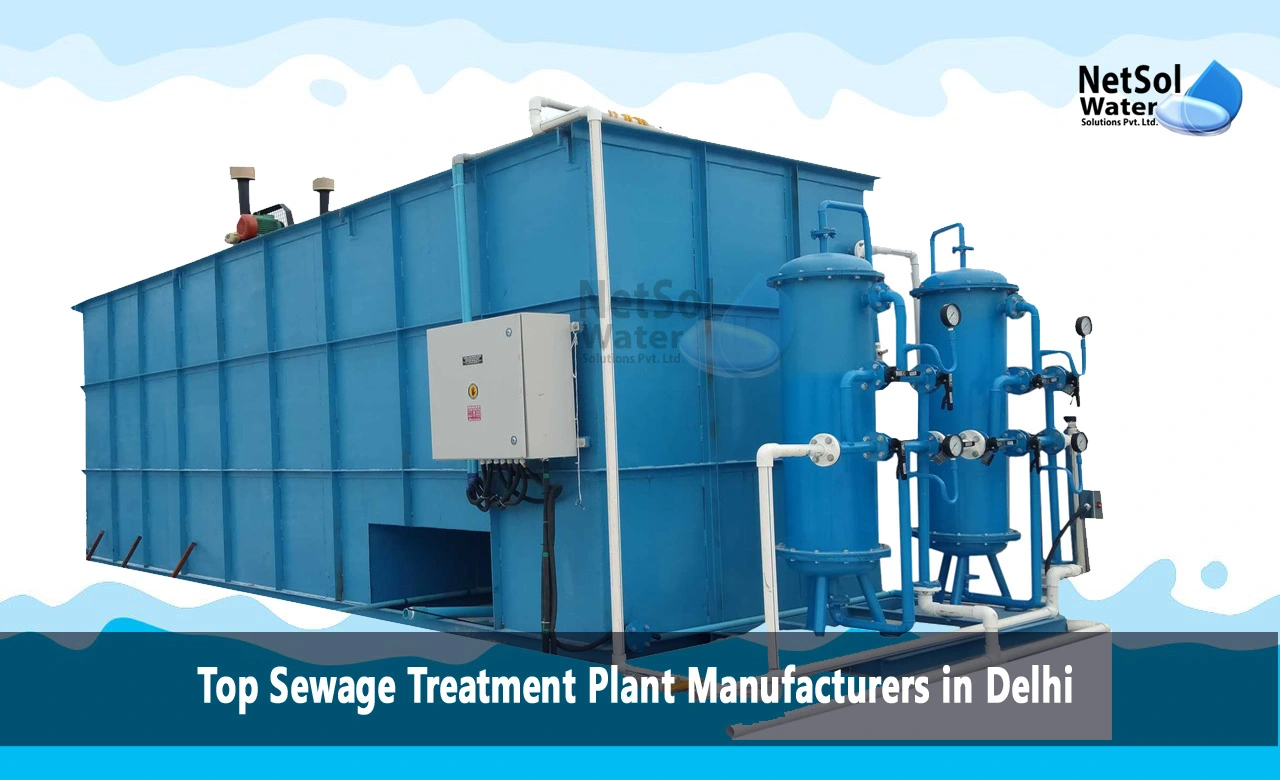
Top Sewage Treatment Plant Manufacturers in Delhi

In today’s rapidly urbanizing world, managing sewage waters efficiently is crucial to prevent environmental contamination and ensure safe water for all. Delhi, being a densely populated metropolitan city, requires advanced sewage treatment plants (STPs) to handle municipal wastewater, domestic wastewater, and industrial wastewater. This blog highlights the top sewage treatment plant manufacturers in Delhi who are leading the industry with innovative technologies, cutting-edge technology, and a commitment to sustainability. These manufacturers provide a wide range of solutions, from Compact Effluent Treatment Plants (ETPs) to large-scale Industrial Wastewater Treatment systems, ensuring compliance with Pollution Control Board (PCB) standards.

Key Stages in Sewage Treatment

  1. Preliminary Treatment: Removes heavy solids, lighter solids, and inorganic materials through screening and sedimentation.
  2. Primary Treatment: Uses primary clarifiers to separate settled material and reduce organic matter.
  3. Secondary Treatment: Employs biological processes with aeration tanks, Sequential Batch Reactors (SBR), and Moving Bed Biofilm Reactors (MBBR) to break down organic pollutants.
  4. Tertiary Treatment: Ensures further purification through filtration, disinfection, and advanced treatment technologies to meet environmental standards.
  5. Sludge Treatment: Processes bio-solids in sludge digesters for safe disposal or reuse.

Top 5 Sewage Treatment Plant Manufacturers in Delhi

1: Netsol Water

A leading manufacturer of sewage treatment plants, Netsol Water specializes in advanced sewage treatment methods like SBR, MBBR, and biofilm reactors. Their compact design and energy-efficient systems cater to industries such as hotels, hospitals, and steel industries.

2: Sewage Treatment Plants

Known for their complete range of STPs and ETPs, Sewage Treatment Plants integrate modern technologies to ensure high water quality and low energy consumption. They serve the pharmaceutical, textile and food industries.

3: Urban STP Plant

This provider of sewage treatment solutions offers biological treatment systems with aerobic bacteria to reduce Biological Oxygen Demand (BOD). Their effluent treatment plants are ideal for industrial facilities.

4: Water Treatment Plants

Specializing in sustainable future solutions, they provide tertiary treatment options like reverse osmosis (RO) and ultrafiltration (UF) to remove toxic pollutants from industrial effluent.

5: Compact STP Plant

A trusted name in wastewater treatment, Compact STP Plant offers centralized wastewater treatment systems with automatic feed flow rate control, ensuring compliance with regulatory standards.

Why Choose Advanced Sewage Treatment Plants?

  • Reduces ecological footprint
  • Ensures cleaner water resources
  • Complies with Pollution Control Board norms
  • Uses beneficial microorganisms for biological treatment
  • Minimizes industrial pollution

Conclusion

With increasing water contamination levels, investing in a high-quality sewage treatment plant from reputed sewage treatment plant manufacturers in Delhi is essential. These companies offer comprehensive treatment solutions with cutting-edge technology, ensuring environmental sustainability and responsible resource management.

For Price, Product Details, and Product Videos, visit the leading STP suppliers in Delhi, Faridabad & Gurgaon today!


Top-Sewage-Treatment-Plant-Manufacturers-in-Gurgaon.webp

April 22, 2025by Netsol Water

Introduction

Gurgaon, a rapidly growing industrial and residential hub, faces increasing challenges in wastewater management due to rising urbanization and industrial activities. Sewage treatment plants play an important role in maintaining public health and preventing water pollution by treating domestic sewage and industrial effluents before discharge. We will explore the top sewage treatment plant manufacturers in Gurgaon, their innovative technologies and how they contribute to a sustainable future by providing efficient wastewater treatment solutions.

Leading sewage treatment plant suppliers in Gurgaon utilize advanced sewage treatment solutions, including biological treatment processesMoving Bed Biofilm Reactor (MBBR), and Sequential Batch Reactor (SBR) technologies, to ensure environmental compliance and safe discharge of treated water.

Importance of Sewage Treatment Plants in Gurgaon

With industries such as textile, chemical, automotive and beverage processing operating in Gurgaon, the need for effective treatment systems is critical. Untreated wastewater containing organic matter, heavy metals, and harmful chemicals can contaminate water bodies, posing risks to human health and the ecosystem.

Sewage treatment infrastructure ensures:

  • Removal of solid particles, colloidal particles, and coarse particles through primary treatment.
  • Degradation of organic materials via biological treatment levels (secondary treatment).
  • Advanced filtration and disinfection in tertiary treatment for clean water reuse or safe discharge.

Advanced Technologies Used by Sewage Treatment Plant Manufacturers

1: Moving Bed Biofilm Reactor (MBBR)

  • Uses bed biofilm reactors for efficient biological treatment processes.
  • Ideal for industrial sectors requiring high operational efficiency.
  • Reduces 45-50% of unstable organic materials through aerobic conditions.

2: Sequential Batch Reactor (SBR)

  • batch reactor system offering flexible and efficient operation.
  • Suitable for residential complexes and small-scale industries.
  • Ensures consistent quality of treated effluent.

3: Advanced Filtration & Chemical Treatment

  • Removes heavy metals and harmful chemicals through chemical treatment.
  • Uses membrane bioreactors (MBR) for ultra-clean water

4: Automatic Grade & Remote Monitoring

  • Modern STPs feature real-time monitoring and control systems for efficient operation.
  • Reduces manual operation and ensuresreliable performance.

Top Sewage Treatment Plant Manufacturers in Gurgaon

1: Netsol Water

  • Decades of experience in designing effluent treatment plants.
  • Specializes in the textile industry and the chemical industry
  • Provides turnkey solutions with energy-efficient design.

2: Sewage Treatment Plants

  • Offers compact reactors for space-constrained installations.
  • Ensures compliance with discharge standards and regulatory compliance.
  • Focuses on customer satisfaction and dedication to quality.

3: Urban STP Plant

  • Experts in Commercial Wastewater & Combined Effluent Treatment Plants (CETPs).
  • Uses advanced techniques for effective wastewater treatment.
  • Provides maintenance of STPs for long-term optimal performance.

Applications Across Industries

1: Textile Industry

  • Treats dye-laden effluents using biological and chemical treatment.
  • Ensures effluent discharge standards are met.

2: Residential Complexes

  • Domestic sewage treatment systems for Cyber City and urban developments.
  • Promotes water conservation and a cleaner environment.

3: Automotive & Beverage Industry

  • Handles effluents from manufacturing with advanced filtration.
  • Prevents the potential for pollution in water bodies.

Choosing the Right Sewage Treatment Plant Manufacturer

When selecting a sewage treatment plant manufacturer in Gurgaon, consider:

  • Extensive experience in wastewater treatment plant projects.
  • Compliance with environmental regulations and discharge consent conditions.
  • Use of durable, corrosion-resistant materials for long-term reliable performance.
  • Affordable price without compromising quality assurance.
  • Ease of maintenance and dedication to customer service.

Conclusion

Gurgaon’s leading sewage treatment plant manufacturers provide sustainable sewage treatment solutions using advanced technologies like MBBR, SBR, and tertiary treatment systems. By ensuring environmental compliance, efficient wastewater treatment, and safe discharge, these companies contribute to public health, water conservation, and a sustainable future.

Whether for industrial operations, residential complexes, or agricultural industries, investing in a dependable sewage treatment plant is essential for regulatory compliance and a cleaner environment.

For customized, efficient, and compliant STP solutions, contact Netsol Water, a trusted sewage treatment plant supplier in Gurgaon, today!


How-Sewage-Treatment-Plants-Protect-Public-Health.webp

October 24, 2024by Netsol Water

How Sewage Treatment Plants Protect Public Health?

Clean water runs from our taps with ease. We drink, cook and bathe with it daily. But where does all that water go once we use it? Well, it turns into sewage and Sewage treatment plants handle the task of purifying the sewage into reusable water. These work to protect our communities and environment from the dangers of untreated wastewater. We’ll discuss how sewage treatment plants protect public health. Starting with the basics of these facilities we’ll then look into how they fight sickness, stop environmental degradation and even help manage water responsibly.

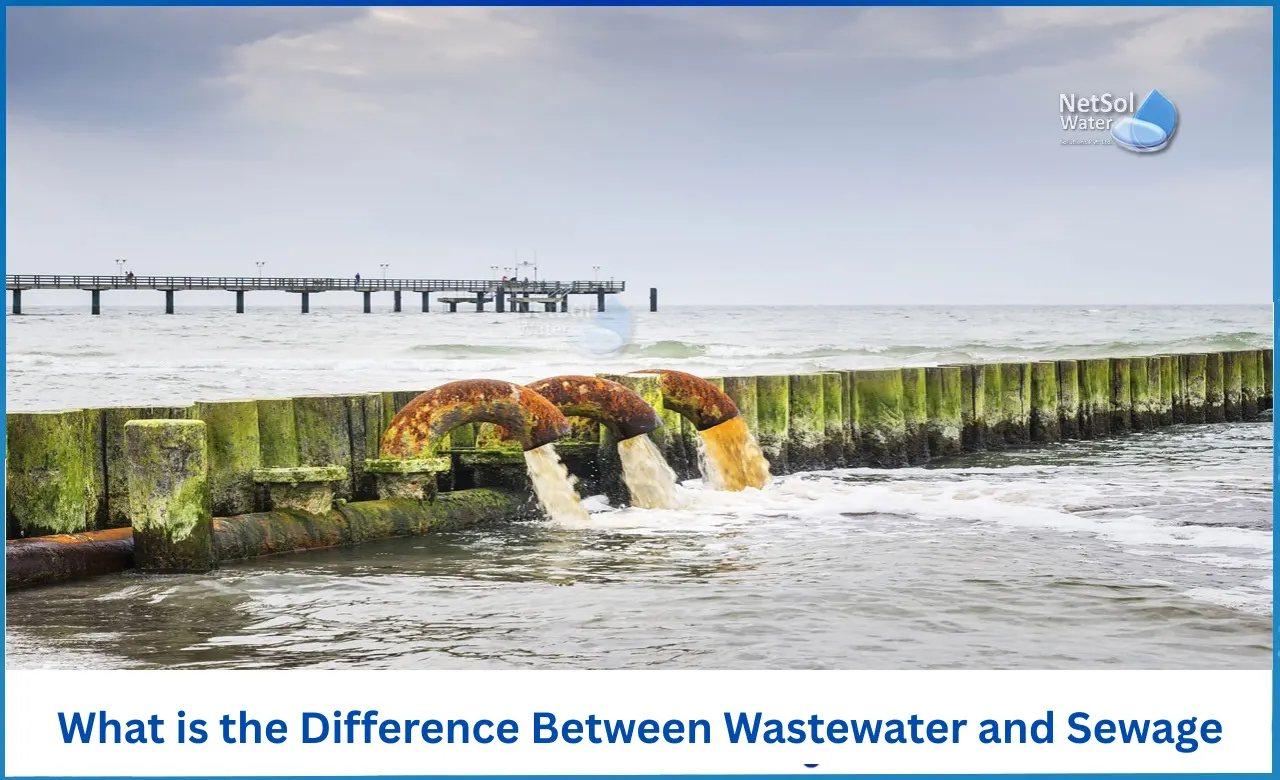
What is sewage?

To know how sewage treatment plants work we must first understand what they handle. Sewage or wastewater comprises all water humans contaminate through use. This covers water from toilets sinks showers washing machines and even factories and companies. Sewage mixes organic matter chemicals and potentially dangerous bacteria. Treatment facilities must remove them before they can safely discharge water back into nature.

The path of wastewater

Flushing a toilet or draining a sink starts waters trip through a complex of pipes and tunnels in our sewer systems. Gravity and pumps carry wastewater from homes and businesses to treatment plants. This system works primarily undetected yet plays an important role in keeping the public healthy.

The sewage treatment procedure

At the treatment facility wastewater travels through many processes to eliminate impurities. While strategies differ most plants follow a similar approach:

  1. Preliminary treatment: Large objects and materials get removed initially. Screens and grit chambers capture garbage sand and gravel.
  2. Primary treatment: Wastewater goes into enormous settling tanks. Heavy materials sink generating sludge whereas oils and fats float for skimming.
  3. Secondary treatment: Helpful bacteria break down organic debris. The popular activated sludge method pumps air into tanks to assist bacteria growth.
  4. Tertiary treatment: Some plants add further procedures to further clean the water. This might include filtration or disinfection to eliminate residual pollutants or kill hazardous bacteria.
  5. Disinfection: The final step normally adds chlorine or employs UV light to destroy any leftover bacteria before releasing the purified water.

Protecting Public Health

Disease prevention

Sewage treatment plants inhibit waterborne infections from spreading. Untreated sewage can house many pathogens including bacteria viruses and parasites that cause illnesses including cholera typhoid and dysentery. By eradicating these hazardous bacteria sewage treatment plants avert possible outbreaks.

Emerging concerns

While sewage treatment systems have successfully reduced many waterborne infections new difficulties develop. Antibiotic-resistant bacteria medicines and microplastics now infiltrate our effluent. Current treatment methods may not totally eradicate them. Ongoing research and innovative sewage treatment technology must address these rising health hazards.

Environmental Protection

Preventing water pollution

Sewage treatment plants preserve our aquatic environments. Untreated wastewater can damage rivers lakes and coastal waters. Sewage’s organic content can deplete oxygen killing fish and other aquatic life. Nutrients like nitrogen and phosphorus cause algal blooms further hurting ecosystems. By removing these pollutants sewage treatment facilities preserve the balance of our water bodies.

Safeguarding biodiversity

Sewage treatment benefits more than just water quality. By safeguarding water ecosystems these plants conserve biodiversity. Healthy rivers and lakes support numerous plant and animal species from small plankton to huge predators like otters and ospreys. Sewage treatment plants work ripples through entire ecosystems.

Climate change considerations

Climate change is causing sewage treatment plants to be at increased risk as more powerful storms can overwhelm systems and release untreated sewage. Rising sea levels endanger coastal treatment plants. We must adjust our sewage treatment plants to these new circumstances to retain environmental regulations.

Sustainable Water Management

Water reclamation and reuse

Many sections of the world suffer escalating water scarcity. Sewage treatment plants increasingly offer alternatives through water reclamation and reuse. Advanced treatment can generate water clean enough for irrigation industrial use and even groundwater recharge. Some localities attempt direct potable reuse returning highly treated wastewater to the drinking supply.

Energy recovery

Sewage isn’t simply waste – it’s a potential energy source. Many treatment plants employ anaerobic digestion to break down sewage sludge creating biogas for energy. This saves plant energy costs and reduces carbon footprints.

Nutrient recovery

Sewage contains essential nutrients especially phosphorous. Treatment techniques can replenish these nutrients. Phosphorus an important fertilizer element confronts decreasing natural sources. Extracting phosphorus from wastewater helps close the loop on this critical nutrient cycle.

Conclusion

Sewage treatment plants protect us from disease and environmental degradation as public health protectors. From preventing waterborne infections to promoting sustainable water management these facilities keep our communities and ecosystems healthy.New challenges including climate change increasing pollutants and old infrastructure need continual investment and innovation in sewage treatment.

To explore customised commercial RO plants, Industrial RO plants, ETP or STP solutions for your needs in your areas and nearby regions, contact Netsol Water at:

Phone: +91-965-060-847, Email: enquiry@netsolwater.com

Sewage-Treatment-Plant-Manufacturer-in-Gurugram.webp

February 5, 2024by Netsol Water

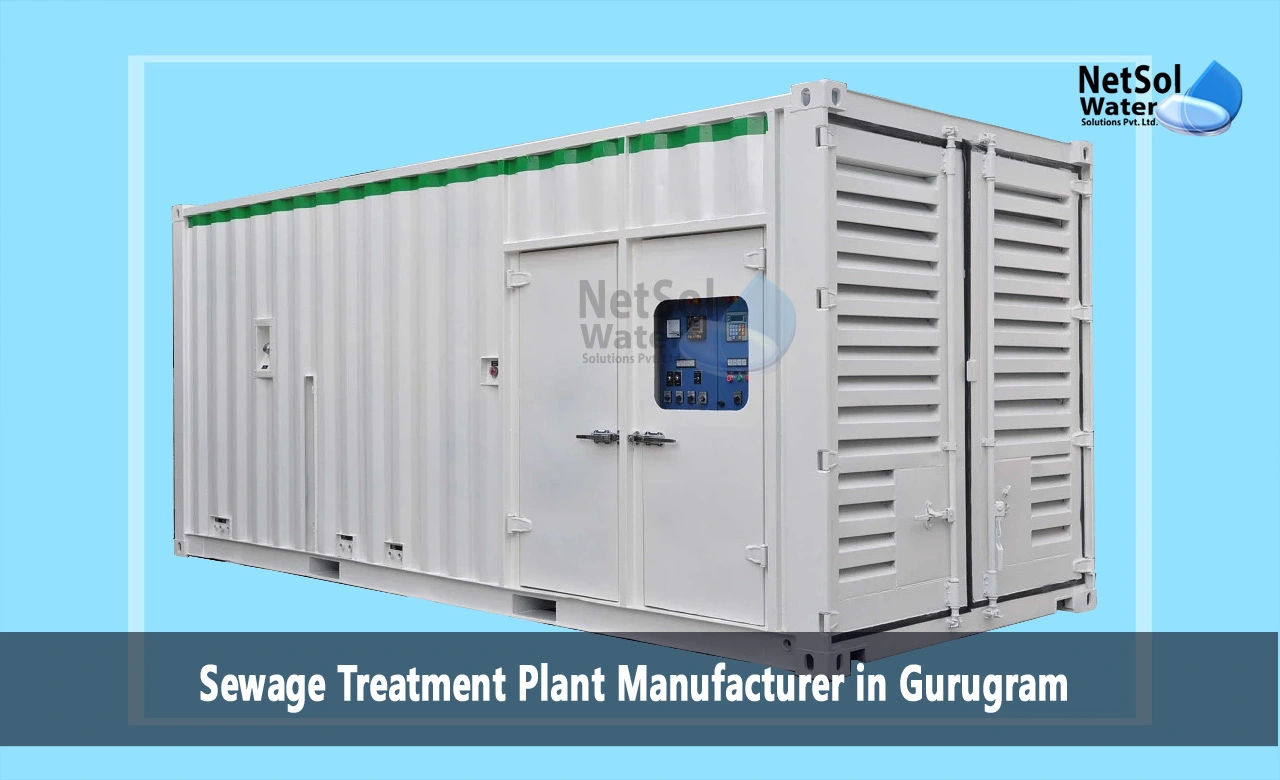
Sewage Treatment Plant Manufacturer in Gurugram

Gurugram, located southwest of New Delhi, is one of India’s fastest-growing cities. With rapid urbanization and population growth, managing wastewater and sewage has become a major challenge. Proper wastewater management is crucial for public health, environmental sustainability, and preventing water pollution. Sewage treatment plants play a vital role in treating and safely discharging wastewater. We will discuss the need for a sewage treatment plant manufacturer in Gurugram and how Netsol is helping meet this need.

What are Sewage Treatment Plants and Why Are They Needed in Gurugram?

Sewage treatment plants are facilities that receive wastewater from households and industries, treat it, and discharge the treated water. Treatment processes include physical, biological, and chemical processes to remove solids, organic matter, nutrients, pathogens, and other pollutants.

Gurugram has seen massive growth in recent decades. The city’s population has increased exponentially since the turn of the century. Rapid urbanization has put tremendous pressure on water resources and infrastructure. Much of the sewage generated in Gurugram flows untreated into drains and water bodies, polluting groundwater and posing major health risks.

Properly designed and operated sewage treatment plants are critical to preventing environmental degradation and protecting public health in Gurugram. Treating sewage removes disease-causing pathogens, decomposes organic matter, reduces biological oxygen demand, and removes suspended solids and nutrients like nitrogen and phosphorus. The treated water can be safely discharged into the environment or reused for non-potable purposes like industry, gardening, etc. Sewage treatment is thus vital for keeping water resources clean and meeting environmental regulations.

How does Netsol Water play a role in Gurugram?

Netsol Water is a leading manufacturer and supplier of sewage treatment plants in Delhi, NCR, India. Netsol is helping provide effective wastewater solutions in Gurugram. We design, build and maintain sewage treatment plants using cutting-edge technologies like MBBR, SBR, MBR, tertiary treatment, etc.

With decades of experience in the Indian market, we understand the unique wastewater challenges faced by Indian cities. Our treatment systems are robust, energy-efficient, and easy to operate and maintain. We use the latest automation to minimize manual operations.

Netsol Water has supplied numerous sewage treatment plants of varying capacities across India. In Gurugram, we have installed plants in large residential townships, hotels, hospitals, malls, and industries. We also operate and maintain many sewage treatment plants on a design-build-operate-transfer (DBOT) basis in the city.

Our technical expertise and research into solutions for Indian wastewater ensure our plants consistently meet the treated sewage standards laid out by pollution control boards. With regular maintenance and performance monitoring, we help our clients in Gurugram run their sewage treatment infrastructure efficiently and stay compliant with regulations.

As Gurugram continues to grow rapidly, sewage generation will rise exponentially. Netsol Water aims to equip the city with a decentralized sewage treatment infrastructure to sustain this growth in an eco-friendly manner. We are committed to supporting the government’s Clean Ganga and other water conservation missions through our work in Gurugram.

Conclusion

Gurugram’s rapid urbanization requires extensive sewage treatment infrastructure to protect water resources, public health, and the environment. As a leading player, Netsol Water is supporting the city’s growth by providing advanced, reliable sewage treatment plants optimized for Indian conditions. With our track record and technical expertise, we hope to continue helping Gurugram sustainably manage its wastewater. Sewage treatment is vital for the city’s future, and we are proud to play a role in this crucial segment.

Do you need advice or assistance in selecting the best water and wastewater treatment unit? We have solutions for all your problems!

Let us know your problem, and our experts will make sure that it goes away.

For assistance or related queries, Call on +91-965-060-8473

Or write us at enquiry@netsolwater.com


Top-5-Sewage-Treatment-Plant-Manufacturers-in-Gurugram.webp

February 5, 2024by Netsol Water

Top 5 Sewage Treatment Plant Manufacturers in Gurugram

Sewage treatment is a critical process for managing wastewater and ensuring environmental sustainability in urban areas like Gurugram. As one of India’s fastest-growing cities, Gurugram has seen rapid industrialization and population growth over the past two decades. This has led to an increased generation of sewage that needs proper collection, conveyance, treatment and disposal. Lack of adequate sewage treatment can result in contamination of water bodies and the spread of water-borne diseases. Thus, setting up well-designed and efficiently operated Sewage Treatment Plants (STPs) is the need of the hour for Gurugram. Now, We are exploring the top 5 sewage treatment plant manufacturers in Gurgaon.

Why are Sewage Treatment Plants (STP) needed in Gurugram?

Gurugram was primarily an agricultural area in the past but has now transformed into an IT hub and financial center for India. The massive migration of people from other states in search of jobs has led to the unchecked growth of unauthorized colonies with poor civic infrastructure. Estimates indicate that Gurugram generates a significant amount of sewage daily but has the installed capacity to treat only a fraction of it. The untreated sewage ends up in the Najafgarh drain, which flows into the Yamuna River, degrading the river’s water quality. This has led to rising pollution levels and public health risks.

Besides protecting the environment, STPs are also needed to avoid penalties imposed by environmental regulators. The National Green Tribunal (NGT) has pulled up the Haryana government and imposed fines for failing to treat sewage generated in the state. Setting up adequate STP capacity will help Gurugram comply with wastewater treatment norms laid down by the Central Pollution Control Board (CPCB) and the Haryana State Pollution Control Board (HSPCB). Efficient STPs utilizing advanced technology can also enable the reuse of treated wastewater for non-potable purposes such as gardening, flushing, construction etc. This will lower freshwater demand and promote a circular economy.

Top 5 STP Manufacturers in Gurugram

  1. Netsol Water

Netsol Water is a leading Indian manufacturer of wastewater treatment plants based in Noida and serving in Gurugram. The company manufactures compact STPs based on advanced technologies like Moving Bed Biofilm Reactor (MBBR), Sequential Batch Reactor (SBR) and Membrane Bio-Reactor (MBR). Their STPs are easy to operate, require minimum manpower and utilize minimum space. Netsol caters to both government and private sector clients across industry verticals. Their capability to design and commission large-capacity STPs makes them a preferred choice for large infrastructure projects. The company manufactures its equipment in-house allowing better quality control and cost efficiency. Their expertise in plant operation and maintenance through build-own-operate (BOO) and build-own-operate-transfer (BOOT) models is also a key strength.

  1. Sewage Treatment Plants

Sewage Treatment Plants is the wastewater treatment division of Netsol Water, a leading engineering solutions provider and part of the Netsol Group. It has a pan-India presence and a rich legacy of executing challenging industrial and infrastructure projects. Sewage Treatment Plants offer both conventional and advanced treatment technologies for industrial and sewage treatment applications. Their STPs utilize technologies like Activated Sludge Process, MBBR, IFAS (Integrated Fixed Film Activated Sludge), MBR, Sequential Batch Reactor and Tertiary Treatment. It has executed several STP projects on a turnkey basis for government bodies like the Delhi Jal Board, NMCG, municipal corporations etc. Their capability to commission STPs of varying capacities positions them among the top STP companies in India.

  1. Commercial RO Plant

Commercial RO Plant is one of the leading water technology multinationals, with a presence across multiple continents. Incorporated in 1924, the company has expertise in designing, building, operating and maintaining water and wastewater treatment plants. Commercial RO Plant employs conventional technologies like Activated Sludge Process as well as advanced technologies such as MBBR, MBR, IFAS, SBR and ZLD or Zero Liquid Discharge. The company owns several patented technologies for efficient and cost-effective treatment of industrial and municipal wastewater. Commercial RO Plant has been associated with major STP projects like Okhla and Delhi. They also specialize in retrofitting and upgrading existing, underperforming STPs. Their track record of timely execution of numerous STP projects makes them a trusted choice for government and private sector customers.

  1. Water Treatment Plants

Water Treatment Plants is one of India’s pioneering water and environmental management companies. They offer turnkey solutions for water and wastewater management, including manufacturing of ion exchange resins, membranes and various types of water treatment plants. Water Treatment Plants design and implement STPs based on Activated Sludge Process, MBBR, SBR as well as advanced technologies like Ultrafiltration and MBR. They have engineered some of India’s largest sewage treatment plants. Water Treatment Plants also specialize in tertiary treatment solutions for wastewater recycling and reuse. Their in-house design, engineering and manufacturing capabilities along with their pan-India presence and service network make them a dependable STP solutions provider.

  1. Urban STP Plant

Urban STP Plant is a leading energy and environmental solutions provider headquartered in Greater Noida, India. The company has a dedicated business division focused on water and wastewater management, including recycling and reuse. Urban STP Plant offers equipment and complete solutions for sewage treatment comprising primary treatment, secondary treatment and tertiary treatment modules. Their STPs utilize technologies like MBBR, IFAS, Activated Sludge Process etc. depending on client requirements and effluent parameters. The company has executed numerous municipal and industrial wastewater treatment projects across sectors like refineries, steel, power, textiles etc. Key features of our STPs are modular construction, compact footprint, ease of operation and compliance with discharge norms. Their capability to undertake design-build-operate projects positions Urban STP Plant among the trusted STP manufacturers in the country.

Conclusion

Sewage treatment is critical for environmental sustainability and public health in cities like Gurugram, which have seen rapid development. Setting up efficient STPs helps in collecting and treating sewage before disposal or reuse and complying with regulations. Leading top 5 Sewage Treatment Plant Manufacturers in Gurugram that capable of providing advanced treatment solutions catering to diverse needs and capacities. Adopting appropriate technology, ensuring optimal plant operations and integrating reuse can make Gurugram a wastewater-sensitive city.

Do you need advice or assistance in selecting the best water and wastewater treatment unit? We have solutions for all your problems!

Let us know your problem, and our experts will make sure that it goes away.

For assistance or related queries,

Call on +91-965-060-8473 Or write us at enquiry@netsolwater.com


Top-5-Sewage-Treatment-Plant-Manufacturers-in-Noida.jpg

November 6, 2023by Netsol Water

Top 5 Sewage Treatment Plant Manufacturers in Noida

Sewage treatment is a critical fact of Noida, NCR a rapidly growing city in India is no exception. As the city continues to expand the demand for effective sewage treatment solutions has increased. In this blog, we will explore the top 5 sewage treatment plant manufacturers in Noida, highlighting their contributions to environmental sustainability and wastewater management. One of these companies is Netsol Water, Sewage Treatment Plants, Urban STP Plant, Thermax and Wabag.

What is a Sewage Treatment Plant?

A Sewage Treatment Plant is a machine that designed to treat and purify wastewater, domestic sewage before it is released into the environment. The main goal of a sewage treatment plant is to remove contaminants and pollutants from sewage so that the treated water can be safely discharged into rivers, lakes or oceans or reused for various purposes.

The sewage treatment process typically involves several stages:

Primary Treatment: In this stage, large solid particles and debris are removed from the sewage through processes such as screening and sedimentation. This step helps in separating the solids from the liquid portion of the wastewater.

Secondary Treatment: After primary treatment, the liquid portion is subjected to biological processes. Microorganisms are used to break down organic matter and nutrients in the sewage, reducing the levels of pollutants in the water.

Tertiary Treatment: This stage is an additional treatment step to further polish the water quality. It may involve processes like filtration, chemical treatment, and disinfection to remove remaining contaminants, pathogens, and impurities.

The treated wastewater, known as effluent, can be discharged into the environment, meeting regulatory standards for water quality, or it can be reused for non-potable purposes like irrigation, industrial processes, or even indirect potable water supply in some cases.

Sewage Generation Process

Top 5 STP Plant Manufacturers in Noida

1. Netsol Water:

Netsol Water is a remarkable name as a sewage treatment plant manufacturer in Noida industry known for its innovative and sustainable solutions. Netsol offers a wide range of products and services which include:

Sewage Treatment Plants, Effluent Treatment Plant, Commercial RO Plant and Industrial RO Plant and also manufacturers of water and wastewater treatment plant equipment.

2. Sewage Treatment Plants:

Sewage Treatment Plants is a well-established name in the field of water and wastewater treatment. They specialize in the manufacturing of sewage treatment plants and they offer a wide range of sewage treatment plants including both traditional and modern technologies. Their expertise in water treatment solutions makes them a reliable choice for sewage treatment plants in Noida.

Sewage Treatment Plant Manufacturers

3. Urban STP Plant:

Urban STP Plant is a Noida-based manufacturer known for its innovative and cost-effective sewage treatment solutions. They offer customized designs to suit the specific needs of their clients, ensuring high-quality treatment with minimal environmental impact.

4. Wabag:

With a global presence, Wabag is a renowned player in the field of environmental and energy solutions. They provide cutting-edge sewage treatment plants that focus on sustainability, energy efficiency, and compliance with environmental regulations.

5. Thermax:

Thermax is a prominent sewage treatment plant manufacturer known for their Electro Chlorination technology. They offer eco-friendly solutions that effectively treat sewage and industrial effluents while minimizing the use of chemicals.

Conclusion:

Noida’s rapid urbanization necessitates advanced sewage treatment solutions to protect the environment and public health. Netsol Water, along with other sewage treatment plant manufacturer in Noida, contributes to meeting this growing demand. Whether you’re looking for conventional STPs, compact solutions, or systems tailored for urban areas and industrial use, Noida has a variety of options to address its wastewater management needs. Making the right choice ensures sustainable development and a cleaner, healthier future for the city.

Netsol Water is a Greater Noida-based leading water & wastewater treatment plant manufacturer. We are the industry’s most demanding company based on client reviews and work quality. We are known as the best commercial RO plant manufacturersindustrial RO plant manufacturerssewage treatment plant manufacturersWater Softener Plant Manufacturers, and effluent treatment plant manufacturers. Apart from this, 24×7 customer support is our USP. Call on +91-9650608473 or write us at enquiry@netsolwater.com for any support, inquiry, or product-purchase-related query.