RO Plant - Page 9 of 9 - Sewage Treatment Plant Manufacturers

Emerging-Technologies-in-Industrial-Wastewater-Treatment.webp

April 1, 2025by Netsol Water

Emerging Technologies in Industrial Wastewater Treatment

Industries across the world generate large amounts of wastewater that requires treatment before environmental discharge. Advanced technologies have transformed the way industries handle wastewater treatment processes. These emerging solutions enable industrial facilities to exceed environmental standards while safeguarding precious water resources. Industries including chemical manufacturing, textile processing, food production and pharmaceuticals create wastewater containing diverse pollutants. Traditional treatment approaches struggle to eliminate sophisticated contaminants which has sparked the creation of groundbreaking treatment technologies that successfully address challenging pollutants.


New developments in industrial wastewater treatment unite performance with environmental responsibility. Engineers have designed these technologies to minimize energy usage, decrease chemical consumption and enhance treated water quality. Significant technological progress encompasses advanced oxidation membrane separation and biological processing systems. Industries can now extract valuable materials from wastewater streams through these technologies which generates additional financial advantages. Smart monitoring platforms enhance treatment performance by enabling real-time adjustments and process improvements.


Water scarcity continues to impact communities worldwide making it essential for industries to embrace these emerging technologies to decrease their environmental footprint. We will discuss groundbreaking developments that have transformed industrial wastewater management practices.


Advanced Membrane Technologies

Engineers have transformed industrial wastewater treatment through membrane technology which provides superior separation capabilities. Modern membrane systems incorporate specialized barriers that permit water passage while blocking unwanted substances. Scientists have enhanced membrane compositions and configurations to create more productive and cost-effective industrial applications. We will explore several innovative membrane technologies that have advanced wastewater treatment capabilities.


Forward Osmosis Systems: Engineers have developed forward osmosis technology to harness natural osmotic pressure for wastewater filtration. This innovation consumes less power than conventional pressure-driven methods. Forward osmosis excels at processing high-strength industrial effluents. Scientists continue to advance draw solution formulations and membrane materials to boost system effectiveness.


Ceramic Membranes: Manufacturing plants benefit from ceramic membranes which outperform polymer alternatives in chemical durability and heat resistance. These robust membranes withstand industrial conditions and intense cleaning protocols. Engineers have enhanced ceramic membrane surfaces to prevent fouling accumulation. Food processors pharmaceutical manufacturers and chemical plants have successfully implemented this technology.


Bio-inspired Membrane Systems: Research teams have engineered innovative membranes that replicate natural biological functions. These advanced materials feature specialized pathways that optimize water flow while effectively stopping contaminants. This bio-inspired innovation has produced membranes with enhanced filtering precision and processing capacity. Industrial facilities use these systems to treat multifaceted wastewater streams.


Advanced Oxidation Processes

Scientists have developed advanced oxidation processes to decompose stubborn organic pollutants in industrial wastewater. These systems generate reactive compounds that decompose complex organic materials. Engineers have created new catalysts and energy-saving systems to make these processes more accessible for industrial use. Let us examine major breakthroughs in oxidation technology.


Photocatalytic Oxidation: Engineers have designed photocatalytic systems to use light energy for pollutant breakdown through specialized catalysts. Scientists have developed new photocatalyst materials that work efficiently with visible light. Pharmaceutical manufacturers and textile producers have implemented this technology successfully. Recent innovations include solar-powered systems that reduce operational expenses.


Electrochemical Advanced Oxidation: Engineers have created electrochemical systems that produce oxidizing agents from water using electrical current. These installations need minimal chemical additions which supports environmental preservation. Scientists have developed enhanced electrode materials to improve process efficiency. Industrial facilities use this technology to eliminate persistent organic compounds from wastewater.


Hybrid Oxidation Systems: Engineers have combined multiple oxidation methods to achieve superior treatment results. These integrated systems work together to enhance overall performance. The combined approach produces better contaminant removal rates. Industrial plants use these hybrid systems to process complex waste streams.


Smart Monitoring and Control Systems

Digital technology has revolutionized industrial wastewater treatment monitoring and control processes. Modern facilities use advanced sensors data analysis and automation to maximize treatment effectiveness. Smart monitoring ensures excellent water quality while lowering operating expenses. We will explore how digital innovations enhance wastewater treatment operations.


Real-time Analytics: Engineers have installed advanced sensor networks to track water quality measurements continuously. These devices detect pollutant level fluctuations instantaneously. Operators use live data feeds to address treatment challenges promptly. Scientists have developed new sensor technologies to improve measurement precision.


Artificial Intelligence Integration: Plant operators use AI systems to analyze treatment facility information and enhance operations. These platforms anticipate maintenance requirements and prevent operational issues proactively. Machine learning programs automatically adjust treatment processes for optimal performance. Industries implement this technology to decrease costs while improving treatment results.


Digital Twin Technology: Engineers create virtual replicas of treatment systems through digital twin technology. These models help operational teams understand system dynamics comprehensively. Plant managers test various scenarios safely without impacting actual operations. Facilities use this technology to make informed operational decisions.


Take Action for Better Wastewater Treatment

Industrial wastewater treatment continues to advance as scientists develop innovative technologies. Your industrial facility will benefit from implementing these advanced solutions to enhance water quality and operational performance. Wastewater treatment professionals will guide you to select emerging technologies that match your industrial processes. Expert consultation will ensure the successful implementation of effective treatment solutions for your specific requirements.


To explore customised commercial RO plants, Industrial RO plant, ETP or STP solutions for your needs in your areas and nearby regions, Contact Netsol Water at:


Phone: +91-965-060-8473

Email: enquiry@netsolwater.com


Understanding-Commercial-RO-Plant-Operating-Parameters.webp

April 1, 2025by Netsol Water

Understanding Commercial RO Plant Operating Parameters

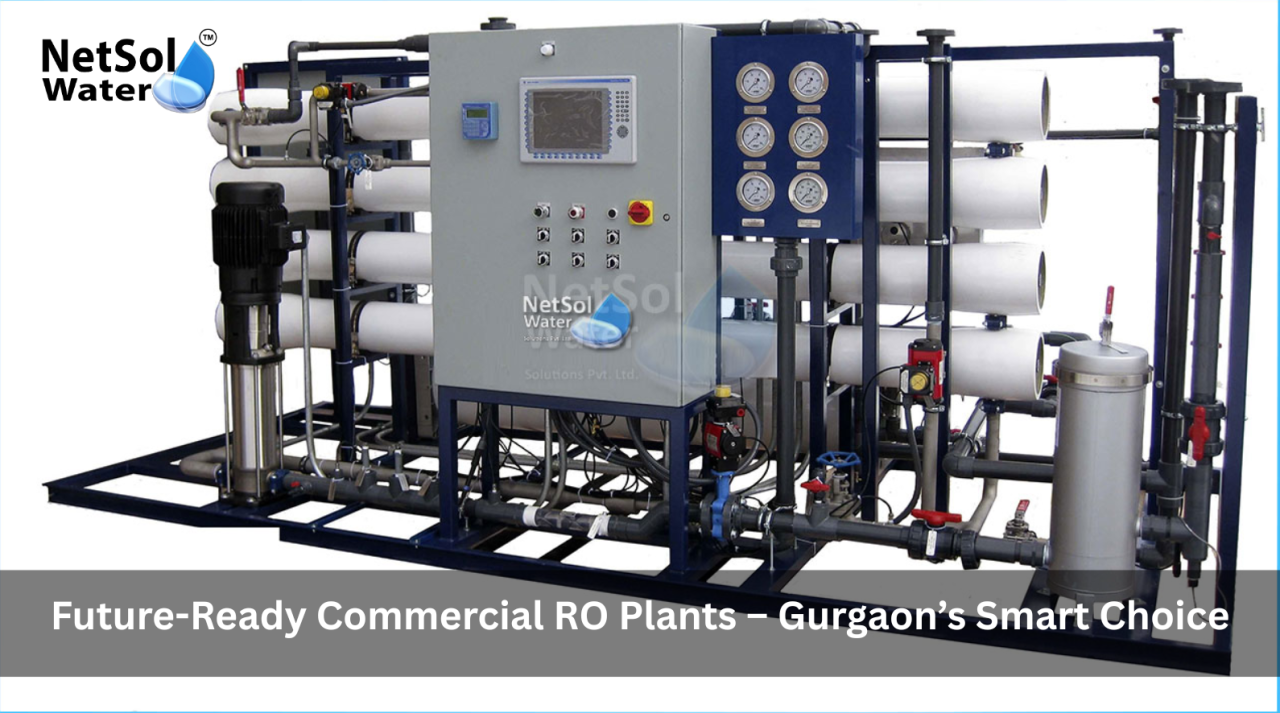
Water treatment technology stands at the forefront of industrial progress. Commercial RO plants serve as the backbone of water purification systems across industries. These plants transform raw water into purified water through a membrane-based process. Modern industries need pure water for various applications, including pharmaceutical manufacturing, food processing, and power generation. Understanding the operating parameters of commercial RO plant helps maximize system efficiency and prolong equipment life span. This knowledge enables plant operators to maintain optimal performance while preventing costly breakdowns.

The following sections explore the different aspects of commercial RO plant operations including membrane performance water quality monitoring system maintenance. We will examine how each parameter influences the overall efficiency of RO systems. This information proves valuable for plant managers, operators and engineers who work with commercial RO systems.


Water Quality Parameters

The foundation of successful RO plant operation starts with understanding water quality parameters. These parameters determine the effectiveness of the purification process. Let us explore the essential water quality indicators that impact RO system performance.


A. Feed Water Temperature: The temperature of incoming water affects membrane performance. Higher temperatures increase water flow through membranes but may damage membrane structure. Plant operators must maintain temperatures between 20-30 degrees Celsius for optimal operation.


B. Total Dissolved Solids (TDS): TDS measurement indicates the concentration of dissolved substances in water. Higher TDS levels require more energy for filtration. Regular monitoring helps operators adjust system pressure. The typical acceptable range falls between 1000-2500 ppm depending on application requirements.


C. pH Levels: The acidity or alkalinity of feed water impacts membrane life. The ideal pH range spans from 6.5 to 7.5. Outside this range membranes experience accelerated degradation. Continuous pH monitoring ensures membrane protection.


D. Turbidity Control: Suspended particles in water create turbidity. High turbidity clogs membranes and reduces system efficiency. Pre-treatment systems remove suspended solids. The recommended turbidity level stays below 1 NTU.


Pressure Management

Pressure control plays a central role in RO plant operations. Understanding pressure parameters ensures efficient water production. Here we discuss the key pressure-related aspects of RO systems.


Feed Pressure Requirements

Feed pressure drives water through RO membranes. The required pressure depends on feed water quality membrane specifications. Most commercial systems operate between 150-300 PSI. Proper pressure management prevents membrane damage ensures consistent output.


Differential Pressure Monitoring

Differential pressure measures the pressure drop across membrane elements. This parameter indicates membrane fouling cleaning requirements. Normal differential pressure ranges from 10-15 PSI. Higher values signal the need for membrane cleaning.


Permeate Pressure Control

The pressure of filtered water affects product quality quantity. Low permeate pressure results in reduced output. Operators maintain specific permeate pressure based on system design specifications. This ensures consistent water production quality.


Recovery Rate Optimization

Recovery rate determines the efficiency of water production in RO plants. This parameter impacts operational costs water conservation. Let us examine the factors affecting recovery rate optimization.


  1. System Design Considerations: The design of RO systems influences maximum achievable recovery rates. Multiple-stage systems increase overall recovery. Plant designers balance recovery rates with energy consumption. Typical commercial systems achieve 75-85% recovery rates.
  2. Anti-scalant Dosing: Chemical treatment prevents scale formation enables higher recovery rates. Proper anti-scalant dosing protects membranes. This allows systems to operate at optimum recovery levels. Regular monitoring ensures effective scale prevention.
  3. Concentrate Management: The management of rejected water affects recovery rates. Proper concentrate disposal systems prevent environmental issues. Some plants incorporate concentrate recovery systems. This approach maximizes water utilization reduces waste.


Take Action for Better Wastewater Treatment:

Take control of your commercial RO plant operations today. Our team of experts provides comprehensive guidance on operating parameters optimization. Contact us to schedule a detailed assessment of your RO system. We offer customized solutions to enhance your plant’s performance efficiency. Let us help you achieve optimal results from your commercial RO plant. Get in touch through our website or call our technical support team. Together we can maximize the potential of your water treatment system.


To explore customised commercial RO plants, Industrial RO plants, Effluent Treatment Plant or Sewage Treatment Plant solutions for your needs in your areas and nearby regions, Contact Netsol Water at:

Phone: +91-965-060-8473

Email: enquiry@netsolwater.com


Different_Types_of_Commercial_RO_Systems.jpg

November 16, 2022by Netsol Water

Every drop of the water we use for home and commercial purposes, for drinking, has been poisoned and consists of impurities. The water is unfit for ingestion due to the contaminants. As a result, many households and businesses have chosen Commercial Reverse Osmosis water treatment, for the purification procedure of water.

Types of Commercial Reverse Osmosis (RO) Systems – Overview and Uses

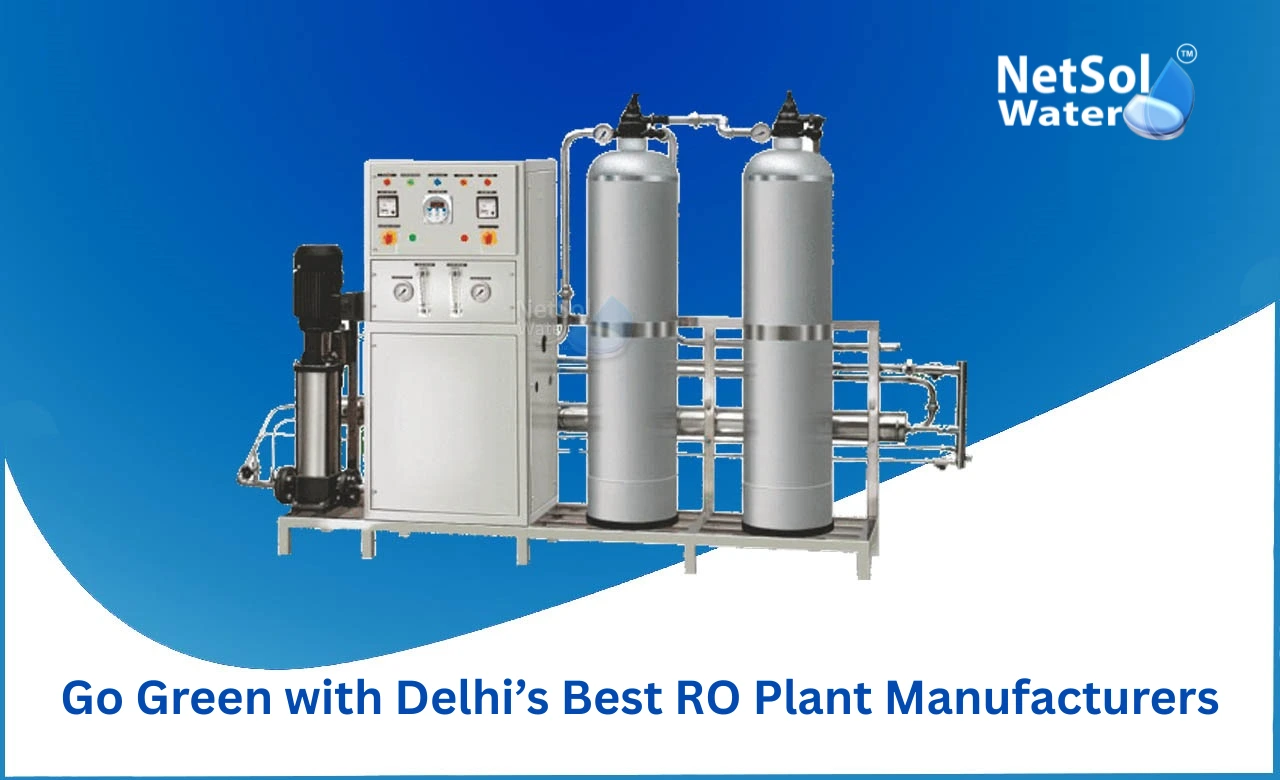
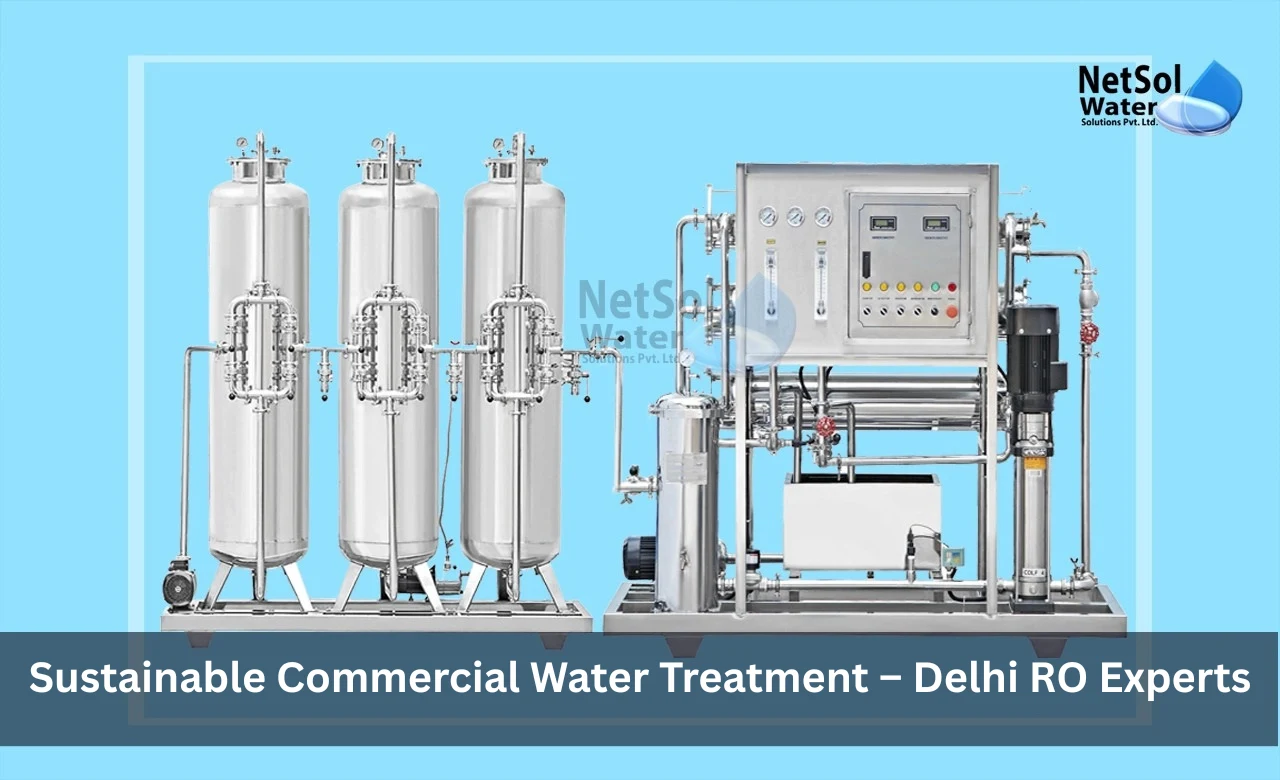
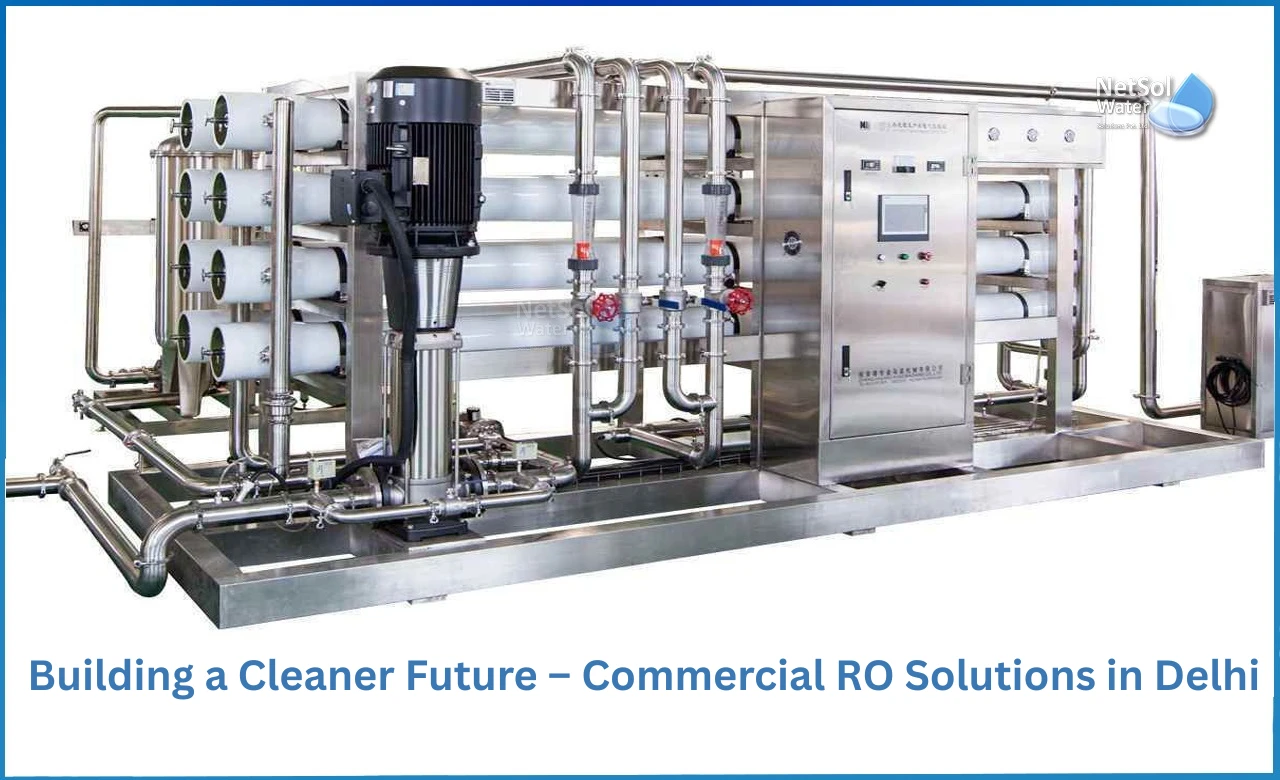
Commercial RO plants are designed to produce water in greater quantities. Its ability to produce 50–10,000 liters of water per hour makes it perfect, for a variety of industrial and commercial needs.

Different types of RO systems

There are three main types of RO plants that are listed below:

  1. LPH Commercial RO System

This technique is effective for separating salt and contaminants from brackish water. It provides clean, drinkable water after treatment. This RO plant stands tall when it comes to optimal performance, and no to minimal maintenance.

  1. Industrial RO Systems

Industrial RO system has a straightforward design, is small, strong, and technologically sophisticated. In addition to keeping water’s fundamental qualities unaltered, it also helps to drive impurities away from it.

  1. Compact Commercial RO Systems

The Commercial RO plant is one that is most frequently utilized by both households and industries. It is adaptable, small, simple to maintain, and simple to install.

There is no effort involved in using the system at all. It has a straightforward operating mechanism, which means that it requires little maintenance and lasts for a very long period.

Different Types of Commercial RO Plants

Commercial RO plants utilize the process of reverse osmosis to purify water of all harmful compounds and impurities. This facility contributes to the enormous production of drinkable water, which lowers the incidence of diseases associated with the consumption of water.

The various Commercial RO systems are classified according to the amount of water they can purify. The typical commercial RO unit can process anything from 50 LPH to 3000 LPH.

  1. 100 LPH Commercial RO Plant
  • Usage- Ideal for hospitals, nursing homes, primary and secondary schools, workplaces, parks, cafes, and other outdoor locations.
  • Types- It includes three 300 GPD membranes and a single 2140 membrane.
  • Capacity- Water can be produced at a rate of 100 liters per hour.
  • Price- 40,000 to Rs. 55,000 approx.
  • Features- 100 LPH RO plant’s design is so energy-efficient that it nearly never needs maintenance, in addition to using less energy and electricity.
  1. 250 LPH Commercial RO Plant

 Usage- 250 LPH Commercial RO Plant would be a fantastic asset for small to medium-sized firms, in the food and beverage, textile, chemical, and related industries. It can also be used by large hotels, eateries, educational institutions, and colleges and universities, with high water demands.

  • Type- A composite thin film membrane is employed
  • Capacity- 250 liters of water can be produced each hour.
  • Price- 85,000/ approx.
  • Features- TDS can be kept below 120 ppm with a Commercial 250 LPH RO.
  1. 500 LPH Commercial RO Plant

 Usage- Suitable for use for drinking, producing, and cleaning in offices, industries, hospitals, and other business facilities, with less than a thousand employees.

  • Types- 500 LPH RO plant requires about 350 square feet of space, and it has six layers of filtration.
  • Capacity- It has a capacity of 500 l/h.
  • Price- A high-end 500 LPH RO plant costs around Rs. 1,50,000/-
  • Features- 500 LPH RO Plants are built with state-of-the-art equipment and the highest-grade materials, to ensure that they operate dependably and survive for years.
  1. 1000 LPH Commercial RO Plant

 Usage– Excellent for manufacturing and business offices.

  • Types- 1000 LPH RO has two different membrane types.
  • Price- It ranges from Rs. 1.5 lac to 2.5 lac/ aprrox.
  • Features- In a way, it is similar to having a small mineral water factory on your property.
  1. 2000 LPH Commercial RO Plant

 Usage- When creating Commercial Reverse Osmosis Plants, consideration is given to the client’s technical requirements and application requirements. A single 2000 LPH Commercial RO Plant can provide for the daily demands of 2000–3000 individuals, at work or at school.

  • Types- A stainless steel and FRP skid is included with the 2000 Commercial LPH RO system. Consequently, the object won’t corrode.
  • Capacity- Water supply capacity ranges between 2,000 and 3,000 liters per hour.
  • Price- 2,75,000/ approx.
  • Features – 2000 LPH plants based on mineral technology include those that utilize less energy, and are more chemical-free.

Conclusion

In India, a small number of specialist businesses dominate the manufacturing of commercial RO systems. However, a lot of companies in the area produce Commercial RO systems that can be altered, to fulfill unique requirements.

Well-known brands like Netsol Water Solutions, hold 80% of the market for commercial RO plants. Most consumers are happy because they can easily obtain the services, at a required location. For any other support, inquiries, or product purchases, call on +91-9650608473 or email at enquiry@netsolwater.com