How do cooling towers work for data centers?
In modern data centers, there is an enormous amount of digital data being processed every second. They enable cloud computing, online banking, video streaming, healthcare systems, and many other services that are used on a daily basis. All this equipment produces a large amount of heat during operation. If it is not taken off promptly, the servers might slow down or react abnormally. This is why a cooling system is a key aspect of every data center.
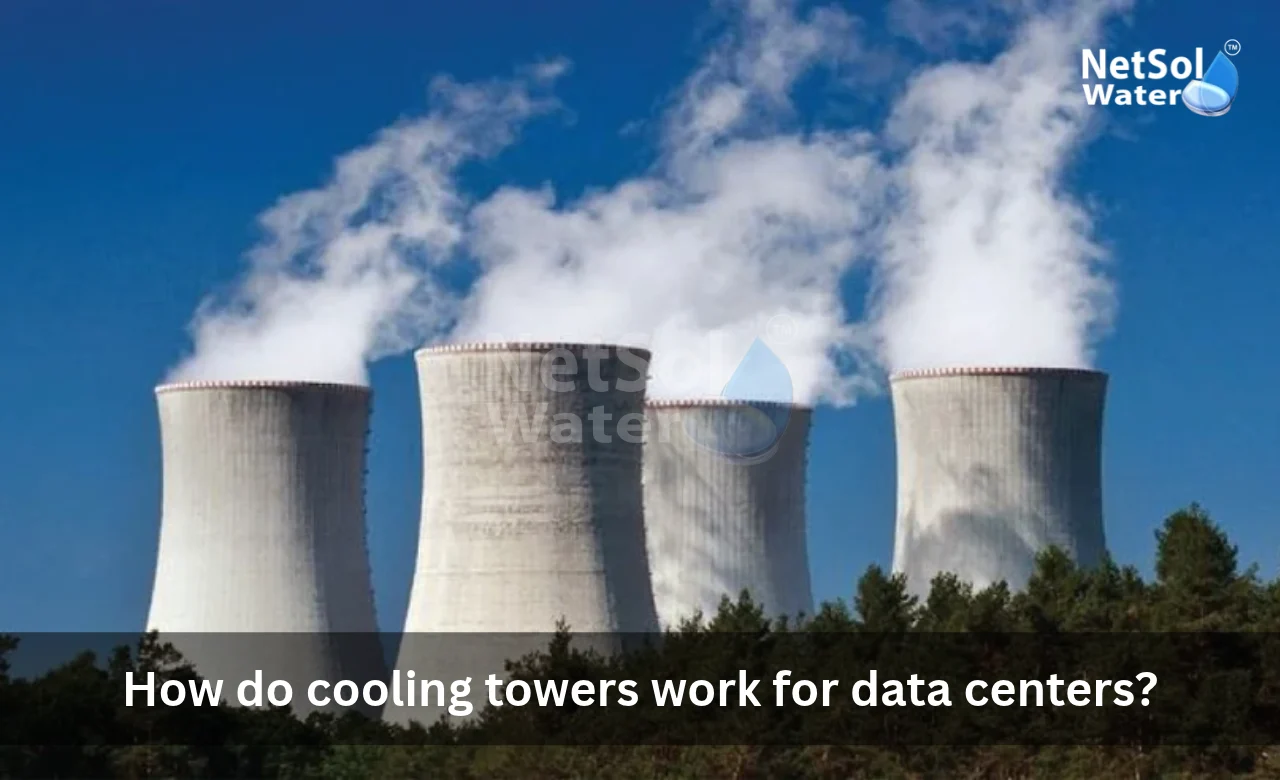
Cooling towers are effectively used in data centers, as they remove unwanted heat and help maintain the appropriate operating temperature. A cooling tower cools the cooling water so that it can take up more heat from the servers and other equipment. This helps to optimize system performance and minimize equipment failure. We are the leading company that provides advanced water treatment and cooling solutions for different industrial applications. Knowing the operation of cooling towers enables businesses to select the most suitable system for their long-term performance and energy savings.
Why Cooling Towers Are Important for Data Centers
As servers generate heat day and night, every data center requires a reliable cooling system. Technology is growing, and so is the number of servers. This results in a higher need for efficient cooling. Data centers use cooling towers to remove the surplus heat from cooling water prior to its being returned to the cooling system. This is done to maintain the servers within the recommended temperature range and their performance without any interruptions.
Let’s take a closer look at some of the key reasons why data centers use cooling towers.
1. Heat Management
These data centers have hundreds or thousands of servers that give out heat each second. This heat is dissipated to the atmosphere by cooling towers from the circulating water. This will prevent overheating and save valuable machinery from damage. Stable temperatures also enhance the efficiency of processors and storage systems.
2. Better Energy Efficiency
Cooling towers have the advantage of lowering the work that chillers have to do, as they cool water naturally by evaporating it. This reduces the power consumption and contributes to the running cost reduction. Cooling towers are a popular choice in many modern data centers, as they provide a good balance between cooling efficiency and energy consumption.
3. Longer Equipment Life
Electronic equipment will function better if the temperature is kept within a suitable range. Overheating can shorten the lifespan of network equipment and servers. Cooling towers provide stable cooling water conditions, which allow for an increase in the lifespan of equipment and a decrease in maintenance requirements. This enhances the overall reliability of the system too.
How Cooling Towers Work for Data Centers
With a little help in understanding how the cooling tower operates, it will be easier to see how it is relevant to data center operations. The cooling tower is a component of a cooling system that consists of chillers, pumps, heat exchangers, and piping. All parts help to get heat out of the servers and discharge it safely into the environment.
Let’s take a look at the following significant phases of the cooling process.
1. Heat Transfer from Servers
The servers heat up in order to process data. Heat is transferred to chilled water by heat exchangers within the cooling system. The extra unwanted heat is absorbed by the water and transferred to the cooling tower. The heated water is fed into the tower, and the cooling process starts.
2. Evaporation Process
Cooling tower warm water cascades over special fill material within the tower. Meanwhile, a large fan circulates outside air through the tower. A small portion of the water evaporates when it comes into contact with the moving air. This evaporation also takes away heat from the rest of the water. As a result, the water temperature decreases before it leaves the tower. This phenomenon is a natural process that can be used efficiently for cooling without consuming too much energy.
3. Returning Cool Water
After the water becomes cooler, it flows back into the chiller or cooling system. This cooled water is then fed back to the servers, where it can extract more heat. This cycle will continue as long as the data center is running. The cooling system is never turned off, so the servers continue to operate safely, even when they get cold.
Factors That Improve Cooling Tower Performance
Maintaining proper design, regular maintenance, and water quality is critical to the performance of a cooling tower. No matter how good your cooling tower is, it requires proper care to provide consistent results. The adoption of good operating practices will help to improve the cooling efficiency and cut down on unnecessary expenses.
Let’s take a brief look at some important factors that will help to improve the performance of cooling towers.
1. Water Quality Management
Minerals, dirt, and other impurities are generally found in cooling water. These materials can scale in pipes and equipment. A smaller scale decreases heat transfer and the cooling efficiency. The proper treatment of the water maintains the system in a clean condition and aids smooth operation. Netsol Water is the topmost company that provides water treatment solutions, which make cooling systems perform efficiently.
2. Regular Inspection and Cleaning
An inspection helps operators discover small issues before they become big issues. The removal of the fill material, fans, and water distribution system will enhance air and water flow. This allows the cooling tower to operate at its optimum year-round.
3. Proper Airflow
A cooling tower requires adequate air to achieve the evaporation. Clear away the fans and open air passages for better airflow. An improved airflow helps to increase the cooling capacity and ensures stable operation even in warm weather.
4. Efficient Water Distribution
Water should be poured evenly into the fill material in the tower. Water and air are brought together when they are uniformly distributed. This has a positive effect on heat removal and its cooling efficiency. Maintenance of spray nozzles is important for even water flow throughout the tower.
Benefits of Using Cooling Towers in Data Centers
Cooling towers provide several long-term advantages that help data centers operate efficiently while controlling operating costs. As digital services continue to expand, many organizations choose cooling towers because they support dependable and economical cooling.
Let us have a look at some major benefits offered by cooling towers.
1. Reduced Operating Costs
Cooling towers lower energy consumption by reducing the load on mechanical cooling equipment. Lower electricity use helps reduce monthly operating expenses. Businesses also benefit from lower maintenance costs because equipment operates under better temperature conditions.
2. Reliable System Performance
Stable cooling improves server performance and reduces unexpected shutdowns. Continuous cooling protects sensitive electronic equipment and supports uninterrupted business operations. This reliability becomes especially important for facilities that provide critical online services.
3. Environmental Benefits
Cooling towers help improve energy efficiency, which reduces the overall environmental impact of data centers. Many modern cooling systems also use water treatment methods that improve water reuse and reduce unnecessary water waste. This supports more sustainable industrial operations.
4. Easy Expansion
As businesses grow, they often add more servers to meet increasing demand. Cooling tower systems can be designed to support future expansion without replacing the entire cooling infrastructure. This flexibility helps companies manage future growth more effectively.
Read some interesting information for the Sewage Treatment Plant Manufacturer in Noida
Conclusion
Efficient cooling plays an important role in every successful data center because electronic equipment performs best at controlled temperatures. Cooling towers work for data centers by removing excess heat from cooling water and supporting continuous operation throughout the day. This process improves energy efficiency, protects valuable equipment, and reduces operating costs. Proper water treatment, regular maintenance, and correct system design help cooling towers deliver dependable performance for many years.
Netsol Water is the leading company that provides reliable cooling and water treatment solutions for different industries. If you want to learn more about how cooling towers work for data centers or need expert guidance for your facility, you can contact Netsol Water for professional consultation and the right cooling solution for your requirements.
Contact Netsol Water at:
Phone: +91-9650608473
Email: enquiry@netsolwater.com