
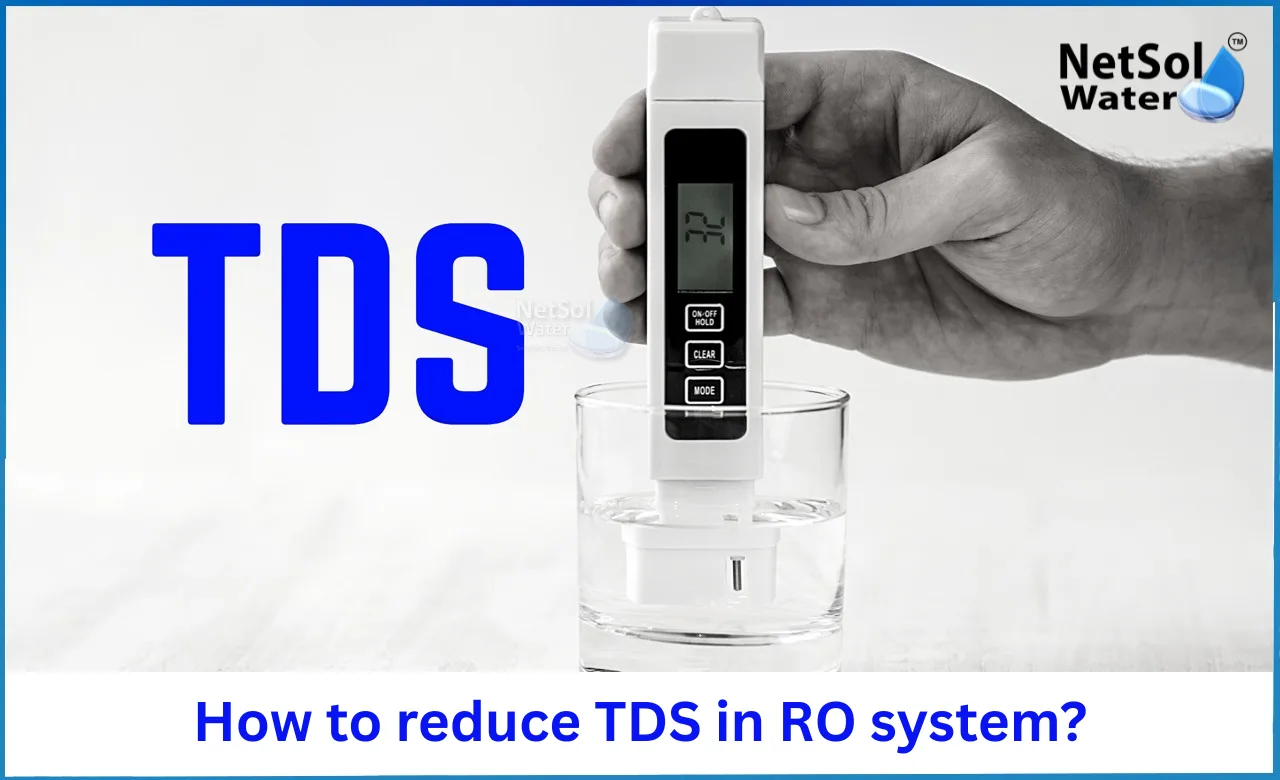
How to Reduce TDS in RO System?
Reducing TDS in an RO plant matters for water quality and for the life of the plant. High TDS can change the taste of water, and it can harm appliances that use water. Industries and homes need water that meets set limits for safety and for downstream processes. Netsol Water is the leading RO plant manufacturer, and it makes plants that meet modern needs. We will explain steps to reduce TDS in an RO system.
Understanding TDS and Why Lowering TDS Matters
Understanding what TDS means helps you choose the right fixes. TDS stands for total dissolved solids. These are salts and minerals that dissolve in water. High TDS changes the taste of water, and it raises electrical conductivity. High TDS also makes scaling on membranes and on pipes more likely. Scaling reduces flow, and it forces more frequent cleaning. That raises cost and reduces uptime. Lower TDS improves taste, and it helps processes that need low mineral content. Medical labs and food makers need consistent low TDS water. Municipal projects use low TDS water to meet standards.
Let us have a look at some ways to deal with TDS and how to measure it accurately.
1. Sources of TDS and Its Measurement
TDS comes from groundwater that passes through soil and rocks. TDS also comes from industrial discharge and from sewer leaks. Seasonal changes can raise TDS in feed water. Measuring TDS is simple, and it helps you control the problem. You can use a TDS meter at the feed and at the permeate. That gives a clear view of RO performance. You must record values at regular intervals. You must compare feed TDS and permeate TDS to find percent rejection. A steady drop in rejection shows a problem such as fouling or membrane wear. Monitoring also helps you plan cleaning cycles.
2. Setting Realistic TDS Goals
Set clear target TDS for the permeate based on use. Drinking water may need lower TDS than cooling water. Industries that need pure water set tight limits. Choose membrane type and system design to meet those targets. When feed TDS is very high, you may need multi-stage RO. Designing a system with the right margin keeps the plant running without frequent shutdowns. The right target helps the RO plant manufacturer size the system and pick the correct components.
Pre-Treatment Methods to Lower the TDS Load on RO
Pre-treatment makes the RO do less hard work. Good pre-treatment protects the membrane, and it reduces operating cost. If feed water has suspended solids or organic matter, the membrane will foul quickly. If hardness is high, the membrane will scale. Pre-treatment removes these threats, and it improves recovery and throughput. When a plant has good pre-treatment, the membrane life grows and the need for chemical cleaning reduces. Let us have a look at some commonly used pre-treatment options and how they protect the system.
1. Mechanical Filtration and Activated Carbon
Mechanical filters remove sand and large particles from the feed water. That keeps the membrane from getting clogged quickly. Simple cartridge filters work when turbidity is low. Multimedia filters suit feeds with higher suspended solids. Activated carbon removes chlorine and organics that can damage thin-film composite membranes. Carbon also improves taste and odor of the feed water. Using a proper sequence of filters keeps the RO stable, and it reduces the chance of sudden failure. Maintenance of pre-filters matters. Replace cartridges and backwash media on a schedule. Doing so keeps flow steady, and it helps maintain consistent TDS removal.
2. Water Softening and Antiscalants
Hardness causes scale on membranes when salts concentrate during RO. Water softening removes calcium and magnesium. Ion exchange softeners swap hardness ions for sodium ions. Softening reduces scale, and it allows higher recovery. Antiscalants work on a chemical level to slow down scale formation. They protect membranes when hardness is present and when recovery is pushed higher. Using both softeners and antiscalants gives strong protection. A good RO plant manufacturer will size the softener and pick the right antiscalant. That choice depends on feedwater chemistry and on the target recovery. Proper dosage and monitoring make these measures effective.
Optimizing RO System Operation and Maintenance
Operation and maintenance decide how well the RO performs long-term. Even a well-built system will fail early if it runs without checks. Operating pressure and flow affect rejection and recovery. Membrane cleaning restores performance when fouling appears. Monitoring tells you when to act, and it keeps downtime low. Regular checks also stop small issues from becoming big ones. Let us have a look at key operational steps and practices that keep TDS low and that protect the system.
1. Membrane Selection and Cleaning
Membrane type affects TDS rejection. Thin-film composite membranes give high salt rejection for most salts. Low-fouling membranes help when organics or biofouling show up. Choose the membrane based on feed TDS and on the required permeate quality. Cleaning restores flux and rejection when fouling appears. Use the cleaning chemicals that match the foulant. Acid cleaners remove scale, while alkaline cleaners remove organic matter. Follow manufacturer guidelines for concentration and temperature. Do not over-clean because that can harm the membrane. Track membrane performance after each cleaning to confirm recovery. A clear log helps the RO plant manufacturer and your operator to refine cleaning intervals.
2. Monitoring Pressure and Recovery
Keep a watch on feed pressure and on permeate flow. Pressure tells you how hard the pump works, and it signals when membranes clog. Flow meters show changes in permeate rate. Sudden drops point to fouling. Keep recovery within design limits to avoid excessive concentration of salts. Too high recovery raises the risk of scaling even with antiscalants. Balance recovery and brine discard to meet TDS goals without wasting water. Install sensors for feed TDS and permeate TDS to watch rejection. Automated systems can alert operators when limits change so actions happen fast.
Read some interesting information for the Sewage Treatment Plant Manufacturer in Delhi
Conclusion
Choosing the right approach to lower TDS makes systems run longer, and it makes water safer and more usable. Practical steps include careful measurement of TDS and clear targets. Use proper pre-treatment to protect the RO. Choose membranes and cleaning plans that fit your feed. Add post-treatment when you need a final polish. Work with a trusted RO plant manufacturer to design the whole solution and to provide support. Netsol Water is the leading commercial RO plant manufacturer, and it can help you with testing, design, and commissioning.
Contact Netsol Water at:
Phone: +91-9650608473
Email: enquiry@netsolwater.com