
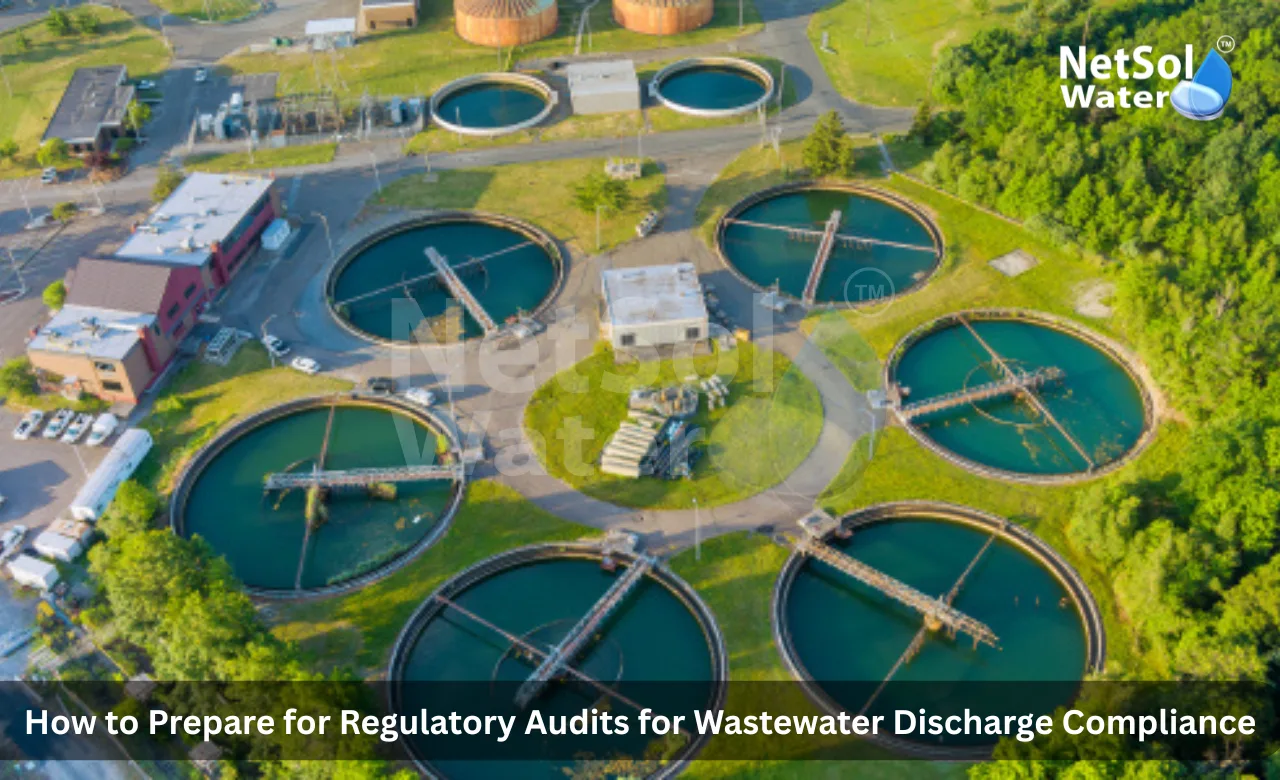
How to Prepare for Regulatory Audits for Wastewater Discharge Compliance
Preparing for a regulatory audit can feel hard for any site that manages wastewater. Netsol Water is the leading Wastewater treatment plant manufacturer and many of the practices discussed here apply to plants built or serviced by them. Knowing the local rules and having records ready makes a big difference during inspections. You will learn how to read the audit scope and how to make sure your plant runs in line with permits and monitoring needs.
Regulations and Audit Scope
Understanding the rules sets the base for any audit plan. You must know what your permit allows and what tests you must run. Let us have a look on some key areas that inspectors focus on and then break these into clear parts.
-
Know your permits and standards
Begin by reading the discharge permit and any associated consent orders. The permit explains limits for parameters like BOD, TSS, pH and specific chemicals. It also lists sample points and reporting frequency. Match these permit items to the way your plant monitors water. If the permit requires daily checks for a parameter, make sure staff log those checks. If the permit asks for monthly lab reports, set a calendar reminder and assign one person to send the file.
-
Map the audit scope to your plant layout
Regulators will view the sampling points the way the permit describes. The map should show influent channels, reactors, clarifiers, and final effluent outfalls. Keep the map near the control room and in the audit pack. When inspectors ask about a point, you should be able to show where the sample came from and the last few results. This link between the site plan and records helps the inspector close the loop on compliance.
Prepare Documentation and Records
Correct records make an audit fast and fair. Let us have a look on some core records and how to make them easy to review.
-
Daily logs and monitoring reports
Daily operation logs form the backbone of your audit file. These logs should record flow rates, chemical doses and any alarms or manual interventions. Keep lab results with the date, time, sampler name and chain of custody details when you use external labs. If you keep digital records, make sure the files are easy to open and print. A regulator will want to see recent data and trends. If a result crosses a limit, write a short note that explains the cause and the corrective step you took.
-
Maintenance history and calibration records
A good audit will check that instruments and treatment units work as intended. Keep clear maintenance files for pumps, blowers, valves and membrane units when present. Include service dates, parts replaced and the name of the person who performed the work. Also save calibration records for meters, sensors and analyzers. If a device shows drift or a failed calibration, explain how you fixed the error and whether you validated any data recorded during the period of drift.
Ensure Operational Readiness and Staff Training
How your team acts during an audit matters. Let us have a look on some actions that prepare people and systems for a smooth inspection.
-
Train staff on protocol and on key equipment
Train operators to answer common questions about inflow patterns, treatment steps and emergency actions. Run mock audits so staff can practice showing the audit pack and walking inspectors to sample points. Teach one person to lead the inspection so the regulator deals with a single contact. Make sure everyone knows how to stop and lock out equipment safely and how to fetch records fast. Confidence and calm work in your favor during the audit.
-
Run pre-audit checks and corrective actions
Schedule a pre-audit review that checks the permit items’ calibration status and safety equipment. Test alarms and backup power so you can show that plants will run if a problem occurs. When you find nonconformities, correct them and write a short report that explains the fix. This report belongs in the audit file. It shows the regulator that you do not hide issues and that you improve the plant over time.
Read some interesting information for the Commercial RO Plant Manufacturer in Noida
Conclusion
A clear plan makes audits less stressful and helps your site stay compliant. Use the checks above to align your operations to the permit. Keep the Wastewater Treatment Plant records neat and ready. Train the team to show work and to act on issues fast. If you want help to prepare your audit or to review your documentation, contact Netsol Water, the leading wastewater treatment plant manufacturer and sewage treatment plant manufacturer, for a consultation. Our team can help review records and train staff so you face audits with confidence.
Contact Netsol Water at:
Phone: +91-9650608473
Email: enquiry@netsolwater.com