
How Many Types of Wastewater Treatment Are There?
Water is one of the key resources of human existence and industrial development. Wastewater is generated in all commercial and residential structures daily. The contaminants in this water include dirt, chemicals, oils, and other harmful substances, which can harm rivers, lakes, and underground water sources. Due to this, it has become necessary to treat wastewater properly in all parts of the world.
A wastewater treatment plant is an important component in cleaning up wastewater before it enters the environment. Various methods of treatment are capable of removing various pollutants and rendering water safer to be reused or disposed of. In urban areas, which are known for their advanced industrial growth and rapid urban development, the production of a huge quantity of wastewater every day requires advanced wastewater treatment plants.
Industries and communities must understand the various methods of wastewater treatment that can be used to meet their needs. Netsol Water is a renowned manufacturer in this segment and offers effective water treatment solutions, enabling organizations to treat wastewater in an efficient, responsible, and safe way.
What Is Wastewater Treatment and Why Is It Important?
Wastewater treatment is a process of purifying water by removing impurities and harmful substances. This process safeguards natural water resources and contributes to public health. If not treated, polluted water can cause diseases and contribute to environmental pollution. This is the reason why the treatment of wastewater is an important issue in every industry and municipality.
Let’s take a look at some of the most important aspects of wastewater treatment and see why it is required in modern life.
1. Conservation of the Environment
Raw sewage is contaminated with harmful bacteria, chemicals, and organic matter. This water enters rivers or lakes and impacts water quality and aquatic life. The harmful substances are eliminated by wastewater treatment, and a clean environment is maintained. This process also helps safeguard soil and groundwater from contamination.
2. Conservation of Water Resources
However, water scarcity is a problem in many places due to increasing population and industrial growth. Treated wastewater is reused for irrigation, industrial cooling, and other purposes. This practice helps conserve fresh water resources and promote sustainable development.
3. Support for Industrial Growth
Industries need clean water for various processes on a continuous basis. Industries can reuse water and cut costs by using appropriate wastewater treatment. The proper operation of a Wastewater Treatment Plant can assist companies in complying with environmental regulations and in optimizing the use of resources.
Primary Treatment of Wastewater
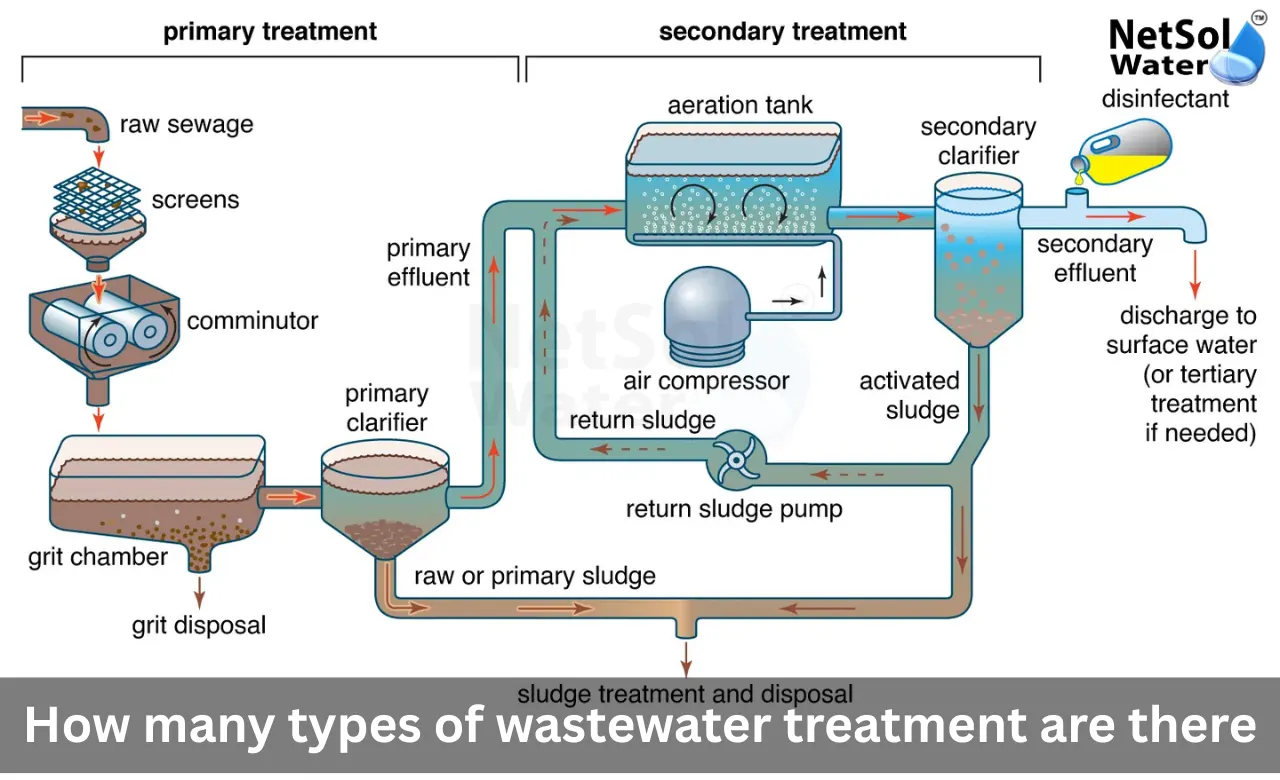
Primary treatment is the initial major phase of treatment in the wastewater treatment system. This stage is used to filter out large and easily separated materials from wastewater. Many impurities are found in solid form in wastewater, which makes this stage important for improving treatment efficiency.
Let us look at some methods used in primary treatment.
1. Screening Process
Large materials like plastic, paper, cloth, and wood pieces are removed by the screening process. These materials are removed by special screens before entering the treatment system. This process can help prevent damage to pumps and other equipment and optimize treatment plant performance.
2. Sedimentation Process
Screened wastewater then goes to sedimentation tanks. Gravity causes heavy particles to settle at the bottom, and lighter particles to float at the surface. Operators remove the settled solids and floating materials from the tanks. This step greatly decreases suspended solids and contributes to the pre-treatment of water for secondary treatment.
Primary treatment captures a significant proportion of solid waste and reduces the organic content of the wastewater. But it does not completely remove dissolved pollutants. For this reason, the wastewater goes to the next step of treatment.
Secondary Treatment of Wastewater
Secondary treatment is one of the most important stages of wastewater treatment. This process helps filter out dissolved and biological pollutants that are not removed by primary treatment. This stage is important because microorganisms are able to decompose organic matter and transform it into harmless substances.
Let’s take a look at some of the typical methods in secondary treatment.
1. Activated Sludge Process
In the activated sludge process, wastewater is mixed with microorganisms inside aeration tanks. Air is continually supplied to promote microbial growth. The microorganisms degrade the organic pollutants and generate clean water. The mixture is then sent to settling tanks, where the solids are separated from the treated water.
2. Trickling Filter Process
The trickling filter consists of a bed of stones or plastic media. Microorganisms grow on the surface of this media, over which wastewater flows. These microorganisms consume the organic matter in the wastewater. This method is used in many treatment applications.
A substantial portion of the organic pollution is removed, and water quality is greatly improved, through secondary treatment. This is a critical step in the treatment process for many municipal and industrial facilities.
Tertiary Treatment of Wastewater
The highest level of water treatment is known as tertiary treatment. This process eliminates fine impurities, nutrients, and any remaining contaminants from the water. Many industries and municipal applications require the highest water quality standards.
Let’s take a quick look at some of the key tertiary treatment techniques.
1. Filtration Process
Fine suspended particles that are not removed in secondary treatment are filtered out. Membrane filters, sand filters, and other advanced filtration systems remove very small particles and enhance water clarity. This process results in water that can be used in a variety of reuse applications.
2. Disinfection Process
The purpose of disinfection is to kill harmful bacteria, viruses, and other microorganisms. This is typically done with chlorine, ultraviolet light, or ozone at treatment plants. The goal of disinfection is to make the water safe before it is discharged from the system or reclaimed.
3. Nutrient Removal Process
Nitrogen and phosphorus present in wastewater can lead to the overgrowth of algae in water bodies. These nutrients are removed through advanced treatment processes, protecting ecosystems. Nutrient removal is a key component of modern wastewater treatment plants.
Tertiary treatment produces high-quality water that can be used in water reuse programs. This is a preferred level of treatment in many industries, as it helps conserve water resources and comply with strict environmental regulations.
Sludge Treatment and Disposal
Sludge management forms an important part of wastewater treatment. During the treatment process, solids accumulate and form sludge. If treatment plants do not handle sludge properly, it can create environmental problems. Therefore, proper treatment and disposal of sludge are necessary.
Let us look at some methods used in sludge treatment.
1. Sludge Thickening and Digestion
Treatment plants first reduce the water content of sludge through thickening. After this process, the sludge enters digestion systems, where microorganisms break down organic matter. Digestion reduces odour and stabilizes the sludge.
2. Dewatering and Disposal
The dewatering process separates additional water from the sludge and reduces its volume. Treatment facilities then safely dispose of the sludge or apply it to agricultural fields in accordance with regulations. Efficient sludge management boosts a plant’s efficiency and safeguards the environment.
Sludge treatment is equally important in modern treatment facilities, as it forms a vital part of the wastewater treatment process and ensures safe disposal.
Read some interesting information for the Effluent Treatment Plant Manufacturer in Gurgaon
Conclusion
Wastewater treatment has become an important necessity for industries, municipalities, and commercial establishments. Pollutants are removed, and water resources are preserved, through the combined action of different stages such as primary, secondary, and tertiary treatment, along with sludge management. Each treatment phase has a different purpose and contributes to the enhancement of treated water quality.
Choosing the best wastewater treatment plant can contribute to water management efficiency and environmental standards. Netsol Water is the leading Wastewater Treatment Plant Manufacturer and offers the latest Wastewater Treatment Plant Solutions to meet your requirements.
If you want to know more about wastewater treatment plants or have questions about your project, be sure to get the answers you need by contacting Netsol Water and scheduling a consultation to determine the optimal solution for you.
Contact Netsol Water at: Phone: +91-9650608473 Email: enquiry@netsolwater.com