
Effluent Treatment Plant Manufacturer in Uttar Pradesh
Effluent Treatment Plant Manufacturer in Uttar Pradesh
We began as a small engineering firm. Over the years, the team grew, and the projects spread across cities and districts. The company now serves textile units, chemical plants, food processors, and many more. We use practical design and careful fieldwork. The aim remains simple: treat wastewater well, protect local water bodies, meet legal standards, and reduce cost for clients. We have delivered plants of varied sizes and capacities. We are the leading effluent treatment plant manufacturer in Uttar Pradesh. The firm keeps a strong focus on uptime and low operating effort. This helps clients maintain steady production while meeting discharge rules.
About Our ETP Solutions in Uttar Pradesh
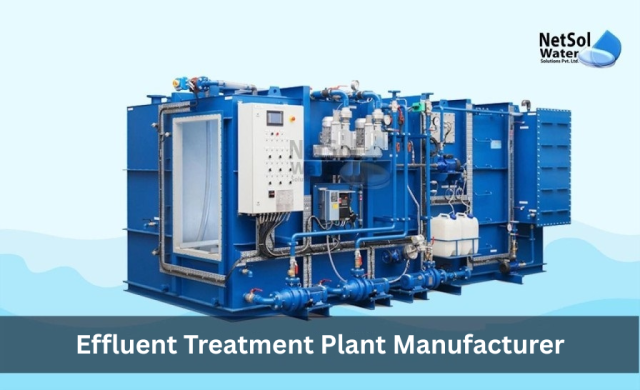
Our ETP solutions cover small packaged units for workshops and large systems for heavy industry. We begin with a full effluent analysis. This helps set the process steps and design size. Design teams then choose the right mix of physico-chemical units, biological reactors, and clarification stages. We build the equipment in our factories. We ship it and install it on-site.
Sustainable performance forms the core of our approach. Netsol Water focuses on energy-efficient pumps and blowers. The team chooses chemicals to keep costs low and to reduce sludge volume. Automation helps reduce manual work. Long-term compliance with local standards guides every design choice.
We also provide service contracts for monitoring and maintenance. This keeps plants running and keeps effluent within permitted limits. Our teams train plant operators and provide spare part support. Clients get clear operating protocols and easy-to-follow checklists. These steps reduce downtime and save money over the life of the plant.
Industries We Serve in Uttar Pradesh
Textile mills need dye removal and colour reduction. Netsol Water uses a mix of coagulation, flocculation, and biological treatment for textile effluent. The systems handle variable flow and heavy organic load.
Pharmaceutical units need strict control on toxic organics and solvents. We apply targeted physico-chemical steps and advanced oxidation where needed. For chemical plants, we tune the design to handle pH swings and high salt loads.
Food and beverage plants need grease removal and low BOD discharge. Our designs include screens, oil traps, and aerobic reactors to reduce organic load. Metal finishing and electroplating units need treatment for heavy metals. We use precipitation, filtration, and polishing steps to meet metal limits.
Automotive and engineering units often need combined treatment for oils, suspended solids, and soluble organics. Oil and gas units require separate oil removal and careful handling of hydrocarbons. Healthcare facilities need safe handling of pharmaceutical residues and disinfection before discharge.
Each client gets a solution that matches their effluent profile, their flow rate, and their reuse goals. We adapt the layout to site restrictions and to planned future growth.
Our Effluent Treatment Plant Technology
Physico-chemical treatment forms the first line for many effluents. We use screening, grit removal, and coagulation. These steps remove coarse solids and reduce colour and turbidity. Clarifiers settle the flocs and separate sludge.
Biological treatment handles organic load. We design activated sludge systems, moving bed biofilm reactors, and sequencing batch reactors. Each choice depends on the pollutant mix and space available. Biological steps reduce BOD and COD effectively.
Zero liquid discharge systems suit clients who must avoid any discharge. We use membrane filtration, evaporation, and crystallization steps. This helps recover water for reuse and to concentrate wastes for safe disposal.
Compact packaged ETPs suit small units and remote sites. These systems come pre-assembled and need minimal civil work. Installation becomes faster, and the plant reaches operation quickly.
Automation and PLC control help maintain stable operation. Our control panels monitor flow, pH, dissolved oxygen, and turbidity. The system adjusts aeration and chemical dosing automatically. Remote monitoring lets our team check performance from the office. This lowers response time and prevents unnecessary trips.
Across these technologies, our aim stays simple: remove pollutants, recover usable water when possible, and keep operation straightforward and cost-effective.
Why Choose Netsol Water in Uttar Pradesh
Experience drives good design. Netsol Water brings practical know-how from many projects. The team understands local regulations and local site constraints. Design work balances cost and performance.
Strong process design helps reduce energy and chemical use. Our engineers use sound calculations and pilot data. This reduces surprises during operation.
Cost-conscious solutions matter to small and large firms. Netsol Water aims to keep capital and operating cost low. The company advises on reuse to lower fresh water demand and to cut raw water cost.
Dependable technical support keeps plants running longer. Our service teams provide quick spare part support and on-site visits. Training ensures that local operators handle the plant with confidence.
Environmental care guides decisions. Netsol Water uses methods that lower sludge and reduce chemical hazards. This reduces disposal cost and environmental risk.
ETP Installation Process
Step one involves effluent analysis and site survey. Teams collect samples and record floor plans. This helps set the design inputs.
Step two covers system design and civil drawings. Engineers create process flow diagrams and tank layouts. The design shows equipment location, piping, and access points.
Step three covers manufacture and factory testing. Fabrication teams build tanks, frames, and piping. The plant undergoes pre-assembly tests to ensure fit.
Step four is site installation and piping. ETP equipment goes into place and technicians connect pumps, blowers, and instruments.
Step five is commissioning and performance testing. We run the plant with real effluent and verify pollutant removal. Adjustments happen here to tune the control system.
Step six is training and handover. Operators receive hands-on training and manuals. The plant goes live with agreed performance targets.
This flow makes the installation less stressful. Clients know who does what and when.
Cost of Effluent Treatment Plant in Uttar Pradesh
Several factors shape cost. Effluent characteristics influence the process steps and the size of equipment. High organic load or heavy metals need extra units. Technology choices matter. Membranes and evaporation increase cost over basic systems. Plant capacity changes steel requirements and pump sizes. Higher automation adds control panels, sensors, and remote links. Reuse requirements add polishing steps and storage. Site conditions influence civil work costs and installation time.
We give clients clear proposals with an item-wise breakdown. This shows what drives cost and helps clients choose where to invest. Netsol Water works with clients to balance capital cost and long-term operating cost.
Conclusion
Choosing an effluent treatment plant manufacturer in Uttar Pradesh means choosing a partner for compliance, water saving, and long-term uptime. Netsol Water stands as a leading manufacturer with a proven record across industries. Contact our team for a site survey, a technical discussion, or a detailed quotation. Request your free quote today and start the path to compliant and efficient wastewater management.
Contact Netsol Water at:
Phone: +91-9650608473
Email: enquiry@netsolwater.com