Wastewater Treatment

Add-a-subheading-1-7.webp

April 9, 2025by Netsol Water

Which Water Treatment Technology Suits You Best?

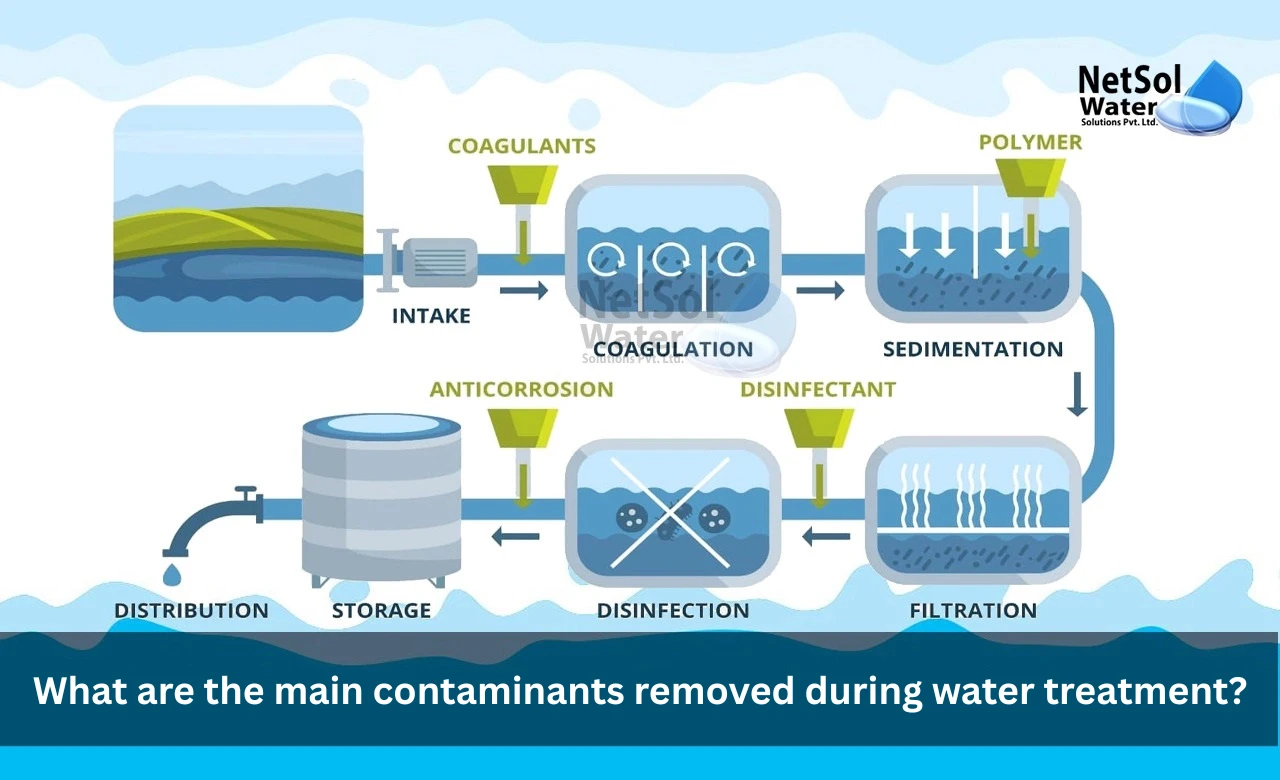
Everyone needs clean water to live a healthy life. Water entering our homes requires treatment to make it safe for drinking, cooking and daily activities. People often struggle to select the most appropriate water treatment system that meets their requirements. We will walk you through various water treatment technologies to help you select the best option for your situation.

Water quality directly affects your health and wellbeing. Each area experiences unique water quality issues ranging from pipe-damaging hard water to health-threatening bacteria. Installing the right treatment system will safeguard your family maintain your plumbing infrastructure and protect your appliances. A proper system enhances water taste and odour making your drinking and cooking experiences more pleasant.

We will walk you through the primary water treatment technologies available in the market today. You will learn how each system functions what challenges it addresses and who receives the most benefits from its installation. Our detailed analysis will guide you to match a solution with your specific water quality requirements and financial considerations. Together we will explore water treatment options to identify your ideal solution.


Filtration Systems

Most homes and businesses start their water treatment journey with filtration. These systems employ specialized materials that capture unwanted elements from water flowing through them. Knowledge about filtration operation will enable you to determine if this technology matches your requirements. Let’s examine the different types of filtration systems:

  • Activated Carbon Filters: Special treatment processes create carbon that catches impurities in these filters. The carbon captures chemicals chlorine and organic materials that impact water taste and smell. This process results in more enjoyable drinking water. While carbon filters effectively address common tap water issues they require consistent replacement to maintain their performance.
  • Reverse Osmosis Systems: Water moves through a specialized membrane containing microscopic openings in this advanced filtration process. The membrane stops most contaminants yet allows clean water to flow through. This process eliminates up to 99% of dissolved solids heavy metals and other unwanted materials. While these systems generate exceptionally pure water they consume more water during filtration compared to other methods.
  • Sediment Filters: These fundamental filters stop dirt sand and other solid materials. Your pipes and appliances receive protection from potential damage. Many complete systems incorporate sediment filters alongside other treatment methods. The filters need maintenance or replacement once they fill with captured materials.


Water Softening Technologies

Hard water creates numerous challenges for homes and businesses. It creates spotting on dishes, accumulates in pipes and decreases soap effectiveness. Water softening technologies eliminate minerals causing hardness. Knowledge of these systems will help you determine if water softening would improve your situation. Let’s explore water softening options:


1. Ion Exchange Softeners: The system exchanges hard water minerals with sodium ions. This exchange stops scale accumulation and improves soap performance. While these softeners require salt to operate they effectively eliminate hard water issues. These systems excel at whole-house treatment in locations with significant water hardness.

2. Salt-Free Conditioners: The system modifies mineral behaviour without extracting them. Scale formation stops while beneficial minerals stay in your water. Users spend less on maintenance compared to traditional softeners. These systems perform best in areas with moderate water hardness levels.

3. Magnetic Softeners: Magnetic fields alter mineral structures in these devices. Users benefit from easy installation without salt or chemical requirements. These softeners occupy minimal space and demand little maintenance. Water conditions determine how well these systems perform.


Disinfection Methods

Water might appear clean yet harbour dangerous bacteria and microorganisms. Disinfection technologies eliminate these hidden threats to ensure water safety. Each approach offers unique advantages and limitations for consideration. Let’s examine various disinfection approaches:


A. UV Light Systems: UV light destroys harmful organism DNA. This destruction prevents reproduction and illness transmission. Users enjoy chemical-free water treatment. The systems require clear water since particles can interrupt light transmission.

B. Chemical Treatment: Precise chemical measurements provide disinfection. Water maintains protection as it travels through pipes. Large-scale systems benefit from this treatment method. The process requires users to watch chemical concentrations for safety and results.

C. Ozone Treatment: Water receives ozone gas to eliminate harmful organisms. Treated water maintains natural taste and smell. The systems achieve fast effective results. Proper maintenance ensures appropriate ozone production levels.


Taking Action: Find Your Perfect Water Treatment Solution

Your expanded knowledge of water treatment technologies enables you to select an appropriate system for your needs. Begin your journey with water testing to identify specific challenges. Consider your water consumption patterns and prioritize your concerns. These factors will guide you toward suitable technology choices.

Professional water treatment experts at Netsol Water are ready to assist you with your system selection. They will analyze your water, address your concerns and recommend optimal solutions for your circumstances.

To explore customised commercial RO plants, Industrial RO plants, ETP or STP solutions for your needs in your areas and nearby regions, Contact Netsol Water at:

Phone: +91-965-060-8473

Email: enquiry@netsolwater.com


Add-a-subheading-1-6-1280x700.webp

April 8, 2025by Netsol Water

What Makes Water Treatment Sustainable?

Clean water stands as one of the most basic human needs. The process of treating water impacts our health and the environment. Sustainable water treatment presents solutions that work now and protect resources for future generations. The world faces growing water scarcity issues. This makes sustainable water treatment practices essential for communities worldwide. The methods we use to clean and process water affect energy consumption and environmental health. These practices also influence operational costs and resource management. A sustainable approach to water treatment considers environmental protection alongside human needs. It focuses on using fewer chemicals and less energy while maintaining high water quality standards. This balanced approach helps preserve natural resources. It also ensures communities have access to clean water without harming ecosystems. Understanding sustainable water treatment helps us make better choices for our water systems. These choices shape how we protect both human health and environmental wellbeing for years to come.


Energy-Efficient Treatment Technologies

The energy used in water treatment directly affects sustainability. Traditional water treatment consumes large amounts of electricity. This creates a significant environmental impact. Modern technologies offer ways to treat water while using less power. Let us examine some key energy-efficient approaches that make water treatment more sustainable.


  • Advanced Filtration Systems: Modern filtration systems use gravity and natural pressure to clean water. These systems need minimal power to operate. They remove contaminants through specialized membranes. This process maintains high water quality standards without excessive energy use. The filtered water meets safety requirements while keeping operational costs low.
  • Solar-Powered Treatment Plants: Solar energy transforms how treatment plants operate. These facilities harness sunlight to power various treatment processes. Solar panels provide consistent energy throughout the day. They work especially well in remote areas where power access proves challenging. This renewable energy source cuts both costs and carbon emissions.
  • Smart Monitoring Systems: Digital technology helps optimize water treatment processes. Smart sensors track water quality in real-time. This allows operators to adjust treatment levels as needed. The system prevents waste by providing exact treatment amounts. It also reduces unnecessary energy consumption through precise control.


Chemical-Free Treatment Methods

Traditional water treatment often depends on chemical additives. These chemicals can affect both human health and the environment. Natural treatment methods provide effective alternatives. These approaches clean water without introducing synthetic substances. Let us explore some chemical-free treatment options that support sustainability.


1. Biological Treatment Systems: Living organisms clean water naturally. Bacteria and other microorganisms break down pollutants. This process mimics nature’s own water cleaning methods. Treatment plants can use these biological processes at a larger scale. The approach produces clean water without chemical additives.

2. UV Disinfection: Ultraviolet light offers a powerful way to kill harmful organisms. This method needs no chemical additions to work. UV systems provide consistent disinfection results. They leave no harmful byproducts in the treated water. The process works quickly and effectively against various pathogens.

3. Membrane Filtration: Advanced membrane technology filters water physically. These systems catch contaminants through size exclusion. They work without chemical assistance. The process produces high-quality water suitable for different uses.


Resource Recovery and Reuse

This approach turns waste products into useful materials. It supports sustainability by maximizing resource use. Let us consider some ways treatment plants recover and reuse resources.

  • Nutrient Recovery: Treatment processes can extract valuable nutrients from wastewater. These nutrients serve as fertilizers in agriculture. The recovery process creates a circular economy approach. It turns waste into a valuable product. This practice reduces the need for synthetic fertilizers.
  • Water Reuse Systems: Treated water serves multiple purposes. Industries can use it for cooling systems. Gardens and parks benefit from this water for irrigation. The practice reduces pressure on freshwater sources. It creates a sustainable cycle of water use.
  • Biogas Production: Organic waste from water treatment produces biogas. This renewable energy source powers treatment facilities. It reduces dependency on external power sources. The process turns waste into valuable energy. This approach closes the loop in resource use.


Take Action for Better Water Treatment:

Our team helps organizations implement effective water treatment solutions. Contact us to learn how sustainable water treatment can benefit your operations. We offer consultations to assess your specific needs.

Contact Netsol Water at:

Phone: +91-965-060-8473

Email: enquiry@netsolwater.com


Add-a-subheading-1-3-1280x640.webp

April 7, 2025by Netsol Water

AI Revolution in Water Treatment Plant Operations

The water treatment industry faces new challenges every day. Treatment plants must handle increasing water demands while maintaining quality standards. Artificial Intelligence brings fresh solutions to these challenges. This technology revolutionizes how treatment plants work by making operations smarter and more efficient. AI systems analyze data from multiple sources to make quick decisions. They help plant operators spot problems before they happen. The systems also adjust treatment processes automatically based on changing water conditions.


AI makes water treatment better in many ways. It helps plants use less energy and chemicals. The technology also ensures water quality stays consistent. Plant workers can focus on more important tasks while AI handles routine operations. This saves time and money for treatment facilities. AI also helps plants adapt to new regulations and environmental changes. The future of water treatment depends on embracing these smart technologies.


We will explore how AI changes water treatment operations. We will look at different ways AI helps plant operators. You will learn about real examples of AI success in treatment plants. We will also see what the future holds for AI in water treatment.


Making Operations Smart with AI Systems

AI systems bring intelligence to water treatment operations. These systems work like a smart assistant for plant operators. They process information from sensors throughout the plant. The AI looks for patterns in this data to make better decisions. Let us examine how AI makes plant operations smarter:


  • Real-Time Monitoring and Control: AI watches plant operations day and night. It checks water quality parameters every second. The system spots changes in pH turbidity and chemical levels instantly. When something looks wrong AI alerts operators right away. This helps prevent problems before they affect water quality.


  • Predictive Maintenance: Smart AI systems know when equipment might break down. They check how machines work and spot signs of wear. The AI tells operators which parts need attention soon. This stops unexpected breakdowns and keeps the plant running smoothly.


  • Process Optimization: Treatment plants use many chemicals and processes to clean water. AI finds the best way to use these resources. It changes chemical doses based on water quality. The system also adjusts treatment times to save energy. This makes the whole process more efficient.


AI-Powered Quality Control

Water quality matters most in treatment plants. AI helps ensure every drop meets safety standards. The technology watches water quality closer than ever before. Let us explore how AI improves water quality control:


1. Advanced Testing Methods: AI uses new ways to test water quality. It combines data from many sensors to check water safety. The system spots contamination faster than traditional tests. This means safer water for everyone.


2. Automated Compliance Reporting: Treatment plants must follow strict rules about water quality. AI helps create accurate reports automatically. It tracks all important measurements and generates compliance documents. This saves time and prevents reporting mistakes.


3. Quality Prediction Models: AI learns from past data to predict future water quality. It knows how weather and other factors affect treatment. The system helps operators prepare for changes before they happen. This keeps water quality steady all year round.


Future of Water Treatment with AI

AI technology keeps getting better. This means more improvements for water treatment plants. The future brings exciting changes to how we clean water. Let us look at what comes next:


  • Smart Cities Integration: Water treatment plants will connect with smart city systems. AI will help manage water resources across entire cities. The technology will balance water supply and demand automatically. This makes water systems work better for everyone.


  • Machine Learning Advances: New AI systems will learn faster and make better decisions. They will understand complex water treatment problems better. The technology will find new ways to save resources and improve quality.


  • Remote Operations: AI will make it easier to run treatment plants from anywhere. Operators can check plant status through smartphones. They can fix problems without going to the plant. This makes operations more flexible and efficient.


Transform Your Water Treatment Operations

Ready to make your water treatment plant smarter? AI technology can help your facility work better. You can start using AI to improve operations today.

Contact us to learn more about AI solutions for water treatment. Our experts will show you how AI fits your needs. We will help you plan your move toward smarter operations.

Contact Netsol Water at:

Phone: +91-965-060-8473

Email: enquiry@netsolwater.com


Why-Consider-Water-Reuse-in-Your-Plant.webp

April 5, 2025by Netsol Water

Why Consider Water Reuse in Your Plant?

Water scarcity affects industries worldwide. Plant operations need substantial water for processes like cooling systems, manufacturing operations and facility maintenance. This makes water management a key factor for sustainable plant operations. Water reuse offers a practical solution to address these challenges. By implementing water reuse strategies, plants can maintain production levels while protecting natural resources. The concept involves treating used water to appropriate quality standards and then redirecting it for suitable applications within the facility. This approach not only ensures continuous water availability but also demonstrates environmental responsibility. Water reuse helps plants adapt to increasing water stress maintains operational stability and supports long-term business growth. The following sections explore the main benefits technical aspects and implementation strategies of water reuse systems in industrial plants.


Economic Benefits of Water Reuse

Water reuse brings significant financial advantages to plant operations. This approach transforms water from a single-use resource into a multi-use asset. Let us examine the economic aspects that make water reuse an attractive option for industrial facilities.


1. Lower Operating Costs: Plants that implement water reuse systems see immediate reductions in water utility bills. The initial investment in treatment systems pays off through decreased monthly water expenses. A manufacturing plant using 1 million gallons per month can save up to 40% on water costs through reuse programs.


2. Reduced Wastewater Treatment Expenses: Water reuse decreases the volume of wastewater that requires treatment. This leads to lower wastewater handling costs. Treatment facilities process less water which extends equipment life and decreases maintenance needs.


3. Long-term Financial Planning: Water reuse provides predictable water costs. This helps plants create accurate budgets and financial forecasts. The stable water supply through reuse systems protects operations from price fluctuations in municipal water rates.


Environmental Impact and Sustainability

Water reuse represents a crucial step toward environmental protection. This practice aligns industrial operations with sustainability goals. Let us explore how water reuse contributes to environmental preservation.


  • Ecosystem Protection: Industrial water reuse decreases pressure on natural water sources. Rivers lakes and groundwater systems benefit when plants draw less fresh water. Local ecosystems maintain better health through reduced industrial water demand.


  • Carbon Footprint Reduction: Water reuse systems decrease energy use in plant operations. Less pumping and treatment of fresh water leads to lower power consumption. This translates into reduced carbon emissions from plant activities.


  • Regulatory Compliance: Environmental regulations continue to emphasize water conservation. Water reuse helps plants stay ahead of regulatory requirements. This proactive approach prevents potential compliance issues and associated penalties.


Technical Solutions and Implementation

The success of water reuse programs depends on proper technical execution. Modern treatment technologies make water reuse practical and efficient. Let us examine the technical aspects of implementing water reuse systems.


A. Water Quality Assessment: Each plant needs specific water quality levels for different processes. Technical teams analyze water requirements for each application. This assessment guides the selection of appropriate treatment methods.


B. Treatment Technologies: Modern water treatment systems use advanced filtration methods. Membrane systems reverse osmosis and UV disinfection ensure water meets quality standards. These technologies adapt to varying water quality needs throughout the plant.


C. Monitoring Systems: Automated monitoring ensures consistent water quality. Real-time sensors track water parameters throughout the treatment process. This monitoring prevents quality issues and maintains system efficiency.


Take Action for Better Water Treatment:

Transform your plant operations through water reuse. Our team provides customized water reuse solutions for industrial facilities. Contact us today to learn how water reuse can benefit your plant. Schedule a consultation to discuss your specific water management needs.


To explore customised commercial RO plants, Industrial RO plants, Effluent Treatment Plant or Sewage Treatment Plant solutions for your needs in your areas and nearby regions, Contact Sewage Treatment Plants at:


Phone: +91-965-060-8473

Email: enquiry@netsolwater.com


How-Can-You-Handle-High-TDS-Waters.webp

April 5, 2025by Netsol Water

How Can You Handle High TDS Water?

High Total Dissolved Solids in water create challenges for households and industries worldwide. TDS includes minerals and salts in water that affect its taste, appearance and usability. Water containing TDS levels above 500 parts per million (ppm) demands attention because it damages appliances, creates scaling in pipes and affects human health. Here we show effective methods to handle high TDS water through practical solutions and tested techniques.


Water quality shapes our daily lives through drinking cooking cleaning and industrial processes. High TDS water deposits white residue on utensils dulls clothes and decreases soap effectiveness. It triggers frequent appliance repairs raises energy costs and introduces health concerns. Learning to manage high Total Dissolved Solids water safeguards your investments enhances water quality and promotes a healthier environment.


Understanding the Sources of High TDS

Natural and human activities introduce dissolved substances into water sources causing high TDS. Natural processes weather rocks erode soil and deposit minerals into groundwater. Agricultural runoff, industrial waste and road salt boost TDS levels. Water movement through geological formations absorbs dissolved minerals making groundwater contain higher TDS than surface waters. Let us explore the main contributors to high TDS:


1.  Natural Mineral Sources: Underground water flows through rock formations, absorbing calcium, magnesium and other minerals. These minerals build up as water passes through different soil and rock layers over time.


2. Industrial Impact: Manufacturing operations release dissolved solids into water bodies. These include chemicals, metals and substances that elevate TDS levels in nearby water sources.


3. Agricultural Activities: Farmers use fertilizers and pesticides while irrigation practices add dissolved solids to groundwater. These materials penetrate soil layers and enter water tables.


Treatment Methods for High TDS Water

High TDS waters treatment needs specific approaches based on water makeup and intended purpose. Each method brings unique advantages for different situations. Water composition requires quality and budget guidance in treatment selection. Let us examine the main treatment options:


  • Reverse Osmosis Systems: Reverse osmosis forces water through a semi-permeable membrane blocking dissolved solids. This system effectively eliminates up to 95% of Total Dissolved Solids purifying drinking water. Multiple filtration stages ensure thorough water cleaning.


  • Ion Exchange Technology: Ion exchange systems transform harmful ions into beneficial ones using specialized resins. This method excels at removing specific minerals that harden water. Regular resin renewal maintains system performance.


  • Distillation Methods: Distillation converts water to steam leaving dissolved solids behind. Pure water forms when steam condenses. This method creates extremely clean water but consumes substantial energy.


Maintenance and Monitoring Practices

Consistent maintenance optimizes TDS treatment system performance. Active monitoring catches issues early and sustains water quality standards. These practices protect equipment and deliver steady water quality. Let us explore essential maintenance aspects:


A. System Inspection Schedule: Equipment inspections catch potential problems before they grow serious. Technicians examine filters membranes and components for wear or damage.


B. Water Quality Testing: TDS testing measures treatment system effectiveness. Tests compare pre-treatment and post-treatment water samples to evaluate system operation.


C. Component Replacement Guidelines: System efficiency depends on replacing filters membranes and parts at proper intervals. Following manufacturer instructions prevents system breakdowns.


Ready to Improve Your TDS Water Quality?

High TDS treatment demands professional knowledge and appropriate system selection. Water treatment experts analyze water composition, suggest treatment options and create systems matching specific requirements. Contact water treatment professionals today for comprehensive water analysis and customized treatment plans.


To explore customised commercial RO plants, Industrial RO plant, ETP or STP solutions for your needs in your areas and nearby regions, Contact Netsol Water at:

Phone: +91-965-060-8473

Email: enquiry@netsolwater.com


How-Can-STPs-Generate-More-Biogas.webp

April 4, 2025by Netsol Water

How Can STPs Generate More Biogas?

Sewage Treatment Plants (STPs) produce biogas through their wastewater treatment processes. The generation of this renewable energy source enables STPs to power their operations while advancing environmental objectives. Bacteria break down organic matter in wastewater to create methane-rich biogas. STPs now aim to enhance their biogas production capabilities to achieve energy independence. New technologies enable STPs to capture and use this sustainable energy source with greater efficiency. The increasing emphasis on renewable energy has elevated the significance of biogas generation. STPs that enhance their biogas output experience substantial reductions in energy expenses. The use of this clean fuel source also decreases their environmental impact. This approach creates advantages for both environmental preservation and operational cost management. STPs continue to discover innovative methods to increase their biogas production as sustainability becomes more important. Treatment plants achieve superior results when they understand and control the key elements that influence biogas generation.


Optimizing Substrate Management for Enhanced Biogas Production:

The organic material entering digesters determines the potential for biogas production. STPs must implement effective substrate management practices to maximize their biogas output. Operators monitor incoming wastewater characteristics to maintain optimal conditions. The ratio of carbon to nitrogen influences bacterial breakdown of organic matter. Bacteria thrive when digesters maintain consistent temperature control. Bacteria produce more biogas when operators create and sustain ideal conditions for their activity.


  • Pre-treatment Methods: Physical pre-treatment transforms complex organic materials into forms that bacteria can digest more easily. Operators use mechanical grinding to create more surface area for bacterial activity. Thermal pre-treatment techniques break open resistant cell walls within organic matter. These preparation steps accelerate the digestion process to increase gas production.


  • Mixing Systems: Effective mixing enables bacteria to access all available organic material. Operators select mixing technologies based on their specific digester designs. Mechanical mixers distribute motion throughout the entire tank volume. Operators circulate produced biogas through the mixture to create movement. Strategic mixing prevents areas of reduced digestion activity.


Advanced Digester Technologies for Maximum Output:

Contemporary digesters incorporate advanced systems to establish perfect conditions for biogas formation. Treatment plants extract additional energy from waste through these technologies. Operators enhance performance by understanding the functions of various digester types. Recent developments focus on achieving greater efficiency and dependability.


  • Temperature-Phased Systems: The two-stage digestion process separates bacterial groups to enhance their performance. Higher temperatures in the first stage break down complex materials. The second stage completes processing at lower temperatures. This method achieves significant increases in overall biogas production.


  • Co-digestion Strategies: The addition of external organic waste enhances biogas production capacity. Operators process food waste to provide excellent co-digestion material. Agricultural waste serves as an effective additional substrate. The careful management of combined feedstocks maintains stable digestion conditions.


Process Monitoring and Control Optimization:

Advanced monitoring systems track essential parameters that affect biogas production. Operators use this information to make informed operational decisions. Testing demonstrates process effectiveness. Swift responses to changing conditions maintain system stability.


  • Real-time Monitoring: Sensors measure critical factors including pH and gas composition. Computer systems identify potential issues through data analysis. Automatic systems adjust conditions to maintain optimal performance. This approach prevents disruptions that might decrease gas production.


  • Performance Analysis: Testing reveals the efficiency of biogas production systems. Operators identify improvement opportunities by tracking key metrics. Data analysis uncovers patterns that influence production levels. This knowledge shapes operational strategies.


Take Action for Better Water Treatment:

You can generate more biogas at your STP. Our team will help you optimize your biogas production systems. Contact us to discover methods to increase your renewable energy output. Our experts will evaluate your current operations and propose enhancements. We will work with you to improve your STP’s energy efficiency and environmental performance.


To explore customised commercial RO plants, Industrial RO plant, ETP or STP solutions for your needs in your areas and nearby regions, Contact Sewage Treatment Plants at:

Phone: +91-965-060-8473

Email: enquiry@netsolwater.com


Add-a-subheading-1.webp

April 3, 2025by Netsol Water

When Should You Add Tertiary Treatment?

Wastewater treatment continues to shape environmental protection as cities expand. Tertiary treatment represents the final step in wastewater processing. This advanced stage removes the finest contaminants that secondary treatment cannot address. Many treatment facilities now face decisions about upgrading their systems to include tertiary processes. The increasing pressure from environmental regulations pushes facilities to consider this additional treatment step. Water scarcity also drives the need for higher quality treated water that can serve multiple purposes. We explore the key factors that determine when a facility should implement tertiary treatment. We will examine the technical aspects along with environmental benefits. The discussion includes cost considerations plus regulatory requirements that influence this decision. Understanding these elements helps facility managers make informed choices about tertiary treatment implementation.


Understanding Tertiary Treatment Fundamentals

The foundation of tertiary wastewater treatment builds upon primary plus secondary processes. This advanced stage takes wastewater treatment to a higher level of purification. Tertiary treatment removes microscopic pollutants through specialized filtration plus disinfection processes. The system targets specific contaminants like nitrogen phosphorus plus trace metals.


Advanced Filtration Methods: Membrane filtration stands as a core component of tertiary systems. These specialized filters catch particles smaller than human hair. The process uses different pore sizes to remove various contaminants. Ultrafiltration catches bacteria plus larger molecules. Nanofiltration removes dissolved solids plus specific ions. Reverse osmosis provides the highest level of filtration by removing almost all contaminants.


Chemical Treatment Processes: Advanced oxidation processes break down complex organic compounds. These methods use combinations of ultraviolet light plus oxidants. The treatment destroys pharmaceutical residues plus industrial chemicals. Ion exchange systems remove specific dissolved minerals. This process helps achieve strict discharge requirements for sensitive environments.


Nutrient Removal Systems: Biological nutrient removal targets excess nitrogen plus phosphorus. These systems use specialized bacteria to consume nutrients. The process prevents algal blooms in receiving waters. Advanced clarification removes the remaining suspended solids. This step ensures the highest quality effluent possible.


Determining Factors for Implementation

The decision to add tertiary treatment depends on multiple interconnected factors. Each facility must evaluate its specific situation carefully. The assessment requires a thorough understanding of local conditions plus requirements.


Environmental Impact Assessment: Water quality in receiving bodies determines wastewater treatment needs. Sensitive ecosystems require higher levels of treatment. The presence of endangered species increases protection requirements. Climate change effects also influence treatment decisions. Rising temperatures affect biological treatment processes. Extreme weather events impact system performance plus reliability.


Regulatory Requirements Analysis: Environmental regulations set minimum treatment standards. Different regions have varying requirements for effluent quality. Future regulatory changes often demand enhanced treatment capabilities. Compliance deadlines influence implementation timelines. Permit requirements specify exact treatment levels needed.


Community Water Needs: Population growth increases demand for treated water. Water scarcity drives the need for water reuse programs. Agricultural irrigation requires specific water quality standards. Industrial users need customized water quality parameters. Public health protection demands enhanced treatment levels.


Economic Considerations

The financial aspects of tertiary wastewater treatment require careful evaluation. Initial investments plus ongoing operational costs impact decisions. A comprehensive analysis helps determine long-term value.


Capital Investment Planning: Equipment costs form a significant portion of implementation expenses. Construction requirements add to initial investment needs. Design plus engineering services contribute to startup costs. Infrastructure modifications support new treatment processes. Technology selection affects overall system costs.


Operational Cost Analysis: Energy consumption increases with advanced treatment processes. Chemical usage adds to daily operational expenses. Maintenance requirements impact long-term costs. Staff training needs contribute to operational budgets. Regular monitoring plus testing ensure proper performance.


Take Action for Better Water Treatment:

Your wastewater treatment decisions shape environmental protection plus community health. Contact our team of wastewater specialists to explore tertiary treatment options. We offer comprehensive assessments of your facility needs. Our experts will guide you through the evaluation process. Schedule a consultation today to discuss when you should add tertiary treatment to your facility.


To explore customised commercial RO plants, Industrial RO plant, ETP or STP solutions for your needs in your areas and nearby regions, Contact Netsol Water at:

Phone: +91-965-060-8473

Email: enquiry@netsolwater.com


Biological-Treatment-Systems-for-Food-Industries.png

March 31, 2025by Netsol Water

Biological Treatment Systems for Food Industries

Food industries produce large quantities of organic waste during their production processes. These wastes encompass food scraps processing water and organic materials that require proper treatment before disposal. Biological treatment systems provide an eco-friendly approach to manage these wastes with maximum efficiency. Natural biological processes in these systems break down organic materials into simpler compounds. Food industries now use these treatment methods to comply with environmental regulations. The systems also enable companies to extract valuable resources from their waste streams. This guide will take you through the primary biological treatment options that food industries can use. We will show you how Biological Treatment Systems for Food Industries function and what advantages they bring to food processing facilities. Food manufacturers will gain insights to select the most suitable solution based on their requirements.


Aerobic Treatment Systems: Nature’s Way of Cleaning

Oxygen-loving bacteria in aerobic treatment systems clean wastewater from food processing facilities. Air introduction into waste streams creates conditions for beneficial bacteria to grow and digest organic materials. Wastewater flows into large treatment tanks where air pumps through diffusers. These conditions foster aerobic bacterial growth leading to efficient waste breakdown.


Types of Aerobic Systems

  1. Activated Sludge Process: The activated sludge process leads the way as a primary aerobic treatment method in food industries. Wastewater mixes with active microorganisms to create activated sludge. Bacteria consume organic matter in aeration tanks while air bubbles mix the solution. Clean water then separates from sludge as the mixture moves to settling tanks.


2. Sequencing Batch Reactors: Sequencing batch reactors adapt to changing treatment needs in food industries. One tank handles all treatment steps through carefully timed sequences. Wastewater fills the tank followed by aeration mixing and settling phases. Food industries with fluctuating waste loads throughout the day benefit from this adaptable method.


3. Moving Bed Biofilm Reactors: Bacteria form biofilm layers on special plastic carriers in moving bed biofilm reactors. These carriers circulate freely throughout the treatment tank maximizing bacterial growth surface area. Food facilities with space constraints benefit from this compact yet efficient design.


Anaerobic Digestion: Converting Waste to Energy


Anaerobic digestion uses specific bacteria to transform food waste into biogas and nutrient-rich fertilizer without oxygen. Sealed tanks called digesters house this transformation process. Food industries generate renewable energy while treating waste through this method. The digesters receive organic waste where multiple bacterial groups collaborate to break down materials.


Components of Anaerobic Systems

1. Primary Digesters: Primary digesters host the main biological breakdown reactions. These vessels maintain optimal temperature and pH for bacterial activity. Bacteria convert waste materials into biogas and digestate over several weeks in these tanks.


2. Secondary Digesters: Secondary digesters complete the treatment process started in primary digesters. The extended processing time increases biogas production and improves solid-liquid separation. The final products serve as valuable fertilizer or soil amendments.


3. Gas Collection Systems: Gas collection systems purify and store biogas from anaerobic digestion. The cleaning process removes impurities making the biogas suitable for energy production. Food industries power their facilities with this biogas or sell it to energy companies.


Membrane Bioreactors: Advanced Waste Treatment

Membrane bioreactors unite biological treatment with membrane filtration technology and prove to be a nice Biological Treatment Systems for Food Industries. This  system generates high-quality water that food industries reuse in their operations. Bacterial digestion works alongside specialized membranes to remove remaining particles and microorganisms.


Key Features of Membrane Systems

A. Biological Treatment Zone: Active bacteria in the biological treatment zone digest organic waste materials. This area functions like standard aerobic systems but maintains stricter conditions. The bacteria prepare complex organic compounds for membrane filtration by breaking them into simpler forms.


B. Membrane Filtration Units: Specialized membranes in filtration units separate clean water from treated waste. Water molecules pass through microscopic membrane pores while contaminants stay behind. This process produces water that exceeds environmental standards.


C. Process Control Systems: Automated systems continuously monitor and adjust treatment conditions. Sensors track oxygen levels pH and temperature throughout the process. This automation ensures consistent high-quality treatment results.


Conclusion

Your food industry facility deserves an efficient biological treatment system. Our experts will guide you through selecting and designing the perfect Biological Treatment Systems for Food Industries. Contact us now to discover how biological treatment systems will revolutionize your waste management practices. We welcome you to schedule a free consultation where we will assess your needs and create a tailored solution for your facility.

To explore customised commercial RO plants, Industrial RO plants, ETP or STP solutions for your needs in your areas and nearby regions, Contact Netsol Water at:

Phone: +91-965-060-8473

Email: enquiry@netsolwater.com


Role-of-Wastewater-Treatment-in-the-Circular-Economy.webp

March 26, 2025by Netsol Water

What is the Role of Wastewater Treatment in Circular Economy?

Wastewater treatment plays an important role in our modern world. This process gives us a chance to use waste as a resource. It changes wastewater into water that we can use again. The system helps create a circular economy that uses every resource in a full cycle. Many communities face water shortage and pollution issues. Wastewater treatment offers a way to solve these problems. It cleans water and brings economic benefits to local industries and society. We discuss how wastewater treatment supports a circular economy. We show how this process brings lasting change in the way we view resources.

Role of Wastewater Treatment in the Circular Economy 

Wastewater treatment is strongly supported by the circular economy. Let us have a look at some examples that show its importance.

The process cleans water and makes it useful for many tasks. It gives communities a way to turn waste into a useful product. People see waste as a resource and use it again. This change boosts local jobs and supports local businesses. The system links nature with human work. It takes waste and makes new water that can be used in farms and industries. The cycle does not stop at cleaning water. It also helps produce energy from the waste that is left behind. This energy can power small local systems and create a self-sustaining loop. The process supports a cycle that saves water and lowers pollution. Each part of the process helps in building a world where nothing is wasted. This is a key step in protecting nature and making our cities more sustainable.

Read: Sewage Treatment Plant Manufacturer

Technological Advancements in Wastewater Treatment 

Modern tools make the treatment process work well. This part shows how new ideas have changed wastewater treatment. Let us have a look at some modern methods and techniques that make the process efficient.

Engineered systems work to remove harmful substances from the water. Advanced filters and natural processes work together in this task. Machines help break down waste and turn it into water fit for use. The new systems work fast and use less energy. This approach makes the treatment process easy to use for both large and small communities. It gives room for changes and adapts to local needs. The system uses technology that meets safety and quality standards. Engineers build systems that work safely and soundly. This smart use of technology helps communities have clean water. The methods in use help reduce water shortages and pollution at the same time. People see the progress in these systems as a step that leads to a clean future.

Read: Effluent Treatment Plant Manufacturer

Economic and Environmental Impact 

Wastewater treatment brings gains that help both the environment and the economy. Let us have a look at some key areas that this process influences.

The system makes it possible to reuse water. Clean water saves costs for industries and households. Communities lower their expenses and reduce the need to import water. This system helps small towns and large cities alike. It makes the water cycle last longer and brings money to local projects. The process also cuts down on pollution that harms the environment. Clean water helps plants grow and keeps animals safe. The result is a healthier ecosystem that supports life. This system makes a clear difference in the way we use water. Every drop of water is given a new chance to serve its purpose. The method works well to boost local economies and protect nature. It shows how waste can turn into a gain when we use it smartly. People who use these methods see change that is both clean and fair.

Conclusion

Wastewater treatment is a great approach to circular economy that makes a strong promise for our future. We have seen how the process changes waste into a useful resource. The methods we discussed help build a cycle where water is always reused. This approach helps create jobs and protect nature. The discussion has shown how important this process is for communities that care for the environment and their economy.  We invite readers to get in touch for more information or request a consultation on how to start a project that makes a difference. The change starts with each one of us and every action matters. The benefits of this system reach far and wide.

Contact Netsol Water at:

Phone: +91-9650608473, Email: enquiry@netsolwater.com


What-is-High-Rate-Activated-Sludge-BIO-FOR-F-Technology.webp

June 1, 2024by Netsol Water

In the field of wastewater treatment, innovation is key to addressing the ever-growing challenges posed by urbanization and industrial expansion. One technology that has gained significant traction is the high-rate activated sludge BIO FOR-F system, a cutting-edge solution that combines efficiency, sustainability, and cost-effectiveness. This technology has revolutionized the way we approach wastewater management.

The BIO FOR-F system is a departure from traditional activated sludge processes, offering a compact and energy-efficient solution for treating various types of wastewater.

Understanding the Activated Sludge Process

Before going into the intricacies of the BIO FOR-F technology, it is essential to understand the fundamental principles of the activated sludge process. This widely used technique involves the introduction of microorganisms, known as activated sludge, into wastewater. These microorganisms consume organic matter and nutrients present in the wastewater, facilitating their removal.

The activated sludge process typically consists of several stages, including aeration, sedimentation, and sludge recycling. In the aeration stage, air is introduced into the wastewater, promoting the growth and activity of aerobic microorganisms. These microorganisms break down organic matter and convert it into carbon dioxide and water. The sedimentation stage allows the activated sludge to settle, separating the treated water from the sludge.

One of the key advantages of the activated sludge process is its ability to handle a wide range of wastewater types, from municipal to industrial sources. However, traditional methods can be energy-intensive, require large footprints, and may struggle with certain types of contaminants, such as nutrient removal.

BIO FOR-F Technology

Netsol Water’s BIO FOR-F technology represents a significant step forward in the field of wastewater treatment. This innovative system combines the principles of the activated sludge process with advanced engineering and process optimization to achieve superior treatment efficiency, reduced energy consumption, and a smaller footprint.

In this BIO FOR-F technology lies a unique bioreactor design that facilitates enhanced biological activity and optimized mixing. The bioreactor incorporates a series of interconnected compartments, each designed to promote specific biological processes essential for effective wastewater treatment.

One of the key features of the BIO FOR-F system is its ability to operate at high mixed liquor suspended solids (MLSS) concentrations, typically ranging from 8,000 to 12,000 mg/L. This high MLSS concentration allows for a smaller bioreactor volume, reducing the overall footprint of the treatment plant. Additionally, the system employs advanced aeration techniques, such as fine bubble diffusers, to optimize oxygen transfer and minimize energy consumption.

The BIO FOR-F technology helps in removing various contaminants from wastewater, including organic matter, nitrogen, and phosphorus. The bioreactor design and operational parameters are optimized to promote simultaneous nitrification and denitrification processes, ensuring effective nutrient removal without the need for additional treatment stages.

Furthermore, the system incorporates advanced sludge management techniques, such as the use of membrane bioreactors (MBRs) or separate sludge thickening and dewatering units. This approach minimizes sludge production and facilitates efficient sludge handling and disposal, further reducing operational costs and environmental impact.

Applications and Benefits

The versatility of the BIO FOR-F technology makes it suitable for a wide range of applications, including municipal wastewater treatment, industrial effluent treatment, and even decentralized wastewater solutions for remote or challenging locations.

Netsol Water has successfully simplemented the BIO FOR-F technology in numerous sewage treatment plants (STPs) across various regions. One notable example is their involvement in the construction and operation of STPs in several cities and industrial areas.

Furthermore, the BIO FOR-F technology offers advantages in terms of flexibility and scalability. The modular design of the bioreactors allows for easy expansion or adaptation to changing treatment requirements, ensuring long-term sustainability and reliability.

Netsol Water’s commitment to innovation and continuous improvement has led to the development of advanced control and monitoring systems integrated into the BIO FOR-F technology.

Conclusion

The high-rate activated sludge BIO FOR-F technology represents a significant breakthrough in the field of wastewater treatment. By combining advanced biological processes, optimized reactor design, and state-of-the-art engineering, this technology offers a comprehensive solution for efficient and sustainable wastewater management.

Netsol Water’s successful implementation of this technology in various STPs showcases its real-world effectiveness and highlights the company’s commitment to delivering innovative and reliable solutions.

As urbanization and industrial growth continue to exert pressure on water resources, technologies like the BIO FOR-F system will play a crucial role in addressing wastewater challenges.

Do you need advice or assistance in selecting the best water and wastewater treatment unit? We have solutions for all your problems!

Let us know your problem, and our experts will make sure that it goes away.

For assistance or related queries,

Call on +91-965-060-8473 Or write us at enquiry@netsolwater.com

If you want to know about the best commercial RO plant manufacturers in Delhi.