
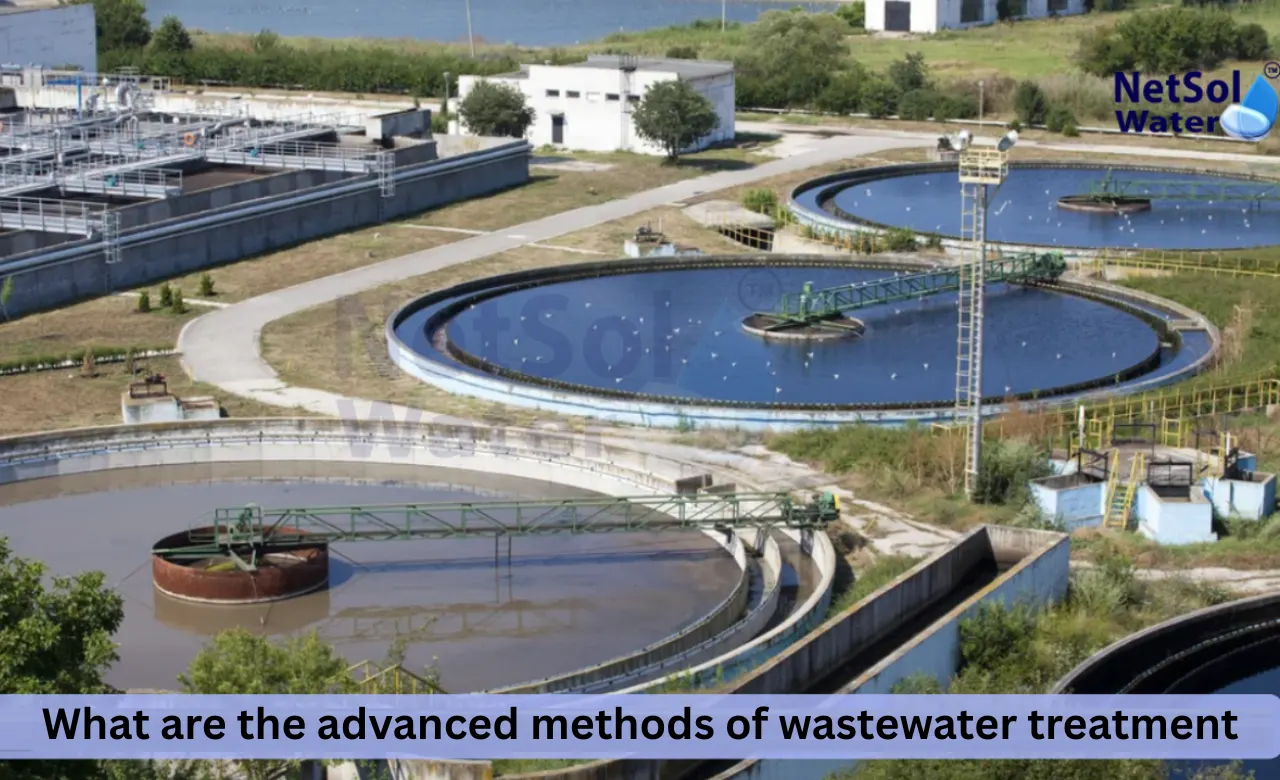
What Are the Advanced Methods of Wastewater Treatment?
The amount of wastewater generated by industries and cities on a daily basis is quite high. This water is contaminated with dirt, chemicals, oil, grease, heavy metals, and other harmful substances. This wastewater can have adverse environmental and health consequences when it enters rivers, lakes, and the ground. For this reason, industries need effective treatment plants that can remove pollutants before water is discharged.
A modern treatment plant utilizes advanced technology to enhance the quality of water and comply with environmental requirements. These techniques benefit industrial facilities in their efforts to lower pollution, conserve water, and enhance overall operational efficiency. The right treatment process also minimizes operational issues and facilitates sustainable business expansion.
A reliable wastewater treatment plant manufacturing company designs a treatment plant based on the type of wastewater and the desired water quality. We are the top wastewater treatment plant manufacturer, providing dependable wastewater treatment solutions to various industries. Wastewater treatment methods are highly advanced, and when industries are aware of them, they can choose a method that provides even greater performance and long-lasting results.
Why Advanced Wastewater Treatment Methods Are Important
Over the years, there have been significant changes in wastewater treatment due to the increased complexity of the wastewater produced by industries. Traditional treatment methods can remove many common pollutants; however, not all of these methods can remove dissolved chemicals, harmful microorganisms, or very fine particles. These issues are addressed by advanced treatment techniques, which enhance the quality of treated water.
Let’s take a look at some of the more advanced wastewater treatment methods commonly used in today’s industries.
1. Membrane Bioreactor Technology
Membrane Bioreactor technology combines biological treatment with membrane filtration. During this process, microorganisms decompose organic pollutants, and a special membrane separates the clean water from suspended solids and bacteria. This results in water of high quality, which can be reused in industry in many cases.
The membranes are able to remove very small particles that are not removed by conventional treatment plants. The treated water is much cleaner, and industries can use water recycling to cut down on freshwater use. Another benefit of this process is that it requires less space than numerous traditional treatment plants. The system is also stable in the face of changes in wastewater quality. This technology is employed in many industries, including pharmaceuticals, food processing, and textile manufacturing, due to its consistent results and water conservation.
2. Reverse Osmosis Technology
Reverse Osmosis is another advanced treatment process that removes dissolved salts, heavy metals, and many harmful contaminants from water. Water under pressure is forced through a special membrane, while impurities are left behind on one side and clean water passes through.
This process produces water with very low levels of dissolved solids, which makes it suitable for reuse in industrial operations. Reverse Osmosis also helps industries adhere to strict environmental regulations by enhancing the quality of treated water. This process is often employed as a second stage after biological treatment to achieve a more purified product in many industries.
Advanced Biological Treatment Methods
Biological treatment is significant in wastewater management because microorganisms are naturally able to remove organic pollutants. Modern biological systems enhance this process and make it more efficient. These techniques are used to control the pollution load and ensure consistent system performance for industries.
Let’s take a look at some more sophisticated methods of biological treatment.
1. Moving Bed Biofilm Reactor
The Moving Bed Biofilm Reactor is another technology that employs small plastic media in a treatment tank. As the wastewater passes through the reactor, beneficial microorganisms flourish and consume the organic pollutants.
The media is constantly in motion, which brings microorganisms into closer contact with the wastewater. This means pollutant removal can be improved without the need to enlarge the treatment facility. The system is also more stable amid fluctuations in wastewater flow and pollutant levels.
MBBR is a preferred option for industries due to its low maintenance requirements and stable treatment performance over a longer period. The technology also allows for upgrading existing treatment plants without significant structural modifications.
2. Sequencing Batch Reactor
The Sequencing Batch Reactor, or SBR, carries out all stages of treatment in a single reactor. The sequence of filling, biological treatment, settling, and treated water discharge is carefully planned. This controlled operation enhances treatment quality and reduces the need for additional equipment.
SBR is an excellent method for high-quality removal of organic matter, nitrogen, and phosphorus. The process enables operators to modify the number of treatment cycles based on wastewater characteristics. This versatility is beneficial for industries with varying wastewater quality. All operations take place in a single reactor, which simplifies the overall plant design while retaining good treatment performance.
Advanced Physical and Chemical Treatment Methods
Physical and chemical treatment methods can be used to remove pollutants that microorganisms cannot easily treat, supporting biological treatment. These methods enhance final water quality and facilitate the reuse or safe discharge of wastewater.
Let’s have a look at some advanced physical and chemical treatment methods.
1. Dissolved Air Flotation
Dissolved Air Flotation, also called DAF, is a process that separates suspended solids, oil, grease, and floating materials from wastewater. Small air bubbles form, which pick up contaminants and bring them to the surface, allowing for easy removal.
Food processing, petroleum, and chemical manufacturing are some of the industries that use this process most effectively. Pre-treating oil and suspended solids prior to biological treatment increases the efficiency of the overall treatment system. DAF also helps minimize sludge production and prevents damage to downstream equipment. The process is stable and contributes to improved overall plant operation.
2. Advanced Oxidation Process
Advanced Oxidation Process is a powerful method that uses strong oxidizing agents to destroy complex chemicals that traditional treatment methods are unable to break down. These reactions help degrade harmful organic compounds and reduce pollutants that have not been removed from the water by biological processes.
This technology is used in industries that produce pharmaceutical chemicals, dyes, or hazardous waste, as it processes materials that are difficult to remove using traditional methods. Advanced Oxidation also reduces unwanted colour and odour in treated water. The process benefits both water quality and the safe discharge of water into the environment. It provides very good overall purification when used in conjunction with other treatment technologies.
Choosing the Right Wastewater Treatment Method
It is essential to select the proper treatment technology, as all industries produce different types of wastewater. The treatment design is affected by available water quality, pollutant concentration, production capacity, as well as plans for future expansion. Engineers use the results of extensive wastewater analysis to decide on appropriate treatment technologies based on the desired treatment levels.
An experienced Wastewater Treatment Plant Manufacturer examines these factors before designing a complete treatment solution. By selecting the appropriate system, operational efficiency is improved, maintenance costs are lowered, and equipment life is extended. Today, a variety of modern technologies are used in combination in treatment plants, rather than relying on a single process. This comprehensive approach leads to better treatment results and greater water reuse.
Read some interesting information for the Sewage Treatment Plant Manufacturer in Delhi
Conclusion
Advanced wastewater treatment techniques help industries achieve better water quality, lower pollution levels, and promote sustainable water use. A variety of technologies can be used for the efficient treatment of different industrial wastewater, including Membrane Bioreactor, Reverse Osmosis, Moving Bed Biofilm Reactor, Sequencing Batch Reactor, Dissolved Air Flotation, and Advanced Oxidation Process. The choice of technology is determined by the type of wastewater and the treatment objectives of the industry.
Netsol Water, being one of the leading Wastewater Treatment Plant Manufacturers, can be the right choice to design reliable and efficient wastewater treatment systems. Our professionals deliver tailored wastewater treatment solutions to meet your industrial needs. Call Netsol Water today, let us know what you’re looking for, and our experts will provide advice on the right wastewater treatment solutions for you.
Contact Netsol Water at:
Phone: +91-9650608473
Email: enquiry@netsolwater.com