
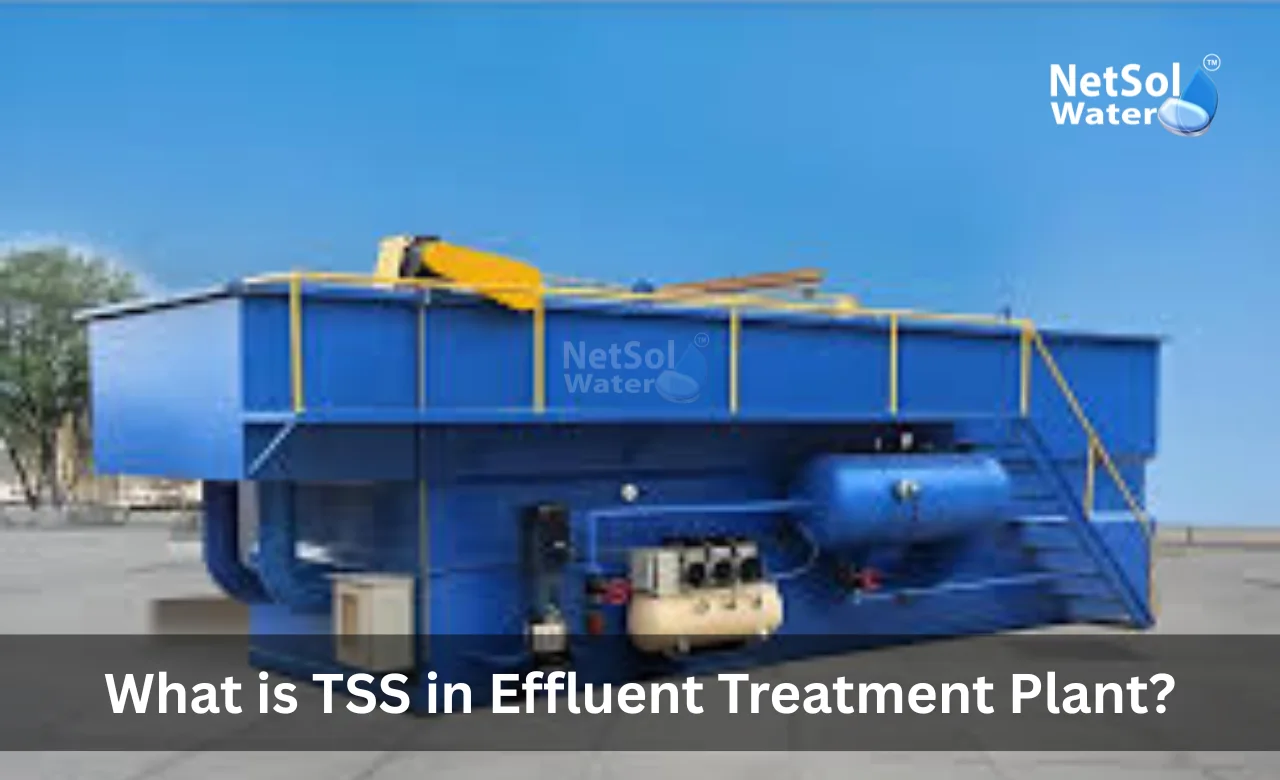
What is TSS in an effluent treatment plant?
Effluent from factories can carry fine solids that stay mixed in water for a long time. This is where TSS becomes important. TSS means Total Suspended Solids. It refers to tiny solid particles that float in wastewater and do not settle quickly on their own. These solids can come from soil. They can come from food waste. They can also come from chemicals and process residue from many industries.
A well-planned manufacturer can design a system that removes suspended solids in a steady and safe way. We are the leading effluent treatment plant manufacturer and helps industries handle wastewater with practical treatment solutions. When TSS stays high, it can block pipes. It can also reduce the effectiveness of later treatment steps. That is why industries need a clear plan for monitoring and removing these solids.
Why TSS Matters in Effluent Treatment
TSS plays a major role in the health of an effluent treatment plant. It may look like a small part of wastewater management, but it can still affect many other steps in the treatment process. When industries understand TSS well, they can control pollution more effectively and keep the plant running smoothly.
1. What TSS Means in Wastewater
TSS stands for Total Suspended Solids. These are solid particles that remain suspended in water instead of settling fast. They can be organic or inorganic. They may include dust. They may include silt. They may include fibers. They may also include tiny pieces of raw material from industrial work.
In an effluent treatment plant, these particles matter because they change the look and quality of water. High TSS makes water cloudy. It can also carry harmful substances with it. Some solids may hold grease or metal traces. Some may carry organic waste that adds more load on the plant.
This is why TSS is one of the first things plant operators check. It gives a quick sign of how dirty the effluent is and how hard the plant will need to work. When TSS stays under control, the rest of the treatment process becomes easier and more stable.
2. Effects of High TSS on Treatment Systems
High TSS can create many problems inside the plant. It can clog filters and reduce flow. It can add pressure on pumps and increase wear on equipment. It can also settle in tanks and form sludge faster than expected. This makes cleaning more frequent and operation more costly.
Another issue is that high TSS can reduce the effectiveness of later treatment stages. If solids remain in the water, chemical treatment may need a higher dose. Biological treatment may also face stress because the system has to handle extra load. This can slow down the entire process and reduce final water quality.
Industries that ignore TSS often face poor discharge results. They may also face higher maintenance work and more downtime. For this reason, TSS control is not just a technical step. It is a key part of safe and smooth plant operation.
How TSS Is Measured and Controlled
Measuring TSS is important because a plant cannot control what it does not track. Once the solids level is known, the team can decide on the right treatment path. Let’s look at some common ways industries measure and reduce TSS in wastewater.
1. Sampling and Testing the Effluent
TSS testing begins with a proper sample. The sample must reflect the real condition of the effluent. A lab then filters the water sample and dries the material left on the filter. The weight of that residue shows how much suspended solid the water contains.
This test gives a clear value that plant operators can compare with discharge standards. It also helps them track changes over time. If the TSS level rises, the plant may need more pre-treatment or better solid separation.
Regular testing also supports better plant control. It helps identify which process line creates more solids. It can also show when a machine or wash process is sending extra waste into the drain. This kind of tracking helps industries act early before the problem grows.
2. Treatment Methods That Reduce TSS
An effluent treatment plant uses different steps to remove suspended solids. The first step often involves screening. Screens catch large debris before it enters the main system. After that, equalization helps balance the flow and avoid sudden shocks.
Many plants then use sedimentation. In this process, heavier particles settle at the bottom of a tank. Chemicals may also help tiny particles join together and settle faster. This makes removal easier and improves water clarity.
Some plants use clarification and filtration for finer particles. These steps remove smaller solids that sedimentation cannot catch fully. In some industries, flotation methods help lift light solids to the surface for removal. The right method depends on the type of waste and the final quality needed.
A good treatment design does not depend on one method alone. It combines several steps so the plant can handle both large and fine solids in a steady way.
Role of an Effluent Treatment Plant Manufacturer
A skilled manufacturer does more than supply tanks and machines. It studies the waste stream and builds a system that fits the industry. This matters because every wastewater stream is different. Let’s look at some of the ways the right manufacturer adds value.
1. Custom Design for Different Industry Needs
Different industries produce different types of suspended solids. A textile plant may release fibers and dye particles. A food plant may release organic solids and grease. A chemical plant may produce mixed solids with stronger treatment needs.
A reliable Effluent Treatment Plant Manufacturer studies these details before design work begins. This helps create a plant that matches the load and the space available. It also helps reduce waste in design and avoid oversizing or undersizing the system.
Custom design improves treatment results and supports lower running costs. It also makes operation easier for the team on site. When the plant fits the real waste load, it works with better balance and less stress. Netsol Water is a leading Effluent Treatment Plant Manufacturer and provides solutions that suit different industrial needs with practical engineering.
2. Support for Operation and Water Quality Control
The work of a manufacturer does not end after installation. The plant also needs support during operation. This includes guidance on monitoring TSS. It includes help with chemical use. It also includes advice on sludge handling and regular cleaning.
Good support helps the plant stay efficient for a long time. It also helps the team respond when the TSS load changes. In real plant conditions, wastewater quality may shift from day to day. A strong support system helps keep treatment stable during those changes.
This is why industries often choose a manufacturer that understands both design and day-to-day use. A well-supported plant runs better and gives more consistent discharge quality. It also helps the business protect its equipment and meet compliance needs.
Read some interesting information for the Effluent Treatment Plant Manufacturer in Delhi
Conclusion
TSS is a key factor in effluent treatment because it affects water quality, plant load and final discharge results. When industries track and control suspended solids, they make the whole treatment process more reliable. They also reduce blockages, maintenance and chemical waste. A good design and a clear operation plan make a strong difference in daily performance.
Netsol Water is a leading Effluent Treatment Plant Manufacturer and helps industries build treatment plants that handle TSS in a practical way. Reach out today to learn more or request a consultation for your effluent treatment needs.
Contact Netsol Water at:
Phone: +91-9650608473
Email: enquiry@netsolwater.com