
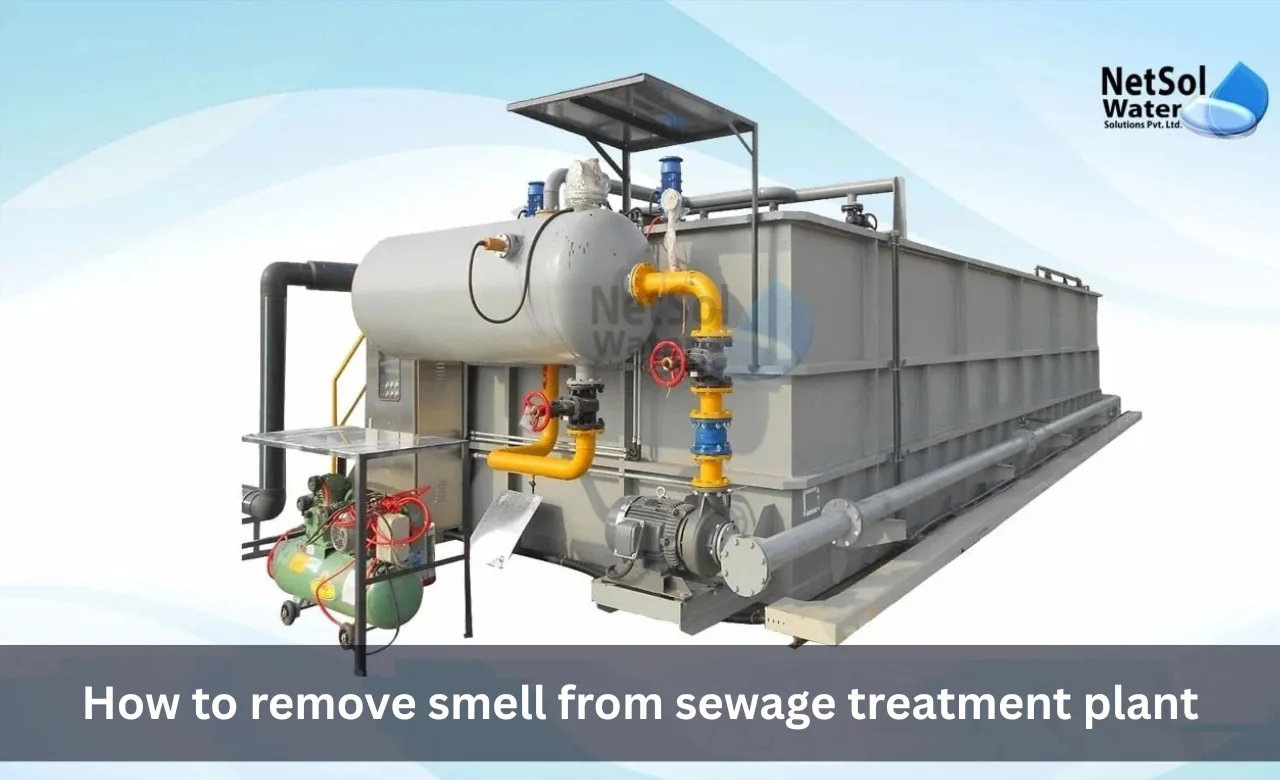
How to Remove Smell from Sewage Treatment Plant?
A sewage treatment plant plays a major role in keeping water safe and clean in homes, industries, and public places. It helps treat wastewater before it goes back into the environment. This makes it an important part of any city or industrial area where hygiene and public health matter every day.
We are the leading sewage treatment plant manufacturer, and it understands that a plant must work well without creating bad smell around the site. Odour can cause discomfort for workers, nearby residents, and visitors. It can also create a poor image for the plant even when the treatment work is running properly. That is why odour control matters as much as treatment quality.
Why Smell Develops in a Sewage Treatment Plant
A clear understanding of smell is the first step toward control. Let us have a look at some common reasons why a sewage treatment plant may start giving off bad odour. Most smell problems come from the breakdown of organic waste. When wastewater stays for too long without enough oxygen, it starts to turn septic. This process creates gases like hydrogen sulphide and ammonia. These gases smell strong and unpleasant. Open tanks, clogged channels, poor ventilation, and sludge buildup can make the smell even worse.
Another common reason is poor inlet handling. Raw sewage contains grease, solids, food waste, and other organic matter. When these materials stay in one place and do not move through the system smoothly, they start to rot. That creates a strong smell around the plant. Sludge handling is also important. If sludge is not removed on time or if it sits in open containers, the smell spreads fast. Warm weather can make this situation more serious because heat speeds up the breakdown of waste.
A sewage treatment plant manufacturer knows that smell control starts from the design stage itself. When the plant layout allows smooth flow, proper aeration, and covered treatment units, the odour level goes down. But when the plant faces bad design or weak operation, the smell becomes hard to manage. That is why every plant owner should first find the source of the smell before choosing a solution. Once the source is clear, the next steps become easier and more effective.
How to Remove Smell from the Source
The best way to remove smell is to stop it before it spreads. Let us have a look at some important methods that work at the source. The first method is proper aeration. When wastewater gets enough oxygen, the bad smell reduces because the waste breaks down in a healthy way. Aeration keeps the process active and helps stop septic conditions. A plant that uses air well often has far less odour than one that allows stagnant wastewater to remain still.
Another useful method is to cover key tanks and channels. Open tanks allow gases to move into the air very easily. When these areas are covered, the smell stays contained. Then it can be treated through a proper air control system. This step works especially well in inlet chambers, sludge storage units, and equalization tanks.
Chemical dosing can also help in some cases. Safe chemicals can reduce odour-forming compounds and support better treatment. These chemicals should be used with care and in the right amount. Too much chemical use can create a new problem instead of solving the old one. That is why expert support matters. Netsol Water is the leading sewage treatment plant manufacturer, and it focuses on solutions that match the plant size, wastewater load, and site condition.
Regular cleaning also plays a major role. Grease, solids, and scum should not stay in the system for long. When operators clean screens, channels, and tanks on time, the waste does not get a chance to decay and produce strong smell.
Improve Sludge Handling and Ventilation
Sludge is one of the main sources of smell in a sewage treatment plant. It contains a heavy load of organic matter and it starts to rot quickly if it is not managed well. Let us have a look at some practical ways to handle sludge better. First, the sludge should move through the system without delay. Long storage time increases odour and also raises health concerns. When the plant removes sludge on schedule, it reduces the chance of smell building up.
Dewatering also helps control smell. When water content drops, the sludge becomes easier to manage and less likely to spread odour. This is why many plants use filter presses, belt presses, or other dewatering units. These systems help reduce both volume and smell. The dewatered sludge should then move to a covered storage area so that gases do not escape into the air.
Ventilation is another important part of odour control. Fresh air movement helps prevent gas buildup around treatment units. Exhaust fans, duct systems, and biofilters can support this process. In some plants, air scrubbers also help clean the air before it leaves the site. These systems work well when a plant deals with a higher load of odour. A good sewage treatment plant manufacturer always checks how air will move through the site before finalizing the plant design.
Good ventilation also helps workers. It creates a safer and more comfortable working area. When the plant feels clean and fresh inside, it becomes easier to manage every part of the process. This shows that smell control is not only about public image. It also improves daily operation and supports better plant performance over time.
Maintain the Plant with Regular Checks
Even a well-designed plant can start smelling if it does not get proper care. Let us have a look at some maintenance habits that help keep odour under control. Regular inspection should check for blocked pipes, dead zones, and low oxygen areas. These problems often cause wastewater to sit still and begin to smell. Once operators find them early, they can fix them before the smell gets worse.
Pump and motor performance also matters. If flow stops or slows down, waste collects in one place and starts to decay. That creates a strong odour. Cleaning and servicing equipment on time helps prevent this issue. Screens and grit chambers should also stay clean because trapped solids can rot and release bad smell. In many plants, simple routine checks save a lot of trouble later.
Proper training is another key part of maintenance. When the staff understands how each unit works, they can spot problems faster. They can notice when odour increases and take quick action. This helps the plant stay stable and safe. A sewage treatment plant manufacturer often supports training because good operation is just as important as good equipment.
Weather and load changes should also be watched closely. A plant may smell more during hot months or when the wastewater load rises suddenly. Operators should adjust aeration and cleaning schedules when needed. This keeps the system balanced and reduces the chance of smell spreading outside the plant boundary.
Conclusion
A sewage treatment plant should do its job quietly and cleanly. Bad smell does not have to remain a fixed problem when the plant uses the right design, care, and operation. Strong aeration, covered units, proper sludge handling, and regular maintenance all help remove odour from the source. When a plant follows these steps, it becomes safer, more comfortable, and more acceptable for the surrounding area.
A trusted manufacturer can make a major difference by providing the right system for the site and the right support after installation. Netsol Water is the leading sewage treatment plant manufacturer, and it offers practical solutions that help control smell while keeping treatment efficient. Contact us to learn more or request a consultation for your plant needs.
Contact Netsol Water at:
Phone: +91-9650608473
Email: enquiry@netsolwater.com