
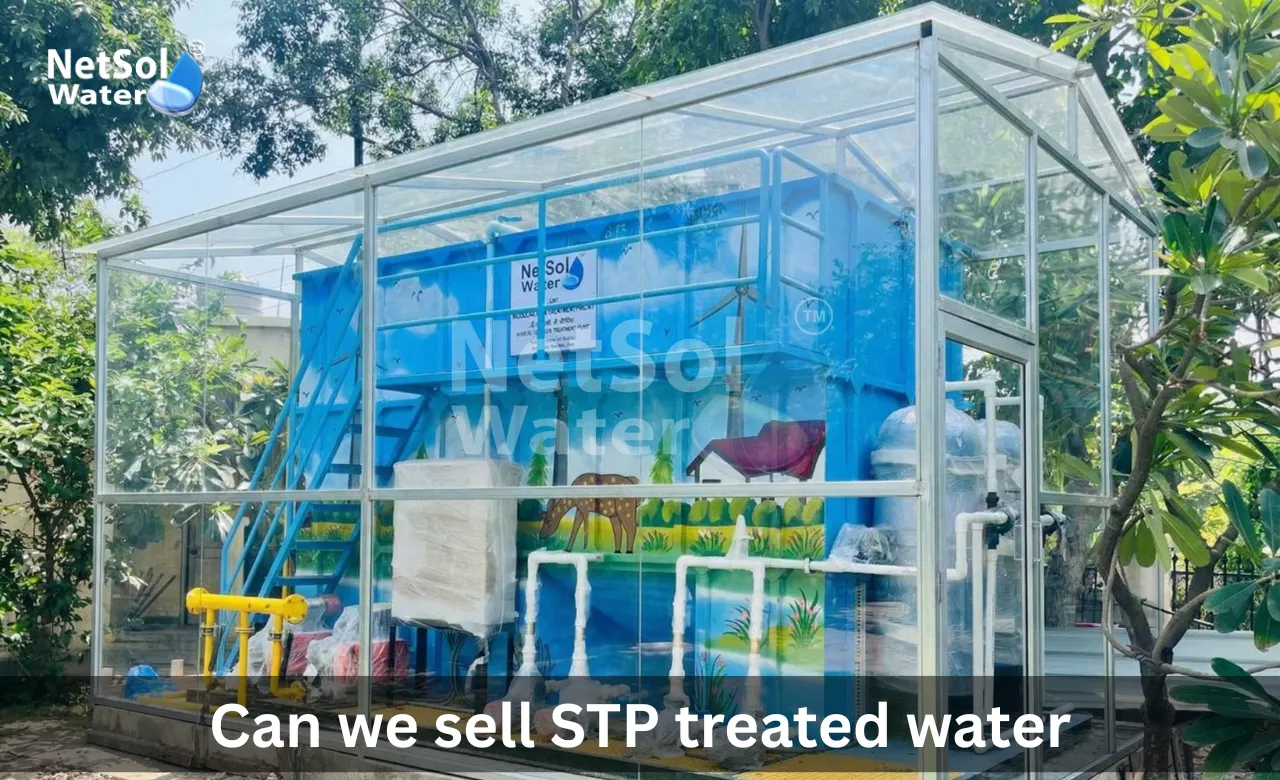
Can We Sell STP Treated Water?
Water shortage is becoming a serious issue in many growing cities. Places like Bengaluru are known for their IT hubs and fast urban growth. They also face strong pressure on fresh water supply. In such cities, the idea of reusing treated sewage water is gaining attention. STP treated water can support many useful activities when it meets the right standards.
We are the leading sewage treatment plant manufacturer and offer solutions that support safe treatment and reuse. When people understand the value of treated water, they can see that it is not only waste.
Why Selling STP Treated Water Matters
The idea of selling STP treated water is important because it connects water treatment with real value. Many people think a sewage treatment plant only helps with waste disposal. Let us have a look at some important reasons why this matters.
1. Turning Waste Water into Useful Water
Treated sewage water can support many non-drinking uses. It can be used for landscape watering. It can help in toilet flushing. It can also work for dust control and construction activities. In some places, it supports cooling towers and HVAC systems. This makes the water useful after treatment. It also changes the way people think about sewage. Instead of treating it as waste only, they can see it as a reusable resource.
2. Helping Cities Save Fresh Water
Fresh water demand keeps rising. Cities need more water for homes, offices, and factories. At the same time, water sources are under stress. When STP water enters reuse systems, it lowers the need for fresh supply. This is helpful for city planners. It is also helpful for builders and industries that need a steady water source. A sewage treatment plant manufacturer can design systems that make this reuse safe and practical.
3. Creating a New Income Stream
Selling treated water can also bring financial benefit. Housing societies and commercial properties spend money to treat wastewater. When they sell the excess treated water, they can recover part of that cost. This creates a new income stream. It does not make treatment free. Yet it can reduce the burden. In places with strong reuse demand, this model can work very well.
Where STP Treated Water Can Be Used
Not every kind of treated water can go everywhere. It must match the right use. This is why planning matters. The water needs to be clean enough for the intended purpose. It does not need to be drinking water. Still, it must meet clear quality standards. Let us have a look at some common uses.
1. Gardening and Landscaping
One of the easiest uses of treated water is for gardens and green spaces. Plants do not need drinking-quality water. They need water that is safe for soil and roots. Treated sewage water can support lawns, trees, and garden beds when the treatment is proper. Many apartment complexes and campus areas use it this way. It helps maintain greenery without using large amounts of fresh water.
2. Construction Work
Construction sites need a large amount of water. They use it for curing, dust control, and mixing in some processes. Treated water can support these needs when the local rules allow it. Builders often buy water from nearby reuse sources because it is cheaper and easier to access. This is one of the main reasons why STP treated water has a market in fast-growing cities.
3. Toilet Flushing and HVAC Systems
Some buildings reuse treated water for toilet flushing. Others use it in cooling systems. These are smart uses because they do not need drinking-quality water. They only need stable and clean treated water. When the right treatment level is maintained, the water can move through a reuse line safely. This saves fresh water each day and supports better building management.
4. Industrial Cooling and Utility Use
Some industries use treated water for cooling and other utility work. This reduces their dependence on fresh supply. It also helps them meet water management goals. The water must still meet the required quality range. A sewage treatment plant manufacturer can help create a treatment process that suits such reuse needs.
Quality Standards and Safety Needs
Selling treated water is only possible when the water meets the required standards. This is the most important part of the process. Buyers want water that works well for their purpose. Authorities also want to make sure that the reuse does not create health or environmental problems. Let us have a look at some key quality points.
1. pH and Water Balance
The pH of treated water must stay within the safe range. In many cases, the accepted range is 6.5 to 8.5. This matters because very acidic or very alkaline water can harm soil, equipment, and surfaces. A balanced pH also helps the water stay safe for common reuse activities.
2. Biological Oxygen Demand
BOD shows how much organic pollution remains in the water. A low BOD level means the water is cleaner. For reuse, the BOD value often needs to stay below 10 mg/L. This shows that the treatment process has removed much of the organic waste. A good STP design helps achieve this level with better control and stable performance.
3. Total Suspended Solids
TSS means small solid particles left in the water. If the solids level is too high, the water can cause clogging and poor reuse performance. For many reuse systems, the TSS level must stay below 10 mg/L. This is why filtration and polishing steps matter. They help the water become fit for storage and transport.
4. Regular Monitoring
Testing does not stop after one good report. The water must stay within limits all the time. Regular monitoring helps operators check the plant performance. It also helps them protect buyers and comply with local rules. This is another area where support from a sewage treatment plant manufacturer becomes useful because the right plant design makes control easier.
Logistics and Rules for Selling Water
Even if water meets the quality standard, there is still another step. The water must reach the buyer in a safe and legal way. This is where logistics and regulation come in. A good system needs clear transport and proper local approval. Let us have a look at some of the important parts.
1. Safe Transport Arrangements
Treated water can move through pipelines or tankers. The method depends on distance and quantity. For nearby users, a pipeline can work well. For wider supply, a tanker system may be more practical. The transport method should keep the water clean during movement. Vehicles often need proper labeling too.
2. Local Permission and Compliance
Different cities and states may have different reuse rules. Some places allow societies and plants to sell part of their treated water. Bengaluru is one example where reuse policy has started to support this idea in a practical way. Still, local permissions matter. Users must check pollution control norms and municipal rules before they begin supply.
3. Storage and Handling
Treated water also needs proper storage. If tanks are dirty or open, the water quality can fall. That can reduce its value and create risk. Good handling protects the water from contamination. This is why the full chain from treatment to transport must work together. A strong sewage treatment plant manufacturer helps clients design the plant with reuse in mind from the start.
Read some interesting information for the Sewage Treatment Plant Manufacturer in Noida
Conclusion
Selling treated sewage water is a smart step when treatment quality and local rules are in place. It helps save fresh water. It also brings value from a resource that would otherwise go to waste. With the right plant design and the right compliance plan, this model can work in many places. Netsol Water is the leading sewage treatment plant manufacturer and supports projects that aim for reliable treatment and practical reuse. For more details or to discuss a suitable solution for your site, please get in touch and request a consultation.
Contact Netsol Water at:
Phone: +91-9650608473
Email: enquiry@netsolwater.com