
Does RO Need an Air Gap?
RO plants are used in homes and business places to give clean and safe water. Many people focus on the filter quality and membrane life. Yet the drain line also matters a lot. That is where the air gap comes in. In many places, it helps the RO setup meet plumbing rules and protect drinking water from contamination. For a business owner or builder, this becomes even more important because a small plumbing mistake can affect water quality and create compliance issues. We is the leading commercial RO plant manufacturer, and we often see buyers ask the same question before installation.
Why an Air Gap Matters in an RO Plant
An air gap is a small open space between the drain line and the waste outlet. It stops dirty water from moving backward into the RO unit. This makes it an important safety feature in many water systems. When wastewater moves through the drain line, there is always a small risk of backflow if the pipe blocks or if pressure changes in the line. The air gap breaks that path and keeps the clean water side protected.
This matters even more in commercial spaces where water use is high and the system runs for long hours. A small fault can grow into a bigger problem if the drain line does not have proper protection. That is why many buyers ask a commercial RO plant manufacturer about air gap design during the planning stage.
Let us have a look at some of the key reasons why this part is used so often.
1. Safety Function
The main job of an air gap is simple. It blocks wastewater from returning into the RO system. If the drain line clogs or the sewer line backs up, then the air gap stops dirty water from crossing over into the clean water supply. This is why many experts see it as a basic protection layer.
In places where water safety matters a lot, this small gap can prevent a serious contamination issue. It also helps keep the system more secure during sudden pressure changes. Even if the RO unit keeps working well, the air gap gives an added level of safety that many installers prefer.
2. Plumbing
Many local plumbing rules ask for an air gap in RO installations. In some areas, the rule may require a gap of one inch or a distance equal to two pipe diameters. The exact requirement can change from one city or state to another. That is why installers often check the rule before they finish the work.
This is important for commercial sites as well because code compliance is not optional. If the setup does not follow the rule, then the owner may face trouble later during inspection or maintenance. A trusted commercial RO plant manufacturer usually designs the system in a way that fits common code needs and makes the installation smoother.
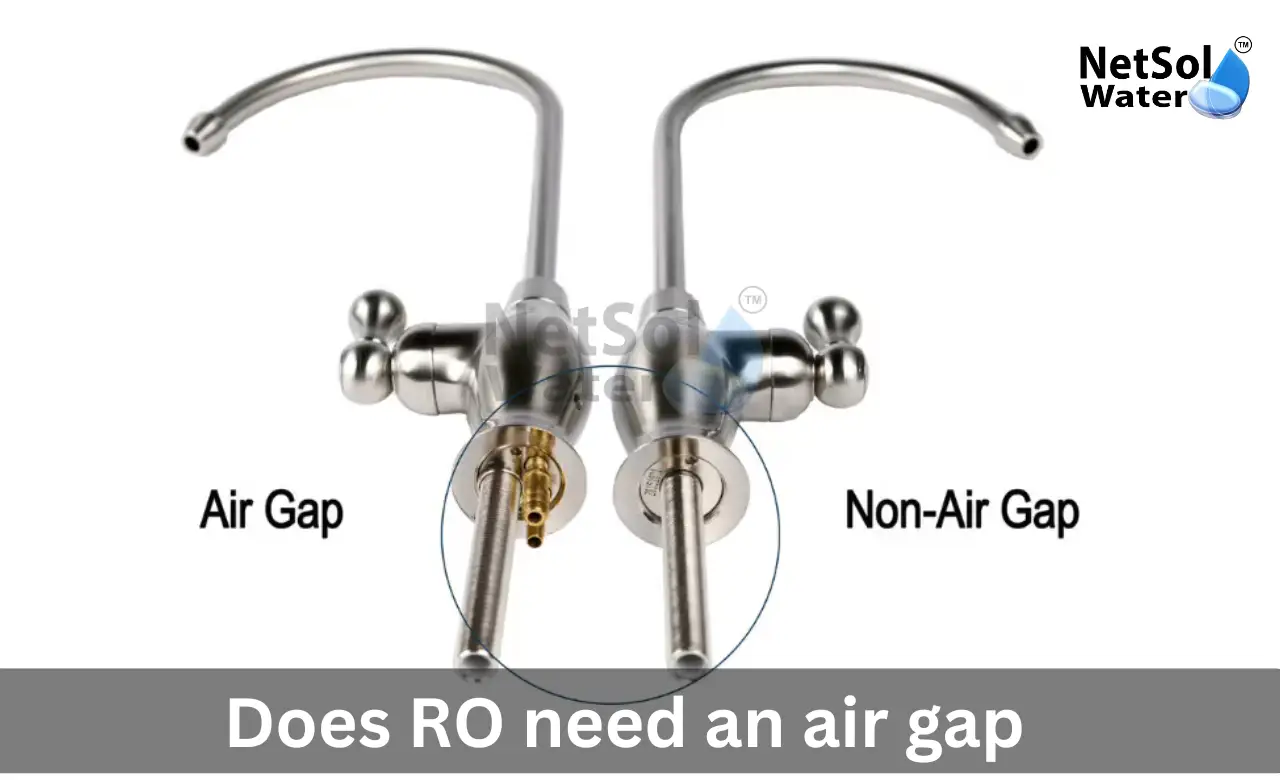
Air Gap Faucet vs. Non-Air Gap
Once buyers understand the purpose of an air gap, they often ask about the faucet type. There are two common choices. One is an air gap faucet. The other is a non-air gap setup. Both can work well, but they serve different needs. The right choice depends on how much protection you want and how much noise or convenience you can accept.
1. Air Gap Faucet
An air gap faucet sends wastewater through a built-in opening that creates the air gap inside the faucet body. This design helps protect the drinking water line from backflow. It is a popular choice where local rules require this kind of setup.
The main benefit is safety. The system adds a physical break between the drain line and the clean water line. That said, this type can be a little noisy. Sometimes it may make a gurgling sound during drainage. It may also drip from time to time if the line gets blocked or if the drain flow is not smooth. Some users accept this because they value the added protection.
2. Non-Air Gap
A non-air-gap faucet sends the waste water directly through a closed drain line without that open break. Many people like this option because it works more quietly and looks cleaner in daily use. It is also simpler in some setups.
Still, it may allow backflow in rare cases if the drain line has a problem. That is why it may not meet the code in some places. For that reason, buyers should check local rules and talk to an expert before they choose this option. A commercial RO plant manufacturer can help match the faucet design with the site requirement so the system works well from day one.
Maintenance and Common Issues
An air gap can improve safety, but it also needs some care. Like any other part of the RO system, it can face issues over time. The most common problems are noise, dripping, and blockage in the drain line. These issues do not always mean the unit has failed. Often they only show that the line needs cleaning or adjustment.
1. Noise and Dripping
An air gap faucet may make a bubbling or gurgling sound when the wastewater flows out. This sound is normal in many systems. It happens because water falls through an open gap before it enters the drain line. Some users do not mind it, while others prefer a quieter setup.
Dripping can also happen if the drain line has a small blockage or if water flow is not moving well. When this happens, the first step is to check the line for dirt or partial clogging. Cleaning the line often solves the issue. If the noise becomes too much, then the installer may review the full drainage path and improve the layout.
2. Blockage and Flow Check
A blocked drain line can cause trouble in any RO system. With an air gap, the blockage may show itself faster because water cannot pass through smoothly. This is useful in one way because it alerts the user early. At the same time, it means the line must stay clear for best performance.
Regular inspection helps avoid this problem. Commercial sites should keep a simple service routine so the drain line stays open and the air gap keeps working as planned. When the RO system is part of a larger water plan, the guidance of an experienced commercial RO plant manufacturer becomes helpful because the right layout can cut down future problems.
Read some interesting information for the Effluent Treatment Plant Manufacturer in Delhi
So Does RO Need an Air Gap?
In many cases, yes. An RO system may work without one, but an air gap adds a strong safety shield and often helps meet plumbing rules. That is why it is widely used in both home and commercial installations. The final choice depends on local code, water safety needs, and the design of the drain line. For a business or large facility, the safer option is usually the better one because it lowers risk and supports long-term performance.
A well-planned RO setup does more than clean water. It also protects the user from hidden plumbing issues and keeps the system easy to manage. Netsol Water is the leading commercial RO plant manufacturer, and we help clients choose the right RO design for safe use and smooth operation. For expert support or to request a consultation about your water treatment need, contact us today and make a better choice for your site.
Contact Netsol Water at:
Phone: +91-9650608473
Email: enquiry@netsolwater.com