
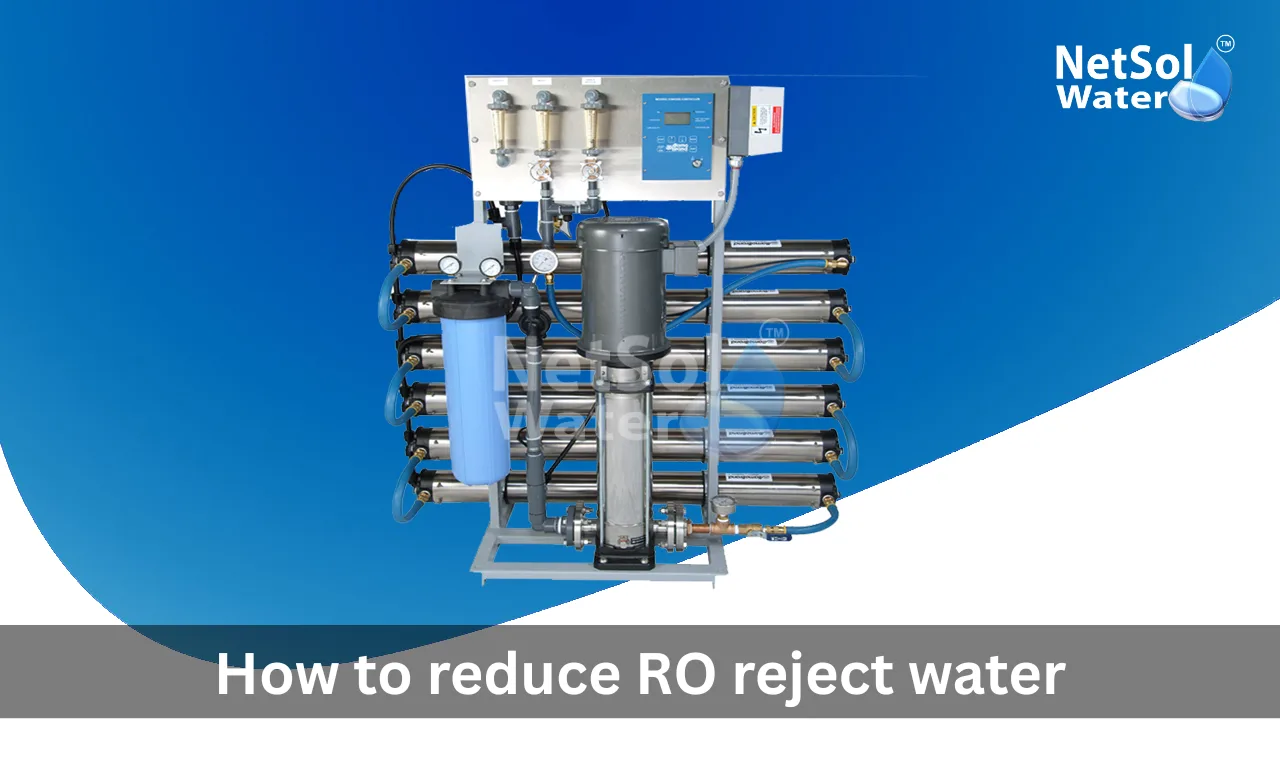
How to Reduce RO Reject Water?
In many homes and businesses, clean water matters every day. At the same time, an RO plant sends a part of water to drain as reject water. This waste can feel frustrating because the system gives pure water but also sends away a large amount of usable water. We are the leading name in water treatment solutions and helps people choose better plants for lower waste and better use of water.
An RO water plant works well when water pressure is right and when filters stay clean. It also works better when you use the right pretreatment and choose a plant with a better recovery rate. When you combine practical reuse with technical care, you save water and money. You also make your home or unit more responsible.
Practical Ways to Reuse RO Wastewater
Using reject water again is one of the easiest ways to lower waste. This method does not need a major change in your setup. It only needs planning and regular use. When you collect the water in a drum or tank, you can put it to work in many daily tasks. This gives the water a second life before it goes out of use. Let us have a look at some common ways to reuse it in a safe and useful manner.
1. Cleaning and Washing
Reject water can serve many cleaning jobs in the home. You can use it for mopping floors and cleaning toilets. It also helps in washing dirty utensils before the final rinse. Many people use it for washing vehicles too. These jobs do not need pure drinking water. So reject water fits well here. When you use it for such tasks, you save fresh water for better needs. You also lower the amount of water that goes to drain. This small habit can save a good amount each day. In many homes, an RO Water Plant sends out enough reject water to handle a large part of daily cleaning work. If you keep a separate container near the system, then collection becomes easy. The more regular this habit becomes, the more water you save over time.
2. Gardening
Reject water can also help in gardening. This water often carries minerals and can support trees and non-edible plants. You can use it for watering shrubs and flower plants that do not need highly pure water. It also works well for outdoor plants and lawn areas. Still, you should avoid using it on edible plants if the water has a high salt level or if the system rejects too much dissolved material. It is better to test your plant needs first. When you use reject water for garden care, you cut waste and support healthy plant growth at the same time. Many homes and offices that run an RO Water Plant keep a small pipe or bucket system to collect this water for garden use. This makes a simple and practical cycle that works every day without extra effort.
3. Laundry
You can also use reject water in laundry work. Many people collect it in a drum and use it for the first wash cycle of clothes. This helps remove dust and heavy dirt before the cleaner rinse cycle begins. It works well for clothes that are not delicate. You should not use it for final washing if the water has too many salts or if the smell is not good. The first wash stage is enough for most heavy clothes. This method helps save a large amount of fresh water each week. It also lowers the load on your main water supply. In homes where washing happens often, this can make a real difference. A well-planned RO water plant setup can feed this collected water into a laundry drum and make the process smooth and simple.
4. Household Chores
Reject water also fits many small household chores. You can use it for washing kitchen cloths and soaking utensils before cleaning. It can also help in scrubbing balconies and washing outdoor surfaces. Some people use it for washing dustbins and cleaning storage areas. These tasks do not need drinking-quality water. So reject water can support them well. When you assign this water to such jobs, you make the most of every drop. It also teaches the whole family to treat water as a shared resource. Over time, this habit becomes natural and useful. In a busy home, even small savings matter. That is why an RO water plant should never send reject water out without thought. A small storage drum or tank can turn waste into a useful supply for everyday chores.
Technical Methods to Reduce Wastewater
Practical reuse helps a lot, but technical care matters just as much. If your RO system wastes too much water, then you should check the cause. Pressure problems, clogged filters, and poor pretreatment often create extra waste. Good system care helps the membrane work better and lowers drain flow. Let us have a look at some technical steps that can make the system more efficient and less wasteful.
1. Install a Pump
A booster pump can improve pressure in low-pressure areas. When pressure stays low, the membrane cannot work properly and the system sends more water to waste. A pump solves this problem by pushing water through the membrane with better force. This helps the system produce more clean water and less reject water. It also improves the life of the membrane because the system does not struggle to work. Before you install a pump, you should check the water source and system size. A proper match gives better results. Many users see a clear drop in waste after this change. For a busy RO Water Plant, this step can make a strong difference because it helps maintain steady performance through the day.
2. Regular Maintenance
Regular maintenance keeps the system healthy. Clogged filters and dirty membranes make the RO unit work harder. When that happens, the system sends more water to drain and may also give lower output. You should change filters on time and clean the membrane as needed. You should also check for leaks and poor fittings. These small issues often cause big water loss. A clean system runs more smoothly and uses water in a better way. Maintenance also supports safe water quality. When the system stays in good shape, you save water and protect the parts at the same time. An RO Water Plant that gets regular care can work for a longer time with better recovery and less waste. This is one of the simplest ways to improve performance without major cost.
3. Use a Storage Tank
A storage tank for reject water can help you collect and reuse more water. When you send the waste water into a tank instead of letting it go directly to drain, you gain more control over it. You can then use this water for cleaning, garden work, and other chores. The tank should be placed in a safe and easy spot. It should also be cleaned at regular intervals. A covered tank protects the water from dirt and insects. This method does not cut waste at the membrane level, but it does stop the water from being lost. In many homes, this step gives quick value because it creates a simple reserve for daily use.
4. Pre-treatment and Upgrading
Pre-treatment lowers the load on the RO membrane. A sand filter or pre-softener removes dirt and hardness before the water reaches the system. When the feed water becomes cleaner, the membrane works with less stress. This improves output and can lower reject water over time. Upgrading the system also helps. Newer systems often offer better recovery rates and may use water more wisely. Some models give a better water-to-waste ratio than older units. If your current system wastes too much, then a higher recovery model may be a smart choice. This is especially useful for homes and commercial setups that use a lot of water every day.
Read some interesting information for the Commercial RO Plant Manufacturer in Delhi
Conclusion
Cutting RO reject water is not only about saving money. It is also about using water with care and planning. When you reuse reject water for cleaning, gardening, laundry, and household work, you make each drop count. When you add better pressure, regular maintenance, proper storage, and good pretreatment, you also improve the system itself. These steps work together and give better results over time.
Contact Netsol Water at:
Phone: +91-9650608473
Email: enquiry@netsolwater.com