
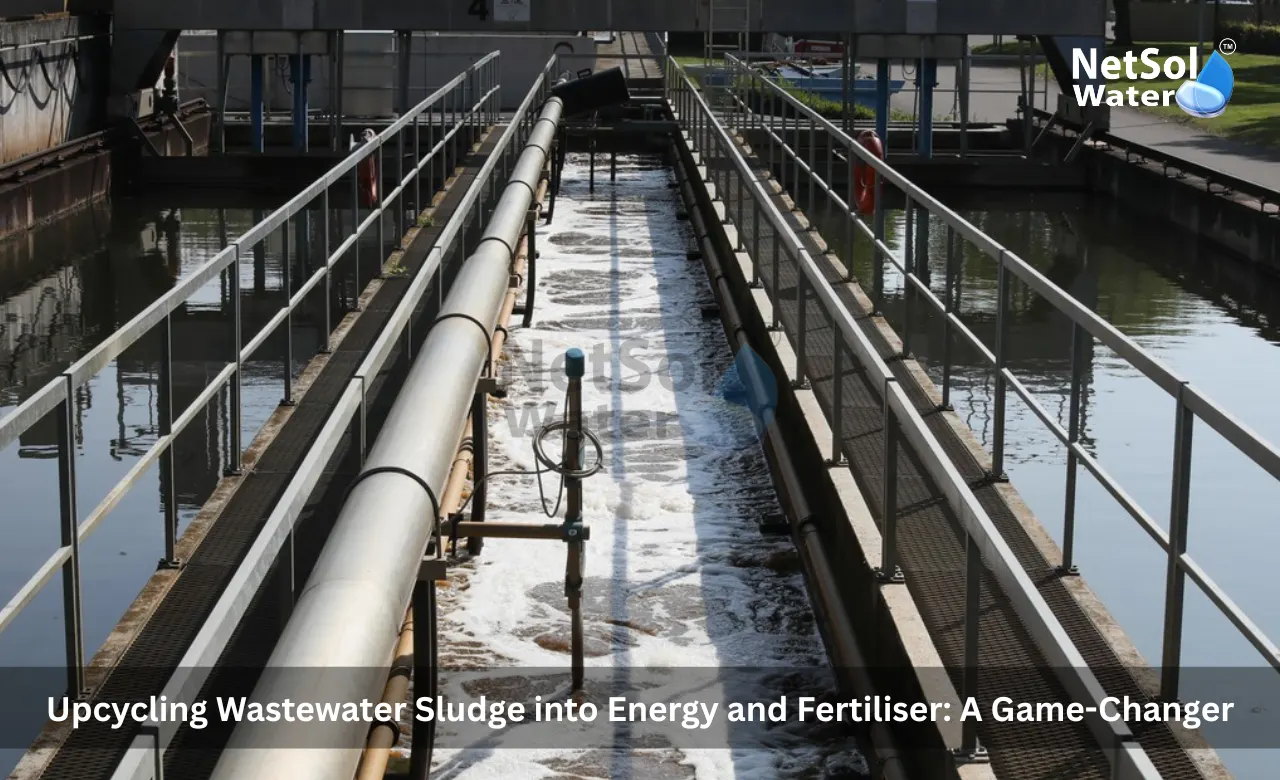
Upcycling Wastewater Sludge into Energy and Fertiliser: A Game-Changer
Wastewater treatment plants handle water from homes, industries and farms. They protect public health and the environment by treating sewage before release. These plants also produce sludge as a byproduct. Sludge contains organic matter nutrients and moisture. If left untreated sludge can cause odor, spread disease and soil damage. Many places now see sludge as a problem that also hides a chance for value. Turning sludge into energy and fertiliser can reduce waste, lower costs and new revenue streams.
Why Upcycling Sludge Matters
Sludge can harm the land and water if people discard it. It can also carry pathogens and heavy metals that need careful handling. At the same time sludge contains carbon, hydrogen, nitrogen and phosphorus that can feed microbes or plants. Treating sludge for reuse cuts the need for new raw materials. It also lowers the load on disposal sites and reduces transport energy. Let us have a look on some main reasons and effects of upcycling sludge.
- Environmental Risk and Community Health
Untreated sludge near homes can attract pests and spread disease. Modern treatment removes pathogens and stabilizes the material. Plants that adopt upcycling keep waste away from landfills and control odor and runoff. This action protects rivers and ground water that local people use for drinking and farming. When a Wastewater Treatment Plant adds safe sludge reuse schemes it helps improve local air and water quality and boosts public trust. This benefit leads communities to support further sustainability steps.
- Resource Recovery and Circular Economy
Sludge contains nutrients that farmers need and organic matter that can become fuel. Recovering these parts returns value to the local economy. Anaerobic digestion makes biogas that a plant can use to run pumps heaters and lights. Composting turns stabilized sludge into soil amendment that farms can use to grow food in a safer way. A circular approach lowers fresh fertilizer demand and cuts greenhouse gas emissions from transport and production.
Converting Sludge into Energy
Many plants now choose energy first because it reduces bills and improves self sufficiency. Turning sludge to energy also reduces the mass of waste and lowers disposal costs. Let us have a look on some common methods that deliver energy from sludge.
- Anaerobic Digestion for Biogas
Anaerobic digestion uses microbes in an oxygen free tank to break down organic matter. The microbes produce methane rich biogas as they digest the sludge. Plants collect this biogas and use it in engines boilers or combined heat and power units. Biogas can meet a large share of a plant energy need. The process also reduces the volume and odor of sludge and produces a stabilized digestate. This digestate can sometimes move on to further processing for use as fertiliser. For many Wastewater Treatment Plant setups digestion offers a balance of cost and results. Netsol Water is the leading partner that designs digestion units that match plant scale and energy needs. Their plants help plants turn more sludge into usable gas while keeping operation simple and safe.
- Thermal Processes and Gasification
Thermal processes expose dry sludge to high heat to produce syngas oil and solid residues. Gasification works with limited oxygen to convert organic matter into a mix of hydrogen carbon monoxide and methane. Plants that use thermal methods can generate electricity and heat with high energy density. Thermal systems can also reduce pathogens and decrease final waste mass more than simple drying. These systems need higher capital investment and careful control of emissions. A modern Wastewater Treatment Plant that serves an industrial area may choose thermal routes when it needs high energy output or when feedstock is richer in solids. Thermal options pair well with drying units and with plants that can use heat on site.
Turning Sludge into Fertiliser and Scaling Up at Plant Level
Producing safe fertiliser opens new markets for plants and helps local farmers improve soil. Let us have a look on common fertiliser routes and how a plant can make them work.
- Composting and Vermicomposting
Composting mixes sludge with carbon rich materials and holds the mix under controlled heat and aeration. Proper heat kills pathogens and stabilizes nutrients. The result is a humus like product that improves soil structure and water holding capacity. Vermicomposting adds worms to speed organic breakdown and to improve nutrient availability. Both methods lower the need for chemical fertilizer and offer a local soil product that farmers can accept. Good supply chain planning keeps the product moving from plant to farm in a cost effective way.
- Pelletisation and Nutrient Recovery
Pelletisation dries stabilised sludge and compresses it into small dense pellets that ships and stores easily. Pellet products can match fertilizer market needs more closely than loose compost. Nutrient recovery processes can extract phosphorus and nitrogen for direct use in fertilizers. These recovered nutrients reduce dependence on mined phosphate and on industrial nitrogen production.
Read some interesting information for the Industrial RO Plant Manufacturer in Faridabad
Conclusion
Upcycling sludge can change how a Wastewater Treatment Plant works. It can cut waste lower energy bills and add new products for local markets. Plants that move to digestion composting pelletisation or thermal recovery improve local environment and create new value for communities. Netsol Water is the leading partner that helps plants plan and make these plants. If you want to explore how your Wastewater Treatment Plant can make energy or fertilizer from sludge contact an expert today. Request a consultation.
Contact Netsol Water at:
Phone: +91-9650608473
Email: enquiry@netsolwater.com