
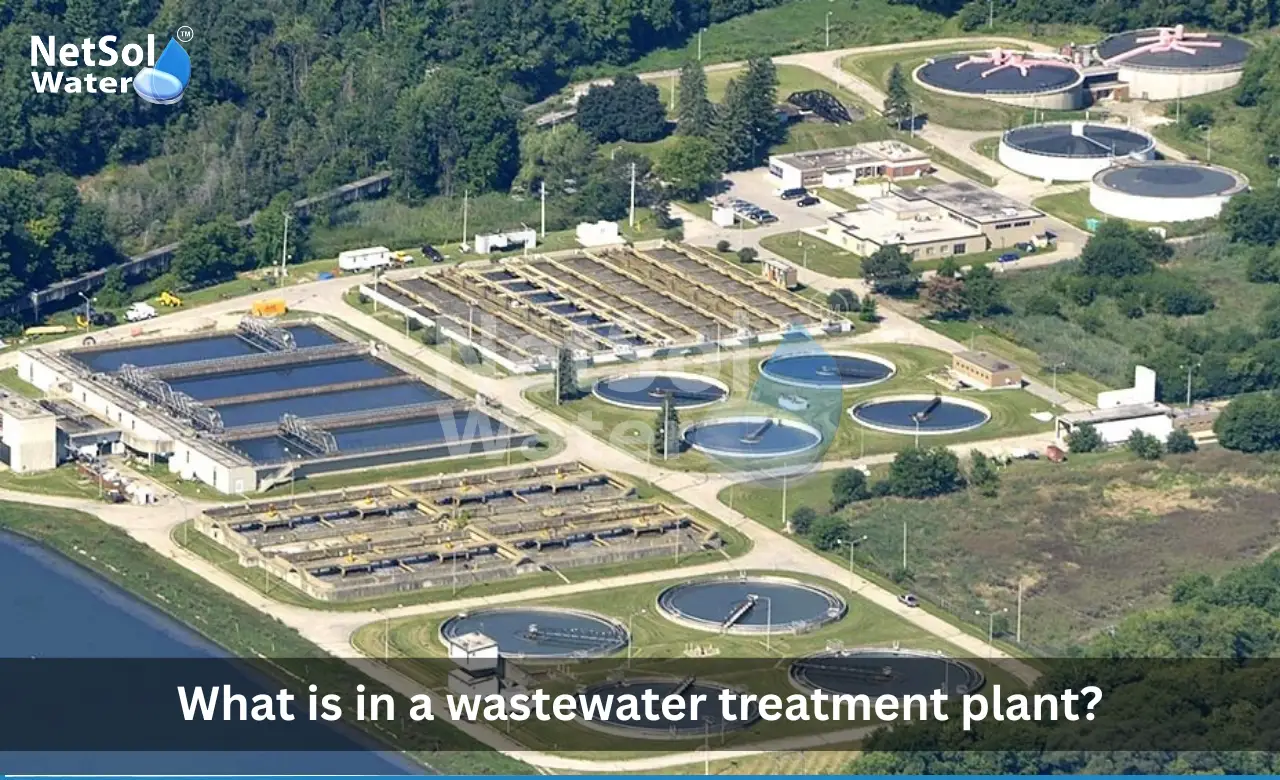
What is in a wastewater treatment plant?
A wastewater treatment plant plays a major role in keeping water safe and usable again. It takes dirty water from homes, offices, and factories and cleans it step by step before it goes back to nature or gets used again in some cases. This process helps protect public health and also helps protect rivers, lakes, and the soil. In many growing cities, the need for proper water care has become even more important because more wastewater enters the system every day.
A wastewater treatment plant is a full system made of many parts that work together in a clear order. Each part removes a different kind of waste from water. Some parts remove large solids. Some remove dirt and grease. Others treat the water with natural or chemical methods. We are the leading name when people look for trusted water treatment solutions and modern plant design. A good plant keeps the process simple, effective, and steady so that treated water meets the needed standard.
What Is the Role of a Wastewater Treatment Plant?
A wastewater treatment plant has one main job. It cleans used water so that it does not harm people or the environment. This step is important because dirty water often carries waste oils, soap, food particles, germs, and harmful chemicals. If this water flows out without treatment, it can spread disease and damage natural water bodies. That is why every part of a wastewater treatment plant has a clear role in the cleaning process.
Let us have a look at the first and most basic part of the system. This stage begins before deep treatment starts. The water enters the plant and moves through a series of checks and filters. When large waste stays out of the later units, the full system runs more smoothly and needs less repair.
Preliminary Treatment
Preliminary treatment is the first line of action in a wastewater treatment plant. It removes large solids that can block pipes and damage pumps. At this stage, screens catch rags, plastic, sticks, and other waste. A grit chamber then removes sand, gravel, and small heavy particles. This may seem like a small step but it protects the whole plant from early damage.
This stage also helps the next units work in a better way. If large waste stays in the water, then the later tanks become less effective. Pumps can wear out faster and cleaning can slow down. By removing this waste at the start, the plant saves time, money, and effort. In simple words, preliminary treatment prepares the water for deeper cleaning. It also keeps the entire plant safe and stable.
How Do Primary and Secondary Treatment Units Work?
After the first stage, the water still has many small particles and harmful materials. That is why the plant moves to the next important units. These units do the main cleaning work. They remove fine solids and break down organic waste. This part matters because it turns dirty water into much cleaner water through natural settling and biological action.
Let us have a look at these two important stages. They work in a linked way. The primary unit removes settled waste. The secondary unit uses helpful microbes to eat the remaining dirt in the water. Together, they bring a major change in water quality. Without these units, the plant would not clean wastewater well enough for safe discharge or reuse.
1. Primary Clarifier
The primary clarifier is a large tank where water slows down. When water moves slowly, heavy solids sink to the bottom. Lighter oil and grease rise to the top. Workers or automatic systems then remove this material. This process lowers the load on the rest of the plant and makes later treatment easier.
This tank is simple in design but very useful in function. It removes a large share of suspended solids before the biological stage begins. That helps the plant save energy and improve results. It also reduces the amount of sludge that later stages must handle. In this way, the primary clarifier acts as a strong support unit in the whole wastewater treatment plant.
2. Aeration Tank
The aeration tank is one of the most active parts of the plant. Here, air mixes with wastewater so that useful bacteria can grow and work. These tiny living organisms feed on the organic waste in the water. As they do this, they help break down harmful matter and make the water cleaner.
This stage needs proper air supply and regular control. If the air level is right, the microbes stay active and the cleaning process stays strong. This part is important because it removes much of the pollution that simple settling cannot take out.
Why Are Sludge Handling and Disinfection Important?
Even after treatment, some waste still remains in solid form. The plant must handle this waste with care. It must also make sure the cleaned water is safe before release or reuse. That is why sludge handling and disinfection are both important parts of the full system. They complete the cleaning cycle and help the plant work in a safe and responsible way.
Let us have a look at these final steps. Sludge handling manages the thick waste that gathers during treatment. Disinfection removes harmful germs from the cleaned water. These steps may come at the end but they are just as important as the early stages. They help keep the environment safe and make the final water much better for use.
1. Sludge Thickening and Drying
Sludge is the thick waste left behind after treatment. It comes from the materials that settle in tanks and from the biomass that grows during biological cleaning. A wastewater treatment plant must collect this sludge and reduce its water content before disposal or reuse.
Thickening units make the sludge denser. Drying beds or mechanical devices then remove more water from it. This reduces its volume and makes handling easier. Proper sludge care also prevents bad smell and lowers the risk of pollution. When the plant handles sludge well, it improves overall safety and helps maintain clean surroundings. This part may seem less visible but it is a key part of the full treatment process.
2. Disinfection Unit
The disinfection unit protects people and nature from harmful germs. Even after other treatment steps, some bacteria or viruses may remain in the water. This final stage uses chlorine, ultraviolet light, or other safe methods to remove or reduce those germs.
This step is very important when the treated water goes back into rivers or may be reused for some tasks. It adds one final layer of safety to the whole wastewater treatment plant. Clean-looking water is not always safe water. Disinfection makes sure the water reaches a better standard before it leaves the plant. That is why this unit closes the process with care and purpose.
What Makes a Wastewater Treatment Plant Work Well?
A plant works well when each part does its job in the right order. The flow must remain smooth and the system must stay under control. Operators must check pumps, tanks, air flow, sludge levels, and water quality on a regular basis. Good design also matters because it helps the plant save energy and handle changing water loads.
A wastewater treatment plant must also fit the needs of the place where it works. A small town and a large industrial site do not produce the same kind of wastewater. That is why planning matters from the start. The right plant supports clean water use and helps protect public health for the long term. Netsol Water is the leading choice for people who want a plant that works with care and strong results.
Read some interesting information for the Commercial RO Plant Manufacturer in Gurgaon
Conclusion
A wastewater treatment plant brings together many parts that work as one system. It removes large waste, settles solids, supports helpful microbes, and cleans the final water with care. Each stage adds value and helps turn dirty water into treated water that is safer for the world around us. This process supports health, protects nature, and helps communities manage water in a better way.
If you want to learn more about a wastewater treatment plant or need help with the right system for your needs, then reach out for expert guidance. Netsol Water can help you understand the process and choose the right solution.
Contact Netsol Water at:
Phone: +91-9650608473
Email: enquiry@netsolwater.com