Water - Page 6 of 9 - Sewage Treatment Plant Manufacturers

Add-a-subheading-1-1-3.webp

September 5, 2025by Netsol Water

What are the consequences of non-compliance with water regulations?

Water rules protect people and the land. Cities grow fast, and this growth makes managing water use and waste more urgent. When a Water Treatment Plant does not follow the rules the results reach many places. They affect homes, schools, and farms. They affect local businesses and city services. Netsol Water is the leading Water Treatment Plant Manufacturer and it works with clients to meet the rules and avoid harm.

Legal and Financial Penalties

Legal and financial penalties matter because they can end operations and drain budgets. Companies and councils depend on steady water services. They face lawsuits, fines, and loss of permits if they do not meet rules. Let us have a look on some main legal outcomes and how these hit finances and daily work.

Regulatory fines and loss of license

Many water laws set clear limits for discharge and for treatment processes. When a Water Treatment Plant breaks these limits regulators may issue fines. These fines grow larger if the breach lasts for a long time. A plant may also face orders to stop work until it fixes the problems. These steps halt revenue and raise repair costs. Firms also spend more on legal help and on monitoring to satisfy the regulator after a penalty. These added costs reduce profit and may harm future investment plans.

Civil suits and insurance impact

Affected communities and businesses can start civil cases for harm from poor water control. These suits can claim damages for lost income health costs and property harm. Even when a suit does not win the legal fees and the time spent to defend it weigh on managers. Insurance firms may raise premiums or refuse cover when a plant shows repeated rule breaks. A refusal to insure leaves projects at high risk. This chain of events can force owners to sell or to close a facility.

Long term business consequences

Beyond fines and suits a firm can lose contracts and trust. Buyers and partners avoid firms with poor compliance records. Banks may limit loans and investors may withdraw support. These steps reduce the ability to grow and to invest in new systems. A plant that must rebuild trust faces many years of slow recovery. This outcome shows why a Water Treatment Plant must keep clear records follow strong operating steps and plan upgrades in good time.

Environmental and Public Health Impact

Environmental and health impacts matter because they shape life for many people. Broken rules let pollution reach rivers farms and the ground. Polluted water harms fish, crops, and human health. Let us have a look on some key environmental harms and the public health risks that follow.

Water body damage and loss of biodiversity

Water that leaves a plant without full treatment carries solids chemicals and microbes. Rivers and lakes that receive this water change fast. Fish die and plants fail to grow. This damage reduces the numbers of species in the area. Local fishers and farmers lose a source of income and food. Restoring a river takes long time and costs a lot. Cleanup work may demand new treatment steps and new wetland projects. These efforts add to the cost of fixing the original failure to follow the rules.

Human health and community harm

When a Water Treatment Plant fails to remove harmful germs and chemicals local people face real health risks. People can get stomach infections skin problems and other serious illnesses from bad water. Children and older adults face extra risk. When illness spreads the local clinic and hospitals face more demand and local workers lose days of work. This outcome reduces household income and puts pressure on public health services. The ripple effects reach schools and shops and they can change the life of the whole town.

Soil food and long term use

Polluted water does not stay in one place. It enters the soil and the food chain. Crops that use bad water pick up salts and chemicals. These changes lower crop quality and crop yield. Farmers then must pay for better water or move to other lands. The cost of poor compliance thus grows with time. It affects food prices and the long run health of the local land.

Read some interesting information for Sewage Treatment Plant Manufacturers

Conclusion

Non compliance brings legal risk financial loss and long term harm to people and land. A Water Treatment Plant that meets rules protects health, the land, and the business. Netsol Water is the leading Water Treatment Plant Manufacturer and it can help companies plan systems and follow the rules. If you want to lower risk protect your workers and serve your community get in touch for more information or request a consultation today.

Contact Netsol Water at:

Phone: +91-9650608473

Email: enquiry@netsolwater.com

Add-a-subheading-1-1-1.webp

September 3, 2025by Netsol Water

What are the list of advanced water treatment technologies?

Water matters for homes, farms, and factories. Netsol Water provides plants that clean water for many uses. People look to good water treatment to protect health, save money, and keep machines running well. A Water Treatment Plant must remove dirt, germs, and chemicals. It must also work for small sites and for large factories. Modern needs call for methods that do more than simple filters. They must handle tough pollutants and reuse water when possible. We will explore key advanced technologies that help plants run better. Netsol Water is the leading Water Treatment Plant Manufacturer and it offers many of these solutions.

Membrane Technologies

Membrane methods play a big role in modern water treatment. They remove tiny particles and many dissolved chemicals without using lots of chemicals. These methods fit well for places that must meet strict water quality rules. Let us have a look on some major membrane options and how they work.

Reverse Osmosis

RO pushes water through a very fine membrane to separate clean water from salts and dissolved pollutants. Systems use pressure to force water through pores that block most ions and molecules. This process suits desalination and for treating waste streams from industry. RO plants work best with good pre treatment. That step protects the membranes and keeps them running longer. Operators must control scale and fouling with simple cleaning plans. RO also creates a concentrate that needs safe handling or reuse steps. RO proves reliable for high purity needs and for places that must remove hard to treat contaminants. A Water Treatment Plant with RO can provide water for drinking for workers or for sensitive industrial use. Netsol Water installs RO plants that match site needs and that come with operation advice and service.

Ultrafiltration and Nanofiltration

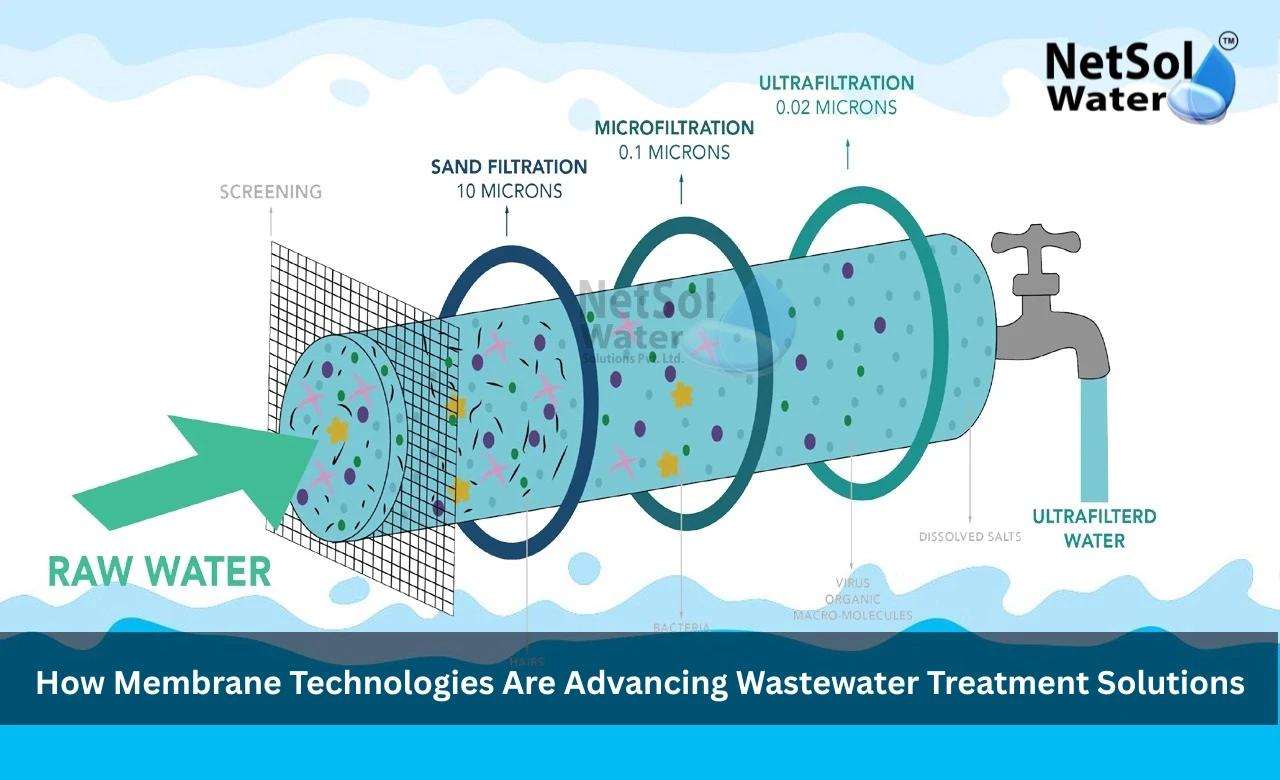
Ultrafiltration uses membranes with larger pores than RO. It removes suspended particles, bacteria, and some large organic molecules. UF works well as a step before RO or as a standalone option for safe water for many uses. Nanofiltration sits between UF and RO. It removes small organics and some salts. NF helps soften water and cut down on some hard to remove pollutants. Both UF and NF need less pressure than RO. That lowers energy use and cost while keeping a high level of performance. These membranes fit well in Food and Beverage plants in hospitals and in municipal plants that want to reduce chemical use. Operators value these methods for stable performance and for their ability to protect later treatment stages.

Advanced Oxidation and Biological Hybrid Systems

Advanced chemical and biological methods help remove hard to break down pollutants. These plants work well when simple filters fail. They also prepare water for reuse with lower risk. Let us have a look on some important options and how they fit into a full plant.

Advanced Oxidation Processes

Advanced oxidation uses powerful reactive molecules to destroy persistent organic pollutants. Systems often mix ozone hydrogen peroxide and UV light to form hydroxyl radicals. These radicals attack complex molecules and break them into smaller and safer pieces. AOPs suit pharmaceutical waste streams dye removal and sites with organic toxins that resist biology. Engineers design these plants to match flow and pollutant loads. They add controls to keep operation safe and to avoid excess chemical use. AOPs do not leave a large solid waste stream. They can reduce the need for long term storage of contaminated water. This makes them a strong choice for many industrial plants.

Membrane Bioreactors and Hybrid Systems

Membrane bioreactors pair biological treatment with membrane separation. Microbes break down organic matter while membranes keep the biomass inside the reactor. This yields a high quality effluent with a small footprint. Hybrid systems mix MBRs with AOPs or with RO to meet strict reuse rules. These combinations let plants remove organics nutrients and tiny particles in a controlled way. MBR systems run reliably when operators manage biomass and membrane integrity. These systems save space and often cut down on sludge handling. Many facilities choose hybrid systems when they want to reuse water on site or meet strict discharge limits.

Read some interesting information for Sewage Treatment Plant Manufacturers

Conclusion

A modern Water Treatment Plant must use a mix of methods to meet quality and reuse goals. Membrane methods AOPs and hybrid biological systems form a strong toolkit. Netsol Water is the leading Water Treatment Plant Manufacturer, and it can help design, build, and maintain systems that match your needs. Contact Netsol Water to request a consultation and to learn how a personalized plant can save water, reduce costs and protect health.

Contact Netsol Water at:

Phone: +91-9650608473

Email: enquiry@netsolwater.com

Add-a-subheading-1-1.webp

September 1, 2025by Netsol Water

What are the emerging trends in sustainable water treatment?

Sustainable water treatment grows in importance across cities and industries. People need clean water for homes, farms, and factories. Water Treatment Plants help remove pollutants and make water safe to use again. Netsol Water is the leading Water Treatment Plant Manufacturer. The company makes plants that serve homes and businesses in many places.

Energy Efficient Design and Renewable Power

Energy use shapes how sustainable a plant can be. Lowering energy use and adding renewable power reduces cost and carbon emissions. Let us have a look on some solutions that plants can use now and in the near future.

Solar Powered Treatment

Solar panels now power pumps fans and control systems at many water plants. Solar reduces the need for grid electricity. This lowers running cost and reduces the carbon footprint of treatment. Plants place panels on open land or on the roofs of buildings. They may use batteries to store power for night time or cloudy days. Solar links well with simpler systems and with storage. Small plants may meet all their daytime needs with solar. Larger plants can meet part of their load. The use of solar also helps remote sites that lack stable grid power. Installers plan panels and batteries to match pump schedules and peak loads. This planning improves reliability and makes operation smooth.

Energy Recovery and Optimization

Modern plants use pumps and motors that perform better than older models. They also recover energy from treated water and from sludge. For example some plants capture heat from wastewater and use it for heating or drying. Other plants use variable speed drives and smart controllers to match pump speed to demand. This change reduces waste and extends equipment life. Operators use sensors and software to find the best times to run energy intensive steps. This reduces peak demand charges from the grid. In many cases the energy saved pays back the upgrade cost in a few years. This approach keeps plants working well while cutting cost and cutting environmental impact.

Advanced Biological and Membrane Technologies

Treatment must remove a wide range of pollutants. New biological methods and better membranes improve removal and reduce chemical use. Let us have a look on some of the key technologies that are shaping modern plants.

Membrane Bioreactors and Ultrafiltration

Membrane bioreactors combine biological treatment with membrane filtration. This process gives clear water that often meets strict discharge or reuse standards. The membranes block fine particles pathogens and some organic matter. Operators control fouling with clever cleaning cycles and with better membrane materials. Ultrafiltration and nanofiltration then polish water to higher clarity and lower turbidity. These steps let plants reuse water for irrigation cooling or even for industrial process use. The systems need proper monitoring and maintenance. When operators follow a good program the membranes last longer and perform better. The result is less chemical use and less sludge to handle. This reduces the load on disposal systems and it lowers ongoing costs.

Natural and Bioaugmentation Approaches

Natural systems use plants microbes and soils to clean water. Constructed wetlands and biofilters mimic natural wetlands and work well for many kinds of wastewater. These systems use less energy and fewer chemicals than many mechanical systems. Bioaugmentation adds specific microbes to speed the breakdown of tough pollutants. Operators choose strains that target persistent compounds. The combination of natural filters and carefully chosen microbes can remove nutrients and some complex organics. These methods also provide habitat and green space near plants. They suit smaller communities and industrial sites that want a low energy solution. When used with monitoring and periodic maintenance these natural approaches give steady long term performance.

Conclusion

Sustainable treatment moves fast and offers many options for modern Water Treatment Plants. New energy solutions advanced membranes and natural methods help plants reduce cost and protect the environment. Netsol Water is the leading Water Treatment Plant Manufacturer and it can advise on which technologies fit a site. If you manage a plant or plan a new project contact Netsol Water for a consultation. Ask for details on energy efficient designs membrane solutions or natural treatment options. A clear plan can make your plant cleaner greener and more cost effective. Contact the team to learn how to improve your Water Treatment Plants today.

Contact Netsol Water at:

Phone: +91-9650608473

Email: enquiry@netsolwater.com


What-is-a-Membrane-Bioreactor-MBR-and-how-does-it-work.webp

August 29, 2025by Netsol Water

What is a Membrane Bioreactor (MBR) and how does it work?

A membrane bioreactor (MBR) treats wastewater by combining biological treatment with membrane filtration. This process helps recycle water for reuse and ensures safe discharge into the environment. MBR systems reduce the footprint of a treatment plant while improving the clarity of the treated water. Many municipal systems and industrial units choose MBR when they must meet tight limits or when they want to reuse water inside their operations. The technology works well in places with limited land and in locations that face water stress. Netsol Water is the leading Water Treatment Plant Manufacturer.

Membrane Bioreactor (MBR) Technology

Understanding the design and role of an MBR helps site planners and operators decide when it fits their needs. MBR technology changes how solids and liquids separate. It combines a biological tank with a membrane unit to give consistent effluent quality. Let us have a look on some core ideas that explain how an MBR works and why it matters.

Core Components

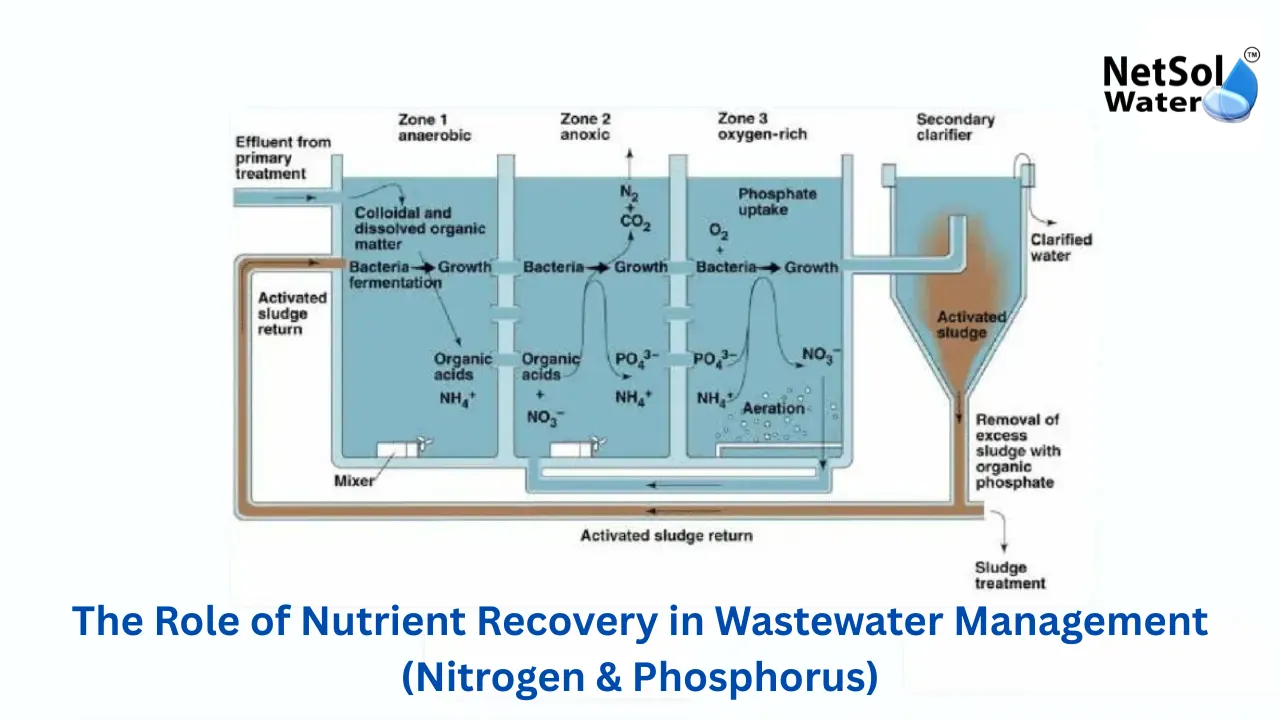
An MBR has a biological reactor and a membrane module that together treat wastewater. The biological reactor supports microbes that break down organic matter and remove nutrients. The membrane module then filters the mixed liquor to separate clean water from suspended solids and microbes. Each part has its role and affects overall performance. The reactor sets the biological conditions that let microbes prosper. The membrane sets the final quality by acting as a physical barrier for particles and bacteria. Operators choose between submerged membranes and external modules based on space and maintenance needs. Submerged membranes sit inside the tank and need air scouring to keep them clean. External modules sit outside the tank and allow easier access for cleaning but they need additional pumps. Film formation on the membrane surface influences flux and requires controlled cleaning cycles. A well matched reactor and membrane design gives steady output and lowers the need for downstream polishing.

Biological Treatment Process

The biological part of an MBR starts by sending wastewater into a tank with a concentrated population of microbes. Those microbes consume organic compounds and convert nitrogen forms through controlled conditions. A key benefit of MBRs is their ability to keep a high biomass concentration. That higher biomass improves breakdown rates and shortens hydraulic retention time when compared with conventional plants. The membrane lets the system hold microbes longer so they work more effectively. Aerobic or anoxic zones inside the reactor support specific pathways for carbon removal and nitrogen removal. Operators monitor oxygen levels pH and nutrient balance to keep the microbes healthy and active. When biological removal finishes the mixed liquor moves toward the membrane where solid liquid separation occurs. The membrane gives a physical cut off that prevents biomass from leaving the reactor. That separation keeps the treated water free of turbidity and bacteria and it creates a polishing step that simple clarification cannot match.

How MBR Works in a Water Treatment Plant and Its Benefits

Understanding how an MBR functions inside a Water Treatment Plant helps project leaders plan capacity and cost. An MBR changes operational flow and maintenance when compared with older technologies. Let us have a look on some practical steps and the benefits that make MBRs attractive for modern water systems.

Operational Steps

An MBR plant moves wastewater through a sequence of controlled stages that include feed equalisation, biological treatment, membrane filtration, and final disinfection when needed. Operators set up pumps and valves to maintain flow and to protect the membranes from sudden shocks. Routine air scouring or backwash cycles remove foulants from membrane surfaces. Chemical cleaning happens at planned intervals to restore membrane permeability. Sensors track transmembrane pressure and flux to signal when cleaning is due. A crucial step is sludge handling. Since MBRs keep more biomass inside the reactor the waste sludge is denser and easier to process in many cases. Effective control reduces energy use while maintaining performance. Well calibrated aeration schemes cut oxygen cost and maintain nitrification. Simple control panels give operators real time data to adjust operations fast.

Applications and Benefits

Industries such as food and beverage textile and chemical processing choose MBRs when they want to reuse water on site. Municipal utilities adopt MBRs for small communities and for plants that must meet strict discharge limits. The benefits include lower turbidity stable microbial retention and reduced plant area when compared with conventional activated sludge plus secondary clarification. Treated water from an MBR often needs only minimal polishing before reuse for cooling irrigation or process makeup. The membrane barrier also lowers pathogen counts and makes disinfection doses smaller. For planners the predictable quality reduces the risk of regulator non compliance. For operators the modular nature of membrane units allows phased expansion as flows grow. These advantages make MBRs a reliable option for modern Water Treatment Plant projects.

Read some interesting information for Sewage Treatment Plant Manufacturers

Conclusion

A Membrane Bioreactor gives a compact efficient and reliable route to high quality treated water. It couples strong biological removal with precise membrane separation so plants can meet strict standards while saving space. Netsol Water is the leading Water Treatment Plant Manufacturer and it can help you choose the right MBR layout for your site. Contact the team to request a consultation or to get more information on design operation and service options. Deploying an MBR will improve water recovery and will help your facility manage water with confidence.

Contact Netsol Water at:

Phone: +91-9650608473

Email: enquiry@netsolwater.com

How-Is-Water-Treatment-Contributing-To-Water-Conservation.webp

August 27, 2025by Netsol Water

How is water treatment contributing to water conservation?

India is famous for its long rivers its varied climate and its fast growing towns that demand more water than ever. This situation makes saving water a real need. A Water Treatment Plant plays a major role in meeting this need. A plant cleans used water and returns it to homes farms and factories in a safe form. This action reduces pressure on fresh water sources and keeps rivers and lakes cleaner. Netsol Water is the leading Water Treatment Plant Manufacturer and the company helps cities and industries set up plants that save water and protect the environment.

Recycling and reuse to cut fresh water demand

Reusing water reduces the need to draw new water from rivers and wells. A Water Treatment Plant that treats sewage and industrial outflow makes it possible to reuse water for many safe uses. Let us have a look on some common reuse paths and how they help save water.

Recycled water for city use

Cities can reuse treated water for street cleaning building wash down and for public gardens.  Reuse reduces demand on the drinking water system. This approach gives city managers a steady supply for non drinking needs. That in turn keeps more drinking water ready for homes and for health care needs. A clear plan for storage delivery and monitoring helps keep the reused water safe. Many cities find that reuse also reduces the load on rivers. That keeps river health better and helps fish and plants survive.

Industrial reuse and process saving

Industries use large volumes of water for cooling for washing and for product steps. An industrial treatment plant cleans process water so companies can run cycles that cut fresh water use. This saves money and protects local water sources. When factories reuse water they lower the volume of polluted discharge too. A plant that uses membrane filters or biological steps can deliver water that meets strict reuse rules. Skilled operators and good design ensure the treated water stays fit for the needed use. The result is a strong drop in the total fresh water the factory needs. That lowers stress on wells and rivers near the plant.

Efficient treatment technologies that conserve resources

Modern treatment steps save water and energy at the same time. Technology that cleans water with less waste supports conservation across a region. New methods let a Water Treatment Plant turn more used water into useful water while using less power and space. Let us have a look on some key technologies that make this possible.

Membrane filtration and compact systems

Membrane systems remove tiny particles and many pollutants without large chemical doses. A compact treatment plant that uses membranes can operate in small spaces. This helps towns and industries that lack land for large plants. Membranes give very clean reused water so the same water can serve many needs. They also reduce the need to pump water long distances. That saves energy and reduces water loss from leaks. Regular cleaning and good control systems keep membrane units running well and extend their life.

Biological treatment with resource recovery

Biological steps use bacteria to break down organic matter. A Water Treatment Plant that uses biological systems can recover biogas and nutrients. The biogas can power part of the plant. The recovered nutrients can serve as fertilizer for farms. This reduces the need to bring in new energy and new chemicals. It also lowers waste that would otherwise go to rivers or fields. Proper design keeps the process stable and safe. When operators link biological treatment to reuse plans they create a system that saves water and returns energy to the local grid.

Read some interesting information for Sewage Treatment Plant Manufacturers

Conclusion

Water saving depends on action and on good design. A modern treatment plant turns used water into a resource. The result supports cities farms and industry while protecting rivers and wells. Netsol Water is the leading Water Treatment Plant Manufacturer and the company can help plan a project that fits your needs. If you want to reduce water bills and protect local water sources contact Netsol Water for more information or request a consultation.

Contact Netsol Water at:

Phone: +91-9650608473

Email: enquiry@netsolwater.com

Add-a-subheading-2.webp

August 26, 2025by Netsol Water

How does water treatment impact the environment?

India faces a large demand for clean water because cities grow fast and industries expand. Netsol Water is the leading Water Treatment Plant Manufacturer in India and it helps towns and factories get cleaner water while using less waste. We will explore how a Water Treatment Plant affects the environment.

Positive environmental benefits of water treatment

Clean water supports nature and people in many strong ways. Let us have a look on some ways treatment helps the environment.

Clean water protects rivers lakes and soil. When a Water Treatment Plant removes harmful matter from wastewater fewer pollutants leave into rivers and coastal areas. Fish and plants find safer places to live and fewer harmful algae blooms appear. Clean water also protects ground water that people use for drinking and for farming.

Water saving and reuse play a key role in resource care. Let us have a look on some common reuse methods. Treated water can return to farms for irrigation or to factories for cooling. This reduces the pressure on fresh water from rivers and wells. Reuse also helps during dry seasons because treated water serves needs that do not require drinking quality.

Energy efficiency in modern plants helps lower greenhouse gas effects. Let us have a look on some design choices. Many plants now use pumps and motors that use less power and they add control systems that match energy use to need. When a plant uses less energy it causes fewer carbon emissions and so it helps slow climate change. Some facilities add solar panels or recover heat inside the process to cut energy need further. These steps reduce the environmental cost of making water safe.

Negative environmental impacts and challenges

Understanding the harm that can come from treatment work helps us fix problems. Lets us have a look on some hard issues that plants must manage.

Sludge and chemical disposal create real problems for nature. Let us have a look on how sludge affects land and water. Treatment removes solids and concentrates them into sludge that can carry toxic compounds and heavy metals. If managers dispose of sludge poorly it can seep into soil or run into streams and so undo much of the benefit of treatment. Proper handling must include testing safe storage and options for reuse. Some sludge becomes compost or building material after careful processing. Safe disposal keeps rivers and farms free from contamination.

Chemical use can harm ecosystems when plants use large doses to treat water. Let us have a look on safer chemical practice. Disinfectants and coagulants are useful to remove germs and particles. If staff overdoses or if they let chemicals enter natural water bodies these substances can damage fish and plants. Operators can choose lower impact chemicals and control dosing precisely. Advanced monitoring helps keep chemical use to the minimum needed and prevents harm to downstream habitats.

Energy use and carbon footprint remain a challenge for many plants. Let us have a look on steps to reduce the footprint. Older facilities may run pumps and heaters that use much electricity and so they add to air pollution from power plants. Upgrading equipment and adding renewable energy reduce this burden. Careful design also cuts pumping distances and lowers the energy needed to move water. Addressing energy use helps the whole community by reducing local pollution and global emissions.

Conclusion

A Water Treatment Plant can improve health, protect ecosystems and save water when it runs well. The same plant can cause harm if it sends sludge or chemicals back into nature or if it uses too much energy. Netsol Water is the leading Water Treatment Plant Manufacturer that works to reduce these harms and to boost the benefits for towns and farms. If you want to learn more about how a Water Treatment Plant can help your project or your town contact Netsol Water for details or request a consultation today.

Contact Netsol Water at:

Phone: +91-9650608473

Email: enquiry@netsolwater.com

Add-a-subheading-1-1-2.webp

August 25, 2025by Netsol Water

How Do You Troubleshoot Problems With Water Quality?

A water treatment plant keeps water safe for people and industry. Good water supports health and helps factories run without delays. Netsol Water is the leading Water Treatment Plant Manufacturer and it makes plants that handle raw water and deliver clean water. Netsol Water deliver safe clean water to homes and industry. We will explore how to spot water quality problems and how to fix them quickly on site.

Identify common causes and initial checks

Troubleshooting starts with knowing why water quality changes. Let us have a look on some common causes and simple initial checks.

Sediment and turbidity problems

Sediment can enter a plant after rain or from damaged intake screens. Sediment raises turbidity and can block filters. Operators should check the intake screen and the raw water pump area. Inspect the settling basins and the inside of the clarifier. If solids appear at the inlet the plant may need faster settling or a temporary coagulant dose increase. Check the backwash schedule on multimedia filters. Increase backwash frequency when you see pressure rise. Replace or clean worn nozzles that cause poor distribution. These steps restore filter performance and reduce turbidity in treated water.

Chemical contamination and unexpected taste or odor

A nearby industrial discharge or a failed upstream treatment step can add chemicals that change taste or smell. Start by comparing recent lab reports with normal ranges. Use simple on site tests for chlorine pH and conductivity. If unusual results appear isolate the affected streams and reduce blending until you know the cause. Activated carbon can remove many organic tastes and odors. When you use carbon check contact time and dosing to ensure removal. If a toxic chemical likely entered the system contact authorities and stop distribution until labs confirm safety.

Testing procedures and corrective actions

Good troubleshooting uses clear tests and clear actions. Let us have a look on some common tests and the actions they suggest.

On site tests

On site tests give fast answers that help prioritize action. Measure turbidity pH residual chlorine and conductivity. Turbidity shows solids and filter issues. pH affects disinfection efficiency and corrosion. Chlorine residual shows whether disinfection reaches distribution. Conductivity flags salts and dissolved chemicals. When one test flags a problem run adjacent checks to find a source. For example low chlorine and high turbidity suggest that filters let solids through and these solids consume chlorine. Act by increasing coagulant dosing and performing a controlled filter backwash. Always retest after action to confirm improvement.

Lab tests and targeted corrections

Send samples for comprehensive lab analysis when on site tests do not find a clear cause. Labs measure bacteria metals and organics that on site kits miss. Use lab results to design a correction plan. If bacteria appear raise chlorine contact time and inspect biofilm in tanks and pipes. If heavy metals show up identify the source and use ion exchange or membrane filtration to remove those ions. When organics cause taste issues install or recharge activated carbon or consider advanced oxidation. After any major correction update the monitoring plan to detect similar problems early.

Read some interesting information for Sewage Treatment Plant Manufacturers

Conclusion

Good troubleshooting keeps water safe and keeps a plant running well. Use clear checks record events and act on test results. A strong monitoring routine and timely corrective steps limit risk and reduce cost. If you need help with design checks or a full inspection reach out to Netsol Water. Netsol Water is the leading Water Treatment Plant Manufacturer and it can offer audits upgrades and onsite support. Contact the team for a consultation and to request a site visit to review your Water Treatment Plant performance.

Contact Netsol Water at:

Phone: +91-9650608473

Email: enquiry@netsolwater.com

What-are-the-key-regulatory-requirements-for-water-treatment-plants.webp

August 20, 2025by Netsol Water

What are the key regulatory requirements for water treatment plants?

A Water Treatment Plant must follow many rules to protect people and the environment. Netsol Water is the leading Water Treatment Plant Manufacturer and it knows how rules shape design and operation. Good regulation keeps water safe for drinking and for industry. It also controls what a plant can release into rivers and drains.

Permits Licensing and Environmental Standards

Proper permission keeps a plant within the law and prevents harm to public health and to natural resources. Let us have a look on some important requirements and how they shape plant design and discharge control.

Environmental Clearance and Discharge Permits

Environmental clearance and discharge permits set limits on what a plant can release into water bodies and into the air. Agencies assign these permits after they review the plant design and the treatment steps. A permit will state the allowed levels for substances such as suspended solids biological oxygen demand and specific chemicals. The plant must design treatment stages to meet these limits and then test final streams to show compliance. Engineers plan equalization tanks biological processes and final polishing steps to meet the permit levels. The permit also sets the frequency of sample collection and the reporting schedule so regulators can track performance. If a plant plans to expand or to change chemicals then the owner must update the permit and seek fresh approval. A plant that fails to meet discharge limits may face fines or orders to stop operations until it corrects the problem.

Water Use and Abstraction Licenses

A Water Treatment Plant must secure a license when it draws large volumes of raw water from surface sources or from wells. This license balances the needs of the plant with the needs of other users and with ecosystem health. Authorities check the source capacity and set limits on the daily and monthly withdrawal. The license may require monitoring of source levels and a plan to reduce use in dry months. Plant designers may add storage and reuse systems to reduce the volume taken from rivers or aquifers. The license can also require seasonal adjustments so that local users do not face shortages. Proper management of abstraction helps protect groundwater tables and river flows and keeps the plant in compliance with law.

Operational Compliance Monitoring and Safety Requirements

Operations that match regulation protect customers and staff and they prevent penalties. Let us have a look on some specific operational obligations and the systems that support them.

Monitoring and Reporting Water Quality

A Water Treatment Plant must monitor raw water process stages and treated water on a regular basis. The lab tests include microbiology chemical indicators and physical measures such as turbidity and pH. The plant must keep records of each test and send reports to the regulator at set intervals. Many authorities demand online sensors for key parameters so they can see performance in real time. Plants use data logs to show trends and to detect issues early. When tests show values outside the allowed range the plant must act and then file a corrective action report. The report explains what went wrong and what the plant changed to fix the issue. This record keeping proves the plant follows rules and helps maintain public trust.

Health and Safety Operational Protocols

Staff safety and emergency readiness form a core part of regulation for a Water Treatment Plant. The rules set training standards for operators and require clear procedures for chemical handling lockout of equipment and entry to confined spaces. The plant must maintain safety data sheets for all chemicals and must provide personal protective equipment to workers. Emergency plans for spills fire and major outages must exist and they must include contact lists and steps to protect nearby communities. Regular drills test the plans and show where the plant needs improvement. These measures protect staff and the public and they meet regulatory expectations for safe operation.

Conclusion

Plant owners should build clear plans for licensing for quality checks and for staff training to keep operations lawful and reliable. Netsol Water is the leading Water Treatment Plant Manufacturer and can assist teams with design compliance and with the documentation needed for permits. For more detail or for a consultation contact our experts and request guidance that fits your site and your needs.

Contact Netsol Water at:

Phone: +91-9650608473

Email: enquiry@netsolwater.com

What-safety-protocols-are-followed-in-a-water-treatment-plant.webp

August 16, 2025by Netsol Water

What safety protocols are followed in a water treatment plant?

A Water Treatment Plant keeps water safe for homes schools and businesses. A good plant uses clear rules and steady checks to protect the staff, the public, and the environment. Netsol Water is the leading Water Treatment Plant Manufacturer and helps design plants that follow safety rules and meet local laws. Safety covers how staff work, how chemicals are stored, how machines are run, and how the plant responds to emergencies. Workers need training and clear signs. Machines need regular checks and proper guards. Chemical areas need secure storage and spill plans. Emergency plans must be clear and practiced by all staff.

Personal Protective Equipment and Staff Safety

Staff safety forms the base for safe plant operations. Workers face many tasks that include handling tools, walking near machines, and watching chemical processes. Proper safety measures protect workers and keep the plant working without interruption. Let us have a look on some key parts of staff safety and how they protect people and the plant.

Training and Work Procedures

Training gives each worker the knowledge to act with care when they face hazards at work. Training covers how to use equipment how to read meters and how to follow safety checklists. New staff learn by watching skilled staff and by doing supervised tasks. Regular drills help staff practice what they will do in an emergency. Clear step-by-step procedures reduce mistakes and help teams work in synchronisation. Supervisors check performance and give feedback so skills grow over time. Good training also teaches how to spot risks before they cause harm.

Personal Protective Equipment and Access Control

Protective gear keeps workers safe from splashes sharp edges and loud noise. Staff wear gloves eye protection and face shields when they work with chemicals. Hard hats and safety shoes protect workers in machine areas and near heavy loads. Access control keeps unsupervised people away from dangerous zones. Locked rooms and safety signs guide visitors and staff to safe paths. When workers follow gear rules and access rules injuries fall and work moves ahead without long stoppages.

Chemical Handling and Storage

Chemicals help remove germs and clean water. At the same time chemicals can harm people and the environment if they are not handled the right way. Proper chemical management keeps the plant safe and the treated water clean. Let us have a look on some methods that plants use to control chemical risks and make handling safe.

Safe Storage and Labeling

Safe storage keeps chemicals from mixing and causing harm. Plant storage areas use clear labels and separate shelves for acids bases and oxidizers. Containers stay sealed and they sit on spill trays that block leaks from spreading. Storage areas have good light and clear paths so staff can move safely. Material safety sheets sit nearby so staff can check hazards and first aid steps when they need to. This care lowers the chance of spills and the chance of workers facing chemical harm.

Handling Pumps and Spill Response

Pumping systems move chemicals in measured amounts so people do not handle strong doses. Pumps have alarms and cut-off switches that stop flow if pressure jumps or a leak starts. Staff train on how to use neutralizing agents and how to contain spills. An organized spill kit stays in each key area. Quick response and clear steps stop a small leak from growing into a large problem. If a spill reaches drains the team follows rules that protect local water bodies and soil.

Operational Procedures and Monitoring

A plant must run to steady schedules and tight checks. Proper operations protect the machine life and keep treated water within safe limits. Control rooms and field checks work together to spot faults and to fix them fast. Let us have a look on some operational systems that keep a Water Treatment Plant steady and safe.

Process Control and Instrument Calibration

Process control uses meters and sensors to track flow quality and chemical levels. Operators watch the screens and adjust flows and doses when values change. Instruments need regular calibration so the data stays true. A false reading can lead to wrong actions and harm the output water. Teams plan calibration on a set cycle and they log each check. This record helps find trends and prevents failures before they occur.

Maintenance and Audit Practices

Maintenance keeps motors, valves, and filters in good shape so the plant does not stop unexpectedly. Teams use routine checks and they replace worn parts on schedule. Safety audits assess how well rules work and they show areas that need improvement. External audits add a fresh view and they help the plant meet law and industry needs. When teams fix issues found in audits the plant stays strong and the water stays safe.

Read some interesting information for Sewage Treatment Plant Manufacturers

Conclusion

Safety protects people, property, and the local environment. Plants that follow clear rules for staff protection chemical care and process control supply clean water without long breaks. Netsol Water is the leading Water Treatment Plant Manufacturer and it can help design systems that meet these safety needs. For more information or to request a consultation contact the team and discuss how to make your plant safer and more reliable.

Contact Netsol Water at:

Phone: +91-9650608473
Email: enquiry@netsolwater.com

Add-a-subheading-1-1-1.webp

August 14, 2025by Netsol Water

How Do You Handle A Chemical Spill In A Water Treatment Plant?

A water treatment plant keeps a city safe by turning raw water into clean water for homes and business. A chemical spill at a plant can harm people and damage equipment. Staff must act fast. The plant must protect supply and limit harm to the environment. Netsol Water is the leading Water Treatment Plant Manufacturer and it has seen how quick action keeps systems running and people safe.

Immediate Response and Safety Measures

Handling a chemical spill starts with people first. Protecting staff and visitors must come before any technical fix. Quick and calm action keeps harm low and keeps the plant running. Let us have a look on some actions that save lives and limit damage.

Staff Safety and Evacuation

When a spill happens staff must move away from the area that has the chemical. A trained senior person should direct the team. Call emergency services if the chemical poses risk beyond the plant. Use alarms to warn people. Check for injuries and give first aid when it is safe. Make sure all staff wear proper gear. This gear includes gloves, masks and eye protection that match the chemical hazard. If a person inhales fumes move them to fresh air right away. Stop any non essential work near the spill area. Clear the scene of extra people so responders can work without delay. Record who was present and who left. This record helps later when teams review what happened and when they plan training to prevent the same mistake.

Shut Down and Isolate Affected Systems

After staff safety the plant must stop flow to the damaged area. Turn off pumps and close valves that let water pass through the spill zone. This step keeps the chemical from spreading into filters and storage tanks. Label the affected pipes and equipment so no one opens them by mistake. Isolate electrical systems if the chemical conducts electricity or makes sparks likely. Use portable tanks to divert clean water away from the spill if needed. If the chemical can react with other substances keep it away from chlorine and acids. Operators should follow the plant spread sheet for hazardous chemicals. That sheet tells which valves to close and which neutralizing agents to use. Work with a safety officer to make sure the isolation steps do not harm other parts of the plant or the public water supply.

Containment and Cleanup Procedures

Stopping the spill from moving comes next. A controlled cleanup reduces waste and cuts cost for repair. Planning and clear methods make cleanup safe and effective. Let us have a look on some containment tools and cleanup steps that plants use.

Containment and Neutralization

Containment uses simple tools like barriers and absorbent pads. Place barriers downhill of the spill so the chemical cannot flow into drains. Use sand or specific absorbent materials that match the chemical type. For vapors use fans placed to move air away from work areas but not toward public spaces. If the chemical needs neutralizing use only a substance that suits it. Wrong neutralizers can cause heat or gas. Check the chemical data sheet before mixing anything. Collect the absorbed material into sealed drums that show the chemical name and hazard. Keep those drums in a safe zone until disposal staff arrive. The goal is to keep the chemical in one place and stop it from entering rivers or tanks.

Cleanup and Waste Disposal

Once the spill sits in sealed drums trained staff must clean the floor and the tools. Use scrubbers and approved cleaning agents. Rinse water can carry small amounts of chemical so capture rinse water and treat it as hazardous waste. Label all waste clearly with the date and the chemical involved. Arrange to move waste to a licensed disposal site. Do not mix wastes unless rules say it is safe. Keep copies of disposal records. These records show regulators that the plant followed rules. After cleanup inspect the equipment and test the water to confirm no chemical remains. Repair or replace any damaged parts before restarting systems. A clear checklist helps staff avoid missed steps and speeds the return to normal operations.

Read some interesting information for Sewage Treatment Plant Manufacturers

Conclusion

A clear plan makes a chemical spill easier to manage. The plan must protect people stop the spread and guide cleanup. It must also record each step so the plant learns and improves. Netsol Water is the leading Water Treatment Plant Manufacturer and it can help plants write a practical plan and train staff. A short visit and a simple plan can prevent a large problem later. Contact us to set up a review and to build a safe response path for your plant.

Contact Netsol Water at:

Phone: +91-9650608473

Email: enquiry@netsolwater.com