Water - Page 5 of 9 - Sewage Treatment Plant Manufacturers

Add-a-subheading-1-2.webp

October 2, 2025by Netsol Water

Wastewater Management for RO Plants: Sustainable Solutions

Netsol Water is the leading RO Water Plant Manufacturer, and it works across India to reduce water loss and protect local rivers. This company designs plants that cut waste and recover useful water. We will explore why wastewater from RO plants matters and how firms and sites can handle it in a safe and clean way. RO plants remove salts and contaminants from water and leave behind a concentrated stream that can harm soil and rivers. Many cities face tight water supplies and strict rules for discharge. Netsol Water make plants that aim to meet those rules and save water for reuse. Good wastewater management helps businesses lower cost and helps communities keep water healthy.

Common Wastewater Challenges in RO Plants

Let us have a look on some key issues and how they affect operations and the nearby land and water.

High concentrate disposal

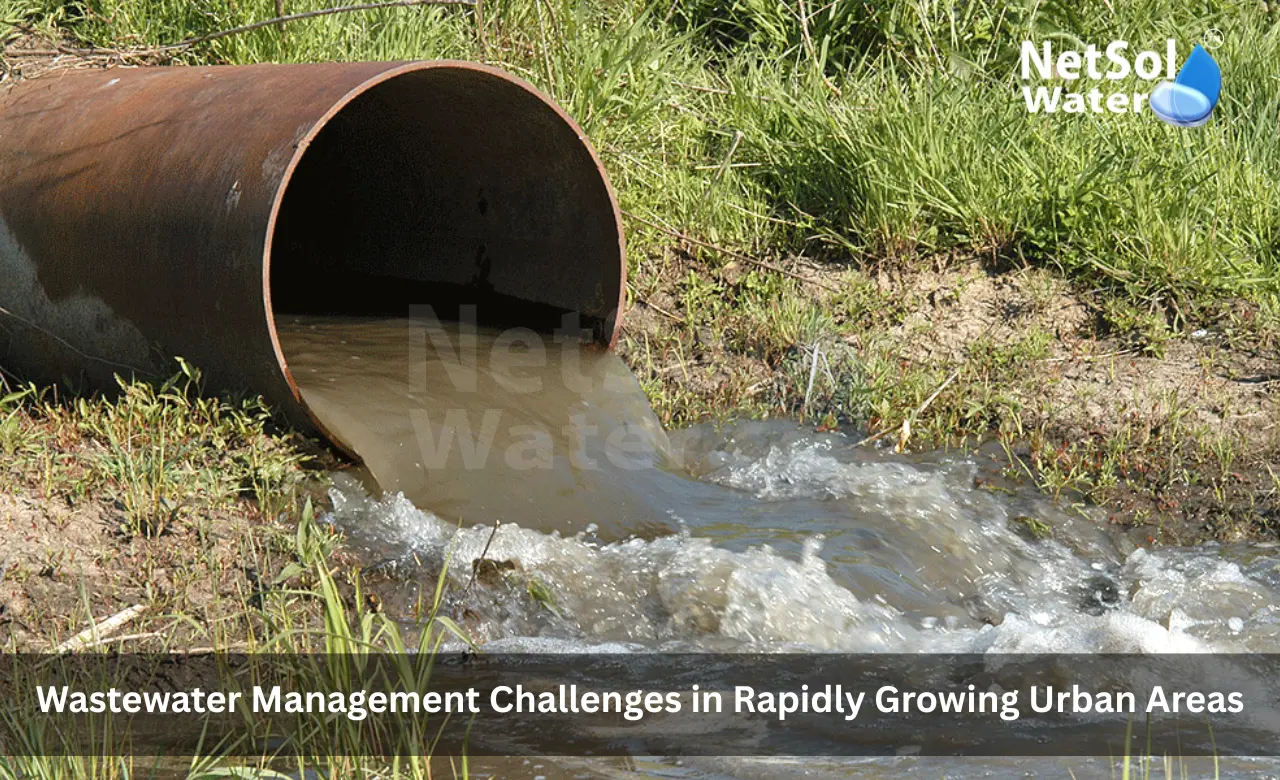
High concentrate comes out of RO plants as a salty stream that carries many dissolved solids. Many plants place this stream in drains or open land, which harms soil and plants over time. Farmers and local residents may see less crop yield and more soil damage. Disposal into rivers can raise salinity and harm fish and plants. Operators must follow rules that limit what they can release. Netsol Water, as an RO Water Plant Manufacturer, works with clients to reduce concentrated waste and to find safer paths for final disposal. Plant teams must measure salinity and follow clear steps to treat the concentrate. These steps include further filtration and controlled discharge or recovery techniques. When teams handle the concentration well, they protect groundwater and cut the risk of fines from regulators.

Chemical waste and brine management

RO plants use chemicals to clean membranes and to control scale. Those chemicals add to the waste that leaves the plant. If teams mix chemical waste with raw drains without treatment they can make water unsafe for reuse or for waterways. Brine and cleaning waste can also affect the life of membranes and pumps. Operators must plan regular maintenance and safe chemical handling. Netsol Water helps clients choose cleaning agents that break down faster and that cause less harm in the waste stream. Teams can collect used chemicals separately and treat them before they reach the final discharge. This step reduces the load on treatment systems and keeps the site safer for workers and for nearby people.

Sustainable Solutions for Wastewater Management

Let us have a look on some proven methods that plants can use to lower cost and to protect water resources.

Zero liquid discharge and brine recovery

Zero liquid discharge or ZLD aims to remove any liquid waste that leaves a plant. Teams collect the RO concentrate and process it through further treatment stages. These stages include evaporation or crystallization to separate water and solids. The recovered water can return to the plant for reuse. The solids may serve as raw material for certain industries. ZLD needs energy and space but it can remove the risk of polluting nearby rivers. As an RO Water Plant Manufacturer, Netsol Water offers designs that balance energy use and recovery rates. Smaller plants may use a partial recovery approach that recovers most water and reduces the volume of final waste. That choice can cut cost and still meet local rules. Operators must weigh energy cost against the benefit of more reused water. Good monitoring and automated controls can make recovery systems run well without extra staff.

Advanced treatment and resource recovery

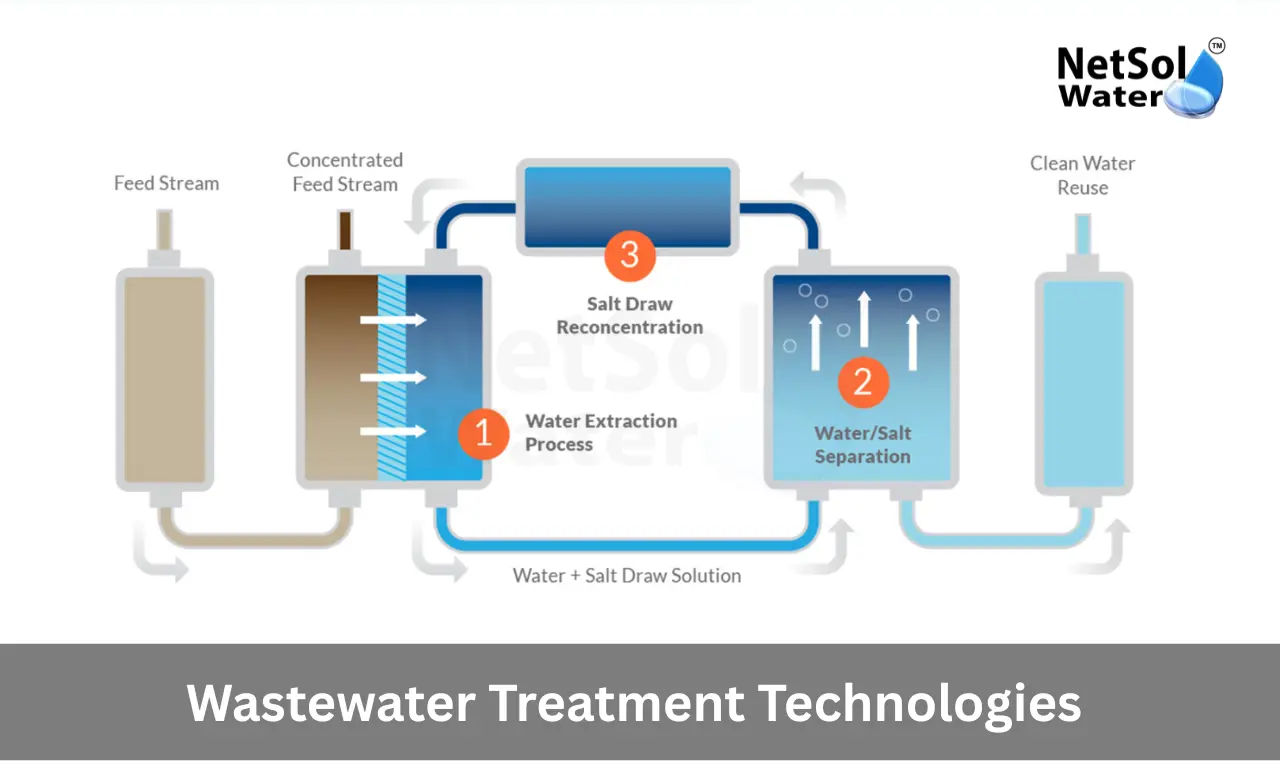
Advanced treatment uses methods beyond simple filtration. These methods include biological systems that break down organics and chemical systems that remove specific salts. Some plants use forward osmosis or membrane distillation to recover more water from the concentrate. Other sites extract minerals from the brine for sale. This approach turns waste into a resource and lowers total waste. Netsol Water helps clients add these modules to existing plants to raise recovery rates. Teams that add resource recovery must plan for market links to sell the extracted salts or minerals. They must also train staff to run the new units. When plants move from waste focus to resource focus, they cut operating costs and they add new income sources.

Read some interesting information for Commercial RO Plant Manufacturer in Noida

Conclusion

Good wastewater management changes an expense into a resource, and it protects local water. Netsol Water is the leading RO Water Plant Manufacturer, and it can help design plants that reduce waste and recover water. Contact Netsol Water to ask for a site review or a custom plan. Engineers will check your plant and will suggest solutions that fit your budget and local rules. Get in touch now to request a consultation and to learn how to reduce waste and to save water with a trusted RO Plant Manufacturer.

Contact Netsol Water at:

Phone: +91-9650608473

Email: enquiry@netsolwater.com

How-much-does-it-cost-to-install-a-water-treatment-plant.webp

September 30, 2025by Netsol Water

How much does it cost to install a water treatment plant?

Installing a Water Treatment Plant matters for any business or community that needs safe water. In India cities and towns grow fast and industries use more water than before. This rise makes treatment plants more important than ever. Netsol Water is the leading Water Treatment Plant Manufacturer and we design plants that fit many needs.

Cost depends on many things. Some factors you can control and some you cannot. The size of the plant matters. The quality of the raw water matters. The technology you choose matters. Your site and local rules matter. Each of these parts adds to the total price.

Key factors that affect the cost

When you plan a Water Treatment Plant you must first know which items drive cost. Understanding these items helps you make trade offs. Let us have a look on some of the main cost drivers.

Capacity and size

Capacity drives most of the price. A small unit for a building costs far less than a plant for a factory or a town. You pay for tanks pumps and filters that match the required flow. Larger plants need stronger foundations more complex piping and more control systems. This adds cost in materials and labor. You should size the plant with some margin. If you choose too small a system you may need costly upgrades later. If you choose a system with a clear growth path you save money over time.

Technology and components

The treatment steps you choose affect cost strongly. Basic filtration and disinfection cost less. Reverse osmosis and advanced membrane systems cost more. Chemical dosing and automation add to the budget. Higher quality components last longer and reduce maintenance cost. You will pay more up front for good pumps valves and control panels but you will face fewer breakdowns later. Think about life cycle cost and not only initial price.

Raw water quality and pre treatment

Poor source water raises cost. Water with high solids or heavy contaminants needs extra pre treatment. That can mean sand filters media filters or special chemical dosing systems. Groundwater and surface water have different needs. Testing the source water early helps you choose the right steps. Early testing saves money by avoiding over design and by targeting the exact problems that need fixing.

Site work and local rules

Site preparation and civil work matter. If the place needs heavy foundation work or remote access you will pay more for transport and labour. Local permits and inspections can add fees and time. Some areas require treated water standards that demand extra steps. Factor in these costs when you make a budget.

Cost ranges by plant type

Choosing the plant type tells you the broad price band for a Water Treatment Plant. Let us have a look on some common types and what budgets they usually need. Then we will examine installation and running cost so you can plan total spending.

Small commercial systems

Small systems for offices shops or small hotels focus on safe water for drinking and general use. These plants often use simple filtration followed by disinfection or a small RO unit. The price stays moderate because parts and civil work are small. You will pay for a good quality RO unit for consistent taste and safety. Maintenance remains a regular item to keep filters and membranes working well.

Medium industrial plants

Medium scale plants for factories or housing complexes need higher flow and better control. These sites need robust pumps larger tanks and automated controls. The technology may include media filters softeners and RO or membrane bioreactors. Costs rise because of the scale and the need for reliable continuous operation. You should plan for spare parts and skilled operation staff.

Large municipal plants

Large municipal plants serve whole towns or big industrial zones. They need many treatment stages and often advanced biological or membrane steps. These plants require large civil works electrical systems and long term operation teams. The initial cost is high but the cost per unit of treated water tends to be lower as scale goes up. Funding and long term planning are key for such projects.

Read some interesting information for Commercial RO Plant Manufacturer in Noida

Conclusion

A clear budget starts with a good plan. Netsol Water is the leading Water Treatment Plant Manufacturer and we can help you with testing design and a clear price estimate. If you want a reliable cost guide or a consultation reach out to Netsol Water today. We can visit your site test the water and give a detailed quote that fits your needs.

Contact Netsol Water at:

Phone: +91-9650608473

Email: enquiry@netsolwater.com

The-Role-of-RO-in-Pharmaceutical-Food-Production.webp

September 18, 2025by Netsol Water

The Role of RO in Pharmaceutical & Food Production

RO plays a key role in modern drug making and food making. High quality water shapes product quality, safety and trust. Many factories choose RO plants that remove salts, particles and microbes. Netsol Water is the leading RO Plant Manufacturer and many firms work with them to meet strict needs. We will explore how RO fits into both pharma and food production.

Water Purity in Pharma and Food

Water purity matters for both drug making and food making. Clean water protects patients and consumers. It also supports precise processes and predictable outcomes. Let us have a look on some major areas where purity makes a clear difference.

Pharmaceutical Uses

Drug makers use water in many steps that include making formulations and cleaning tools. Water with contaminants can change how a drug works or can harm a patient. Manufacturers require water that meets strict tests. RO removes dissolved salts and small particles. RO pairs well with other steps like sterilization and final filtration to meet the standards. Many plants monitor water quality every day to catch changes early. Good monitoring keeps batch results steady and reduces rejects.

RO plants also help labs run tests that need consistent water quality. When labs test active ingredients impurities in water can create wrong results. RO gives labs water that keeps tests valid. This step supports better research quicker troubleshooting and safer final products. Operators train staff to follow cleaning plans and to check sensors. This reduces the chance of contamination and supports a smooth production line.

Food Production Uses

Food makers use water when they wash ingredients, mix recipes, and run heat processes. Water that carries salts or microbes can change taste, texture, and shelf life. RO helps by giving water that stays the same day after day. Plants that make bottled drinks, dairy, and sauces use RO to protect flavour and to meet safety checks.

RO also helps in processes that heat or cool food. Scale from hard water can clog pipes and reduce machine life. Removing those minerals stops costly breakdowns and keeps machines running well. Food teams watch water quality and clean equipment on a regular plan. This practice keeps food safe and helps brands keep customer trust.

RO Technology and Industry Benefits

Understanding how RO works helps teams choose the right plant. RO plant moves water through a membrane that blocks dissolved salts particles and some microbes. That step makes water pure and predictable. Let us have a look on some technical and business benefits.

Process Control and Compliance

RO plants fit into control plans that include testing, cleaning and record keeping. Regulators expect logs tests and proof that water stays within set limits. RO makes it easier to meet those limits most of the time. When a plant links RO to sensors and alarms staff can see changes fast. They can then act before a batch leaves the plant.

This control also helps during audits. Inspectors want to see traceable records and clear ways to fix problems. RO plants that log data and keep alarms help teams show proof of control. This reduces audit stress and helps plants keep approvals that allow them to sell drugs and food.

Cost Efficiency and Sustainability

RO helps plants save money over time by lowering waste and by cutting repairs. Pure water stops scale and corrosion which extends machine life and reduces downtime. Plants spend less on chemical cleaning when RO removes the main cause of scale.

RO plants can also fit into green plans. When plants reduce waste and use energy smartly they lower their overall footprint. Teams may pair RO with recovery and reuse steps to cut fresh water need. This approach supports better long term cost control and helps companies meet public expectations on resource use.

Read some interesting information for Commercial RO Plant Manufacturer

Conclusion

Clean water underpins safe drugs and safe food. RO plants give predictable water that helps teams meet rules keep machines running and protect customers. Netsol Water is the leading Reverse Osmosis Plant Manufacturer and can help design, install, and support systems that match industry needs. If you want to improve water quality or review an existing system, contact an RO Plant Manufacturer for a consultation and for clear next steps.

Contact Netsol Water at:

Phone: +91-9650608473

Email: enquiry@netsolwater.com


Why-Your-RO-Plant-Is-Producing-Foul-Smelling-Water-How-to-Fix-It.webp

September 17, 2025by Netsol Water

Why Your RO Plant Is Producing Foul-Smelling Water & How to Fix It?

Netsol Water is the leading RO Plant Manufacturer and it serves many industries and homes in Noida and other industrial hubs. Noida has grown as a place known for manufacturing and for companies that make RO plants. This makes local customers expect fast service and reliable equipment. People call a trusted RO Plant Manufacturer when their plants give bad odour. A foul smell can come from different sources. The smell can arise inside the plant itself. The smell can come from the feed water source. The smell can also come from damaged parts or from poor maintenance. We will explore simple ways to find the cause and clear the smell.

Common Causes of Foul Smells in Your RO Plant

Understanding why the smell appears helps you act fast. Let us have a look on some main causes and how they form inside an RO plant.

Organic growth and biofilm

Microbes can grow inside filters and pipes when operators miss cleaning schedules. These microbes form a slim layer called biofilm. Biofilm traps particles and gives off bad odour. The biofilm can form on prefilters, on membranes, and in storage tanks. When you do not flush the system the microbes find food and multiply. A small amount of growth can quickly spread across the system. You must check and clean the parts that touch water. The cleaning should use the right chemicals and follow the maker instructions. You should also run a high flow flush after chemical clean up. This step removes dead cells and stops the smell from coming back fast. Netsol Water as a RO Plant Manufacturer recommends regular checks and record keeping to stop this cause.

Chemical contamination

Sometimes the feed water carries chemicals that give smell. These chemicals can pass through pretreatment into the RO membrane if the pretreatment fails. Chlorine at high dose can react with organics and create bad odour. Oil or grease from nearby work can also leach into the water. When the system draws water from a polluted source, the smell appears in the product water. You must test the feed water and check the pretreatment parts. Replace or clean media that looks exhausted. This step keeps the membranes safe.

How to Diagnose and Test Your RO Plant

Diagnosing the source gives clear steps to fix the smell. Let us have a look on some tests and checks you can do before you call a technician.

Visual checks and simple smell test

Start with a simple visual inspection of the plant. Look for dirty prefilters fouled membranes and sludge in tanks. Smell the water at different points. Smell the feed water the permeate and the reject line. This helps you know where the smell first appears. If the feed water smells bad then the source is outside the plant. If the permeate smells but the feed does not then the problem sits inside the plant. This step guides which parts to clean first. Check for slow drains or standing water where microbes can grow.

Lab tests and field tests

If the smell persists run lab testing for bacteria and for organic load. Do a simple total bacterial count and a measure of organics. Run a residual chlorine test and a test for oil. These tests show if microbes or chemicals cause the smell. A field test for pH and conductivity gives fast clues. A big change in pH or conductivity can mean a failing membrane or wrong chemical dose. Send samples to a lab if you need a clear report.

How to Fix and Prevent Foul Smells

Fixing the cause brings water back to normal. Let us have a look on some fixes and on steps to prevent a return of the smell.

Cleaning and chemical treatment

When microbes cause the smell you must clean the system with the right cleaning agents. Use a biocide or a cleaning solution that matches the membrane type. Circulate the cleaning fluid at the temperature and the time the maker recommends. After the chemical cycle run a long flush to clear the residues. Replace any single use filters and clean the storage tank. Replace worn seals and gaskets that trap dirt. If the membrane shows permanent fouling replace it. These steps remove the odour source and restore flow and quality. A RO Plant Manufacturer can give the correct cleaning plan and can supply the right chemicals.

Maintain a schedule and check pretreatment

Prevention works when you follow a schedule and when you watch key signals. Replace prefilters on time. Backwash or renew media in filter vessels when they show high differential pressure. Keep logs of pressure and quality readings. Fit alarm points that warn you of sudden change. Control the chemical feed carefully so the membrane does not see harmful doses. Monitor the storage tank for sludge and clean it at regular intervals. These habits reduce the chance that the smell will come back.

Read some interesting information for Commercial RO Plant Manufacturer

Conclusion

Clear water gives confidence and protects health. A foul smell can start from microbes, from chemical contamination, or from poor maintenance. You can diagnose the cause by simple checks and by lab tests. You can fix the problem with correct cleaning with part replacement and with a fresh maintenance plan. Netsol Water stands ready to support you as a trusted RO Plant Manufacturer. Contact Netsol Water for a site inspection or for a consultation and get help to restore clean water fast.

Contact Netsol Water at:

Phone: +91-9650608473

Email: enquiry@netsolwater.com

How-Much-Does-an-RO-Water-Purifier-Really-Cost-2.webp

September 15, 2025by Netsol Water

What are the emerging trends in sustainable water treatment quiz?

Sustainable water management grows more important each year as and industries face water shortages and stricter rules. Netsol Water is the leading Water Treatment Plant Manufacturer and it helps clients adopt new methods. India is known for fast urban growth and heavy industrial use of water. People here need clear answers on how to save water and treat it safely. We will explore the emerging trends in sustainable water treatment.

Digital and Smart Technologies in Water Treatment

Understanding digital tools helps people run Water Treatment Plants with less waste and more control. Let us have a look on some technologies that change how plants work and how staff learn faster and respond better.

Sensors and Real Time Monitoring

Smart sensors send live data on flow quality and pressure. Operators can watch this data on simple screens. Plants save water and reduce downtime because staff act fast. Remote monitoring lets experts help from a distance. Automated alarms bring attention to unusual changes at once. The result is a cleaner output and steady operations. People use that data to plan maintenance and to tune processes for higher efficiency.

AI and Predictive Control

AI models analyze sensor data and predict what will happen next. AI helps adjust pumps filters and chemical dosing without human delay. The models spot trends that humans might miss. Plants cut power use and lower costs when they use predictive control. Training the models does not take weeks. Teams feed past data to the system and it learns patterns. This reduces surprises and helps staff make better decisions. Small plants and large plants both gain from these tools.

Nature Based and Resource Recovery Approaches

Using nature based methods and recovering resources makes Water Treatment Plant work smarter for the environment. Let us have a look on some methods that use natural cycles and that help communities gain more from treated water.

Constructed Wetlands and Green Processes

Constructed wetlands mimic rivers and lakes to filter water with plants and microbes. Designers shape shallow beds and steady flows so plants can remove nutrients and sediments. These plants need less power than many mechanical units. Communities use them in small towns and at industrial sites. The result is clear water and added green space that supports birds and insects. Wetlands also lower maintenance needs because plants do much of the work naturally. When a wetland pairs with a mechanical unit the overall cost can drop and the output can meet strict standards.

Resource Recovery and Circular Use

Treating water can recover useful materials such as nutrients and biogas. Anaerobic digesters break down sludge and produce gas that plants burn for heat or power. Other units recover phosphorus and nitrogen for use as fertilizer. Recovering these items reduces waste truck trips and cuts chemical buys. This approach turns a Water Treatment Plant into a resource hub. Cities and factories that embrace this method lower landfill inputs and gain steady supplies for gardens and fields. This method also gives new income streams that help pay for upgrades.

Read some interesting information for Commercial RO Plant Manufacturer

Conclusion

Digital tools and nature based approaches both play strong roles in this change. Netsol Water is the leading Water Treatment Plant Manufacturer and it can guide you from design to operation. If you want to learn more or if you need a consultation reach out to the team for a clear plan and for help on choosing the right mix of technology and nature based design. A short call or a site visit can start a plan that saves water and reduces costs over time.

Contact Netsol Water at:

Phone: +91-9650608473

Email: enquiry@netsolwater.com

How-Much-Does-an-RO-Water-Purifier-Really-Cost-1.webp

September 13, 2025by Netsol Water

Cost of Industrial RO Plants: Factors to Consider

Industrial water reuse and treatment shape how factories run and how communities grow. India has many industrial hubs, and it is known for large-scale manufacturing and rapid urban growth. This growth pushes the need for clean water solutions. Netsol Water is the leading Industrial RO Plant Manufacturer, and it helps industries get reliable water treatment that fits their budget and needs. We will explore the main cost drivers for industrial RO plants.

Capital Costs and Installation

Capital cost decides how fast a project moves and what technology the plant will use. Let us have a look on some key items that influence capital cost and installation.

Equipment and Membrane Costs

Membranes and pressure vessels form the heart of an RO plant. Membranes remove dissolved salts and they need quality manufacture to last. High quality membranes cost more up front but they reduce the need for frequent replacement. Pumps and high pressure skids add to the price. Pretreatment units such as sand filters and cartridge filters also add to the bill. When you plan you must match membrane type to feed water quality and to required product water. Feed water with high hardness or heavy fouling leads to higher membrane and pretreatment cost. Choosing the right membrane chemistry and element length can cut energy use and reduce the number of pressure vessels. Controls and automation bring extra cost yet they make plant operation simpler. A reliable RO Plant Manufacturer will show you options and give clear life cycle cost numbers so you can compare upfront cost versus long term savings.

Installation and Civil Works

Installation and civil works make up a large share of initial project cost. Site work includes concrete pads pipe routing and safe access for pumps and tanks. Electrical panels and cabling must match the plant load. A good layout reduces piping length and it reduces head loss which helps lower energy cost later. Shipping, packing, and crane lift costs vary with location and facility size. Skilled technicians must commission the plant and this work takes time and planning. Planning for spare parts storage and for easy replacement of membranes reduces future downtime. When you plan installation keep a clear schedule and include buffer for local approvals and for unforeseen site constraints. This care lowers the chance of cost overrun and speeds up the date when your plant starts to produce water.

Operating Costs and Maintenance

Operating cost decides how much the plant will cost each month and it shapes the real value of the initial investment. Let us have a look on some common cost items that affect long term budgets.

Energy Consumption and Chemical Use

Energy makes up a large portion of monthly cost for an RO plant. High-pressure pumps run continuously, and they draw most of the electricity. System design affects energy use. Lower feed pressure and better pump efficiency cut power draw. Energy recovery devices can help for very large plants but they add to capital cost. Chemicals used for cleaning and for pretreatment also add to monthly bills. Antiscalants and cleaning agents protect membranes and they extend membrane life. Monitoring and dosing systems help use the right amount of chemical and they reduce waste. If feed water quality changes often then energy and chemical use can rise. An RO Plant Manufacturer should provide energy models and expected chemical consumption for your site so you know the cost per cubic meter of treated water.

Operation and Maintenance Practices

Good operation and clear maintenance planning keep the plant running and they lower unplanned expense. Routine checks and log keeping reveal trends so you can act before a problem grows. Membrane cleaning frequency depends on fouling and on how well pretreatment works. Replacing membranes on a planned schedule prevents a sudden drop in production and it keeps energy use stable. Spare part lists and onsite stock reduce downtime when parts wear out. Training for plant staff keeps startups and shutdowns safe and quick. Remote support and simple controls let technicians spot faults early. A dependable RO Plant Manufacturer will help set a maintenance plan and offer spare parts packages. This partnership keeps monthly cost predictable and it protects the plant yield over years.

Read some interesting information for Commercial RO Plant Manufacturer

Conclusion

Selecting an RO Plant Manufacturer shapes project cost and long term value. Good design and steady operation reduce both capital and operating costs. Netsol Water is the leading RO Plant Manufacturer and it can guide you from initial estimate to full scale operation. Contact us to discuss your water needs and to request a consultation. Our team will work through budgets layouts and expected running cost so you can make a clear plan.

Contact Netsol Water at:

Phone: +91-9650608473

Email: enquiry@netsolwater.com


How-Much-Does-an-RO-Water-Purifier-Really-Cost.webp

September 12, 2025by Netsol Water

How Much Does an RO Water Purifier Really Cost?

In India many businesses and communities depend on clean water for health and for work. Cities like Delhi and Gurgaon face hard water and changing supply that make a good plant more important than ever. Netsol Water is the leading RO Water Purifier Plant Manufacturer and it helps customers pick the correct system and set it up on site.

What determines the cost of an RO Water Purifier Plant

Cost matters because the price you pay affects the water you get and the cost you carry over months and years. Let us have a look on some key factors.

Plant capacity and design

Plant capacity drives the base price. A small plant for a shop or a small office will cost much less than a plant for a factory or a large apartment block. Larger plants need more membrane area, pumps, pipes, and a stronger frame. The construction uses more materials and the design needs more engineering time. This leads to a higher upfront cost. You also pay more for plants that run 24 hours a day because they need robust parts that last longer. A carefully chosen capacity reduces waste and keeps energy use low. When you size a plant correctly you avoid paying for unused capacity. When you choose a reputable maker like Netsol Water the design fits the water quality and the daily demand. Netsol Water is the leading RO Water Purifier Plant Manufacturer and it offers options at different price points so you can match the cost to the need.

Pre treatment and post treatment needs

The water quality at your site sets the level of pre treatment and post treatment that the plant needs. Hard water or water with high iron or high TDS requires extra filters softeners or dosing systems. These parts add to the cost and they also raise the need for regular checks. If you need mineral dosing or UV polishing after the RO you will pay more upfront and for spare parts. Sites with stable low TDS may skip heavy pre treatment and save money. Each extra stage protects the RO membranes and extends their life. Proper pretreatment cuts membrane failures and lowers long term cost. When you compare quotes focus on the full scope and not only the price of the RO unit. A low price can hide missing parts that you will need later.

Running costs and long term savings

Knowing the running cost helps you judge value and plan your budget. A plant that costs more at purchase can cost less overall if it uses less power and if the parts last longer. Let us have a look on some running cost items.

Energy and consumables

Energy forms a large share of the monthly bill. Higher recovery systems and efficient pumps reduce power use. The membranes consume energy through pressure losses and pumps run to maintain flow. You will also replace membranes filters and cartridges over time. These consumables add to the yearly cost and they vary by water load and by the quality of the incoming water. Buying better parts can lower the replacement rate and so lower the cost per litre of treated water. Look for systems that give data on power per litre and on expected membrane life. This helps you compare cost to output. A good maker will share these numbers so you can plan the budget with clear facts.

Maintenance and service

Maintenance keeps the plant running and so it protects your investment. Regular checks cleaning and timely part replacement prevent sudden breakdowns. Service contracts cost money but they secure fast spare supply and trained technicians. If you skip maintenance your plant will use more energy and parts will fail early. Choose a maker that offers training spare parts and a clear service schedule. This reduces surprises and keeps the cost steady over time. Netsol Water is the leading RO Water Purifier Plant Manufacturer and it provides after sales support to help sites run the plant in a smooth way.

Read some interesting information for Commercial RO Plant Manufacturer

Conclusion

A fair view of cost looks beyond the purchase price to include pretreatment energy consumables and service. A higher initial price can mean lower cost per litre later. A lower price can hide missing parts or weak support that raise cost over time. Netsol Water is the leading RO Water Purifier Plant Manufacturer and it can guide you through the choice. Contact Netsol Water to request a consultation or to get a site visit and a quote.

Contact Netsol Water at:

Phone: +91-9650608473

Email: enquiry@netsolwater.com


How-does-Desalination-work-and-where-is-it-used-2.webp

September 10, 2025by Netsol Water

RO Water vs. Other Purifiers: Which One is best for Your Home?

Choosing the right water purifier can change how your family stays healthy at home. This choice matters for homes in cities and towns where water sources vary. Some areas have hard water and high dissolved solids. Some areas have water that looks clear but carries microbes. A clear choice can keep drinking water safe and taste better. Netsol Water is the leading RO Water Plant Manufacturer.

RO Water and Its Benefits

Water purification can change in quality and safety. RO removes many dissolved salts and pollutants that other filters may not remove.

Let us have a look on some key points that explain why RO can help your home. RO uses a thin membrane to push water through and leave many contaminants behind. This process lowers total dissolved solids and improves taste. Homes that use water from wells or from sources with high salt levels see a clear difference after installing an RO unit. RO also reduces heavy metals and some pesticides. That makes the water safer for cooking and for children.

When to choose RO for home

You should pick RO if your water has high total dissolved solids or if local tests show heavy metals or salts. RO helps when the water tastes salty or leaves scale on vessels. If your household water comes from deep wells or from a supply with variable quality, then RO can give consistent results. Netsol Water is the leading RO Water Plant Manufacturer and offers plants that match different home needs. The choice will also depend on your budget and on how much water you use every day.

Comparing RO with UV UF and Activated Carbon Purifiers

Choosing the right purifier means comparing what each type does well. Let us have a look on some common purifier types so you can decide with clear facts.

UV purifiers

UV or ultraviolet systems use light to kill bacteria and viruses. They work well when water has low levels of solids and when the main risk is microbes. UV does not remove salts or dissolved metals. If your water looks cloudy or contains many particles then UV cannot protect the membrane of the UV lamp. UV systems need power to run and they need routine maintenance to keep the lamp working. Use UV when microbial contamination is the main concern and when dissolved solids stay low.

UF purifiers

UF or ultrafiltration uses a membrane with larger pores than RO. UF blocks bacteria and many particles but it does not remove dissolved salts and small ions. UF works without the high pressures that RO needs. That makes UF a good choice where water has microbes but low dissolved solids. UF systems often cost less to run. They do not remove heavy metals or reduce hardness. If your water has chemical contamination then UF will not give full protection.

Activated carbon purifiers

Activated carbon filters remove bad taste and remove chlorine and some organic pollutants. They work well as part of a multi stage system. Carbon does not kill microbes and it does not remove dissolved salts. Use activated carbon to improve smell and taste and as a pretreatment to protect RO and UV stages.

Choosing the Best Option for Your Home

A clear choice comes from testing and from daily needs. Start with a water quality test. Tests show total dissolved solids and the presence of metals and microbes. If TDS is high then RO offers the broadest protection. If microbes are the main issue and TDS is low then UV or UF may work well. Many homes benefit from a combination of stages. A system that uses prefiltration and activated carbon and then RO or UV gives wide protection and better taste.

Look at long term costs and maintenance. RO needs periodic filter changes and membrane care. UV requires lamp replacement. UF needs occasional cleaning. Think about water waste and storage. RO plants can produce some reject water. Netsol Water is the leading RO Water Plant Manufacturer and can guide you on systems that match your water test results and your budget. The right supplier will support installation and after sales service.

Read some interesting information for Commercial RO Plant Manufacturer

Conclusion

Deciding on a purifier needs clear facts and a simple test. RO removes dissolved salts and many chemicals. UV kills microbes and UF removes particles. Activated carbon improves taste and smell. The best choice depends on what your water test shows and on your home needs. Netsol Water is the leading RO Plant Manufacturer and can help you choose the right system for your home. Contact Netsol Water to request a consultation or to get more information about RO Water Plant Manufacturer options that fit your needs and budget.

Contact Netsol Water at:

Phone: +91-9650608473

Email: enquiry@netsolwater.com

How-does-Desalination-work-and-where-is-it-used-1.webp

September 9, 2025by Netsol Water

The Truth About RO Water: Health Benefits and Potential Risks

Netsol Water is the leading RO Plant Manufacturer and it serves many homes and industries across India. People know Netsol Water for making RO plants that clean water well. RO plants remove visible and hidden impurities and make water safer for cooking and cleaning. We will explore how RO water works and why many people choose it for daily use. We will also look at health benefits and possible risks to help readers decide what suits their needs. Netsol Water can advise on installation and long term service so you get clean water.

Health Benefits of RO Water

Water quality matters for health and comfort. Let us have a look on some main benefits.

Removes Harmful Contaminants

RO plants push water through a thin membrane and capture many harmful particles. This process reduces salt, heavy metals, and chemicals that can cause illness. Families who use RO water see less scale on cooking equipment and they also notice cleaner taste in food and drinks. Hospitals and labs prefer RO levels for some tasks because the water has fewer impurities. A good RO Plant Manufacturer sets up the system to match local water conditions. That ensures the plant removes the right items and runs with steady pressure and flow.

Improves Safety for Babies and Elderly

Clean water helps protect people with weak immune systems and young children. RO plants reduce bacteria and viruses when the whole system works with proper filters and maintenance. Parents who prepare baby food do not want unknown chemicals in their water. Older adults who take daily medicines may need consistent water quality to avoid added stress on their organs. Choosing an experienced RO Plant Manufacturer helps families get systems sized and installed correctly.

Potential Risks and How to Mitigate Them

Understanding risks helps users avoid problems and keep water healthy. Let us have a look on some issues and then read steps you can take to reduce them.

Mineral Loss and How to Fix It

One worry about RO water is that the process removes minerals like calcium and magnesium. These minerals matter for body health and for taste in water. Many manufacturers offer a simple cartridge that restores a gentle mineral balance. A good RO Plant Manufacturer will advise on this option and help set it up so water stays both safe and pleasant to drink. Small steps like adding a mineral cartridge or eating a balanced diet cut the risk of losing important minerals.

Maintenance Issues and User Care

If you skip service, the membrane can clog, and bacteria can grow in the tank. That affects water safety and system life. Schedule filter replacement and tank cleaning on a steady timeline. A reliable RO Plant Manufacturer will provide service plans and spare parts. This keeps the system in good shape and lowers long term cost. Users should watch for drops in flow or odd tastes and call for help from trained technicians. Good care turns a one time purchase into years of trouble free water.

Read some interesting information for Commercial RO Plant Manufacturer

Conclusion

When you choose an RO Plant Manufacturer think about local water quality and choose a partner who guides you on mineral options and on regular care. Netsol Water is the leading RO Plant Manufacturer and it will help you select the right plant and keep it running well. If you want more details or if you need a site visit please contact us promptly to request a consultation. A trusted supplier will inspect your water suggest changes and install a system that matches your daily needs.

Contact Netsol Water at:

Phone: +91-9650608473

Email: enquiry@netsolwater.com


Add-a-subheading-1-1-4.webp

September 6, 2025by Netsol Water

Is RO Water Safe for Daily Drinking? Myths vs. Facts

We will explore if water from an RO unit is safe for daily drinking. Netsol Water is the leading RO Plant Manufacturer. The company serves homes and businesses in India and in many nearby regions where people face hard water and mixed water quality. People use RO to remove salts and other unwanted parts from their water.

Health and Mineral Concerns

Many people worry that RO water lacks minerals. That worry can shape what people drink and how they treat their water. Let us have a look at some ways to see the facts and to decide what you should do for your health.

Mineral removal and nutrition

RO removes dissolved salts and minerals from water. This action helps lower hardness and it reduces the amount of sodium and other ions. Some minerals like calcium and magnesium lower in RO water. People worry that this change may affect daily mineral intake. Most nutrition experts say that drinking water adds only a small share of daily minerals. Most minerals come from food and not from water.

Potential contaminants and system effectiveness

Let us have a look at some facts about contaminants and filter performance. RO plants (Reverse osmosis plants) remove many kinds of contaminants such as dissolved salts, metals, and many chemical residues. They also reduce down microbes when used with proper membranes and with extra stages such as UV or ultrafiltration. No system removes everything all the time. The system will not work well if filters are old or if maintenance lags. Also some very small organic chemicals may pass through in tiny amounts. The key fact is that a well designed RO unit gives very high purity for drinking water. Combining RO with a UV lamp and a carbon filter gives a broad shield against both chemical and biological risks. Netsol Water is the leading RO Water Manufacturer and they offer units with clear performance specs and easy service plans. That makes it easier for users to keep their water safe each day.


Maintenance Safety and Best Practices

Let us have a look at some rules and practices that keep RO water safe over time.

Proper maintenance and filter changes

Good maintenance keeps the membrane and filters working well. Let us have a look at the key steps that users must follow. Clean or replace the RO membrane according to use and test results. Use only approved replacement parts and certified service. Flush the system after long idle periods. Check the storage tank pressure once in a while. Replace the post mineral or carbon filter on schedule if your unit has one. If you notice taste or smell changes test the water and service the unit. Poor maintenance can bring back contaminants or allow microbes to grow in the tank.

Storage and re mineralization

Let us have a look at how to store and how to restore a good mineral balance. Use a clean sealed tank for storage and avoid direct sunlight on the tank. Draw water often so the stored water does not sit for weeks. If you prefer a mild taste choose a unit with a remineralizer. That stage adds small amounts of calcium and magnesium back into your water. The remineralizer can also raise the pH a little and make the water taste pleasant. For people who want soft pure water without added minerals the plain RO output will work fine. For people who want balanced taste and some minerals the post mineral step gives both safety and ease of use. Test water once in a while to confirm the levels and change the post filters as needed.


Read some interesting information for Commercial RO Plant Manufacturer


Conclusion

RO plants give strong removal of salts metals and many contaminants when you keep them in good shape. Netsol Water is the leading RO Water Manufacturer and they design plants that meet common needs and that support regular service. If you want safe daily drinking water choose a unit that fits your water source ask about post mineral options and follow the maintenance plan. Contact Netsol Water for more details or request a consultation to find the right RO Water Manufacturer solution.

Contact Netsol Water at:

Phone: +91-9650608473

Email: enquiry@netsolwater.com