water treatment plant - Page 8 of 9 - Sewage Treatment Plant Manufacturers

What-is-the-role-of-Activated-Carbon-in-Water-Treatment.webp

August 8, 2025by Netsol Water

What is the role of Activated Carbon in Water Treatment?

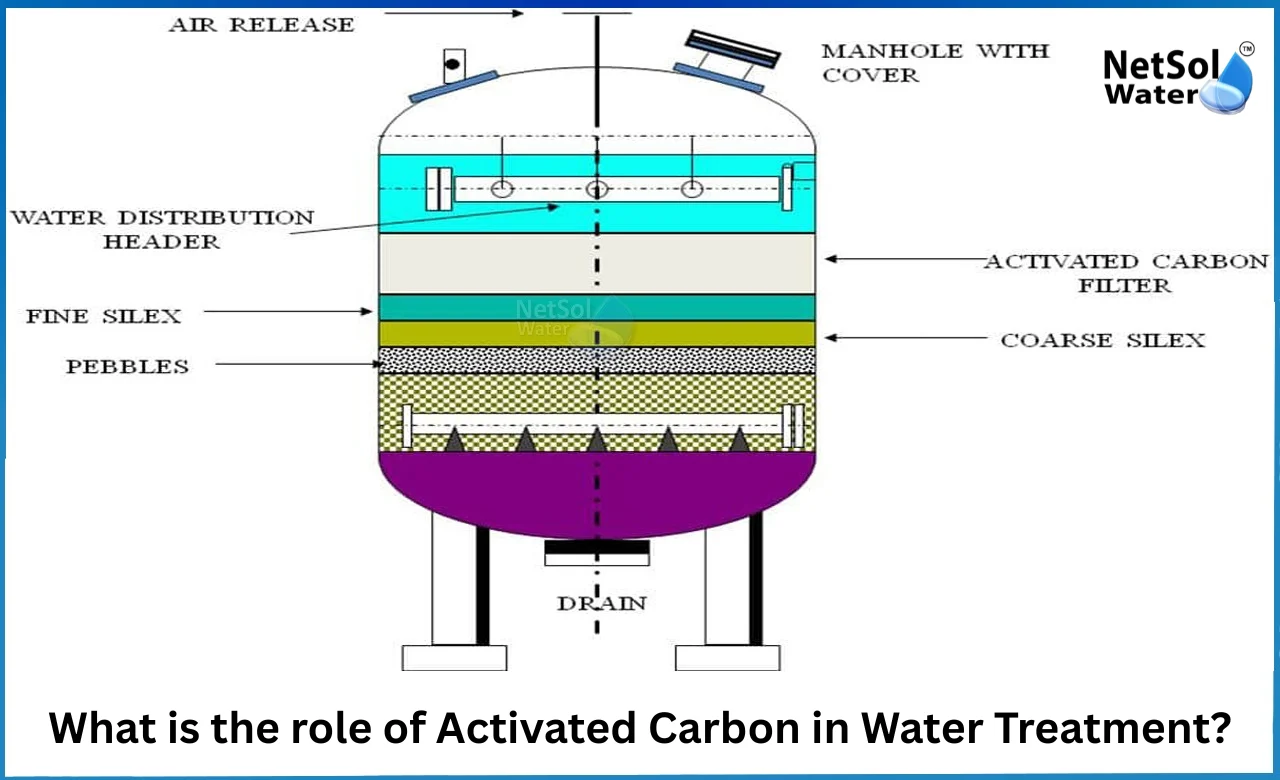
Activated carbon plays a key role in any Water Treatment Plant by cleaning water in an efficient and natural way. Many areas face water that has chemicals and odors that harm health and taste. Netsol Water leads the field as the top Water Treatment Plant Manufacturer. Our plants use activated carbon to remove unwanted elements and to make water safe to drink. We will explain the role of Activated Carbon in Water Treatment and why it matters. First we will discuss how it captures harmful chemicals. Then we will explore how it removes bad taste and odor.

Removal of Chemical Contaminants

Activated carbon matters when water holds chemicals that can harm people and machines. It works by drawing those chemicals into tiny pores on its surface.

Organic Compound Removal

Activated carbon excels at capturing organic molecules in water. These compounds include pesticides, fuel residues and industrial solvents. When water passes through a bed of activated carbon, it forces organic molecules into its pore network. The large surface area inside each carbon particle holds these molecules until the carbon is replaced or reactivated. This process keeps water free from many toxic substances. The material does not add new chemicals to water or change its pH. It only holds the unwanted organics on its surface. Water that leaves this step stays clear and safe from many common harmful chemicals.

Inorganic Compound Reduction

Many dissolved metals and salts can also threaten water quality. Activated carbon can reduce some of these inorganic elements by adsorbing metal ions into its pore structure. Though it does not remove all metals, it cuts levels of lead, mercury, and copper in many cases. This helps protect sensitive equipment and plumbing. It also shields people from drinking water that could cause health issues over time. By placing activated carbon after initial filtration the Water Treatment Plant gains a strong shield against a wide range of chemical risks.

Improvement of Water Taste and Odor

Bad taste or odor in drinking water can stop people from using it regularly. Activated carbon offers a simple remedy that does not depend on harsh chemicals.

Taste Enhancement

Water can taste bitter or metallic when it holds chlorine or byproducts from disinfection. Activated carbon attracts these taste causing molecules on its surface. When water flows through a carbon filter it leaves behind the compounds that make water taste unpleasant. This step helps bring out the natural fresh flavor of water.

Odor Reduction

Many water sources carry odours from sulfur compounds, algae, or decaying organic matter. Activated carbon traps these odor forming molecules inside its pores. As a result water becomes free from musty or rotten smells that may scare people away. The filter does not mask the odor with a scent or cover it up. It removes the cause at the molecular level. After this step water enters homes or offices without any strange scent. This builds trust in the Water Treatment Plant performance and in the quality of drinking water.

Conclusion

A Water Treatment Plant that uses activated carbon gains a strong tool for guarding water quality at each stage. It removes a wide range of chemical threats, and it refines taste and odour without adding new chemicals or changing pH. Netsol Water, as a leading Water Treatment Plant Manufacturer, offers plants that use high-grade activated carbon in every design. Contact our team to learn how to add activated carbon treatment to your next project. Request a consultation today to see how we can support your water needs and health goals.

Phone: +91-965-060-8473

Email: enquiry@Netsolwater.com


What-is-Coagulation-and-Flocculation-in-Water-Treatment.webp

August 5, 2025by Netsol Water

What is Coagulation and Flocculation in Water Treatment?

Water Treatment Plant operations start with key steps that ensure clean water for many uses. We will explain the process of coagulation and flocculation and why these steps matter in water treatment. Netsol Water is the leading Water Treatment Plant Manufacturer and they design plants that use these two steps well to make water clear.

Coagulation: What It Means and Why It Matters

Let us have a look on some key aspects of coagulation.

Importance of Coagulation

Coagulation matters because raw water carries tiny particles that carry negative charges. These charges keep particles apart and prevent settling. The coagulation step adds a coagulant that has opposite charge. That neutralises the negative charge on particles. This action causes micro‑flocs to form. These remain too small to settle quickly but they start clustering. A Water Treatment Plant that uses coagulation correctly helps remove most suspended matter before filtration. This reduces load on filtration and lowers chemical costs.

Types of Coagulants

In most treatment plants including those from Netsol Water the common coagulants are aluminium sulphate known as alum or iron salts like ferric chloride ferric sulphate. These chemicals dissolve and release positive ions that neutralise negative colloids. Polyelectrolyte aids or polymeric coagulants also help by bridging microflocs together. The Water Treatment Plant must choose a dose based on water pH, turbidity, and organic content. Engineers often perform a jar test to find the best dose. The jar test shows how quickly flocs form and how dense they become before settling. This helps design a plant that works efficiently.

Flocculation: How It Builds on Coagulation

Let us have a look on several elements of flocculation in detail.

Importance of Flocculation

Flocculation helps micro‑flocs combine into larger visible flocs. That step gives time and gentle agitation so particles collide slowly and stick. Without flocculation the tiny clumps cannot settle and remain suspended. A Water Treatment Plant that applies flocculation well makes sedimentation easier. That reduces fine solids in the treated water. It also allows the clarifier to work at full capacity without clogging filters later. Netsol Water is the leading Water Treatment Plant Manufacturer and they optimise flocculation zones to match water quality and flow.

Mixing Intensity and Time

In a flocculation basin the water receives slow mixing. They maintain low shear so flocs grow and do not break apart. Mixing intensity and time matter. If mixing runs too fast flocs break. If too slow they fail to collide. The best mix keeps turbulence gentle but consistent over fifteen to thirty minutes. That yields flocs that grow to hundreds of microns in size. When plants built by Netsol Water adjust the basin shape speed and paddle speed carefully they improve floc size and settling speed. That ensures less solids carry over into filters.

Role of Polymers and Natural Aids

Sometimes the plant adds a polymer aid such as polyDADMAC or biodegradable chitosan. These compounds attach to micro‑floc surfaces and help them bind faster. Natural aids like powdered activated carbon or clay may also help. These act as nucleation sites to build larger flocs. A water treatment design from Netsol Water considers the source water chemistry and recommends the right polymer or natural aid. The result is better clarity faster settling and less sludge mass to remove.

Connection with Clarification and Filtration

Let’s see why linking coagulation, flocculation, clarifier, and filter matters. Let us have a look on how these parts link.

Clarifier Performance

After flocculation the treated water flows into a clarifier or sedimentation basin. Here the dense flocs sink by gravity. The clarifier then removes sludge at the bottom. Clear water flows out on top and moves on to filtration. Coagulation and flocculation support make this step more efficient. Larger heavier flocs settle faster. That reduces time in clarifier and reduces space needed. That lets a Water Treatment Plant work at lower cost. Plants built by Netsol Water often include tube settlers to speed up settling and improve clarifier efficiency.

Impact on Filtration and Disinfection

When flocs settle out well the filtrations step removes fewer solids and works for longer without cleaning. That means filters last longer and need less backwash. Also the water entering disinfection has fewer natural organic matter molecules. That reduces chlorine demand and limits harmful by‑products. Netsol Water is the leading Water Treatment Plant Manufacturer and they design plants that balance coagulation flocculation and filtration to reduce chemical use and produce safer drinking water.

Conclusion

Coagulation flocculation form the heart of any effective Water Treatment Plant design. These processes transform raw turbid water into clearer water before filtration and disinfection steps. Netsol Water is the leading Water Treatment Plant Manufacturer and they guide clients on each stage from jar test to full scale plant operation. If you want to explore how a Water Treatment Plant can work for your project or industry feel free to get in touch with Netsol Water for more information or to request a consultation. They will advise on the right dosing mixing times and system setup to ensure clear safe water in your application.

Phone: +91-965-060-8473

Email: enquiry@Netsolwater.com


Top-10-Water-Treatment-Company.webp

August 1, 2025by Netsol Water

India faces a range of water challenges from urban use to industrial demand. Clean water shapes health and growth across the nation. Water Treatment Company choices influence the quality you receive. Netsol Water leads with a focus on performance and care. Major cities depend on reliable solutions to handle supply and waste. Let us explore the top 10 Water Treatment Company options that meet diverse needs. We will look at each firm’s strengths and services.


Top 10 Water Treatment Company

1. Netsol Water

Netsol Water earns its place by solving hard water issues at scale. Let us have a look on some: key services

Filtration Systems: Netsol Water installs rost filters for homes and factories. They design each unit to match the water quality and volume needs.

After-Sales Support: Their team offers prompt checks and part changes. They guide you on upkeep to keep systems running smooth.

Their focus on local needs helps users in big cities and small towns. They keep steps clear and staff friendly. Their work inspires trust in every setup.


2. Sewage Treatment Plants

Sewage Treatment Plants stands out for strong sector expertise. Let us have a look on some key services

Custom Design: They craft plant solutions for chemical and pharma units. Each plan meets strict regulation and high output goals.

Maintenance Contracts: They provide service plans that cover checks and upgrades. Their teams work round the clock to avoid downtime.

Their years of work in complex projects show their skill. They aim for steady output and clear guidance at every stage.


3. Veolia Water Solutions

Veolia Water Solutions offers global know-how for local needs. Let us have a look on some  key services

Process Engineering: They map treatment flows for big utilities and plants. They adapt designs to fit space and budget.

Training Programs: They teach client staff to run and monitor systems. They share tips on safety and efficiency.

Their blend of tech and training helps plants run smooth. They drive steady water output for many sectors.


4. Commercial RO Plant

Commercial RO Plant brings tested methods to varied sites. Let us have a look on some  key services

Membrane Filtration: They use membranes to block tiny impurities. They scale each unit to the flow and pressure you need.

Remote Monitoring: They link systems to digital dashboards. You track key data on flow and quality in real time.

Their global research keeps them sharp on new threats. They work to keep water clean and safe.


5. Thermax

Thermax blends energy and water care in each project. Let us have a look on some key services

They turn waste into steam and power. They use heat to kill microbes and break down solids.


Process Control

They set up sensors and alerts. They let you watch plant health and adjust steps as needed. Their combined focus on energy and water cuts costs and boosts performance. They serve big factories well.


6. Pentair

Pentair serves home and business with reliable gear. Let us have a look on some key services

Point-of-Use Filters: They make small units for taps or under counters. They fit in kitchens and labs alike. 

System Upgrades: They swap old parts for new high-flow models. They boost output while keeping design neat.

Their simple lines and solid parts make life easy for users. Their kits work fast and last long.


7. Urban STP Plant

Urban STP Plant focuses on zero liquid discharge for heavy users. Let us have a look on some key services

Brine Concentrators: They shrink waste streams to cut volume. They recover water for reuse in plants.

Evaporation Units: They turn residual brine into solid salt. They free you from costly disposal runs.

Their zero-discharge drive helps protect rivers and soil. They guide you on each step for clear compliance.


8. Culligan India

Culligan India brings franchise reach to many towns. Let us have a look on some key services

Bottle-Less Coolers: They install direct coolers that skip plastic jugs. They give staff pure chilled water on demand.

Rental Plans: They let you rent filters and parts. You pay a flat fee and they handle checks and swaps.

Their local outlets make service quick. They train teams to spot issues before they grow.


9. Wabag

Wabag blends lab-grade work with field-ready units. Let us have a look on some key services

Pilot Plants: They set up small trial lines to test new water sources. They collect data to fine tune full-scale runs.

Chemical Dosing: They deliver auto-dose units to add clarifiers and pH adjusters. They keep levels steady with smart feedback loops.

Their lab team backs each design with tests. They cut risk by proving each step before big builds.


10. Blue Water

Blue Water ranks high for marine and offshore projects. Let us have a look on some key services

Desalination Packs: They fit compact reverse osmosis units on ships and rigs. They handle salt removal under rough motion.

On-Site Service: They send teams to sea or shore. They swap parts fast to avoid mission delays.

Their kits resist salt spray and rocking decks. They keep crews safe with pure water far from land.


Conclusion

You now know the top 10 Water Treatment Company choices in India. Each firm brings its own focus and strength. Netsol Water leads with broad reach and local care. You can compare offerings and pick the one that fits your site and budget. If you seek expert help call our team today or request a consultation to explore your next project with a trusted Water Treatment Company.


What-are-the-main-contaminants-removed-during-water-treatment.webp

July 28, 2025by Netsol Water

What are the main contaminants removed during water treatment?

Water in India carries dust and waste from fields and towns. People depend on clear water for drinking and farming. Netsol Water is the leading Water Treatment Plant Manufacturer that helps remove these impurities. India faces challenges such as heavy rains that wash soil into rivers and old pipes that carry germs. A good Water Treatment Plant makes sure water reaches homes free of harmful matter. It gives peace of mind and supports health and growth.

Physical Contaminants

Physical matter in water can cause cloudiness and affect taste and smell. Treating these contaminants keeps water clear and saves pipes from damage. Let us have a look on some common physical contaminants.

Suspended Solids

Suspended solids include soil, sand and tiny fibers. These particles make water look muddy and rough. A Water Treatment Plant uses screens and settling tanks to trap this matter. In a settling tank water moves slow and heavy particles sink down. Workers then drain these particles away. A final filter step uses a layer of sand or special media to catch any small bits that remain. This system gives clear water to homes.

Turbidity Particles

Turbidity shows how cloudy water looks. It rises when algae bits or clay float in water. A Water Treatment Plant adds safe chemicals that make particles stick together and fall out. This step clears the water of fine matter that screens and filters might miss. After this stage water flows through clean sand layers. This final step gives bright clear water that meets strict safety rules.

Biological Contaminants

Tiny living germs can cause illness when people drink or bathe in water. Let us have a look on some key biological contaminants and tools a plant uses to remove them.

Bacteria

Bacteria such as E coli and Salmonella can live in wastewater and spread sickness. A Water Treatment Plant brings water into a tank where ultraviolet light kills these germs. The light breaks their cells so they cannot live or grow. This step takes place after most dirt and solids are gone. It gives water free of bacteria that harm people.

Viruses

Viruses hide inside tiny water drops and resist simple filters. Chlorine enters water and attacks virus walls so they cannot infect. Ozone breaks virus parts with strong oxygen power. Both methods give water that stays fresh in storage tanks and pipes.

Chemical Contaminants

Water can hold harmful chemicals from farms and factories. Let us have a look on some common chemical hazards and how a plant clears them.

Dissolved Salts

Salts such as calcium and magnesium make water hard and affect taste. These beds swap salts for sodium in a process called ion exchange. The result is soft clear water that does not leave scale on taps or inside pipes. Soft water extends pipe life and makes soap work better.

Organic Chemicals

Farm life and roads add fuel bits and pesticides into rivers and wells. Carbon has many pores that catch chemicals as water flows through. This step gives water free of bad taste and smell. It also stops long term harm from these toxic bits.


Conclusion

A Water Treatment Plant stands as a shield that guards health and supports daily life by removing the main contaminants in water. Netsol Water is the leading Water Treatment Plant Manufacturer that offers strong solutions to clear physical dirt, biological germs, and chemical threats. Reach out to learn more or to book a consultation with our experts. Let us help you bring safe clear water to your community and home.

Phone: +91-965-060-8473

Email: enquiry@Netsolwater.com


What-are-the-different-types-of-water-treatment-plants.webp

July 26, 2025by Netsol Water

What Are The Different Types Of Water Treatment Plants?

Water Treatment Plant serve to make water safe for use in towns and factories. In India this need grows as factories expand and homes rise. Netsol Water leads this field through reliable solutions that meet strict rules. A Water Treatment Plant removes dirt and germs from water. It turns raw water into fit water for drinking or for machines.

Physical Treatment Plant

Physical treatment has a key role in removing large items and fine particles from water. It protects later systems from overload and it gives easy results that you can see. Let us have a look on some common methods that a Physical Treatment Plant uses.

Sedimentation Plant

Sedimentation plays a key role in letting heavy bits sink out of water by simple gravity pull. Water flows into a wide tank at low speed. Solid waste drops to the bottom. This process keeps water clear of big waste before it moves to the next step. In a plant near Gurgaon a sedimentation unit may clear river water of sand and stones. The slow flow lets clay and grit rest at the tank base. Workers then scrape out the settled layer. This action makes water finer and safe to treat further. Users can then pump the water to filters or into a chemical stage.

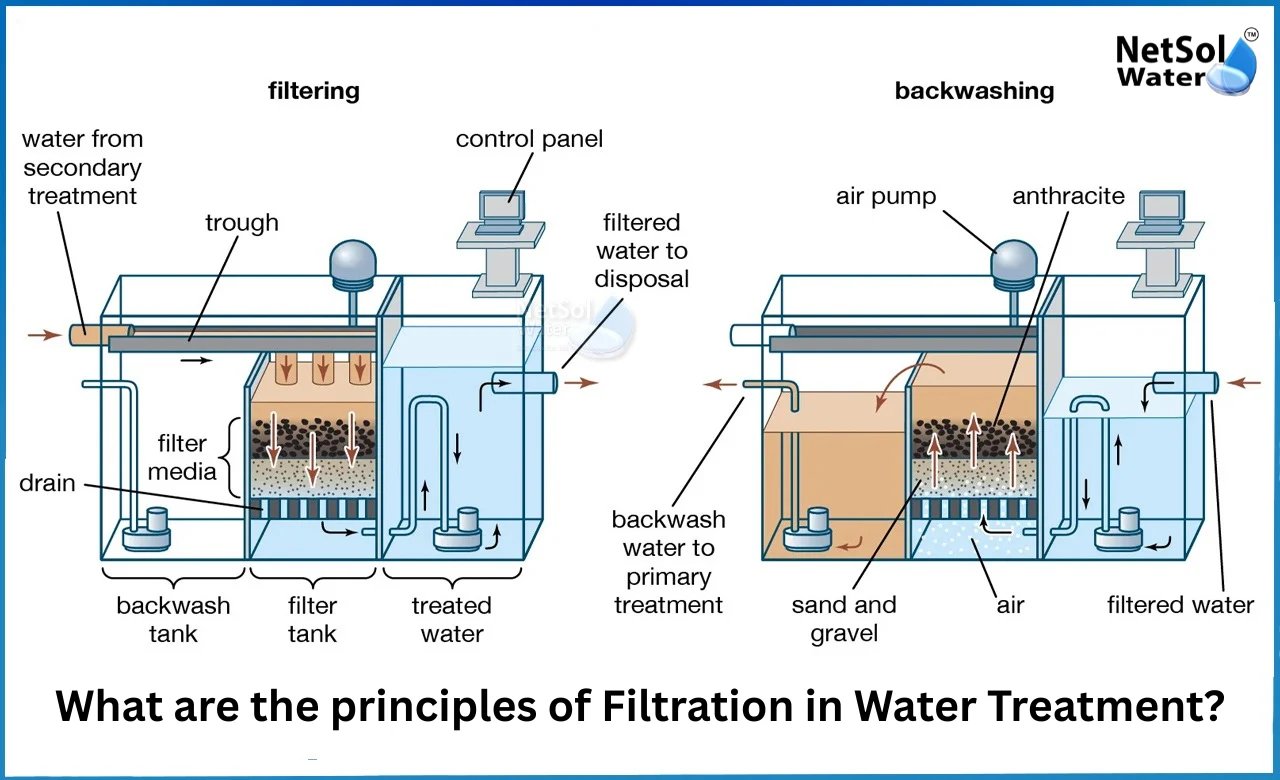
Filtration Plant

Filtration steps in after sedimentation to catch the tiny bits that still float in water. Water moves through layers of sand or gravel or another porous medium. These layers trap dirt as water slips down by gravity. Engineers choose the depth and grain size of the filter medium to match water quality. For instance, a site in Noida may use deep sand beds to clear muddy water from a lake. Each bed filters out algae spores and fine silt. This care makes water clear in look and free of most particles. The filtered water then moves to advanced stages for microbe control.

Chemical Treatment Plant

Chemical treatment plays a strong role in removing germs and in making particles clump together. It kills bacteria and viruses that reach the water. Let us have a look on some common methods that a Chemical Treatment Plant uses.

Coagulation and Flocculation

Coagulation starts by adding a chemical that bonds with small particles in water. These new bonds create tiny clumps that float free. Next comes flocculation. It stirs water at mild speed to help the tiny clumps grow and merge. The larger flocs then rise or fall out of the water. At an industrial site in Delhi a plant may feed alum to raw water from a river. The alum binds with clay dust and germs. Then a slow mixer spins water so that lots of flocs form fast. The clear layer then moves on while the flocs drop down.

Disinfection System

After clumps clear out the next need is to kill any germs that stay in water. A disinfection unit adds chlorine or ozone or it shines UV light on the flow. Chlorine kills bacteria and it adds a safe barrier as water leaves the plant. Ozone breaks down microbe cells in a short contact time. UV light zaps germs without adding any chemical. In Gurgaon a commercial plant may choose UV for its speed and zero chemical by product.

Membrane Treatment Plant

Membrane systems form a high grade barrier to keep out even the finest impurity. They use thin sheets that act like a sieve at the molecular scale. Let us have a look on some common methods that a Membrane Treatment Plant uses.

Reverse Osmosis Module

Reverse osmosis uses a thin film membrane that lets water slip through but blocks salt or dye or virus. The plant pumps water at high pressure into a membrane pack. Pure water moves past the film. The brine and waste stay on the other side. A plant at a factory site in Noida may feed brackish well water into an RO unit. At the membrane bank the salt and metal reject back to drain. The pure water flows out to a storage tank. This process yields very low levels of dissolved solids.

Ultrafiltration Unit

Ultrafiltration works on a similar idea but at lower pressure and with larger pore size. It lets minerals stay but it blocks bacteria and fine colloids. A UF module fits before RO or after chemical steps to guard downstream parts. In a hospital near Delhi a UF system may clear pathogen and protein from water. Water first meets a prefilter screen. Next it pushes through hollow fibers. These fibers trap germs that measure larger than the pore size. Clean water then flows out. This step cuts the load on any RO plant that follows or it stands on its own to provide safe water where salt levels stay low.

Conclusion

A Water Treatment Plant can use physical steps or chemical means or a membrane barrier to meet your water quality goal. Each type works best for certain feed water and for certain end use. Netsol Water designs each plant with care to match your need. We invite you to speak with our team to learn which Water Treatment Plant fits your site. Contact us now to get expert help and to see how a quality solution will serve you well.

Phone: +91-965-060-8473

Email: enquiry@Netsolwater.com


How-Does-a-Water-Treatment-Plant-Work.webp

July 25, 2025by Netsol Water1

How Does a Water Treatment Plant Work?

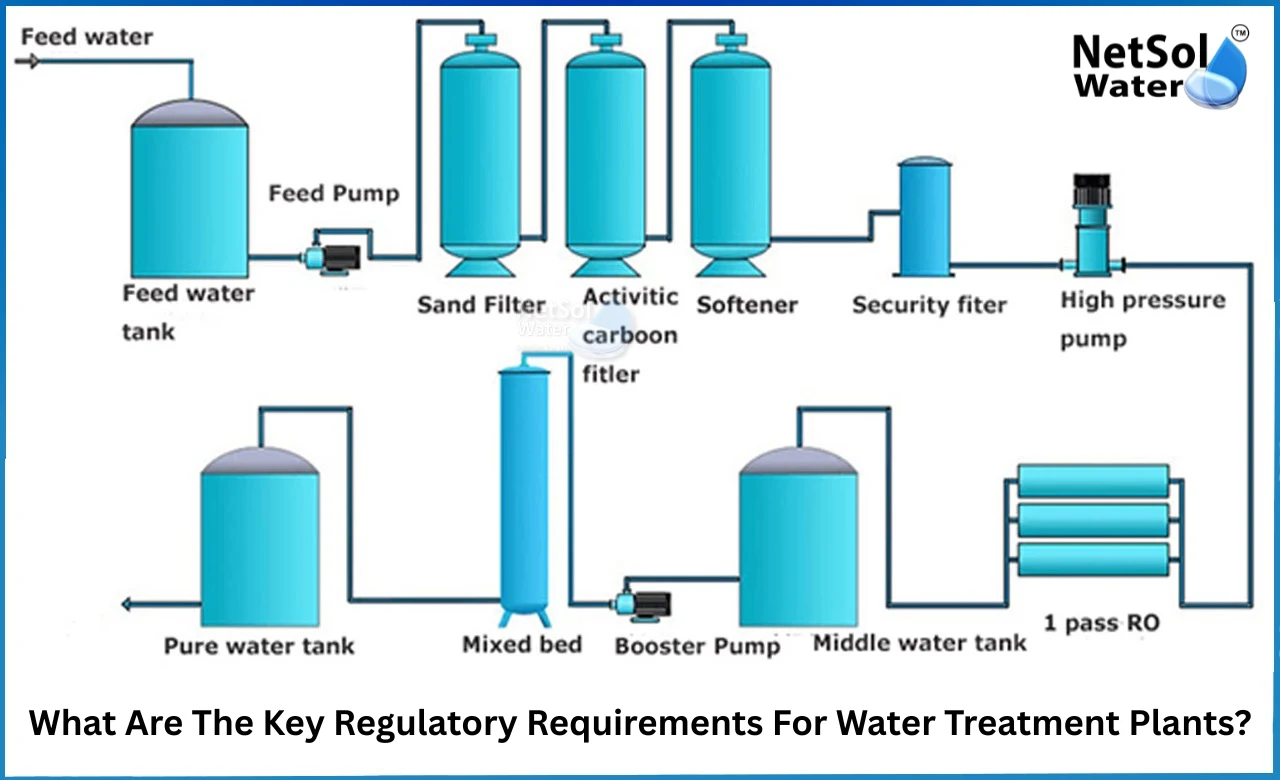
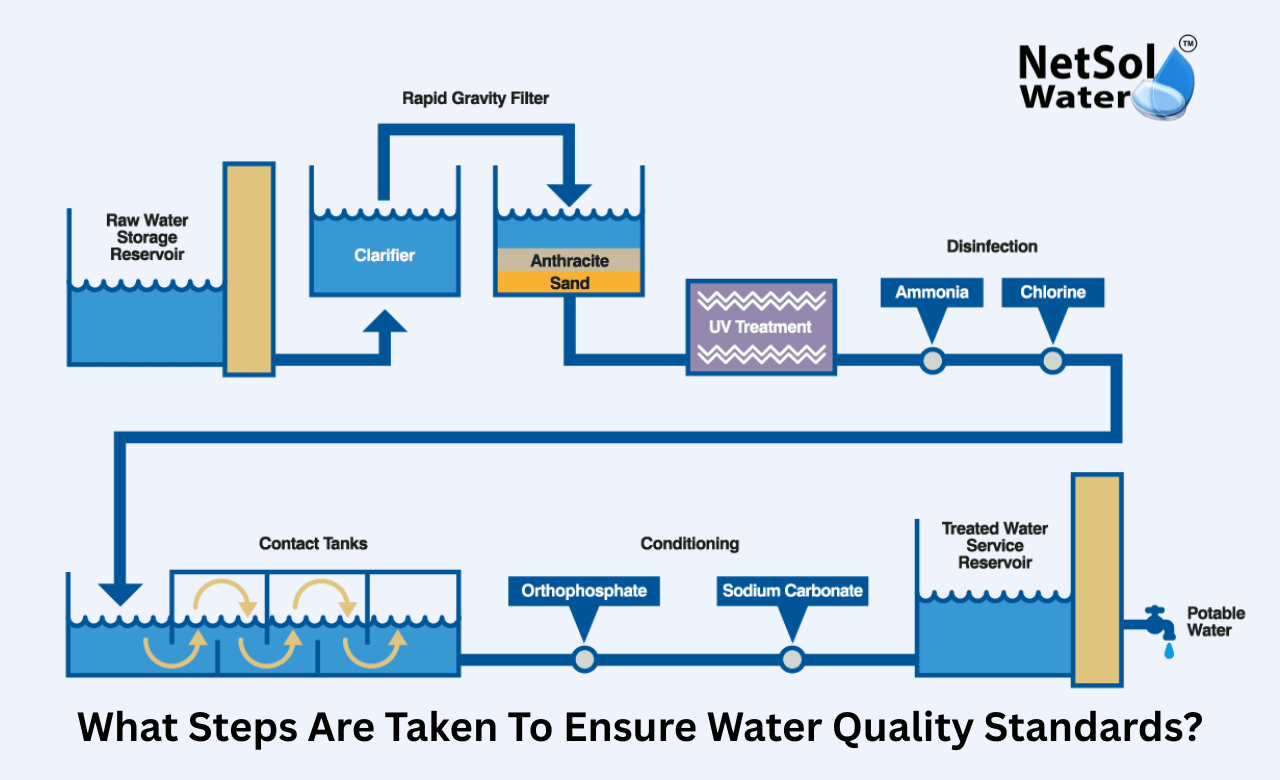
A Water Treatment Plant plays a key role in turning river or ground water into safe water for daily use. Netsol Water leads the field in designing and building a Water Treatment Plant that serves homes and businesses. People rely on its processes to remove dirt and living hazards that hide in water. Clean water helps communities stay healthy and it supports farms and factories too. We will explore how a Water Treatment Plant works step by step.

Intake to Filtration

Every Water Treatment Plant must start with water intake and move through several steps before it reaches our homes. Let us have a look on some key processes that make water clear and ready for final cleaning.

Intake and Screening

A plant first draws raw water by using pumps at a river bank or well head. It sends the flow into large screens that stop sticks leaves and fish from entering. The flow then moves into a settling tank. In that tank sand and heavy dirt sink to the bottom. The clear flow rises and moves on. Screening and settling reduce big solids early so that later steps can focus on fine particles.

Coagulation and Flocculation

After large bits leave the flow it goes into a mixing tank. The plant adds a gentle mix of chemicals. Those chemicals make small particles stick together. As they join they form larger clumps called floc. A steady stir then moves those flocs through the tank. They grow heavy as more particles cling to them. This step makes fine clay and silt gather so that they can fall out later.

Sedimentation and Filtration

Next the flow enters a tank that runs very slow. In that tank floc drops to the bottom by weight. That leaves a clear layer on top. The plant then moves that layer through filters made of sand gravel or charcoal. The filters catch what the settling tank left behind. After this the water looks pure and it feels clear.

Screens block wood twigs and stones at the start. Sedimentation then lets gravity send clumped particles down. Together these tasks make sure large and heavy bits leave the flow early. That lowers the load for filters. The plant can then run more smoothly and avoid clogging. This step uses simple design with nature’s force to clear out most dirt before final cleaning.

Disinfection and Distribution

Once a plant removes solids it must stop germs from growing. Let us have a look on some ways the plant makes water safe and sends it to taps.

Disinfection

A Water Treatment Plant uses a measured dose of chlorine or ozone in a contact tank. Those agents kill bacteria, viruses and parasites in seconds. The tank holds water long enough to let the disinfection go to work. After that the flow moves to final storage tanks. The plant keeps a small level of chlorine in the water. That prevents any germs from returning as water travels through pipes.

Distribution

The plant pumps water into a network of pipes that run under streets and paths. Pressure in those pipes pushes water uphill or to distant areas. Tanks on hilltops store water. They keep the flow steady when many homes open taps at once. Water moves on demand. It reaches each home school and factory at safe pressure and quality because the plant keeps testing samples at many points.

Chlorine kills most germs fast and stays active in pipes. UV lamps work by shining strong light on the flow. That light destroys tiny microbes in the beam path. Some plants use both methods. They add chlorine and then let water pass by UV lamps. This double step gives extra safety. It blocks any germ that escaped the first layer of defense.

Read more about Commercial RO Plant Manufacturer

Conclusion

A Water Treatment Plant stands as a promise of health and trust. Netsol Water builds each plant with care to meet community needs. Clean water keeps life running smoothly and it shapes the well being of each town and city. To learn more about a Water Treatment Plant or to discuss a project reach out today. Our team at Netsol Water will answer your questions and guide you toward the right solution.

Phone: +91-965-060-8473

Email: enquiry@Netsolwater.com


What-is-Water-Treatment-and-Why-is-it-Necessary.webp

July 24, 2025by Netsol Water

What is Water Treatment and Why is it Necessary?

Water shapes life in India and across the world. India lies on great rivers like the Ganges and spans vast plains and deserts. It has a rich tradition of water use for homes, farms and industry. Yet water often carries particles, germs and hidden chemicals that harm health and lands. Netsol Water leads as a Water Treatment Plant Manufacturer and brings expert solutions that fit local needs. We will see what water treatment means, why it matters, and how a Water Treatment Plant works.

What is Water Treatment?

Water treatment means removing unwanted elements from water to meet human needs. It uses steps that clear solids kill germs and adjust chemistry. Treatment lets people drink and use water with no harm. It also keeps pipes and machinery safe from scale and rust. Let us have a look on some key processes that make water fit for use.

Physical Treatment Processes

Physical methods sort out large particles and suspended solids. First water flows through screens that trap sticks and leaves. Then it moves into tanks where gravity makes sand and grit settle. Devices called clarifiers speed up this settling. They push water through slow zones so tiny clay and silt drop out. Plants often use filters filled with sand or other media. Water passes through the grains and leaves behind any remaining solids. This stage also removes tiny organisms that stick to particles. Physical steps set the base for more precise cleaning later.

Chemical and Biological Treatment Processes

Chemical methods target dissolved impurities and germs. Treatment plants add chemicals that bind to unwanted matter. For example alum or iron salts cause fine dirt to clump into larger bits. Operators then remove these bits with settling or filtration. Disinfection follows to kill bacteria and viruses. Plants use chlorine or UV light that destroys harmful microbes on contact. Biological treatment works for organic waste in sewage and industrial water. Microbes feed on organic pollutants and convert them into harmless byproducts. Aeration tanks supply air to boost microbe action. At the end treated water meets quality standards.


Why is Water Treatment Necessary

Safe water plays a key part in health and growth. Without treatment water may carry disease germs or toxic chemicals. Polluted water also harms ecosystems. Clean water supports farming industry and urban life. It keeps communities strong. Let us have a look on some reasons why we need treatment plants at scale.

Protecting Public Health

Drinking water may hide bacteria, viruses or parasites. These can cause cholera typhoid and other illnesses. Water treatment plant plants remove or kill these threats. They also strip out heavy metals like lead and mercury that damage organs and nerves. It also cuts medical costs and keeps people at work and school.

Saving Resources and Environment

Untreated wastewater harms rivers and lakes. It drains oxygen and kills fish. It also floods shores with sludge and odor. Treatment plants return clean water to the environment. This reuse keeps lakes and aquifers full. It helps farms by supplying water when rains run low. Recycled water can cool power stations or wash streets. This reuse cuts pressure on natural sources. It also meets growing demand in cities where fresh water is scarce.

Types of Water Treatment Plants

Netsol Water offers plants for many needs. We design and build plants for towns, factories and farms. Each plant meets strict quality rules. We match design to water source and use case. Let us have a look on some options we deliver.

Industrial Water Treatment Plant

Factories need water free from scale and chemicals. We use processes that remove hardness and oil plus organic waste. RO plants reduce dissolved salts to low levels. Ion exchange filters swap out hardness minerals for harmless ones. Dosing units add precise chemicals to prevent corrosion. Our skid mounted modules work at remote sites and start fast. They deliver water that protects boilers turbines and chillers.

Municipal Water Treatment Plant

Cities draw water from rivers and reservoirs. They need plants that treat large volumes each day. We build conventional plants with rapid mixers, flocculators, clarifiers and filters. We also add advanced steps like ozone or UV for extra safety. Our control systems adapt to seasonal changes. They keep water quality stable during floods or droughts. Communities count on our plants for clean water at every tap.

Conclusion

Clean water shapes a healthy society and a strong economy. Water Treatment Plant solutions secure quality at every step. Netsol Water leads as a Water Treatment Plant Manufacturer. We guide clients from design to start up and beyond. Feel free to reach out today for more details or to request a consultation.

Phone: +91-965-060-8473

Email: enquiry@Netsolwater.com


Top-Sewage-Treatment-Plant-Manufacturers-in-Delhi.webp

April 26, 2025by Netsol Water

Top Sewage Treatment Plant Manufacturers in Delhi

In today’s rapidly urbanizing world, managing sewage waters efficiently is crucial to prevent environmental contamination and ensure safe water for all. Delhi, being a densely populated metropolitan city, requires advanced sewage treatment plants (STPs) to handle municipal wastewater, domestic wastewater, and industrial wastewater. This blog highlights the top sewage treatment plant manufacturers in Delhi who are leading the industry with innovative technologies, cutting-edge technology, and a commitment to sustainability. These manufacturers provide a wide range of solutions, from Compact Effluent Treatment Plants (ETPs) to large-scale Industrial Wastewater Treatment systems, ensuring compliance with Pollution Control Board (PCB) standards.

Key Stages in Sewage Treatment

  1. Preliminary Treatment: Removes heavy solids, lighter solids, and inorganic materials through screening and sedimentation.
  2. Primary Treatment: Uses primary clarifiers to separate settled material and reduce organic matter.
  3. Secondary Treatment: Employs biological processes with aeration tanks, Sequential Batch Reactors (SBR), and Moving Bed Biofilm Reactors (MBBR) to break down organic pollutants.
  4. Tertiary Treatment: Ensures further purification through filtration, disinfection, and advanced treatment technologies to meet environmental standards.
  5. Sludge Treatment: Processes bio-solids in sludge digesters for safe disposal or reuse.

Top 5 Sewage Treatment Plant Manufacturers in Delhi

1: Netsol Water

A leading manufacturer of sewage treatment plants, Netsol Water specializes in advanced sewage treatment methods like SBR, MBBR, and biofilm reactors. Their compact design and energy-efficient systems cater to industries such as hotels, hospitals, and steel industries.

2: Sewage Treatment Plants

Known for their complete range of STPs and ETPs, Sewage Treatment Plants integrate modern technologies to ensure high water quality and low energy consumption. They serve the pharmaceutical, textile and food industries.

3: Urban STP Plant

This provider of sewage treatment solutions offers biological treatment systems with aerobic bacteria to reduce Biological Oxygen Demand (BOD). Their effluent treatment plants are ideal for industrial facilities.

4: Water Treatment Plants

Specializing in sustainable future solutions, they provide tertiary treatment options like reverse osmosis (RO) and ultrafiltration (UF) to remove toxic pollutants from industrial effluent.

5: Compact STP Plant

A trusted name in wastewater treatment, Compact STP Plant offers centralized wastewater treatment systems with automatic feed flow rate control, ensuring compliance with regulatory standards.

Why Choose Advanced Sewage Treatment Plants?

  • Reduces ecological footprint
  • Ensures cleaner water resources
  • Complies with Pollution Control Board norms
  • Uses beneficial microorganisms for biological treatment
  • Minimizes industrial pollution

Conclusion

With increasing water contamination levels, investing in a high-quality sewage treatment plant from reputed sewage treatment plant manufacturers in Delhi is essential. These companies offer comprehensive treatment solutions with cutting-edge technology, ensuring environmental sustainability and responsible resource management.

For Price, Product Details, and Product Videos, visit the leading STP suppliers in Delhi, Faridabad & Gurgaon today!


Add-a-subheading-1-8.webp

April 10, 2025by Netsol Water

Why Monitor Water Treatment Plant Performance Daily?

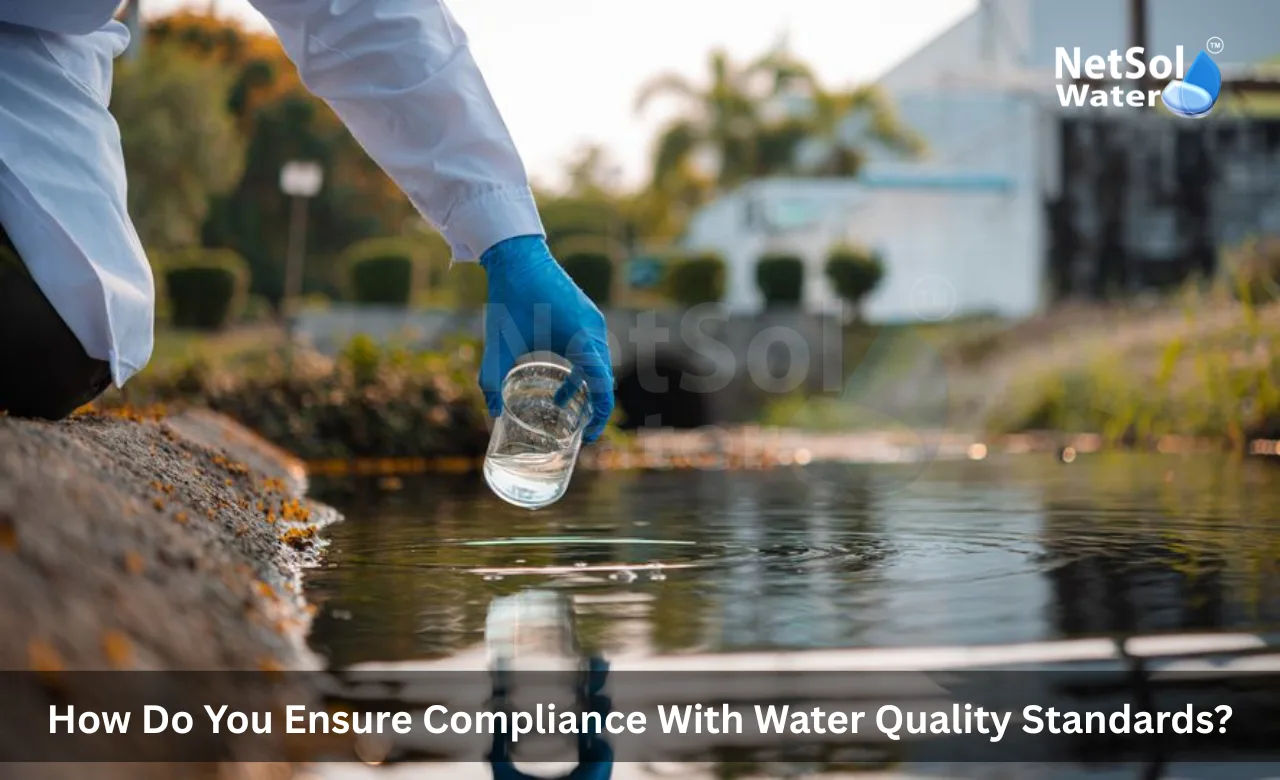
Water treatment plants serve as guardians of public health. These facilities transform raw water into safe drinking water for millions of people worldwide. Daily monitoring of water treatment plant performance creates a strong foundation for delivering clean water. Plant operators need to track various parameters throughout the treatment process to maintain water quality standards. Without proper monitoring, water quality issues can escalate fast, leading to serious public health concerns. This makes daily performance monitoring an essential practice in water treatment operations. Understanding why we monitor plant performance helps operators make informed decisions. It also ensures compliance with regulations while protecting public health. The daily monitoring process includes checking equipment function testing water samples at different treatment stages maintaining proper chemical dosage keeping detailed records identifying potential issues early. Through consistent monitoring operators can address problems before they affect water quality. This proactive approach helps maintain effective operations ensures regulatory compliance saves money prevents service disruptions protects equipment.


Protecting Public Health Through Daily Monitoring

Daily monitoring of water treatment plants plays a key role in safeguarding public health. The treatment process must remove harmful contaminants, bacteria and viruses to produce safe drinking water. Let us explore how daily monitoring contributes to public health protection.


1.  Water Quality Testing: Plant operators conduct frequent water quality tests throughout the day. These tests check pH levels, chlorine content, turbidity and bacterial presence. The data from these tests helps operators adjust treatment processes. Regular testing ensures the final water product meets safety standards.


2. Chemical Balance Management: Treatment plants use various chemicals to clean water. Operators must monitor chemical levels dosage rates throughout the day. Proper chemical balance ensures effective contaminant removal. It also prevents excess chemical use, which can affect water taste and odour.


3. Equipment Performance Tracking: Water treatment equipment needs constant monitoring. Operators check pumps, filter, screens and tanks for proper operation. They measure flow rates, pressure levels, and filter performance. This monitoring prevents equipment failures that could impact water quality.


Operational Efficiency Benefits of Daily Monitoring

Regular monitoring helps treatment plants run smoothly and efficiently. It allows operators to optimize processes, save resources and prevent costly problems. Here is how daily monitoring improves operational efficiency.


  • Energy Usage Optimization: Daily monitoring tracks energy consumption patterns. Operators can identify equipment running inefficiently. They can schedule maintenance and adjust operations to save energy. This monitoring leads to lower operational costs better resource use.


  • Chemical Usage Management: Proper monitoring prevents chemical waste. Operators track chemical consumption rates effectiveness. They can adjust dosages based on changing conditions in raw water quality. This management reduces chemical costs and ensures optimal treatment.


  • Maintenance Planning: Daily monitoring helps predict equipment maintenance needs. Operators can spot early signs of wear performance issues. They schedule preventive maintenance before problems occur. This planning prevents unexpected breakdowns and extends equipment life.


Regulatory Compliance Through Monitoring

Water treatment plants must follow strict regulations. Daily monitoring ensures compliance with these requirements. Let us examine how monitoring supports regulatory compliance.


A. Documentation Records: Operators keep detailed records of all monitoring activities. These records show compliance with water quality standards. They document treatment processes, chemical usage and equipment maintenance. Complete documentation protects plants during regulatory inspections.


B. Parameter Tracking: Treatment plants track specific parameters set by regulations. Daily monitoring ensures these parameters stay within limits. Operators can quickly correct any deviations from standards. This tracking prevents violations and maintains compliance.


C. Quality Control Verification: Regular monitoring verifies treatment effectiveness. Operators test water quality at different treatment stages. They ensure all processes work properly and meet requirements. This verification confirms regulatory compliance.


Want to improve your water treatment plant performance through effective daily monitoring?

Contact our team of water treatment experts today. We offer comprehensive guidance on implementing monitoring programs. Our specialists can help optimize your plant operations and ensure water quality compliance. Schedule a consultation to learn more about enhancing your daily monitoring practices.


To explore customised commercial RO plants, Industrial RO plant, ETP or STP solutions for your needs in your areas and nearby regions, Contact Sewage Treatment Plant at:

Phone: +91-965-060-8473

Email: enquiry@netsolwater.com

How-Safe-Is-Your-Water-Treatment-Plant.webp

April 9, 2025by Netsol Water

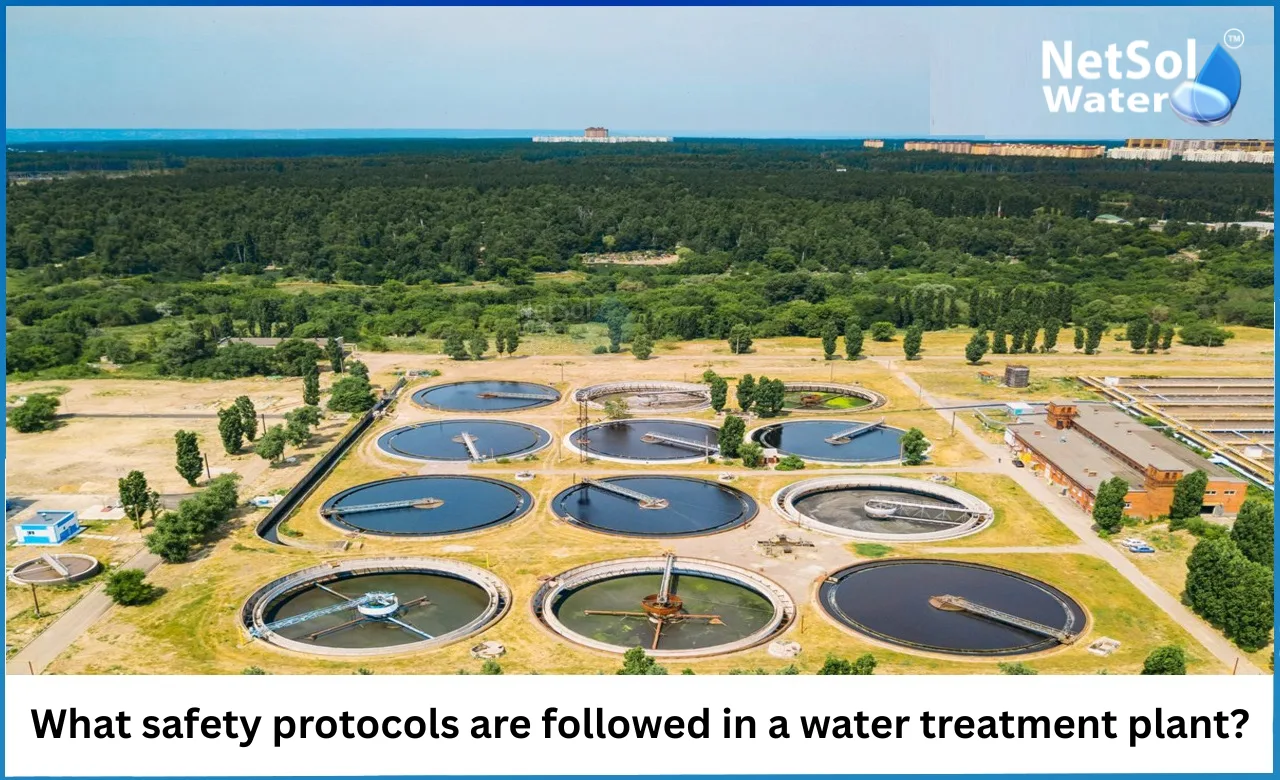
How Safe Is Your Water Treatment Plant?

Every day, your water treatment plant works tirelessly to deliver clean water to thousands of homes. Yet many plant operators wonder if their facilities meet modern safety standards. This question becomes more pressing as infrastructure ages nationwide.


The safety of water treatment plants impacts everyone. When a treatment plant runs safely it protects public health through clean drinking water. It also keeps workers protected from workplace hazards. Plant safety goes beyond just following regulations – it requires staying ahead of potential problems through proper maintenance inspections and employee training. Understanding water treatment plant safety helps operators make informed decisions about upgrades and improvements.


We will explore the key aspects of water treatment plant safety. We will examine physical infrastructure security measures for protecting critical systems. You will learn about proper chemical handling protocols that prevent accidents.


Physical Security Measures That Protect Critical Infrastructure

The foundation of water treatment plant safety starts with protecting physical infrastructure. Strong physical security prevents unauthorized access keeps equipment safe and maintains smooth operations. Physical security includes multiple layers of protection working together. Let us look at essential physical security measures for water treatment plants:


1. Perimeter Security Systems: Modern water treatment plants use security fencing with intrusion detection sensors. These sensors immediately alert security staff if someone tries to enter restricted areas. Security cameras monitor the perimeter 24/7 and record any suspicious activity. Proper lighting around the perimeter makes nighttime monitoring effective.


2. Access Control Systems: Controlling who enters different areas of the plant prevents security breaches. Electronic access cards track employee movements throughout the facility. Biometric scanners add an extra layer of security for sensitive areas. Visitor management systems ensure guests follow safety protocols. Regular audits of access logs help identify potential security issues.


3. Equipment Protection: Critical equipment needs specific protection beyond general facility security. Backup power systems keep essential processes running during outages. Fire suppression systems shield sensitive equipment. Anti-tampering devices prevent unauthorized changes to controls. Regular testing confirms all protection systems work properly.


Chemical Safety Protocols That Prevent Accidents

Water treatment requires handling various chemicals. Following proper chemical safety protocols protects both workers and the environment. Good chemical safety practices build trust with the community. Let us examine key aspects of chemical safety:


  • Chemical Storage Guidelines: Safe chemical storage starts with proper organization. Different chemicals need separate storage areas to prevent dangerous reactions. Storage areas should have proper ventilation and temperature control. Clear labelling helps workers quickly identify chemicals. Regular inventory checks track chemical quantities and expiration dates.


  • Handling Procedures: Workers need clear procedures for handling chemicals safely. Personal protective equipment protects staff during chemical transfers. Automated systems minimize direct contact with hazardous substances. Proper cleanup protocols address spills quickly. Documentation ensures consistent safe handling practices.


  • Emergency Response Plans: Quick response to chemical incidents prevents serious problems. Emergency shower stations provide immediate decontamination. First aid supplies stay fully stocked and accessible. Staff regularly practice emergency procedures. Clear communication channels speed up incident response.


Employee Training Programs That Build Safety Culture

A strong safety culture depends on well-trained employees. Regular training keeps safety knowledge current. It also shows management commitment to worker protection. Let us explore important aspects of safety training:


A. Safety Orientation Programs: New employees learn essential safety practices immediately. Orientation covers facility layout and emergency exits. Workers learn about personal protective equipment requirements. Training addresses common workplace hazards. Regular refresher sessions reinforce safety basics.


B. Specialized Equipment Training: Complex equipment requires specific safety training. Operators learn proper startup and shutdown procedures. Maintenance staff master safe repair techniques. Training includes hands-on practice with equipment. Regular assessments confirm worker competency.


C. Emergency Response Training: Workers practice responding to various emergencies. Training covers evacuation procedures and assembly points. Staff learn to use emergency equipment properly. Mock emergency drills test response readiness. After-action reviews improve emergency procedures.


Take Action for Water Treatment Plant Safety

Your water treatment plant safety directly affects your community. Schedule a professional safety assessment today. Our experts will evaluate your current safety measures and suggest practical improvements. Contact us to learn how we can help make your water treatment plant safer.


Contact Netsol Water at:

Phone: +91-965-060-8473

Email: enquiry@netsolwater.com