water treatment plant - Page 6 of 9 - Sewage Treatment Plant Manufacturers

Hospital-Effluent-Treatment-Plant-Requirements-and-Compliance-in-India-3.webp

October 13, 2025by Netsol Water

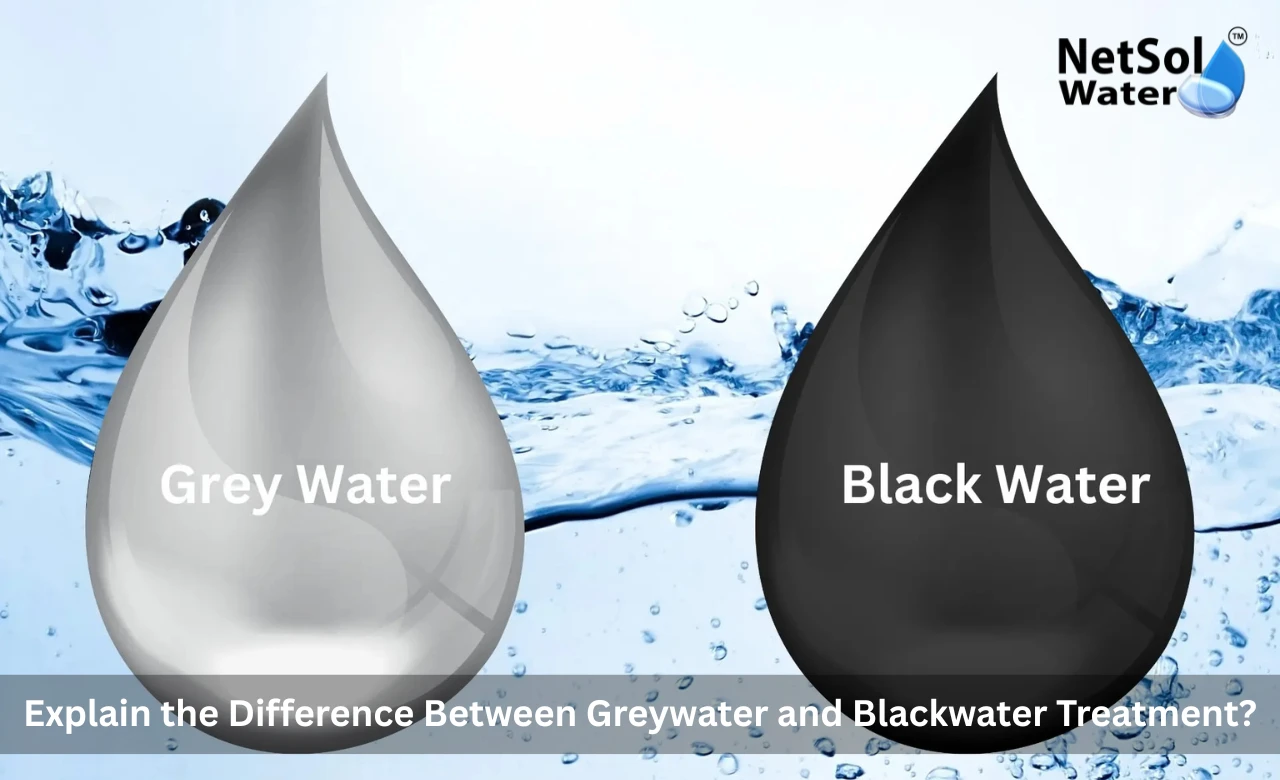
Explain the Difference Between Greywater and Blackwater Treatment?

Waste Water Treatment matters for cities homes and industries. People expect clean water and safe disposal. Netsol Water is the leading Waste Water Treatment company in India and it designs plants for urban and industrial needs. We will explain the main difference between greywater treatment and blackwater treatment.

Greywater treatment

Greywater comes from baths sinks, laundry and hand washing. People consider greywater less hazardous than blackwater because it contains lower amounts of fecal matter. Still greywater carries soap, oils, hair, food bits and micro organisms. Let us have a look on some key aspects that planners monitor when they design greywater solutions.

Sources and characteristics

Greywater comes from showers wash basins washing machines and laundry taps. It contains soap residues hair lint and small amounts of food waste. The organic load in greywater stays moderate and the pathogen load stays lower than in blackwater. Designers check pH, suspended solids and fats to pick the right filters and biological units. Greywater shows more detergents and surfactants than blackwater. These chemicals can harm plants if the water goes to gardens without treatment. Greywater also shows grease that can block pipes when left untreated. For reuse teams screen and remove solids and then they use settling and biological steps to lower organics and microbes.

Treatment methods

Greywater treatment aims to make water fit for safe reuse. Systems start with coarse screens that remove cloth fibers hair and large particles. Next treatment uses sedimentation or simple filters to clear fine solids. Designers often add biofilters or constructed wetlands to break down organics. These systems use natural microbes that digest waste while plants help remove nutrients. Disinfection follows to reduce microbes. Methods can include chlorination ultraviolet light or slow sand filtration. The final step matches the quality needed for reuse. For toilet flushing the standards stay stricter than for landscape irrigation. An efficient greywater system saves potable water and cuts the load on sewers. Netsol Water plans these systems to meet local rules and to keep operation simple and affordable.

Blackwater treatment

Blackwater comes from toilets and sometimes from kitchen drains that mix heavy food waste. This stream carries high amounts of pathogens solids and organics. Let us have a look on some key areas where strict controls and stronger treatment steps matter.

Sources and characteristics

Blackwater comes mainly from toilets and kitchen sinks when they enter the same drain. It contains fecal matter urine and often kitchen grease and food scraps. The pathogen levels in blackwater stay much higher than in greywater. It also shows a higher organic load that can deplete oxygen in rivers and lakes if released untreated. Blackwater also contains micro plastics and chemicals from personal care products that need removal when the discharge goes to natural water bodies. For onsite systems planners measure biochemical oxygen demand total suspended solids and nutrient content to size the treatment tanks. These measures drive the choice of primary settling anaerobic digestion and further biological or chemical steps.

Treatment methods

Blackwater treatment aims to reduce pathogens organics and solids to safe levels before discharge or reuse. The process often starts with primary settling where heavy solids drop to form sludge. Engineers then use biological reactors where microbes convert organic matter to carbon dioxide and biomass. Many municipal plants add anaerobic digesters to reduce sludge volume and to capture biogas for energy. After biological steps teams use secondary clarification and then advanced filters or membranes to polish the water.

Key differences and choosing the right system

Greywater and blackwater differ in risk in treatment intensity and in reuse options. Let us have a look on some factors that planners consider when they choose systems and set budgets.

Health and environmental risk

Blackwater shows higher health risk because it carries fecal pathogens. Treating blackwater requires more steps and more safety checks. Greywater poses lower health risk but it still harms plants and soil if left untreated. For public safety teams set stricter limits on pathogen counts for blackwater discharge. Environmental rules also demand better nutrient removal from blackwater to protect rivers. Greywater rules focus on removing solids and reducing chemical residues to protect reuse sites.

Design and cost considerations

Greywater systems use simpler tanks filters and nature based units. They cost less to build and they lower potable water demand. Blackwater plants require larger tanks mechanical aeration and sludge handling systems. These needs raise capital and operational cost. Owners balance cost against long term benefits. For large sites and for municipal systems treating blackwater fully remains the core duty. For buildings that want onsite reuse greywater systems offer fast returns and steady savings.

Read some interesting information for Commercial RO Plant Manufacturer in Noida

Conclusion

Waste Water Treatment shapes public health, urban living and business operation. If you need a site assessment or a consultation on plant design, please contact Netsol Water for expert advice and practical options. The right Wastewater Treatment plan saves water protects health and reduces long term cost. Reach out now to start a discussion and to request a consultation.

Contact Netsol Water at:

Phone: +91-9650608473

Email: enquiry@netsolwater.com

Hospital-Effluent-Treatment-Plant-Requirements-and-Compliance-in-India-1.webp

October 10, 2025by Netsol Water

What are the benefits of water management?

Water management plays a key role for cities and industries in Noida and nearby areas. Noida is known for its rapid industry growth and strong infrastructure. Netsol Water is the leading provider of plants that help offices, factories and local communities use water in a smart way. A Water Management Plant helps protect water quality and save water for future use.

Environmental Benefits of Water Management

Proper water use reduces waste and lowers risk to rivers and lakes. Let us have a look on some important environmental benefits.

Reduced Water Pollution

A Water Management Plant stops harmful material from entering local water bodies. The plant treats wastewater and removes solids and dangerous microbes. When treated water returns to rivers the water stays cleaner. Netsol Water plants use proven steps to separate solids and to lower chemical load in water. These steps reduce health risks for people who live near water sources. The result is safer water for farming and for daily life. Plant design also includes monitoring to catch problems early. This monitoring helps operators fix faults before damage spreads. Local communities gain from cleaner water in wells and in surface bodies. Cleaner water lowers the cost of future cleanup. Cleaner water helps local tourism and recreation areas stay usable.

Conservation of Water Resources

A Water Management Plant focuses on saving water and on reusing treated water for safe tasks. The plant recycles water for cooling and for landscaping. This action lowers demand on fresh water. Lower demand helps maintain river flow and groundwater levels. Groundwater levels then support agriculture and nearby wells. Saving water also reduces the need to build new supply projects. That reduces land use and energy consumption. Netsol Water plants include measures to recover water from processes that used to waste it. The plant also uses sensors to find leaks and to cut losses. These technical steps help large users like factories reduce their water footprint. When many sites adopt savings the whole region gains stable supply. This leads to less stress in dry seasons and to more consistent water access for all.

Economic and Operational Benefits of Water Management

Water affects production costs and daily operations. A Water Management Plant lowers cost and improves reliability. Let us have a look on some key economic and operational benefits.

Lower Operating Cost and Better Resource Use

A Water Management Plant reduces water purchase expense and energy bills linked to water processing. Reused water cuts repeat purchases and reduces overall demand. Plants with good design also lower waste disposal charges. When a site keeps more water on site it avoids expensive emergency supply options. Improved water quality also reduces wear on machines. Machines that use cleaner water need less maintenance. This lowers downtime and boosts production. Netsol Water installs plants that match business needs so capital spending returns value fast. The plant also helps companies meet rules that can otherwise lead to fines. These savings help justify the initial investment. Over time the system pays back through lower bills and fewer interruptions. This makes operations more stable and more profitable.

Business Continuity and Regulatory Compliance

A Water Management Plant helps businesses avoid sudden supply problems that stop work. The plant provides a steady source of treated water for critical tasks. This protects production schedules and customer commitments. The plant also helps meet government rules for discharge and for water use. Compliance reduces the risk of fines and of forced shutdowns. Netsol Water supports clients with documentation and with design that follows local law. The result is smoother audits and easier licensing.

Read some interesting information for Commercial RO Plant Manufacturer in Noida

Conclusion

Water Management Plant cut pollution and save water while they lower costs and improve reliability. Netsol Water brings local knowledge and hands on support to help projects succeed. If you want to learn how a Water Treatment Plant can fit your site contact Netsol Water for more details or request a consultation. Take the next step to protect water and to secure better operations.

Contact Netsol Water at:

Phone: +91-9650608473

Email: enquiry@netsolwater.com


Add-a-subheading-1-2.webp

September 29, 2025by Netsol Water

How to start a waste management business?

Cities and industries face rising pressure to treat water and to reduce pollution. Netsol Water is the leading company that shows how to make efficient plants and how to serve diverse clients. We will explain the main steps to start a Waste Water Management business.

Market Research and Business Planning

Let us have a look on some key areas that shape your Market Research and Business Planning.

Local needs and clients

Start by mapping who needs service and what they pay now. Visit small factories, hotels hospitals and municipal units to learn how they handle waste now and what they will change soon. Speak with local authorities and with engineers who work on water and sewage. Build a list of plausible clients and rank them by how fast they will buy services and how much they can pay. This approach helps you set clear priorities and create a lean service menu you can deliver in the first months. Waste Water Management demands trust and clear proof of capability so plan a few pilot jobs you can complete fast and at low cost. Use those pilots as case studies to show new clients what you can do and to win larger contracts.

Creating a practical business plan and budget

After you know the clients you must design a plan that covers investments and cash flow for the first year. Decide whether you will sell plants or rent them and whether you will offer maintenance and monitoring. Estimate the capital cost for tanks pumps and filters and estimate the working capital for staff and transport. Set price bands that match client budgets and still leave margin for growth. Explain your sales model and your operations model in plain terms and include simple KPIs such as number of clients per month revenue per client and break even month. Plan a small sample project to prove your methods and to reduce risk.

Licenses Operations and Sales

Running a waste handling business needs legal clearances and steady operations. You must meet rules and you must make plants that run reliably each day. Let us have a look on some rules and on building an operational backbone that keeps clients satisfied.

Regulatory approvals and compliance

You must secure permits from local pollution control boards and from municipal bodies before you start full operations. Learn the license types that apply to waste collection treatment and disposal and collect the forms early. Prepare simple technical notes that explain your process and the waste volumes you will handle. Engage with a local consultant if the rules feel complex. Plan for regular tests and for clear records that show how you manage sludge and treated water. Many clients will ask for proof of compliance before they sign a contract so keep certificates ready and keep test results fresh. A clean compliance record builds trust and it reduces fines and delays.

Setting up operations and selling services

Design your operation to match the contracts you aim to win. Choose vehicles and containers that fit local roads and waste types. Buy modular treatment units that you can scale later and that you can move between sites if needed. Hire technicians who know pumps valves and basic electrical systems and train them in safety and in simple maintenance checks. On the sales side build a short pitch that shows cost benefit and shows how you protect client premises. Offer a trial run or a short service agreement to reduce buyer risk and to show results fast. After each job collect a short report and a client note that you can use as proof for new customers.

Read some interesting information for Commercial RO Plant Manufacturer in Noida

Conclusion

Starting a business in Wastewater Management needs clear research good planning and strict compliance. You must focus on local needs and on building simple reliable operations that win trust fast. Netsol Water is the leading example of how to combine technology and service and you can learn from such models as you plan your next steps. If you want help with a project design a permit checklist or a business plan contact us for a consultation and we will guide you.

Contact Netsol Water at:

Phone: +91-9650608473

Email: enquiry@netsolwater.com


What-is-the-cost-of-wastewater-treatment-plant.webp

September 25, 2025by Netsol Water

What is the cost of wastewater treatment plant?

Wastewater is a growing challenge in India and many other places. Cities and industries need ways to treat water so people stay healthy and the land stays productive. Netsol Water is the leading Wastewater Treatment Plant Manufacturer and it offers solutions that match different budgets and needs.

Factors that affect cost of the Wastewater Treatment Plant

Understanding what affects price helps you choose the right plant. Let us have a look on some factors that affect cost of the Wastewater Treatment Plant.

Plant capacity and flow rate

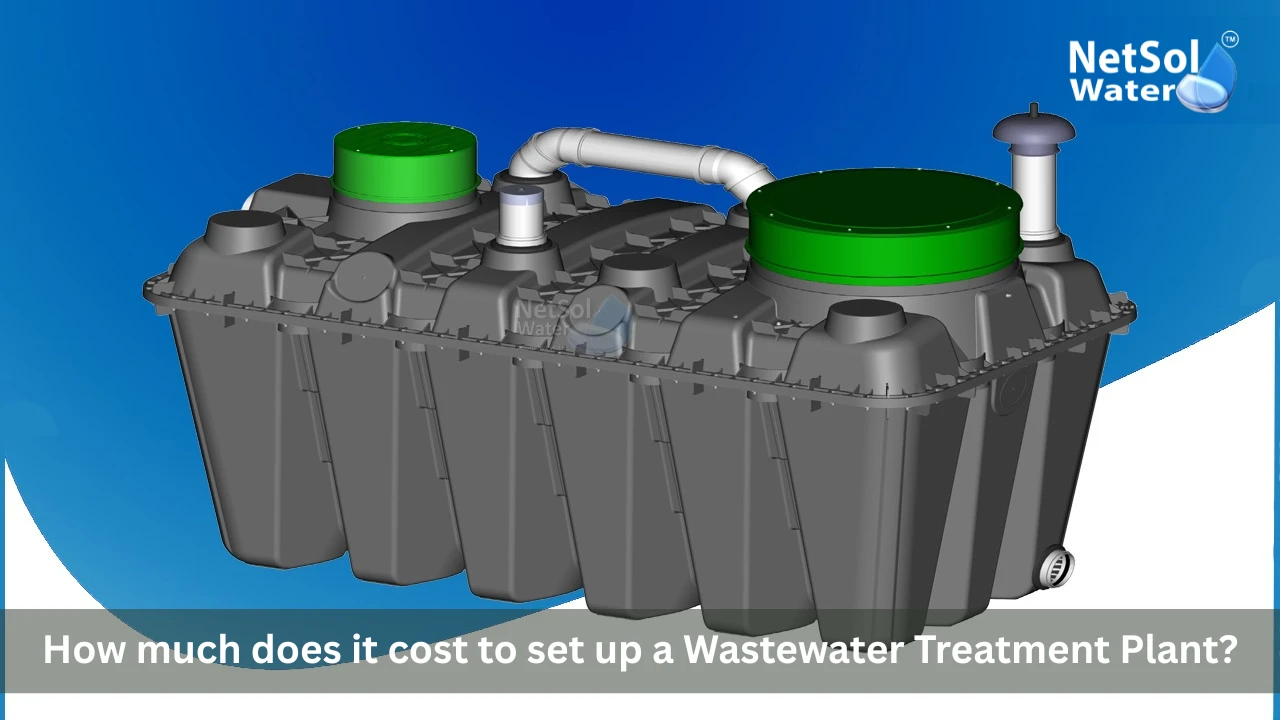
Plant size matters most for cost. A larger Wastewater Treatment Plant needs bigger tanks pumps and more control equipment. The cost per cubic meter often drops as size grows but the total price rises. Small units for a farmhouse or a small factory will cost less in total but will cost more per unit of treated water. Large municipal plants show better economies of scale but they need more land and stricter approvals. Capacity also links to treatment steps. When a plant must remove many pollutants designers add more reactors filters and sometimes advanced units. Each extra step raises the price and adds to the operation work later on.

Treatment technology and process selection

Technology choice also shapes the investment. Simple gravity and biological systems work for many cases. More advanced systems use membranes chemical dosing or intensive aeration and they cost more to build and to run. The level of treatment you need decides the technology. If you must meet strict discharge standards you may need tertiary treatment steps that include filtration disinfection or nutrient removal. Each added process increases both capital cost and maintenance work. Activated sludge systems use tanks and aeration. They fit many municipal and industrial sites and they balance cost and performance. Sequencing batch reactors handle variable flow without complex pipe work and they can save space. Membrane bioreactors give very good effluent quality but they use more power and membrane replacement raises annual cost. For industrial waste streams you may need chemical treatment or special biological systems that handle oil chemicals or high salt. Those setups require special design and higher budgets.

Capital cost versus operating cost for a Wastewater Treatment Plant

Buyers must see both the initial price and the cost to run the plant. Let us have a look on some elements that shape ongoing cost.

Initial capital cost and what it covers

Initial capital covers design, civil work, equipment and installation. Civil work includes excavation concrete foundations and building a safe area for the plant. Equipment includes tanks blowers pumps mixers screens and control panels. Installation ties everything together and includes testing and commissioning. Site preparation and permits can also add to the initial bill. Land cost can be a major part of the budget when the plant needs more area. When you compare offers check what each supplier includes in the quoted price. Some quotes cover complete delivery and testing while others list only equipment. Choosing a manufacturer like Netsol Water helps because they handle design procurement and commissioning in one package.

Operation and maintenance cost

Operation and maintenance form the long term cost. Energy drives most of the operating bill. Pumps blowers and heaters can use a lot of power. Labor also adds regular cost because trained staff must run and monitor the system. Routine supplies include chemicals and filter media and these add up each month. Some technologies need costly parts replaced on a fixed schedule. Membranes sensors and certain mechanical parts show steady wear and need planned replacement. Regular maintenance keeps the plant efficient and prevents breakdowns that raise cost. Good design reduces energy use and simplifies maintenance so the yearly bill stays lower. Choosing energy efficient blowers and variable speed pumps cuts power use. Automation reduces manual checks and prevents human error. Scheduled maintenance avoids emergency repairs and extends equipment life. Training local staff speeds repairs and reduces the need to call outside technicians. All these moves cost less than repeated emergency fixes and save money over the life of the plant.

Read some interesting information for Commercial RO Plant Manufacturer

Conclusion

Choosing the right Wastewater Treatment Plant needs a clear view of both the initial price and the long term cost. Net savings come from correct sizing careful technology choice and good operation. Netsol Water can help you compare options and prepare a realistic budget. If you want a consultation or a site estimate, please contact Netsol Water for a direct discussion. We can guide you to select the right plant and provide a full quote that covers supply installation and training. Reach out today to plan a solution that fits your need and your budget.

Contact Netsol Water at:

Phone: +91-9650608473

Email: enquiry@netsolwater.com


How-Much-Does-an-RO-Water-Purifier-Really-Cost-2.webp

September 15, 2025by Netsol Water

What are the emerging trends in sustainable water treatment quiz?

Sustainable water management grows more important each year as and industries face water shortages and stricter rules. Netsol Water is the leading Water Treatment Plant Manufacturer and it helps clients adopt new methods. India is known for fast urban growth and heavy industrial use of water. People here need clear answers on how to save water and treat it safely. We will explore the emerging trends in sustainable water treatment.

Digital and Smart Technologies in Water Treatment

Understanding digital tools helps people run Water Treatment Plants with less waste and more control. Let us have a look on some technologies that change how plants work and how staff learn faster and respond better.

Sensors and Real Time Monitoring

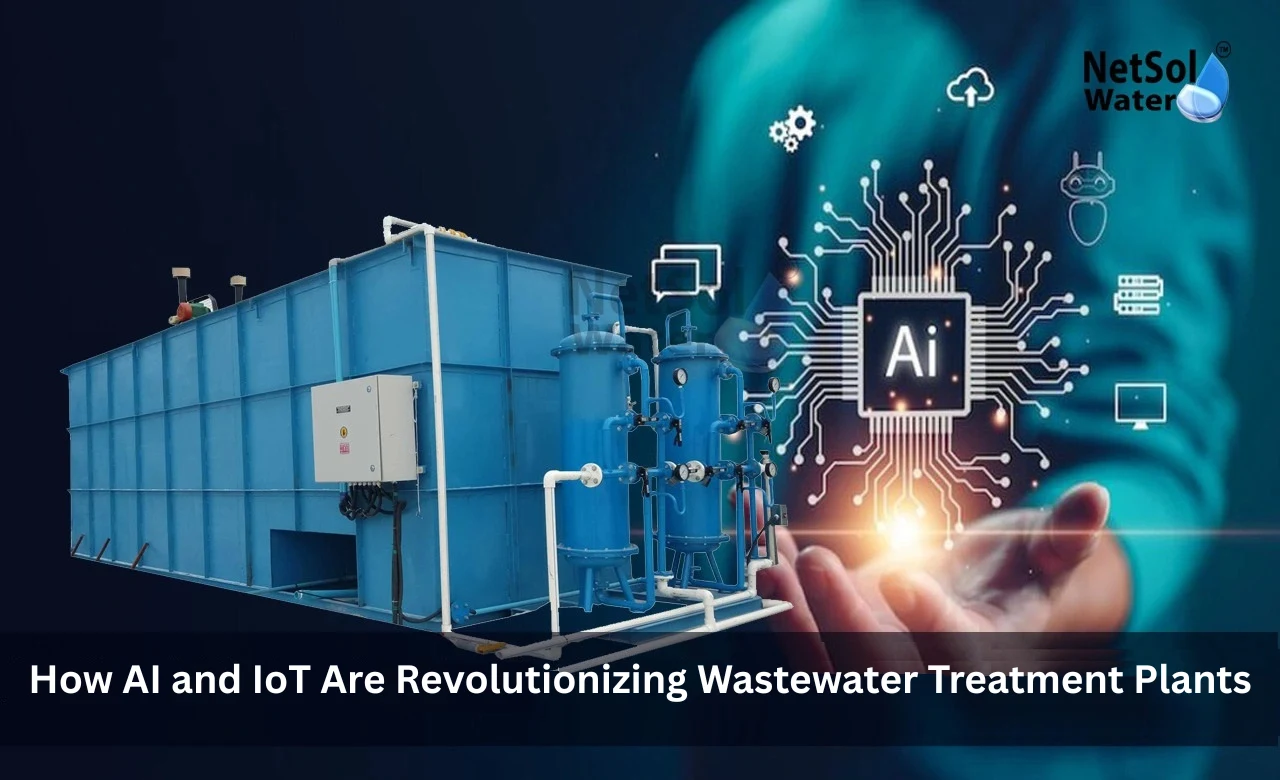
Smart sensors send live data on flow quality and pressure. Operators can watch this data on simple screens. Plants save water and reduce downtime because staff act fast. Remote monitoring lets experts help from a distance. Automated alarms bring attention to unusual changes at once. The result is a cleaner output and steady operations. People use that data to plan maintenance and to tune processes for higher efficiency.

AI and Predictive Control

AI models analyze sensor data and predict what will happen next. AI helps adjust pumps filters and chemical dosing without human delay. The models spot trends that humans might miss. Plants cut power use and lower costs when they use predictive control. Training the models does not take weeks. Teams feed past data to the system and it learns patterns. This reduces surprises and helps staff make better decisions. Small plants and large plants both gain from these tools.

Nature Based and Resource Recovery Approaches

Using nature based methods and recovering resources makes Water Treatment Plant work smarter for the environment. Let us have a look on some methods that use natural cycles and that help communities gain more from treated water.

Constructed Wetlands and Green Processes

Constructed wetlands mimic rivers and lakes to filter water with plants and microbes. Designers shape shallow beds and steady flows so plants can remove nutrients and sediments. These plants need less power than many mechanical units. Communities use them in small towns and at industrial sites. The result is clear water and added green space that supports birds and insects. Wetlands also lower maintenance needs because plants do much of the work naturally. When a wetland pairs with a mechanical unit the overall cost can drop and the output can meet strict standards.

Resource Recovery and Circular Use

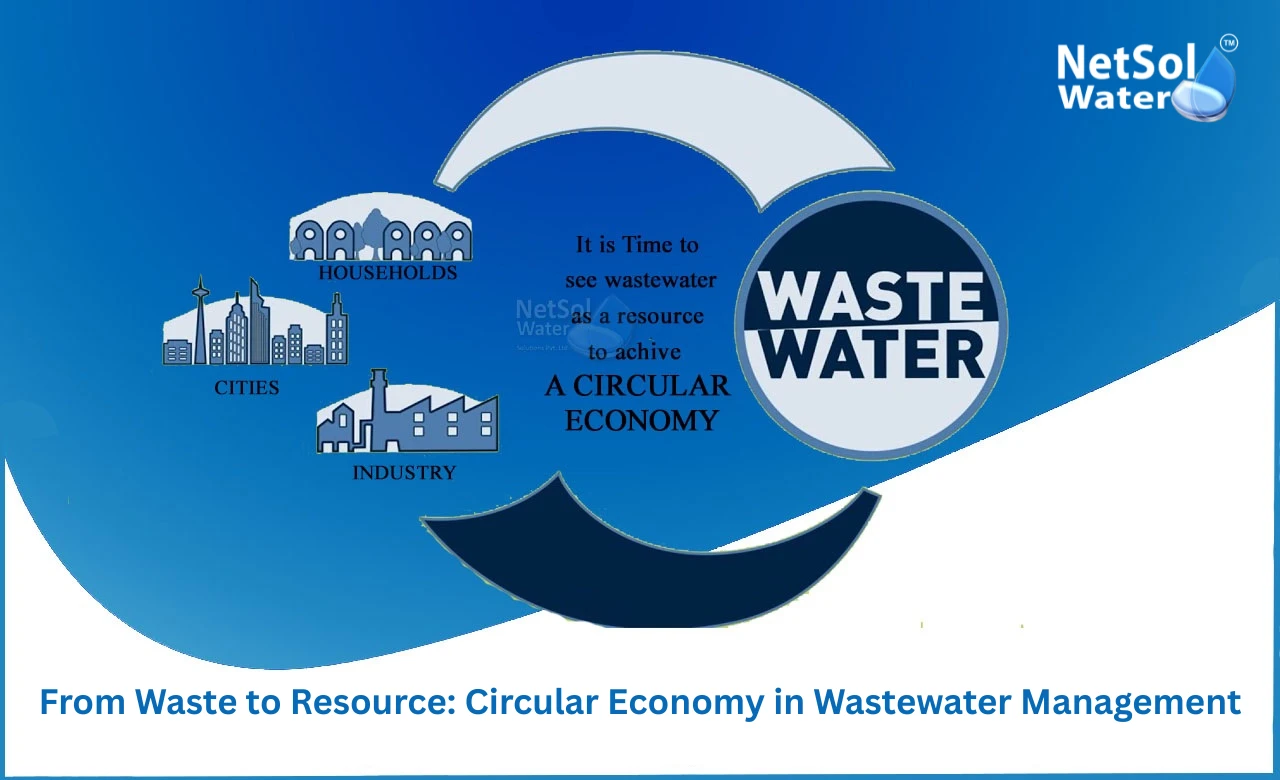
Treating water can recover useful materials such as nutrients and biogas. Anaerobic digesters break down sludge and produce gas that plants burn for heat or power. Other units recover phosphorus and nitrogen for use as fertilizer. Recovering these items reduces waste truck trips and cuts chemical buys. This approach turns a Water Treatment Plant into a resource hub. Cities and factories that embrace this method lower landfill inputs and gain steady supplies for gardens and fields. This method also gives new income streams that help pay for upgrades.

Read some interesting information for Commercial RO Plant Manufacturer

Conclusion

Digital tools and nature based approaches both play strong roles in this change. Netsol Water is the leading Water Treatment Plant Manufacturer and it can guide you from design to operation. If you want to learn more or if you need a consultation reach out to the team for a clear plan and for help on choosing the right mix of technology and nature based design. A short call or a site visit can start a plan that saves water and reduces costs over time.

Contact Netsol Water at:

Phone: +91-9650608473

Email: enquiry@netsolwater.com

How-Much-Does-an-RO-Water-Purifier-Really-Cost-1.webp

September 13, 2025by Netsol Water

Cost of Industrial RO Plants: Factors to Consider

Industrial water reuse and treatment shape how factories run and how communities grow. India has many industrial hubs, and it is known for large-scale manufacturing and rapid urban growth. This growth pushes the need for clean water solutions. Netsol Water is the leading Industrial RO Plant Manufacturer, and it helps industries get reliable water treatment that fits their budget and needs. We will explore the main cost drivers for industrial RO plants.

Capital Costs and Installation

Capital cost decides how fast a project moves and what technology the plant will use. Let us have a look on some key items that influence capital cost and installation.

Equipment and Membrane Costs

Membranes and pressure vessels form the heart of an RO plant. Membranes remove dissolved salts and they need quality manufacture to last. High quality membranes cost more up front but they reduce the need for frequent replacement. Pumps and high pressure skids add to the price. Pretreatment units such as sand filters and cartridge filters also add to the bill. When you plan you must match membrane type to feed water quality and to required product water. Feed water with high hardness or heavy fouling leads to higher membrane and pretreatment cost. Choosing the right membrane chemistry and element length can cut energy use and reduce the number of pressure vessels. Controls and automation bring extra cost yet they make plant operation simpler. A reliable RO Plant Manufacturer will show you options and give clear life cycle cost numbers so you can compare upfront cost versus long term savings.

Installation and Civil Works

Installation and civil works make up a large share of initial project cost. Site work includes concrete pads pipe routing and safe access for pumps and tanks. Electrical panels and cabling must match the plant load. A good layout reduces piping length and it reduces head loss which helps lower energy cost later. Shipping, packing, and crane lift costs vary with location and facility size. Skilled technicians must commission the plant and this work takes time and planning. Planning for spare parts storage and for easy replacement of membranes reduces future downtime. When you plan installation keep a clear schedule and include buffer for local approvals and for unforeseen site constraints. This care lowers the chance of cost overrun and speeds up the date when your plant starts to produce water.

Operating Costs and Maintenance

Operating cost decides how much the plant will cost each month and it shapes the real value of the initial investment. Let us have a look on some common cost items that affect long term budgets.

Energy Consumption and Chemical Use

Energy makes up a large portion of monthly cost for an RO plant. High-pressure pumps run continuously, and they draw most of the electricity. System design affects energy use. Lower feed pressure and better pump efficiency cut power draw. Energy recovery devices can help for very large plants but they add to capital cost. Chemicals used for cleaning and for pretreatment also add to monthly bills. Antiscalants and cleaning agents protect membranes and they extend membrane life. Monitoring and dosing systems help use the right amount of chemical and they reduce waste. If feed water quality changes often then energy and chemical use can rise. An RO Plant Manufacturer should provide energy models and expected chemical consumption for your site so you know the cost per cubic meter of treated water.

Operation and Maintenance Practices

Good operation and clear maintenance planning keep the plant running and they lower unplanned expense. Routine checks and log keeping reveal trends so you can act before a problem grows. Membrane cleaning frequency depends on fouling and on how well pretreatment works. Replacing membranes on a planned schedule prevents a sudden drop in production and it keeps energy use stable. Spare part lists and onsite stock reduce downtime when parts wear out. Training for plant staff keeps startups and shutdowns safe and quick. Remote support and simple controls let technicians spot faults early. A dependable RO Plant Manufacturer will help set a maintenance plan and offer spare parts packages. This partnership keeps monthly cost predictable and it protects the plant yield over years.

Read some interesting information for Commercial RO Plant Manufacturer

Conclusion

Selecting an RO Plant Manufacturer shapes project cost and long term value. Good design and steady operation reduce both capital and operating costs. Netsol Water is the leading RO Plant Manufacturer and it can guide you from initial estimate to full scale operation. Contact us to discuss your water needs and to request a consultation. Our team will work through budgets layouts and expected running cost so you can make a clear plan.

Contact Netsol Water at:

Phone: +91-9650608473

Email: enquiry@netsolwater.com

Add-a-subheading-1-1-1.webp

September 3, 2025by Netsol Water

What are the list of advanced water treatment technologies?

Water matters for homes, farms, and factories. Netsol Water provides plants that clean water for many uses. People look to good water treatment to protect health, save money, and keep machines running well. A Water Treatment Plant must remove dirt, germs, and chemicals. It must also work for small sites and for large factories. Modern needs call for methods that do more than simple filters. They must handle tough pollutants and reuse water when possible. We will explore key advanced technologies that help plants run better. Netsol Water is the leading Water Treatment Plant Manufacturer and it offers many of these solutions.

Membrane Technologies

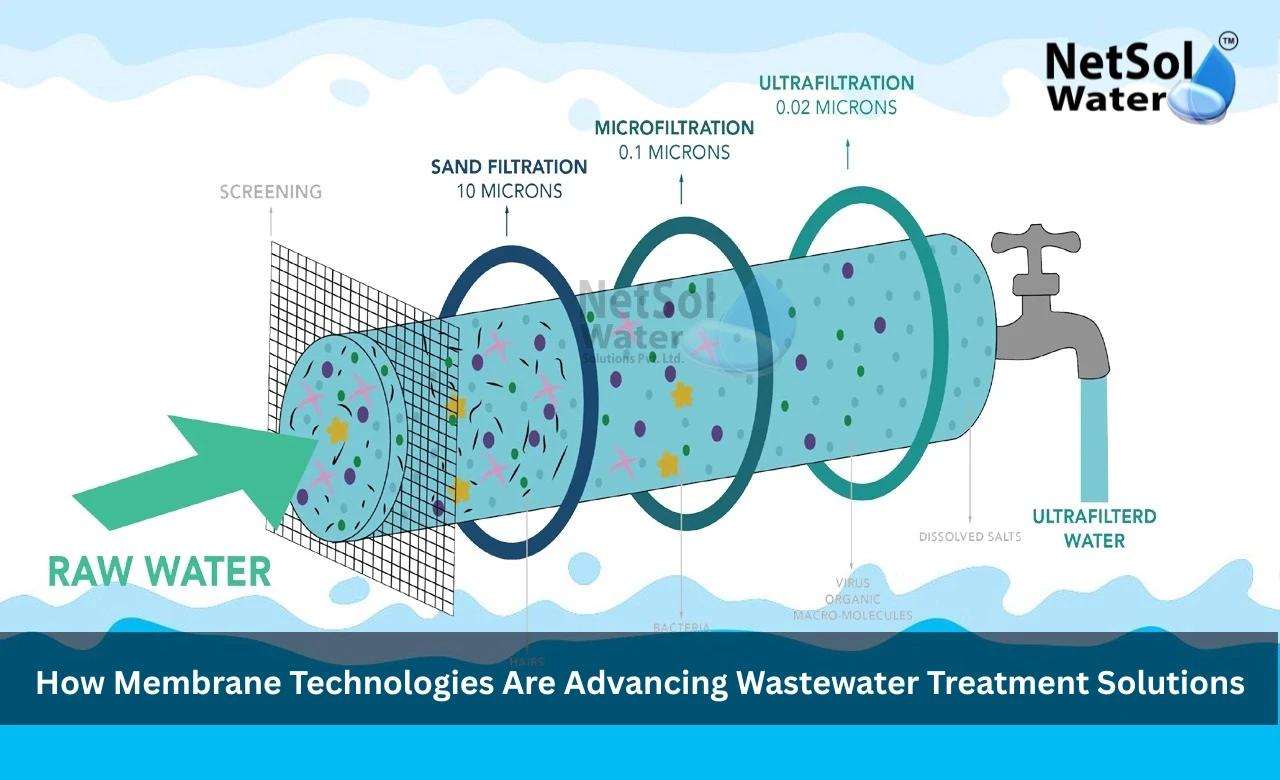
Membrane methods play a big role in modern water treatment. They remove tiny particles and many dissolved chemicals without using lots of chemicals. These methods fit well for places that must meet strict water quality rules. Let us have a look on some major membrane options and how they work.

Reverse Osmosis

RO pushes water through a very fine membrane to separate clean water from salts and dissolved pollutants. Systems use pressure to force water through pores that block most ions and molecules. This process suits desalination and for treating waste streams from industry. RO plants work best with good pre treatment. That step protects the membranes and keeps them running longer. Operators must control scale and fouling with simple cleaning plans. RO also creates a concentrate that needs safe handling or reuse steps. RO proves reliable for high purity needs and for places that must remove hard to treat contaminants. A Water Treatment Plant with RO can provide water for drinking for workers or for sensitive industrial use. Netsol Water installs RO plants that match site needs and that come with operation advice and service.

Ultrafiltration and Nanofiltration

Ultrafiltration uses membranes with larger pores than RO. It removes suspended particles, bacteria, and some large organic molecules. UF works well as a step before RO or as a standalone option for safe water for many uses. Nanofiltration sits between UF and RO. It removes small organics and some salts. NF helps soften water and cut down on some hard to remove pollutants. Both UF and NF need less pressure than RO. That lowers energy use and cost while keeping a high level of performance. These membranes fit well in Food and Beverage plants in hospitals and in municipal plants that want to reduce chemical use. Operators value these methods for stable performance and for their ability to protect later treatment stages.

Advanced Oxidation and Biological Hybrid Systems

Advanced chemical and biological methods help remove hard to break down pollutants. These plants work well when simple filters fail. They also prepare water for reuse with lower risk. Let us have a look on some important options and how they fit into a full plant.

Advanced Oxidation Processes

Advanced oxidation uses powerful reactive molecules to destroy persistent organic pollutants. Systems often mix ozone hydrogen peroxide and UV light to form hydroxyl radicals. These radicals attack complex molecules and break them into smaller and safer pieces. AOPs suit pharmaceutical waste streams dye removal and sites with organic toxins that resist biology. Engineers design these plants to match flow and pollutant loads. They add controls to keep operation safe and to avoid excess chemical use. AOPs do not leave a large solid waste stream. They can reduce the need for long term storage of contaminated water. This makes them a strong choice for many industrial plants.

Membrane Bioreactors and Hybrid Systems

Membrane bioreactors pair biological treatment with membrane separation. Microbes break down organic matter while membranes keep the biomass inside the reactor. This yields a high quality effluent with a small footprint. Hybrid systems mix MBRs with AOPs or with RO to meet strict reuse rules. These combinations let plants remove organics nutrients and tiny particles in a controlled way. MBR systems run reliably when operators manage biomass and membrane integrity. These systems save space and often cut down on sludge handling. Many facilities choose hybrid systems when they want to reuse water on site or meet strict discharge limits.

Read some interesting information for Sewage Treatment Plant Manufacturers

Conclusion

A modern Water Treatment Plant must use a mix of methods to meet quality and reuse goals. Membrane methods AOPs and hybrid biological systems form a strong toolkit. Netsol Water is the leading Water Treatment Plant Manufacturer, and it can help design, build, and maintain systems that match your needs. Contact Netsol Water to request a consultation and to learn how a personalized plant can save water, reduce costs and protect health.

Contact Netsol Water at:

Phone: +91-9650608473

Email: enquiry@netsolwater.com

How-does-Desalination-work-and-where-is-it-used.webp

September 2, 2025by Netsol Water

How does Desalination work and where is it used?

Desalination changes salt water into fresh water for people to use. This process helps places that do not have enough river water or groundwater. Netsol Water is the leading Water Treatment Plant Manufacturer, and it makes plants that serve homes, towns, farms, and factories. Desalination adds more clean water, and it supports businesses that need pure water for machines and products.

How Desalination Works

Desalination provides fresh water from salty sources by removing salt and other minerals. Let us have a look on some of the common methods and how they work in steps.

Reverse Osmosis

RO forces water through a fine membrane to separate salt from water. A pump pushes water at high pressure into a vessel that holds thin membranes. The membranes let water pass and they block salt molecules and other solids. Clean water collects on the low pressure side and the salty concentrate flows away. Operators pre-treat the input water to remove big particles and reduce fouling on the membranes. They then use chemicals carefully to protect the system from scaling and from microbes. After the membranes the water may pass through filters and through a final disinfectant step to meet drinking rules. RO uses electricity for pumps and it needs ongoing membrane care and periodic replacement. Modern plants recover a high share of input water so waste stays lower than older systems. Plants also add energy recovery devices to reduce power use and to cut running costs.

Thermal Distillation

Thermal distillation heats salty water to create steam and then cools the steam to collect fresh water. A heat source warms the water until it forms vapor. The vapor leaves salts behind and it travels to a condenser where it changes back into liquid. The result is low salt water ready for use after some polishing steps. Some plants use multi stage units that reuse heat from one step to the next. This reuse keeps energy needs lower than a single stage unit. Maintenance checks focus on scaling removal and on keeping heat exchangers clean. Many coastal industrial plants and large municipal plants choose thermal methods when they can use low cost heat from other operations.

Where Desalination is Used?

Desalination serves many regions and many sectors where fresh water is limited. Let us have a look on some common uses from city supply to industry needs.

Coastal Cities and Municipal Supply

Coastal cities often turn to desalination when rivers dry or when ground water drops. City planners add desalination as a steady source to meet growing demand. Municipal plants connect to existing water networks and they send treated water to tanks and to pumping stations. Engineers size the plant to match peak needs and to allow for maintenance without service loss. Operators include steps for brine disposal and for environmental checks to protect marine life. Cities also plan for energy supply and for ways to lower costs by using renewable sources or by adding energy recovery devices. For many towns desalination brings a reliable source that works year round and that helps keep water taps running during long dry spells.

Industrial and Agricultural Use

Industries use desalination when they need pure water for cooling for making products or for cleaning equipment. Factories that make electronics, food, and chemicals require steady quality and low mineral levels. Desalination provides this water and it protects machines and it improves product quality. Farms and greenhouses use desalinated water to keep crops healthy when other freshwater cannot meet demand. Systems for industry and for agriculture include pretreatment units and controls that match each process need. Designers focus on cost per cubic meter and on integrating the plant into existing operations. Many industrial sites prefer on site plants so they can control water quality and so they can avoid high transport costs.

Read some interesting information for Sewage Treatment Plant Manufacturers

Conclusion

Water from the sea can meet demand when land sources fall short. Desalination methods give cities and companies options to secure fresh water. Netsol Water as the leading Water Treatment Plant Manufacturer can help design and install plants that match local needs. If you want to explore a project or to request a consultation contact the team for guidance and a clear plan for a Water Treatment Plant that fits your site and your budget.

Contact Netsol Water at:

Phone: +91-9650608473

Email: enquiry@netsolwater.com


What-is-a-Membrane-Bioreactor-MBR-and-how-does-it-work.webp

August 29, 2025by Netsol Water

What is a Membrane Bioreactor (MBR) and how does it work?

A membrane bioreactor (MBR) treats wastewater by combining biological treatment with membrane filtration. This process helps recycle water for reuse and ensures safe discharge into the environment. MBR systems reduce the footprint of a treatment plant while improving the clarity of the treated water. Many municipal systems and industrial units choose MBR when they must meet tight limits or when they want to reuse water inside their operations. The technology works well in places with limited land and in locations that face water stress. Netsol Water is the leading Water Treatment Plant Manufacturer.

Membrane Bioreactor (MBR) Technology

Understanding the design and role of an MBR helps site planners and operators decide when it fits their needs. MBR technology changes how solids and liquids separate. It combines a biological tank with a membrane unit to give consistent effluent quality. Let us have a look on some core ideas that explain how an MBR works and why it matters.

Core Components

An MBR has a biological reactor and a membrane module that together treat wastewater. The biological reactor supports microbes that break down organic matter and remove nutrients. The membrane module then filters the mixed liquor to separate clean water from suspended solids and microbes. Each part has its role and affects overall performance. The reactor sets the biological conditions that let microbes prosper. The membrane sets the final quality by acting as a physical barrier for particles and bacteria. Operators choose between submerged membranes and external modules based on space and maintenance needs. Submerged membranes sit inside the tank and need air scouring to keep them clean. External modules sit outside the tank and allow easier access for cleaning but they need additional pumps. Film formation on the membrane surface influences flux and requires controlled cleaning cycles. A well matched reactor and membrane design gives steady output and lowers the need for downstream polishing.

Biological Treatment Process

The biological part of an MBR starts by sending wastewater into a tank with a concentrated population of microbes. Those microbes consume organic compounds and convert nitrogen forms through controlled conditions. A key benefit of MBRs is their ability to keep a high biomass concentration. That higher biomass improves breakdown rates and shortens hydraulic retention time when compared with conventional plants. The membrane lets the system hold microbes longer so they work more effectively. Aerobic or anoxic zones inside the reactor support specific pathways for carbon removal and nitrogen removal. Operators monitor oxygen levels pH and nutrient balance to keep the microbes healthy and active. When biological removal finishes the mixed liquor moves toward the membrane where solid liquid separation occurs. The membrane gives a physical cut off that prevents biomass from leaving the reactor. That separation keeps the treated water free of turbidity and bacteria and it creates a polishing step that simple clarification cannot match.

How MBR Works in a Water Treatment Plant and Its Benefits

Understanding how an MBR functions inside a Water Treatment Plant helps project leaders plan capacity and cost. An MBR changes operational flow and maintenance when compared with older technologies. Let us have a look on some practical steps and the benefits that make MBRs attractive for modern water systems.

Operational Steps

An MBR plant moves wastewater through a sequence of controlled stages that include feed equalisation, biological treatment, membrane filtration, and final disinfection when needed. Operators set up pumps and valves to maintain flow and to protect the membranes from sudden shocks. Routine air scouring or backwash cycles remove foulants from membrane surfaces. Chemical cleaning happens at planned intervals to restore membrane permeability. Sensors track transmembrane pressure and flux to signal when cleaning is due. A crucial step is sludge handling. Since MBRs keep more biomass inside the reactor the waste sludge is denser and easier to process in many cases. Effective control reduces energy use while maintaining performance. Well calibrated aeration schemes cut oxygen cost and maintain nitrification. Simple control panels give operators real time data to adjust operations fast.

Applications and Benefits

Industries such as food and beverage textile and chemical processing choose MBRs when they want to reuse water on site. Municipal utilities adopt MBRs for small communities and for plants that must meet strict discharge limits. The benefits include lower turbidity stable microbial retention and reduced plant area when compared with conventional activated sludge plus secondary clarification. Treated water from an MBR often needs only minimal polishing before reuse for cooling irrigation or process makeup. The membrane barrier also lowers pathogen counts and makes disinfection doses smaller. For planners the predictable quality reduces the risk of regulator non compliance. For operators the modular nature of membrane units allows phased expansion as flows grow. These advantages make MBRs a reliable option for modern Water Treatment Plant projects.

Read some interesting information for Sewage Treatment Plant Manufacturers

Conclusion

A Membrane Bioreactor gives a compact efficient and reliable route to high quality treated water. It couples strong biological removal with precise membrane separation so plants can meet strict standards while saving space. Netsol Water is the leading Water Treatment Plant Manufacturer and it can help you choose the right MBR layout for your site. Contact the team to request a consultation or to get more information on design operation and service options. Deploying an MBR will improve water recovery and will help your facility manage water with confidence.

Contact Netsol Water at:

Phone: +91-9650608473

Email: enquiry@netsolwater.com

How-Is-Water-Treatment-Contributing-To-Water-Conservation.webp

August 27, 2025by Netsol Water

How is water treatment contributing to water conservation?

India is famous for its long rivers its varied climate and its fast growing towns that demand more water than ever. This situation makes saving water a real need. A Water Treatment Plant plays a major role in meeting this need. A plant cleans used water and returns it to homes farms and factories in a safe form. This action reduces pressure on fresh water sources and keeps rivers and lakes cleaner. Netsol Water is the leading Water Treatment Plant Manufacturer and the company helps cities and industries set up plants that save water and protect the environment.

Recycling and reuse to cut fresh water demand

Reusing water reduces the need to draw new water from rivers and wells. A Water Treatment Plant that treats sewage and industrial outflow makes it possible to reuse water for many safe uses. Let us have a look on some common reuse paths and how they help save water.

Recycled water for city use

Cities can reuse treated water for street cleaning building wash down and for public gardens.  Reuse reduces demand on the drinking water system. This approach gives city managers a steady supply for non drinking needs. That in turn keeps more drinking water ready for homes and for health care needs. A clear plan for storage delivery and monitoring helps keep the reused water safe. Many cities find that reuse also reduces the load on rivers. That keeps river health better and helps fish and plants survive.

Industrial reuse and process saving

Industries use large volumes of water for cooling for washing and for product steps. An industrial treatment plant cleans process water so companies can run cycles that cut fresh water use. This saves money and protects local water sources. When factories reuse water they lower the volume of polluted discharge too. A plant that uses membrane filters or biological steps can deliver water that meets strict reuse rules. Skilled operators and good design ensure the treated water stays fit for the needed use. The result is a strong drop in the total fresh water the factory needs. That lowers stress on wells and rivers near the plant.

Efficient treatment technologies that conserve resources

Modern treatment steps save water and energy at the same time. Technology that cleans water with less waste supports conservation across a region. New methods let a Water Treatment Plant turn more used water into useful water while using less power and space. Let us have a look on some key technologies that make this possible.

Membrane filtration and compact systems

Membrane systems remove tiny particles and many pollutants without large chemical doses. A compact treatment plant that uses membranes can operate in small spaces. This helps towns and industries that lack land for large plants. Membranes give very clean reused water so the same water can serve many needs. They also reduce the need to pump water long distances. That saves energy and reduces water loss from leaks. Regular cleaning and good control systems keep membrane units running well and extend their life.

Biological treatment with resource recovery

Biological steps use bacteria to break down organic matter. A Water Treatment Plant that uses biological systems can recover biogas and nutrients. The biogas can power part of the plant. The recovered nutrients can serve as fertilizer for farms. This reduces the need to bring in new energy and new chemicals. It also lowers waste that would otherwise go to rivers or fields. Proper design keeps the process stable and safe. When operators link biological treatment to reuse plans they create a system that saves water and returns energy to the local grid.

Read some interesting information for Sewage Treatment Plant Manufacturers

Conclusion

Water saving depends on action and on good design. A modern treatment plant turns used water into a resource. The result supports cities farms and industry while protecting rivers and wells. Netsol Water is the leading Water Treatment Plant Manufacturer and the company can help plan a project that fits your needs. If you want to reduce water bills and protect local water sources contact Netsol Water for more information or request a consultation.

Contact Netsol Water at:

Phone: +91-9650608473

Email: enquiry@netsolwater.com