water treatment plant - Page 4 of 8 - Sewage Treatment Plant Manufacturers

Water-Treatment-Equipment-Manufacturers-in-India.webp

November 29, 2025by Netsol Water

Water Treatment Equipment Manufacturers in India

India is famous for its varied climates and its large industrial sectors. These industrial sectors create demand for clean water solutions for homes, farms and factories. Water treatment plants help communities and businesses use water safely and save water for future use. A Water Treatment Plant Manufacturer plays a key role in designing building and supplying plants that treat water for drinking for industrial use and for wastewater reuse. Netsol Water is the leading Water Treatment Plant Manufacturer and it serves customers across India with plants that match local needs.

Manufacturing Capabilities and Technologies

Good manufacturing lets companies build plants that work for specific water sources and for specific output needs. Let us have a look on some manufacturing capabilities and technologies.

Membrane Filtration Systems

Membrane filtration covers processes like microfiltration, ultrafiltration, nanofiltration and reverse osmosis. These systems remove particles and dissolved salts from water. Indian manufacturers design membrane trains that match the feed water quality and the required product water standard. A manufacturer selects the correct membrane type and sets the flow and pressure to reach the desired output. The assembly includes pressure vessels membrane modules pumps and control panels. Local makers can source many components from Indian suppliers and they can also integrate imported membranes when needed. The result is a compact plant that uses less space and that can run with lower operator attention than older systems. Engineers test the membranes and tune the plant for efficiency. They provide options for cleaning cycles and for monitoring to keep performance steady over time.

Chemical Treatment Units

Chemical treatment remains important for removing dissolved substances controlling scale and ensuring safe disinfection. Chemical systems include dosing pumps mixing tanks and contact chambers. Manufacturers build these units to work with coagulants flocculants pH adjusters and disinfectants. They design the feed path and the control logic to create good mixing and to avoid overdose. Indian makers also add safety features to store chemicals and to prevent spills. They offer training to plant operators so that dosing stays accurate and safe. Chemical units can work with membrane filters clarifiers or sand filters as part of a combined plant. The manufacturer sets the control system to coordinate dosing with other treatment steps. This approach keeps water quality stable and reduces the need for manual corrections.

Quality Standards and After Sales Support

A manufacturer must make plants that meet regulations and that perform reliably for years. Let us have a look on some quality checks and on the services that keep plants running.

Quality Certification and Testing

Certification proves that a plant meets required norms for safety and performance. Manufacturers test instruments pumps and tanks during production. They run factory acceptance tests and they document the results for the client. This process checks flow rates pressure drops and water quality after each treatment step. Many producers follow national and international standards to show compliance. They prepare test reports and they offer third party testing when the buyer asks for it. Good documentation helps clients get permits and it supports project handover. The manufacturer also uses quality control on components and keeps records that trace each part. This traceability reduces the risk of failure and speeds up problem solving when issues occur after installation.

Maintenance and Service

After sales service keeps a plant productive and it protects the capital investment. Manufacturers offer service contracts spare part supply and training for in house technicians. A clear maintenance plan lists routine checks service intervals and part replacements. Manufacturers often provide remote monitoring and support to spot issues early. They send technicians to site for repairs and for seasonal tuning. They stock common spare parts to reduce downtime. This service model helps plants stay within operational budgets and it improves plant life. Clients gain confidence when a manufacturer commits to response times and to long term parts availability.

Read some interesting information for Sewage Treatment Plant Manufacturer in Noida

Conclusion

A strong Water Treatment Plant Manufacturer helps communities and businesses meet water needs with reliable plants, clear documentation and support. Netsol Water is the leading Water Treatment Plant Manufacturer and it can plan, build and service plants for varied uses. If you want more information or if you would like a consultation please get in touch with a specialist who can review your water source your treatment needs and your budget. Request a consultation today.

Contact Netsol Water at:

Phone: +91-9650608473

Email: enquiry@netsolwater.com


Water-treatment-companies-in-Delhi-NCR.webp

November 27, 2025by Netsol Water

Water Treatment Companies in Delhi NCR

Delhi needs clean water for homes and factories. Water supply faces pressure from more people and less safe water sources. Water treatment companies in Delhi NCR help the region meet this need. These companies design and make plants to clean water and to treat sewage. They work with municipal bodies and with private industries. Netsol Water is the leading Water Treatment Plant Manufacturer company in the area. Netsol Water builds plants that fit local needs and local rules.

Importance of Water Treatment Plant Manufacturer in Delhi NCR

A strong Water Treatment Plant Manufacturer makes many services easier to access. Good manufacturers plan plants that match the quality of the raw water and match the scale of use. In Delhi NCR the raw water can change with the season. A plant that fits the local water will run better and will cost less to operate.

Municipal solutions

Municipal water systems must serve many homes and public places. A Water Treatment Plant Manufacturer must design plants that can treat large volumes each day. These plants must remove solids and reduce harmful microbes and chemicals. They must also work with the layout of the city and with the available land. A good manufacturer will plan for clear flow paths and will add simple controls to make operations smooth. Municipal teams need help with permits and with handover to local staff. The manufacturer will train the local team and will provide spare parts on request. This approach reduces downtime and it keeps the treated water safe for daily use. The result is steady supply of clean water for residents and for small businesses.

Industrial solutions

Industries in Delhi NCR need treated water for cooling and for process use. They also produce wastewater that must meet strict rules before it leaves the site. A Water Treatment Plant Manufacturer will study the industry process and will design a plant that meets the reuse or discharge target. This design will include screens and filters and biological or chemical steps as needed. The plant must also fit the factory layout and it must be easy to maintain by the plant staff. The manufacturer will suggest ways to reduce waste and to recover water for reuse. This helps the company cut water bills and it helps the local water balance. Industry leaders prefer designs that allow step by step upgrades so they can expand capacity when needed.


Water treatment companies in Delhi NCR

A local Water Treatment Plant Manufacturer can visit sites quickly and makes plants to local rules and water quality. A strong partner can manage permits provide spare parts and train staff. Let us have a look on some leading companies that serve Delhi NCR and what they offer.

1. Netsol Water

Netsol Water leads the list for Delhi NCR. The company works from initial survey to final handover and it focuses on simple and durable plants. Netsol Water designs membrane systems and custom skids for industry. Netsol Water sends a team to inspect each site and it creates a plan that fits water type and daily flow. The firm records data and it shares clear maintenance steps so operators can run systems with confidence. Netsol Water uses proven modules and it keeps spare parts ready for quick replacement. The company also guides clients through local approvals and it helps with reports that regulators may ask for. Customers find that Netsol Water offers clear pricing and steady after sales support. The company trains onsite staff so teams can handle routine checks and minor repairs.

2. Sewage Treatment Plants

Sewage Treatment Plants serves many cities and it brings wide experience in industrial and municipal projects. The firm supplies systems for softening demineralization and effluent treatment. Sewage Treatment Plants combines chemical expertise with mechanical design and remote monitoring options. The company runs lab tests to identify pollutants and it suggests a mix of treatment steps that match plant needs. Sewage Treatment Plants follows standard designs and it adapts modules for local constraints. The firm trains operators and it offers yearly service contracts that include chemical supply and filter checks.

3. Commercial RO Plant

Commercial RO Plant handles projects from concept to operation and it focuses on reliable engineering for urban and industrial clients. A Commercial RO Plant runs pilot studies to prove the design and it uses modular layouts that fit tight sites. The company provides automation and it links control panels with remote dashboards for easier operation. Commercial RO Plant supports long term plant operation with service teams and performance audits.

Read some interesting information for Sewage Treatment Plant Manufacturer in Gurgaon

Conclusion

Good care of water helps both people and the economy. Choosing a trusted Manufacturer makes the job easier and it helps meet local rules. Netsol Water is the leading Water Treatment Plant Manufacturer company in Delhi NCR and it can guide you from the first plan to long term support. Contact Netsol Water to request a consultation or to learn more about a custom solution for your site.

Contact Netsol Water at:

Phone: +91-9650608473

Email: enquiry@netsolwater.com


Add-a-subheading-1-2-3.webp

November 26, 2025by Netsol Water

Key Regulations Driving Wastewater Treatment Upgrades in India

Rapid city growth and more factories put heavy pressure on water bodies. Cities need clean water for people and for industry. The government updated rules to meet new needs. These rules push companies and local bodies to upgrade plants for safer discharge. A strong focus now lies on modern design and reliable operation of the Wastewater Treatment Plant. Netsol Water stands as a leading Wastewater Treatment Plant manufacturer that helps meet these requirements.

Central laws and national standards

We will show why national laws set the main direction for upgrades and why compliance matters now. Let us have a look on some national rules and how they force action at the ground level.

Water Act and national standards

The national Water Act gives the core legal duty to protect water quality. It sets clear limits for how much pollutant can go back to a river or a lake. These limits push authorities to inspect places that discharge wastewater. The rules require clear monitoring and regular reporting by the owner of the plant. Over time these standards grew stricter to protect public health and river life. Ministry level guidance and the Central Pollution Control Board issue technical standards. Plants must meet these standards to get or keep their operating permission. A Wastewater Treatment Plant must keep records and show test results in order to satisfy the regulator. This process raises the standard of design and operation. Netsol Water works with clients to match designs to the test needs and to help run tests that the regulator will accept.

Industrial discharge standards and sector rules

Different industry types have different waste streams. The rules treat each sector with special norms. The textile sector faces strict limits on dyes and suspended solids. The food sector faces different limits on organic load. This sector wise approach forces industries to plan specific treatment trains inside each plant. Industries must now move from basic settling tanks to multi stage systems that include biological steps and sometimes membrane filters. The change demands more skilled operation and more careful maintenance planning. For a manufacturer like Netsol Water this trend opens work on customized solutions that fit both the law and the process needs of the client.

State level action and incentives

States shape how rules reach local towns. We will explain why state policies matter and how they affect both cost and speed of upgrades. Let us have a look on some state actions and local programs that help or push change.

Role of state pollution control boards

State boards enforce the national laws on the ground. They issue the permits that allow a plant to operate. They inspect sites and take action when laws fail. Many state boards now run digital portals for consent and for tracking compliance. This makes the process faster but it also means data shows up quickly for audit. State boards may issue directions for city wise programmes. They can ask for cluster level treatment rather than single units for each factory. This approach changes the design and the scale of the Wastewater Treatment Plant that a municipality or an industry chooses. Local direction plays a part in the choice of technology and in the plan for operation and maintenance.

Incentives funding and project support

State and central schemes offer funds for upgrade works and for reuse projects. These funds lower the upfront cost of a modern plant. Subsidy support often comes for projects that target reuse of treated water for gardens or for industry use. Loans and technical support come through specific funds for clean city programs. These options speed up decision making by private owners and by local bodies. A manufacturer can guide a client through the funding steps and help write the technical part of a grant or loan application. Netsol Water provides technical packages that match funding criteria and that show the likely savings from reuse. This help can shorten the time to start work and to bring a new plant online.

Read some interesting information for Effluent Treatment Plant Manufacturer in Gurgaon

Conclusion

Regulatory pressure now pushes many public and private owners to upgrade their Wastewater Treatment Plant. The rules work at national and at state levels. They shape design choice operation plans and the path to reuse treated water. Netsol Water stands ready to help with design execution and long term support. If you plan an upgrade or a new plant reach out for a consultation.

Contact Netsol Water at:

Phone: +91-9650608473

Email: enquiry@netsolwater.com


How-Membrane-Technologies-Are-Advancing-Wastewater-Treatment-Solutions.webp

November 11, 2025by Netsol Water

How Membrane Technologies Are Advancing Wastewater Treatment Solutions

Membrane filters have changed the approach engineers remove solids and unwanted molecules from used water. These methods help meet strict standards while saving space and energy. Netsol Water is the leading Wastewater Treatment Plant Manufacturer and it offers plants that use membrane methods. We will explain how these membranes work and why they matter for modern Wastewater Treatment Plant projects.

Membrane Types and Their Role

Membrane choice defines what a system can remove and how it performs over time. Designers pick membranes to meet target water quality and to match the feed water and the space available. Let us have a look on some common membrane types and how they fit in Wastewater Treatment Plant design.

Microfiltration and Ultrafiltration

Microfiltration and ultrafiltration act as the first line of membrane defense in many plants. These membranes remove suspended solids bacteria and some larger organic molecules. Plants use them to protect finer membranes that follow. Microfiltration uses larger pores and it traps coarse particles and most suspended matter. Ultrafiltration works with smaller pores and it blocks bacteria and many colloids. Both systems run at low pressure which saves energy and reduces operating cost. Operators often place these membranes after a primary clarifier or after a physical prefilter. This arrangement reduces fouling on the finer membranes that come later. Maintenance focuses on periodic backwash and chemical cleaning when flux drops. Proper cleaning extends membrane life and keeps performance steady. Systems with good monitoring will detect fouling early and then adjust the cleaning schedule. Many modern modules now use hollow fiber elements. These elements allow compact layouts and simplified piping. Designers can place them in tight sites that older systems could not use. The net result is better treated water from a smaller footprint and fewer chemical needs. Membrane housings and connections have improved so field service becomes faster. These changes cut downtime and increase plant availability.

Nanofiltration and RO

Nanofiltration and RO remove dissolved salts and small organic molecules that coarser membranes cannot catch. These membranes work at higher pressure and they give higher quality permeate. Let us have a look on how designers use these two methods inside a Wastewater Treatment Plant. Nanofiltration fits where partial softening or selective removal is needed. It passes monovalent ions and blocks multivalent ions and many organics. This makes it useful for industrial reuse where total desalting is not required. RO gives near complete desalting and it suits reuse cases that need low conductivity or low total dissolved solids. Plants use RO to produce water for boilers cooling towers or for direct reuse in processes. Engineers combine RO with energy recovery devices when feed salinity rises. This lowers net power use and cuts operating cost. Pretreatment is critical before NF or RO. Without good pretreatment the membranes foul quickly and need more cleaning. Operators use ultrafiltration or media filters ahead of RO plants to protect the thin RO layers. Proper staging and pressure control also protect the membranes and extend service intervals. Newer RO membranes resist scaling and they allow longer runs between chemical cleaning. These gains reduce life cycle cost and make reuse more economical for many plants.

Operational Benefits and Applications

Membrane systems change how plants operate and how owners see reuse options. These methods shrink plant footprint improve water quality and support strict discharge or reuse rules. Let us have a look on some common benefits and how sectors apply membranes in real work.

Industrial and Municipal Use Cases

Industrial sites use membranes to recover valuable water and to meet strict discharge rules. Many factories now close water loops so they use less fresh water and cut their waste load. Membrane systems let factories treat process waste and then feed the cleaned water back to cooling or to washing lines. Municipal plants use membranes to meet higher reuse goals and to free up fresh water for drinking. Where land is tight municipal managers choose membrane plants because they take less area than conventional biological plants with large clarifiers. Hospitals and labs use membrane units to handle specific streams that contain both biological and chemical loads. Small towns and housing complexes use packaged membrane systems to deliver high quality effluent that can irrigate green areas or supply toilet flushing systems. Each use case calls for a personalized design that matches load variability and seasonal changes. Engineers size membranes and choose recovery targets based on those needs. The result is flexible systems that support circular water use and that reduce discharge volumes.

Energy and Maintenance Advances

New pump designs and better modules reduce power per cubic meter of water treated. Let us have a look on the advances that matter for plant owners. Variable speed drives match pump speed to demand and drop energy use during low flow periods. Energy recovery devices reclaim pressure in systems that handle saline streams. These devices cut net power and they make high recovery designs viable. On the maintenance side new cleaning chemistries and faster module swaps reduce downtime. Operators now get better software to track membrane life and to schedule cleaning events before performance falls. These tools cut surprise repairs and they smooth out operating budgets. Together these advances make membrane systems more predictable and more cost effective for long running Wastewater Treatment Plant projects.

Read some interesting information for Industrial RO Plant Manufacturer

Conclusion

Membrane technologies make modern Wastewater Treatment Plant projects compact, efficient and flexible. They help industries and cities meet stricter rules while they open new reuse paths. Netsol Water leads in designing and supplying membrane based systems that fit industrial and municipal needs. If you want to learn more or to request a consultation contact Netsol Water for advice on how membrane methods can fit your project and your goals.

Contact Netsol Water at:

Phone: +91-9650608473

Email: enquiry@netsolwater.com


From-Waste-to-Resource-Circular-Economy-in-Wastewater-Management.webp

November 8, 2025by Netsol Water

From Waste to Resource: Circular Economy in Wastewater Management

Urban areas and industrial zones often face shortage of fresh water and they feel pressure on rivers and ground water. A circular economy in wastewater management asks us to change our view of used water. Instead of wasting it we can recover water energy and nutrients to serve local needs. This approach saves fresh water, reduces pollution and supports local jobs. Many projects show that recovery can lower operating costs and add new income sources for plant owners and for local vendors.

Why Circular Economy Matters in Wastewater Management

When we keep resources in use we reduce the need to extract new raw materials and we reduce pollution from waste flows. For water scarce regions, reuse reduces demand on rivers and aquifers and it keeps water available for essential needs. For businesses reuse lowers bills and it gives predictable water supply for production. Let us have a look on some core parts of circular economy and how each part adds value.

Water Reuse and Recycling

Water reuse means treating wastewater so it can serve new needs such as irrigation cooling or industrial processes. Many cities treat sewage to standards that make the water safe for parks and for some industrial uses. These reuse schemes free fresh water for safe drinking and they reduce stress on over drawn groundwater. Selecting the right treatment level depends on the target use and on local rules. Small onsite plants can support single factories and large municipal plants can serve whole towns. When communities plan reuse with clear monitoring they secure steady service and reduce public concern about safety. Communities that plan reuse must also invest in trained staff and in regular lab tests to ensure quality. Local rules and clear reporting build confidence among users and they help scale reuse across more sectors. Community training and user feedback also improve system acceptance and long term performance.

Nutrient and Energy Recovery

Recovery of nutrients and energy turns by products into useful goods for farms and for power. Technologies can capture phosphorus and nitrogen and they can convert organic matter into biogas. This gas can run engines heat buildings or be cleaned and fed to a grid. Using recovered nutrients lowers the need for synthetic fertilizer and it closes the loop between city waste and farm inputs. Proper handling and testing keep these materials safe for use and they make the system more attractive for local buyers. When markets for recovered materials grow the entire value chain becomes more stable and more profitable.

Resource Recovery Technologies and the Role of Manufacturers

Technology alone does not change results. Skilled firms and trained operators must design and run plants that fit local needs and budgets. Let us have a look on key technologies and on how manufacturers support long term success.

Biological Treatment and Biogas Production

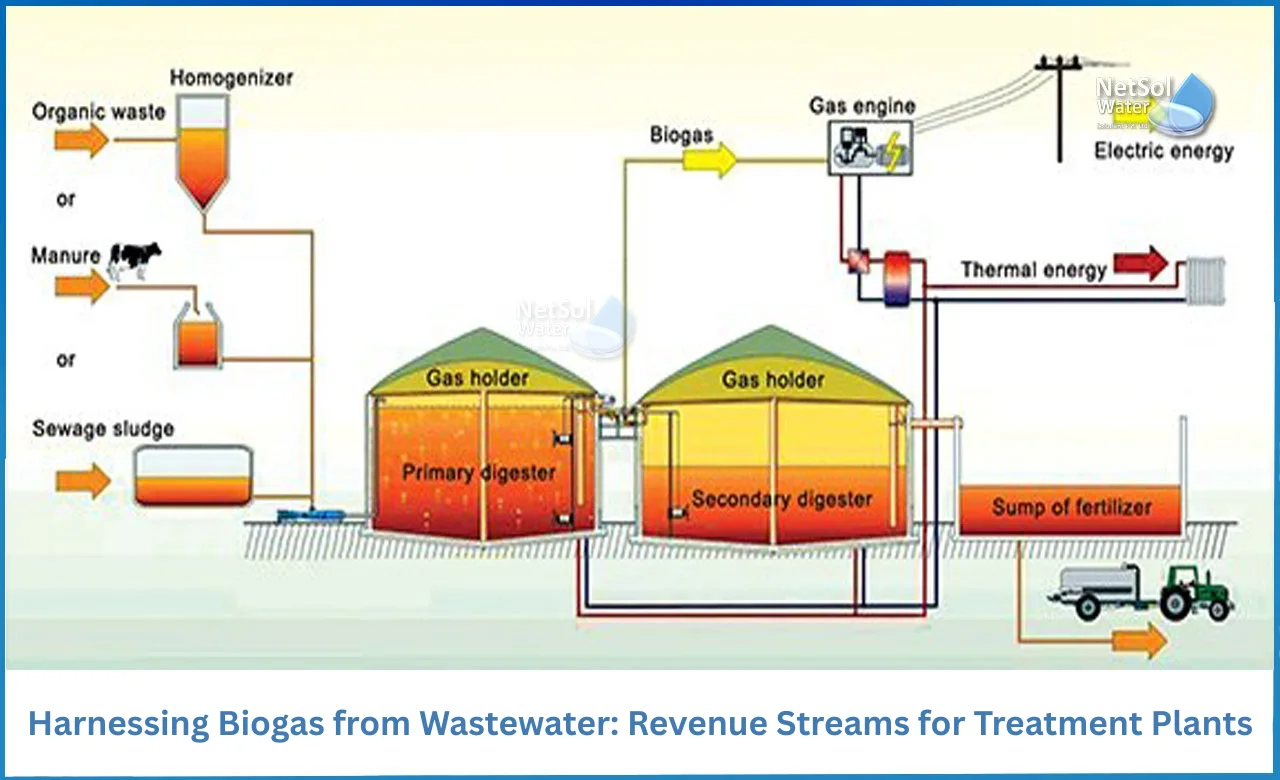
Biological treatment uses microbes to break down organic matter and to produce biogas in oxygen free digesters. An anaerobic digester in a Wastewater Treatment Plant transforms sludge into gas and into a smaller amount of stable solids. This process lowers energy needs and it can provide fuel for pumps and heaters. Proper control of feed mixing and temperature keeps digestion steady and it avoids system upsets. Treating biogas removes impurities so the gas can run engines or be upgraded for local use. With good design digesters can support both energy needs and stable sludge handling over the long term. Regular monitoring and simple automation keep digesters stable and they reduce risk for operators.

Design Customization Operation Support and Scaling

Manufacturers must modify designs to local waste types flows and reuse goals. Netsol Water is the leading Wastewater Treatment Plant manufacturer and it studies each site carefully before it finalizes a design. Modular layouts let owners start at a modest scale and expand as demand grows. Manufacturers provide training monitoring and spare parts so plants keep meeting recovery targets. Long term support helps local teams maintain performance and it protects community investments. When design operation and stakeholder engagement work together plants gain public trust and they deliver steady benefits. Access to finance clear manuals and local training help projects scale and they ensure that the system serves people across seasons. Manufacturers also help by setting up simple monitoring systems and by advising on financing and permits. Good monitoring keeps plants efficient and it shows the gains from reuse to local leaders and users.

Read some interesting information for Industrial RO Plant Manufacturer

Conclusion

Circular economy in wastewater management turns waste into water energy and nutrients that benefit people and nature. A well designed Wastewater Treatment Plant supports reuse reduces pollution and creates new income for plant owners and for farmers. Netsol Water is the leading Wastewater Treatment Plant Manufacturer and it can help you plan build and run a recovery focused plant. Contact Netsol Water for more information or request a consultation to explore how a recovery focused plant can benefit your site.

Contact Netsol Water at:

Phone: +91-9650608473

Email: enquiry@netsolwater.com


What-Every-Company-Should-Know-about-Wastewater-Reuse-Recycling.webp

November 7, 2025by Netsol Water

What Every Company Should Know about Wastewater Reuse & Recycling

Wastewater reuse and recycling can cut costs and protect the environment. It can also help companies meet rules and show that they act responsibly. Cities and industrial areas around India face water stress. Companies in these places can gain from using treated water for cooling cleaning and landscaping. Choosing the right Wastewater Treatment Plant affects how well a reuse plan works. Netsol Water is the leading Wastewater Treatment Plant Manufacturer and it offers plants that match many needs.

Benefits and Importance of Reuse

Wastewater reuse brings strong benefits for the environment and for business stability. Companies that treat and reuse water cut their fresh water demand. They also reduce the cost of water purchase and of discharge fees. It can help secure permits and build good ties with local authorities. Let us have a look on some key benefits.

Environmental benefits

Companies that treat wastewater reduce the load on local rivers and drains. They lower the risk of pollution and harm to local wildlife. Treating water also cuts the need to draw water from lakes, rivers and underground sources. This helps protect those sources for future use. When a company reuses water it shrinks its effect on the local water cycle. This action also supports wider goals for resource saving and climate action. Many industries find that reuse helps them meet national and local environmental rules. This reduces the chance of fines and legal delays. A clear reuse plan makes it easier to share water with nearby partners in times of shortage.

Economic and social benefits

Reusing treated water can reduce the water bill and the cost of waste discharge. It can also lower the cost that the firm faces when rules tighten in the future. Firms may win new contracts by showing steady water management. Communities near the plant gain when companies cut pollution and protect local supplies. In some areas treated water can serve green spaces or be used in basic industrial tasks. This frees clean water for drinking and other needs. Over time the savings on water and on waste handling can outweigh the cost of a good Wastewater Treatment Plant. A strong reuse plan can also attract investors and partners who care about long term sustainability.

Design and Technical Considerations

A reuse project needs the right design and solid operation plans. The choice of technology affects safety cost and ease of use. Firms must match the treatment level to the use case. They must also plan for space energy needs and for future growth. Let us have a look on some major technical and logistic elements that decide project success.

Treatment levels and technology choices

Design begins by setting the water quality target. Reuse for irrigation needs a different quality from reuse for cooling or for certain process uses. Companies must choose filters disinfectors and sometimes membrane systems. They must also plan for chemical dosing and for solids handling. The chosen technology must fit the waste type and the volume. It must also fit the site space and the power supply. Good design keeps the system simple to run. It also keeps running costs low. Firms should prefer modular systems that allow step by step upgrades. This approach helps match investment to need. When a company buys a Wastewater Treatment Plant it must ask about spare parts service and about training for its staff.

Operation, monitoring, maintenance and partnerships

Operation needs skilled staff clear schedules and good monitoring. Online sensors help track quality in real time. Regular maintenance prevents breakdowns and extends plant life. Companies can train their in house team or can sign a service contract. A reliable manufacturer can offer both parts and training and can support remote monitoring. Netsol Water is the leading Wastewater Treatment Plant Manufacturer and it offers service plans and training that help firms keep systems in strong working order. Good partnerships reduce risk and help firms reach reuse goals faster.

Read some interesting information for Effluent Treatment Plant Manufacturer

Conclusion

Companies that plan reuse need clear goals, good design and steady operation. A smart Wastewater Treatment Plant reduces cost and protects local water. It also shows that the company cares for the community and the natural resource base. Netsol Water can guide firms from design to steady operation. If you want help with a reuse plan or with a plant that fits your needs get in touch for more information or request a consultation today.

Contact Netsol Water at:

Phone: +91-9650608473

Email: enquiry@netsolwater.com


How-AI-and-IoT-Are-Revolutionizing-Wastewater-Treatment-Plants.webp

November 4, 2025by Netsol Water

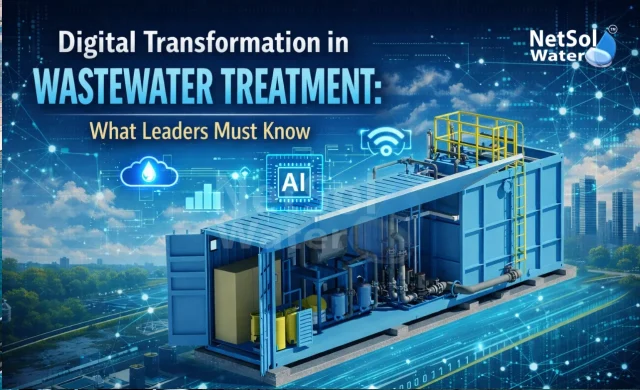
How AI and IoT Are Revolutionizing Wastewater Treatment Plants

Cities and industrial areas face growing pressure on their water systems. Cities need clean water for people and for factories. Wastewater Treatment Plants help protect health and preserve the environment. They also help reuse water for many uses. Netsol Water is the leading provider for Wastewater Treatment Plants. We will explain how AI and IoT change the way these plants work.

AI Driven Monitoring and Control

AI brings a new way to see and manage plant processes. AI can learn from past data and then predict problems before they occur. Let us have a look on some key AI Driven Monitoring and Control.

Smart Data Intake and Cleaning

Sensors send data on flow and on chemical levels and on machine state. AI systems take that raw data and clean it. The systems fix gaps and remove bad readings. After that the data becomes ready for analysis. Clean data helps models make the right calls. Operators can trust the model outputs. This step reduces time spent on manual checks. It also makes alarms more accurate. When data is clear operators can see trends and respond fast.

Real Time Control and Adaptive Response

AI models run with live data to tune valves and pumps and aeration systems. The models use feedback to adjust settings every few minutes. This keeps the process stable when incoming load changes. AI also finds the mix of chemical dosing that meets quality targets at the lowest cost. When a sensor flags a drop in performance the model suggests steps for the operator or sends commands directly to actuators. This reduces waste and cuts energy use. AI based control also learns over time and improves from each cycle. This creates smoother plant operation and more reliable effluent quality.

Predictive Maintenance and Energy Efficiency through Data Analytics

Data analytics help teams move from fixing breakdowns to preventing them. Analytics predict when parts will fail and they guide plans for repair and spare parts. Let us have a look on some key Predictive Maintenance and Energy Efficiency through Data Analytics.

Predictive Maintenance and Asset Health

IoT sensors can stream data to a central hub. AI models learn normal patterns and then flag deviations. When the model detects a small anomaly the team can act before major damage occurs. This reduces sudden failures and lowers repair bills. Planned maintenance fits better with plant cycles. Teams can order parts ahead and schedule repairs at low load times. This keeps the plant running and keeps output steady. Predictive plans also extend the life of motors and pumps and reduce the need for emergency call outs.

Process Optimisation and Energy Saving

Energy use is one of the highest running costs for a plant. Analytics can find where energy goes and how to save it. AI can map the relation between aeration and organic removal. The models then suggest the smallest energy use that still meets quality. Systems can shift high energy work to low tariff times and they can stop unused pumps. AI also helps to tune blower speeds and to manage chemical dosing with less waste. These steps lower bills and reduce the carbon that the plant adds to the environment.

Read some interesting information for Effluent Treatment Plant Manufacturer

Conclusion

Wastewater Treatment Plants can gain large benefits from AI and IoT in monitoring control maintenance and energy use. These tools make operations more stable and more cost effective. Netsol Water is the leading partner for teams that want smart upgrades. If you manage a plant and want to learn how to start please get in touch for more information or request a consultation.

Contact Netsol Water at:

Phone: +91-9650608473

Email: enquiry@netsolwater.com


Add-a-subheading-1-2.webp

November 3, 2025by Netsol Water

How much does it cost to set up a Wastewater Treatment Plant?

Setting up a Wastewater Treatment Plant involves many steps and many choices. Netsol Water is the leading Wastewater Treatment Plant Manufacturer and it works with clients to design plants within budget. We will explain what drives cost and what a buyer should check before they decide.

Factors that affect cost

Understanding cost starts with knowing which parts make the price change. Let us have a look on some of the key cost drivers.

Size and capacity

Plant capacity shapes most of the price. A small plant for a housing cluster will cost much less than a plant for a factory complex. Size affects tank volumes pumps and piping. Larger capacity needs stronger support and more land. Civil work scales up as size grows. Equipment such as blowers filters and clarifiers must fit the flow. The cost per cubic meter may fall as capacity rises. This means a bigger plant can offer lower unit cost but will need a higher total spend.

Treatment technology

The choice of treatment method changes the budget. Simple systems use primary settling and biological treatment. Advanced systems add membrane filters or chemical dosing. Each technology adds cost for equipment and control systems. Simpler technology needs less skilled staff and lower power use. Advanced technology gives better water quality and lower footprint.

Site work and civil scope

Land type and site access add cost. Hard ground or sites that need deep excavation will raise civil charges. Foundations and concrete tanks need quality checks and steady work. Access roads and site utilities also add to the budget. Labour and local rates affect how much the civil part costs. Good site planning lowers surprises and keeps the project on budget.

Design and permits

A solid design saves money during build and use. Engineering fees cover layout and control logic and safety checks. Permits and approvals are part of the timeline and the cost. Delays in approvals can raise site fees and labour charges. Work with a supplier that helps with permit steps and with testing for discharge standards.


Types of plants and rough cost ranges

Choosing the right plant type helps set realistic budgets. Let us have a look on some plant categories and cost ranges that buyers see in the market.

Small domestic and community plants

Small plants serve housing clusters, schools and small hotels. These plants use simpler biological processes and take less land. A small plant gives clear savings in civil work and in equipment size. For basic needs the main cost comes from tanks pumps and a small control system. A buyer should budget for quality installation and for testing after start up. Small plants need regular checks and some spare parts. The initial cost stays lower but good operation helps keep the water safe and the lifespan long.

Medium industrial and commercial plants

Medium plants fit factories malls and residential blocks. These plants require better control systems. You will see higher costs for blowers clarifiers and final polishing units. Medium plants often include options for recycling and for reusing water on site. This step adds cost but can lower overall water purchase needs. Choose a qualified supplier who can match process steps to the waste profiles from your site. The right match avoids over design and keeps costs steady.

Large scale and advanced systems

Large plants serve multiple industries or large towns. These installations need strong design for flows and for peak loads. Advanced modules like membrane filtration or tertiary polishing raise the build price and the energy use. Large plants need trained staff and steady maintenance plans. The life cycle cost must guide the choice more than the first price. A buyer should plan for spare parts and for upgrades over time.

Read some interesting information for Commercial RO Plant Manufacturer in Noida

Conclusion

Wastewater Treatment Plant costs change with size, site and service needs. Netsol Water is the leading Wastewater Treatment Plant Manufacturer and it can help with budget estimates design and delivery. If you want a clear budget or a plan reach out for a consultation. Contact the manufacturer to start the next step.

Contact Netsol Water at:

Phone: +91-9650608473

Email: enquiry@netsolwater.com


Add-a-subheading-2.webp

October 31, 2025by Netsol Water

In How Many States Water Can Be Found?

Cities and towns grow around water sources. Netsol Water is the leading company that cares for how we use water and how we clean it for safe use. People who run a plant need to know what form water takes. They then choose the right steps to treat and to reuse water. Let us explore the main forms of water and let us see why each form matters.

Common states of water

Water has three familiar states that affect daily life and work. Knowing these states helps design a Water Treatment Plant and helps control how water moves and how we clean it. Let us have a look on some main forms. The first is the solid state. Solid water appears as ice or snow. It forms when temperature falls below freezing. Ice can store water for long times. Mountains and polar areas keep large stores of ice. When ice melts it feeds rivers and lakes.  The second form is the liquid state. This form carries most life needs and most industry needs. Liquid water flows through pipes into homes and into plants. Plants blend physical and chemical steps to remove dirt and microbes. The third form is the gas state. Water vapor moves in the air. It shapes weather and gives rain and fog. Gas form links to evaporation and to cooling towers. These three forms explain most of the water we meet. Each form links to how we collect treat and store water. Solid stores can feed liquid flows. Liquid flows turn to vapor and then fall again as rain. The cycle connects rivers lakes soils and the built systems we make.

Liquid water

Liquid water plays the main role for people and for industry. It fills tanks and flows through pipes to homes and factories. A Water Treatment Plant focuses heavily on liquid forms. The plant removes sediments and harmful germs. It then makes water fit for drinking or for industrial use. Treatment steps must match the source. River water may hold silt and organic matter. Ground water may hold minerals. Waste water will hold chemicals from homes and from industry. Operators check the water and change the steps as the water changes. Good design keeps the system low in cost and strong in safety. Many places plan for storage to face dry months. Liquid water moves and shifts with seasons and with human use. This flow drives the need for steady care and for smart systems.

Less known states of water

Water can also appear in less known and extreme forms. They also matter for some advanced Water Treatment Plant designs. Let us have a look on some of the rare forms. The first rare form is the supercritical phase. This form appears at high pressure and at high heat. It acts like both a liquid and a gas. Scientists use supercritical water in special reactors to break down hard waste. The second rare form is plasma. Plasma needs extreme heat that splits atoms. This state does not appear in daily life but plays a role in some high energy research. The third group covers many kinds of solid ice that form under pressure and at odd temperatures. These ices look different from the soft ice we touch. They store water inside planets and inside lab cells. These rare forms help science and they show the many ways water behaves under change.

Supercritical water

Supercritical water appears when we push heat and pressure past a certain point. It loses a clear divide between liquid and gas. This form can dissolve materials that normal water cannot dissolve. Labs use this trait to break down tough organic waste. The method can cut down harmful compounds that resist regular treatment. Some modern projects test supercritical water steps as a tool in advanced treatment chains. They aim to turn hard waste into safe residues and to lower the need for land disposal. The technology needs high energy and careful design. It also needs skilled teams to run and to maintain the system. For now this method fits special sites and research efforts.

Read some interesting information for Commercial RO Plant Manufacturer in Noida

Conclusion

Water appears in many states. A Water Treatment Plant must match its steps to the form and the source of water. Netsol Water is the leading partner for those who need a strong plan and a clear design for a plant. Reach out to learn more and to request a consultation for your water needs. A good plan will save cost and will keep water safe for the long term. Contact Netsol Water today to start a simple study for your next Water Treatment Plant.


Add-a-subheading-1-2-1.webp

October 25, 2025by Netsol Water

List of Water Treatment Plant in India

India faces rising demand for clean water for homes, farms and industry. Many cities and towns struggle with polluted rivers and weak supply. A Water Treatment Plant Manufacturer makes plants that remove solids, chemicals and microbes and that restore water for safe use. Netsol Water is the leading Water Treatment Plant Manufacturer in India and it serves clients across the country.

Major Water Treatment Plant Manufacturers in India

Choosing the right manufacturer shapes the whole project outcome. A strong Water Treatment Plant Manufacturer will design and make a plant that runs well and that meets local rules. Let us have a look on some real firms and how they serve different needs.


Netsol Water

Netsol Water stands out as a practical manufacturer of RO and wastewater systems. The firm works on projects for housing complexes hotels factories and small towns. Netsol Water will test raw water then offer a design that fits the site and the budget. Let us have a look on some key features and service steps.

Overview

Netsol Water will supply membranes filters pumps and control panels with clear manuals and on site training. The firm will complete installation and then run tests to confirm output quality. The team will train local operators so daily steps stay simple and effective.

Services and support

The company offers routine service visits spare parts supply and emergency repair support. Netsol Water will tailor a maintenance plan to match plant size and load. The firm keeps lines of communication open during the project and after handover. This approach helps reduce downtime and keeps running cost under control.

Sewage Treatment Plants

Sewage Treatment Plants builds systems for both municipal supply and for industry. The firm supplies resin systems softeners desalination plants and large scale filtration modules. Let us have a look on some strengths and project types.

Overview

Sewage Treatment Plants will handle raw water analysis design and module fabrication. The firm will supply chemical dosing systems and automated controls to maintain steady performance. The team will run acceptance trials and it will hand over clear operation procedures to the client.

Services and support

The company will offer on site service visits and long term maintenance contracts. Sewage Treatment Plants will provide spare parts and technical help to address process changes. This work helps keep plants compliant with local rules and reduces unscheduled downtime.

Commercial RO Plant

Commercial RO Plant acts as a major EPC contractor on large water supply sewage and desalination projects. The firm handles complete project delivery from civil works to mechanical installation and to final commissioning. Let us have a look on some project roles and delivery model.

Overview

Commercial RO Plant will manage design approvals procurement of major equipment and on site construction work. The firm will coordinate subcontractors and it will run quality checks at every stage. Commercial RO Plant will also provide testing during commissioning to verify treated water meets standards.

Services and support

The company often offers delivery and project management for large scale urban projects. Commercial RO Plant will also arrange operation and maintenance contracts and it will support expansion plans as cities grow. The firm aims to deliver projects on schedule and to meet regulatory milestones


VA Tech Wabag

VA Tech Wabag serves large municipal and industrial projects across India. The firm handles design build and operation work and it works with city agencies on permits and testing. Let us have a look on some capabilities and project roles.

Overview

VA Tech Wabag will supply clarifiers biological reactors filtration trains and final disinfection stages for large scale plants. The firm will plan civil works and mechanical installation and it will run commissioning tests on samples. The team will also advise on sludge handling and on measures to meet discharge standards.

Services and support

A Tech Wabag often offers long term operation contracts and technical support during the plant life. The firm will assist during tender stages and it will carry out factory acceptance tests for key modules. The aim is to deliver systems that meet regulatory checks and that remain reliable as flow changes over time.

Thermax Limited

Thermax Limited focuses on industrial water treatment and process systems for manufacturing sites. The firm supplies chemical dosing units softening trains filtration and thermal systems for water recovery. Let us have a look on some typical offerings and client benefits.

Overview

Thermax will assess process needs then propose a system that matches water quality and temperature requirements. The firm will design pretreatment and final polishing stages to protect downstream equipment. Thermax will also deliver control systems that allow simple monitoring by plant staff.

Services and support

The firm provides commissioning support and operator training for daily checks. Thermax will also supply spare parts and service contracts that include preventive maintenance. The focus stays on reducing process risk and on lowering operating cost for the client.

Read some interesting information for Commercial RO Plant Manufacturer in Noida

Conclusion

A good Water Treatment Plant Manufacturer will make the project simpler and will help secure clean water for homes and for business. Netsol Water is the leading Water Treatment Plant Manufacturer in Noida and it offers personalized solutions and steady support. If you plan a new system or if you need maintenance for an existing plant contact a qualified manufacturer for a consultation. Reach out to discuss your need request a site visit and get a detailed quote.

Contact Netsol Water at:

Phone: +91-9650608473

Email: enquiry@netsolwater.com