Wastewater Treatment Plant - Page 7 of 10 - Sewage Treatment Plant Manufacturers

Add-a-subheading-1-2-3.webp

October 28, 2025by Netsol Water

How much does a Wastewater Treatment System Cost?

Wastewater treatment plants matter for cities and industries. Netsol Water is the leading Wastewater Treatment Plant manufacturer and they design plants for homes, factories and towns. We will explain how much a wastewater treatment system costs and what drives the price.

Read some interesting information for Effluent Treatment Plant Manufacturer

Cost components of a wastewater treatment system

We will explain why knowing the cost parts helps you plan the right budget. Let us have a look on some key cost items and how each one matters for the final price.

Civil work and site preparation

Civil work can shape a large share of the budget. The ground must become ready for tanks pipes and foundations. If the soil needs deep excavation or special reinforcement the cost goes up. The layout also matters. A compact modular unit that sits above ground often costs less than a buried custom build. Local land rules can add permit costs and safety work. Construction delays will push the budget higher. When Netsol Water plans a project they check site conditions and give a clear civil work quote. This step helps buyers avoid surprise charges and plan the full capital needed.

Mechanical and electrical equipment

Equipment brings the system to life. Pumps blowers mixers clarifiers and control panels create the largest single item cost. Higher grade motors and automated controls increase the price. Simple manual systems cost less up front. Advanced automation saves labor later. The choice of material also matters. Steel or concrete tanks have different costs and life spans. Netsol Water offers options so you can compare life cycle cost not just the initial bill. This focus helps owners choose the best balance of cost and long term value.

Cost by capacity and technology

We will explore why the system capacity and chosen technology shape the price. Let us have a look on some capacity ranges and technology choices and how they change the cost.

Small scale systems for single units

Small systems for a small factory or apartment complex cost less up front. A compact Wastewater Treatment Plant for a small site uses modular parts that ship ready to install. The lower capital cost makes these units common for remote or new projects. Operational simplicity keeps labor cost low. However per liter treat cost can remain higher than for larger units because fixed items like control panels add the same cost no matter the size. Buyers should check both capital and running cost to make the correct choice.

Medium and large industrial plants

Large plants serve many users and need robust design. The scale reduces the unit cost per liter treated but raises the total capital need. Industrial sites with heavy organic load or toxic compounds need special reactors and pre treatment steps. These add to equipment and design cost. For a big site the choice of technology such as activated sludge membrane bioreactors or sequencing batch reactors has strong impact. Each option changes footprint energy needs and maintenance work. Netsol Water helps choose technology that meets discharge rules and fits the available budget and available land.

Operating and maintenance costs

We will explain why the ongoing cost matters more than initial price for many buyers. Let us have a look on some key operating cost items and how to plan for them.

Energy and chemical use

Energy forms the largest ongoing cost in many plants. Pumps blowers and heaters run daily. Systems that use less energy may cost more up front but save money over time. Chemicals for pH control disinfection and sludge handling add monthly charges. Monitoring and regular lab tests also create recurring cost. Netsol Water advises on efficient designs that cut energy and reduce chemical use. This helps lower monthly bills and improves the total cost of ownership.

Labor and spare parts

Skilled operators and spare parts create recurring needs. Simple systems need less staff and lower daily oversight. Complex plants need trained operators and ready spare parts to avoid long downtime. Scheduled maintenance prevents big failures and keeps costs manageable. Netsol Water offers service contracts and spare part plans that help customers plan expense and maintain steady operation. This makes the whole investment more predictable and easier to budget.

Conclusion

Choosing the right Wastewater Treatment Plant means more than comparing a single price. You must add civil work equipment installation and ongoing operation to see the real cost. Netsol Water makes plants for many sizes and needs and they help plan both the capital and the monthly cost. If you want a clear cost estimate or a consultation contact Netsol Water today to request a site visit and a quote.

Contact Netsol Water at:

Phone: +91-9650608473

Email: enquiry@netsolwater.com


Hospital-Effluent-Treatment-Plant-Requirements-and-Compliance-in-India-4.webp

October 24, 2025by Netsol Water

Why is My RO Purifier Not Working or Producing Water?

Many people in factories and offices rely on clean water and they look for reliable solutions from a Commercial RO Plant Manufacturer. Netsol Water has experience in making plants for commercial use. We will explain why an RO purifier may stop working or may fail to produce water. Knowing the common causes helps to fix the machine faster and reduces downtime. Netsol Water supports clients with service and spare parts for large plants.

Mechanical and maintenance causes

Every RO plant needs regular care and checks. Let us have a look on some common mechanical reasons and how to inspect them.

Low inlet water pressure

Low water pressure can stop an RO from making water. The RO membrane needs steady pressure to push water through the thin layers that remove salts. If the inlet pressure drops the membrane will not get enough feed water and the system will reduce its output. Many commercial sites face low pressure at certain hours. The plant may run fine in the morning and slow down in the afternoon. A simple pressure gauge at the inlet helps to see the trend. If the gauge shows low pressure then check the feed valve and the main water line for any partial closure. Also check for blocked pipes that reduce flow. If the pressure stays low after these checks then consider a booster pump. A booster pump raises pressure and helps the membrane to perform as designed. Installing a pump is a lasting solution for places with poor municipal pressure. Netsol Water as a Commercial RO Plant Manufacturer supplies pumps and installs them on demand.

Clogged pre filters and membrane

Clogged filters will cut the flow and can cause the RO to stop making water. Pre filters collect sand and sediment and they protect the main membrane. If these filters fill up then the plant gets little feed water. Membranes also foul over time from scale and organics. Cleaning or replacing the filters will restore flow. A proper schedule will prevent sudden stoppages. First inspect the sediment filter and the carbon filter for visible dirt. Next test the membrane by measuring the conductivity of the permeate. If the permeate becomes poor or if the flow drops then the membrane needs service. Use chemical cleaning for organic and biological fouling. Use a new membrane if cleaning does not restore output. Netsol Water as a Commercial RO Plant Manufacturer provides filter spare parts and offers service plans for regular replacement and cleaning.

Electrical and system control issues

Modern RO plants use pumps valves and sensors that need stable power and correct settings. Let us have a look on some common control failures and how to correct them.

Faulty booster pump and motor

A failed pump will stop the feed to the membrane and the RO will not make water. Motors may overheat or the wiring may fail. Pumps can also lose prime and then they will not pump water. A regular motor check is important to keep the plant running. Check for power at the motor terminals and listen for any strange noise when the pump runs. If the pump runs without moving water then the impeller or the suction line may be blocked. If the motor does not run then inspect the starter and the control panel for tripped breakers. Repair or replace the pump as needed. A qualified technician should handle motor work for safety and for warranty reasons. Netsol Water as a Reverse Osmosis Plant Manufacturer can provide trained technicians for pump repair and for full service visits.

Automatic shut off valve and tank issues

Automatic valves and the storage tank work together to stop flow when the tank fills. If the shut off valve fails the system may close early or may never open. A blocked tank vent or a faulty float can create a false full signal and stop production. Check the tank pressure and the valve action. The tank may lose air pressure and then the RO will not push water into the tank. Use a pressure gauge on the tank to confirm the air charge. If the charge is low then re pressurize the tank to the recommended value. If the valve has an electrical signal then check the control board and the relays that operate the valve. Fixing these items will restore normal fill and restart production.

Read some interesting information for Sewage Treatment Plant Manufacturer

Conclusion

A careful check of both the simple mechanical parts and the control systems will solve most cases where an RO purifier is not working or not producing water. Regular maintenance and prompt replacement of worn parts will keep a commercial plant running with minimal downtime. Netsol Water as a Commercial RO Plant Manufacturer can help with supply service and technical support. Contact Netsol Water to request a site visit or to ask for a service plan. Reach out for a consultation and get expert help to restore water production quickly.

Contact Netsol Water at:

Phone: +91-9650608473

Email: enquiry@netsolwater.com


Which-of-the-processes-cannot-be-used-for-water-disinfection.webp

October 16, 2025by Netsol Water

Which of the processes cannot be used for water disinfection?

A Water Treatment Plant plays a key role in making raw water safe for homes, schools and industry. Netsol Water is the leading name that many turn to for expert support and clear advice. We will explore which of the processes cannot be used for water disinfection and why that matters for plant designers operators and local planners.

Processes That Cannot Be Used for Water Disinfection

Water safety depends on many actions that work together. Some steps help water look clear or improve taste. These steps do not kill germs on their own. Let us have a look on some that do not disinfect water by themselves.

Sedimentation and Simple Settling

Sedimentation helps to remove heavy particles. A slower flow gives solids time to sink to the bottom. Plants use this step to prepare water for the next stage. Sedimentation does not kill bacteria viruses or protozoa. These microbes may ride on small particles that do not settle well. Even when water looks clear after settling the tiny germs can still pass through. Operators must not treat clear water as safe without a proven disinfection step. Sedimentation reduces load on filters but it does not replace disinfection. In many plants teams measure turbidity after settling to check how well the next steps will work. If turbidity stays high then filters and disinfectants must work harder. Relying on settling alone can create a false sense of security and raise public health risk.

Filtration Without Disinfection

Filtration removes particles that cause cloudiness. Sand filters membrane filters and cartridge filters work at different levels of performance. Some filters remove larger organisms but leave smaller microbes behind. A simple rapid sand filter will not inactivate viruses. Membrane filters such as ultrafiltration or microfiltration can remove many pathogens but they still need checks and backups. If the filter develops a crack or the pores block the barrier will fail. Filters also require routine cleaning and careful monitoring. Without a final disinfection step filters do not guarantee safe drinking water.

Adsorption and Ion Exchange

Adsorption on activated carbon improves taste and removes some organic chemicals. Ion exchange removes dissolved ions that affect hardness and some contaminants. These processes improve water quality for many uses. They do not kill or remove most harmful microbes on their own. Bacteria can grow on carbon surfaces when the material ages. Ion exchange resins can host microbes when they do not get cleaned. Using these steps without disinfection can let germs reach customers. Plants must follow adsorption and ion exchange with a clear disinfection method to make water safe.

Safe Alternatives and Best Practices in a Water Treatment Plant

Disinfection must end the chain of treatment in a way that kills or inactivates pathogens and also keeps treated water safe in the distribution system. Let us have a look on some methods that do disinfect well and how to use them in a Water Treatment Plant.

Chemical Disinfection With Chlorine

Chlorine based methods kill a wide range of germs and they leave a lasting protective effect in the pipes. Chlorine is easy to measure and to feed into the system. Plant staff monitor free chlorine to ensure the dose meets the treatment target. They also watch for by products and adjust feeds to reduce their formation. Chlorine works well when water has low turbidity. Plant teams pair proper coagulation sedimentation and filtration with chlorine to get a reliable outcome. Chlorine remains a main choice in many Water Treatment Plant designs because it balances cost ease of use and distribution system protection.

Ultraviolet Light and Advanced Options

Ultraviolet light inactivates bacteria viruses and some protozoa by damaging their genetic material. UV does not add chemicals to water and it does not leave a residual in the distribution network. For this reason many plants use UV together with a low level disinfectant in the pipes. UV systems require clean water before treatment because high turbidity reduces UV penetration. Advanced methods such as ozone also inactivate microbes and they can handle certain organic pollutants. Ozone does not leave a long lasting residual so plants pair it with another disinfectant when they need ongoing protection in the network.

Use of Multiple Barriers and Monitoring

A safe Water Treatment Plant uses more than one step to reduce risk. Combining coagulation filtration and a proven disinfection method gives better results than any single step. Plants also use real time sensors lab testing and simple visual checks to catch problems early. Operators train to follow clear protocols and to log results every day. A strong monitoring plan helps teams detect a failing filter a drop in disinfectant or a rise in turbidity before people face harm.

Read some interesting information for Commercial RO Plant Manufacturer in Noida

Conclusion

Water Treatment Plant teams must avoid using only those processes that do not disinfect by themselves. Netsol Water is the leading partner that can guide planners operators and local leaders to make plants that clean and protect water. If you want help to review a plant to improve safety or to design a new plan please get in touch for more information or request a consultation today.

Contact Netsol Water at:

Phone: +91-9650608473

Email: enquiry@netsolwater.com

Explain-the-working-of-treatment-of-industrial-waste.webp

October 15, 2025by Netsol Water

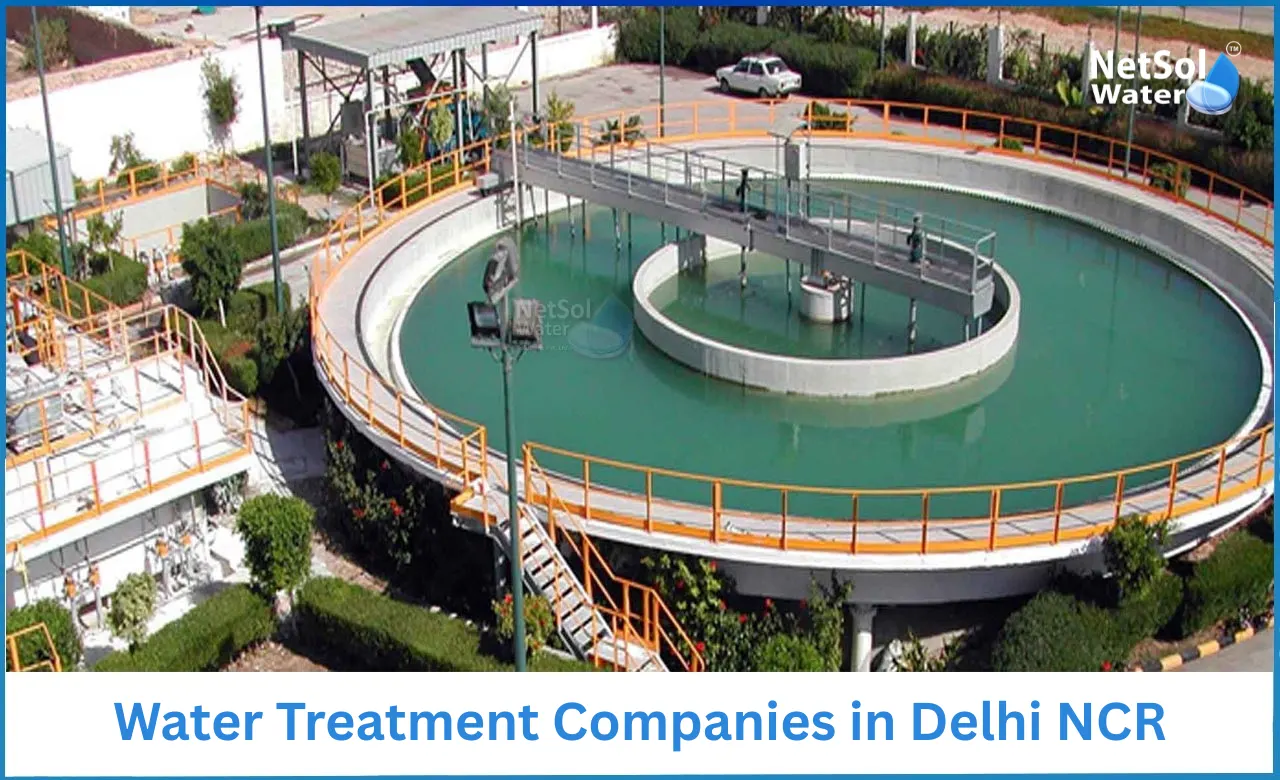
Explain the Working of Treatment of Industrial Waste?

Industrial waste can harm people and the environment if we do not treat it well. A Wastewater Treatment Plant helps to clean the water that comes out of factories. Netsol Water is the leading Wastewater Treatment Plant Manufacturer and it makes plants to make industrial discharge safe to release or reuse. We will explain the working of treatment of industrial waste.

Preliminary and Primary Treatment

Preliminary and primary treatment prepare the wastewater for the main cleaning steps. These early steps protect pumps and equipment and reduce the load on the biological systems that follow. Plants remove large objects and heavy particles so that the next stages can focus on smaller pollutants and dissolved substances. Let us have a look on some of the main units in this stage and how they work.

Screening and Grit Removal

The first unit is the screen. Screens stop rags plastic pieces and large debris from moving into pumps and tanks. The water passes through bars or mesh and solid items stay on the screen. Workers remove the trapped material and take it away for safe disposal. After screening the flow goes to a grit chamber. In the grit chamber sand and small stones settle down while organic solids stay in suspension. The settled grit moves to a separate collection area and operators remove it on a regular schedule. This step helps the plant last longer and lowers maintenance needs.

Primary Sedimentation and Oil Removal

Primary sedimentation gives suspended solids a chance to settle by gravity. The flow slows down in a large tank and the heavier particles sink to the bottom. Operators scrape the settled sludge from the tank floor and send it to sludge handling units. Floating oils and lighter solids rise to the surface and workers remove them with skimmers. Removing these solids early makes the next biological steps more efficient. The water that leaves primary sedimentation still holds dissolved organic matter but it has far fewer solids. This cleaned stream moves to the biological stage where microbes will remove the dissolved pollution.

Secondary Biological Treatment and Tertiary Treatment

Secondary biological treatment removes organic matter and some dissolved pollutants by using microbes. This stage converts harmful compounds into simpler forms that are easier to remove. The process controls oxygen and mixing so microbes can work well. Let us have a look on some common biological systems and the final finishing steps that make the water safe.

Activated Sludge and Biological Reactors

The activated sludge process uses tanks where bacteria grow and feed on organic waste. The plant pumps air into the tank to give oxygen so aerobic bacteria can break down organics. After a period of mixing the water and sludge move to a settling tank. The bacteria then settle out as sludge and the clear water flows on. The settled sludge or biomass returns in part to the reactor to keep a strong population of microbes. The rest of the sludge moves to sludge treatment for thickening and dewatering. In some plants engineers use trickling filters or biofilm reactors instead of activated sludge. These systems give the microbes a surface to grow on and the wastewater flows over that surface. Operators choose the right system based on the type of industrial waste and local space and cost limits.

Tertiary Treatment and Disinfection

Tertiary treatment polishes the water to remove nutrients color and fine particles. Plants use sand filters membrane filters or chemical dosing to remove these traces. For some industries the plant also uses specific chemical steps to remove heavy metals or toxic compounds. After physical and chemical polishing the plant disinfects the water to kill disease causing organisms. Disinfection happens with chlorine ultraviolet light or ozone. The choice depends on safety cost and the quality required for reuse or discharge. Final quality checks confirm that the treated water meets the required standards. When plants prepare water for reuse they include extra monitoring and sometimes extra filtration to meet industrial or irrigation needs.

Read some interesting information for Effluent Treatment Plant Manufacturer 

Conclusion

A well designed Wastewater Treatment Plant handles industrial waste step by step from coarse removal to fine polishing. The plant protects the environment and helps factories meet rules and save resources. Netsol Water provides plants and service to help industries install and run efficient plants. If you want to learn how a plant can fit your site or if you want a consultation please contact Netsol Water for more information and to request a site visit. A proper plant improves water quality reduces risk and supports long term operations.

Contact Netsol Water at:

Phone: +91-9650608473

Email: enquiry@netsolwater.com

Hospital-Effluent-Treatment-Plant-Requirements-and-Compliance-in-India-1-1.webp

October 14, 2025by Netsol Water

Explain the Different Types of Water Conservation Techniques?

Noida is known for growing industry and rising residential areas. A water treatment plant plays a key role in saving water and in giving safe water for homes and factories. We will explore different water conservation techniques that work with a water treatment plant.

Rainwater Harvesting and Storage

Rainwater harvesting helps capture rain that would otherwise run off and get wasted. This method reduces demand on a water treatment plant and gives a nearby water source for many uses. Let us have a look on some common ways to collect and store rainwater and how each one helps conserve water.

Rooftop harvesting systems collect rain from building roofs and move it to a storage tank. A simple roof screen keeps out leaves and larger debris. A first flush device diverts the first flow and keeps the stored water cleaner. Storage tanks can be above ground or buried under the ground. For homes the stored water can serve gardening car washing and toilet flushing. For factories and offices the water can feed cooling towers and process needs. When installers add a basic level of filtration the water can meet higher use standards.

Ground and surface recharge methods return rain to underground aquifers. Trenches soak pits and permeable pavements help rain move into soil. Recharge limits land subsidence and keeps wells productive. In urban places a recharge system requires planning to avoid contamination. Well designed recharge uses layers of sand and gravel to filter the water as it moves down. Municipal planners can pair recharge ponds with treated wastewater to refill aquifers. This approach supports long term supply and reduces the need for distant water sources.

Greywater Recycling and Reuse

Greywater comes from sinks showers and laundry and it offers a major source for reuse. Let us have a look on some practical greywater systems and how they serve homes and small businesses.

Simple household systems divert greywater from showers and washbasins for garden use. A gravity fed filter and a mulch basin can clean the water enough for irrigation. Plants then absorb nutrients that the water contains. This lowers the need for fresh water and it reduces the volume of wastewater that a water treatment plant must process. Home owners can install diverters that switch flow to sewer during heavy rain or when treatment is not active. These systems keep health risks low while saving water for outdoor use.

Compact treatment units serve larger buildings and small industries. These units use biological filters sand beds and small pumps to remove solids and to reduce organic matter. Treated greywater can then feed toilet flushing cooling systems and some process tasks. The system design must match the quality needs of the reuse application. Regular checks and a clear maintenance plan help keep these systems safe and effective.

Efficient Irrigation and Landscape Design

Irrigation uses a large share of water in cities and farms. Better irrigation can reduce that use. Let us have a look on several methods that save water and that keep plants healthy.

Drip irrigation sends water slowly to plant roots. This method avoids water loss through evaporation and runoff. Drip systems place emitters near each plant and they deliver measured doses of water. This reduces the total water used and it improves plant growth by giving steady moisture. Drip systems also work well with treated wastewater and with stored rainwater. They require filters and simple maintenance to keep emitters from clogging. When planners group plants with similar needs they can run drip lines on a schedule that matches the plants rather than running a single long cycle that overwaters some areas.

Smart scheduling and sensors cut waste from over watering. Soil moisture sensors and simple timers let managers water only when plants need it. These controls lower the number of irrigation cycles and they reduce the load that the local water supply feels. When users combine sensors with drip systems they gain a high level of control over outdoor water use.

Using native and drought tolerant plants reduces water need and lowers maintenance. A properly planned landscape uses grouping and mulching to keep soil moisture longer. This reduces the need for a water treatment plant to supply large amounts of fresh water for landscaping.

Read some interesting information for Effluent Treatment Plant Manufacturer 

Conclusion

Good water management strengthens supply and reduces the load on every water treatment plant. Rainwater harvesting greywater reuse and efficient irrigation work well together. Netsol Water is the leading partner for designing systems that match local needs. If you want to save water and to protect supply please contact us for a consultation. We can review your site and suggest a plan that lowers water use and that improves system reliability.

Contact Netsol Water at:

Phone: +91-9650608473

Email: enquiry@netsolwater.com

Hospital-Effluent-Treatment-Plant-Requirements-and-Compliance-in-India-3.webp

October 13, 2025by Netsol Water

Explain the Difference Between Greywater and Blackwater Treatment?

Waste Water Treatment matters for cities homes and industries. People expect clean water and safe disposal. Netsol Water is the leading Waste Water Treatment company in India and it designs plants for urban and industrial needs. We will explain the main difference between greywater treatment and blackwater treatment.

Greywater treatment

Greywater comes from baths sinks, laundry and hand washing. People consider greywater less hazardous than blackwater because it contains lower amounts of fecal matter. Still greywater carries soap, oils, hair, food bits and micro organisms. Let us have a look on some key aspects that planners monitor when they design greywater solutions.

Sources and characteristics

Greywater comes from showers wash basins washing machines and laundry taps. It contains soap residues hair lint and small amounts of food waste. The organic load in greywater stays moderate and the pathogen load stays lower than in blackwater. Designers check pH, suspended solids and fats to pick the right filters and biological units. Greywater shows more detergents and surfactants than blackwater. These chemicals can harm plants if the water goes to gardens without treatment. Greywater also shows grease that can block pipes when left untreated. For reuse teams screen and remove solids and then they use settling and biological steps to lower organics and microbes.

Treatment methods

Greywater treatment aims to make water fit for safe reuse. Systems start with coarse screens that remove cloth fibers hair and large particles. Next treatment uses sedimentation or simple filters to clear fine solids. Designers often add biofilters or constructed wetlands to break down organics. These systems use natural microbes that digest waste while plants help remove nutrients. Disinfection follows to reduce microbes. Methods can include chlorination ultraviolet light or slow sand filtration. The final step matches the quality needed for reuse. For toilet flushing the standards stay stricter than for landscape irrigation. An efficient greywater system saves potable water and cuts the load on sewers. Netsol Water plans these systems to meet local rules and to keep operation simple and affordable.

Blackwater treatment

Blackwater comes from toilets and sometimes from kitchen drains that mix heavy food waste. This stream carries high amounts of pathogens solids and organics. Let us have a look on some key areas where strict controls and stronger treatment steps matter.

Sources and characteristics

Blackwater comes mainly from toilets and kitchen sinks when they enter the same drain. It contains fecal matter urine and often kitchen grease and food scraps. The pathogen levels in blackwater stay much higher than in greywater. It also shows a higher organic load that can deplete oxygen in rivers and lakes if released untreated. Blackwater also contains micro plastics and chemicals from personal care products that need removal when the discharge goes to natural water bodies. For onsite systems planners measure biochemical oxygen demand total suspended solids and nutrient content to size the treatment tanks. These measures drive the choice of primary settling anaerobic digestion and further biological or chemical steps.

Treatment methods

Blackwater treatment aims to reduce pathogens organics and solids to safe levels before discharge or reuse. The process often starts with primary settling where heavy solids drop to form sludge. Engineers then use biological reactors where microbes convert organic matter to carbon dioxide and biomass. Many municipal plants add anaerobic digesters to reduce sludge volume and to capture biogas for energy. After biological steps teams use secondary clarification and then advanced filters or membranes to polish the water.

Key differences and choosing the right system

Greywater and blackwater differ in risk in treatment intensity and in reuse options. Let us have a look on some factors that planners consider when they choose systems and set budgets.

Health and environmental risk

Blackwater shows higher health risk because it carries fecal pathogens. Treating blackwater requires more steps and more safety checks. Greywater poses lower health risk but it still harms plants and soil if left untreated. For public safety teams set stricter limits on pathogen counts for blackwater discharge. Environmental rules also demand better nutrient removal from blackwater to protect rivers. Greywater rules focus on removing solids and reducing chemical residues to protect reuse sites.

Design and cost considerations

Greywater systems use simpler tanks filters and nature based units. They cost less to build and they lower potable water demand. Blackwater plants require larger tanks mechanical aeration and sludge handling systems. These needs raise capital and operational cost. Owners balance cost against long term benefits. For large sites and for municipal systems treating blackwater fully remains the core duty. For buildings that want onsite reuse greywater systems offer fast returns and steady savings.

Read some interesting information for Commercial RO Plant Manufacturer in Noida

Conclusion

Waste Water Treatment shapes public health, urban living and business operation. If you need a site assessment or a consultation on plant design, please contact Netsol Water for expert advice and practical options. The right Wastewater Treatment plan saves water protects health and reduces long term cost. Reach out now to start a discussion and to request a consultation.

Contact Netsol Water at:

Phone: +91-9650608473

Email: enquiry@netsolwater.com

Troubleshooting-Low-Water-Pressure-in-Your-RO-System.webp

October 2, 2025by Netsol Water

Troubleshooting Low Water Pressure in Your RO System

RO plants supply clean water for homes, industry and farming. Netsol Water is the leading RO Water Plant Manufacturer and it helps many sites get steady flow and pure water. A plant that makes safe water is famous for constant delivery and long term use. This makes pressure a key part of plant health. Low water pressure can reduce output shorten membrane life and increase cost. Plant managers must find the cause fast and fix it in a clear way.

Common Causes of Low Water Pressure

Low pressure reduces production and it stresses pumps and membranes. Fixing the right cause saves time and money. Let us have a look on some issues that commonly reduce pressure and how to spot them.

Clogged Pre Filters

Clogged pre filters reduce feed flow into the RO plant. A filter that blocks water makes the pump work harder and the plant give less output. A technician must inspect the pre filters early. Remove the filter housings and check sediment levels. A filter that looks dirty or that resists flow needs replacement. Change filters based on measured pressure drop across them. If you do not replace clogged filters the pump may run under strain and membranes may face uneven feed. Replace filters with correct grade for your feed water. Use the recommended Micron rating for your system. Clean housing seats before fitment. After replacement run the pump and watch the inlet and outlet pressure. A steady rise shows flow is restored. If pressure does not improve then look further along the feed train because clogged filters are not always the only cause.

Membrane Fouling and Scaling

Membrane fouling blocks the small pores that let pure water pass. Scaling forms hard layers on the membrane surface and this reduces permeate flow. Check membrane differential pressure by measuring feed and concentrate pressures. A rise in differential pressure points to fouling. Remove one membrane element and inspect it visually. Brown or slimy layers show organic fouling. White hard crust shows scaling. Clean or replace membranes as per the manufacturer instructions. Use chemical cleaning agents that match the foulant type. After cleaning test flow and salt rejection. If the flow returns to normal, you have found the cause. If not then the issue may be upstream or with the pump. Monitor permeate flow in liters per hour and compare with rated values. This check helps you decide if cleaning will work or if replacement is needed.

Troubleshooting Steps and Tools

A structured approach keeps work efficient and it avoids unnecessary replacements. Let us have a look on some steps and the instruments that give reliable readings.

Pressure Gauge Checks

Pressure gauges tell you what is happening at each stage of the RO system. Install gauges at the pump inlet, at the pump outlet, at the membrane feed, and at the concentrate line. Start by reading the pump inlet gauge. A low inlet pressure points to feed supply problems. Next read the pump outlet gauge. If the outlet is low but the inlet is normal the pump may be failing. Compare membrane feed and concentrate pressures. A large drop across the membrane string shows fouling or blockage. Calibrate gauges regularly and keep spare gauges on site. Use quick coupling points to allow fast gauge checks without stopping the system. Record readings after any maintenance so you can see trends. This method makes it fast to separate pump issues from membrane or feed problems.

Flow Meter and Pump Inspection

A flow meter gives real time output data. Check permeate flow against the system design numbers. A drop in flow confirms low pressure. Inspect pump seals bearings and impeller. Worn seals let air enter the pump and this reduces pressure. Check pump speed and voltage. A drop in motor input or a worn V belt will lower pump output. Clear any air pockets by venting the pump and the piping. Tighten loose couplings and replace worn parts. After pump work run the system and compare the flow meter reading with the expected value. Keep a log of performance after each repair to confirm stability.

Preventive Maintenance and Best Practices

Preventive steps stop small faults from becoming major breakdowns. Let us have a look on some practices that always improve pressure stability and plant life.

Scheduled Filter Replacement

A planned filter change keeps feed flow steady. Set filter change intervals using measured pressure drop and not a fixed date alone. Measure the differential across each filter and replace when the drop exceeds the safe limit. Keep a stock of correct filter sizes and types. Use the same quality parts each time to maintain consistent flow. Document each change and record inlet and outlet pressures. This record helps you predict future changes and it reduces unplanned downtime. When technicians follow the schedule the system keeps better pressure and output.

Water Quality Monitoring

Feed water quality affects how fast membranes foul and how often you must clean them. Regular testing for turbidity, hardness, and iron helps you adjust pre-treatment steps. If hardness rises you need stronger antiscalant dosing or an additional softening stage. If turbidity increases add a deeper sediment stage. Monitor these parameters and log results in a simple chart. Use these trends to update the maintenance plan and to avoid sudden pressure drops. Good monitoring gives you time to act before flow falls.

Read some interesting information for Commercial RO Plant Manufacturer in Noida

Conclusion

Proper troubleshooting gives steady pressure and longer membrane life. Netsol Water is the leading RO Water Plant Manufacturer and we help many operators fix pressure issues fast. If you want support with checks, cleaning or a maintenance plan contact Netsol Water for a consultation. Our team can guide you step by step and help you restore steady flow and reliable output. Get in touch to learn more or to request a site review from a trusted Reverse Osmosis Plant Manufacturer.

Contact Netsol Water at:

Phone: +91-9650608473

Email: enquiry@netsolwater.com

Add-a-subheading-1-2.webp

September 29, 2025by Netsol Water

How to start a waste management business?

Cities and industries face rising pressure to treat water and to reduce pollution. Netsol Water is the leading company that shows how to make efficient plants and how to serve diverse clients. We will explain the main steps to start a Waste Water Management business.

Market Research and Business Planning

Let us have a look on some key areas that shape your Market Research and Business Planning.

Local needs and clients

Start by mapping who needs service and what they pay now. Visit small factories, hotels hospitals and municipal units to learn how they handle waste now and what they will change soon. Speak with local authorities and with engineers who work on water and sewage. Build a list of plausible clients and rank them by how fast they will buy services and how much they can pay. This approach helps you set clear priorities and create a lean service menu you can deliver in the first months. Waste Water Management demands trust and clear proof of capability so plan a few pilot jobs you can complete fast and at low cost. Use those pilots as case studies to show new clients what you can do and to win larger contracts.

Creating a practical business plan and budget

After you know the clients you must design a plan that covers investments and cash flow for the first year. Decide whether you will sell plants or rent them and whether you will offer maintenance and monitoring. Estimate the capital cost for tanks pumps and filters and estimate the working capital for staff and transport. Set price bands that match client budgets and still leave margin for growth. Explain your sales model and your operations model in plain terms and include simple KPIs such as number of clients per month revenue per client and break even month. Plan a small sample project to prove your methods and to reduce risk.

Licenses Operations and Sales

Running a waste handling business needs legal clearances and steady operations. You must meet rules and you must make plants that run reliably each day. Let us have a look on some rules and on building an operational backbone that keeps clients satisfied.

Regulatory approvals and compliance

You must secure permits from local pollution control boards and from municipal bodies before you start full operations. Learn the license types that apply to waste collection treatment and disposal and collect the forms early. Prepare simple technical notes that explain your process and the waste volumes you will handle. Engage with a local consultant if the rules feel complex. Plan for regular tests and for clear records that show how you manage sludge and treated water. Many clients will ask for proof of compliance before they sign a contract so keep certificates ready and keep test results fresh. A clean compliance record builds trust and it reduces fines and delays.

Setting up operations and selling services

Design your operation to match the contracts you aim to win. Choose vehicles and containers that fit local roads and waste types. Buy modular treatment units that you can scale later and that you can move between sites if needed. Hire technicians who know pumps valves and basic electrical systems and train them in safety and in simple maintenance checks. On the sales side build a short pitch that shows cost benefit and shows how you protect client premises. Offer a trial run or a short service agreement to reduce buyer risk and to show results fast. After each job collect a short report and a client note that you can use as proof for new customers.

Read some interesting information for Commercial RO Plant Manufacturer in Noida

Conclusion

Starting a business in Wastewater Management needs clear research good planning and strict compliance. You must focus on local needs and on building simple reliable operations that win trust fast. Netsol Water is the leading example of how to combine technology and service and you can learn from such models as you plan your next steps. If you want help with a project design a permit checklist or a business plan contact us for a consultation and we will guide you.

Contact Netsol Water at:

Phone: +91-9650608473

Email: enquiry@netsolwater.com


Add-a-subheading-1-1-7.webp

September 26, 2025by Netsol Water

What Is The Profit Margin Of Waste Management?

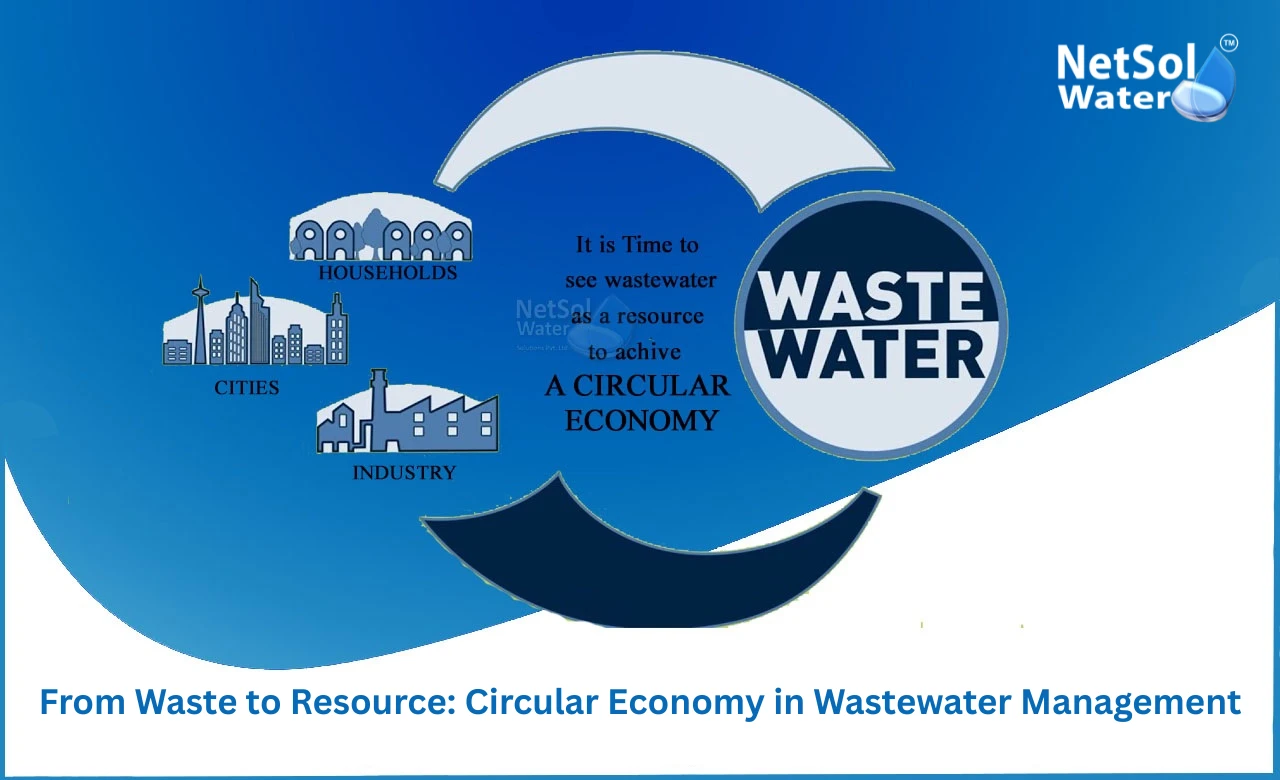
Cities grow and industries expand and they need systems to treat water before it returns to nature. India faces many challenges with water quality and supply. Cities like Delhi and Noida has many factories and offices that need reliable treatment systems. Netsol Water is the leading Waste Water Treatment Plant provider and it works with businesses and communities to make plants that last. Understanding profit in waste management helps investors and operators plan better. Profit margin shows how much money a project earns after it covers its costs.

Revenue in Waste Management

An operator must know where income comes from before they can judge profit. Let us have a look on some typical revenue sources.

Types of revenue and how they matter

Most Waste Water Treatment Plant projects sell a service. They charge clients for treating water. A plant may bill by volume of water treated or with a fixed monthly fee. Some plants sell treated water back for reuse in industry or irrigation. That sale brings extra income. Others recover byproducts like biogas or compost and sell them. These added streams make a big difference to profit. A plant that sells treated water lowers its net cost and raises its margin. The scale of operations changes the math. Small plants have higher unit costs. Large plants spread fixed costs and reach better margins. Location also matters. Plants near factories or farms find steady demand. Plants in remote areas face higher transport cost and lower demand. Contracts shape revenue. Long term contracts give steady cash and let operators plan investments. Short term contracts add risk. Operators who balance contract length and price gain more stable profit.

Pricing factors that affect profit

Operators decide price based on cost and market. They estimate operating cost then add margin. If a plant sells extra products like biogas the operator can charge less per cubic meter and still earn more. Competition sets a cap on price. Local rules and subsidies also change what users will pay. In many areas governments set treatment standards and may offer support. That support can boost profit by lowering initial expense or by guaranteeing a buyer for treated water. Operators who plan for multiple revenue lines gain flexibility.

Costs and key expenses

Costs define the lower bound for profit so operators must control them. Let us have a look on some main cost categories.

Capital cost and its effect

A Waste Water Treatment Plant needs equipment tanks pumps and control systems. The upfront cost can be high. Operators finance this cost with loans or equity. Loan interest raises ongoing cost. Leasing or modular plants can reduce initial cash outlay. A careful choice of technology affects both capital and running cost. Some tech needs expensive membranes or chemicals. Others use natural processes that cost less to run. Operators who match technology to site needs lower total cost and improve margins. Planning maintenance from day one prevents sudden breakdowns that eat profit.

Operating cost and waste handling

Day to day cost includes power labor chemicals and disposal of sludge. Power often makes the largest share. Plants that use efficient motors or recover energy from biogas lower this cost. Skilled operators run the plant more efficiently and reduce waste of chemicals. Regular monitoring keeps the plant in tune and prevents expensive fixes. Training staff and using automation when it pays off reduce operating cost and support higher profit margins.

Calculating profit margin and improving profitability

Knowing the formula helps decision makers to act. Let us have a look on some methods to compute margin and then review tactics to increase it.

How to compute margin and what it shows

Profit margin equals net profit divided by revenue. Net profit means revenue minus all costs and taxes. For a Waste Water Treatment Plant you add up income from treatment fees sale of treated water and any byproduct sales. Then subtract operating cost loan interest depreciation and taxes. A plant with healthy margin can invest in upgrades and handle downtime. Investors look at margin over several years not just one season. Early years often show lower margin due to loan repayments. Later years can show higher margin if revenue stays stable and costs fall.

Ways to raise margin without reducing quality

Raising margin must not harm treatment quality or compliance. One way is to add revenue lines like water reuse or energy recovery. Another is to improve energy efficiency to drop power bills. Contract terms that link price to inflation protect revenue. Operators can offer tiered pricing to reward higher volume users and keep steady cash. Technology upgrades that lower chemical use also raise margin. Training staff to monitor performance reduces waste and extends equipment life. Lastly strong relationships with regulators and clients reduce surprises that can hurt profit. These steps keep the plant sustainable and profitable.

Read some interesting information for Commercial RO Plant Manufacturers

Conclusion

Profit in waste management depends on revenue cost and smart choices. A clear plan and steady operations lift margins. Netsol Water can help design or upgrade a Wastewater Treatment Plant and advise on ways to boost income and reduce cost. Contact Netsol Water to learn how a plant can meet standards and deliver strong returns.

Contact Netsol Water at:

Phone: +91-9650608473

Email: enquiry@netsolwater.com


What-is-the-cost-of-wastewater-treatment-plant.webp

September 25, 2025by Netsol Water

What is the cost of wastewater treatment plant?

Wastewater is a growing challenge in India and many other places. Cities and industries need ways to treat water so people stay healthy and the land stays productive. Netsol Water is the leading Wastewater Treatment Plant Manufacturer and it offers solutions that match different budgets and needs.

Factors that affect cost of the Wastewater Treatment Plant

Understanding what affects price helps you choose the right plant. Let us have a look on some factors that affect cost of the Wastewater Treatment Plant.

Plant capacity and flow rate

Plant size matters most for cost. A larger Wastewater Treatment Plant needs bigger tanks pumps and more control equipment. The cost per cubic meter often drops as size grows but the total price rises. Small units for a farmhouse or a small factory will cost less in total but will cost more per unit of treated water. Large municipal plants show better economies of scale but they need more land and stricter approvals. Capacity also links to treatment steps. When a plant must remove many pollutants designers add more reactors filters and sometimes advanced units. Each extra step raises the price and adds to the operation work later on.

Treatment technology and process selection

Technology choice also shapes the investment. Simple gravity and biological systems work for many cases. More advanced systems use membranes chemical dosing or intensive aeration and they cost more to build and to run. The level of treatment you need decides the technology. If you must meet strict discharge standards you may need tertiary treatment steps that include filtration disinfection or nutrient removal. Each added process increases both capital cost and maintenance work. Activated sludge systems use tanks and aeration. They fit many municipal and industrial sites and they balance cost and performance. Sequencing batch reactors handle variable flow without complex pipe work and they can save space. Membrane bioreactors give very good effluent quality but they use more power and membrane replacement raises annual cost. For industrial waste streams you may need chemical treatment or special biological systems that handle oil chemicals or high salt. Those setups require special design and higher budgets.

Capital cost versus operating cost for a Wastewater Treatment Plant

Buyers must see both the initial price and the cost to run the plant. Let us have a look on some elements that shape ongoing cost.

Initial capital cost and what it covers

Initial capital covers design, civil work, equipment and installation. Civil work includes excavation concrete foundations and building a safe area for the plant. Equipment includes tanks blowers pumps mixers screens and control panels. Installation ties everything together and includes testing and commissioning. Site preparation and permits can also add to the initial bill. Land cost can be a major part of the budget when the plant needs more area. When you compare offers check what each supplier includes in the quoted price. Some quotes cover complete delivery and testing while others list only equipment. Choosing a manufacturer like Netsol Water helps because they handle design procurement and commissioning in one package.

Operation and maintenance cost

Operation and maintenance form the long term cost. Energy drives most of the operating bill. Pumps blowers and heaters can use a lot of power. Labor also adds regular cost because trained staff must run and monitor the system. Routine supplies include chemicals and filter media and these add up each month. Some technologies need costly parts replaced on a fixed schedule. Membranes sensors and certain mechanical parts show steady wear and need planned replacement. Regular maintenance keeps the plant efficient and prevents breakdowns that raise cost. Good design reduces energy use and simplifies maintenance so the yearly bill stays lower. Choosing energy efficient blowers and variable speed pumps cuts power use. Automation reduces manual checks and prevents human error. Scheduled maintenance avoids emergency repairs and extends equipment life. Training local staff speeds repairs and reduces the need to call outside technicians. All these moves cost less than repeated emergency fixes and save money over the life of the plant.

Read some interesting information for Commercial RO Plant Manufacturer

Conclusion

Choosing the right Wastewater Treatment Plant needs a clear view of both the initial price and the long term cost. Net savings come from correct sizing careful technology choice and good operation. Netsol Water can help you compare options and prepare a realistic budget. If you want a consultation or a site estimate, please contact Netsol Water for a direct discussion. We can guide you to select the right plant and provide a full quote that covers supply installation and training. Reach out today to plan a solution that fits your need and your budget.

Contact Netsol Water at:

Phone: +91-9650608473

Email: enquiry@netsolwater.com