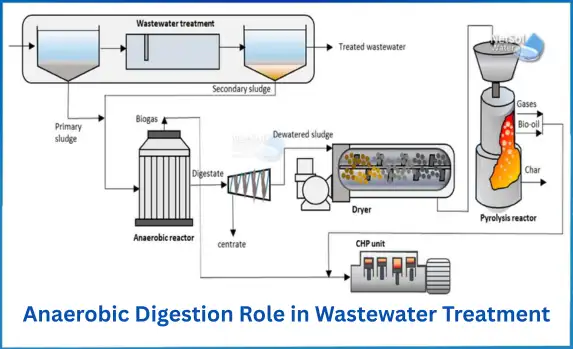
Anaerobic Digestion Role in Wastewater Treatment
Anaerobic digestion plays a strong role in modern wastewater treatment because it helps remove organic waste in a simple and useful way. This process works without oxygen and uses natural microbes to break down sludge and other waste materials. It supports cleaner water and also reduces the load that treatment plants must handle each day. Many industries and cities now choose this method because it saves space and can also produce biogas.
We are the leading wastewater treatment plant manufacturer for businesses that need a practical and steady treatment system. With the right design and care, this process can turn waste handling into a more efficient task. It helps plants manage pollution while also supporting better energy use. As water needs grow and waste levels rise, the demand for smart treatment methods also grows. That is why anaerobic digestion matters so much today. It brings a balanced answer to waste control and resource recovery in one system.
Key Benefits of Anaerobic Digestion in Wastewater Treatment
Anaerobic digestion brings several clear gains to wastewater treatment. It helps plants lower sludge volume and manage organic waste in a more controlled way. It also creates biogas which can support energy needs. These benefits make the process useful for both small and large treatment setups. The value becomes even greater when the plant deals with heavy waste loads every day.
Let’s have a look at some of the main benefits that make this method so important for modern treatment systems.
1. Energy Recovery Through Biogas
One of the biggest advantages of anaerobic digestion is biogas recovery. The gas that forms during digestion can help run boilers or support other plant needs. This means the treatment plant does not only remove waste. It also creates a useful energy source from that waste. That is a strong example of smart resource use.
For many sites, this energy gain can help lower running costs. It also supports a cleaner approach because the plant uses less outside power. When a Wastewater Treatment Plant Manufacturer includes biogas recovery in the design, the whole system becomes more useful. The plant can treat waste and recover energy at the same time. That brings better value to the owner and better function to the treatment unit. It also makes the plant more forward-looking in a simple and practical way.
2. Better Sludge Control and Lower Cost
Anaerobic digestion also helps reduce sludge volume. This matters because sludge handling can become expensive and time-consuming. When the digester reduces the size and strength of the waste, the plant needs less space for storage and less effort for disposal. That helps the full treatment cycle move more smoothly.
The process also supports stable operation. It handles high organic waste in a controlled space, which lowers the chance of sudden problems. Many treatment plants choose this path because they want a method that gives steady results with less manual strain. A strong wastewater treatment plant manufacturer can build systems that suit these needs well. When the right design meets the right process, the plant saves money over time and keeps waste handling under control. That makes the whole system more dependable.
Why Anaerobic Digestion Fits Industrial and City Needs
Anaerobic digestion suits both industrial and city wastewater because it can deal with large amounts of organic waste. It works well where treatment needs remain high and where the plant must do more than simple cleaning. The method supports long-term waste management and fits the needs of places that want both treatment and recovery in one system.
Let’s have a look at some reasons why this process works so well in many different settings.
1. Support for Large Waste Loads
Industries often produce wastewater that carries heavy organic matter. Cities also create large amounts of sludge from treatment plants. Anaerobic digestion helps manage both types of waste. It takes in a strong waste stream and turns it into something easier to handle. This is useful where the treatment plant cannot afford frequent breakdowns or waste backups.
The process gives plants a steady path for dealing with these loads. It does not rush the treatment. It works in a closed and controlled tank, which helps keep the system stable. That is why many engineers and operators see it as a practical choice. A Wastewater Treatment Plant Manufacturer with good design skill can make sure the system matches the waste level and the daily flow.
2. Simple Operation With Proper Design
Anaerobic digestion may sound complex at first but it can run in a simple way once the plant has the right design. The tank must keep the right temperature and loading level. The operator must watch the system and maintain balance.
This is one reason the method stays popular. It does not need constant change once it is set up well. The plant gets a stable system that can work for a long time. It also fits well with modern treatment goals because it saves energy and reduces waste. A good manufacturer helps make this possible through careful planning and strong support. That gives plant owners more confidence in daily operation and future growth.
Why Netsol Water Supports Better Treatment Systems
Netsol Water understands the need for clear and effective wastewater treatment. The company works with systems that support safe waste handling and better resource use. It also focuses on practical design that suits real plant needs. That matters because every treatment site faces different waste levels and space limits.
When industries look for a Wastewater Treatment Plant Manufacturer, they often want more than equipment. They want a partner who understands process flow, plant safety and long-term use. Netsol Water offers that kind of support through thoughtful planning and dependable solutions. It helps clients choose systems that match their goals and keep operations smooth. That makes anaerobic digestion easier to apply in a real treatment setting. It also helps plants get more value from their wastewater systems without adding extra complexity.
Read some interesting information for the Industrial RO Plant Manufacturer in Noida
Conclusion
Anaerobic digestion gives wastewater treatment a clear and useful path forward. It reduces organic waste, supports sludge control and also creates biogas that can help plant operations. This makes the process valuable for industries and cities that need steady and practical waste management. It also brings better balance between treatment and resource recovery, which is important in today’s world.
If you are looking for a trusted wastewater treatment plant manufacturer, then Netsol Water can help you move toward a better solution. Get in touch today to learn more or request a consultation for your wastewater treatment needs.
Contact Netsol Water at:
Phone: +91-9650608473
Email: enquiry@netsolwater.com