Wastewater Plant - Sewage Treatment Plant Manufacturers

Water-Treatment-Equipment-Manufacturers-in-India.webp

November 29, 2025by Netsol Water

Water Treatment Equipment Manufacturers in India

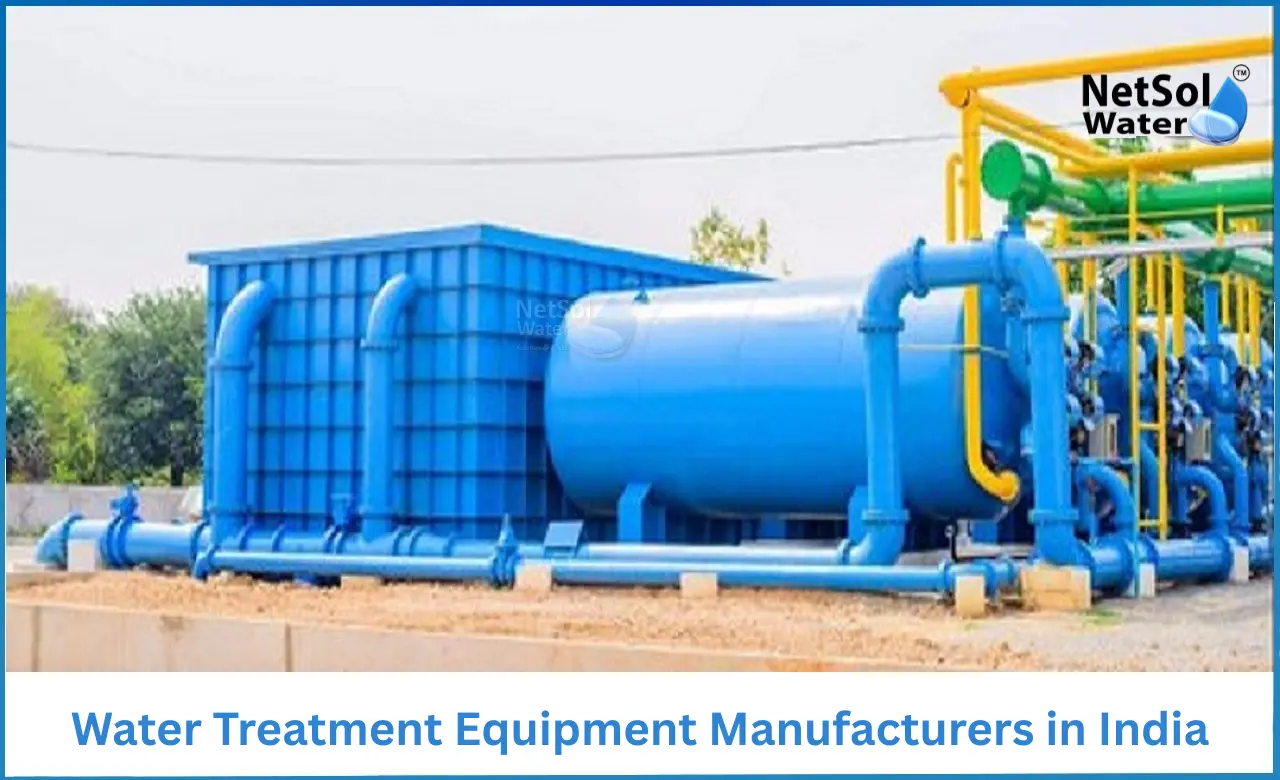
India is famous for its varied climates and its large industrial sectors. These industrial sectors create demand for clean water solutions for homes, farms and factories. Water treatment plants help communities and businesses use water safely and save water for future use. A Water Treatment Plant Manufacturer plays a key role in designing building and supplying plants that treat water for drinking for industrial use and for wastewater reuse. Netsol Water is the leading Water Treatment Plant Manufacturer and it serves customers across India with plants that match local needs.

Manufacturing Capabilities and Technologies

Good manufacturing lets companies build plants that work for specific water sources and for specific output needs. Let us have a look on some manufacturing capabilities and technologies.

Membrane Filtration Systems

Membrane filtration covers processes like microfiltration, ultrafiltration, nanofiltration and reverse osmosis. These systems remove particles and dissolved salts from water. Indian manufacturers design membrane trains that match the feed water quality and the required product water standard. A manufacturer selects the correct membrane type and sets the flow and pressure to reach the desired output. The assembly includes pressure vessels membrane modules pumps and control panels. Local makers can source many components from Indian suppliers and they can also integrate imported membranes when needed. The result is a compact plant that uses less space and that can run with lower operator attention than older systems. Engineers test the membranes and tune the plant for efficiency. They provide options for cleaning cycles and for monitoring to keep performance steady over time.

Chemical Treatment Units

Chemical treatment remains important for removing dissolved substances controlling scale and ensuring safe disinfection. Chemical systems include dosing pumps mixing tanks and contact chambers. Manufacturers build these units to work with coagulants flocculants pH adjusters and disinfectants. They design the feed path and the control logic to create good mixing and to avoid overdose. Indian makers also add safety features to store chemicals and to prevent spills. They offer training to plant operators so that dosing stays accurate and safe. Chemical units can work with membrane filters clarifiers or sand filters as part of a combined plant. The manufacturer sets the control system to coordinate dosing with other treatment steps. This approach keeps water quality stable and reduces the need for manual corrections.

Quality Standards and After Sales Support

A manufacturer must make plants that meet regulations and that perform reliably for years. Let us have a look on some quality checks and on the services that keep plants running.

Quality Certification and Testing

Certification proves that a plant meets required norms for safety and performance. Manufacturers test instruments pumps and tanks during production. They run factory acceptance tests and they document the results for the client. This process checks flow rates pressure drops and water quality after each treatment step. Many producers follow national and international standards to show compliance. They prepare test reports and they offer third party testing when the buyer asks for it. Good documentation helps clients get permits and it supports project handover. The manufacturer also uses quality control on components and keeps records that trace each part. This traceability reduces the risk of failure and speeds up problem solving when issues occur after installation.

Maintenance and Service

After sales service keeps a plant productive and it protects the capital investment. Manufacturers offer service contracts spare part supply and training for in house technicians. A clear maintenance plan lists routine checks service intervals and part replacements. Manufacturers often provide remote monitoring and support to spot issues early. They send technicians to site for repairs and for seasonal tuning. They stock common spare parts to reduce downtime. This service model helps plants stay within operational budgets and it improves plant life. Clients gain confidence when a manufacturer commits to response times and to long term parts availability.

Read some interesting information for Sewage Treatment Plant Manufacturer in Noida

Conclusion

A strong Water Treatment Plant Manufacturer helps communities and businesses meet water needs with reliable plants, clear documentation and support. Netsol Water is the leading Water Treatment Plant Manufacturer and it can plan, build and service plants for varied uses. If you want more information or if you would like a consultation please get in touch with a specialist who can review your water source your treatment needs and your budget. Request a consultation today.

Contact Netsol Water at:

Phone: +91-9650608473

Email: enquiry@netsolwater.com

From-Waste-to-Resource-Circular-Economy-in-Wastewater-Management-1.webp

November 10, 2025by Netsol Water

Decentralised Wastewater Treatment Systems Benefits & Use Cases

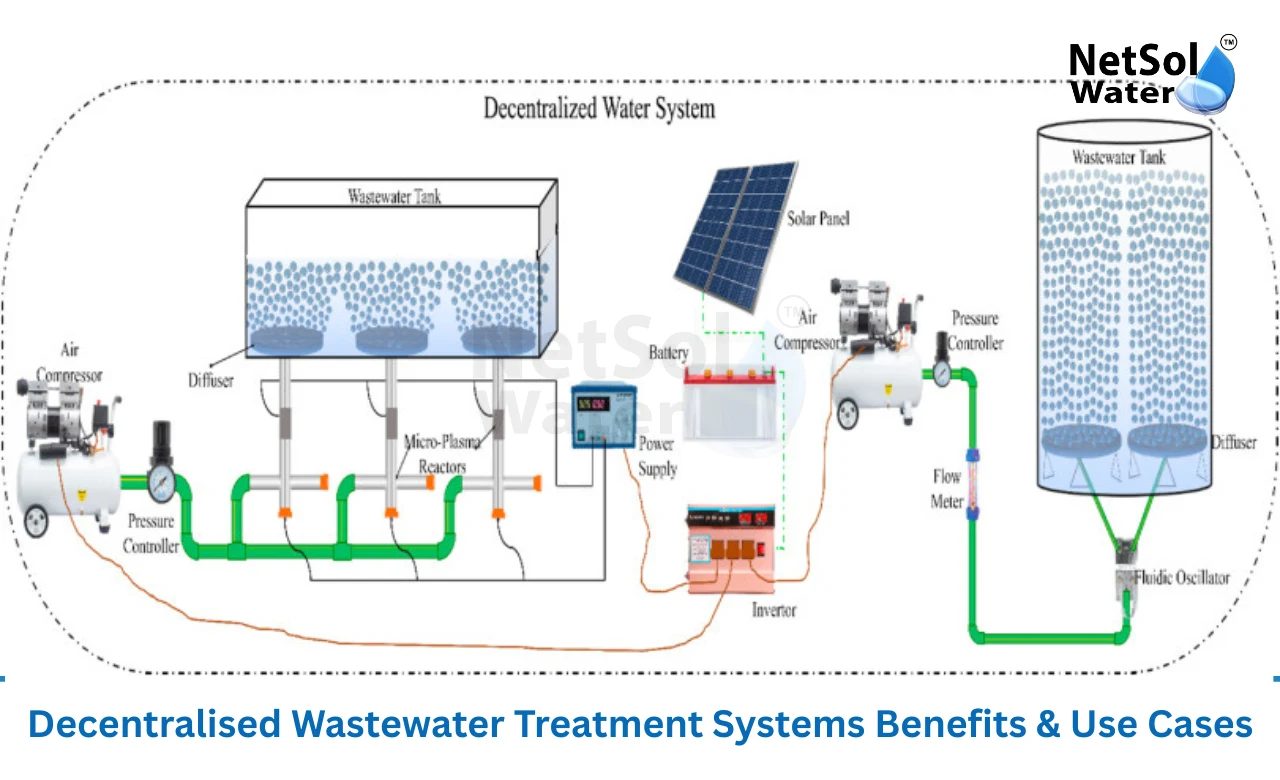
A decentralised system can reduce the need to move sewage long distances. It can cut the load on old sewers and on large central plants. A local system can treat water close to where it forms. This saves time and reduces cost in many cases. Netsol Water stands as the leading Wastewater Treatment Plant Manufacturer and it supports systems that fit local needs. They let communities use treated water again for gardening, cleaning and other safe uses. This approach also helps meet environmental rules and lower water stress.

Benefits of Decentralised Wastewater Treatment Systems

We will explain why decentralised systems matter and how they change planning. Let us have a look on some key benefits.

Faster start and local control

A decentralised system can come online fast. Builders can install a system while they finish site work. This reduces delay for new homes and offices. Local teams operate the plant close to the site. They can monitor flows and fix faults without long travel. Faster response keeps service steady and it lowers disruption for users. Local control also lets managers tune treatment to local water habits. That improves final water quality and reduces waste.

Lower infrastructure cost and flexible sizing

Decentralised plants need less long pipe work. They avoid long sewer mains and large pump stations. This reduces initial capital cost for many projects. Project owners can choose a system that fits their plot and budget. They can add more modules later as demand grows. This staged growth lowers financial risk and keeps spending aligned with use.

Environmental gains and resource recovery

Local plants can recover water for reuse in gardens toilets and cooling. They can also capture solids and convert them into compost or energy. Treating waste close to source shortens transport and so cuts emissions. Smaller units also let engineers use low energy steps and modern membranes. That cuts power demand and reduces the site carbon footprint.

Scalability and Cost Savings

We will explore how scaling works and how it saves money. Let us have a look on some practical details that planners use when they opt for a decentralised plant.

Designers can build a system for current need and then expand it module by module. This lets owners avoid paying for unused capacity. Cities and builders use this feature to match supply to unknown growth. Operators also benefit from lower monthly costs when the plant uses simple pumps and passive filters. Maintenance teams can swap modules without halting all treatment. That keeps the plant online while work happens. Banks and investors find this model easier to fund. They can tie finance to clear stages. In the end the project stays flexible and it reduces waste from oversized projects. Netsol Water offers modular units and design support for these phases. They design plants that work with local power and water patterns. This keeps cost down and performance high over time.

Use Cases for Decentralised Wastewater Treatment Systems

Let us have a look on real use cases that show clear benefits and outcomes.

Residential communities and housing projects

New housing projects often lack access to a large sewer network at first. A decentralised plant lets builders meet rules and protect local ground water. These plants can serve a few hundred to several thousand homes. They fit within the site and they give treated water for landscape watering and street cleaning. Residents gain steady service while the city extends main sewers. Home owners see lower service charges when treated water replaces fresh water for many tasks. Local operators can train residents and staff to monitor basic alarms and to report faults fast.

Industrial parks and small factories

Small industrial clusters generate wastewater that central plants may not treat well. A local plant can include steps for oil removal or for specific chemical loads. This custom fit helps factories meet outlet limits and avoid fines. Industries can reuse treated water in cooling and in cleaning processes. This reduces fresh water use and it lowers operating cost. Plant managers can monitor for spikes and take action quickly when a process changes.

Read some interesting information for Industrial RO Plant Manufacturer in Faridabad

Conclusion

Decentralised systems change how we plan a Wastewater Treatment Plant. They reduce cost speed delivery and increase reuse. They match demand for housing, industries and remote sites. Netsol Water leads as a Wastewater Treatment Plant Manufacturer and it can help you choose a fit system for your site. Contact Netsol Water to get more information or to request a consultation on a decentralised solution that fits your needs.

Contact Netsol Water at:

Phone: +91-9650608473

Email: enquiry@netsolwater.com

Add-a-subheading-1-2-3.webp

October 28, 2025by Netsol Water

How much does a Wastewater Treatment System Cost?

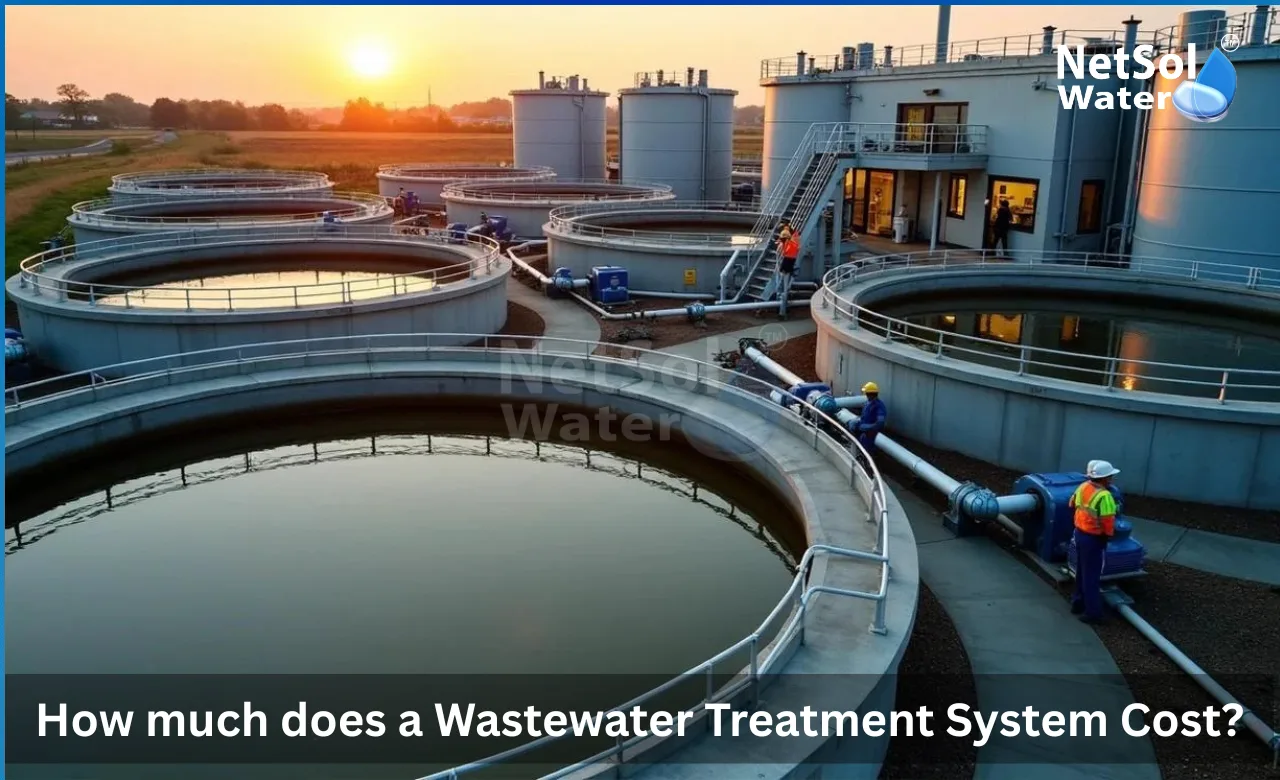
Wastewater treatment plants matter for cities and industries. Netsol Water is the leading Wastewater Treatment Plant manufacturer and they design plants for homes, factories and towns. We will explain how much a wastewater treatment system costs and what drives the price.

Read some interesting information for Effluent Treatment Plant Manufacturer

Cost components of a wastewater treatment system

We will explain why knowing the cost parts helps you plan the right budget. Let us have a look on some key cost items and how each one matters for the final price.

Civil work and site preparation

Civil work can shape a large share of the budget. The ground must become ready for tanks pipes and foundations. If the soil needs deep excavation or special reinforcement the cost goes up. The layout also matters. A compact modular unit that sits above ground often costs less than a buried custom build. Local land rules can add permit costs and safety work. Construction delays will push the budget higher. When Netsol Water plans a project they check site conditions and give a clear civil work quote. This step helps buyers avoid surprise charges and plan the full capital needed.

Mechanical and electrical equipment

Equipment brings the system to life. Pumps blowers mixers clarifiers and control panels create the largest single item cost. Higher grade motors and automated controls increase the price. Simple manual systems cost less up front. Advanced automation saves labor later. The choice of material also matters. Steel or concrete tanks have different costs and life spans. Netsol Water offers options so you can compare life cycle cost not just the initial bill. This focus helps owners choose the best balance of cost and long term value.

Cost by capacity and technology

We will explore why the system capacity and chosen technology shape the price. Let us have a look on some capacity ranges and technology choices and how they change the cost.

Small scale systems for single units

Small systems for a small factory or apartment complex cost less up front. A compact Wastewater Treatment Plant for a small site uses modular parts that ship ready to install. The lower capital cost makes these units common for remote or new projects. Operational simplicity keeps labor cost low. However per liter treat cost can remain higher than for larger units because fixed items like control panels add the same cost no matter the size. Buyers should check both capital and running cost to make the correct choice.

Medium and large industrial plants

Large plants serve many users and need robust design. The scale reduces the unit cost per liter treated but raises the total capital need. Industrial sites with heavy organic load or toxic compounds need special reactors and pre treatment steps. These add to equipment and design cost. For a big site the choice of technology such as activated sludge membrane bioreactors or sequencing batch reactors has strong impact. Each option changes footprint energy needs and maintenance work. Netsol Water helps choose technology that meets discharge rules and fits the available budget and available land.

Operating and maintenance costs

We will explain why the ongoing cost matters more than initial price for many buyers. Let us have a look on some key operating cost items and how to plan for them.

Energy and chemical use

Energy forms the largest ongoing cost in many plants. Pumps blowers and heaters run daily. Systems that use less energy may cost more up front but save money over time. Chemicals for pH control disinfection and sludge handling add monthly charges. Monitoring and regular lab tests also create recurring cost. Netsol Water advises on efficient designs that cut energy and reduce chemical use. This helps lower monthly bills and improves the total cost of ownership.

Labor and spare parts

Skilled operators and spare parts create recurring needs. Simple systems need less staff and lower daily oversight. Complex plants need trained operators and ready spare parts to avoid long downtime. Scheduled maintenance prevents big failures and keeps costs manageable. Netsol Water offers service contracts and spare part plans that help customers plan expense and maintain steady operation. This makes the whole investment more predictable and easier to budget.

Conclusion

Choosing the right Wastewater Treatment Plant means more than comparing a single price. You must add civil work equipment installation and ongoing operation to see the real cost. Netsol Water makes plants for many sizes and needs and they help plan both the capital and the monthly cost. If you want a clear cost estimate or a consultation contact Netsol Water today to request a site visit and a quote.

Contact Netsol Water at:

Phone: +91-9650608473

Email: enquiry@netsolwater.com