Wastewater Management Plant - Sewage Treatment Plant Manufacturers

Role-of-Screening-and-Grit-Removal-in-Wastewater-Management.webp

July 7, 2026by Netsol Water

Role of Screening and Grit Removal in Wastewater Management

Wastewater management begins long before water reaches advanced treatment units. It starts with the simple but important job of removing large and heavy materials from the flow. Screening and grit removal protect the full treatment system from damage and unnecessary load. They help water move safely through the plant and they support stable treatment at every later stage. In many growing cities and industrial areas, the pressure on water systems keeps rising. That is why this early treatment step matters so much.

A well-designed plant can work smoothly only when it receives wastewater in a controlled form. Netsol Water understands this need and supports treatment plants that work with strength and reliability. Screening and grit removal in wastewater management also help reduce wear on pumps and reduce blockages in pipes. They save time, reduce repair costs and improve overall plant performance.

Screening

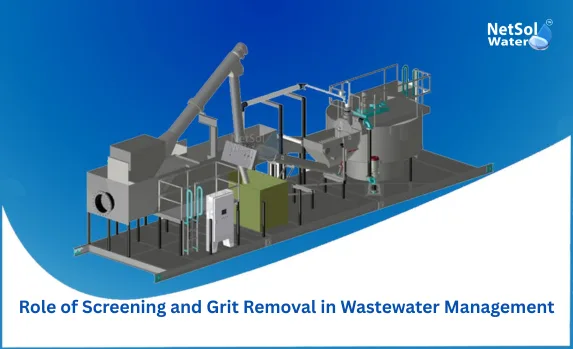
Screening is the first line of defense in a wastewater treatment plant. It removes large floating and suspended items before they enter the rest of the system. This step may look simple but it plays a major role in keeping the plant safe and efficient. Without screening, materials like cloth, sticks, plastic pieces and other debris can enter pumps and channels. That can lead to choking, breakdowns and poor treatment results.

In grit removal in wastewater management, the screening stage works hand in hand with grit handling because both stages protect the plant from solids that should not move forward. Screening keeps the flow cleaner and easier to manage. It also reduces the pressure on later units that need more controlled water quality. When a plant removes waste early, it performs better for a longer time.

Let’s have a look at some key parts of screening and how they support wastewater treatment in daily operation.

1. Coarse Screening

Coarse screening removes the largest waste materials from incoming water. It catches branches, rags, plastic wrappers and similar items that can block the flow. This step usually happens at the entry point of the plant. It acts like a first barrier that stops harmful materials before they travel deeper into the system.

Coarse screening protects pumps and pipes from serious damage. It also lowers the chance of sudden stoppage in treatment operations. When workers remove these larger solids early, the plant works with less stress. The water then moves to the next treatment stage in a more stable condition. This simple step supports smooth operation and helps reduce emergency maintenance. That is why every reliable wastewater plant gives strong attention to this stage.

2. Fine Screening

Fine screening removes smaller particles that pass through coarse screens. It catches finer waste and helps improve the quality of the incoming water before it reaches the main treatment units. This step may include smaller openings or more advanced mechanical systems depending on plant design.

Fine screening helps prevent buildup inside treatment tanks and channels. It also reduces the amount of unwanted material that could interfere with biological treatment later. When a plant uses fine screening well, it maintains better flow and better control. This creates a cleaner working environment for the full treatment process. It also improves the long-term reliability of the plant because fewer solids reach sensitive equipment. Fine screening therefore adds another important layer of protection after coarse screening.

Grit Removal in Wastewater Management

Grit removal is one of the most important early treatment steps in a wastewater plant. It removes sand, gravel, small stones and other heavy inorganic particles from wastewater. These materials may seem harmless at first but they can create major problems if they stay in the system. They settle in tanks, wear down pumps and reduce the useful volume of treatment units. Over time, they can also increase repair needs and operating costs.

In grit removal in wastewater management, the goal is to separate heavy particles before they damage equipment or disturb treatment. This helps the plant stay efficient and safe. It also supports better flow in the next stages because the water enters them with less unwanted solid matter. A well-planned grit removal system can improve the entire treatment line.

Let’s have a look at some important parts of grit removal and understand how each one supports plant performance.

1. Why Grit Removal Matters

Grit removal matters because grit behaves differently from organic waste. It does not break down easily during biological treatment. Instead, it settles in channels and tanks and builds layers that are hard to remove. This can reduce tank capacity and block movement inside the plant.

When a treatment plant removes grit early, it avoids many common problems. Pumps run with less wear and mechanical parts last longer. Workers also spend less time cleaning clogged units. This creates a more stable treatment process and lowers operating costs. Grit removal also improves safety because it reduces sudden system failures. For all these reasons, this step remains essential in every wastewater plant that aims for steady and long-lasting performance.

2. Grit Chamber Function

A grit chamber gives wastewater enough time and the right flow condition so heavy particles can settle. The chamber separates grit from the water while lighter organic matter continues forward. This makes the process efficient because it targets only the unwanted heavy solids.

Different plants use different chamber designs based on flow rate and treatment need. Some systems use velocity control while others use aerated flow or vortex action. The main purpose remains the same. The chamber must remove grit without taking away useful organic matter. When this works well, the treatment plant protects its downstream units and maintains cleaner operation. The grit chamber therefore plays a direct role in the success of the whole system.

3. Operation and Maintenance

Good operation and maintenance keep grit removal systems effective. Even a strong design can fail if workers do not clean the chamber or check the equipment regularly. Grit needs proper removal from the collection area so it does not build up and reduce performance.

Regular inspection also helps identify wear in mechanical parts and flow changes in the system. When staff maintain the unit well, it continues to protect pumps, tanks and other treatment equipment. This lowers downtime and supports continuous plant function. In many plants, strong maintenance habits make the difference between smooth treatment and repeated repair issues. That is why operators must treat grit handling as a daily priority and not as a minor support task.

How Screening and Grit Removal Work Together

Screening and grit removal form the foundation of wastewater treatment. Screening removes large unwanted objects while grit removal takes out heavy inorganic particles. Together they create a cleaner and safer flow for the rest of the plant. This combination reduces damage to machinery and improves the quality of treatment at later stages.

When both processes work properly, the plant can operate with fewer blockages and lower maintenance needs. Biological units also perform better because they receive wastewater that is easier to treat. This saves energy and supports stable output. In grit removal in wastewater management, the combined effect of these two steps is very important because they protect the entire treatment chain from the start.

A plant that ignores these early steps often faces repeated problems. Pipes clog faster, tanks fill with unwanted solids and equipment wears out sooner. A plant that gives proper attention to screening and grit removal works more efficiently and lasts longer. That is why these units deserve careful planning and regular monitoring.

Why Choose Netsol Water

Netsol Water supports wastewater systems that focus on strong early treatment and long-term reliability. The company understands that a plant can only perform well when it begins with proper screening and grit handling. By using practical design and careful engineering, Netsol Water helps clients build systems that run smoothly and stay efficient.

A good wastewater plant does not depend only on advanced treatment units. It also depends on the quality of its first steps. Netsol Water gives attention to these early stages because they protect the full system and reduce future problems. This approach helps industries and cities manage wastewater in a more stable way. It also supports lower maintenance costs and better plant life.

Read some interesting information for the Effluent Treatment Plant Manufacturer in Noida

Conclusion

Screening and grit removal remain essential parts of wastewater treatment because they protect the plant from damage and help every later stage work better. They remove waste early, reduce wear on equipment and keep the system stable. Strong grit removal in wastewater management supports cleaner flow, lower maintenance and better plant performance. These early steps may look simple but they shape the success of the entire treatment process.

Netsol Water offers trusted support for wastewater plants that need careful planning and dependable performance. If you need more information or would like to discuss a suitable treatment solution, contact Netsol Water today for a consultation.

Contact Netsol Water at:
Phone: +91-9650608473
Email: enquiry@netsolwater.com

Applications-and-Benefits-of-Installing-Commercial-RO-Plant-2.webp

June 29, 2026by Netsol Water

Which City in India is Best for Wastewater Management?

Wastewater management is now a major need for Indian cities. As cities grow, they produce more used water from homes, shops, offices, and industry. This water must be treated in the right way before it goes back to rivers, lakes, or is used again. India also encourages reuse of treated water because it helps save fresh water and support non-drinking uses such as gardening, industry, and cleaning. That is why the right wastewater management plant matters so much today.

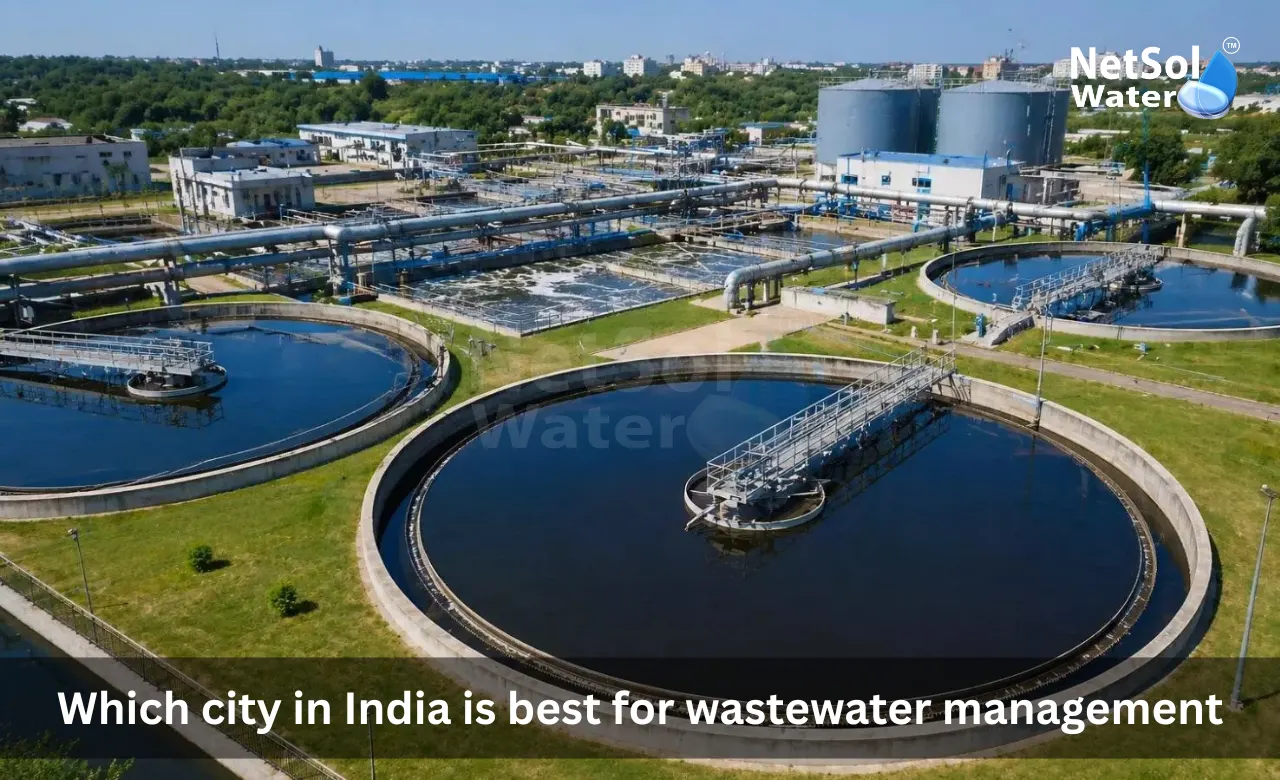
When people ask which city in India is best for wastewater management, one city often comes to mind first. That city is Indore. It is famous not only for cleanliness but also for strong sanitation planning and water care. Indore became the first Water Plus city under Swachh Survekshan. The city also reports that no untreated wastewater flows into its rivers and drains. It has seven decentralised STPs and three centralised STPs with more than 200 km of piped network for treated wastewater. These facts make Indore a strong answer to the question.

Why Wastewater Management Matters in Indian Cities

When wastewater is not treated well, it can pollute rivers and create health risks. It can also waste water that could have been used again. Good planning helps cities turn waste into a useful resource. It also helps local bodies save money in the long run. Let us have a look at some key parts that show why this subject deserves attention.

1. Clean Water for Daily Life

A city grows better when it treats used water in a proper way. Families need safe water for daily life. Parks need water for green cover. Public spaces need water for cleaning. Industry also needs water for many work steps. A good Wastewater Management Plant helps a city meet these needs without putting more pressure on fresh water sources. This is important in India where water demand keeps rising every year. Treating and reusing water also supports a more steady urban life.

2. Less Pressure on Rivers and Drains

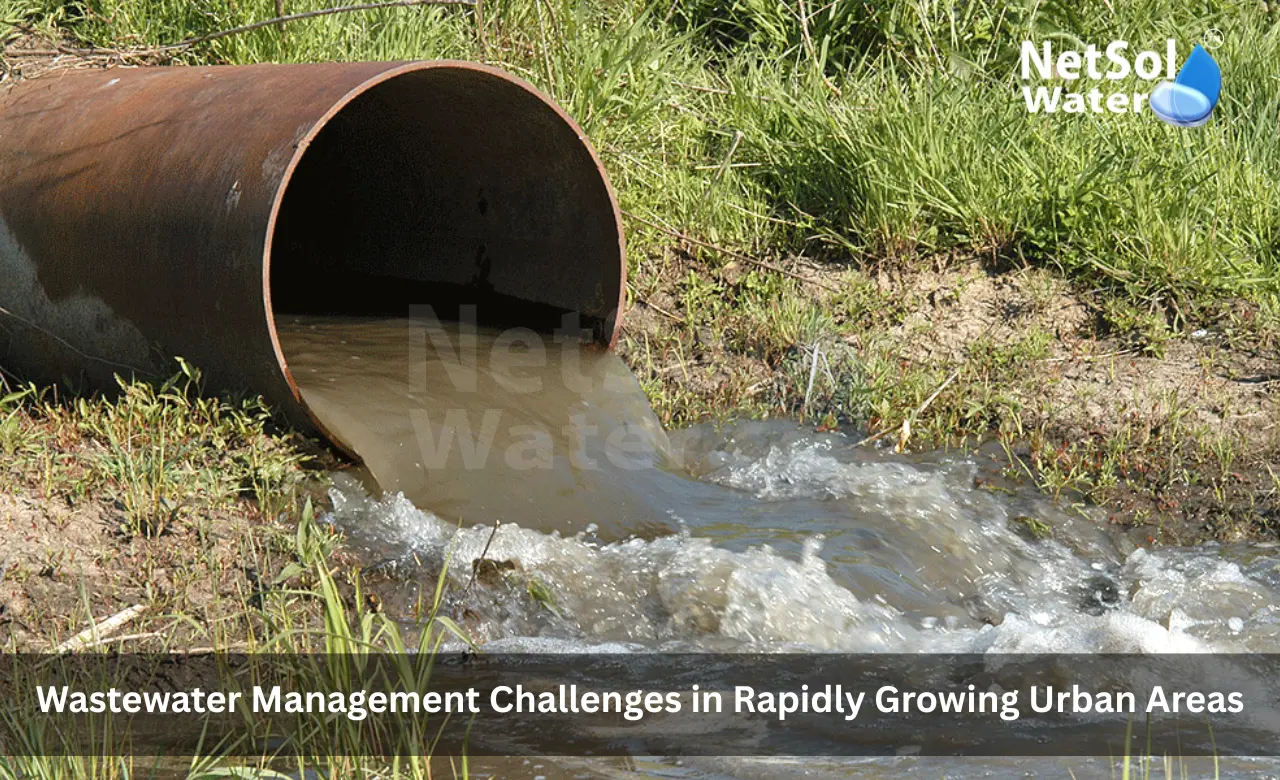
Wastewater often reaches drains and rivers when cities do not manage it well. That creates bad smell, dirty water, and more pollution. It also affects people who live near those water bodies. Cities that build strong treatment systems can stop this problem at the source. They can collect wastewater, treat it, and send it to safe reuse. This is where city planning becomes important. A city with strong sewer lines, treatment plants, and reuse systems can protect its natural water bodies in a better way. That is one reason Indore stands out so clearly in this field.

Why Indore Stands Out as the Best City

Indore earns this place because it has shown strong action at city level and not just on paper. It is not only clean in a general sense. It also has a clear wastewater system that supports reuse and control. When we look at public records and city level results, Indore appears ahead of many others. Let us have a look at some of the main reasons.

1. Water Plus Status and Strong City Action

Indore became the first Water Plus city in India under Swachh Survekshan. That recognition matters because it reflects how the city handles sanitation and used water. The city also closed sewer outfalls that used to open into rivers and drains. This step helped the city protect its water bodies and improve flow control.

2. Treatment Network and Reuse

Indore has built a practical wastewater system. Public information says the city has seven decentralised STPs and three centralised STPs. It also has more than 200 km of piped network to carry treated wastewater. The treated water is reused for public gardens, farms, and construction work. This matters because a Wastewater Management Plant should not only clean water. It should also make reuse easy and regular. Indore shows that a city can move from waste control to water reuse in a planned way. That is a strong model for other Indian cities.

What Makes a Good Wastewater Management Plant

A city does not become better by chance. It needs the right plant design, the right network, and the right daily operation. A good Wastewater Management Plant should treat water well and also support reuse. It should work with the sewer system and fit the needs of the city. Let us have a look at some parts that make a plant truly useful.

1. Treatment Quality and Safe Reuse

The first job of any plant is to clean wastewater to the right level. After that, the city should be able to use the treated water again in safe ways. This can include gardening, road cleaning, lake support, or industry use. Surat is a very good example here. The Surat Municipal Corporation says it has four tertiary treatment plants with an installed capacity of 116 MLD.

2. Planning for Growth and Long Use

A city must plan for the future. More people mean more wastewater. So the plant must be able to grow with the city. It should also be easy to run and maintain. This is why city leaders need a long view. They must choose systems that handle present demand and future demand too. India’s water reuse policies also support this idea. National plans and state policies now push cities to reuse treated wastewater for non-drinking needs and reduce pressure on fresh water.

What Other Cities Can Learn from Indore and Surat

Indore and Surat show two strong paths. Indore proves that a city can improve sanitation and close wastewater gaps with strong civic action. Surat proves that treated wastewater can become a usable city resource. Both cities show that good water management is not only about cleaning waste. It is also about reuse planning and long-term urban care. Cities that want better results should study both models and build systems that fit their own needs. When they do that, they can improve public health, save water, and reduce pollution at the same time.

Read some interesting information for the Commercial RO Plant Manufacturer in Delhi

Conclusion

Strong wastewater care supports cleaner streets, safer rivers, and smarter use of water. Among Indian cities, Indore stands out as the best example of wastewater management because it has clear treatment systems, strong reuse work, and major civic progress. Surat also shows how treated water can become a useful city resource. For any city that wants to improve its water future, the next step is simple. Build the right system and keep it working well.

If you are looking for a Wastewater Management Plant or want guidance on the right treatment setup for your site, get in touch with Netsol Water. Netsol Water is a leading Wastewater Management Plant Manufacturer and can help you request a consultation for your project.

Contact Netsol Water at:

Phone: +91-9650608473

Email: enquiry@netsolwater.com

Water-Treatment-Equipment-Manufacturers-in-India.webp

December 1, 2025by Netsol Water

Wastewater Management Challenges in Rapidly Growing Urban Areas

Cities in Indian are famous for their busy markets and strong industry. These cities also attract many people each year. This growth puts pressure on the systems that collect treat and dispose of wastewater. A strong Wastewater Management System helps protect public health the environment and local water bodies. The challenge grows when new housing and new factories appear faster than the sewer network and treatment plants can expand. Netsol Water is the leading company that works on practical solutions for urban wastewater problems. We will explain the main challenges that growing cities face with sewage networks and treatment plants.

Infrastructure and Capacity Challenges

Infrastructure and capacity form the first major challenge for any Wastewater Management System in a fast growing city. New housing and new industry increase the flow that pipes must carry and that plants must treat. City planners must consider current need and future growth. Let us have a look on some common problems and on the ways towns can handle them.

Old networks and new demand

Many cities use sewer lines that were built for much smaller populations. These pipes suffer from wear and from blockages that cut capacity. When flow exceeds pipe ability raw sewage can back up into streets and homes. Repair and replacement take time and funds. Municipal leaders must set clear plans for phased upgrades and for regular maintenance. They must also map networks so targeted work can reduce the most frequent breakdowns. Planning work that matches projected population growth keeps the Wastewater Management System working with fewer surprises.

Treatment plant limits and scaling

Treatment plants can lose efficiency when they receive more load than they were meant to handle. Biological systems need time to adapt. Chemical processes use more inputs and add to cost. Plants that operate past design limits can release poor quality effluent. The city can expand plant capacity or add modular units that scale fast. Operators can also use better monitoring to shift loads and to avoid overload events.

Treatment Technology and Operations Challenges

Treatment technology and operations form the second major challenge for a modern Wastewater Management System. New pollutants and variable flows demand robust treatment steps and skilled teams. Let us have a look on some common technical issues and on practical responses that teams can use.

Changing wastewater quality and new pollutants

nenow carries not only organic load but also new compounds from industry and from households. Pharmaceuticals personal care products and some industrial chemicals need targeted removal steps. Standard biological plants cannot remove all of these compounds. Cities must set monitoring that finds new contaminants early. They must then add advanced treatment modules when the data show a need. These steps increase cost but they protect rivers and groundwater. Operators need training to run advanced filters and to manage chemical dosing with care.

Skills operations and maintenance

Cities often lack enough trained staff for continuous monitoring and for quick repairs. Remote monitoring can help but local staff must still act on alerts. Training programs and clear maintenance schedules reduce breakdowns. Partnerships with experienced firms such as Netsol Water can transfer knowledge and help set practical work routines.

Read some interesting information for Commercial RO Plant Manufacturer in Noida

Conclusion

Good cities plan and act now to secure their Wastewater Management System and to keep public health and the environment safe. Netsol Water is the leading partner that can help with design upgrades operations and staff training. If you need support or if you want a consultation please get in touch for practical advice and for a clear plan that fits your city needs.

Contact Netsol Water at:

Phone: +91-9650608473

Email: enquiry@netsolwater.com

Add-a-subheading-2-1.webp

November 19, 2025by Netsol Water

The Role of Nutrient Recovery in Wastewater Management (Nitrogen & Phosphorus)

Wastewater Management faces new demands. Cities need cleaner water and farmers need nutrients for soil. At the same time plants must reduce energy use and lower waste discharge. Recovering nitrogen and phosphorus from wastewater meets these needs. This process turns a problem into a resource. It stops nutrients from harming rivers and lakes. It also creates materials that farmers can use as fertilizer. In many regions this change improves both the local environment and the local economy. In this blog, we will explain why nutrient recovery matters for Wastewater Management.

Nitrogen Recovery and Its Importance

Nitrogen is a major nutrient in wastewater and it can cause serious harm when it reaches natural water bodies. Excess nitrogen leads to algal growth and low oxygen in rivers and lakes. That change harms fish and other life. It also makes water unsafe for use. For Wastewater Management recovering nitrogen helps stop these problems. It also supplies a useful product for agriculture. Let us have a look on some methods and how they work.

Biological and Chemical Methods

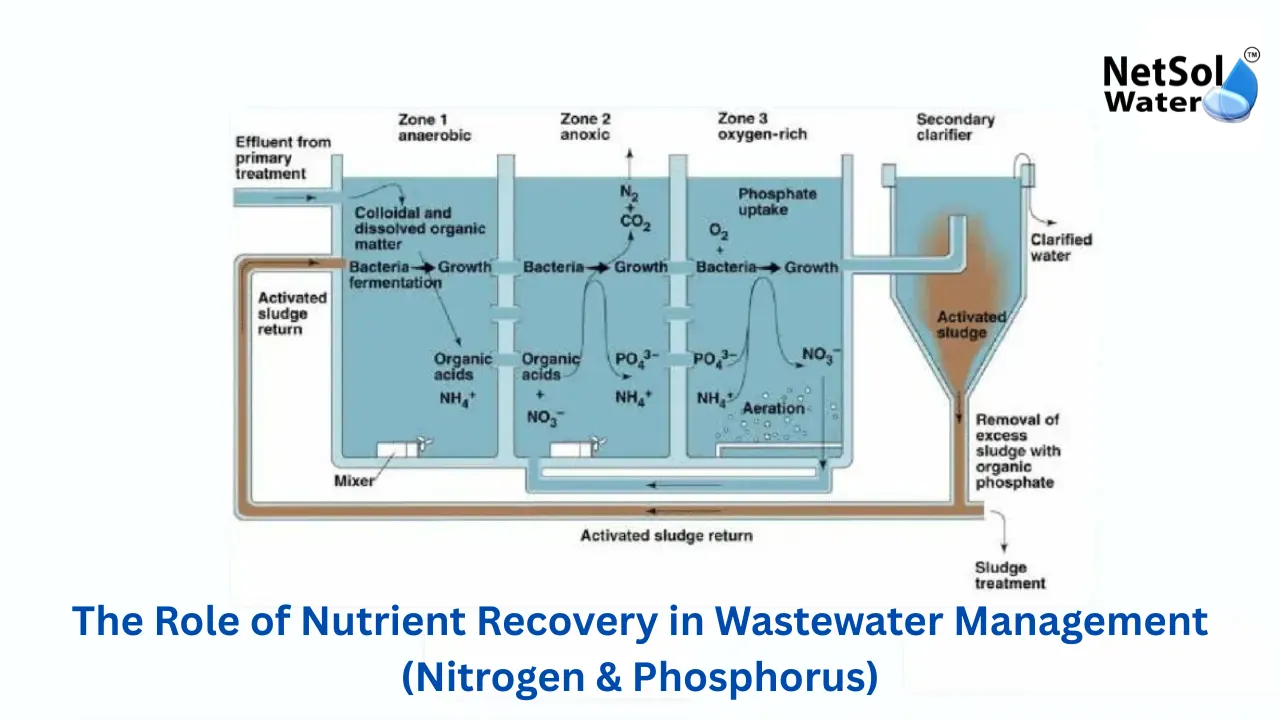
Biological methods use bacteria to convert forms of nitrogen into simpler forms that can be removed or captured. These methods work in many plants and they use natural processes. Chemical methods use reactions to form compounds that can be separated. Both paths have strong points and both need careful control. Operators must watch temperature and flow and other key factors. When a plant runs well the nitrogen output falls and the recovery rate goes up. Netsol Water can design systems that balance biology and chemistry so the plant meets local needs.

Ammonia Stripping and Struvite Formation

Ammonia stripping moves ammonia out of the water in a gas form so it can be condensed and used again. Struvite forms when magnesium and phosphate meet under the right conditions. This solid has slow release fertilizer value. The process of making struvite also locks phosphorus at the same time. Both products can leave the plant as usable materials. Farmers can use them to feed crops. The recovered materials reduce the need for mined fertilizer and so lower overall cost and energy for agriculture.

Integration with Plant Operations

Recovering nitrogen works best when the whole plant sees that goal. Treatment steps must match each other and the control system must be smart. A small change upstream can alter recovery downstream. Plant staff need training and good maintenance. When operations follow clear steps the recovery systems run smoothly and the plant meets its discharge limits while creating value from waste.

Phosphorus Recovery and Its Importance

Phosphorus is rare and it drives the growth of algae when it reaches lakes and seas. Wastewater often contains phosphorus from human use and industry. If plants simply remove phosphorus and then throw it away they miss a chance. Recovering phosphorus keeps it in a useful form and also reduces pollution.

Chemical Precipitation and Struvite Recovery

Chemical precipitation uses added salts to turn dissolved phosphorus into solids that can be separated. This method works quickly and it suits many plant sizes. Struvite recovery captures phosphorus while also capturing ammonium. The result is a solid that has fertilizer properties. This material is easy to handle and to transport. It also reduces the chance that pipes will clog from scale. Plants see savings in maintenance and in chemical costs when they adopt these recovery routes.

Enhanced Biological Phosphorus Removal

A second route is to use bacteria that take up phosphorus into their cells in greater amounts than normal. These microbes then leave the system as sludge that holds phosphorus. The sludge can be processed to release and capture the phosphorus in a concentrated form. This route uses biology and careful feeding of bacteria to raise the capture rate. It fits well when the plant can control the feed and the environment for microbes. Combining this route with chemical steps can give steady recovery and high quality output.

Market and Environmental Benefits

Recovered phosphorus has market value and it reduces the need for mined phosphate. That lowers the energy use in the overall food chain. At the same time the local river and lake health improves. Communities see better water for fishing and for recreation. Plants that recover phosphorus also meet stricter rules that many regulators now apply. Netsol Water helps match the recovery route to the local market for recovered materials so the system adds income and lowers pollution.

Read some interesting information for Industrial RO Plant Manufacturer in Delhi


Conclusion

Recovering nitrogen and phosphorus reduces pollution and creates useful products for agriculture. Netsol Water leads in designing systems that match local needs while keeping operations simple and strong. If you want to improve plant performance or to explore nutrient recovery options contact Netsol Water for a consultation. Strong Wastewater Management starts with a good plan and expert support. Reach out to learn how your project can recover value and protect local waters.

Contact Netsol Water at:

Phone: +91-9650608473

Email: enquiry@netsolwater.com

How-AI-and-IoT-Are-Revolutionizing-Wastewater-Treatment-Plants-1.webp

November 5, 2025by Netsol Water

Wastewater Management Best Practices for Commercial & Industrial Facilities

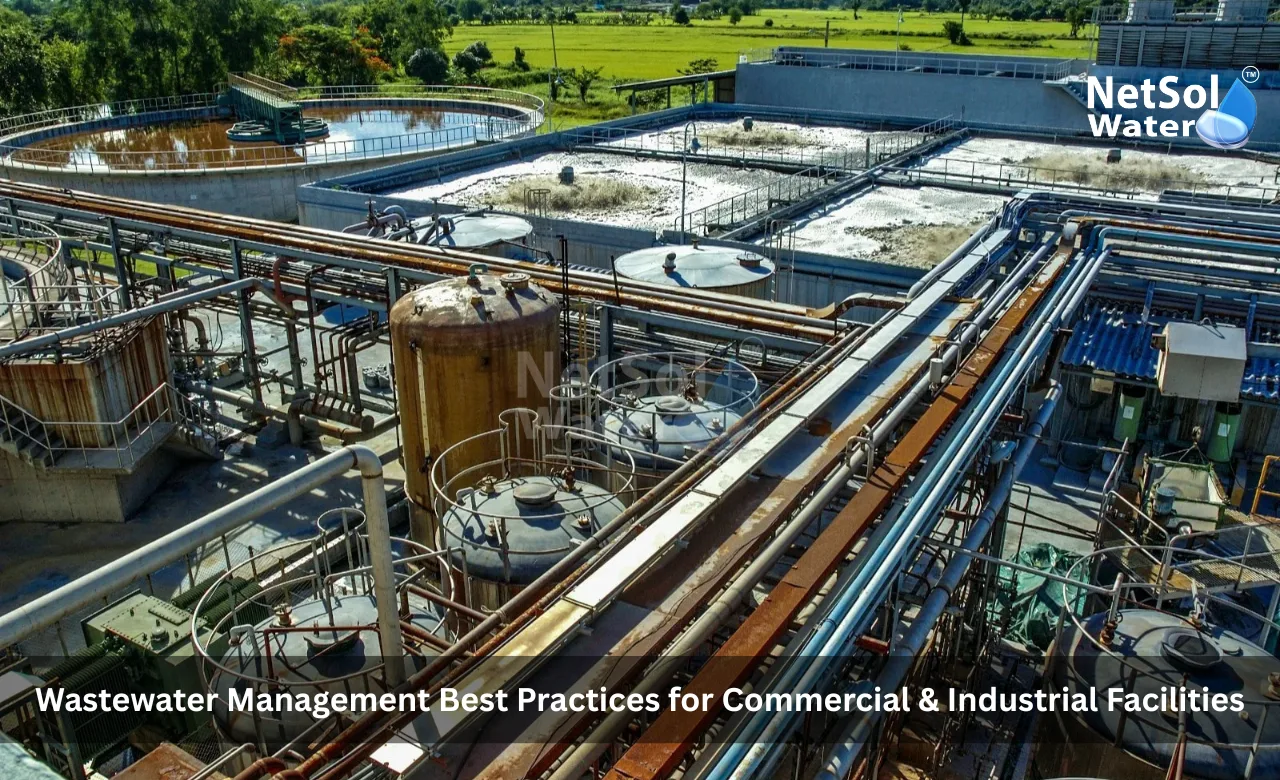
Wastewater Management matters for every commercial and industrial facility that treats or discharges water after use. Good practice keeps staff safe, protects the local environment and helps businesses meet law and permit obligations. Cities and industrial zones face pressure to control pollution and conserve water. Netsol Water is the leading provider of solutions for complex sites and offers design service and project delivery for many industries.

Regulatory Compliance and Site Assessment

Good compliance and careful site study form the base of any Wastewater Management plan. A clear review of permits flow limits and discharge standards prevents fines and helps managers avoid shutdowns. A thorough site assessment reveals where waste streams enter the plant what pre treatment is needed and how much space and power the treatment units will need. Let us have a look on some key actions that planners and engineers must take.

Permit and Standard Review

Start by documenting all regulatory requirements for your location and for your industry sector. Match those requirements to each wastewater stream at the site. This step guides capacity planning and sets targets for removal of solids organics nutrients and hazardous constituents. Engineers then set design margins and monitoring points that align with permit language so reports are simple and clear.

Site Survey and Stream Mapping

Walk the site and map every source of wastewater. Group similar streams to reduce treatment cost and to lower chemical use. Identify high strength streams that may need separate handling. Check existing tanks pumps and pipelines for corrosion leaks or cross connections. This work informs layout decisions and reduces surprises during installation.

Risk Assessment and Contingency Planning

Assess failure modes and emergency discharge scenarios. Define holding capacity and bypass controls that prevent unpermitted releases. Plan for seasonal variations and temporary shutdowns so the facility can continue safe operation. These controls protect the environment and protect the business.

Treatment Technologies and Process Optimization

Selecting the right treatment train shapes the long term success of Wastewater Management at any commercial or industrial site. Technology choices affect energy use footprint and effluent quality. Let us have a look on some proven systems and on how to tune them for steady performance.

Primary and Secondary Treatment Choices

Primary units remove grit and settleable solids and protect downstream equipment. Secondary biological treatment reduces organic load with systems such as activated sludge MBBR or SBR. Match secondary design to the strength and variability of the inflow. Engineers size aeration and solids handling to avoid frequent upset and to keep sludge volumes manageable.

Advanced Treatment and Reuse Options

When effluent quality must meet high standards or when reuse offers water savings consider tertiary steps such as filtration disinfection and membrane processes. Membrane based units give compact footprint and stable output so they suit campuses and factories that want to reuse water for cooling or for process make up. Choose robust pre treatment to protect fine membranes from fouling.

Process Control and Optimization

Automate key controls and monitor performance with real time sensors. Use flow based controls and dissolved oxygen loops to reduce energy use while keeping treatment stable. Schedule routine cleaning and calibration so instruments remain reliable. Optimization lowers operating cost and improves compliance.

Read some interesting information for Industrial RO Plant Manufacturer

Conclusion

Good Wastewater Management reduces risk and improves resource use for commercial and industrial facilities. A clear plan that covers regulation assessment technology selection operation and maintenance keeps sites safe and productive. Netsol Water leads many projects and helps clients design implement and run systems that meet local rules and business goals. For help with your site assessment treatment design or ongoing operations request a consultation today and get practical advice that fits your needs.

Contact Netsol Water at:

Phone: +91-9650608473

Email: enquiry@netsolwater.com

Hospital-Effluent-Treatment-Plant-Requirements-and-Compliance-in-India-2.webp

October 11, 2025by Netsol Water

What is the cost of wastewater management plant in India?

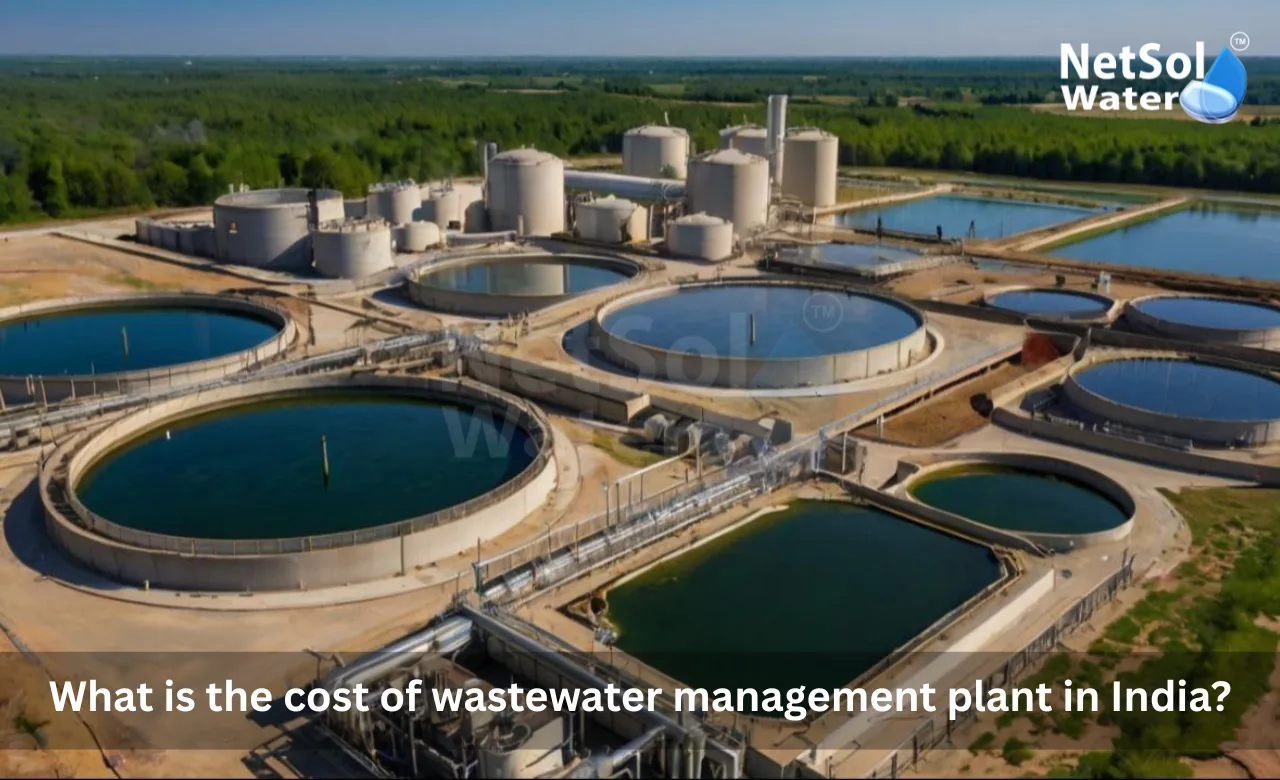
Waste Water Management Plant projects matter for cities, towns, factories and farms. People and businesses need safe water and clean land. India faces a growing need for good waste water systems. Cities expand and industries grow. They must treat water before they return it to rivers or use it again. Netsol Water is the leading name in this field and we make plants for small, complexes and large factories. We will explore what drives cost and what price ranges you can expect.

Factors That Influence the Cost

Understanding cost starts with knowing the main factors. These factors shape the design the materials and the daily running costs. Let us have a look on some of the key items that change the total amount you must pay.

Scale and Capacity

Capacity plays the largest role in cost. A plant for a small apartment complex that treats a few thousand liters per day will cost much less than a plant for a factory that treats hundreds of thousands of liters per day. Larger plants need bigger tanks pumps and more control systems. They also require a larger space and stronger foundations. These needs add to the price. When you plan capacity think about future growth. A plant sized for current need can fail as the project grows. Netsol Water helps customers plan a size that fits both current and future demand. A smart size choice saves money over time. It keeps the running cost lower and it reduces the need for urgent upgrades.

Technology and Treatment Process

The treatment technology you choose changes both the upfront cost and the running cost. Simple systems that use basic filters and settling tanks cost less at purchase. They need more space and more frequent manual checks. Modern biological systems such as activated sludge or MBBR need more control and more motors. These systems cost more to buy but they treat water better and they need less manual handling. Advanced steps like membrane filtration or UV disinfection add to the bill. These steps improve water quality and reduce health risk. For industrial waste water you may need extra chemical treatment or special separators. Each extra unit raises the price. Choose the process that matches your discharge rules and reuse goals.

Types of Waste Water Management Plant and Typical Costs

The plant type shapes the budget. A clear view of common plant types helps you set a realistic number. Let us have a look on some common plant types and their rough price bands in India.

Small Commercial and Institutional Plants

Small plants serve hotels, schools, clinics and small housing complexes. These plants treat between one thousand and fifty thousand liters per day. They use simple mechanical screens primary settling and a biological unit. The cost range depends on materials and automation. A compact plant for a small site may cost much less. A more automated model that needs less staff will cost more at the start but will reduce salary cost later. For many small owners the best choice balances price and ease of use. Netsol Water offers compact models that match small budgets and still meet safety rules. You must also include cost for site work piping and electrical supply when you make a plan.

Industrial and Large Scale Plants

Large plants serve factories industrial parks and big townships. They treat tens of thousands to millions of liters per day. These plants use stronger construction heavy duty pumps and more precise controls. They need space and skilled operators. They also need strict monitoring to meet environmental law. The upfront cost for large systems rises fast. But the cost per liter often drops as scale grows. Industries that need reuse grade water may add membranes or chemical dosing. These add to both the purchase cost and the running cost. Netsol Water makes industrial plants that follow rules and cut long term cost. We plan the layout to reduce civil work and to make maintenance simple.

Read some interesting information for Effluent Treatment Plant Manufacturer 

Conclusion

A clear budget helps you move from plan to build. The cost of a Waste Water Management Plant changes with size technology and use. Small plants cost less up front and need more hands on care. Large plants cost more but can treat water at lower cost per liter. The treatment steps you choose also change the price. Netsol Water is the leading provider that can advise on cost and design. If you want a quote or a site study, contact Netsol Water today. Ask for a free consultation to find the best Wastewater Management Plant for your need.

Contact Netsol Water at:

Phone: +91-9650608473

Email: enquiry@netsolwater.com

Add-a-subheading-1-2.webp

September 29, 2025by Netsol Water

How to start a waste management business?

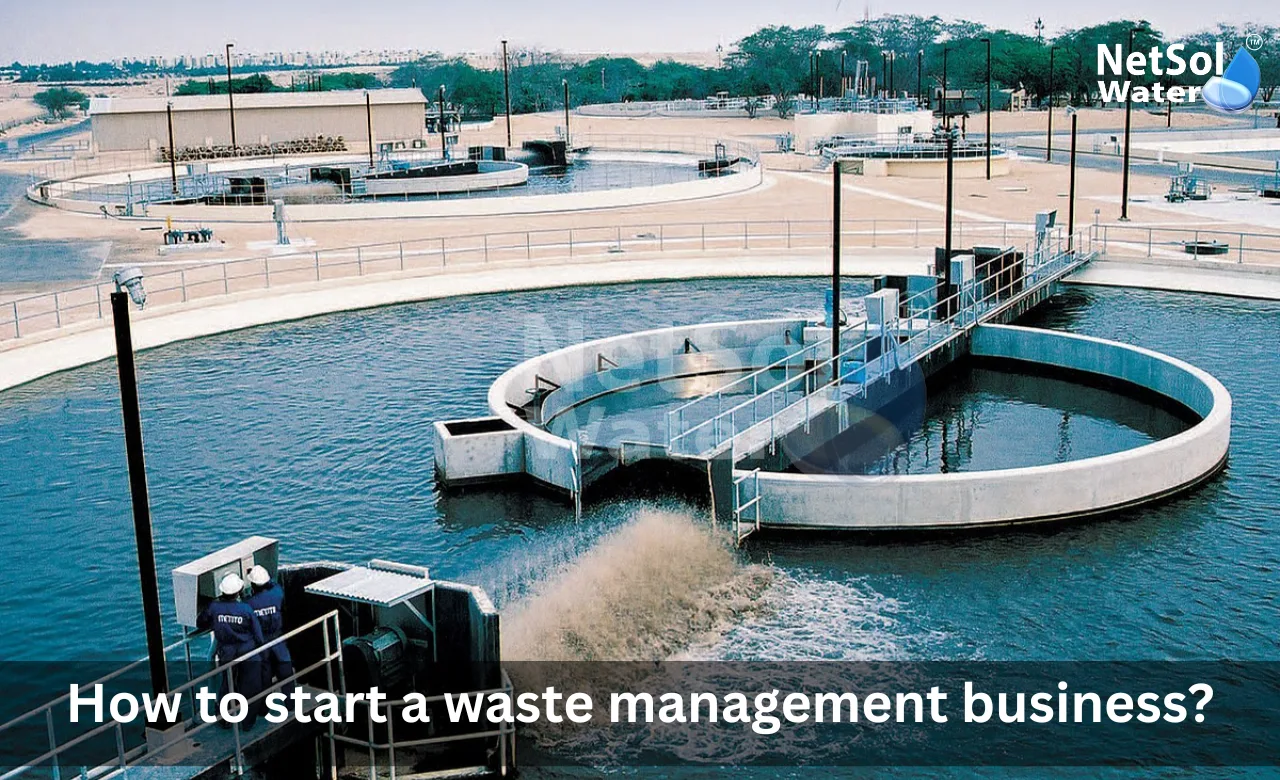
Cities and industries face rising pressure to treat water and to reduce pollution. Netsol Water is the leading company that shows how to make efficient plants and how to serve diverse clients. We will explain the main steps to start a Waste Water Management business.

Market Research and Business Planning

Let us have a look on some key areas that shape your Market Research and Business Planning.

Local needs and clients

Start by mapping who needs service and what they pay now. Visit small factories, hotels hospitals and municipal units to learn how they handle waste now and what they will change soon. Speak with local authorities and with engineers who work on water and sewage. Build a list of plausible clients and rank them by how fast they will buy services and how much they can pay. This approach helps you set clear priorities and create a lean service menu you can deliver in the first months. Waste Water Management demands trust and clear proof of capability so plan a few pilot jobs you can complete fast and at low cost. Use those pilots as case studies to show new clients what you can do and to win larger contracts.

Creating a practical business plan and budget

After you know the clients you must design a plan that covers investments and cash flow for the first year. Decide whether you will sell plants or rent them and whether you will offer maintenance and monitoring. Estimate the capital cost for tanks pumps and filters and estimate the working capital for staff and transport. Set price bands that match client budgets and still leave margin for growth. Explain your sales model and your operations model in plain terms and include simple KPIs such as number of clients per month revenue per client and break even month. Plan a small sample project to prove your methods and to reduce risk.

Licenses Operations and Sales

Running a waste handling business needs legal clearances and steady operations. You must meet rules and you must make plants that run reliably each day. Let us have a look on some rules and on building an operational backbone that keeps clients satisfied.

Regulatory approvals and compliance

You must secure permits from local pollution control boards and from municipal bodies before you start full operations. Learn the license types that apply to waste collection treatment and disposal and collect the forms early. Prepare simple technical notes that explain your process and the waste volumes you will handle. Engage with a local consultant if the rules feel complex. Plan for regular tests and for clear records that show how you manage sludge and treated water. Many clients will ask for proof of compliance before they sign a contract so keep certificates ready and keep test results fresh. A clean compliance record builds trust and it reduces fines and delays.

Setting up operations and selling services

Design your operation to match the contracts you aim to win. Choose vehicles and containers that fit local roads and waste types. Buy modular treatment units that you can scale later and that you can move between sites if needed. Hire technicians who know pumps valves and basic electrical systems and train them in safety and in simple maintenance checks. On the sales side build a short pitch that shows cost benefit and shows how you protect client premises. Offer a trial run or a short service agreement to reduce buyer risk and to show results fast. After each job collect a short report and a client note that you can use as proof for new customers.

Read some interesting information for Commercial RO Plant Manufacturer in Noida

Conclusion

Starting a business in Wastewater Management needs clear research good planning and strict compliance. You must focus on local needs and on building simple reliable operations that win trust fast. Netsol Water is the leading example of how to combine technology and service and you can learn from such models as you plan your next steps. If you want help with a project design a permit checklist or a business plan contact us for a consultation and we will guide you.

Contact Netsol Water at:

Phone: +91-9650608473

Email: enquiry@netsolwater.com