
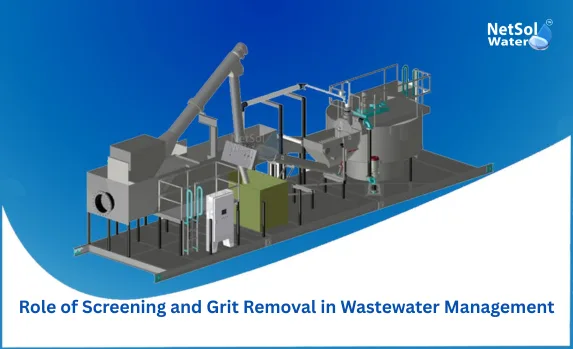
Role of Screening and Grit Removal in Wastewater Management
Wastewater management begins long before water reaches advanced treatment units. It starts with the simple but important job of removing large and heavy materials from the flow. Screening and grit removal protect the full treatment system from damage and unnecessary load. They help water move safely through the plant and they support stable treatment at every later stage. In many growing cities and industrial areas, the pressure on water systems keeps rising. That is why this early treatment step matters so much.
A well-designed plant can work smoothly only when it receives wastewater in a controlled form. Netsol Water understands this need and supports treatment plants that work with strength and reliability. Screening and grit removal in wastewater management also help reduce wear on pumps and reduce blockages in pipes. They save time, reduce repair costs and improve overall plant performance.
Screening
Screening is the first line of defense in a wastewater treatment plant. It removes large floating and suspended items before they enter the rest of the system. This step may look simple but it plays a major role in keeping the plant safe and efficient. Without screening, materials like cloth, sticks, plastic pieces and other debris can enter pumps and channels. That can lead to choking, breakdowns and poor treatment results.
In grit removal in wastewater management, the screening stage works hand in hand with grit handling because both stages protect the plant from solids that should not move forward. Screening keeps the flow cleaner and easier to manage. It also reduces the pressure on later units that need more controlled water quality. When a plant removes waste early, it performs better for a longer time.
Let’s have a look at some key parts of screening and how they support wastewater treatment in daily operation.
1. Coarse Screening
Coarse screening removes the largest waste materials from incoming water. It catches branches, rags, plastic wrappers and similar items that can block the flow. This step usually happens at the entry point of the plant. It acts like a first barrier that stops harmful materials before they travel deeper into the system.
Coarse screening protects pumps and pipes from serious damage. It also lowers the chance of sudden stoppage in treatment operations. When workers remove these larger solids early, the plant works with less stress. The water then moves to the next treatment stage in a more stable condition. This simple step supports smooth operation and helps reduce emergency maintenance. That is why every reliable wastewater plant gives strong attention to this stage.
2. Fine Screening
Fine screening removes smaller particles that pass through coarse screens. It catches finer waste and helps improve the quality of the incoming water before it reaches the main treatment units. This step may include smaller openings or more advanced mechanical systems depending on plant design.
Fine screening helps prevent buildup inside treatment tanks and channels. It also reduces the amount of unwanted material that could interfere with biological treatment later. When a plant uses fine screening well, it maintains better flow and better control. This creates a cleaner working environment for the full treatment process. It also improves the long-term reliability of the plant because fewer solids reach sensitive equipment. Fine screening therefore adds another important layer of protection after coarse screening.
Grit Removal in Wastewater Management
Grit removal is one of the most important early treatment steps in a wastewater plant. It removes sand, gravel, small stones and other heavy inorganic particles from wastewater. These materials may seem harmless at first but they can create major problems if they stay in the system. They settle in tanks, wear down pumps and reduce the useful volume of treatment units. Over time, they can also increase repair needs and operating costs.
In grit removal in wastewater management, the goal is to separate heavy particles before they damage equipment or disturb treatment. This helps the plant stay efficient and safe. It also supports better flow in the next stages because the water enters them with less unwanted solid matter. A well-planned grit removal system can improve the entire treatment line.
Let’s have a look at some important parts of grit removal and understand how each one supports plant performance.
1. Why Grit Removal Matters
Grit removal matters because grit behaves differently from organic waste. It does not break down easily during biological treatment. Instead, it settles in channels and tanks and builds layers that are hard to remove. This can reduce tank capacity and block movement inside the plant.
When a treatment plant removes grit early, it avoids many common problems. Pumps run with less wear and mechanical parts last longer. Workers also spend less time cleaning clogged units. This creates a more stable treatment process and lowers operating costs. Grit removal also improves safety because it reduces sudden system failures. For all these reasons, this step remains essential in every wastewater plant that aims for steady and long-lasting performance.
2. Grit Chamber Function
A grit chamber gives wastewater enough time and the right flow condition so heavy particles can settle. The chamber separates grit from the water while lighter organic matter continues forward. This makes the process efficient because it targets only the unwanted heavy solids.
Different plants use different chamber designs based on flow rate and treatment need. Some systems use velocity control while others use aerated flow or vortex action. The main purpose remains the same. The chamber must remove grit without taking away useful organic matter. When this works well, the treatment plant protects its downstream units and maintains cleaner operation. The grit chamber therefore plays a direct role in the success of the whole system.
3. Operation and Maintenance
Good operation and maintenance keep grit removal systems effective. Even a strong design can fail if workers do not clean the chamber or check the equipment regularly. Grit needs proper removal from the collection area so it does not build up and reduce performance.
Regular inspection also helps identify wear in mechanical parts and flow changes in the system. When staff maintain the unit well, it continues to protect pumps, tanks and other treatment equipment. This lowers downtime and supports continuous plant function. In many plants, strong maintenance habits make the difference between smooth treatment and repeated repair issues. That is why operators must treat grit handling as a daily priority and not as a minor support task.
How Screening and Grit Removal Work Together
Screening and grit removal form the foundation of wastewater treatment. Screening removes large unwanted objects while grit removal takes out heavy inorganic particles. Together they create a cleaner and safer flow for the rest of the plant. This combination reduces damage to machinery and improves the quality of treatment at later stages.
When both processes work properly, the plant can operate with fewer blockages and lower maintenance needs. Biological units also perform better because they receive wastewater that is easier to treat. This saves energy and supports stable output. In grit removal in wastewater management, the combined effect of these two steps is very important because they protect the entire treatment chain from the start.
A plant that ignores these early steps often faces repeated problems. Pipes clog faster, tanks fill with unwanted solids and equipment wears out sooner. A plant that gives proper attention to screening and grit removal works more efficiently and lasts longer. That is why these units deserve careful planning and regular monitoring.
Why Choose Netsol Water
Netsol Water supports wastewater systems that focus on strong early treatment and long-term reliability. The company understands that a plant can only perform well when it begins with proper screening and grit handling. By using practical design and careful engineering, Netsol Water helps clients build systems that run smoothly and stay efficient.
A good wastewater plant does not depend only on advanced treatment units. It also depends on the quality of its first steps. Netsol Water gives attention to these early stages because they protect the full system and reduce future problems. This approach helps industries and cities manage wastewater in a more stable way. It also supports lower maintenance costs and better plant life.
Read some interesting information for the Effluent Treatment Plant Manufacturer in Noida
Conclusion
Screening and grit removal remain essential parts of wastewater treatment because they protect the plant from damage and help every later stage work better. They remove waste early, reduce wear on equipment and keep the system stable. Strong grit removal in wastewater management supports cleaner flow, lower maintenance and better plant performance. These early steps may look simple but they shape the success of the entire treatment process.
Netsol Water offers trusted support for wastewater plants that need careful planning and dependable performance. If you need more information or would like to discuss a suitable treatment solution, contact Netsol Water today for a consultation.
Contact Netsol Water at:
Phone: +91-9650608473
Email: enquiry@netsolwater.com