Wastewater Management - Sewage Treatment Plant Manufacturers

List-of-water-treatment-companies-in-India-2.webp

December 17, 2025by Netsol Water

Industrial Wastewater Management: Strategies for Sustainable Operations

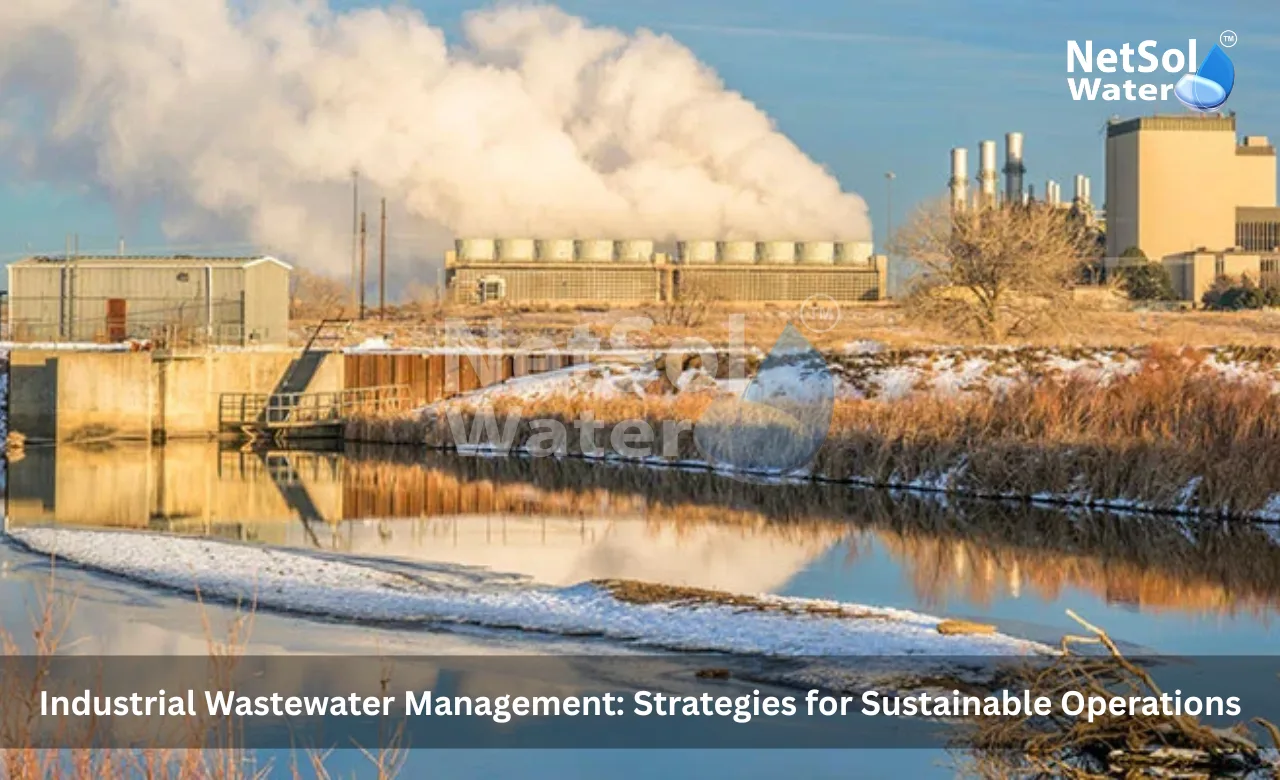
Industrial areas face heavy water use and wastewater generation. Managing industrial wastewater helps protect local water bodies, health and public welfare. Good wastewater control also lowers cost and keeps factories running without stoppages. We will look at practical ways to manage industrial wastewater. Netsol Water is the leading provider of industrial water solutions. We will explain core problems and see how treatment systems monitoring and reuse can make operations more sustainable. Wastewater Treatment Plant appears as the central solution and we will show how to choose design operation and reuse options that match the industry need.

Industrial Wastewater and Key Challenges

Industrial wastewater poses risks for the environment and for plant performance. Addressing these risks helps protect the workforce and preserve nearby rivers and groundwater.

Sources and pollutant types

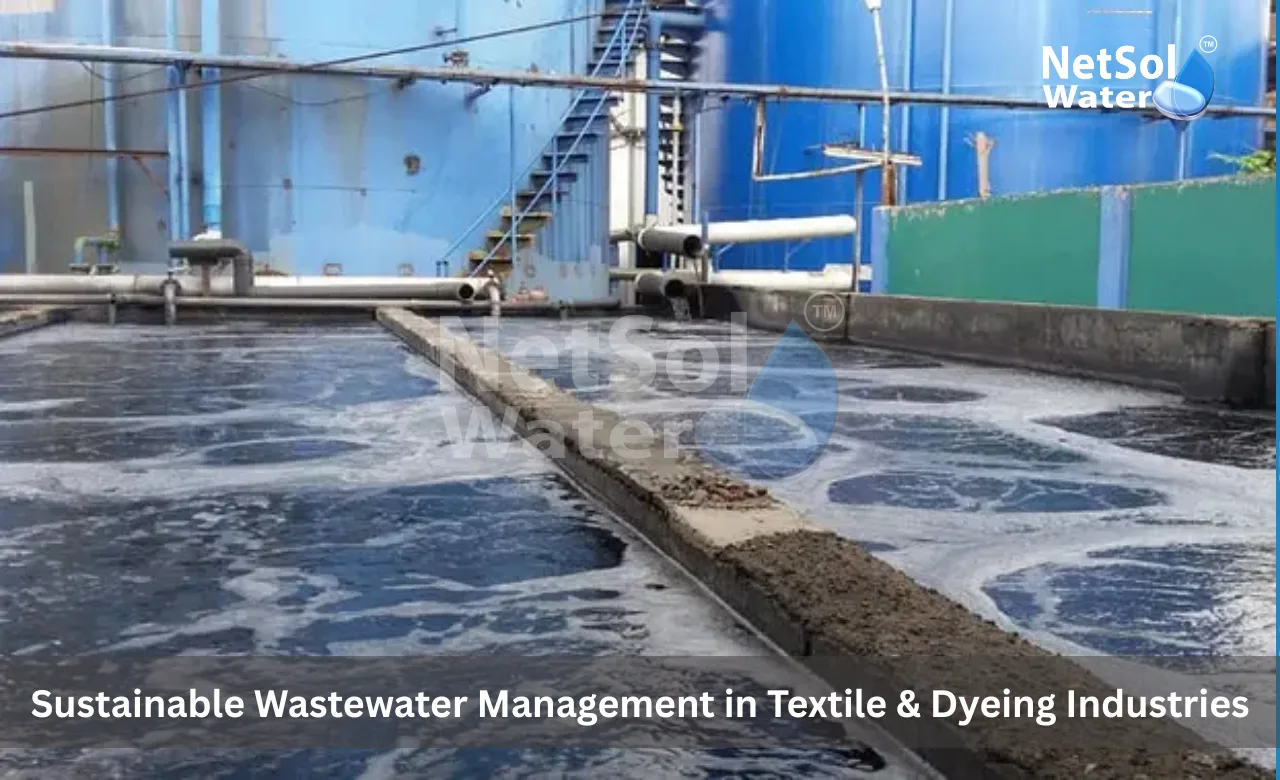
Factories produce wastewater from cleaning processes, cooling systems, chemical mixing and product wash down. Food plants generate organic rich water while textile and dye units produce color and chemical loads. Metal finishing shops create oily and heavy metal laden water. These differences shape treatment choices. Operators must first map each process that adds wastewater load. This mapping then guides how to classify wastewater streams as high risk or low risk. Once streams receive proper classification plants can prioritize treatment steps. This step helps reduce treatment cost and helps the plant design right size units such as primary settling tanks equalization basins and filtration systems.

Operational challenges and seasonal effects

Industry faces changing load patterns and swings in water use across weeks and months. These swings stress biological systems and cause poor effluent quality if managers do not act. Older equipment may leak or may not meet current standards. Skilled staff must track flows composition and equipment health. Regular checks on pumps valves and sensors help avoid sudden failures. Seasonal rains may dilute or may overload drainage systems. Managers must build flexibility into the process. That means adding buffer tanks improving chemical dosing and keeping spare parts on hand. Training for staff completes the setup. A trained team can spot slow trends early and prevent large scale upsets.

Treatment Technologies and Process Design

Treatment must match the pollutant profile and the reuse goal. Let us have a look on some proven technology groups and how they fit into modern plant design.

Primary and secondary treatment options

Primary steps remove settleable solids and free oil. Settling basins skimmers and screens do this job. Secondary treatment then removes dissolved organic load and some nutrients. For organic heavy waste the plant may use activated sludge or moving bed biofilm reactors. These systems handle biological oxygen demand and biochemical oxygen demand. Correct aeration control and timely sludge removal keep microbial systems strong. Operators should design for the actual load rather than for a peak that rarely occurs. This approach keeps energy use lower and improves reliability.

Advanced treatment and polishing

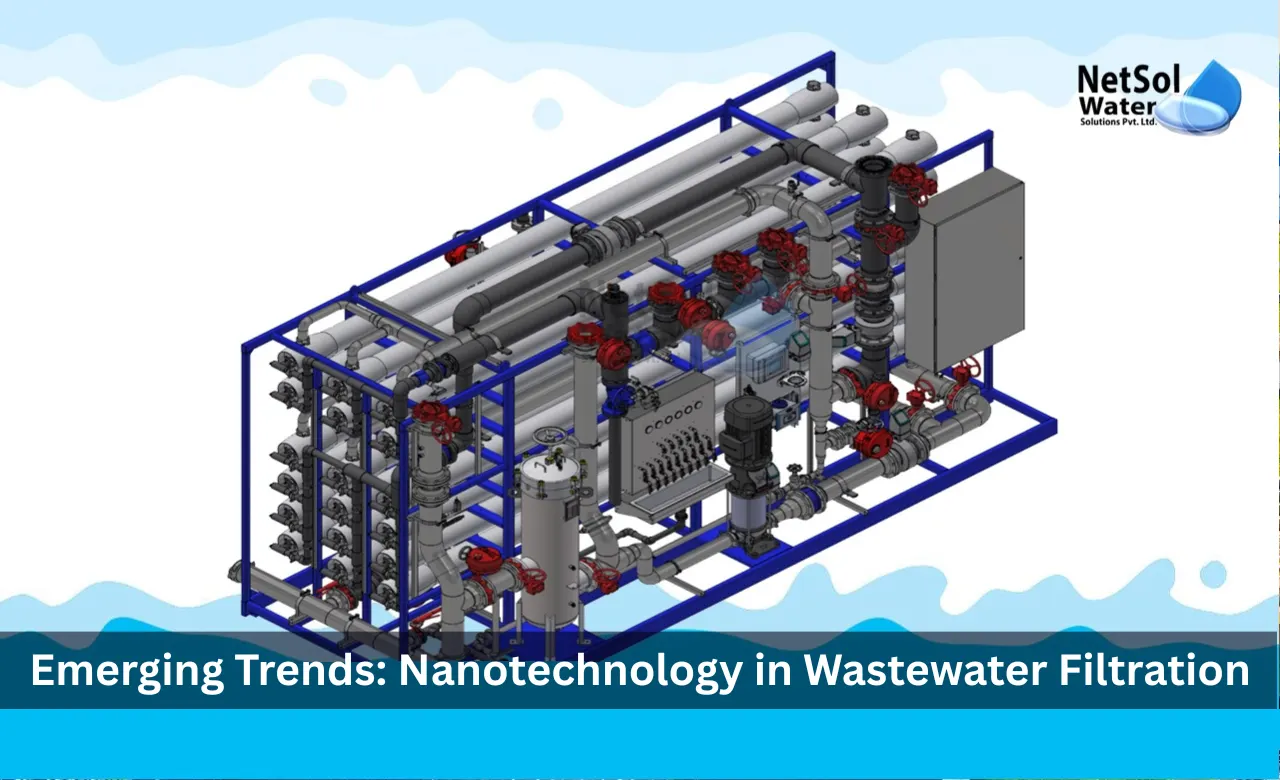
When final discharge or reuse demands higher quality the plant must use advanced units. Technologies such as membrane filtration adsorption and disinfection improve clarity and remove trace contaminants. Membrane systems offer compact footprint and steady output. Adsorption steps such as activated carbon remove color and odors. Disinfection removes pathogens to make the water safe for reuse. Matching these steps to industry need helps obtain the right quality for cooling makeup process water or safe irrigation. Designing the polishing stage after clear primary and secondary work saves cost and reduces membrane fouling.

Operational Best Practices and Resource Recovery

A strong operation turns technology into results. Let us have a look on practical actions that plants can adopt today.

Monitoring maintenance and staff empowerment

Continuous online monitoring for flow turbidity and key pollutants helps operators act fast. A clear maintenance plan extends asset life and reduces outages. Training staff on process logic and on simple troubleshooting builds confidence and reduces downtime. Routine checks for sensors pumps and chemical feeders prevent slow drifts from becoming failures. Management should set simple performance targets and review data weekly. These actions keep the plant stable and ready for audits.

Reuse energy recovery and sludge management

Treating wastewater can create resources. Treated water can return to cooling towers or to cleaning lines. Recovering heat from certain streams lowers energy use. Organic sludge can serve as feedstock for biogas systems that produce useful energy for onsite use. Careful drying and composting of biosolids can create a safe soil amendment for nonfood uses. Planning for reuse and recovery reduces freshwater demand and cuts disposal cost. Netsol Water helps design systems that turn waste into value and that match industry size and budget.

Read some interesting information for the Effluent Treatment Plant Manufacturer in Faridabad

Conclusion

Effective industrial wastewater management protects the environment and it improves operational stability. Choosing the right Wastewater Treatment Plant and running it with good maintenance monitoring and recovery plans yields good returns. Netsol Water is the leading partner for industries that want reliable solutions and clear results. Contact us to learn how a personalized Wastewater Treatment Plant can lower cost and meet compliance. Request a consultation today to review your site.

Contact Netsol Water at:

Phone: +91-9650608473

Email: enquiry@netsolwater.com

Add-a-subheading-2-1.webp

November 19, 2025by Netsol Water

The Role of Nutrient Recovery in Wastewater Management (Nitrogen & Phosphorus)

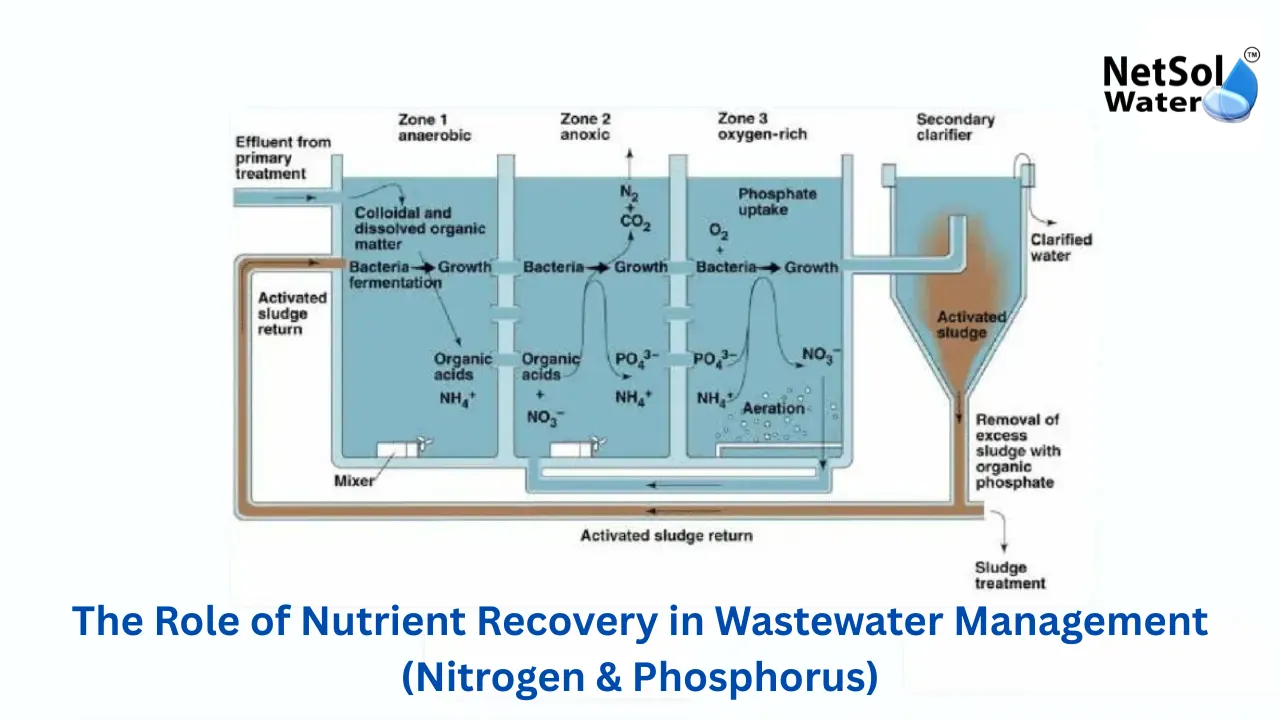
Wastewater Management faces new demands. Cities need cleaner water and farmers need nutrients for soil. At the same time plants must reduce energy use and lower waste discharge. Recovering nitrogen and phosphorus from wastewater meets these needs. This process turns a problem into a resource. It stops nutrients from harming rivers and lakes. It also creates materials that farmers can use as fertilizer. In many regions this change improves both the local environment and the local economy. In this blog, we will explain why nutrient recovery matters for Wastewater Management.

Nitrogen Recovery and Its Importance

Nitrogen is a major nutrient in wastewater and it can cause serious harm when it reaches natural water bodies. Excess nitrogen leads to algal growth and low oxygen in rivers and lakes. That change harms fish and other life. It also makes water unsafe for use. For Wastewater Management recovering nitrogen helps stop these problems. It also supplies a useful product for agriculture. Let us have a look on some methods and how they work.

Biological and Chemical Methods

Biological methods use bacteria to convert forms of nitrogen into simpler forms that can be removed or captured. These methods work in many plants and they use natural processes. Chemical methods use reactions to form compounds that can be separated. Both paths have strong points and both need careful control. Operators must watch temperature and flow and other key factors. When a plant runs well the nitrogen output falls and the recovery rate goes up. Netsol Water can design systems that balance biology and chemistry so the plant meets local needs.

Ammonia Stripping and Struvite Formation

Ammonia stripping moves ammonia out of the water in a gas form so it can be condensed and used again. Struvite forms when magnesium and phosphate meet under the right conditions. This solid has slow release fertilizer value. The process of making struvite also locks phosphorus at the same time. Both products can leave the plant as usable materials. Farmers can use them to feed crops. The recovered materials reduce the need for mined fertilizer and so lower overall cost and energy for agriculture.

Integration with Plant Operations

Recovering nitrogen works best when the whole plant sees that goal. Treatment steps must match each other and the control system must be smart. A small change upstream can alter recovery downstream. Plant staff need training and good maintenance. When operations follow clear steps the recovery systems run smoothly and the plant meets its discharge limits while creating value from waste.

Phosphorus Recovery and Its Importance

Phosphorus is rare and it drives the growth of algae when it reaches lakes and seas. Wastewater often contains phosphorus from human use and industry. If plants simply remove phosphorus and then throw it away they miss a chance. Recovering phosphorus keeps it in a useful form and also reduces pollution.

Chemical Precipitation and Struvite Recovery

Chemical precipitation uses added salts to turn dissolved phosphorus into solids that can be separated. This method works quickly and it suits many plant sizes. Struvite recovery captures phosphorus while also capturing ammonium. The result is a solid that has fertilizer properties. This material is easy to handle and to transport. It also reduces the chance that pipes will clog from scale. Plants see savings in maintenance and in chemical costs when they adopt these recovery routes.

Enhanced Biological Phosphorus Removal

A second route is to use bacteria that take up phosphorus into their cells in greater amounts than normal. These microbes then leave the system as sludge that holds phosphorus. The sludge can be processed to release and capture the phosphorus in a concentrated form. This route uses biology and careful feeding of bacteria to raise the capture rate. It fits well when the plant can control the feed and the environment for microbes. Combining this route with chemical steps can give steady recovery and high quality output.

Market and Environmental Benefits

Recovered phosphorus has market value and it reduces the need for mined phosphate. That lowers the energy use in the overall food chain. At the same time the local river and lake health improves. Communities see better water for fishing and for recreation. Plants that recover phosphorus also meet stricter rules that many regulators now apply. Netsol Water helps match the recovery route to the local market for recovered materials so the system adds income and lowers pollution.

Read some interesting information for Industrial RO Plant Manufacturer in Delhi


Conclusion

Recovering nitrogen and phosphorus reduces pollution and creates useful products for agriculture. Netsol Water leads in designing systems that match local needs while keeping operations simple and strong. If you want to improve plant performance or to explore nutrient recovery options contact Netsol Water for a consultation. Strong Wastewater Management starts with a good plan and expert support. Reach out to learn how your project can recover value and protect local waters.

Contact Netsol Water at:

Phone: +91-9650608473

Email: enquiry@netsolwater.com

Add-a-subheading-1-2-1.webp

November 17, 2025by Netsol Water

Zero Liquid Discharge (ZLD): The Future of Industrial Wastewater Management

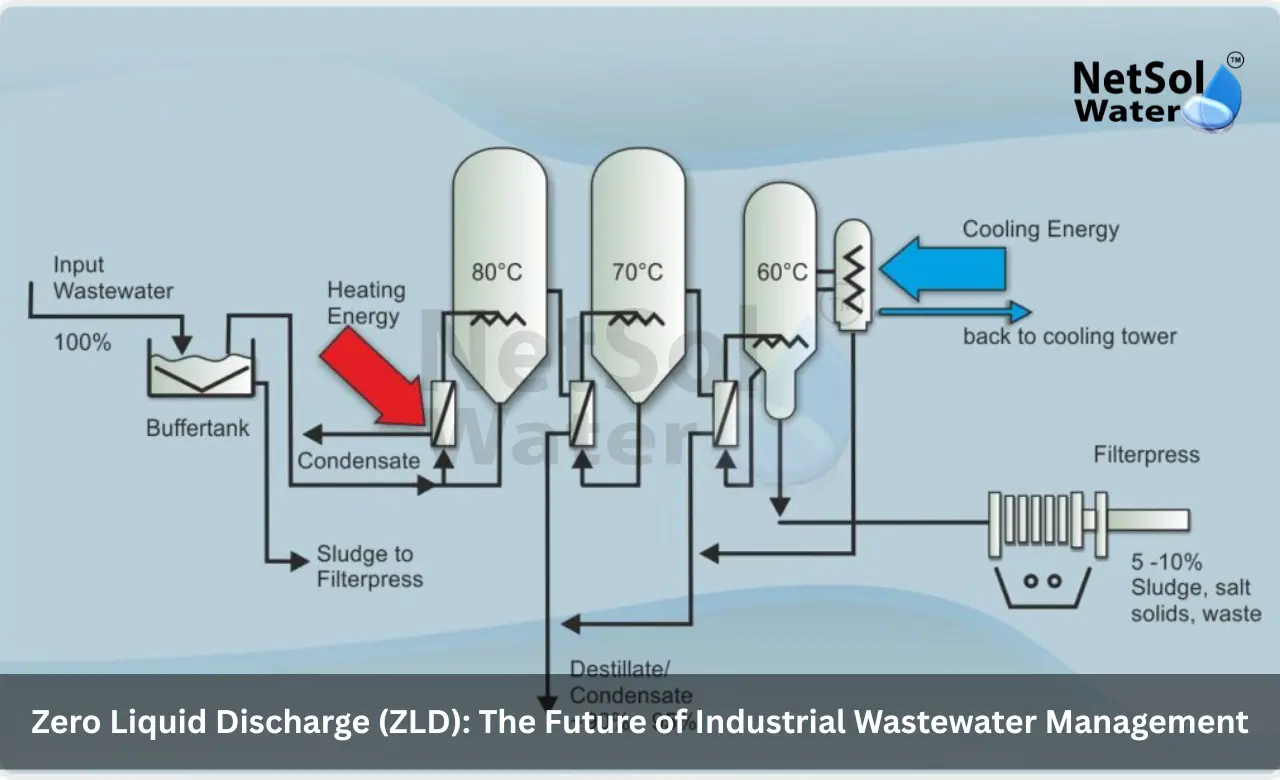
Zero Liquid Discharge aims to stop any untreated or treated effluent from leaving a plant site. India has many industrial hubs and regions that handle heavy industrial activity and face strong pressure on water resources. In such places companies must manage water in a way that protects the local supply and meets strict rules. Wastewater Treatment Plants play a key role in this effort. Netsol Water is the leading firm that makes plants to treat wastewater and to guide industries toward ZLD.

ZLD Technology and How It Works

ZLD matters because it offers a clear way to protect water resources and to meet legal rules while helping companies cut waste and save costs over time. Let us have a look on some key components of ZLD.

Primary Treatment and Preconditioning

First a plant reduces large solids and separates oils and greases. This step reduces load on later processes and keeps equipment safe. Wastewater Treatment Plants use screens settling basins and basic chemical dosing to remove these rough contaminants. Proper preconditioning improves downstream performance and lowers energy needs.

Advanced Treatment and Concentration

Next the stream moves to processes that remove dissolved solids and harmful chemicals. Technologies such as membrane filtration reverse osmosis and evaporation concentrate the wastewater to a much smaller volume. These steps demand careful control and skilled operation.

Crystallization and Zero Discharge

Finally the concentrated brine goes to crystallizers or evaporators that turn the remaining liquid into solid salts or reusable water. This stage completes the ZLD goal because plants recover usable water and leave behind manageable solids. Wastewater Treatment Plants that combine membranes with thermal units can meet strict limits and can return high quality water into plant reuse loops.

Benefits and Challenges of ZLD Implementation

ZLD matters for the long term because it changes a waste problem into a resource opportunity and it helps companies meet rules and protect local communities. Let us have a look on some benefits and the main challenges.

Environmental and Regulatory Benefits

Implementing ZLD reduces discharge into rivers and groundwater. This step lowers the risk of local pollution and helps maintain safe water for people and for farming near industrial zones. Wastewater Treatment Plants that deliver ZLD help firms meet stricter permits and they reduce fines and delays. In many regions regulators now push for lower discharge and ZLD offers a clear path to comply and to protect local ecosystems.

Economic and Operational Gains

ZLD can cut the need for fresh water by enabling reuse inside the plant. This move lowers the cost of buying water and of treating new incoming streams. Wastewater Treatment Plants that recover clean water support more stable operations and lower dependence on external water sources. Netsol Water is the leading company that helps industries design reuse loops so plants can use recycled water for cooling cleaning and process needs.

Technical and Cost Challenges

ZLD systems require higher capital investment and skilled operation compared to simple discharge systems. Operators must plan for periodic cleaning and for safe disposal or sale of recovered salts. These challenges increase the need for proper design and for expert partners who can deliver reliable performance over many years.

Read some interesting information for Commercial Ro Plant Manufacturer in Faridabad

Conclusion

Zero Liquid Discharge marks a clear path for industries that want to protect local water and meet strict rules while finding long term savings. Wastewater Treatment Plants play the key role in turning this path into reality. Netsol Water is the leading provider that can design, make and support ZLD systems for many industries. If you need guidance on ZLD or you want a practical assessment for your plant please contact Netsol Water for more information or request a consultation with their technical team.

Contact Netsol Water at:

Phone: +91-9650608473

Email: enquiry@netsolwater.com

How-AI-and-IoT-Are-Revolutionizing-Wastewater-Treatment-Plants-1.webp

November 5, 2025by Netsol Water

Wastewater Management Best Practices for Commercial & Industrial Facilities

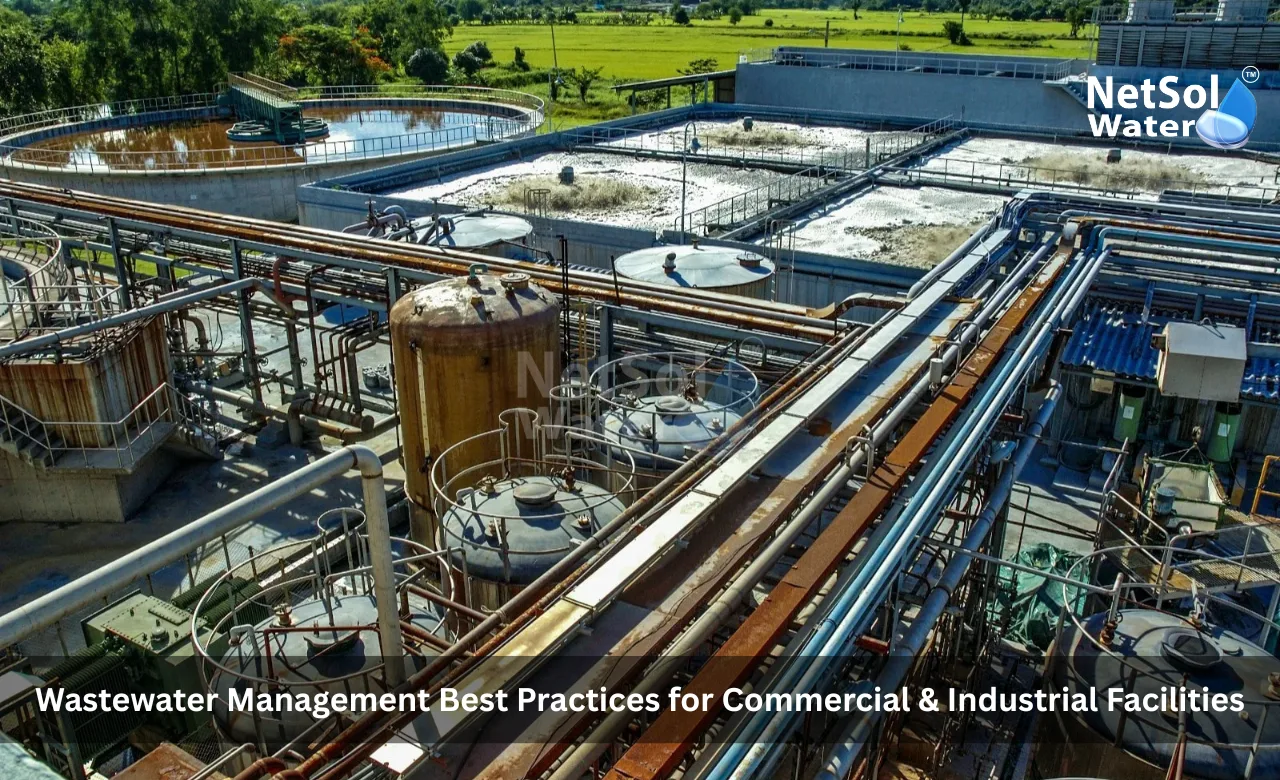
Wastewater Management matters for every commercial and industrial facility that treats or discharges water after use. Good practice keeps staff safe, protects the local environment and helps businesses meet law and permit obligations. Cities and industrial zones face pressure to control pollution and conserve water. Netsol Water is the leading provider of solutions for complex sites and offers design service and project delivery for many industries.

Regulatory Compliance and Site Assessment

Good compliance and careful site study form the base of any Wastewater Management plan. A clear review of permits flow limits and discharge standards prevents fines and helps managers avoid shutdowns. A thorough site assessment reveals where waste streams enter the plant what pre treatment is needed and how much space and power the treatment units will need. Let us have a look on some key actions that planners and engineers must take.

Permit and Standard Review

Start by documenting all regulatory requirements for your location and for your industry sector. Match those requirements to each wastewater stream at the site. This step guides capacity planning and sets targets for removal of solids organics nutrients and hazardous constituents. Engineers then set design margins and monitoring points that align with permit language so reports are simple and clear.

Site Survey and Stream Mapping

Walk the site and map every source of wastewater. Group similar streams to reduce treatment cost and to lower chemical use. Identify high strength streams that may need separate handling. Check existing tanks pumps and pipelines for corrosion leaks or cross connections. This work informs layout decisions and reduces surprises during installation.

Risk Assessment and Contingency Planning

Assess failure modes and emergency discharge scenarios. Define holding capacity and bypass controls that prevent unpermitted releases. Plan for seasonal variations and temporary shutdowns so the facility can continue safe operation. These controls protect the environment and protect the business.

Treatment Technologies and Process Optimization

Selecting the right treatment train shapes the long term success of Wastewater Management at any commercial or industrial site. Technology choices affect energy use footprint and effluent quality. Let us have a look on some proven systems and on how to tune them for steady performance.

Primary and Secondary Treatment Choices

Primary units remove grit and settleable solids and protect downstream equipment. Secondary biological treatment reduces organic load with systems such as activated sludge MBBR or SBR. Match secondary design to the strength and variability of the inflow. Engineers size aeration and solids handling to avoid frequent upset and to keep sludge volumes manageable.

Advanced Treatment and Reuse Options

When effluent quality must meet high standards or when reuse offers water savings consider tertiary steps such as filtration disinfection and membrane processes. Membrane based units give compact footprint and stable output so they suit campuses and factories that want to reuse water for cooling or for process make up. Choose robust pre treatment to protect fine membranes from fouling.

Process Control and Optimization

Automate key controls and monitor performance with real time sensors. Use flow based controls and dissolved oxygen loops to reduce energy use while keeping treatment stable. Schedule routine cleaning and calibration so instruments remain reliable. Optimization lowers operating cost and improves compliance.

Read some interesting information for Industrial RO Plant Manufacturer

Conclusion

Good Wastewater Management reduces risk and improves resource use for commercial and industrial facilities. A clear plan that covers regulation assessment technology selection operation and maintenance keeps sites safe and productive. Netsol Water leads many projects and helps clients design implement and run systems that meet local rules and business goals. For help with your site assessment treatment design or ongoing operations request a consultation today and get practical advice that fits your needs.

Contact Netsol Water at:

Phone: +91-9650608473

Email: enquiry@netsolwater.com