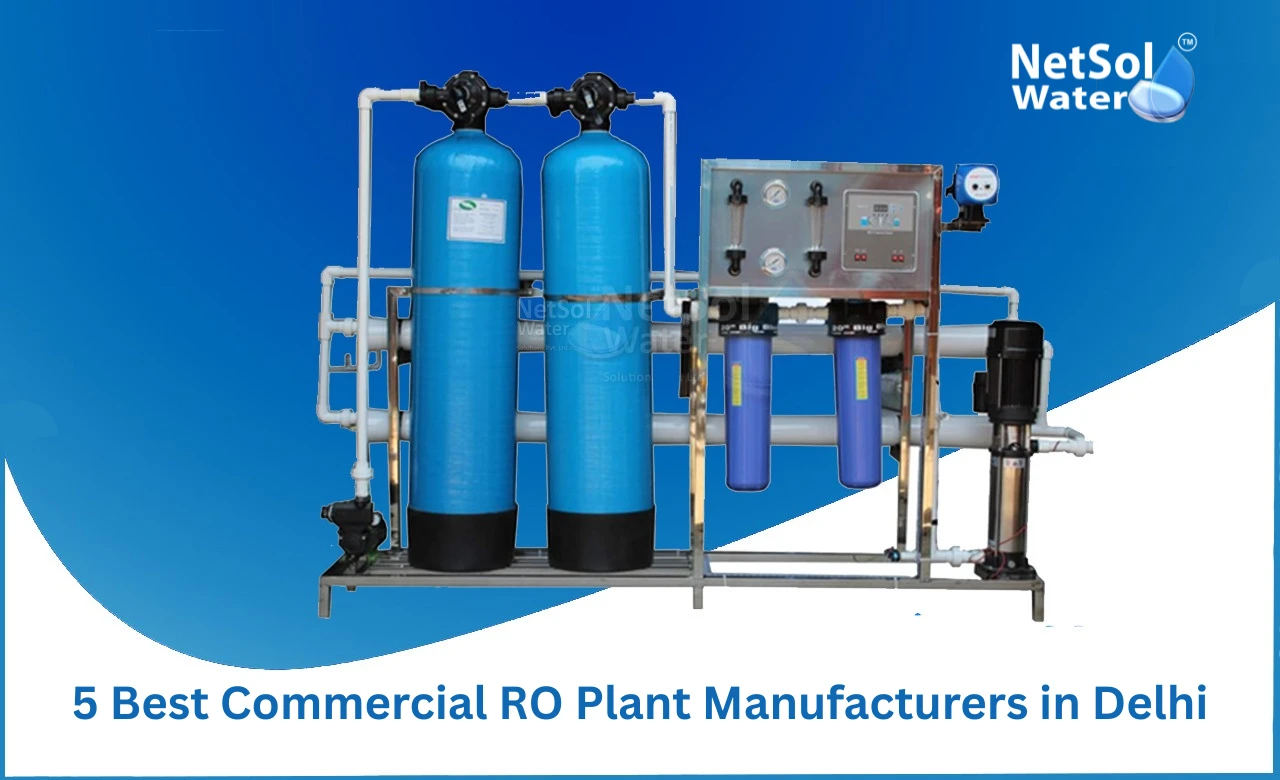
commercial RO plant manufacturer - Page 5 of 12 - Sewage Treatment Plant Manufacturers

Go-Green-with-Delhis-Best-RO-Plant-Manufacturers.webp

May 6, 2025by Netsol Water

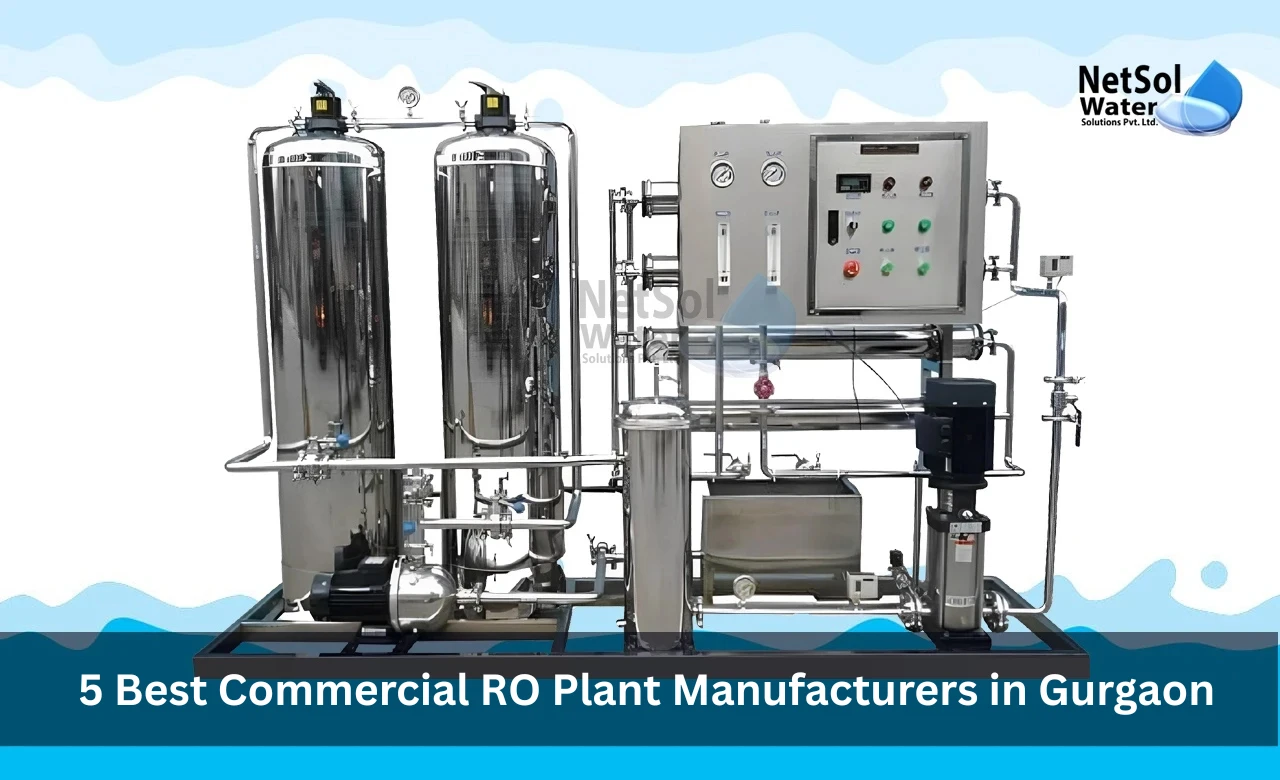
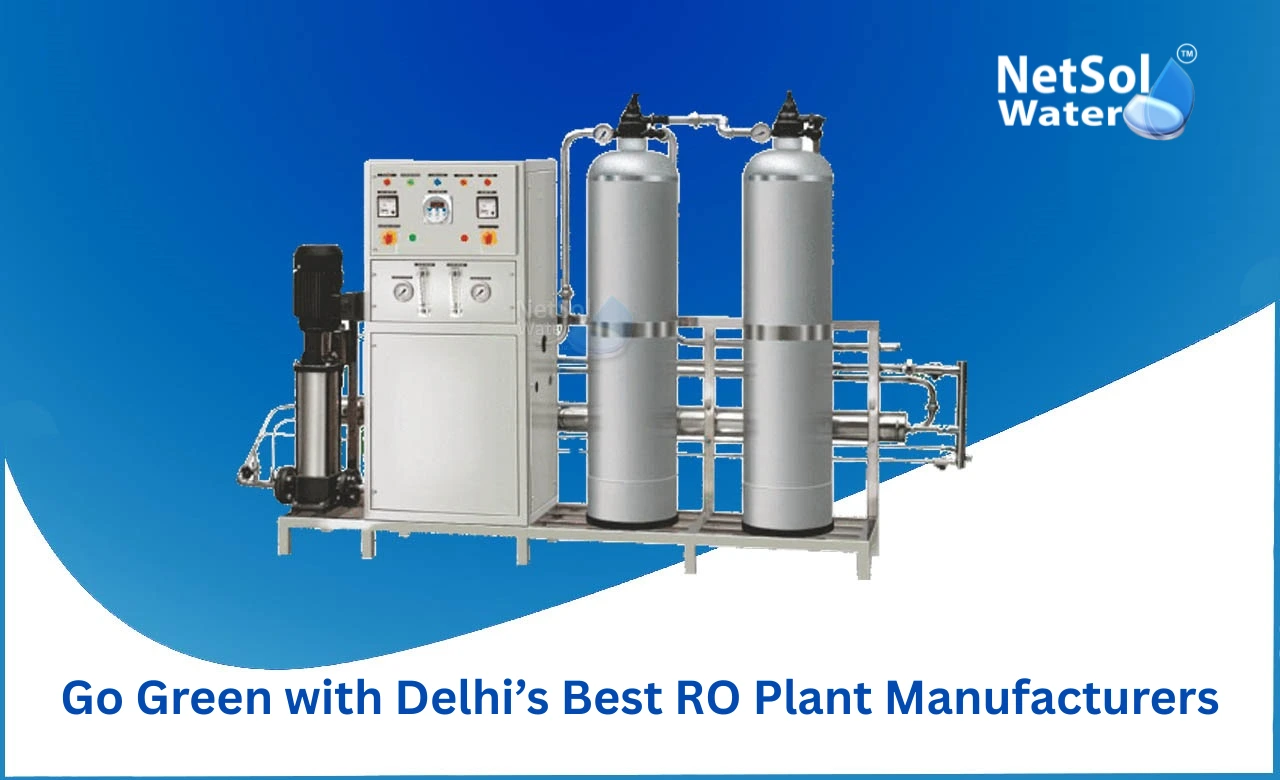
Go Green with Delhi’s Best RO Plant Manufacturers

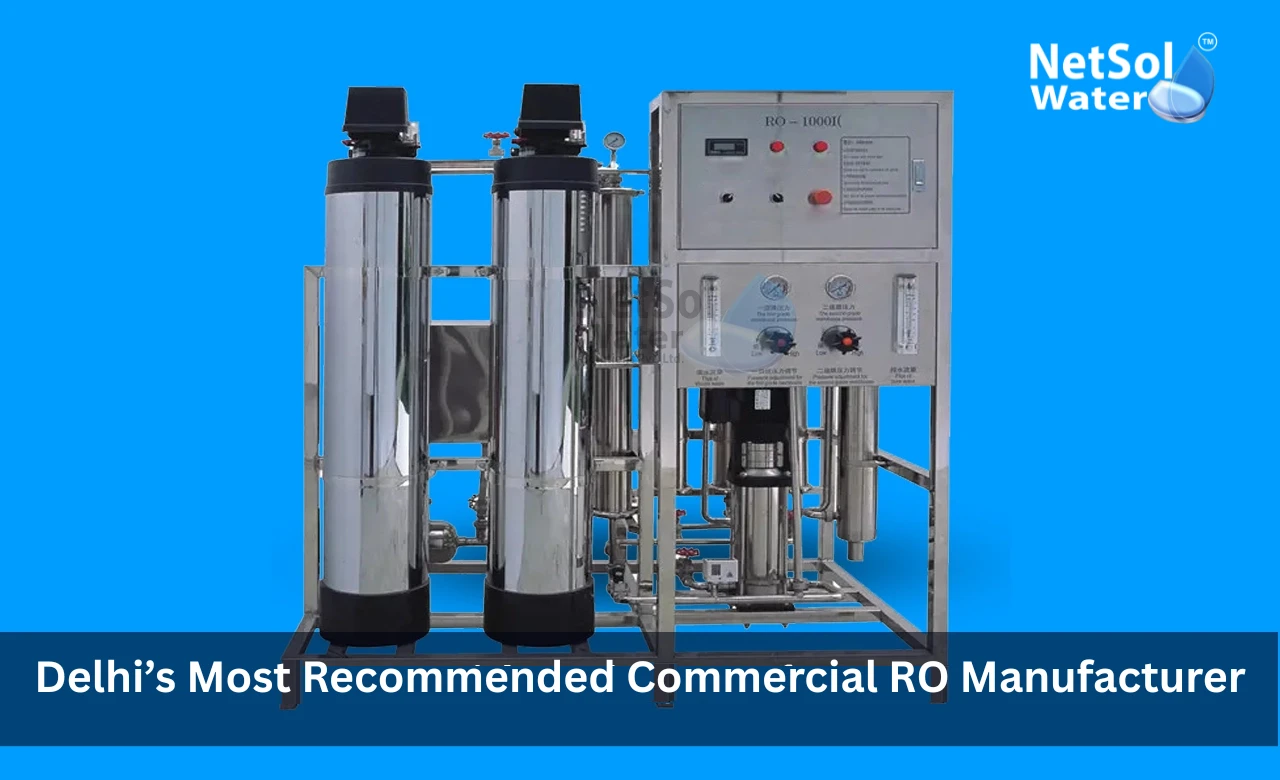
Delhi’s growing population brings water quality challenges. Clean water matters for homes, offices, and industries. Choosing the right Commercial RO Plant Manufacturer in Delhi can ensure safe, pure water and support sustainability goals. Netsol Water has built a reputation for reliable performance, robust design, and responsive service. We will explore why Netsol Water leads the market, how their technology excels, and what benefits their plants deliver.

Technology and Design

Advanced technology and thoughtful design define any high‑performing RO plant. Investing in innovation ensures efficient removal of impurities and long plant life. Let us have a look on some core design and technology features that set Netsol Water apart.

Membrane Selection and Configuration

Netsol Water uses premium thin‑film composite membranes. These membranes block dissolved salts, heavy metals, and microbes while allowing water flow. Engineers configure membrane stages to optimize recovery and minimize waste. A well‑designed membrane train can achieve up to 80 percent recovery in commercial settings, reducing raw water demands and wastewater discharge.

Automated Control Systems

Automation brings precision and ease of operation. Netsol Water integrates PLC‑based control panels that monitor pressure, flow, and water quality in real time. Alarms trigger if any parameter drifts from set limits. This prevents damage, ensures consistent output, and reduces manual intervention. Operators gain clear dashboards and remote access options.

Modular Skid‑Mounted Units

Modular skid‑mounted design simplifies installation and future expansion. Each skid arrives factory‑assembled and tested. Onsite teams connect inlet, outlet, and power lines. If demand grows, additional skids plug into existing lines without major civil work. This flexibility supports phased investments and minimizes downtime.

Quality Assurance and Compliance

Quality assurance and regulatory compliance protect users and businesses. A trusted Commercial RO Plant Manufacturer in Delhi must meet national and international standards. Let us have a look on some quality and compliance measures Netsol Water follows.

Material Certification and Testing

All components, from pumps to membranes, carry certified test reports. Netsol Water sources stainless steel vessels, FDA‑grade membranes, and energy‑efficient motors. Incoming inspection tests for pressure tolerance, corrosion resistance, and dimensional accuracy. Such rigor prevents failures and extends plant lifespan.

Standards and Regulatory Alignment

Netsol Water plants conform to BIS codes for water treatment equipment and ISO 9001 quality management norms. Compliance ensures safe design, traceable production, and consistent documentation. Regular audits and third‑party inspections verify adherence to protocols.

Performance Validation

Before delivery, each plant undergoes performance validation. Engineers run trials using feed water samples. They record permeate quality, recovery rate, and energy consumption. Only after meeting or exceeding benchmarks does a plant ship. This step assures clients of guaranteed output and reliability.

Installation and After‑Sales Support

Even the best technology fails without proper installation and support. A leading Commercial RO Plant Manufacturer in Delhi must excel in service. Let us have a look on how Netsol Water ensures smooth installation and ongoing assistance.

Professional Site Survey and Commissioning

Netsol Water conducts detailed site surveys before quoting. Technicians assess feed water quality, space constraints, and power availability. They recommend pre‑treatment needs such as sediment filters or softeners. During commissioning, certified engineers calibrate instruments, test runs, and train onsite staff.

Maintenance Programs and Spare Parts

Regular maintenance preserves plant efficiency. Netsol Water offers personalized AMC (Annual Maintenance Contract) plans. These include periodic cleaning of membranes, inspection of pumps, and replacement of wear parts. Clients receive genuine spare parts stocked nearby, ensuring rapid turnaround and minimal downtime.

Remote Monitoring and Troubleshooting

Netsol Water’s remote monitoring platform tracks performance metrics via IoT sensors. If any anomaly appears, pressure drop or conductivity rise, the system alerts the service team. Technicians diagnose issues remotely and guide onsite staff. Swift troubleshooting reduces production loss and protects water quality.

Environmental and Cost Benefits

Sustainable water treatment cuts environmental impact and lowers operating costs. Selecting the right Commercial RO Plant Manufacturer in Delhi delivers both sustainability and financial savings. Let us have a look on the environmental and cost benefits offered by Netsol Water plants.

Water Recovery and Waste Reduction

High recovery rates mean less reject water sent to drains. Netsol Water plants recover up to 80 percent of feed water. Lower reject volume eases wastewater management and conserves fresh water resources. Many clients reuse reject water for landscaping or cooling towers, closing the water loop.

Energy Efficiency and Operating Costs

Energy cost forms a large part of running expenses. Netsol Water fits energy‑efficient high‑pressure pumps and optimizes pump speed. These features cut power consumption by up to 30 percent. Clients see reduced utility bills and faster return on investment.

Lifecycle Cost Analysis

Beyond initial price, lifecycle cost matters. Netsol Water provides transparent cost models that include installation, energy, maintenance, and membrane replacement. This lets businesses plan budgets and compare ROI across vendors. A lower total cost of ownership makes Netsol Water the smart choice among Commercial RO Plant Manufacturer in Delhi.

Conclusion

Choosing the right Commercial RO Plant Manufacturer in Delhi shapes water quality, costs, and sustainability. Netsol Water combines advanced design, strict quality control and comprehensive service in every plant. Their proven track record helps businesses, institutions, and industries secure pure water. Invest in reliable water purification and support Delhi’s green future. Reach out to Netsol Water today to discuss your needs and request a consultation.

Phone: +91-965-060-8473

Email: enquiry@netsolwater.com


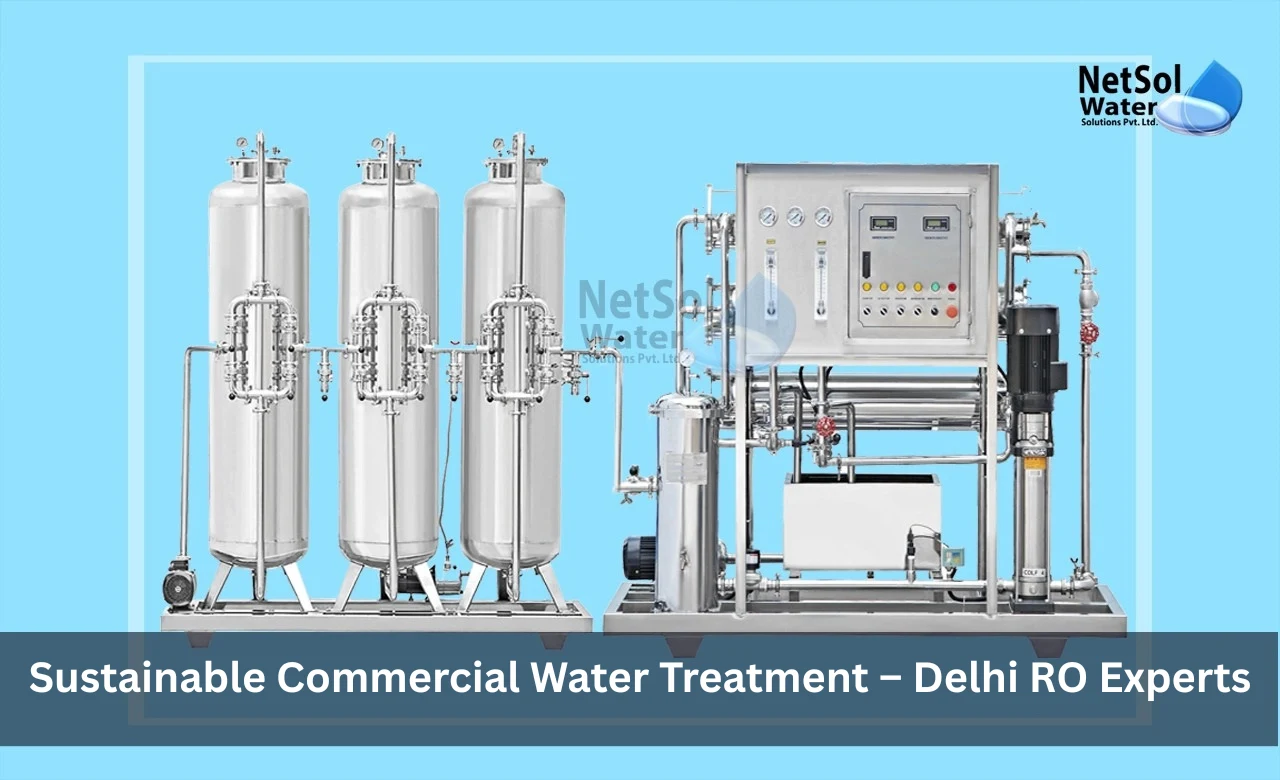
Sustainable-Commercial-Water-Treatment-–-Delhi-RO-Experts.webp

May 5, 2025by Netsol Water

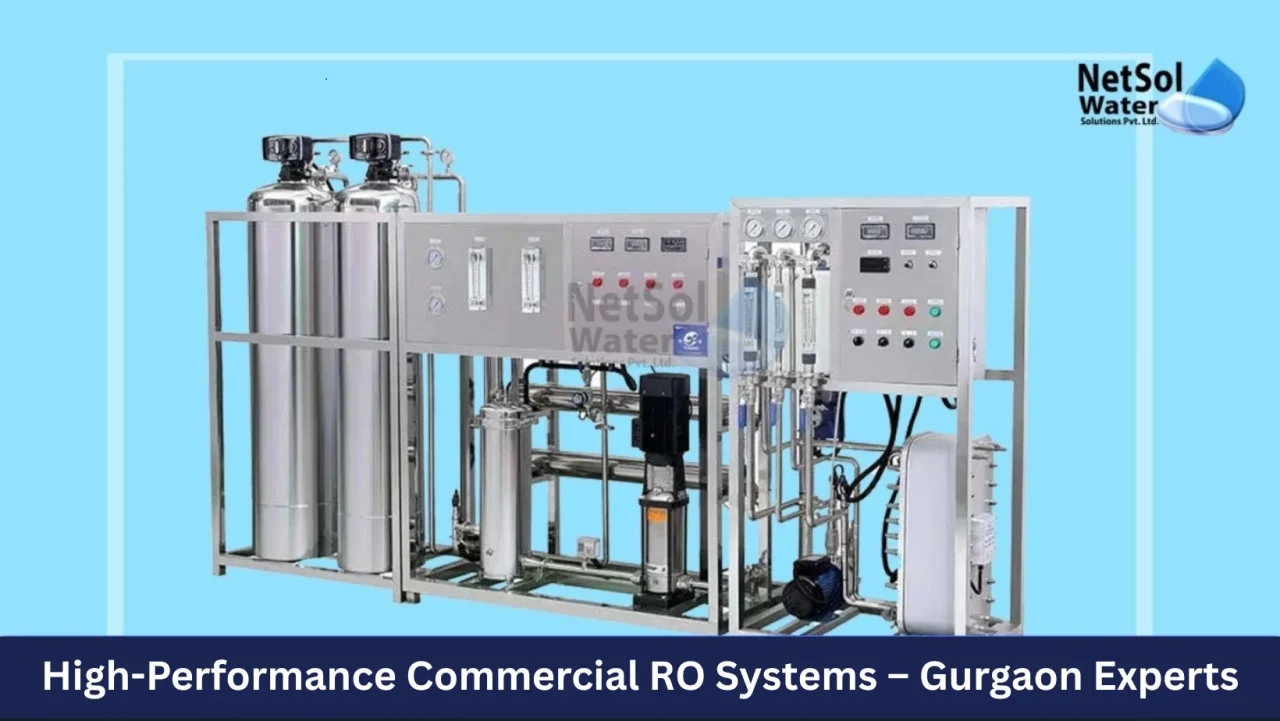
Sustainable Commercial Water Treatment – Delhi RO Experts

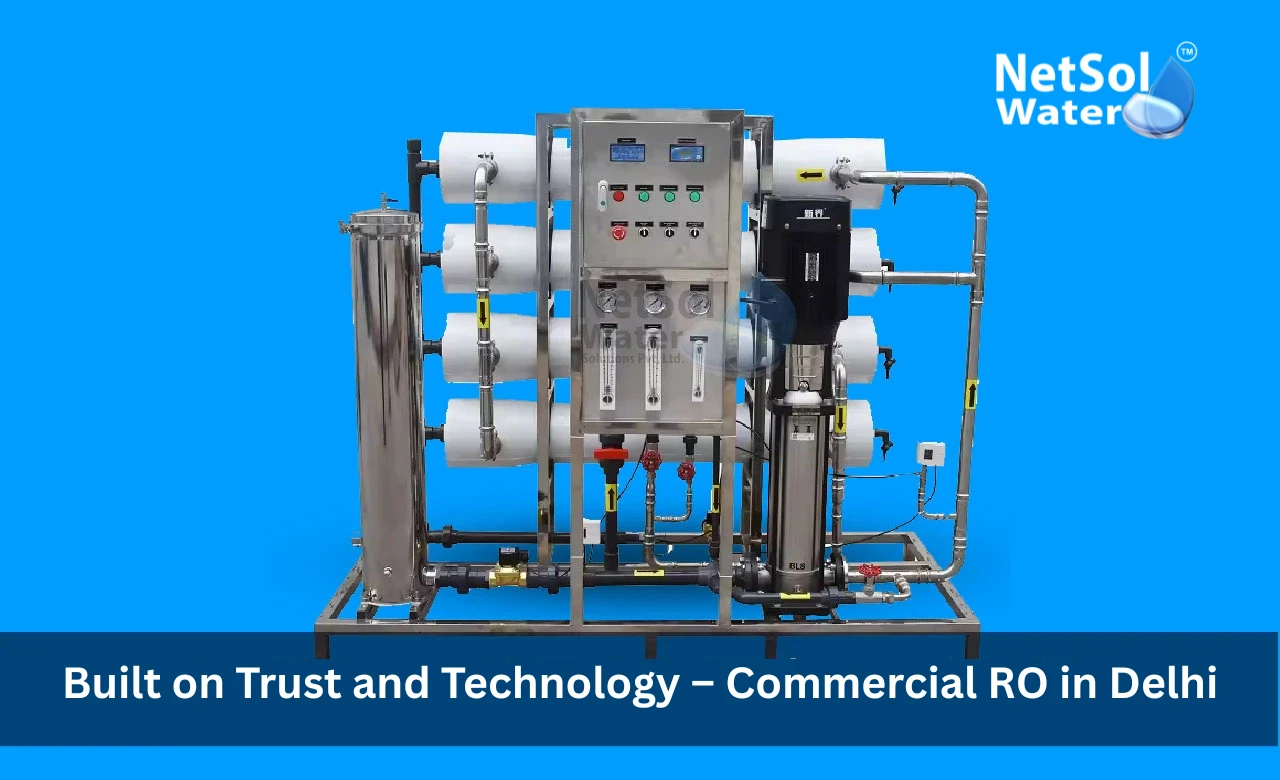
Businesses need clean water for processes, products and people. They look for reliable solutions to save costs. Commercial RO Plants meet this need. Netsol Water is the leading Commercial RO Plant Manufacturer in Delhi. They bring eco‐friendly methods to treat water on a large scale. They help enterprises run smoothly while caring for the environment. We will explore how sustainable water treatment works.

Sustainable Commercial Water Treatment

Sustainable water treatment lowers energy use and reduces waste. It cuts chemical use and recovers resources. For businesses, this means lower bills and a smaller environmental footprint. Let us have a look on some key aspects of sustainable treatment.

Designing Energy-Efficient Water Treatment Plants

Energy drives every stage of water treatment. Pumps, filters and membranes all need power. Reducing that need saves money and cuts carbon output. Netsol Water uses motors that adjust speed to flow demand. This avoids waste when water use dips. They choose membranes with low pressure needs. These steps form a plant that works smart. It draws only the power it requires. As a result businesses see lower energy bills.

Recovering and Reusing Water and By-Products

Treating water creates brine and sludge. Netsol Water fits units that separate solids for safe use as soil additive. They install brine concentrators that cut discharge volume. They return clean reject water back into the process for non‐potable uses. This cycle slashes fresh water intake. Companies in Delhi can thus turn waste into resource.

Selecting Durable, Low-Maintenance Materials

Plants often sit idle when parts fail or need cleaning. Choosing durable materials cuts downtime. Netsol Water picks corrosion-resistant alloys and robust polymer liners. They fit self-cleaning filters to reduce manual work. This focus on maintenance means smoother operation. It drives steady production without abrupt stops for repair.

Optimizing Chemical Use in Treatment

Chemicals help remove particles and kill microbes. But excess chemicals harm ecosystems and raise cost. Sustainable treatment aims to minimize their use. Netsol Water use online sensors to track water quality and adjust dosing. This careful control keeps treated water safe. It also avoids chemical overuse, thus making Netsol Water a Leading Commercial RO Plant Manufacturer in Delhi.


Advanced Membrane Technologies for Better Performance

Membranes form the heart of commercial RO Plants. Let us have a look on some Advanced Membrane Technologies for Better Performance.

Thin-Film Composite Membranes

These membranes mix a thin selective layer with a sturdy support layer. They let water pass easily while blocking salts and contaminants. Their high permeability cuts pressure needs. This lowers energy use. They resist fouling better than older designs. In practice they extend run times between cleaning cycles. They help plants operate with consistent output and lower maintenance demands.

Antifouling Coated Membranes

Fouling slows plants and forces shutdowns for cleaning. New coatings repel organic matter and microbes. These membranes maintain high flux for longer stretches. They cut cleaning frequency and chemical use. They boost overall plant uptime. For Delhi firms, this means reliable water supply without surprise dips in quality or flow.

Nanostructured Membranes

Membranes built with nanomaterials offer precise pore control. They remove even tiny pathogens and micropollutants. They work at moderate pressures. They deliver very high rejection rates. Using them in key stages ensures the final water meets strict standards. They also stand up to harsh feed water without rapid degradation.

Integration of Renewable Energy Sources

Linking water treatment to renewables adds sustainable value. Let us have a look on how solar and wind can power RO plants.

Solar-Powered Treatment Units

Netsol Water fits solar panels to drive pumps and controls. During peak sun, plants run solely on solar power. They store surplus energy in batteries for night and cloudy days. This cuts grid dependence. It shields businesses from rising electricity rates. It also lowers carbon footprint.

Wind-Assisted Systems

In areas with steady wind, small turbines can supplement energy needs. Netsol Water integrates wind and solar data into the plant control system. It shifts loads to the cheapest available source in real time. This hybrid approach ensures continuous, low-cost power.

Conclusion

Sustainable Commercial Water Treatment brings real benefits. It cuts energy use, recovers resources, reduces chemicals and boosts reliability. Netsol Water stands out as the leading Commercial RO Plant Manufacturer in Delhi. They modify plants that meet business needs while caring for the planet. To explore how these solutions can work for your enterprise, reach out today for more information or to request a consultation. Trust Commercial RO Plant Manufacturer in Delhi experts to deliver water treatment that lasts.

Phone: +91-965-060-8473

Email: enquiry@netsolwater.com


Building-a-Cleaner-Future-–-Commercial-RO-Solutions-in-Delhi.webp

May 1, 2025by Netsol Water

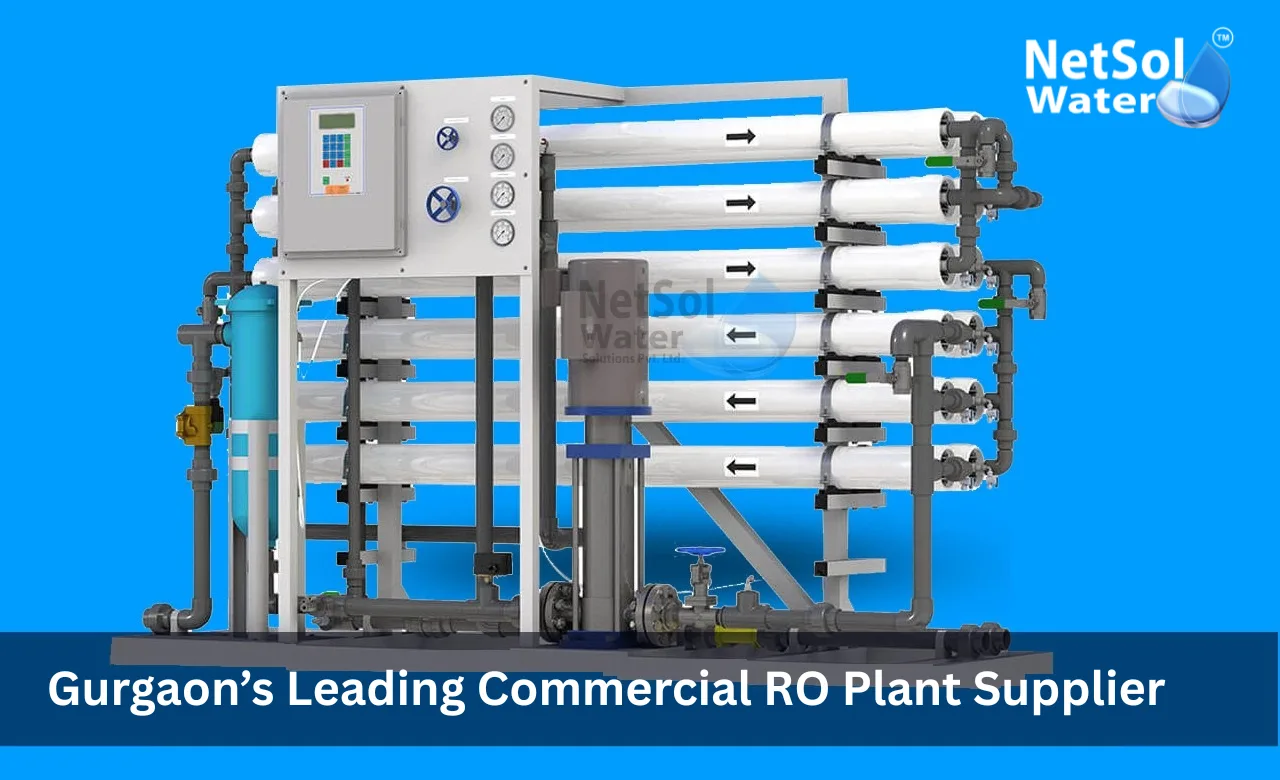
Building a Cleaner Future – Commercial RO Solutions in Delhi

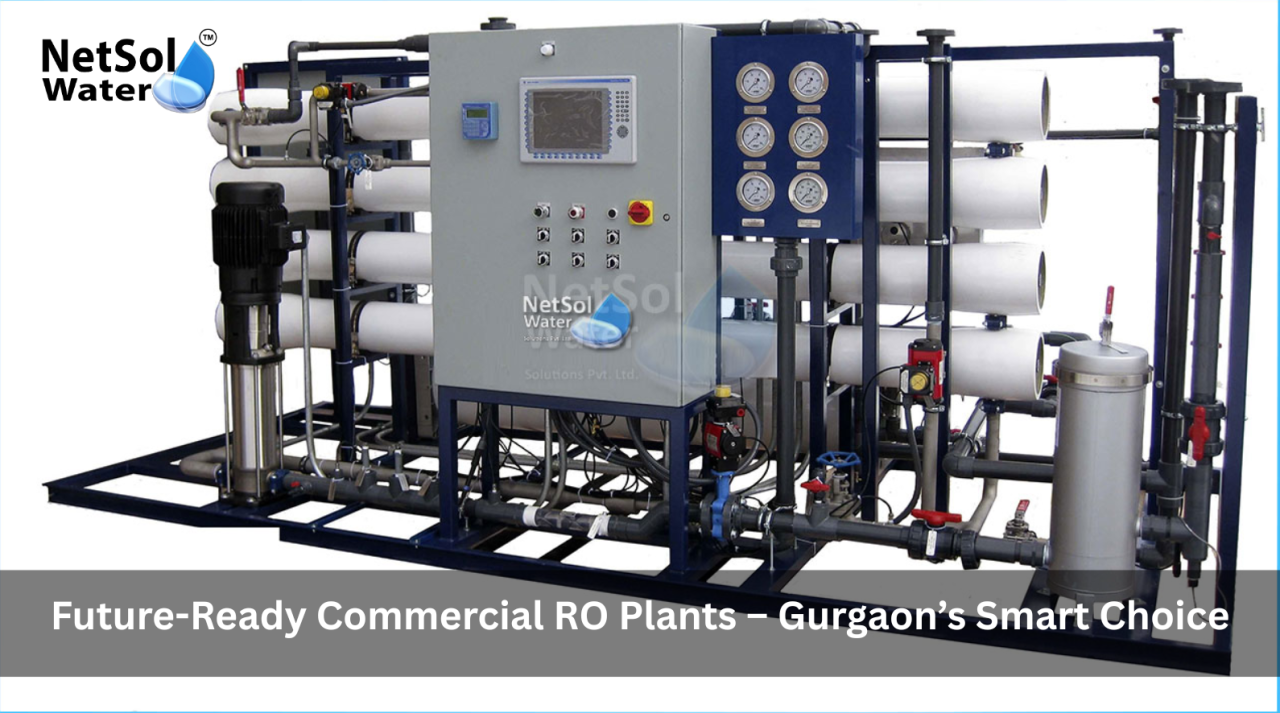
Delhi is India’s capital and a center of culture trade and education. It faces water challenges from hard water high dissolved solids and growing demand. Clean water is a top priority for health, business, and industry in this city. Netsol Water stands out as the leading Commercial RO Plant Manufacturer in Delhi by delivering reliable plants that meet diverse needs.

Importance of High-Quality Water Treatment

In Delhi offices hotels factories and hospitals the need for pure water never stops. Let us have a look on some reasons why top-level treatment matters.

Protecting Plant and Processes

Impure water harms pumps, heat exchangers and boilers. Scale and corrosion slow down plants and raise energy use. A strong commercial RO plant stops these issues by removing salts and minerals. This action extends the life of costly assets and cuts maintenance breaks.

Ensuring Health and Safety

Contaminated water can carry bacteria viruses and chemicals. Buildings that serve many people must meet health rules. A reliable RO plant delivers water that meets strict standards.

Supporting Business Reputation

Companies in food beverage and pharma sectors must show they use pure water. Customers check safety records and certifications. When a firm installs a high-performance RO plant from a trusted Commercial RO Plant Manufacturer in Delhi it signals care for quality and compliance.

Key Features of Commercial RO Plants

Good design and smart controls make a plant stand out. Let us have a look on some features that set Netsol Water as a Leading Commercial RO Plant Manufacturer in Delhi.

1. Robust Membrane Technology

Netsol Water fits membranes that remove up to 99 percent of dissolved solids. These thin film composites block salts organics and microbes. They deliver clear water that passes lab tests for purity.

2. Automated Control Panels

Each plant comes with a control panel that reads pressure flow and conductivity. It adjusts feed flow and flush cycles in real time. Operators see status on a screen and get alerts if any reading drifts out of range.

3. Energy Recovery Options

Larger plants can use energy recovery devices to reduce power use. These units capture pressure from reject water and feed it back into the system. This lowers operating cost and shrinks the carbon footprint of the plant.

Benefits of Our Commercial RO Plants

Clean water deliver many benefits beyond purity. Let us have a look on some benefits clients see every day.

1. Lower Operating Costs

Removing scale forming salts cuts energy bills for boilers chillers and cooling towers. Automated controls reduce the need for manual checks. This saves labor and power costs each month.

2. Consistent Water Quality

Sensors track water quality constantly. The system starts a flush cycle when membranes foul. This keeps output within permissible limits. Plants deliver the same purity 24*7.

3. Easy Maintenance and Support

Netsol Water provides scheduled service visits and spare parts. Each plant has clear manuals and online support options. Field engineers guide local teams through filter changes and routine checks.

4. Industries We Serve

Different sectors need pure water for different reasons. Let us have a look on some industries that rely on our plants.

5. Hospitality and Food Service

Hotels restaurants and catering units use pure water for cooking cleaning and drinking. A reliable RO plant ensures guest safety and taste consistency.

6. Pharmaceuticals and Laboratories

Research labs and drug makers follow strict rules on water purity. RO plants help them meet guidelines for injectable and oral formulations.

7. Manufacturing and Power Plants

Boilers and cooling towers demand water with very low hardness. Our plants protect heat exchangers and turbines from scale. This extends uptime and cuts shutdowns.

8. Healthcare and Hospitals

Medical centers need water for dialysis sterilization and lab tests. A stable supply of pure water safeguards patient care and lab results.

Our Process for Delivering Excellence

A clear step-by-step plan ensures each client gets the right plant on time. Let us have a look on some phases in our project workflow.

• Site Assessment and Water Testing

First we visit the site to note available space and utilities. We collect water samples and send them for lab analysis. This data drives membrane selection and pretreatment design.

• Plant Design and Engineering

Our engineers create detailed drawings and select pumps membranes and controls. We size each component to match peak flow and quality targets. Clients review and approve the design before fabrication.

• Fabrication and Assembly

Technicians build skid or container modules in our workshop. We test hydraulic and electrical systems under simulated load. Each plant passes a quality check before delivery.

• Installation and Commissioning

At the site we mount the plant and connect pipes cables and drains. We fill and start the plant. Engineers run trial cycles and adjust settings. We hand over an operating plant with full documentation.

• Training and After-Sales Support

We train client staff and teach basic troubleshooting. Our support team stays available by phone or email. We schedule periodic visits to ensure sustained performance.

Conclusion

A reliable Commercial RO Plant Manufacturer in Delhi can change how businesses and communities access clean water. Netsol Water leads this change with strong membranes smart controls and end-to-end support. For more information or to request a consultation reach out today and take a key step toward a cleaner future with Netsol Water.

Phone: +91-965-060-8473

Email: enquiry@Netsolwater.com


Top-Commercial-RO-Plant-Manufacturers-in-Delhi.webp

April 25, 2025by Netsol Water

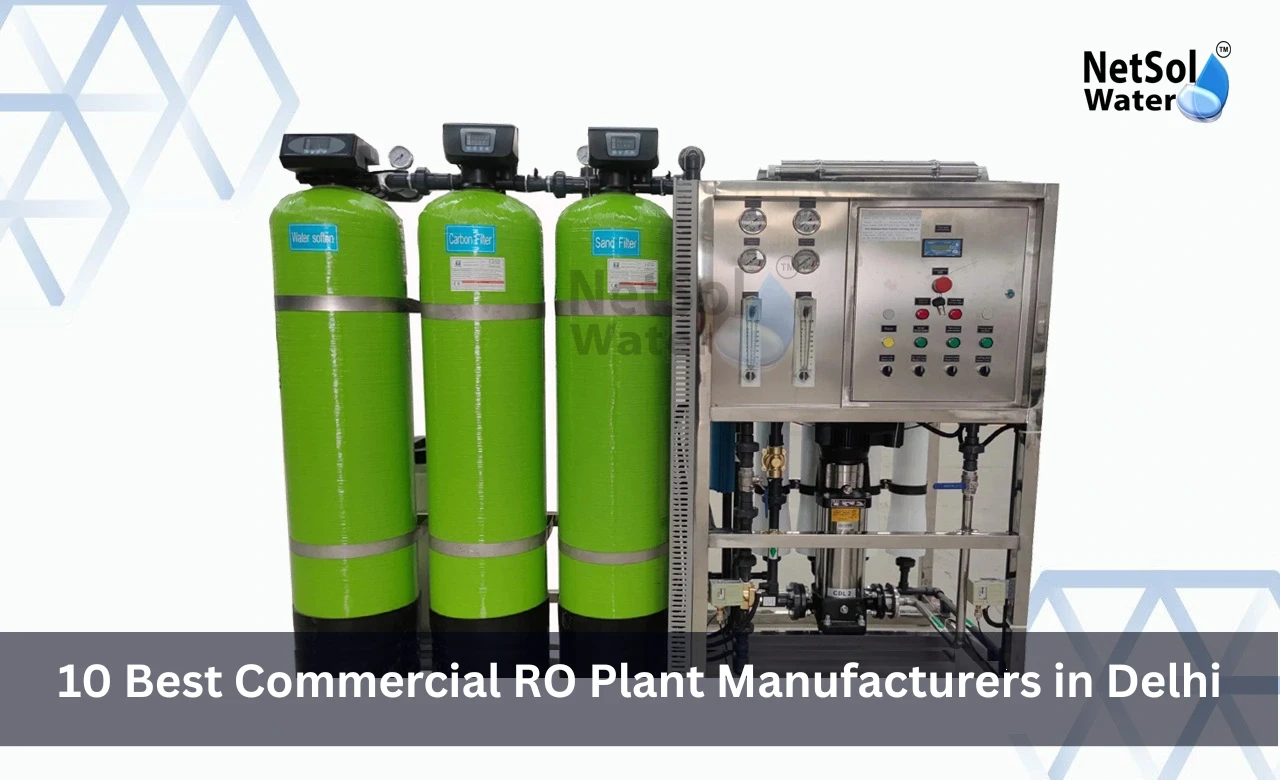
Top Commercial RO Plant Manufacturers in Delhi

In India’s bustling capital, access toĀ clean waterĀ has become a critical need forĀ commercial establishments,Ā housing societies, andĀ industries. With increasingĀ water contaminationĀ andĀ dissolved solidsĀ inĀ raw water, businesses are turning to advancedĀ reverse osmosis plantsĀ to ensureĀ safe drinking water. We will explor the top commercial RO plant manufacturers in Delhi, highlighting theirĀ cutting-edge membrane systems,Ā energy-efficient designs, andĀ commitment to customer satisfaction. Whether you needĀ high-quality waterĀ forĀ beverage production,Ā boiler feed water, or generalĀ commercial usage, these manufacturers provideĀ effective water treatment solutions.

Why Choose a Commercial RO Plant in Delhi?

Delhi faces severeĀ water qualityĀ challenges due to industrial pollution and depletingĀ fresh waterĀ resources. AĀ commercial RO plantĀ offers:

āœ”Ā Advanced purificationĀ throughĀ semi-permeable membranes
āœ” Removal ofĀ harmful chemicals,Ā colloid solids, andĀ dissolved salts
āœ”Ā Modular designsĀ for flexible installation
āœ”Ā Low power consumptionĀ withĀ high-pressure pumps
āœ” Compliance withĀ ISO 9001:2015Ā standards

These systems are essential for:

  • Hotels & Restaurants – EnsuringĀ 100% contaminant-free water

  • Hospitals & Schools – ProvidingĀ safe drinking water

  • Pharmaceutical & Beverage Industries – MeetingĀ desired water quality criteria

Top Commercial RO Plant Manufacturers in Delhi

1. Netsol Water Solutions

A pioneer in theĀ water treatment market, Netsol deliversĀ superior water treatment solutionsĀ withĀ advanced membrane technology.

Key Features:
āœ…Ā FRP RO PlantsĀ for corrosion resistance
āœ…Ā Automated control panelsĀ for smooth operations
āœ…Ā Carbon & sediment filtersĀ for multi-stage purification
āœ…Ā 1000-10,000 liters per hourĀ capacity

2. Sewage Treatment Plant

Specializes inĀ industrial RO plantsĀ withĀ energy-efficientĀ designs.

Key Features:
āœ…Ā UV + RO integrationĀ for absolute purity
āœ…Ā Stainless steel constructionĀ for durability
āœ…Ā 24/7 service engineer support

Key Technologies in Commercial RO Plants

1. Reverse Osmosis Method

  • UsesĀ osmotic pressureĀ to separate impurities

  • Semi-permeable membranesĀ block contaminants

2. Multi-Stage Filtration

  • Sand filters → Carbon filters → Sediment filters

  • RemovesĀ chlorine,Ā heavy metals, andĀ microorganisms

3. Advanced Components

  • Dosing pumpsĀ for chemical treatment

  • High-pressure pumpsĀ for optimal performance

Applications Across Industries

Industry RO Plant Usage
Healthcare Ultra-pure water for labs & dialysis
Food & Beverage Bottled water plantsĀ & production
Hospitality Safe water for guests & cooking
Automobile Process waterĀ for manufacturing


Buying Guide: Choosing the Best RO Manufacturer

āœ”Ā CapacityĀ (Litres per hour)
āœ”Ā Filtration StagesĀ (3-stage to 7-stage)
āœ”Ā MaterialĀ (FRP / Stainless steel)
āœ”Ā Maintenance Services
āœ”Ā Warranty & Certifications

Conclusion

Delhi’s leadingĀ commercial RO plant manufacturersĀ likeĀ Netsol Water and Sewage TreatmentĀ combineĀ innovative solutionsĀ withĀ reliable performance. Whether you need aĀ compact systemĀ for a cafĆ© or anĀ industrial-scale RO plant, these providers ensureĀ optimal water purificationĀ atĀ affordable prices.

Investing in a high-quality RO system guarantees:
šŸ”¹Ā Safe, healthy waterĀ free from contaminants
šŸ”¹Ā Low operational costsĀ with energy-efficient designs
šŸ”¹Ā Long-term sustainabilityĀ with minimal maintenance


Add-a-subheading-1-14.webp

April 15, 2025by Netsol Water

What Makes RO Operation Expensive?

Water treatment stands as one of the most essential processes in many industries today. Reverse Osmosis (RO) has become the preferred method for producing clean water across various sectors. This advanced filtration process pushes water through a semipermeable membrane to remove contaminants. Yet many business owners express surprise when they see their operational costs rise. The expenses linked to RO operations extend beyond the initial system installation. Understanding these costs helps businesses plan their budgets effectively. This knowledge also enables operators to implement cost-saving measures without compromising water quality. The following sections explore the major factors that contribute to RO operational expenses.

We will examine how different elements impact the overall cost structure. This understanding will help you make informed decisions about your water treatment system.


Energy Consumption in RO Systems

The relationship between energy use and RO operation forms a significant part of operational costs. RO systems need considerable power to maintain the high pressure required for proper filtration. The pumping systems work continuously to push water through the membranes. These pumps consume substantial electrical energy throughout the operation. Let us examine the key aspects of energy consumption:

  • Pressure Requirements: The system pressure directly affects energy consumption. Higher contamination levels demand greater pressure to achieve desired water quality. The pumps must work harder when dealing with challenging water sources. This increased workload translates to higher energy bills.
  • System Size Impact: Larger systems naturally consume more energy. The relationship between system size and energy use follows a predictable pattern. Bigger installations need more powerful pumps. The energy costs increase proportionally with the treatment capacity.
  • Operating Hours: The duration of system operation plays a crucial role in energy expenses. Systems running around the clock consume more power than those operating intermittently. Peak hour energy rates also affect the overall costs. Smart scheduling of operations can help manage these expenses.


Membrane Replacement and Maintenance

The performance of RO membranes changes over time. Regular maintenance becomes necessary to maintain water quality standards. The costs associated with membrane care form a substantial part of operational expenses. Let us explore the various aspects of membrane maintenance:

1. Replacement Frequency: Membranes have a limited operational life. Their effectiveness decreases with continued use. Most membranes need replacement every two to three years. The replacement schedule depends on water quality and system usage.

2. Cleaning Requirements: Regular cleaning helps extend membrane life. Chemical cleaning removes accumulated particles. This process requires specialized cleaning agents. The frequency of cleaning affects both material and labour costs.

3. Performance Monitoring: Constant monitoring ensures optimal membrane performance. Testing equipment needs regular calibration. Staff training becomes necessary for proper monitoring. These activities add to the overall maintenance expenses.


Chemical Treatment and Water Quality

Water quality management requires ongoing chemical treatment. The type and amount of chemicals needed vary based on source water conditions. This aspect of RO operation contributes significantly to running costs. Let us examine the main components of chemical treatment:

A. Pretreatment Requirements: Raw water needs preparation before entering the RO system. Pretreatment chemicals prevent membrane damage. The amount of chemicals depends on source water quality. Different contaminants require specific treatment approaches.

B. pH Adjustment: Maintaining proper pH levels protects the membranes. Chemical additives help control water acidity. The cost of pH adjustment chemicals adds to operational expenses. Regular pH monitoring ensures effective treatment.

C. Scale Prevention: Mineral scaling can damage RO membranes. Anti-scaling chemicals prevent mineral buildup. The dosage depends on water hardness levels. These chemicals represent an ongoing operational cost.


Take Action for Better RO Operation Management

Understanding RO operation costs helps you make better decisions. Our team of water treatment experts can help analyze your specific needs. We offer customized solutions to optimize your RO system performance. Contact us today to schedule a system assessment. Our specialists will identify potential cost-saving opportunities while maintaining water quality standards. Let us help you develop an efficient RO operation strategy that meets your business needs.

To explore customised commercial RO plants, Industrial RO plant, ETP or STP solutions for your needs in your areas and nearby regions, Contact Netsol Water at:

Phone: +91-965-060-8473

Email: enquiry@netsolwater.com


Add-a-subheading-1-11.webp

April 14, 2025by Netsol Water

How Often Should Commercial RO Plants Be Serviced?

A commercial Reverse Osmosis (RO) plant forms the backbone of many businesses that need pure water. From food processing units to pharmaceutical companies, these plants work continuously to deliver clean water. Regular service keeps these systems running at peak performance. When businesses skip maintenance, their RO plants can develop serious problems leading to unexpected shutdowns, production delays or complete system failure.


Here we explore the service requirements for commercial RO plants to help business owners maintain their systems effectively. We will examine the recommended service schedules, different types of maintenance procedures, and benefits of preventive care signs that indicate your system needs attention. By understanding these aspects, businesses can protect their investment, ensure consistent water quality, save money on repairs and maintain operational efficiency. This knowledge empowers facility managers to make informed decisions about their RO plant maintenance schedule.


The Basics of RO Plant Maintenance

The foundation of an effective RO plant operation starts with understanding maintenance fundamentals. Every commercial RO plant contains multiple components that work together to purify water. These components include membrane, filters, pressure vessels, pump control systems. Each part requires specific care at different intervals to function properly. A well-maintained RO plant removes contaminants effectively maintains consistent water quality operates efficiently uses less energy. The maintenance schedule depends on several factors such as water source quality daily water usage operating hours system size operating conditions. Business owners must consider these elements when creating a maintenance plan. The right maintenance approach prevents costly breakdowns extends equipment life ensures regulatory compliance maintains product quality. Let us examine the key aspects of RO plant maintenance to understand how often different services should be performed.


Scheduled Maintenance Requirements

Understanding scheduled maintenance forms the first step in proper RO plant care. This involves routine tasks that keep the system running smoothly.

1. Daily Monitoring: Operators should check system parameters each day. This includes monitoring pressure readings, flow rates, water quality indicators and conductivity levels. Daily checks help identify potential issues before they become serious problems. Recording these readings creates a performance history that helps track system health over time.

2. Weekly Maintenance Tasks: Weekly maintenance focuses on basic system upkeep. This includes checking chemical dosing systems, inspecting pump operations and cleaning prefilter housings. These tasks prevent small issues from growing into major problems. Regular weekly attention keeps the system running at optimal levels.

3. Monthly Service Needs: Monthly service involves more detailed system checks. Technicians should clean sensor probes, calibrate instruments, and adjust chemical dosing rates. This level of service ensures accurate system performance measurements. Monthly maintenance helps maintain consistent water quality production.

4. Quarterly System Reviews: Every three months, the system needs comprehensive evaluation. This includes membrane cleaning performance testing, component inspection and chemical cleaning procedures. Quarterly service helps maintain system efficiency prevents scaling fouling. These reviews often reveal early signs of potential problems.


Critical Components That Need Regular Attention

Understanding which parts need regular care helps maintain system performance. This knowledge guides maintenance scheduling decisions.

  • Membrane Maintenance: RO membranes need special attention to maintain their effectiveness. Regular cleaning prevents membrane fouling, extends membrane life and improves system efficiency. Different types of fouling require specific cleaning procedures. Proper membrane care ensures consistent water quality production.
  • Pretreatment System Care: The pretreatment system protects RO membranes from damage. Regular maintenance includes filter replacement, chemical dosing system checks and water softener regeneration. Proper pretreatment maintenance prevents premature membrane failure. It ensures longer system life and reduces operating costs.
  • Pump High-Pressure System: High-pressure pumps require regular inspection maintenance. This includes checking seals, lubricating bearings and monitoring pressure levels. Proper pump maintenance prevents unexpected failures ensures consistent system pressure. Regular care extends pump life and reduces energy consumption.


Signs Your RO Plant Needs Immediate Service

Recognizing warning signs helps prevent major system failures. These indicators show when immediate service becomes necessary.

A. Performance Changes: Sudden changes in system performance indicate potential problems. This includes decreased water production increased energy consumption changes in product water quality. Understanding these signs helps identify specific system issues. Quick response to performance changes prevents bigger problems.

B. Unusual Sounds Vibrations: New sounds vibrations often signal developing problems. These might come from pumps motors other moving parts. Prompt attention to unusual noises prevents component failure. Early detection allows for planned maintenance rather than emergency repairs.

C. Water Quality Issues: Changes in treated water quality indicate system problems. This includes increased conductivity, unusual taste, odor and visible particles. Water quality issues often signal membrane problems pretreatment failure. Quick response preserves product water quality prevents production issues.


Your commercial RO plant deserves professional care attention.

Contact our experienced team to develop a customized maintenance schedule for your system. We understand each Commercial RO plants has unique service needs based on its operation conditions. Our experts will assess your system create a maintenance plan that fits your business needs. Schedule a consultation today to learn how proper maintenance can improve your RO plant performance and save you money in the long run.

Contact Netsol Water at:

Phone: +91-965-060-8473

Email: enquiry@netsolwater.com


What-Water-Quality-Standards-Do-Commercial-RO-Plants-Meet.webp

April 14, 2025by Netsol Water

What Water Quality Standards Do Commercial RO Plants Meet?

Clean water serves as the foundation of our daily lives. Commercial RO plants play an important role in delivering pure water to businesses. These facilities must follow strict quality standards to ensure safe water reaches consumers. Understanding these standards helps businesses make informed decisions about their water treatment needs. Water quality affects everything from manufacturing processes to food service operations. Commercial RO plants use advanced filtration technology to meet or exceed various national and international quality benchmarks. This ensures the water they produce is safe for different applications. The standards these plants follow protect public health while supporting industrial operations. They also help maintain consistent water quality across different regions.

Let’s explore the comprehensive standards that shape how commercial RO plants operate and deliver clean water to businesses worldwide.


National Water Quality Standards

The foundation of water quality control starts with national standards. These guidelines ensure water safety across different regions. Each country develops specific requirements based on their environmental conditions and public health needs.

  • Environmental Protection Agency (EPA) Standards: The EPA sets the baseline for drinking water quality in the United States. Commercial RO plants must remove contaminants to meet these standards. The Safe Drinking Water Act guides these requirements. It focuses on eliminating harmful substances from water. The EPA regularly updates these standards based on new research.
  • Food and Drug Administration (FDA) Requirements: Food and beverage industries need water that meets FDA standards. These rules protect consumers from waterborne illnesses. The FDA guidelines cover everything from bottled water to food processing. Commercial RO plants serving these industries follow strict purification protocols.
  • NSF International Certification: NSF certification shows that RO plants meet specific quality benchmarks. This independent organization tests water treatment systems. Their standards cover material safety and contaminant removal. Many businesses look for NSF certification when choosing water treatment providers.


International Water Quality Standards

International standards help maintain consistent water quality worldwide. These guidelines allow businesses to operate across borders. They also promote best practices in water treatment.

1. World Health Organization Guidelines: WHO guidelines influence water quality standards globally. They focus on making water safe for human consumption. Commercial RO plants use these guidelines as a reference point. WHO standards address both chemical and biological contamination.

2. ISO Standards for Water Quality: ISO certification demonstrates commitment to quality management. These standards cover various aspects of water treatment. They include testing methods and quality control processes. ISO 9001 certification shows that RO plants follow systematic quality procedures.

3. European Union Water Framework Directive: EU standards set high benchmarks for water quality. They address both drinking water and industrial use. Commercial RO plants in Europe must meet these strict requirements. These standards often influence global water treatment practices.


Specific Quality Parameters

Understanding specific quality measures helps evaluate RO plant performance. These parameters determine if water meets required standards. They cover physical chemical and biological aspects of water quality.

1. Total Dissolved Solids (TDS): TDS measures the amount of dissolved substances in water. Commercial RO plants aim to reduce TDS levels significantly. This affects water taste and equipment performance. Regular TDS monitoring ensures consistent water quality.

2. Microbiological Safety Standards: Bacteria and virus removal remains essential for water safety. RO systems must achieve specific log reduction values. This shows how effectively they remove harmful organisms. Testing confirms these reduction levels meet required standards.

3. Chemical Contaminant Limits: Heavy metals and chemical compounds need careful monitoring. Each substance has specific acceptable limits. RO plants use multiple treatment stages to meet these limits. Regular testing confirms compliance with chemical standards.

4. pH Balance Requirements: Water pH affects its use in different applications. Commercial RO plants maintain appropriate pH levels. This prevents corrosion and ensures water stability. Different industries need different pH ranges for their processes.


Take Action for Better Water Treatment:

Want to learn more about commercial RO plant standards? Our experts can explain how these water quality requirements affect your business. Contact us today to discuss your water treatment needs. We can help you understand which standards matter most for your operation. Let our team show you how commercial RO systems deliver water that meets all relevant quality standards.


To explore customised commercial RO plants, Industrial RO plant, ETP or STP solutions for your needs in your areas and nearby regions, Contact Netsol Water at:

Phone: +91-965-060-8473

Email: enquiry@netsolwater.com


Does-Your-RO-Need-An-Upgrade.webp

April 11, 2025by Netsol Water

Does Your RO Need An Upgrade?

Water purification shapes our everyday lives. You need a Reverse Osmosis (RO) system to ensure your family drinks clean water. The filtration process works through multiple stages to deliver safe drinking water. Your RO system performance might drop from its initial installation standards. The changes happen so slowly that you might miss the declining quality. A good RO system produces water that looks clear and tastes pure. When you drink water you want the best quality for your family. We will guide you through the signs that show your RO system demands an upgrade. The latest RO technology brings remarkable improvements to enhance your home water quality. You will discover how a system upgrade transforms your drinking water experience. By the end, you will understand exactly what your RO system needs. The knowledge empowers you to take control of your water purification journey.


RO System Performance

Your RO system determines the quality of water flowing through your taps. The system fights against contaminants to protect your drinking water. Time takes its toll on system components as filters collect debris membranes lose strength. The system struggles to maintain water purity when these changes occur. We will show you what makes your RO system work at its best.


  • Age of Your System: Your RO system serves you well for 5 to 10 years. The older systems fall behind as technology moves forward. New systems bring advanced filtration capabilities to your home. Your aging system might miss the newer contaminants in water. The water quality suffers when outdated technology meets modern challenges.


  • Water Quality Changes: Your source water undergoes constant changes. Municipal water treatment plants update their methods. The groundwater composition shifts with environmental changes. Your current RO system might struggle to handle these new water conditions. The newer systems adapt smoothly to handle water quality fluctuations.


  • Energy Efficiency: The older systems consume excessive water during purification. They demand more power to push water through filters. Modern systems maximize both water and energy use. Your utility bills decrease with an efficient system. The upgraded technology serves both your health and environmental interests.


Signs Your RO Needs Attention

Your RO system communicates its needs through various signals. These warning signs help you catch problems early. When you spot these indicators you prevent system failure. We will teach you to recognize your system’s call for help.


1. Water Taste Changes: Your RO water should refresh your taste buds. The water signals filter problems when the taste turns bad. Your water needs attention when it carries metallic or chemical flavours. The taste changes show your system struggles with contamination.


2. Slow Water Flow: Your RO system should maintain consistent water delivery. The slow-filling tanks indicate system fatigue. The dropping water pressure points to membrane deterioration. An upgrade brings back the strong steady flow to your faucets.


3. Unusual Noises: Your RO system works best in silence. The system tells you something when you hear gurgling or clicking. These sounds might mean air has entered the system. The noises warn you about potential pump problems.


Modern RO Improvements

The RO technology continues to evolve and improve. Fresh features enhance water purification standards. These advances transform how you experience drinking water. We will explore the exciting features of modern RO systems.


  • Smart Monitoring: Modern systems come equipped with digital interfaces. The system tracks filter performance without your intervention. Your phone connects directly to monitor water quality. These advances ensure your system works at peak efficiency.


  • Better Filtration: The new membranes catch more contaminants than ever before. Modern filters extend their service life significantly. Advanced design traps the smallest harmful particles. Your family drinks cleaner safer water with these improvements.


  • Water Conservation: Modern systems minimize water waste during purification. They capture water that older models would discard. The new technology saves up to eight times more water. Your upgrade choice supports environmental protection.


Your RO system stands between your family and water contaminants.

The time has come to examine your system performance. Our water purification experts want to help you today. We will check every aspect of your current RO system. Our team matches you with the perfect upgrade options. You deserve the cleanest water possible. Contact us now to schedule your RO system evaluation.

To explore customised commercial RO plants, Industrial RO plant, ETP or STP solutions for your needs in your areas and nearby regions, Contact Netsol Water at:

Phone: +91-965-060-8473

Email: enquiry@netsolwater.com


Which-Pre-treatment-System-Does-Your-commercial-RO-plant-Need.png

April 10, 2025by Netsol Water

Which Pre-treatment System Does Your commercial RO plant Need?

The pre-treatment helps the RO system work better. A good pre-treatment setup extends the life of RO membranes. It also ensures the water quality meets your business needs. We will guide you through different pre-treatment options for your commercial RO plant. You will learn about the factors that affect pre-treatment choice. We will explore various pre-treatment methods. We will also discuss how each method helps your RO system work better. Understanding pre-treatment systems will help you make smart choices for your business water treatment needs.


Water Quality Parameters:

The first step in choosing a pre-treatment system starts with understanding your source water. Source water quality determines which pre-treatment methods you need. Different water sources have different challenges. Surface water often contains particles. Groundwater might have high mineral content. Seawater brings its own set of challenges.


1. Total Dissolved Solids (TDS): The amount of dissolved minerals in water affects how your RO system works. High TDS levels need specific pre-treatment steps. These steps prevent scale formation on RO membranes. They also stop mineral deposits from building up. The pre-treatment system must handle the TDS level in your source water.


2. Turbidity Management: Turbidity shows how clear or cloudy the water is. High turbidity means more suspended particles in water. These particles can block RO membranes. Pre-treatment must remove these particles. This protects the RO system from damage. It also helps maintain steady water flow.


3. Biological Growth Control: Water often contains microorganisms. These tiny life forms can grow on RO membranes. They form a layer called biofouling. Pre-treatment systems must stop this growth. This keeps the RO system running smoothly. It also maintains water quality standards.


Chemical Pre-treatment Methods

Chemical pre-treatment plays a big part in protecting RO systems. Different chemicals serve different purposes. Each chemical treatment tackles specific water quality issues. The right chemical mix depends on your source water.


  • Scale Prevention: Scale forms when minerals build up on membranes. Anti-scalants stop this from happening. They keep minerals dissolved in water. This prevents hard deposits from forming. The right anti-scalant depends on your water chemistry.


  • pH Adjustment: Water pH affects how RO membranes work. The wrong pH can damage membranes. pH adjustment chemicals create the right conditions. This helps RO membranes last longer. It also improves their performance.


  • Oxidation Treatment: Some waters contain elements that need oxidation. Iron and manganese are common examples. Oxidation changes these elements. This makes them easier to filter out. It protects RO membranes from staining.


Physical Pre-treatment Systems

Physical pre-treatment removes particles from water. These systems use different methods. Each method targets specific types of contaminants. The right combination depends on your water quality needs.


A. Media Filtration: Sand filters remove larger particles from water. They trap suspended solids. This protects downstream equipment. Media filters come in different sizes. They handle different flow rates based on your needs.


B. Carbon Filtration: Activated carbon removes organic compounds. It also takes out chlorine. These substances can harm RO membranes. Carbon filters protect the whole system. They also improve water taste and smell.


C. Cartridge Filtration: Fine filters catch the smallest particles. They act as the last defense. These filters protect RO membranes from damage. They ensure only clean water reaches the membranes.


Take Action for Better Water Management:

Your commercial RO plant needs the right pre-treatment system. We understand water treatment challenges. Our team can help you choose the best pre-treatment setup. Contact us today to discuss your water treatment needs. We will create a pre-treatment system that works for your business.

To explore customised commercial RO plants, Industrial RO plant, ETP or STP solutions for your needs in your areas and nearby regions, Contact Netsol Water at:

Phone: +91-965-060-8473

Email: enquiry@netsolwater.com


Add-a-subheading-1-4.webp

April 7, 2025by Netsol Water

Solar Powered RO Plants Guide

Communities worldwide struggle to access clean drinking water. Solar powered RO plants present a sustainable solution to this widespread challenge. These innovative systems transform solar energy into power for water purification without connecting to the electrical grid. Solar panels energize the RO process to eliminate contaminants including salt from water. Communities in remote areas or locations without reliable electricity can now produce clean water independently. Solar powered RO plants empower communities to manage their energy and water needs. More communities adopt these systems each year which demonstrates their success in solving water scarcity issues. We will show you how solar powered RO plants operate their advantages and everything you should consider before installation.


Solar Powered RO Technology

Solar powered RO technology transforms the approach to sustainable water treatment. Solar panels actively capture and convert sunlight into usable electrical power. This self-generated power drives every step of the reverse osmosis process. A deeper look into this technology reveals its revolutionary impact on water purification methods.


How Solar Panels Power the RO Process

Solar panels stand at the core of RO plant operations. These panels actively collect sunlight throughout daylight hours to generate DC power. The system’s inverter transforms this DC power into AC power to operate the RO pumps and control systems. This energy flow maintains continuous water treatment while the sun shines.


Components of a Solar RO System

Solar RO systems combine multiple elements to create pure water. The solar array generates all necessary power. RO membranes filter water molecules with precision. High-pressure pumps push water through each stage. The system uses tanks to store incoming and purified water. Smart controls oversee and optimize the entire process. These components work together to transform contaminated water into clean drinking water.


Water Treatment Process

Solar RO plants clean water through several connected stages. Pre-filtration starts by removing larger contaminants. Pressurized water flows through the specialized RO membrane. This membrane catches unwanted particles while pure water passes through. Final treatment steps ensure the water exceeds quality requirements. This thorough process creates consistently pure drinking water.


Benefits and Applications

Solar powered RO plants excel in many different situations. These advanced systems solve various water purification challenges. Users range from small towns to large industrial facilities.


  • Environmental Impact: Solar RO plants protect our environment in multiple ways. The sun provides clean renewable energy instead of polluting fuels. These systems create very little waste as they operate. Modern technology continues to extract more clean water from each gallon processed. The plants help conserve groundwater through their efficient purification methods.


  • Cost Analysis: Solar RO plants prove their value through smart economics. The equipment and setup create upfront costs. The sun provides free energy which eliminates most operating expenses. Simple design features need only basic maintenance. Most installations recover their costs through energy savings in just a few years.


Suitable Locations

Different environments welcome solar powered RO plants. Rural communities without power lines thrive with these systems. Coastal populations use them to make seawater drinkable. Desert communities purify their brackish groundwater effectively. The technology adapts to work in many different settings.


Implementation and Maintenance

Proper setup and care make solar powered RO plants succeed. Good practices ensure peak performance. Well-maintained systems produce clean water reliably for many years.


Site Selection

The right location determines how well a system performs. Your site should receive plenty of sunlight year-round. The installation needs enough space for all components. Placing equipment near the water source improves efficiency. The ground must properly support all system elements.


Installation Process

Setting up a solar RO plant takes careful organization. Workers prepare the site with proper grading and foundations. They assemble components in the correct order. Testing confirms everything works together. Professional installers ensure the system functions correctly.


Regular Maintenance Requirements

Active maintenance keeps solar RO plants running efficiently. Workers clean solar panels regularly. The schedule includes filter replacements. Teams monitor and replace RO membranes when needed. Frequent water tests confirm proper operation.


Troubleshooting Common Issues

Quick problem solving keeps systems running smoothly. Weak water pressure points to filter problems. Strange tastes or smells indicate membrane issues. Lower output suggests dirty solar panels. Fast identification leads to quick repairs.


Take Action to Transform your water supply today with a solar powered RO plant.

Our experts will design and build the perfect system for your situation. Connect with us to discover how solar-powered RO technology will improve your water quality. We provide no-cost consultations to understand your needs and create custom solutions. Contact our specialists now to begin your path toward sustainable clean water.


Contact Netsol Water at:

Phone: +91-965-060-8473

Email: enquiry@netsolwater.com