
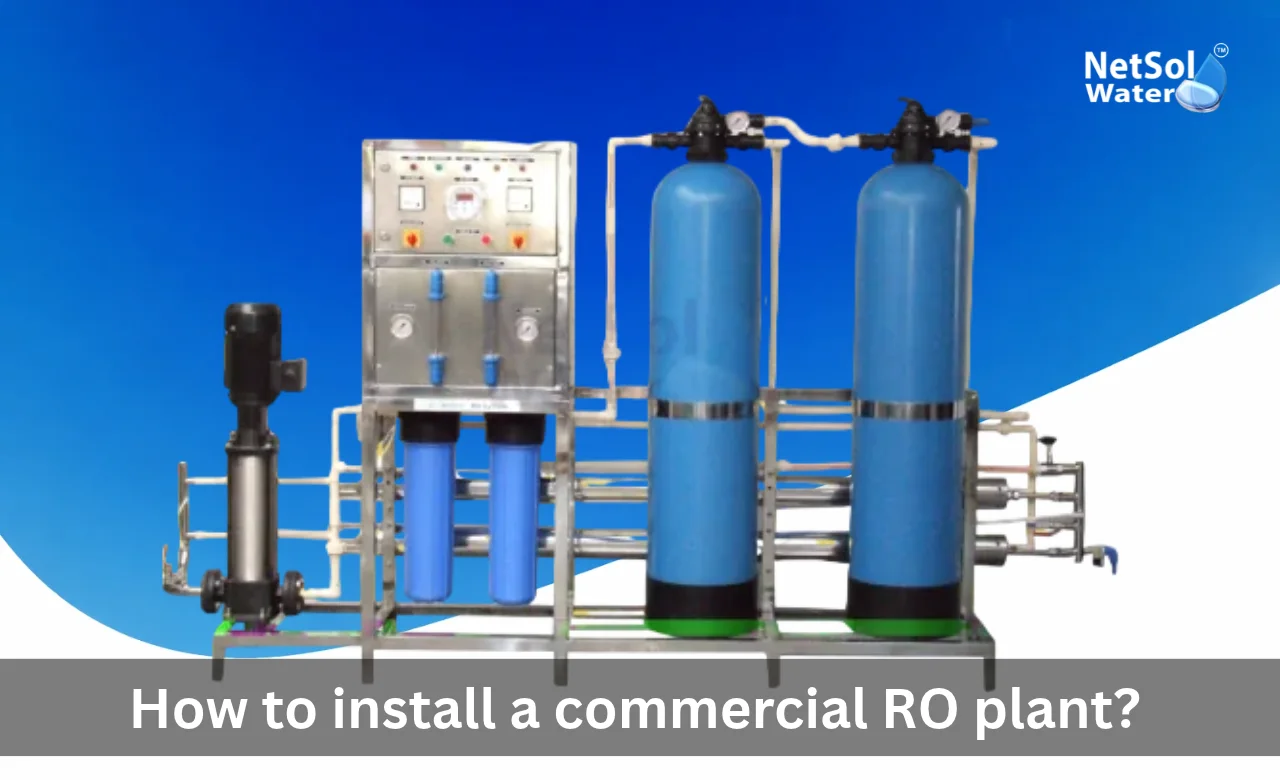
How to install a commercial reverse osmosis plant?
Clean water is essential for any commercial organisation to facilitate normal day-to-day operations and to ensure the quality of the product. Safe water is required in hotels, hospitals, schools, restaurants, factories, and offices. The commercial RO plant is used to remove unwanted salts, chemicals, and impurities from water and make it suitable for various commercial purposes.
A professional installation also reduces maintenance problems and helps the system work with better efficiency. Every step from site inspection to testing should be completed with care. A trusted commercial RO plant manufacturer understands these requirements and provides the right guidance during installation. We are the leading commercial RO plant manufacturer that offers reliable RO solutions with complete installation support for different industries and commercial applications.
Water Source and Installation Requirements
Installing a commercial RO plant begins with understanding the water source and the requirements of the facility. This stage helps in selecting the correct plant capacity and ensures that the system performs well after installation. A proper study before installation saves time and avoids future operational issues. Let us have a look at some important parts of this process.
1. Check the Quality of the Raw Water
The first step is to test the quality of the incoming water. The water may come from groundwater, municipal supply, or borewell water. Each source has different levels of dissolved salts, hardness, iron, and other impurities. A detailed water analysis helps identify these elements. This information allows engineers to choose the correct membrane, pretreatment units, and filtration stages. If the water quality is ignored, then the RO membranes may become damaged quickly, and the system may not produce the expected results.
2. Select the Right Plant Capacity
Every commercial place has different water requirements. A hotel may need water for guest rooms and kitchens, while a factory may require water for production processes. The total daily water demand should be calculated before choosing the plant size. A properly sized system avoids unnecessary energy use and ensures a continuous supply of purified water. Selecting the correct capacity also improves long-term performance and reduces operating costs.
Prepare the Installation Site Properly
The installation site plays an important role in the smooth operation of a commercial RO plant. A well-prepared location protects the equipment and makes maintenance easier. Proper planning before installation reduces future problems and keeps the system running efficiently. Let us have a look at some important aspects of site preparation.
1. Choose a Suitable Location
The RO plant should be installed in a clean, dry, and well-ventilated area. The location should protect the equipment from direct sunlight, heavy rain, and dust. There should also be enough space around the plant so technicians can inspect, service, and repair different components without difficulty. A strong and level floor supports the weight of the system and prevents vibration during operation.
2. Arrange Power and Plumbing Connections
The installation site should have a stable electricity supply that matches the system requirements. Water inlet pipelines, drainage connections, and treated water storage tanks should also be ready before the installation begins. Proper plumbing ensures smooth water flow through every stage of the treatment process. Good electrical connections protect pumps and control panels from unexpected damage. Careful planning at this stage helps avoid delays and improves the overall installation process.
Install the RO Plant and Connect Every Component
Once the site is ready, the actual installation of the commercial RO plant can begin. Every component should be installed in the correct sequence because each part works together to produce purified water. Careful installation improves efficiency and increases the life of the system. Let us have a look at some important installation steps.
1. Install Pre-treatment Units
Pre-treatment equipment is installed before the RO membranes. These units may include sand filters, activated carbon filters, and water softeners, depending on the water quality. Their purpose is to remove suspended particles, chlorine, hardness, and other impurities that can damage the membranes. Proper pre-treatment increases membrane life and maintains consistent water quality. Skipping this stage can reduce system performance and increase maintenance costs.
2. Install Membranes, Pumps, and Control Panels
After pre-treatment, the RO membranes, high-pressure pumps, piping, and control panels are installed. Each connection should be checked carefully to prevent leakage. Pumps should be aligned correctly to ensure smooth operation. Control panels should be connected according to electrical safety standards. Once every part is connected, technicians inspect the entire system before starting the plant. Correct installation at this stage ensures stable water production and dependable performance for many years.
Test the System and Plan Regular Maintenance
Testing is the final stage of installation and confirms that every part of the RO plant is working correctly. It also provides confidence that the system will deliver the required water quality. After successful testing, regular maintenance keeps the plant operating efficiently. Let us have a look at some important activities after installation.
1. Perform Initial Testing and Performance Checks
The system is started slowly while technicians inspect every pipeline, valve, and connection. Water pressure, flow rate, and water quality are checked carefully. The first few hours of operation help identify any small adjustments that may be required. Membrane performance and pump operation are also monitored to ensure the plant works according to design specifications. Successful testing confirms that the installation has been completed properly.
2. Schedule Routine Maintenance
The RO plant is kept in good condition by regular maintenance over the working life of the commercial RO plant. Filters should be cleaned or replaced according to the recommendations. Membranes should be cleaned and inspected regularly as needed. Also, pumps, valves, and electrical components should be inspected for possible failure. Regular services enhance efficiency, cut down operating costs, and maintain the constant delivery of purified water. A professional service schedule can also help determine minor issues before they become big repairs.
Read some interesting information for the Sewage Treatment Plant Manufacturer
Conclusion
A commercial RO plant, if installed properly, provides safe water, smooth operation, and long equipment life. Each step, from water analysis to final testing, should be done with careful planning and professional advice. Proper installation means that maintenance expenses are lowered and the system works better. When hiring an RO Plant manufacturer, it’s better to select the one who has expertise in the manufacturing of commercial RO plants, so as to ensure that the entire process goes as smoothly as possible and they can provide reliable support.
Netsol Water is the top Commercial RO Plant Manufacturer, providing quality RO plants with professional installation services. Call the staff today to discuss your water treatment needs and schedule a water treatment consultation for the most appropriate commercial RO solution.
Contact Netsol Water at:
Phone: +91-9650608473
Email: enquiry@netsolwater.com