
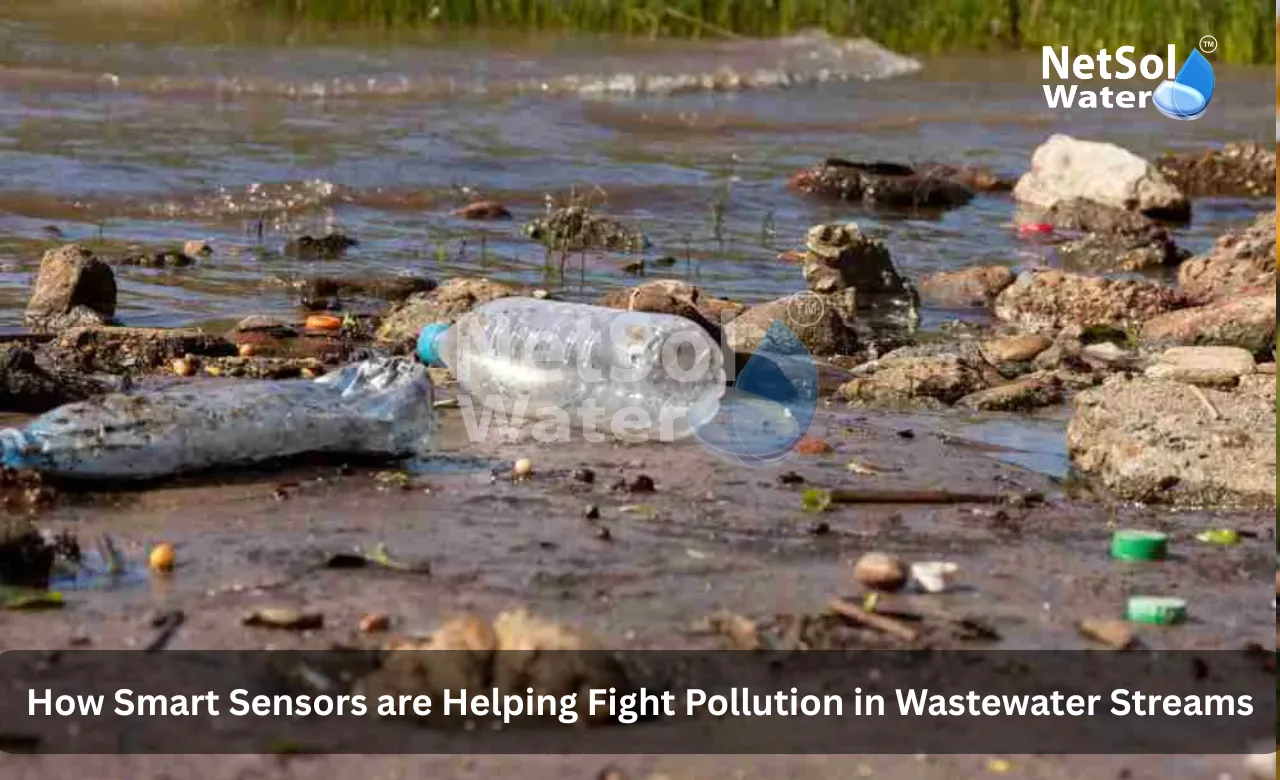
How Smart Sensors are Helping Fight Pollution in Wastewater Streams
India is known for its long rivers, busy cities and strong industrial growth. Rivers like the Ganga have cultural value and also support farming and daily life. At the same time, rising population and fast urban growth place heavy pressure on water bodies. Dirty discharge from homes and factories often enters natural streams, and this creates serious pollution. Because of this problem, the role of a Wastewater Treatment Plant becomes more important than ever. Treatment systems no longer work only with tanks and pipes.
Smart sensors now play a strong role in how pollution is controlled. These sensors check water quality in real time and share data with plant operators. This helps teams act fast when pollution levels rise. It also supports better planning and smoother operations. A modern Wastewater Treatment Plant that uses smart sensors can reduce damage to rivers and protect public health. Netsol Water is the leading name in effluent treatment plant manufacturers and brings smart sensor-based solutions that help industries and cities manage wastewater in a better way. Understanding how these sensors work and why they matter helps decision-makers choose the right plants for long-term water safety.
Real-Time Monitoring and Pollution Control
Real-time monitoring stands at the center of smart sensor use. It helps treatment plants see what happens inside wastewater streams at every moment. This changes how pollution control works and improves overall plant performance.
Importance of Continuous Water Quality Tracking
Water quality changes often during the day. Flow rate, pH level and chemical load shift due to industrial cycles and household use. Traditional testing methods check samples after long gaps. This delay allows polluted water to pass untreated. Smart sensors solve this issue by tracking conditions without stopping. They send live readings to control panels. Operators understand the situation as it happens.
This approach supports a Wastewater Treatment Plant by giving early warnings. When harmful levels rise, teams respond fast. They adjust treatment stages and prevent damage to equipment. Continuous tracking also builds trust with local bodies since records stay clear and accurate. Over time this method improves discharge quality and supports cleaner rivers.
Sensors That Detect Pollutants in Wastewater Streams
Turbidity sensors track solid particles that make water cloudy. Chemical sensors measure oxygen demand and toxic content. Together they give a full picture of wastewater health. Each sensor works inside harsh conditions and sends stable data. This data helps the Wastewater Treatment Plant adjust aeration and filtration steps. As a result, treated water meets discharge rules. Smart detection also reduces manual testing load and human error. With better data, plants run smoother, and pollution drops at the source.
Data-Driven Decisions in Treatment Operations
Smart sensors do more than collect data. They support decisions that improve efficiency and reduce pollution risks. Data-driven operations help plants move from reactive actions to planned control.
Turning Sensor Data into Action
Raw data has little value without proper use. Modern systems connect sensors with software dashboards. These screens show trends, alerts and performance reports. Operators see where problems form and how fast they grow. This helps teams act with confidence.
A Wastewater Treatment Plant that uses data wisely saves time and energy. Operators fine-tune chemical dosing and reduce waste. They also plan maintenance before failures occur. Over time data builds a clear history. This supports audits and future upgrades. Plants become stable and easier to manage.
Improving Compliance and Environmental Safety
Pollution control boards set limits for discharge quality. Missing these limits leads to penalties and public concern. Smart sensors help plants stay within rules by tracking values all day. Alerts inform teams before limits break.
This approach protects nearby water bodies and communities. It also improves the image of industries and cities. Netsol Water is the leading provider and effluent treatment plant manufacturer that designs systems where sensor data links directly with control units. This ensures safe discharge and long-term compliance.
Read some interesting information for the Effluent Treatment Plant Manufacturer in Noida
Conclusion
Clean water supports life, health and growth. Smart sensors change how wastewater gets treated by adding speed, accuracy and control. When used correctly, they help reduce pollution at every stage. A modern wastewater treatment plant gains strength through real-time data and smart decisions. This protects rivers and supports future water needs. Netsol Water is the leading partner and effluent treatment plant manufacturer in delivering such advanced solutions. Connect with the team today to understand how smart sensor-based treatment systems can support cleaner wastewater streams and a safer environment.
Contact Netsol Water at:
Phone: +91-9650608473
Email: enquiry@netsolwater.com