
Effluent Treatment Plant Manufacturer in Varanasi
Effluent Treatment Plant Manufacturer in Varanasi
Varanasi stands as a city of rivers and culture. The River Ganga flows past ancient ghats, and it shapes the lives of many people. This city also faces modern water challenges. Industries and towns need plants to treat wastewater before they return it to the river. This need makes the role of an Effluent Treatment Plant Manufacturer in Varanasi very important. Varanasi sits where tradition meets the demand for cleaner water. Clean water protects health and preserves rituals. It supports business, and it protects the river that defines the city.
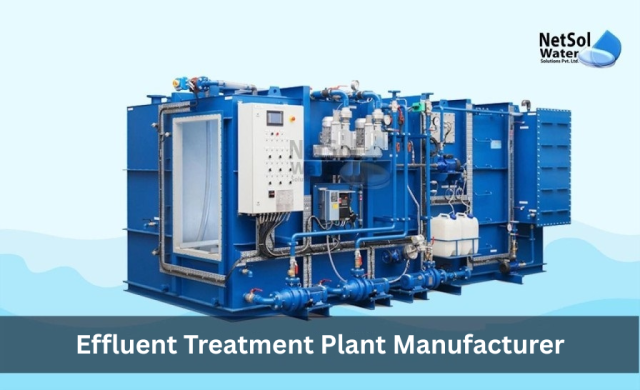
Effluent Treatment Plant Manufacturer
A good manufacturer provides services that cover design, installation, and ongoing support. Each service plays a role in ensuring the plant meets both present needs and future loads. Let us have a look at some core services a manufacturer offers.
- Design and Engineering
Design begins with a clear assessment of the wastewater stream. Experts test the water to determine the load of solids, organics, and chemicals. The design phase sets the process flow, and it selects the right reactors, filters, and clarifiers. Engineers plan for safety, access, and simple operation. They provide drawings, and they run simulations to check performance. A plant that follows sound engineering yields steady treatment, and it reduces the cost of operation. Designing with local climate and space constraints in mind makes the plant more robust.
- Installation and Commissioning
Installation turns plans into a working system. Skilled teams place tanks, pumps, and instruments in the allotted space. They calibrate sensors, and they test motors to ensure smooth startup. Commissioning then runs the plant under control to confirm that it meets the promised removal rates. If any problem appears, technicians correct it on site. Proper installation ensures long-term reliability. Manufacturers who manage this stage well reduce early failures, and they ensure that the plant performs as designed.
- Operation and Maintenance
A plant requires steady operation and timely maintenance. Manufacturers provide training so that operators can follow a daily routine. They also supply spare parts, and they schedule visits for preventive maintenance. Routine tests of pH, turbidity, and dissolved oxygen help operators spot issues early.
Technologies and Treatment Methods
Different industries require different treatment methods. A skilled manufacturer selects the best technology for the waste that the industry generates. Let us have a look at common technologies and when each one fits best.
- Primary Mechanical Treatment
Primary treatment removes large solids and grit. Screens and sedimentation tanks then separate heavy matter from the flow. This step prepares the wastewater for the next stages. When a plant starts with good mechanical removal, it reduces wear on pumps and filters downstream. A clear primary stage lowers the load on biological units, and it improves the overall efficiency of the system.
- Biological Treatment Options
Biological methods break down organic matter with microbes. Aerobic systems use oxygen, and they work well for high organic loads. Anaerobic systems operate without oxygen, and they can recover energy in the form of biogas. Manufacturers choose based on the nature of the effluent, space availability, and expected energy goals. They then size reactors to give microbes time to do their work. Proper control of aeration and sludge handling keeps the system stable and productive.
- Advanced Treatment and Reuse
Advanced treatment adds filtration and disinfection steps. Membrane systems, activated carbon, and UV help remove fine particles and persistent contaminants. These steps allow treated water to be reused for industrial cooling, gardens, or irrigation. Reuse reduces the demand on freshwater sources, and it offers cost savings over time.
Regulations and Compliance
Local rules define the standards for treated effluent. A manufacturer must build plants that meet these standards. Let us have a look at how effluent treatment plant manufacturers ensure compliance.
- Testing and Certification
Manufacturers run lab tests during and after commissioning to show compliance. They measure parameters like biochemical oxygen demand, chemical oxygen demand, and total suspended solids. These results then help operators fine-tune the plant. Certified reports also satisfy regulators and clients. Regular testing keeps the plant within limits, and it prevents penalties.
- Reporting and Record Keeping
Clear records help both clients and officials. Manufacturers provide templates for logbooks, and they train staff to keep daily entries. Records show flow rates, chemical doses, and maintenance actions. This information supports steady operation, and it simplifies audits. Good record keeping reduces the risk of non-compliance, and it provides a clear trail for troubleshooting.
Conclusion
Choosing a trusted Effluent Treatment Plant Manufacturer in Varanasi makes a direct difference to the health of the river and the well-being of the city. A reliable manufacturer designs, installs, and supports plants that meet the needs of specific industries. They also guide clients to reduce costs and improve reuse. Netsol Water already serves clients with focused solutions and trained teams. If you seek a partner to build or upgrade an effluent system in Varanasi, contact Netsol Water for a consultation.
Contact Netsol Water at:
Phone: +91-9650608473
Email: enquiry@netsolwater.com