
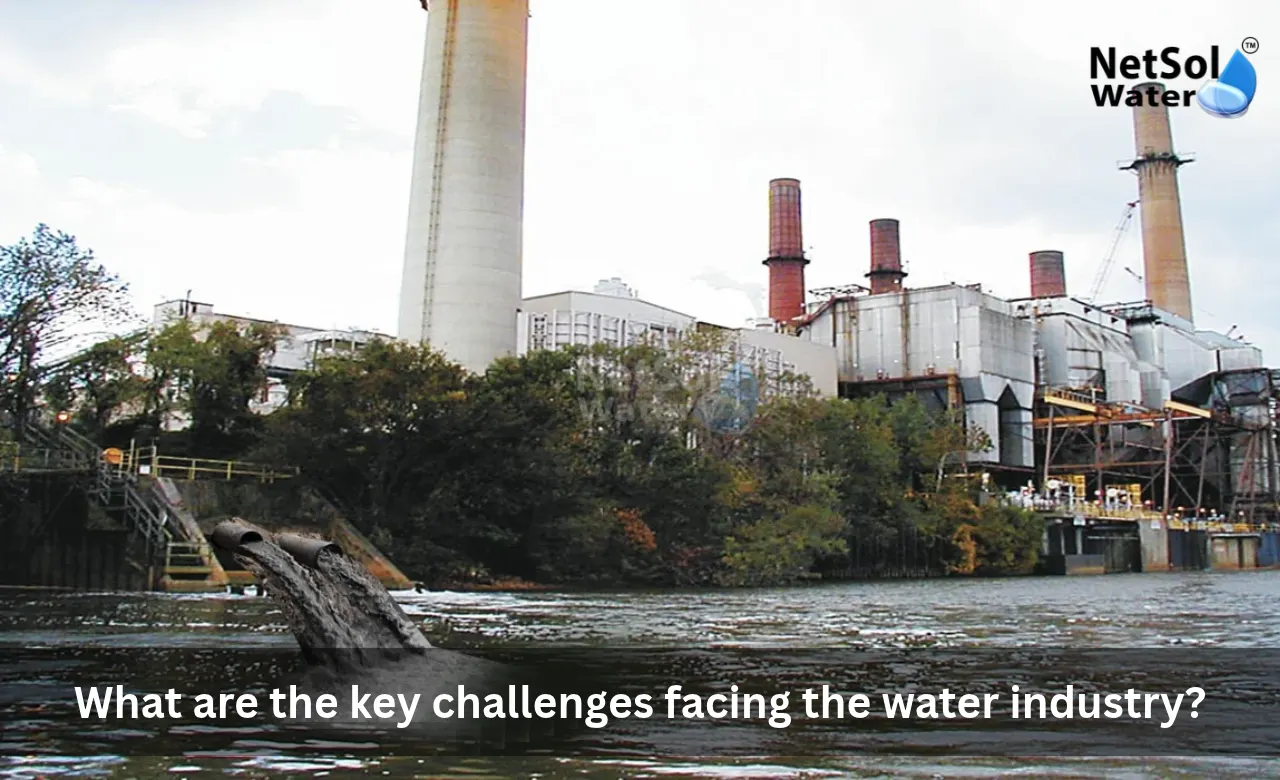
What are the key challenges facing the water industry?
Water is essential for all aspects of life. It is used in every house, industry, hospital, farm, and public establishment on a daily basis. The population of the world is growing, and so are the needs for clean water. Meanwhile, numerous water sources are being stressed due to pollution, climate change, and inadequate water management. The key challenges in the water industry have become a global concern of governments, businesses, and communities due to these issues.
The water industry is a significant contributor to the provision of safe drinking water, wastewater treatment, and the protection of natural water resources. A robust water system is essential to the economic development and public health of every country. But the industry is currently grappling with numerous water quality, water availability, and water infrastructure challenges. The country needs to be better prepared for the challenges with new technology and responsible water management. We are the leading company that provides water and wastewater treatment solutions to meet the challenges with confidence across industries and communities.
Growing Water Demand and Limited Freshwater Resources
Clean water needs to be provided to millions of people every day by the water industry. As urban expansion and industrial development increase, so does the demand for water. This puts strain on the scarce water supplies. People understand this challenge and see that better water management is needed. Let’s take a look at some of the main reasons for this challenge.
1. Rapid Population Growth
As the population grows, the demand for drinking water, sanitation, agriculture, and industrial production grows. Pipelines, treatment plants, and storage systems are needed in every new residential area. Some current water systems were originally built many years ago and are not readily able to accommodate current demand. This results in water scarcity in several areas and stresses water suppliers to enhance their water provision.
2. Industrial and Agricultural Water Use
Water is essential for large quantities of water for manufacturing, cooling, cleaning, and processing. Water is also heavily used in agriculture for irrigation purposes. If industries and farms are not wisely managed, then the natural water sources start diminishing. This impacts neighboring communities and results in water resource competition. Improved water recycling and efficient water treatment can help to minimize unproductive water use and enhance long-term water supply.
Aging Infrastructure and High Maintenance Costs
Water infrastructure is the backbone of any water supply system. Treatment plants, pumping stations, and storage tanks need to operate efficiently on a daily basis. Lots of countries have infrastructure that was constructed decades ago. As these systems become older, maintenance becomes more difficult and expensive. Let’s take a look at some of the significant infrastructure-related challenges.
1. Leakage and Water Loss
Old pipelines are prone to cracking and leaking before reaching consumers, leading to a substantial loss of water. In certain areas, many of the treated water units are subject to leakage due to system failure. Water loss is costly in terms of operating costs and clean water available to the public. These losses can be minimized by routine surveys and proper replacement of the pipelines when they are damaged.
2. Rising Repair and Upgrade Expenses
There is a significant investment needed to repair the aging infrastructure. Water treatment plants also have to be regularly upgraded to ensure the quality of water treatment. Many local authorities have a problem in securing adequate funds for these improvements. The higher the maintenance costs, the greater the financial strain on water utilities. Modern systems will save money in the long term and provide more reliable service.
Water Pollution and Environmental Challenges
The primary roles of the water industry are to protect water quality. There are many countries with rivers, lakes, groundwater, and coastal waters that are polluted. When water quality is poor, there is a risk to health, and the cost of treatment is higher. So, in the present water management, the protection of the environment is an important factor. Exposure to some of the major environmental problems.
1. Industrial and Domestic Wastewater
Chemical oils, heavy metals, and other harmful chemicals are found in wastewater generated by industries. But domestic effluents contain organic wastes, detergents, and pathogens as well. Wastewater pollution to natural water bodies is harmful to the environment and decreases the availability of clean water. The treatment of the wastewater helps maintain health and the environment.
2. Climate Change and Extreme Weather
Climate change has led to changes in precipitation in many regions. Heavy droughts or floods occur at different locations. These shifting weather patterns impact water resource availability and put stress on water treatment plants. Water supply companies must be resilient to the unpredictability of weather events, through improved water storage, infrastructure, and resource management.
Technology Adoption and Regulatory Compliance
Today’s technology has revolutionized many industries, and the water industry is no different. Upgrading to digital monitoring and advanced treatment systems can boost efficiency and reduce costs. But there are also financial and technical hurdles to implementing new technology. Meanwhile, strict environmental regulations call upon water companies to keep the level of their treatments high. Let’s take a look at some of the important aspects.
1. Investment in Advanced Treatment Technology
Old equipment, which is not effective in removing new contaminants, still runs at many treatment plants. Sophisticated treatment systems and intelligence enable cutting-edge filtration and water savings. Installing these plants can be very expensive and complex and often requires professional expertise. These upgrades need to be well thought out and planned to reap long-term benefits.
2. Meeting Environmental Standards
Water quality standards are continually tightening by governments to safeguard public health and the natural environment. Regular water quality checks, treatment efficiency monitoring, and submission of compliance reports are required by water companies. If they are not met, then financial penalties and environmental damage can result. By keeping an eye on employee training and regular maintenance, organizations can ensure that they comply with these regulations.
Read some interesting information for the Industrial RO Plant Manufacturer in Faridabad
Conclusion
The water industry has been experiencing growing pressures on natural resources and on the water industry itself. Water management has become much more complex because of the aging of the infrastructure, pollution, climate change, and the increasingly stringent environmental laws. These challenges can be overcome by focusing on the efficient treatment of water, responsible water resource management, and ongoing technological innovation in each organization.
Netsol Water is the leading company offering water and wastewater treatment solutions to industries aiming to enhance performance, conserve water resources, and adhere to environmental regulations. Give your water management needs a future today by calling Netsol Water for a free quote.
Contact Netsol Water at:
Phone: +91-9650608473
Email: enquiry@netsolwater.com