
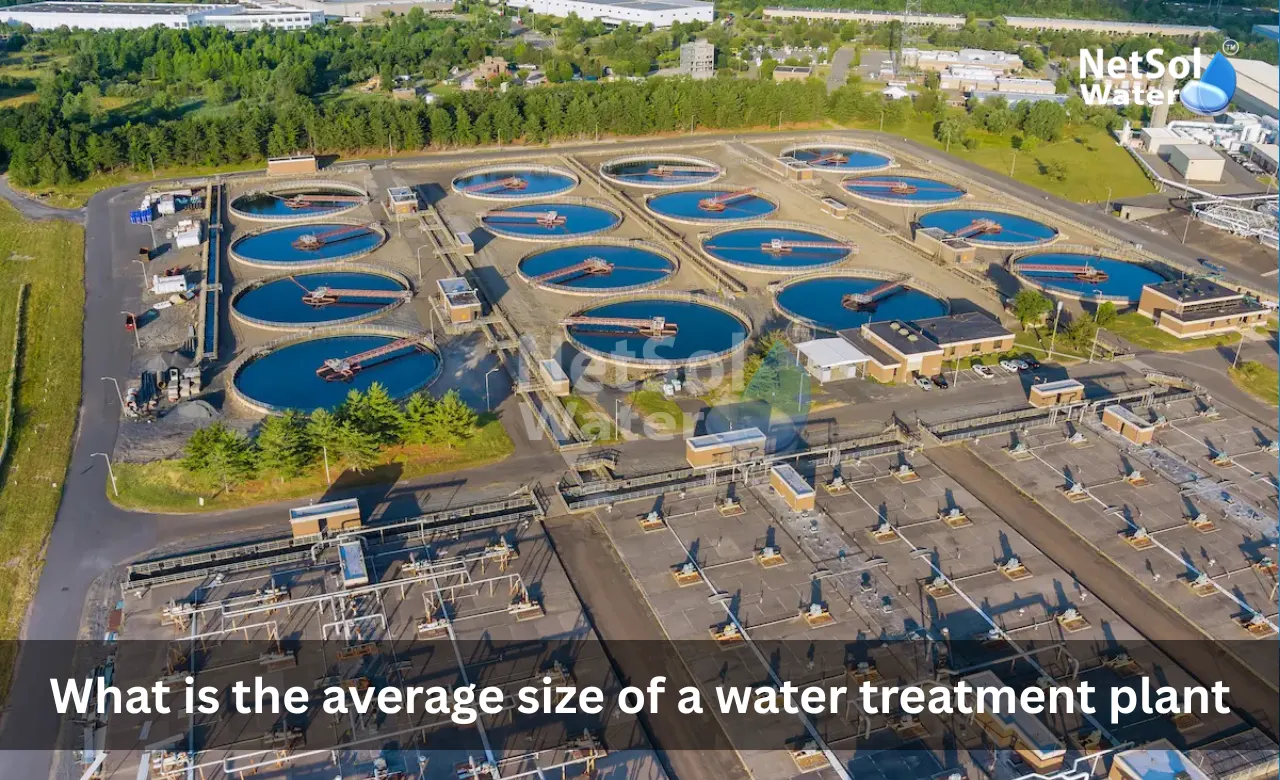
What Is the Average Size of a Water Treatment Plant?
Water treatment plants help clean water before people use it again or before it returns to rivers and lakes. Every city and industry needs a treatment plant that matches its daily water demand. For this reason, many people ask what the average size of a water treatment plant is. The answer depends on the amount of water that needs treatment and the purpose of the plant. A small residential project needs a much smaller system than a large industrial area or a growing city.
India has many industries and fast-growing urban areas that need proper water management. Cities are known for manufacturing, education, healthcare, and business growth. As these places expand, the demand for clean water also increases. This creates a greater need for well-planned treatment plants. A trusted manufacturer helps industries and municipalities choose the right plant size and design. We are the leading wastewater treatment plant manufacturer that offers plants for different treatment needs, with quality engineering and dependable support.
Factors That Decide the Average Size of a Water Treatment Plant
The size of a water treatment plant depends on many practical factors. Every project has different water needs and operating conditions. A proper study of these requirements helps in selecting the correct plant capacity. Let us look at some of the important factors that influence the average size of a water treatment plant.
1. Daily Water Demand
The amount of water used every day is the first factor that decides plant size. A small apartment may need only a few thousand litres each day, while a large city may require millions of litres. Engineers calculate the expected daily demand before preparing the plant design. They also consider future growth, because water use often increases with time. This planning helps the plant continue working well for many years without major changes.
2. Type of Water Being Treated
The quality of incoming water also affects plant size. Domestic wastewater and industrial wastewater have different characteristics. Industrial wastewater often contains oils, chemicals, or heavy solids that need additional treatment units. These extra units increase the overall size of the plant. A treatment system for clean surface water may need fewer stages than one designed for highly polluted wastewater. The treatment process must match the water quality to achieve safe results.
3. Available Space and Future Expansion
Land availability plays an important role in plant planning. Some industries have enough land for a large facility, while others need compact systems because space is limited. Engineers also leave room for future expansion whenever possible. This approach allows the owner to increase plant capacity when water demand grows. Proper planning saves money and prevents the need to build a completely new treatment plant later.
Common Water Treatment Plant Sizes for Different Applications
Different users require different treatment capacities because every sector consumes water at a different rate. Understanding these common plant sizes helps owners select a suitable system for their operations. Let us look at some common treatment plant capacities and where they are generally used.
1. Small Water Treatment Plants
Small treatment plants usually handle between 10 KLD and 100 KLD of water. These plants serve apartment buildings, schools, hotels, hospitals, and small industries. They occupy less space and have lower operating costs. Even though these plants are smaller, they still provide effective treatment when designed correctly. Proper maintenance keeps them working efficiently throughout their service life.
2. Medium-Capacity Treatment Plants
Medium-sized plants normally process between 100 KLD and 1000 KLD of wastewater every day. These systems are common in industrial units, commercial complexes, and residential townships. They include several treatment stages that improve water quality before discharge or reuse. Medium plants offer a good balance between treatment capacity and operational cost. Many growing businesses choose this size because it supports future expansion without requiring immediate upgrades.
3. Large Water Treatment Plants
Large treatment plants process more than 1000 KLD each day. Municipal corporations, large manufacturing industries, and industrial parks often use these facilities. They include advanced equipment and automated control systems that manage high water volumes. These plants require detailed planning, experienced engineers, and regular monitoring to maintain stable performance. Although they occupy more land, they provide long-term solutions for large communities and industrial operations.
Why Choosing the Right Plant Size Matters
Selecting the correct treatment plant size is one of the most important decisions during project planning. A properly sized system delivers better performance and lowers future expenses. Let us look at some reasons why correct sizing makes a significant difference.
1. Better Performance and Stable Operation
A treatment plant performs well when its capacity matches the actual water flow. If the plant is too small, it may become overloaded and fail to treat water properly. If it is too large, the equipment may not operate efficiently because it handles less water than expected. Correct sizing keeps every treatment stage working under suitable conditions. This improves water quality and supports smooth daily operation.
2. Lower Operating Costs
A well-sized treatment plant helps save energy and maintenance costs. Pumps, blowers, and treatment units work more efficiently when they operate within their designed limits. Owners spend less on repairs because the equipment experiences less stress. Proper planning also prevents unnecessary investment in oversized systems that increase installation and operating expenses.
3. Easier Future Planning
Water demand often changes because businesses expand and cities continue to grow. Engineers consider future requirements while selecting plant size. They design systems that allow additional units to be added when required. This approach saves time and money because owners can increase treatment capacity without replacing the entire facility. Good planning supports long-term development and ensures continuous treatment performance.
Selecting a Trusted Wastewater Treatment Plant Manufacturer
Choosing the right manufacturer is as important as selecting the correct plant size. An experienced company understands customer requirements and provides suitable treatment solutions. Let us look at some qualities that help identify a dependable manufacturer.
1. Engineering Experience and Custom Design
Every treatment project has different requirements. An experienced manufacturer studies water quality, daily flow, and site conditions before preparing the plant design. Custom solutions improve treatment efficiency because they match the actual operating conditions. Professional engineering also helps avoid unnecessary costs and technical problems during installation.
2. Quality Equipment and Technical Support
Reliable treatment plants use quality components that perform well over long periods. Good manufacturers provide proper installation guidance, operator training, and maintenance support after commissioning. This assistance helps owners keep the plant working smoothly. Regular technical support also resolves operational issues quickly and improves system performance.
3. Why Netsol Water Stands Out
Netsol Water is the leading wastewater treatment plant manufacturer, with experience in designing plants for residential, commercial, industrial, and municipal projects. The company offers treatment plants in different capacities according to customer requirements. Its engineering team focuses on practical solutions that provide dependable performance and simple operation. Customers also receive technical guidance from planning through installation and maintenance, which makes every project easier to manage.
Read some interesting information for the Effluent Treatment Plant Manufacturer in Noida
Conclusion
The average size of a water treatment plant depends on daily water demand, available space, water quality, and future expansion plans. Small plants meet the needs of individual buildings, while medium and large systems support industries and municipalities with higher treatment requirements. Careful planning helps achieve efficient operation, lower costs, and dependable performance for many years.
If you are planning a new treatment facility or upgrading an existing one, choose an experienced wastewater treatment plant manufacturer that understands your project requirements. Netsol Water is the leading wastewater treatment plant manufacturer and provides dependable treatment solutions designed for different capacities and applications. Contact the team today to discuss your project and request a consultation for the right water treatment solution.
Contact Netsol Water at: Phone: +91-9650608473 Email: enquiry@netsolwater.com