
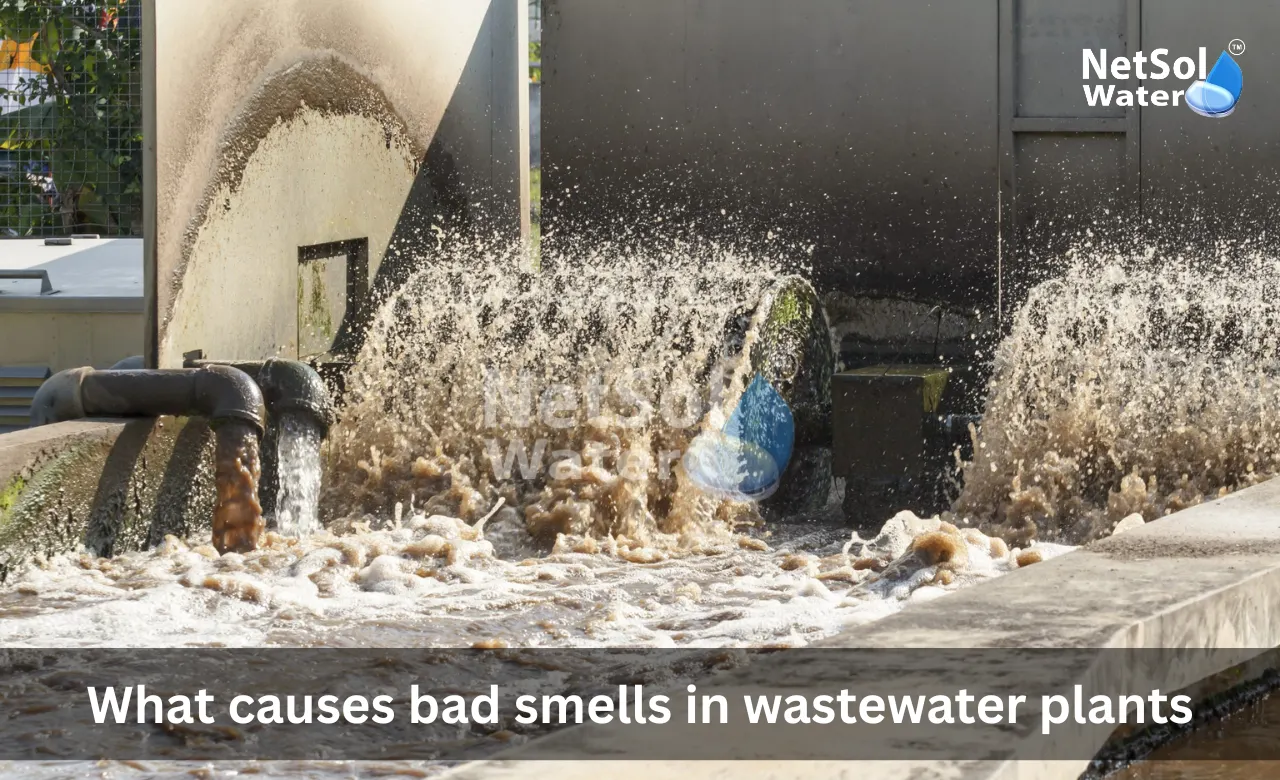
What Causes Bad Smells in Wastewater Plants?
Wastewater plants play a very important role in keeping cities and industries clean. They collect used water and treat it before it goes back to the environment. This work protects public health and helps the area stay livable.
When a plant starts to give off bad smells, then people notice it quickly. That smell often means something in the treatment process needs attention. It may come from waste buildup, poor oxygen supply, sludge handling, or faulty equipment. In many places, the problem grows when the plant runs under heavy load or when maintenance gets delayed.
We are the leading wastewater treatment plant manufacturer and understand how strong plant design and proper operation can reduce odour problems.
Organic Waste
This issue deserves close attention because most odour problems begin when organic waste stays too long in the system. Wastewater carries food particles, grease, human waste, and other organic matter. When these materials do not move through the plant in the right way, then they start to break down and release foul gases. Let us have a look at some common reasons behind this problem.
1. Oxygen Shortage in Tanks
When wastewater does not get enough oxygen, then anaerobic bacteria take over. These bacteria break down waste in a way that creates a strong rotten smell. This often happens in tanks where mixing is weak or where aeration does not work well. The water may look calm from the outside but inside the tank, waste can sit and decay. A wastewater treatment plant manufacturer must plan for enough aeration and good flow because oxygen keeps the process cleaner and more stable.
2. Waste Buildup in the System
Waste that stays in channels, screens, or basins for too long begins to smell fast. Grease, hair, solids, and organic sludge collect and then decompose. The smell grows stronger when operators do not remove the waste on time. Even a small delay can create a serious odour issue in warm weather. A clean and steady flow through the plant helps prevent this. Good design and regular cleaning make a major difference in odour control.
Sludge and Solids
Sludge handling plays a big role in plant hygiene. Many people focus only on the water treatment side but sludge can become the main source of bad smell if teams do not manage it well. Sludge contains concentrated organic matter and it can release gases very quickly when it stays wet and warm for too long. Let us have a look at some common situations where sludge causes trouble.
1. Old Sludge in Holding Areas
When sludge remains in holding tanks or storage beds for too long, then it starts to rot. This decay creates a strong odour that can spread across the plant and nearby areas. The smell becomes worse when the sludge sits without enough aeration or removal. In some plants, the holding area does not have proper cover and that allows the odour to travel easily. A wastewater treatment plant manufacturer should design sludge zones so operators can remove and treat sludge without delay.
2. Poor Sludge Removal
A sludge system needs regular attention. If pumps clog or valves fail, then solids remain trapped and begin to break down. This creates bad smell and can also affect the full treatment line. Operators must inspect the system often and clear deposits before they grow into a bigger problem. Good sludge removal does not only improve odour. It also keeps the plant more efficient and reduces the risk of blockages in other units.
Plant Equipment
Bad smells do not always come from waste alone. Sometimes, equipment problems make the smell worse by letting gases escape or by slowing down the treatment process. That is why plant machinery needs careful design and regular service. When equipment works well, then the plant can move wastewater faster and keep odour under control. Let us have a look at some important equipment-related causes.
1. Low Aeration and Blocked Parts
Aeration systems help oxygen reach the water. When blowers fail, diffusers clog, or air supply drops, then the biological process becomes weak. Waste starts to decay in a dirty way and smell increases. Blocked pipes can also slow water movement and create dead zones where waste sits still. These still areas become odour points very quickly. Regular inspection of air lines, pumps, and diffusers can prevent this problem. A skilled wastewater treatment plant manufacturer always keeps service access in mind during design.
2. Leaks and Poor Sealing
Bad seals, lids, and covers allow odour to spread into open air. Even if the treatment process works well, a small leak can make the plant smell much worse. This becomes a bigger issue in enclosed areas or near buildings. Leaks may also let untreated gas escape from tanks and channels. Operators should check joints, covers, and vents often. A tight and well-maintained system helps hold the smell inside the treatment zone where it can be controlled.
Chemical Gases and Weak Housekeeping
Some smells come from natural gas release during treatment. Others appear because of poor housekeeping or weak operational habits. These problems often build up slowly. At first, the smell may seem small but it grows when workers ignore warning signs. Good plant care can stop many of these issues before they spread. Let us have a look at some of the main sources here.
1. Sulfur Gases from Waste Breakdown
One of the strongest bad smells in wastewater plants comes from hydrogen sulfide. This gas forms when waste breaks down without enough oxygen. It smells like rotten eggs and it can spread fast through the site. High sulfur gas levels often point to stagnant water, poor aeration, or sludge buildup. The gas is not only unpleasant. It can also affect worker comfort and safety. That is why plant teams must watch for it and keep the process balanced.
2. Cleaning and Maintenance Habits
Simple housekeeping makes a huge difference in odour control. Dirty floors, waste spills, clogged drains, and leftover solids all add to the smell. When teams clean regularly, then they remove material before it starts to rot. Maintenance also matters because broken parts often lead to poor flow and stronger odour. A clean plant runs better and feels safer too. This is one reason many clients trust Netsol Water as a wastewater treatment plant manufacturer that focuses on practical, long-term plant performance.
Read some interesting information for the Industrial RO Plant Manufacturer in Noida
Conclusion
Bad smells in wastewater plants usually come from waste buildup, low oxygen, sludge problems, equipment faults, and weak maintenance. These issues may begin in one small area but they can spread through the full site if no one acts quickly. A plant that runs with good design, regular cleaning, and proper monitoring can stay much easier to manage. Odour control is not only about comfort. It also supports safe operation and better treatment results. If you are looking for guidance on plant design, odour reduction, or system improvement, then connect with a trusted wastewater treatment plant manufacturer. Netsol Water can help you build a cleaner, more efficient, and better-controlled treatment system.
Contact Netsol Water at:
Phone: +91-9650608473
Email: enquiry@netsolwater.com