
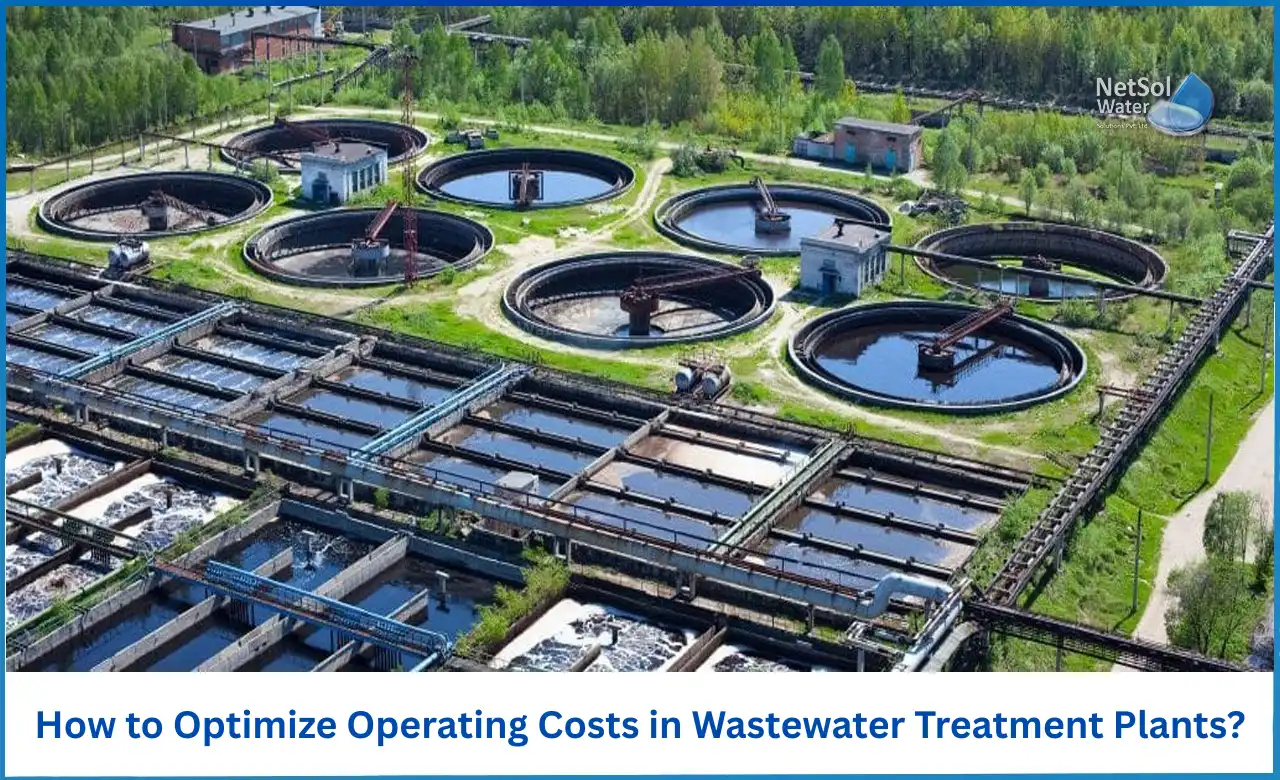
How to Optimize Operating Costs in Wastewater Treatment Plants?
A Wastewater Treatment Plant must work well to protect the public and the local environment. This plant handles water from homes, factories and streets and it keeps rivers and groundwater safe for people and wildlife. We will explain steps to reduce operating costs while keeping performance high. Netsol Water is the leading partner of Wastewater Treatment Plants.
Energy Efficiency and Process Optimization
Energy often makes up the largest share of operating cost at a Wastewater Treatment Plant. Good energy practice lowers the bill and increases the life of plant. Let us have a look on some measures that can reduce energy use and improve process stability.
Variable speed drives and equipment scheduling
Motors, pumps and blowers run for many hours each day. Fitting variable speed drives lets a plant match power use to the real flow and load. This reduces power use and it lowers wear on motors. Smart scheduling moves non urgent tasks to low tariff hours. For example sludge thickening and chemical mixing can run at night when power costs drop. Combining speed control with a clear duty roster for pumps prevents over use of standby equipment. Regular tuning of pump curves and pipe work keeps friction losses low and it keeps energy use predictable. Investing in higher efficiency motors and replacing worn bearings also reduces long term energy use.
Aeration control and process monitoring
Aeration is the biggest energy user in many biological systems. Tight control of dissolved oxygen and targeted aeration reduce energy use. Modern control systems use sensors and model based logic to add air only when needed. For plants that face variable load like hotels or markets this approach avoids constant high blow rates. Process monitoring can also spot clogged diffusers and fouled membranes early. Cleaning and small repairs then prevent long spells of high energy use. Adding simple online meters for oxygen, ammonia and flow gives operators the data they need to act fast. These changes lower power use and they often pay back within a short period.
Chemical and Consumable Management
Better chemical use saves money and it reduces handling and storage risks. Let us have a look on some practical approaches to lower chemical cost while keeping performance high.
Chemical dosing optimisation and alternative reagents
Many plants dose coagulants, flocculants and pH chemicals in fixed amounts. Changing to demand based dosing uses real time measures of water quality to add only what the process needs. Inline sensors for turbidity and pH can feed simple controllers that adjust dose rates. Testing alternative reagents may also cut cost. For instance polymers with different charge density can work at lower doses for the same effect. Buying in bulk and keeping a clear stock rotation also reduces waste from expired products. On site mixing stations that use precise pumps reduce spillage and overuse. Training staff to check dosing lines and calibration improves chemical efficiency each day.
Sludge handling and resource recovery
Sludge management can become a cost center but it also offers value if handled well. Thickening, dewatering and composting reduce the volume that a plant must transport and treat. Recovering biogas from anaerobic digestion supplies a fuel that offsets gas or electricity bills. Selling dried sludge as soil conditioner or using it in land reclamation can bring in revenue. Simple changes like better polymer dosing to improve dewatering and routine checks of centrifuge wear reduce power and chemical use. Planning the sludge chain from thickening to disposal cuts truck trips and lowers fuel cost. These measures shrink the overall expense of running the plant while opening new income streams.
Maintenance Strategy and Skilled Operations
A structured maintenance plan and strong operator skills keep the plant working at low cost. Poor maintenance leads to breakdowns high energy use and repeated repairs. Let us have a look on some key steps to make maintenance predictable and to build operator capacity.
Predictive maintenance and condition monitoring
Moving from time based maintenance to condition based checks reduces spare parts use and cuts downtime. Vibration analysis thermography and oil tests find bearing wear and motor stress before a failure occurs. Simple sensors on pumps blowers and mixers report operating hours and loads so that teams can plan repairs during low demand periods. A history of fault modes helps to spot components that fail early. Stocking critical spares and using standard parts speeds repairs and it keeps downtime low. Digital logs and mobile checklists let maintenance team record work and track recurring faults. These steps lower emergency repairs and they protect plant output.
Training operators and automation integration
Operators who know the process make better daily decisions. Regular training helps staff to interpret alarms to tune control loops and to do routine checks that prevent issues. Pairing trained staff with focused automation reduces the manual workload and it improves consistency. Automation should not replace operator judgment. Instead it should supply clear prompts and diagnostics so that staff can act on the right information. Simple visual dashboards that show key trends in one view reduce mistakes and speed response. Investing in people and in tools for them to succeed keeps the plant efficient and it lowers the total cost over time.
Read some interesting information for the Effluent Treatment Plant Manufacturer in Gurgaon
Conclusion
A strong approach to energy efficiency, chemical management and maintenance brings measurable savings to a Wastewater Treatment Plants. Netsol Water is the leading partner for organizations that want practical cost reduction without trade offs on treatment quality. If you need help to assess your plant or to design a cost saving plan contact us now for a consultation and more information.
Contact Netsol Water at:
Phone: +91-9650608473
Email: enquiry@netsolwater.com