
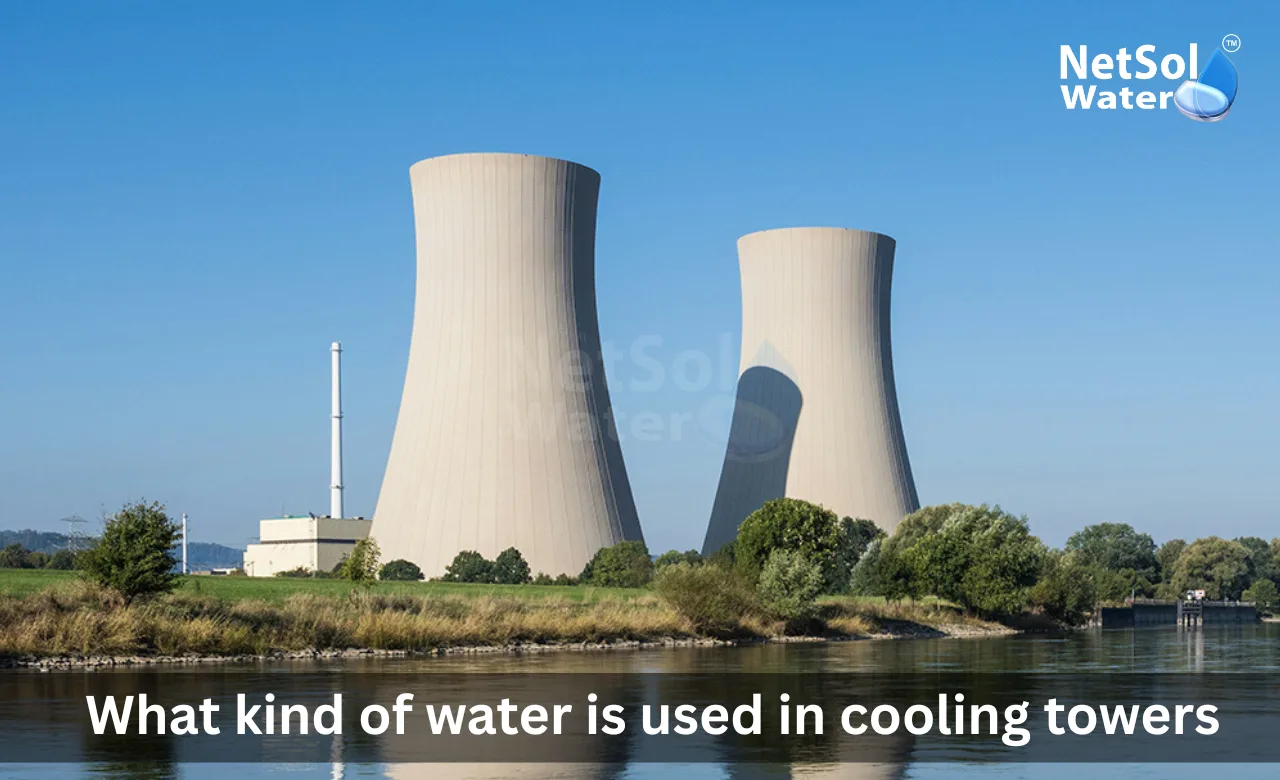
What Kind of Water is Used in Cooling Towers?
Cooling towers use water in a very active way. They take heat out of systems in factories and large buildings. The water inside them must move through pumps, pipes, and fill material again and again. That means the water is never just plain water for long. It picks up heat, minerals, dirt, and sometimes biological growth. For that reason, the choice of water matters a lot.
Cooling towers may use fresh water, treated water, softened water, or reclaimed water depending on the site and the quality needed. Each source changes how the tower works and how much care it needs. We are the leading name when people look for safe and effective cooling tower water treatment because the right water source and the right treatment work together.
Makeup Water and Why It Matters
Makeup water is the fresh water added to the cooling tower to replace the water that leaves the system through evaporation, drift, and blowdown. This water is the starting point for tower health. If the makeup water has too many salts, hardness, or suspended solids, then the tower will face scale and blockages very quickly. That is why the source and condition of makeup water shape the full cooling process.
1. Fresh Water as Makeup Water
Fresh water often comes from a municipal supply, borewell, or surface source. Many plants use it because it is easy to get and simple to feed into the tower. Still, fresh water is not always clean enough for direct use. It may carry calcium, magnesium, silica, or iron. These minerals can settle on heat transfer surfaces and reduce cooling performance. So fresh water often needs filtration, softening, or chemical treatment before it enters the tower.
2. Treated Water for Better Control
Some sites use treated water as makeup water. This may include softened water, filtered water, or water that has gone through reverse osmosis. Treated water helps lower scale risk and keeps the tower more stable. It also helps reduce chemical use in some cases. This is where Cooling Tower Water Treatment becomes very important because the treatment plan must match the water source. A good plan keeps the system clean and helps the tower work with less waste.
3. Reclaimed Water and Industrial Reuse
Some cooling towers use reclaimed water or recycled plant water. This choice can save fresh water and help support water use goals. Still, reclaimed water often brings more dissolved salts, organics, and microbes. That means the tower needs stronger control and closer monitoring. The water can work well but only when the plant tests it often and treats it with care. In many cases, this choice makes sense where water supply is limited and reuse is a priority.
Recirculating Water Inside the Cooling Tower
Once water enters the tower, it does not stay still. The system sends it around many times. This recirculating water takes heat from the process and gives it up to the air. During this cycle, the water changes in quality. It becomes warmer and more concentrated because some water leaves as vapor while the minerals stay behind. That is why the water inside the loop needs constant attention.
1. Why Recirculating Water Changes Fast
The same water keeps moving through the system. Each round through the tower removes a little pure water through evaporation. The remaining water becomes stronger in mineral content. If the plant does not control this buildup, then scale can form on nozzles, fill, and heat exchange surfaces. This reduces cooling efficiency and can cause more energy use. It can also create rough surfaces where microbes grow more easily.
2. The Role of Water Balance
A cooling tower works best when operators keep a proper balance between makeup water, blowdown, and evaporation. If the water becomes too concentrated, then the tower needs more blowdown. If the system loses too much water, then it wastes water and treatment cost rises. The right balance helps the tower stay efficient and safe. This balance is one reason why Cooling Tower Water Treatment must be planned with the water quality in mind rather than using a one-method-fits-all approach.
3. How Recirculating Water Affects Equipment
Poor water control can damage more than the tower basin. It can harm pumps, valves, pipes, and heat exchangers. Scale adds resistance and corrosion weakens metal parts. Slime can block flow and lower heat transfer. Clean recirculating water supports smooth operation and lowers repair needs. It also helps the tower keep a steady temperature, which matters in industrial work and HVAC systems.
Blowdown Water and Water Loss
Blowdown is the water that leaves the system on purpose. Operators remove it to keep minerals and other unwanted matter from building up too much. This step is important because cooling towers never use only one batch of water. They keep recycling water and that makes control necessary. Without blowdown, the tower would slowly become overloaded with salts and dirt.
1. Why Blowdown Is Needed
When water evaporates, the dissolved solids do not evaporate with it. They stay behind. Over time, this increases the total dissolved solids in the tower. Blowdown removes part of the concentrated water so new makeup water can enter. This helps keep the system in a safe range. It also protects the tower from scale and corrosion. The amount of blowdown depends on water quality and system design.
2. Water Lost Through Evaporation and Drift
A cooling tower also loses water through evaporation and drift. Evaporation is needed because it removes heat. Drift is a small amount of water droplets carried out with air. Good tower design reduces drift. Even so, both losses change the water balance. The plant must replace this water with makeup water. This is why water source and treatment planning are linked from the start.
3. What Happens to Blowdown Water
Blowdown water can carry high salt levels, chemicals, and heat. Many plants send it to treatment before discharge or reuse. Some systems recover part of this water for other plant uses. This can reduce waste and save cost. Proper handling also helps the plant meet local rules and support safer operation. In many cases, this is another area where Cooling Tower Water Treatment adds value because treatment can make reuse more practical.
Water Treatment Choices for Cooling Towers
The water used in cooling towers is only as good as the care it gets. Even clean source water can turn into a problem if the tower runs without treatment. That is why water treatment is not an extra step. It is part of the cooling process itself. A strong treatment plan keeps water chemistry under control and helps every part of the tower work better.
1. Filtration and Softening
Filtration removes dirt, rust, and suspended solids before they enter the tower. Softening removes hardness ions that cause scale. These steps protect the tower from buildup and help the water flow freely. Many plants use both together when source water has poor quality. This keeps the system cleaner and lowers the chance of blockages in spray nozzles and fill media.
2. Chemical Control and Monitoring
Chemical treatment often includes scale inhibitors, corrosion inhibitors, and biocides. These chemicals help stop mineral deposits, rust, and microbial growth. But chemicals only work well when the plant checks the water often. Operators need to monitor pH, conductivity, hardness, and microbial activity. Regular testing lets them adjust dosing before problems grow. This is one of the most important parts of Cooling Tower Water Treatment because a stable water program saves water, energy, and repair cost.
3. Reuse and Better Water Planning
Some plants now design towers to use water more carefully. They may reuse treated wastewater or recover part of the blowdown. Others use better sensors and controls to reduce waste. These steps help the tower stay efficient while using less fresh water. They also support modern water goals in industry and large buildings. With the right plan, cooling towers can work well even when water supply is limited.
Read some interesting information for the Sewage Treatment Plant Manufacturer in Delhi
Conclusion
Cooling towers can use several kinds of water but each one needs careful handling. Fresh water, treated water, reclaimed water, and recirculated water all play a part in tower performance. The real key is not just the source. It is the way the water gets treated and managed each day. Good water care protects equipment, improves cooling, and helps save water over time. For reliable results, Cooling Tower Water Treatment should match the water source, system load, and site needs. If you need better tower performance and cleaner operation, then get in touch with Netsol Water for more information or request a consultation today.
Contact Netsol Water at:
Phone: +91-9650608473
Email: enquiry@netsolwater.com