
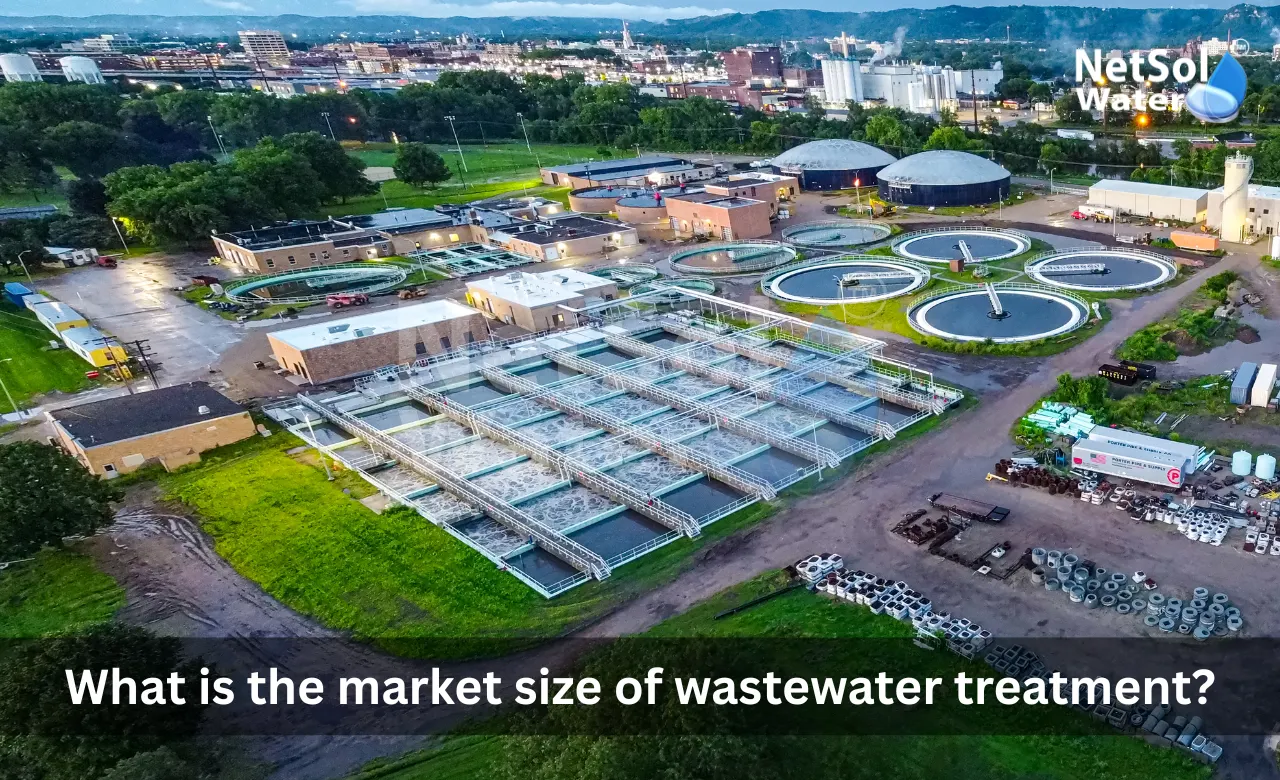
What is the market size of wastewater treatment?
Wastewater treatment matters for cities and industry around the world. People need safe water, and governments need systems that keep rivers and lakes clean. India faces fast urban growth and growing industrial activity. This growth raises demand for new plants and better services. We are the leading company that makes wastewater treatment plants. The global water and wastewater treatment market is expected to reach USD 400.32 billion in 2026, and it may more than double by 2034 to about USD 713.96 billion. This reflects higher urbanization, stricter rules on discharge, and a push for reuse of water.
Global market size and growth drivers
Understanding the global market helps planners, investors, and communities. It shows where money flows and which technologies attract work. The market growth guides policy and shapes demand for design, construction, and service jobs. Let us have a look at some key numbers and what pushes the market ahead.
1. Global valuations and the forecast
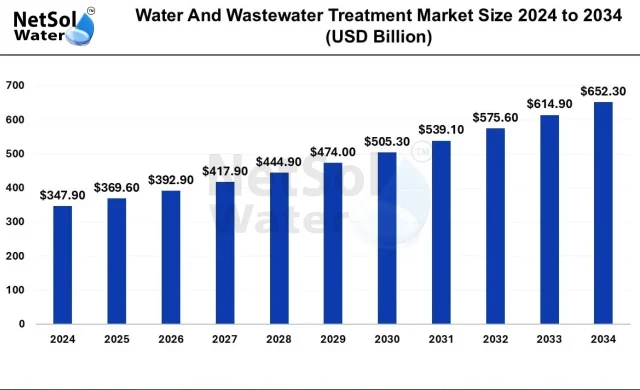
The combined water and wastewater market moved from around USD 372.39 billion in 2025 to roughly USD 400.32 billion in 2026. Analysts expect the market to expand to about USD 713.96 billion by 2034 at a CAGR near 7.5 percent. These figures show steady demand for systems that treat city sewage and industrial effluent. Much of the rise comes from rules that force cleaner discharge and from shortages of fresh water that make reuse essential.
2. Key growth drivers
Cities build new collection networks and upgrade old plants. Industries adopt closed-loop methods to cut wastewater release. Governments fund public projects, and they give incentives for public-private partnerships. Technology also helps. Better membranes, sensors, and automation make plants more efficient and cheaper to run. These forces push spending on equipment, services, and advanced treatment. The result is more contracts for companies that design and operate plants.
Market segments and where value sits
Breaking the market into segments shows who pays for what. It helps companies choose focus areas and guides buyers when they pick plants or services. Let us have a look at some main segments and the values tied to each one.
1. Plant sales services and technology shares
The wastewater treatment plant market itself rose from about USD 141.65 billion in 2025 to an estimated USD 149.00 billion in 2026. Services such as design, installation, and operation make up a large share of total value. One analysis shows services accounted for roughly two-thirds of market value in recent years. Technology sales also form an important slice, with advanced filtration, disinfection, and membrane systems leading the demand for tertiary treatment and reuse.
2. Which applications drive higher spending?
Municipal systems remain the largest single application because cities fund major projects for public health. Industrial applications grow faster as sectors like food and beverage, pharmaceuticals, and power plant operations push for zero liquid discharge. When industries need to meet strict rules, they invest in large-scale onsite plants and in specialized chemical and membrane solutions. These projects offer steady revenue for firms that specialize in industrial wastewater systems.
Regional market breakdown
Regional views show where growth is fastest and where big contracts appear. They also reveal where policy and finance make plants viable. Let us have a look at major regions and the numbers they contribute.
1. North America, Europe and Asia Pacific
North America has long held a big share driven by high public spending and strong regulation. Analysts expect the U.S. market to remain large with heavy investment in upgrades. Europe keeps steady growth because of strict EU rules on urban wastewater. Asia Pacific shows the fastest rise. China leads the region with large planned projects, while India expands quickly as it urbanizes and builds new treatment capacity. One report projects China at nearly USD 99.8 billion in 2026 and India at about USD 23.3 billion in 2026. These regional shifts shape demand for construction, pumps, membranes, and ongoing services.
2. Opportunities in developing markets
Developing countries need both new plants and service contracts to run them. They often rely on international firms or local partnerships to finish large projects. Funding can come from public budgets, from private investment, and from international loans. These channels open space for companies that bring reliable technology and show a record of long-term operation.
Read some interesting information for the Sewage Treatment Plant Manufacturer in Delhi
Conclusion
A healthy market for water systems matters for clean rivers, safe cities, and steady industry. The scale of spending shows that nations will keep building and upgrading plants for years. This creates work for manufacturers and service providers. If you seek guidance on selecting or sizing a wastewater treatment plant, contact Netsol Water for an expert chat or request a consultation.
Contact Netsol Water at:
Phone: +91-9650608473
Email: enquiry@netsolwater.com