
What is the largest wastewater treatment plant?
We will explain the largest wastewater treatment plant in India and Asia. The plant is in Okhla, New Delhi, and it carries a large responsibility in cleaning the Yamuna River and in serving many city areas. The plant treats huge volumes of sewage every day, and it replaces older, smaller plants that used to work at the same site. This project changes the way treated water is returned to the river and how sludge is handled for use as manure by farmers. For planners and for city residents, the plant shows how a single large facility can shape river health and urban sanitation. We are the leading name in water solutions, and they share this common goal of clean water in cities.
Okhla Wastewater Treatment Plant
The Okhla complex takes a central role in Delhi’s efforts to reduce pollution in the Yamuna. This plant replaces four earlier units at Okhla, and it treats a total of five hundred sixty-four million liters per day. This volume equals about one hundred twenty-four million gallons per day. The new plant spreads over forty acres, and it serves large parts of south, central, and old Delhi. The project cost stands at 1161 crore rupees, and the funding comes largely from central schemes with technical and financial support from international partners. This project fits inside the Yamuna Action Plan, and it aims to reduce the daily load of untreated sewage that reaches the river. By treating such a large flow, the plant will change how the Yamuna receives water from city drains and canals.
Let us have a look at some key facts about the Okhla plant and what those facts mean for the city and the river.
First consider the scale and the people who will get better sanitation. The plant benefits nearly forty lakh residents across many neighborhoods that previously sent raw sewage to the river. This change will reduce health risks and improve the local living environment. Next consider the cost and the partners who made the project possible. The financial plan and the construction schedule show the central role of government policy in making large infrastructure work in a dense city. Finally, consider how this plant acts as a single large hub that replaces many small units, and so it simplifies operation and monitoring. This design reduces the risk of untreated discharge from old failing units.
Technology and how the plant works
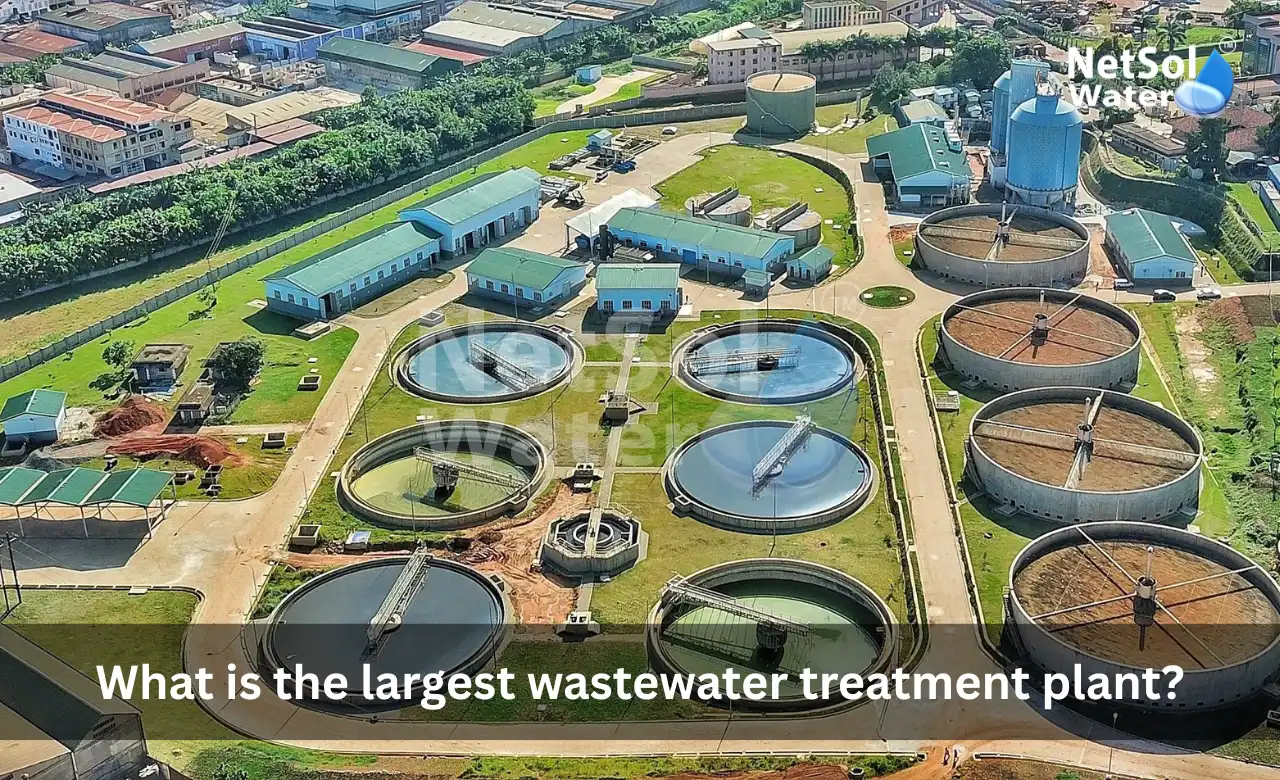
The plant uses biological reactors that break down organic load and that remove nutrients such as nitrogen and phosphorus. The design follows modern process steps that start with coarse screening and primary settling and then move to biological treatment and to final disinfection. The disinfection stage uses ultraviolet light to inactivate pathogens so the final water meets strict standards before it leaves the plant. These choices aim to lower biological oxygen demand and total suspended solids to very low numbers so the water load on the Yamuna falls. The plant also includes sludge treatment steps that sanitize the biosolids and reduce their volume before they leave the plant.
Let us have a look at some specific equipment and why the operators choose this path.
The biological reactors provide a controlled space where microbes break down waste. The process needs careful aeration and monitoring of oxygen levels, and these tasks keep the treatment stable every day. After biological treatment, the UV disinfection gives a chemical-free means to kill bacteria and viruses. The UV step helps when authorities want a clear record of disinfection without adding secondary chemicals. The sludge lines include digesters that make biogas from organic matter. That gas then becomes a feedstock for power generation inside the plant. The mix of steps lets the plant produce high-quality treated water, and at the same time, it lowers the volume of waste that needs final disposal.
Energy use and sludge handling
The sludge digestion stage produces biogas. The plant uses this biogas to run generators and to make heat. The design aims to cover a large share of the plant’s energy needss from this green power. The facility includes provision to produce about five megawatts of electricity from biogas. This step cuts the plant energy bill, and it reduces greenhouse gas from open sludge handling. The plant also produces sanitized A-class sludge that farmers can use as manure after testing and certification. This reuse closes a loop and gives farmers a safe organic input for soil. The combined outcome lets the plant reduce treatment cost and offer a reuse route for treated biosolids.
Environmental and social impact on the Yamuna and on the city
The plant will cut the amount of untreated sewage that enters the Yamuna from a large urban area. By lowering the raw load, the river can recover parts of its oxygen balance, and the visible froth and pollution in many stretches will fall. The treated water can also boost the environmental flow of the river where flows drop in dry months. Authorities have planned pipelines that will send treated water downstream of the Okhla barrage to help maintain this flow. The combination of high-quality treated water and reduced pollution can help habitats that depend on the river and can improve public health for residents along the riverbank.
Let us have a look at how local communities and farmers will feel these changes.
The plant serves neighborhoods that once faced raw sewage and foul smells. Better treatment reduces those impacts, and it makes public spaces more usable. For farmers, the A-class sludge offers a new organic input that can improve soil health. The reuse plan also keeps sludge out of open dumps. For municipal managers, the single large plant gives easier monitoring and maintenance, and this will make regulatory compliance simpler. The net effect links urban sanitation with river care and with safer reuse of treatment by-products.
What comes next and lessons for other cities
The Okhla example shows how replacing many old small units with a single well-run large plant can improve efficiency and reduce leaks. The plant also shows the value of combining treatment and energy recovery so the facility covers part of its power needs. Cities that face pollution in rivers can study this model to plan their own actions. The Okhla project also shows the need for careful operation and for trained staff because large plants need steady attention to maintain performance. Funding partnerships helps too because the scale demands solid project finance and strong technical support.
Let us have a look at practical steps that other cities can use when they plan large plants.
First they must map the sewage sources and the river points that suffer the most. Then they must choose a treatment path that fits local reuse options. They should also plan the sludge reuse and the energy recovery during the design stage. Finally, they should set clear goals for river health and then track progress with simple water quality checks. These steps will make the project work beyond the construction and into the daily life of the city.
Read some interesting information for the Industrial RO Plant Manufacturer in Noida
Conclusion
Large wastewater treatment plant projects can change a river and can improve public health. The Okhla plant shows how scale and careful design can cut pollution and produce useful outputs like electricity and safe sludge. Netsol Water is the leading firm that helps cities with such solutions, and they offer advice and consulting for project planning and for long-term operation. If you need more information on wastewater treatment plant options or if you want a consultation for a city project, please get in touch.
Contact Netsol Water at:
Phone: +91-9650608473
Email: enquiry@netsolwater.com