
What are the disadvantages of high TDS water?
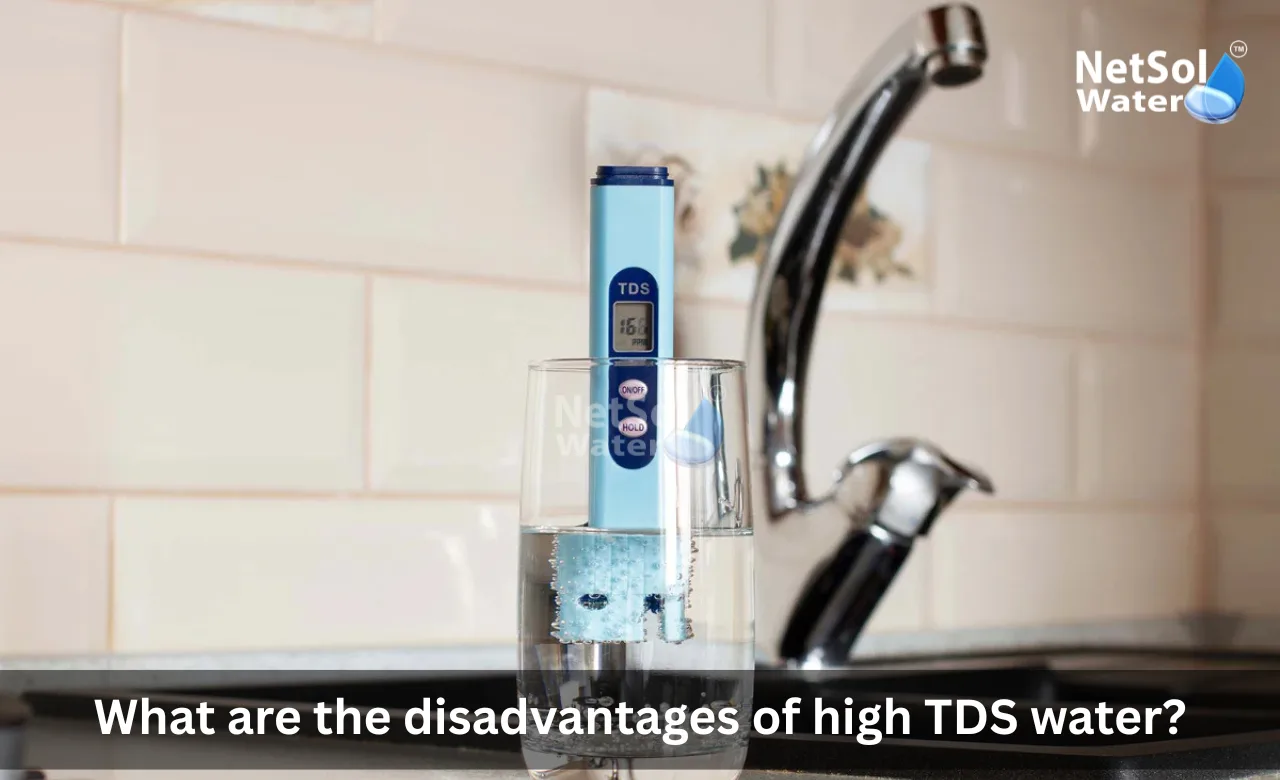
TDS water means the total dissolved solids in water. This number tells us how many minerals and salts the water holds. Many people do not check this number. They drink water. We are the leading provider of water treatment solutions. We help people test and fix water problems. High TDS can come from natural sources or from pipes and industry. It can change the taste of drinks and food. It can affect health over time.
Health risks of high TDS water
High TDS in water can change the balance of minerals you get from drinking. This matters because people drink water every day. The mineral mix in water can add to or upset the minerals you eat in food. High sodium or chloride can strain the heart and raise blood pressure. High calcium and magnesium can cause hardness in the body that may lead to digestive discomfort for some people. Infants and people with health issues may feel these effects more. Doctors often advise safe limits for daily mineral intake. When water adds a large fraction of those minerals, you may cross those limits without noting it.
Let us have a look at some specific health effects.
Mineral overload and digestion
When water holds many dissolved salts, it can cause a mineral overload over time. People may not feel a problem right away. The body will filter excess minerals through the kidneys. Over years this may increase kidney workload. People with weak kidney function or with heart problems face higher risk. High sodium in water can lead to fluid retention. This effect can worsen blood pressure. High sulfate levels may cause loose stools or a change in bowel habits for sensitive people. Drinking water that holds too many metals like lead or cadmium can cause poisoning. Those metals appear only in specific polluted sources but they raise real health concerns. Regular testing and simple treatment can reduce these risks. If you or your family have chronic health issues, you should check the TDS and mineral profile of your water.
Taste and daily use problems
High TDS water often tastes strange. It may taste salty or metallic. This taste can make plain drinking water unpleasant. Food and beverages can also change flavor when cooked with high TDS water. Tea, coffee, and soups may not taste right. Small changes in taste can lead people to drink less water. Less fluid intake can harm general health. The smell of water can change too. Appliances that use water may leave a film on glassware and dishes. This effect can make cleaning harder. The public and guests may notice poor taste or stains. For businesses this issue can affect customer trust and product quality.
Let us have a look at some impacts on cooking and hygiene.
Effect on cooking and hygiene
Cooking with high TDS water can alter the final food texture and taste. When water holds extra salts, it can speed up or slow down reactions in food. Rice and pulses may take longer to cook. Vegetables may lose crispness. Beverages like coffee or tea may not release their full aroma. For hygiene, high TDS can leave a residue on skin and hair. People may feel their skin dry after long showers. Hair may look dull and may tangle. Soap and shampoo may not lather well. This reduces cleaning efficiency. For kitchens and cafes, the change in taste and residue on cups can harm reputation. Simple filtration or partial desalting can fix many of these issues.
Damage to plumbing and appliances
Water with high TDS often contains more calcium and magnesium. These minerals build scale inside pipes and on heating elements. Scale forms a hard layer that blocks flow. It forces pumps and heaters to work harder. This extra strain shortens the life of boilers, water heaters, and dishwashers. Over time, scale causes frequent breakdowns and extra repair bills. Scale also reduces system efficiency. Machines use more energy to reach the same output. For homes this means higher bills. For factories this means higher operating costs and more downtime. Ignoring scale leads to costly replacements and loss of service.
Let us have a look at how scale affects systems.
Scale buildup and reduced efficiency
Scale forms when hard minerals settle out on hot surfaces. It sticks to heating elements and pipe walls. The layer acts as an insulator. Heat must cross the scale before it warms the water. The appliance then runs longer to meet set temperatures. This creates waste. Pumps face greater resistance because scale narrows the pipe. The motor must push harder. That cuts pump life and raises energy use. In water heaters the scale can trap heat and cause the unit to overheat. Service calls then rise. Preventive measures like softening or controlled treatment can stop scale. Regular cleaning can reduce damage, but it costs time and money. Treating water at the source often proves the cheaper long-term solution.
Agricultural and industrial impacts
High TDS water can harm crops and soil. When irrigation water holds many salts, they can build up in the root zone. Plants then have trouble taking up water from soil. This effect lowers crop yields and reduces quality. Young plants and sensitive species show stress first. Soil structure can also change with long-term use of salty water. Good soil can turn dense and poor at holding air. For industry, high TDS water can upset chemical processes and product quality. Boilers and cooling towers suffer scale. Food and beverage manufacturers face taste and texture changes. Textile and dyeing plants may see uneven colors. These effects reduce profit and raise costs.
Let us have a look at soil salinity and process issues.
Soil salinity and production losses
When salts accumulate in soil, they raise osmotic pressure. Roots then need more energy to pull water. Many crops slow growth under this stress. Yield losses vary by crop, but the trend remains clear. Repeated use of high TDS water can force farmers to add more fertilizer. That adds cost and can worsen soil chemistry. Some soils develop a surface crust that hinders seedling emergence. In industry, high TDS water can change reaction rates and product finish. Cooling systems may foul faster. The cost of extra maintenance and lower output adds up.
Read some interesting information for the Sewage Treatment Plant Manufacturer in Noida
Conclusion
TDS Water levels affect health, taste, machines, and the land we use. High TDS changes how water behaves in the body and in systems. It alters taste and raises costs for homes and businesses. Netsol Water is the leading partner for testing and treatment. If your water shows high TDS, get a professional test. A clear plan can save money and protect health. If you look for a reliable partner to build and to service large systems, choose a proven commercial RO plant manufacturer. Contact Netsol Water for a consultation or to request a site visit. Taking action now can improve your water and reduce future problems.
Contact Netsol Water at:
Phone: +91-9650608473
Email: enquiry@netsolwater.com