What is TDS in cooling tower water?
Cooling tower systems help many industries remove heat from water. They support smooth plant work and protect machines from overheating. Still, the water inside a cooling tower does not stay pure for long. It picks up salts, minerals, and small dissolved particles from make-up water and from the process itself. These dissolved solids build up over time and affect how the tower works. That is why TDS matters so much in Cooling Tower Water Treatment.
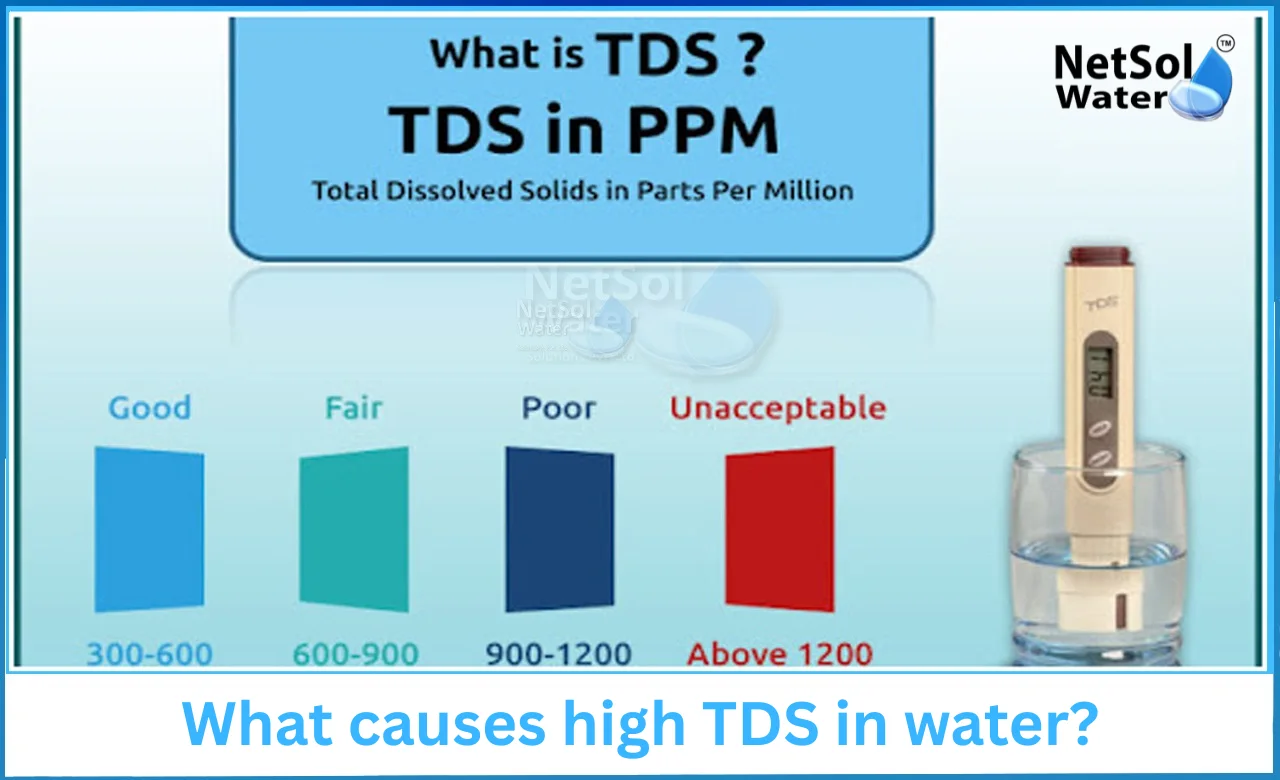
TDS means Total Dissolved Solids. It shows the amount of dissolved material in water. When TDS rises too much, the water can cause scale, corrosion, and poor heat transfer. It can also increase water use and raise operating cost. For this reason, every plant should track TDS with care. A cooling tower works best when water stays under control and stays balanced.
What TDS Means in Cooling Tower Water
TDS stands for Total Dissolved Solids. It includes salts, minerals, and other dissolved matter in water. These solids do not float as dirt. They stay mixed in the water and are not easy to see with the eye. In a cooling tower, water can gain more and more of these solids each day. That happens because the tower loses pure water through evaporation while the dissolved solids stay behind. As water keeps cycling, the TDS level rises.
This rise is normal but it must stay within a safe range. If TDS becomes too high, the water gets harder to manage. It can leave deposits on pipes, heat exchangers, and tower parts. It can also make the water more aggressive and damage metal surfaces. That is why operators test the water often. They want to know how much dissolved material is present and how fast it is building up.
One key point is that TDS does not mean pollution alone. It also includes natural minerals like calcium and sodium. Another point is that different water sources have different TDS levels. Groundwater often carries more dissolved solids than treated fresh water. So the starting water quality also matters. In Cooling Tower Water Treatment, the team must know the TDS value before they choose any control method.
How TDS Builds Up in a Cooling Tower
TDS grows because cooling towers recycle water. When water evaporates, it leaves the dissolved solids behind. This makes the remaining water more concentrated. Each cycle adds more solids unless the system removes part of the water through blowdown. Blowdown is the process of letting some water out so the system can replace it with fresh make-up water.
If the plant does not manage this process well, the TDS level can keep rising. Then the tower starts to face more scale and more stress on equipment. This is why TDS is not a one-time reading. It is a value that changes with time and needs regular checks. Good control keeps the tower stable and helps the full system work better.
Why High TDS Is a Problem
High TDS creates several problems in a cooling tower. The most common issue is scale formation. When dissolved minerals become too concentrated, they can come out of the water and stick to surfaces. This reduces heat transfer and makes the tower work harder. Energy use may rise and the cooling result may drop. Over time, the system may also need more cleaning and more repair work.
Another problem is corrosion. Water with poor balance can attack metal parts. High TDS may not always mean corrosion by itself. Yet it often goes with chemical conditions that support corrosion. If scale and corrosion happen together, the damage can grow fast. Pipes, valves, pumps, and heat exchange surfaces may all suffer.
High TDS can also affect water loss and treatment cost. When the water quality drops, the plant may need more blowdown and more chemical dosing. That increases fresh water use and wastewater output. It can also raise the load on the treatment system. For this reason, Cooling Tower Water Treatment must focus on TDS control from the start.
Let us have a look at some common effects.
1. Scale on Heat Transfer Surfaces
Scale is one of the biggest risks linked to high TDS. It forms when calcium and other minerals settle on hot surfaces. These layers act like a blanket and slow down heat exchange. The cooling tower then needs more time and more energy to do the same job. In severe cases, scale can block narrow passages and reduce water flow. This can place extra strain on the full system.
The best way to avoid scale is to keep TDS in the right range. Regular testing and proper blowdown help stop mineral buildup before it starts. Chemical treatment may also help when the water quality is difficult to manage.
2. Corrosion and Equipment Stress
Corrosion can slowly damage metal parts and shorten equipment life. It often begins when water balance changes and protective layers fail. High TDS may increase the chance of this problem when the water also has the wrong pH or low treatment quality. Corrosion can create leaks, weak spots, and rough surfaces. These rough surfaces then hold more dirt and scale, which makes the problem worse.
A good cooling tower program watches TDS along with pH, alkalinity, and hardness. This gives a clearer view of water health. When the plant controls these factors together, it can protect the system for a longer time.
How to Control TDS in Cooling Tower Water
Plants control TDS through testing water and removing extra dissolved solids in the right way. This part is very important because the tower cannot stay healthy without regular management. Cooling Tower Water Treatment works best when the team treats water as a system and not as a single reading. They must measure TDS often and act before the value becomes too high.
Let us have a look at some practical ways to control it.
1. Blowdown and Make-Up Water
Blowdown is one of the main ways to manage TDS. The tower removes a small amount of concentrated water and replaces it with fresh make-up water. This lowers the dissolved solids in the system and keeps the cycle balanced. The trick is to find the right blowdown level. Too little blowdown lets TDS rise. Too much blowdown wastes water and treatment cost.
Make-up water quality also matters. If the fresh water already has high TDS, then the system starts with a harder job. Plants often test the source water first. Then they set a control plan that fits that source. Good balance between blowdown and make-up water keeps the cooling tower steady and efficient.
2. Water Testing and Chemical Support
Regular testing gives the operator a clear picture of what is happening in the tower. TDS testing can show when the water is getting too concentrated. Then the team can adjust blowdown or chemical dose before any major problem begins. This simple step helps prevent scale and corrosion.
Chemical treatment can also support TDS control. Some chemicals help stop scale from forming. Others help protect metal surfaces. The exact choice depends on the water source, system design, and operating needs. This is where expert help can make a real difference. Netsol Water supports plants with solutions that fit the site and improve Cooling Tower Water Treatment performance.
Why Good TDS Control Improves Tower Life
Good TDS control keeps the whole cooling tower healthier. It helps the system transfer heat more efficiently and reduces strain on pumps, pipes, and exchangers. It also lowers the chance of sudden shutdowns and repair work. When water stays under control, the plant can run in a more stable way.
TDS control also supports better water use. A tower with proper balance does not need extra cleaning or excess blowdown. That helps save water and reduce operating cost. Over time, this can make the system more dependable and easier to manage. Plants that watch TDS closely often see fewer surprises and better long-term performance.
Read some interesting information for the Effluent Treatment Plant Manufacturer in Delhi
Conclusion
TDS plays a major role in cooling tower performance. It affects scale, corrosion, water use, and heat transfer. When plants control it well, they protect equipment and keep the system efficient. When they ignore it, the tower may face higher cost and more frequent problems. That is why Cooling Tower Water Treatment must always include regular TDS monitoring and proper control methods.
Netsol Water helps businesses manage cooling tower water with practical and simple solutions. If you want better water control for your tower, then now is the right time to take action. Get in touch to learn more or request a consultation for your cooling tower system.
Contact Netsol Water at:
Phone: +91-9650608473
Email: enquiry@netsolwater.com