
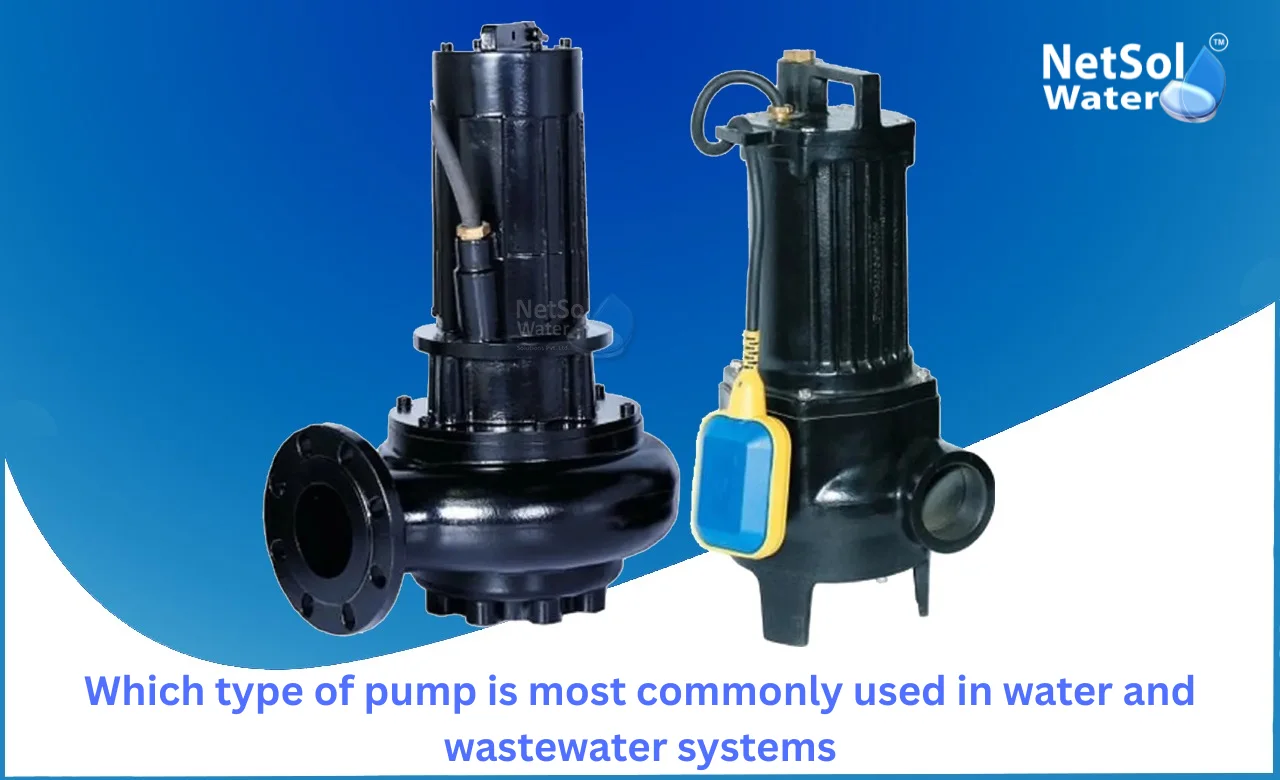
Which Type of Pump is Most Commonly Used in Water and Wastewater Systems?
Water and wastewater systems need pumps that work every day with steady performance. In many plants and networks, the centrifugal pump is the most common choice because it handles large flow with simple design and good efficiency. It supports clean water transfer as well as many wastewater jobs when the right model is selected. That is why engineers and plant owners often prefer it for general duty work.
We are the leading wastewater treatment plant manufacturer, and it understands how pump selection affects the full treatment process. The right pump helps save energy, reduces maintenance, and keeps water moving without delay. It also supports safe treatment and smooth operation in homes, industries, and municipal plants.
Water Supply Systems
Water supply systems need pumps that can move clean water over long distances with steady pressure. This is one reason the centrifugal pump is used so often in this area. It can move a high volume of water with a simple working method and it does not need a complicated setup for most tasks. Clean water usually has low viscosity so the pump can move it with less effort. That makes the centrifugal design a practical choice for towns, buildings, factories, and treatment plants.
1. Why Centrifugal Pumps Fit Clean Water Transfer
Centrifugal pumps work by using a rotating impeller to push water outward and create flow. This action gives a smooth and continuous output, which suits water supply lines very well. The pump can deliver water at a constant pressure and that helps with distribution through pipelines, tanks, and service areas. It also works well in single-stage and multi-stage forms so system designers can choose the pressure level they need. A single-stage pump suits moderate jobs while a multi-stage pump fits higher pressure needs.
2. Where Water Supply Systems Use Them
These pumps appear in booster stations, irrigation systems, raw water transfer, and treated water networks. They support both small and large projects because they are flexible and easy to size. A Wastewater Treatment Plant Manufacturer may also use similar pump principles in plant support systems where clean water must move into washing units or process lines. Their simple maintenance gives another advantage because plant teams can inspect and service them without long downtime. That is important in systems that must run without interruption. For this reason, the centrifugal pump remains a first choice in many water supply jobs.
Wastewater Systems
Wastewater systems demand stronger pump designs because the liquid often carries solids, grit, and uneven flow. Even so, the centrifugal family still leads the market here. The main difference is that wastewater service usually needs submersible centrifugal pumps or other non-clog variants. These models can operate in wet pits, lift stations, and tanks where direct liquid contact is common. They reduce the need for long suction lines and they make installation easier in deep or confined spaces.
1. Why Submersible Centrifugal Pumps Are Common
Submersible centrifugal pumps sit inside the liquid and push it upward from below. This design works well in wastewater lift stations and low-level pits where gravity alone cannot move the flow. Since the motor and pump assembly can stay underwater, the system avoids many priming problems. That gives better reliability in wet environments. These pumps also help when space is limited because the equipment sits in the sump instead of above it.
2. How They Support Plant Operation
In a wastewater treatment plant, the pump must move influent from collection points to treatment units without clogging or long delay. The pump must also handle changing flow during the day. A good Wastewater Treatment Plant Manufacturer chooses pumps that can manage this variation without frequent failure. Submersible centrifugal pumps do this well when the wastewater contains normal solids and fibrous material within design limits. They are widely used because they offer a balanced mix of flow capacity, durability, and easy installation. They also reduce noise since the liquid around them absorbs sound. That makes them practical for both municipal and industrial use.
Sewage and Sludge Handling
Sewage and sludge place the toughest demand on pump systems because the liquid can carry heavier solids and thick material. In this area, a standard centrifugal pump may not be enough. Plants often use non-clog centrifugal pumps with open or semi-open impellers. These pumps allow solids to pass more easily and reduce the chance of blockage. That is why they are common in raw sewage lines, sludge transfer, and screening bypass systems.
1. Why Non-Clog Pumps Matter
A normal closed-impeller pump gives strong hydraulic performance but it may not handle large debris well. A non-clog pump changes that by using wider passages. This design lets the pump move solids without shutting down the line. It helps in sewage jobs where rags, grit, and fibrous waste can enter the flow. Since wastewater systems do not stay clean all the time, the pump must accept harsh conditions. The non-clog centrifugal pump meets that need better than many other options.
2. Sludge Movement and Thick Material
Sludge is even harder to move because it can be thick and heavy. In light sludge service, a centrifugal pump may still work. But when the fluid becomes very dense, a progressive cavity pump or lobe pump often performs better. These positive displacement pumps handle thick material with more control. Still, in many sewage systems, the non-clog centrifugal pump remains the standard choice because it balances cost, flow, and service life. A Wastewater Treatment Plant Manufacturer often selects it for primary sludge return, grit transfer, and raw sewage lift tasks. This gives the plant a dependable solution for difficult liquid movement.
Chemical Dosing Systems
Chemical dosing needs a different pump approach because the main goal here is precision, not bulk flow. Treatment plants add chlorine, coagulants, acid, or other chemicals in exact amounts. For this reason, positive displacement pumps are the preferred choice. They deliver a fixed volume each cycle and allow very fine control. That makes them ideal where chemical accuracy directly affects water quality and safety.
1. Why Dosing Pumps Are Different
A centrifugal pump works best when it moves large volumes. A dosing pump works best when it measures small volumes with accuracy. In chemical feed systems, even a small error can affect treatment quality or raise operating cost. Positive displacement pumps solve this problem because they keep output steady even when pressure changes. That gives operators better control over the treatment process.
2. Connection With Water and Wastewater Plants
Chemical dosing supports coagulation, disinfection, pH correction, and odour control. These steps appear in both water treatment and wastewater treatment. Netsol Water, as a leading Wastewater Treatment Plant Manufacturer, understands that the pump choice here must support exact process control. Dosing pumps may not move huge volumes but they protect the success of the entire treatment line. Without them, the system may fail to meet quality standards. That is why they hold an important place in plant design even though they are not the most common pump for bulk transfer.
Key Advantages of Centrifugal Pumps
Centrifugal pumps remain the most common pumps in water and wastewater systems because they combine simple design with practical strength. They do not need a complex mechanical arrangement for standard liquid movement. This helps reduce installation effort and makes maintenance easier for plant teams. Their working style also supports smooth, continuous flow, which is useful in systems that run for long hours.
1. High Flow With Steady Performance
One major benefit is high flow capacity. Centrifugal pumps move large amounts of water with less effort and that makes them suitable for supply lines, treatment plants, and transfer stations. They also deliver a stable output that supports steady system operation. This matters in public water systems where users expect uninterrupted service.
2. Simple Service and Lower Cost
Another advantage is easy maintenance. Since centrifugal pumps have fewer moving parts than many other pump types, they often need less repair work. That can lower long-term cost and reduce downtime. This helps plant owners manage their assets with more confidence. In many cases, the pump also costs less to buy than more specialized designs. That makes it a smart choice for standard water transfer jobs.
3. Flexibility Across Many Uses
Centrifugal pumps come in many forms. Single-stage pumps work for moderate pressure needs. Multi-stage pumps support higher pressure service. Submersible models fit wet well and pit applications. Self-priming models help where suction lift can create starting problems. This flexibility is a big reason why they remain the most widely used pump type in the field.
Read some interesting information for the Effluent Treatment Plant Manufacturer in Delhi
Conclusion
Centrifugal pumps stay at the center of most water and wastewater systems because they offer strong flow, simple design, and reliable service. They work well in clean water transfer, wastewater movement, sewage handling, and many plant support tasks. Other pumps still play an important role in dosing, thick sludge, and special duty work. The best choice always depends on the liquid and the system need. Netsol Water, as a trusted wastewater treatment plant manufacturer, can help you choose the right pump for better performance and longer service life. For more details or to request a consultation, get in touch today and discuss the best pump solution for your water or wastewater project.
Contact Netsol Water at:
Phone: +91-9650608473
Email: enquiry@netsolwater.com