Wastewater Treatment Solutions - Sewage Treatment Plant Manufacturers

What-are-the-advantages-and-disadvantages-of-membrane.webp

July 15, 2026by Netsol Water

What Are the Advantages and Disadvantages of Membrane?

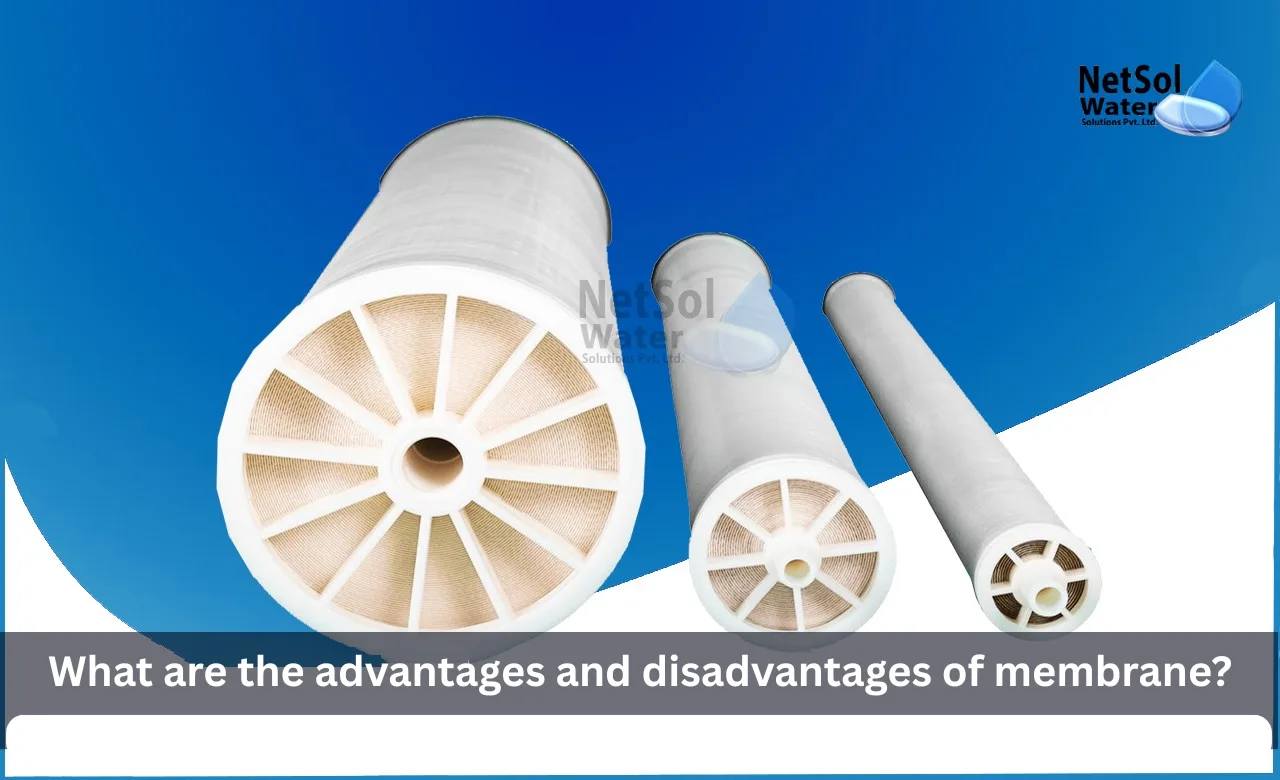
Clean water and safe treatment systems matter in homes, factories, and cities. That is why many people now look at membrane-based treatment as a strong option for water cleaning and separation. A membrane works like a thin barrier. It allows some parts to pass through while it holds back unwanted matter.

We are the leading name in water and wastewater treatment solutions in India and have helped many businesses choose the right system for their needs. A membrane can improve water quality and save space. It can also bring some cost and operating challenges. So it helps to understand both sides clearly before making a choice.

Advantages of Membrane

The value of membrane technology is easy to see once we look at its role in modern treatment systems. It helps remove fine particles and improves water quality in a direct way. It also fits many plant designs and supports a wide range of industries. Let’s look at some of the main advantages.

1. High-Quality Filtration

One of the biggest strengths is its strong filtration ability. It can remove very small particles that many other systems may miss. This includes dirt, suspended solids, bacteria, and in some cases even salts, depending on the type of membrane used. Because of this, the treated water often comes out much cleaner and more stable in quality.

This benefit matters in places where water quality must stay high every day. A food plant, a hospital, or a drinking water unit cannot afford wide changes in output. The membrane helps keep the process steady. It gives users better control over the final quality of water and supports safe use in many applications. That is why many industries prefer it when they need strict and reliable treatment.

2. Compact Design and Easy Fit

Another major advantage is the small space it needs compared with some older treatment methods. Many plants do not have much free area. In such cases, a compact system becomes very useful. A membrane-based unit can fit into a smaller footprint while still doing a strong job.

This helps businesses save land and use the available space in a better way. It also makes system planning easier in crowded industrial sites or urban areas. Since many projects today face space limits, this feature adds real value. The compact setup also supports neat installation and can make the plant easier to arrange with other treatment units. As a result, users often choose it when they want good output without building a very large plant.

3. Flexible Use across Industries

A membrane system works in many different fields. It can support drinking water treatment, wastewater reuse, dairy processing, chemical production, and many more. This wide use makes it a flexible choice for engineers and plant owners. They can adapt it based on water quality, flow rate, and final use.

This flexibility is important because not every site faces the same problem. Some places need better taste and clarity. Others need reuse of treated water. Some need removal of very fine solids. The membrane can serve these needs with the right design. That makes it a practical option for both small and large projects. When a system works across many sectors, it becomes easier for companies to trust it for future growth as well.

Disadvantages of Membrane

Even though the benefits are strong, it is also important to look at the weak points. No treatment system is perfect. A membrane can give excellent results, but it may also create cost and operating concerns. Let’s look at some of the main disadvantages.

1. Higher Cost of Setup and Operation

The first challenge is cost. A membrane system often needs a higher starting investment than simpler treatment methods. The equipment itself can be expensive, and the design may need skilled planning. This can make the total project cost rise at the beginning.

The running cost can also be higher. Pumps, cleaning chemicals, replacement parts, and energy use all add to the expense. For some projects this is not a big issue. But for others it can become a major factor in decision-making. A business with a tight budget may find it hard to choose this option without careful planning. So while the system gives strong output, it also asks for more financial support over time. That is why a cost study matters before installation.

2. Fouling and Cleaning Needs

Another problem is fouling. This means that dirt, salts, oils, or organic matter slowly build up on the surface of the membrane. When this happens, the flow can reduce and the system may lose efficiency. If the issue grows, the plant may need more cleaning and sometimes part replacement.

This point is very important because regular maintenance takes time and effort. A plant team must monitor the system closely and follow cleaning schedules. If they ignore this need, the system may not perform well. In some cases, fouling can also shorten the life of the unit. So even though the membrane gives good quality output, it also demands care. Users must stay alert to keep the system working at its best.

3. Skilled Operation and Monitoring

A membrane unit does not always run well on its own without proper control. It often needs trained staff who understand pressure, flow, quality checks, and cleaning routines. This is a serious point for plants that do not have experienced operators. A small mistake in operation can affect performance.

Monitoring is also important because water quality can change with time. If the feed water becomes more polluted, the system may face more stress. Operators must respond quickly to protect the unit. This need for skilled handling can be a disadvantage for some users. They may need more training or technical support to keep the plant efficient.

Read some interesting information for theĀ Sewage Treatment Plant Manufacturer

Conclusion

A membrane system can bring strong treatment results and support many water projects with high quality output. It gives compact design, flexibility, and reliable filtration. At the same time, it also comes with higher cost, cleaning needs, and the need for skilled operation. So the right choice depends on the project goal, budget, and water condition. A careful study can show whether this option fits the need in a practical way.

If you are planning a new plant or thinking about an upgrade, then the next step should be a proper consultation. Netsol Water can guide you with simple advice and the right treatment approach for your site. For more information or to request a consultation, get in touch and explore the best solution for your water treatment need.

Contact Netsol Water at:

Phone: +91-9650608473

Email: enquiry@netsolwater.com

List-of-water-treatment-companies-in-India-1-1.webp

December 19, 2025by Netsol Water

Localized Wastewater Treatment Solutions for Housing Societies & Commercial Complexes

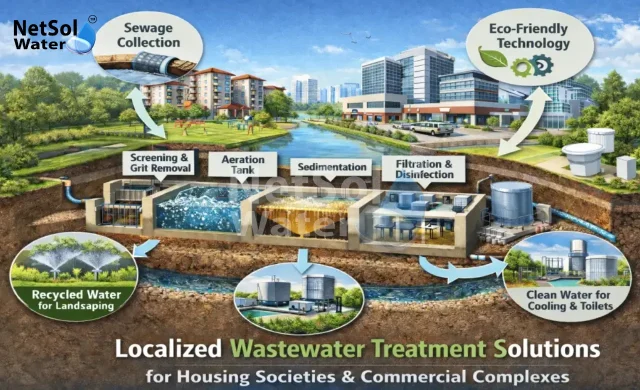
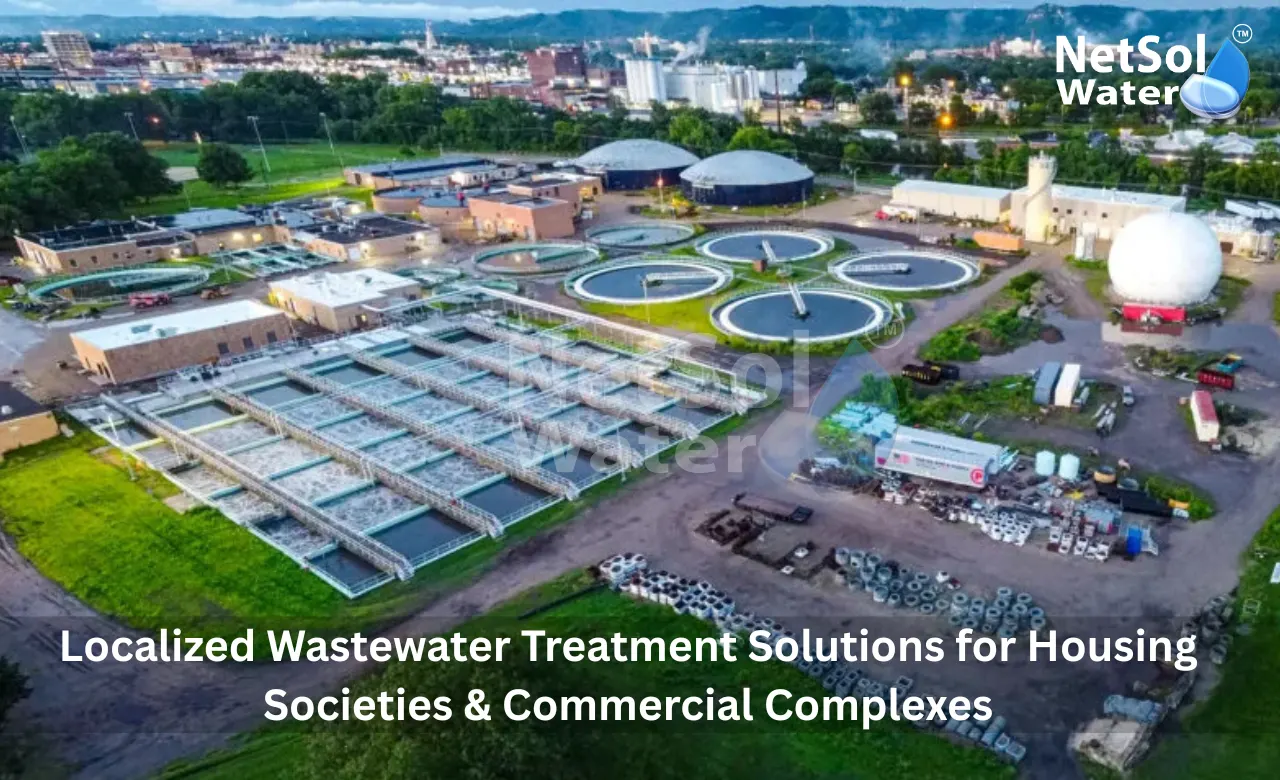
Water that homes and offices use needs careful treatment close to where it is produced. Local solutions can reduce travel time for wastewater and can save resources that a city must otherwise import. A well planned local system can keep neighborhoods clean and reduce risks to public health and the environment. We will explain how localized systems work and why they matter for housing societies and commercial complexes. Netsol Water is the leading provider for many of these projects and they bring experience in design and service for local systems.

Importance of Localized Treatment

Local treatment matters for communities that want clean public spaces and steady water use. When a complex treats wastewater within its grounds it prevents long sewer runs and it cuts the chance of leaks and blockages. This control helps keep local rivers and lakes free from pollution and it protects gardens and public paths from bad smells and pests. Let us have a look on some systems and benefits that managers can use and plan for.

Environmental and Public Health Benefits

A close by treatment solution reduces the load on city sewers and it lowers the risk of untreated water reaching local waterways which can harm fish and plants. When a Wastewater Treatment Plant sits inside a housing society it filters organic waste and suspended solids and it reduces pathogens which can cause disease. Cleaner water lowers the risk of water borne illness for children and elders in the society and it raises the general level of hygiene. Properly treated water also removes nutrients that cause algae growth in lakes and ponds which keeps public spaces safe for recreation. These benefits grow when managers add safe disposal of sludge and regular checks on system output which protect both people and the local environment.

Resource Recovery and Reuse

A well designed local plant can recover water for non potable use which reduces fresh water demand and it can create sludge that finds use as soil conditioner for gardens. Treatment steps such as filtration and disinfection make water fit for tasks like flushing irrigation and cleaning which lowers operating cost for a complex. Reuse also helps a complex meet building codes and green targets and it supports a circular approach to water use. Some systems also allow energy recovery from biogas or use treated water to cool equipment which adds further gains. These options shift a site from being a water consumer to being a local resource manager and they make the community more resilient during dry spells.

Types of Localized Solutions and Technologies

Choosing the correct technology shapes long term performance and cost. Some solutions suit small housing clusters and others fit large commercial blocks and mixed use complexes. Let us have a look on some common choices and how they match site needs.

Compact Biological Reactors and MBBR Systems

Compact biological reactors and moving bed biofilm reactor systems fit well where space is limited and flow is steady. These systems use media to support bacteria that break down organic matter and they maintain good treatment in small footprints. A compact unit can sit under a landscaped area or inside a plant room and it can handle peak loads which occur after events or during office hours. These systems need steady electricity and routine checks on aeration and media condition. When property managers plan for future load growth they can size the unit with modest overcapacity which keeps the system stable over time. Netsol Water is the leading partner for many installs because they match system design to local patterns and they deliver commissioning and technical support.

Decentralized Systems and Zero Liquid Discharge Options

Decentralized systems such as constructed wetlands and sequencing batch reactors offer simple operation and natural treatment routes which appeal to green minded societies. These systems use plants and long retention to polish water and they can work without heavy chemical inputs. Zero liquid discharge approaches add steps such as membrane filtration and evaporation which aim to leave no wastewater for disposal. These higher level setups increase recovery and they suit complexes that want full reuse or that face strict discharge rules. Each method has trade offs in cost and maintenance and the right choice depends on available land and on the needed reuse quality.

Localized Wastewater Treatment Solutions for Housing Societies & Commercial Complexes

Design Operation and Maintenance for Lasting Performance

Good design and steady maintenance keep a local plant working and they protect the investment. Managers must plan for access routine service and community training so systems run well for years. Let us have a look on practical design and O and M steps that teams can apply.

Design and Sizing Principles

A proper design starts with accurate data on the number of residents, staff and peak flow patterns. Engineers then set the treatment steps and select pumps tanks and control logic that suit the load profile. Good layouts give safe access for desludging and it place instruments where staff can monitor them easily. Designers must plan for power backups and for changes in water quality that come from new uses or new tenants. Oversizing a little helps when a complex grows and it keeps the system stable under event loads. When teams include a clear monitoring plan they can spot issues early and they can adjust operation to keep treated water within the needed standards.

Operation Maintenance and Community Engagement

Daily checks and simple logs help teams catch faults and maintain steady output. Trained staff can watch levels check pumps and confirm disinfection without complex tools and they can call specialized service for mechanical or electrical repairs. Regular desludging and safe disposal keep tanks efficient and they reduce odour and corrosion. Involving residents and tenants builds support and it reduces misuse of the plant such as flushing fats or chemicals which harm microbes. Clear user guidance and visible monitoring readouts help people understand reuse benefits and they encourage water saving. A local maintenance plan also sets budgets and it schedules vendor visits so system life extends and performance remains high.

Read some interesting information for theĀ Sewage Treatment Plant Manufacturer in Gurgaon

Conclusion

Choosing a local Wastewater Treatment Plant brings clear benefits for housing societies and commercial complexes. A local plant cuts pollution protects public health and opens reuse options which save water and cost. Netsol Water is the leading provider that can design supply and maintain systems at scale. If you manage a society or a complex and you want tailored advice please get in touch to request a consultation or a site survey.

Contact Netsol Water at:

Phone: +91-9650608473

Email: enquiry@netsolwater.com