
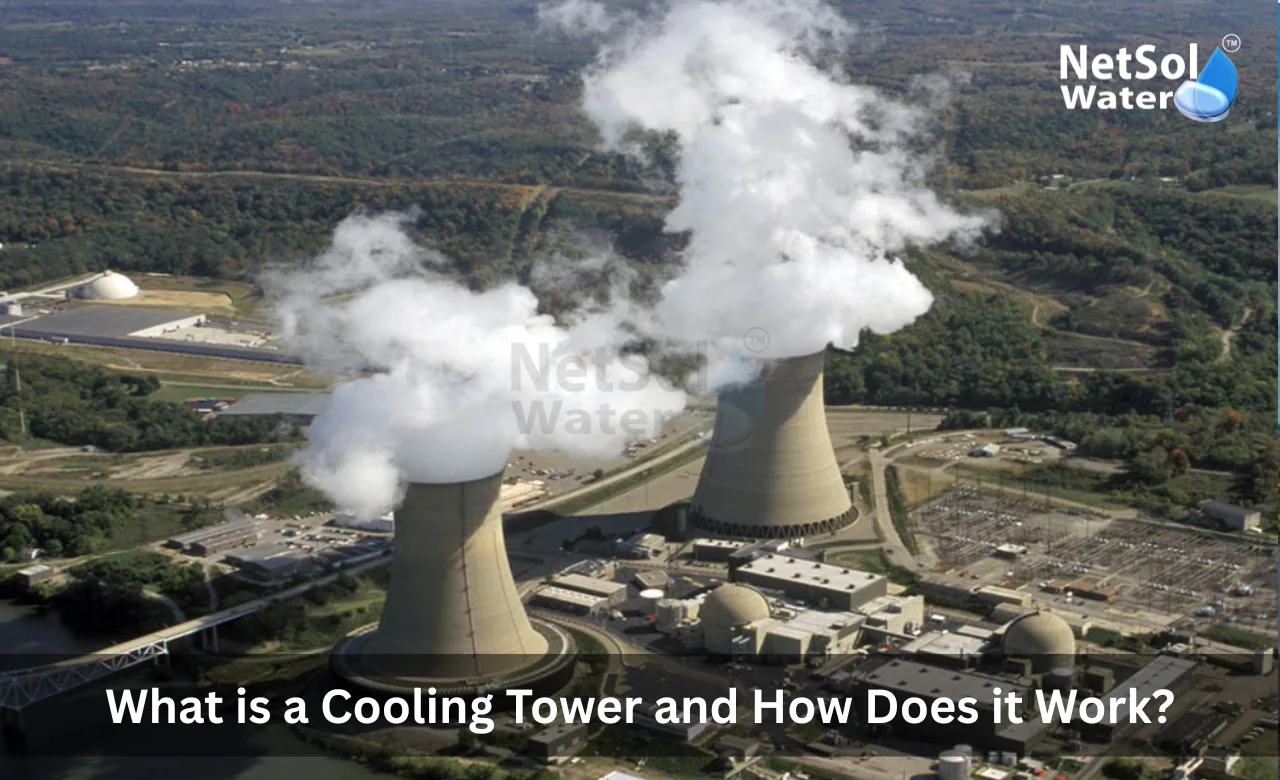
What is a Cooling Tower and How Does it Work?
A cooling tower helps remove extra heat from water so machines can keep working without damage. You can find this system in power plants, chemical units, manufacturing sites, and large commercial buildings. It plays a major role where heat builds up quickly and where normal air cooling is not enough. We understand this need and support industries that want clean and stable cooling performance.
A cooling tower may look simple from outside but it does an important job inside the whole process. It takes warm water from equipment and cools it by allowing heat to move into the air. This saves energy and helps the system run in a steady way.
What is a Cooling Tower?
A cooling tower is a device that removes heat from water and sends the cooled water back into the system. Many industries use water to absorb heat from machines and processes. That water becomes hot after use. Instead of wasting it, industries send it to a cooling tower so it can release heat and return in a cooler form. This process helps reduce water loss and keeps equipment safe.
Let us have a look at the basic role of this system. A cooling tower works like a heat removal unit. It does not cool water with ice or direct chilling in most cases. It uses air and evaporation to take heat away. Warm water enters the tower and spreads over a large surface. Air moves through the tower and carries heat out. A small part of the water turns into vapor. That change removes heat from the rest of the water. The remaining water goes back to the system at a lower temperature.
This simple idea supports many heavy-duty operations. If the water stays too hot, then machines may lose performance and wear out faster. A good Cooling Tower helps control that problem in a practical way. It also supports smoother work and lower running cost. That is why industries treat cooling towers as an important part of the whole plant design.
How Does a Cooling Tower Work?
A cooling tower follows a clear process. Hot water comes from the equipment and moves to the tower. The tower spreads the water so it can touch more air. Then fans or natural airflow move air across the water. Heat moves from the water to the air. Some water also evaporates during this step. That evaporation takes away a large amount of heat. The result is cooler water that can return to the system.
Let us have a look at some of the main stages in this process. First, the hot water enters the distribution system. Then nozzles or spray devices spread it over fill material. Fill material helps increase the contact between water and air. More contact means better heat transfer. After that, air passes through the tower. In some towers, fans pull the air in. In others, natural airflow does the work. The warm, moist air leaves through the top or side. The cooled water gathers in the basin at the bottom and flows back to the plant.
This process may sound simple yet it needs good design. The tower must handle the right water flow and air flow. If the flow is weak, then the water may not cool enough. If the system gets dirty, then scale and algae may reduce performance. A well-maintained Cooling Tower keeps the process steady and helps the plant avoid heat-related trouble. This is why regular checks matter in every industrial setup.
Main Parts of a Cooling Tower
A cooling tower uses several parts that work together. Each part has a clear job and each one supports the cooling process. When all parts work well, the tower gives better output and keeps the system stable. Netsol Water often helps users understand these parts because proper knowledge supports better operation and care.
1. Fill Material
Fill material increases the area where water and air meet. It slows the water flow in a useful way so the air can remove more heat. Without fill, the tower would not cool as well because water would pass through too fast. Good fill design improves contact and raises cooling performance. It also supports smooth water movement through the tower body.
2. Fan System
The fan system moves air through the tower in mechanical cooling towers. It creates the airflow needed for heat transfer. The fan pulls warm air out and brings fresh air in. This movement supports evaporation and helps the tower cool water faster. If the fan becomes weak or damaged, then tower efficiency drops. That is why fan care matters so much.
3. Water Distribution System
This system spreads hot water evenly across the fill. Even distribution helps every part of the tower work at the same level. When the water spreads well, the tower cools more effectively. If the water reaches only one area, then the tower cannot use its full capacity. Good distribution makes the whole process balanced and stable.
4. Basin and Structure
The basin collects cooled water at the bottom. From there, the water returns to the process line. The tower structure supports all internal parts and protects the process from outside damage. A strong structure also helps the tower run safely in harsh industrial conditions. Together, these parts make the tower reliable and useful for daily work.
Types of Cooling Towers
Cooling towers come in different types because industries need different cooling levels. Some towers use fans while others depend on natural airflow. Some use cross-flow design while others use counter-flow design. Each type has its own way of moving air and water. Choosing the right one depends on the plant load, space, and heat level.
Let us have a look at some common types. Mechanical draft towers use fans to move air. They work well in many industrial settings because they give better control. Natural draft towers use tall structures and natural air movement. They suit large power plants where high heat removal is needed. Cross-flow towers let air move sideways across the water stream. Counter-flow towers move air upward against the water flow. This change in direction can improve contact in a smaller space.
Each type offers benefits in different situations. Some save space while others handle large heat loads. Some need more maintenance while others need more structure support. A Cooling Tower should match the plant need and not just the available space. That is why engineers study the process carefully before they choose the design. A smart choice improves long-term performance and reduces trouble later.
Why Cooling Towers Matter in Industry
Cooling towers support many industries every day. They help remove heat from systems that run for long hours. Without this support, machines may overheat and stop working well. Heat control also improves safety because excess heat can damage equipment and affect product quality. That is why cooling towers play a major part in many plants.
They also help save resources. When a plant reuses cooled water, it reduces fresh water demand. That is helpful for both cost and water management. In large industries, even a small improvement in cooling can make a big difference over time. Better cooling can also support lower power use because the system does not need to work as hard. This makes the process more balanced and practical.
A Cooling Tower also supports stable production. Many industries cannot afford sudden stops or heat-related failure. A well-designed tower helps avoid those problems. It keeps the plant running in a steady way and protects key equipment. For this reason, companies often look for proper design support, maintenance guidance, and clean operation methods.
Read some interesting information for the Commercial RO Plant Manufacturer in Gurgaon
Conclusion
Cooling towers help industries control heat in a simple and effective way. They move hot water through a process that lets air remove extra heat. This keeps machines safe and supports steady work in many plants and buildings. A Cooling Tower also helps improve water use and overall system performance when it is designed and maintained well.
Netsol Water supports businesses that need reliable cooling solutions and clear guidance. If you want to improve cooling performance or learn more about the right system for your site, then reach out for expert advice and a consultation today.
Contact Netsol Water at:
Phone: +91-9650608473
Email: enquiry@netsolwater.com