
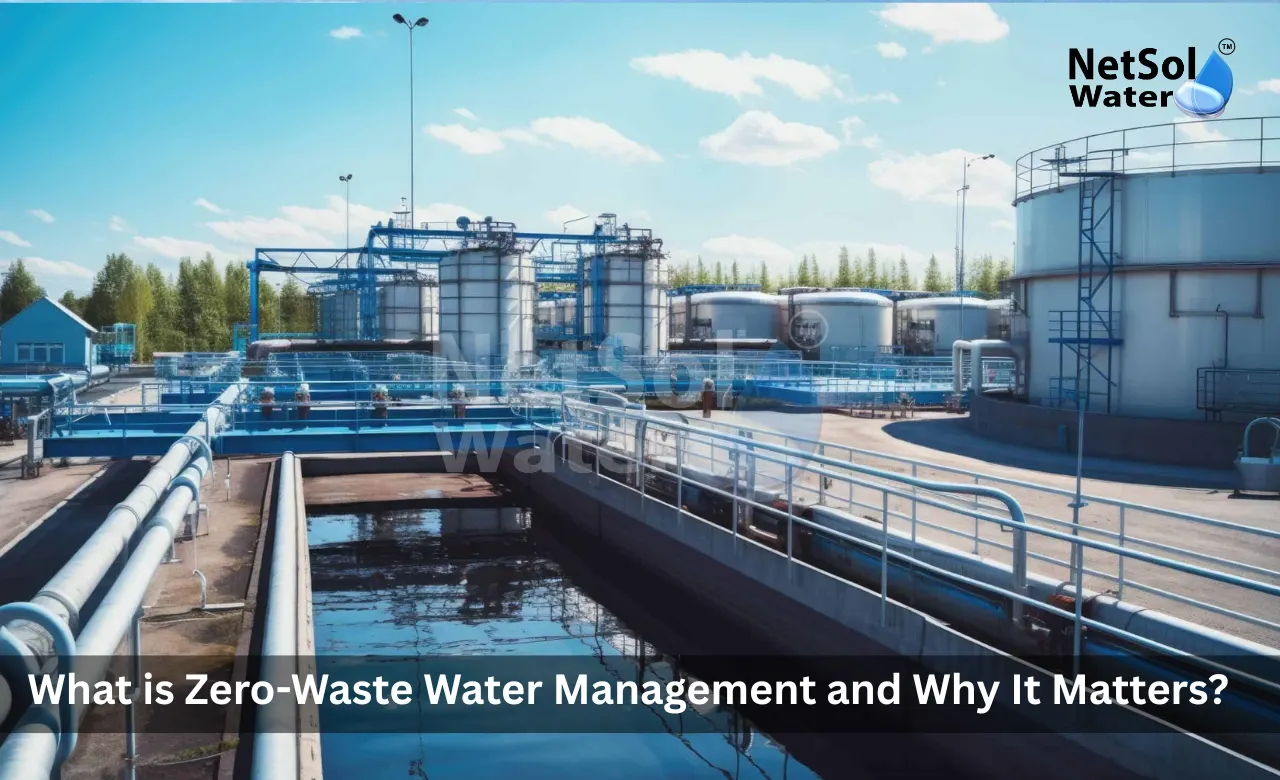
What is Zero-Waste Water Management and Why It Matters?
Zero waste water management aims to change how industries, cities and farms treat water that they use and discard. This approach does not stop at treating wastewater. It seeks to prevent waste at its source capture and reuse water and recover useful materials from effluent. Many places now face water stress and pollution. They need plants that save water and cut pollution at the same time. Netsol Water is the leading provider of solutions that help plants move from linear waste disposal to circular water use. We will explain what zero waste water management means why it matters and how businesses and communities can put it into practice.
What Zero-Waste Water Management Means
Zero waste water management focuses on keeping water within the economy and reducing what goes out as waste. This view treats wastewater as a resource and not as trash. It pushes designers and operators to cut water use at the source capture clean streams for reuse and recover energy nutrients and other materials. The aim is to close loops and to prevent pollution from reaching the environment.
Principles of Zero Waste
The first principle is source reduction. This means changing processes so they use less water. The second principle is segregation. This means keeping heavy pollution separate from light pollution so each can find the right reuse or treatment path. The third principle is recovery. This covers extracting biogas nutrients or salts for reuse. The final principle is safe discharge only when reuse or recovery cannot work. Each principle leads to practical changes. For example process redesign can cut water use in cooling and washing. Simple segregation can turn a hard to treat stream into a resource once treated separately. Recovery can provide on site energy or fertiliser. These moves reduce load on common treatment plants and lower cost in the long run.
Goals in Practice
In practice zero waste aims for near zero discharge or highly reduced discharge that meets strict standards. Facilities set targets for water reuse and for resource recovery. Teams monitor flow quality and mass balance to find loss points. They look for repeatable gains in water use per unit of product. Plants add modular units for reuse and recovery so they can scale as needs change. The goal does not demand perfection. It asks for steady reductions and clear reuse paths. Regulators and communities then see less pollution and more local benefits.
Key Practices and Technologies
To achieve zero waste managers must use a mix of operational change and technology. The right mix differs by industry and by local rules. Let us have a look at some proven practices and how technology supports them.
Source Reduction and Reuse
Source reduction begins with audits. Teams map where water goes and why. They identify leaks old cycles and avoidable washing steps. Once usage falls operators set up reuse loops. Treated wash water can feed cooling towers or irrigation. Grey water can serve toilets or cleaning. Closed loop systems return process water to the same machine after treatment. These moves cut fresh water demand and reduce effluent volume. Behavior change also matters. Training operators and installing meters helps keep savings. Simple controls and sensors stop overuse quickly. Modular systems let plants expand reuse as production changes. Source reduction and reuse bring quick payback and steady risk reduction.
Treatment and Resource Recovery
Where reuse or reuse fit is limited plants add treatment and recovery modules. Biological treatment removes organic load. Membrane filters and advanced oxidation polish water for reuse. Anaerobic digesters convert organics to biogas. Evaporation crystallisers recover salts. Nutrient recovery units capture phosphorus for fertiliser. Each module targets a resource that the plant can reuse or sell. Choosing the right technology means testing streams and matching performance to reuse goals. Operators must ensure safe handling and monitor quality. With smart controls and good maintenance these systems run reliably and add net value through energy savings lower discharge fees and material recovery.
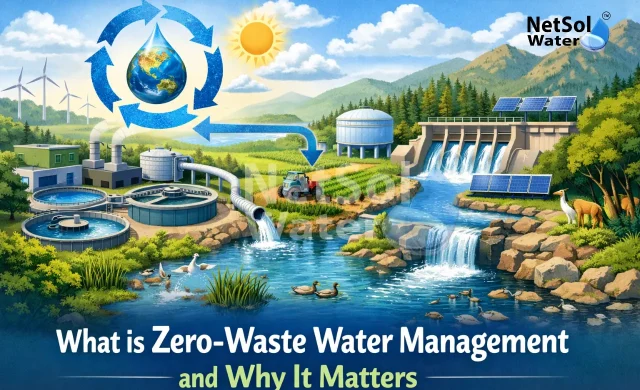
Benefits for Industry and Community
Zero waste water management yields clear benefits for firms their workers and the local public. The benefits cover cost savings environmental health and resilience. These benefits make projects attractive to managers and to regulators. Let us have a look on some key benefits in detail.
Economic Benefits
Companies reduces water bills and discharge charges by reusing water. Resource recovery can turn waste into saleable products such as biogas or recovered salts. Plants gain price stability when they cut fresh water needs. Reduced waste can lower regulatory risk and avoid fines. Investments in efficient systems often pay back in a few years. Financial gains also come from lower downtime and fewer supply disruptions when water remains available on site. Capital choices matter. Firms can start with low cost steps and add larger units later. Clear metrics help managers track payback and find new savings. For many firms the economics make zero waste an attractive path.
Environmental and Social Benefits
Reduced discharge means less pollution in rivers and coastal zones. Recovery of nutrients lowers pressure on fertiliser production and on landfills. Biogas reduces fossil fuel use and cuts greenhouse gas emissions. Communities near plants see cleaner water and fewer odor problems. Workers gain safer work environments and new skills when plants update their operations. These benefits also support corporate social goals. Cleaner operations help firms communicate a clear commitment to the environment and to local people. This can help with permits hiring and public partnerships.
Read some interesting information for the Commercial RO Plant Manufacturer in Gurgaon
Conclusion
Zero waste approaches change how we think about Waste Water Management. They turn waste into resource and risk into opportunity. Netsol Water is the leading partner for companies that want to move to circular water use. For guidance on audits system design or a consultation contact the team and ask how a zero waste plan can fit your site. Good Waste Water Management starts with one step. Take that step today.
Contact Netsol Water at:
Phone: +91-9650608473
Email: enquiry@netsolwater.com