total dissolved solids - Sewage Treatment Plant Manufacturers

Why-is-STP-so-important-1-1.webp

January 31, 2026by Netsol Water

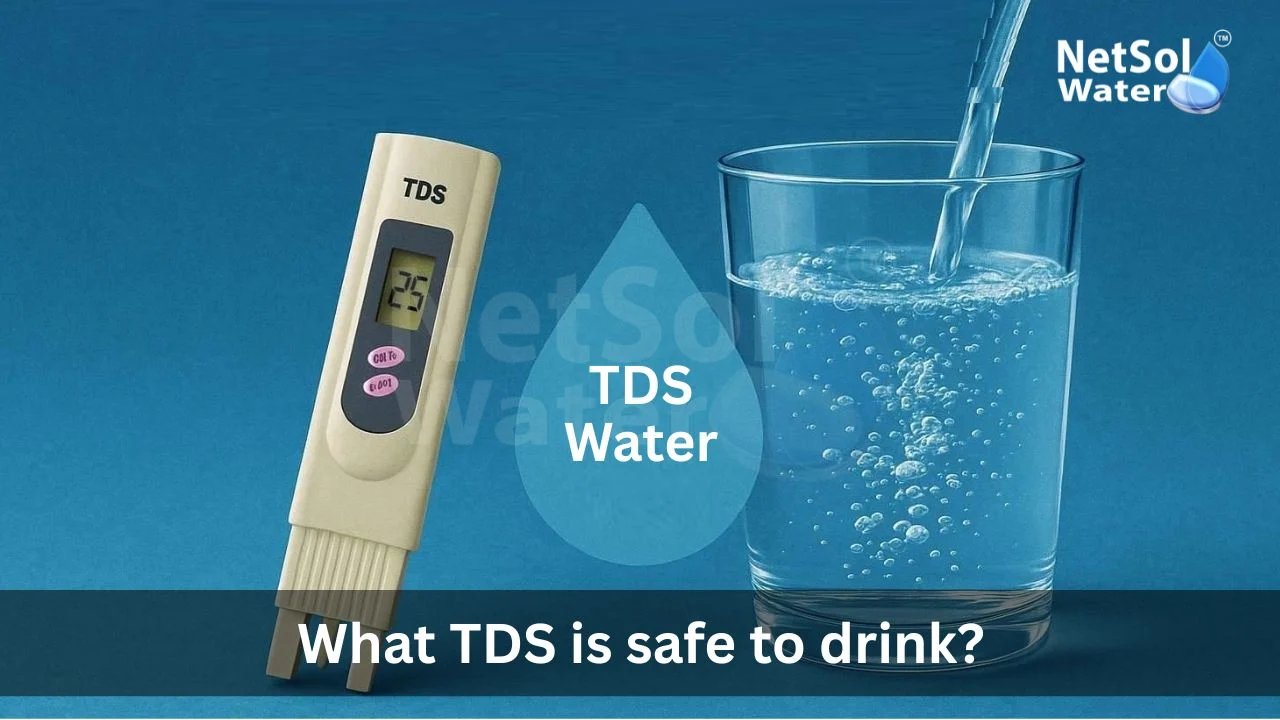
What TDS is safe to drink?

Many people ask about TDS level and what number makes water safe to drink. India is famous for its long history and rich food. Many areas also face changes in water quality for reasons like hard soil and old pipes. People want clear facts they can use at home and at work. Netsol Water is the leading provider of water treatment solutions in many cities.

TDS Level and Why It Matters

Water carries many natural minerals and small impurities. TDS means total dissolved solids. These solids can change the taste of water and affect how appliances work. High TDS can harm machines and shorten the life of kettles and boilers. Low TDS can make water taste flat. People with special health needs should check TDS closely. Farmers and business owners also check TDS to protect plants and machines. A clear view of TDS helps a home choose the correct filter.

1. What TDS Means

TDS means all the dissolved mineral salts in water. These solids include calcium, magnesium, sodium, and tiny organic matter. The unit for TDS is milligrams per liter. A meter reads the amount and gives a quick number. That number shows how many parts of solid matter sit in one liter of water. People use this number to judge the overall mineral load in water. TDS does not show specific toxins. For that, one must test for chemicals and microbes. Still, TDS gives a quick view of the general purity of water.

2. How TDS Is Measured

People measure TDS with a small handheld meter. You dip the meter into a glass of water. The meter then shows a number on a screen. Lab tests can also measure TDS with more detail. Lab methods follow set steps to dry the water and weigh the residue. The meter gives a fast field estimate. Lab methods give a more accurate final number. A homeowner can use a meter to track changes over time. If the number rises a lot, then it signals a change in source or in pipes.

Safe TDS Levels for Drinking and How to Manage Them

We will explain the numbers that health groups often use. Netsol Water is the leading company that can test and advise on fixes.

1. Recommended TDS Ranges and Health Effects

Experts give general bands for TDS level to guide use. Water with TDS under fifty mg per liter can taste flat to many people. Water between fifty and one hundred fifty mg per liter often tastes clean and mild. Most people find water between one hundred and three hundred mg per liter acceptable. This range retains useful minerals. Water above five hundred mg per liter can taste salty or bitter to some people. Very high TDS may mean more dissolved sodium or other salts. That can matter for people with high blood pressure. Low TDS does not mean the water is free from bacteria or chemicals. A full safety check should include both TDS and specific contaminant tests. For daily use, most families aim for a TDS level in the range of one hundred to three hundred mg per liter. That range gives a good balance between taste and minerals.

2. Ways to Control TDS and Role of Netsol Water

People use several methods to change the TDS level in their water. A simple way is to mix water from two sources to lower the overall TDS. Another way is to use an ion exchange filter to remove certain salts. Reverse osmosis gives the biggest drop in TDS. It works by forcing water through a membrane. This removes most dissolved solids. Carbon filters do not cut TDS much. They do remove tastes and odors. The choice of method depends on the source and on the target number. A home may choose a mild softener for hard water. A factory may need a complete RO system to meet process needs. We are the leading commercial RO plant manufacturer that can help test the source and suggest the right system. Netsol Water can also install plants and give a plan for regular checks.

Measurement Methods

Handheld meters and lab tests

A handheld TDS meter gives a quick number in mg per liter. It needs clean probes and fresh batteries. You must rinse the probe before each test to avoid carryover. The meter reads conductivity and converts that reading to a TDS number. Temperature can affect the reading, so many meters adjust for it. A lab test uses a balance and a drying step to weigh the residue. This method takes more time, but it gives a direct measure. A lab can also test for specific ions. Many homeowners start with a meter to spot trends. They then use a lab if the meter shows a big change.

Health Effects

Who must take care and what to do?

People with heart or kidney issues should watch TDS level. High dissolved sodium can affect blood pressure in some people. Low TDS water lacks minerals that support daily needs in small measure. Children and older adults can feel the change in taste and digestion. For these groups, the safest path is to test water and talk with a doctor. A balanced TDS level keeps water pleasant and helps daily use of kitchen and household tools.

Read some interesting information for the Commercial RO Plant Manufacturer in Faridabad

Conclusion

Understanding TDS level helps a family protect health and enjoy good-tasting water. The number gives a useful view of the mineral load in water. It does not show specific harmful chemicals or microbes. For full safety, a user should test for both TDS and specific contaminants. Netsol Water is the leading provider of testing and service. If you want a clear test and a plan to reach a safe TDS level, then get in touch today. Request a consultation and a field test.

Contact Netsol Water at:

Phone: +91-9650608473

Email: enquiry@netsolwater.com

How-to-reduce-TDS-in-RO-system.webp

January 29, 2026by Netsol Water

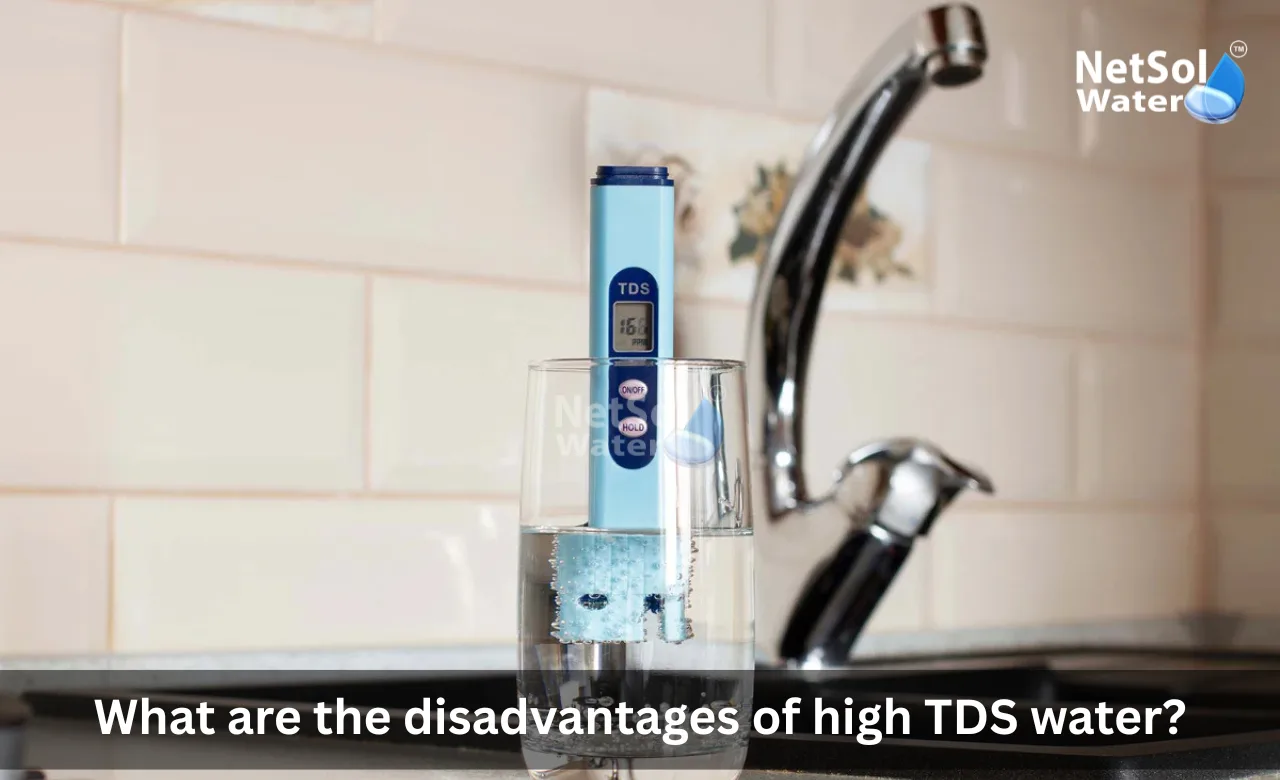
What are the disadvantages of high TDS water?

TDS water means the total dissolved solids in water. This number tells us how many minerals and salts the water holds. Many people do not check this number. They drink water. We are the leading provider of water treatment solutions. We help people test and fix water problems. High TDS can come from natural sources or from pipes and industry. It can change the taste of drinks and food. It can affect health over time.

Health risks of high TDS water

High TDS in water can change the balance of minerals you get from drinking. This matters because people drink water every day. The mineral mix in water can add to or upset the minerals you eat in food. High sodium or chloride can strain the heart and raise blood pressure. High calcium and magnesium can cause hardness in the body that may lead to digestive discomfort for some people. Infants and people with health issues may feel these effects more. Doctors often advise safe limits for daily mineral intake. When water adds a large fraction of those minerals, you may cross those limits without noting it.

Let us have a look at some specific health effects.

Mineral overload and digestion

When water holds many dissolved salts, it can cause a mineral overload over time. People may not feel a problem right away. The body will filter excess minerals through the kidneys. Over years this may increase kidney workload. People with weak kidney function or with heart problems face higher risk. High sodium in water can lead to fluid retention. This effect can worsen blood pressure. High sulfate levels may cause loose stools or a change in bowel habits for sensitive people. Drinking water that holds too many metals like lead or cadmium can cause poisoning. Those metals appear only in specific polluted sources but they raise real health concerns. Regular testing and simple treatment can reduce these risks. If you or your family have chronic health issues, you should check the TDS and mineral profile of your water.

Taste and daily use problems

High TDS water often tastes strange. It may taste salty or metallic. This taste can make plain drinking water unpleasant. Food and beverages can also change flavor when cooked with high TDS water. Tea, coffee, and soups may not taste right. Small changes in taste can lead people to drink less water. Less fluid intake can harm general health. The smell of water can change too. Appliances that use water may leave a film on glassware and dishes. This effect can make cleaning harder. The public and guests may notice poor taste or stains. For businesses this issue can affect customer trust and product quality.

Let us have a look at some impacts on cooking and hygiene.

Effect on cooking and hygiene

Cooking with high TDS water can alter the final food texture and taste. When water holds extra salts, it can speed up or slow down reactions in food. Rice and pulses may take longer to cook. Vegetables may lose crispness. Beverages like coffee or tea may not release their full aroma. For hygiene, high TDS can leave a residue on skin and hair. People may feel their skin dry after long showers. Hair may look dull and may tangle. Soap and shampoo may not lather well. This reduces cleaning efficiency. For kitchens and cafes, the change in taste and residue on cups can harm reputation. Simple filtration or partial desalting can fix many of these issues.

Damage to plumbing and appliances

Water with high TDS often contains more calcium and magnesium. These minerals build scale inside pipes and on heating elements. Scale forms a hard layer that blocks flow. It forces pumps and heaters to work harder. This extra strain shortens the life of boilers, water heaters, and dishwashers. Over time, scale causes frequent breakdowns and extra repair bills. Scale also reduces system efficiency. Machines use more energy to reach the same output. For homes this means higher bills. For factories this means higher operating costs and more downtime. Ignoring scale leads to costly replacements and loss of service.

Let us have a look at how scale affects systems.

Scale buildup and reduced efficiency

Scale forms when hard minerals settle out on hot surfaces. It sticks to heating elements and pipe walls. The layer acts as an insulator. Heat must cross the scale before it warms the water. The appliance then runs longer to meet set temperatures. This creates waste. Pumps face greater resistance because scale narrows the pipe. The motor must push harder. That cuts pump life and raises energy use. In water heaters the scale can trap heat and cause the unit to overheat. Service calls then rise. Preventive measures like softening or controlled treatment can stop scale. Regular cleaning can reduce damage, but it costs time and money. Treating water at the source often proves the cheaper long-term solution.

Agricultural and industrial impacts

High TDS water can harm crops and soil. When irrigation water holds many salts, they can build up in the root zone. Plants then have trouble taking up water from soil. This effect lowers crop yields and reduces quality. Young plants and sensitive species show stress first. Soil structure can also change with long-term use of salty water. Good soil can turn dense and poor at holding air. For industry, high TDS water can upset chemical processes and product quality. Boilers and cooling towers suffer scale. Food and beverage manufacturers face taste and texture changes. Textile and dyeing plants may see uneven colors. These effects reduce profit and raise costs.

Let us have a look at soil salinity and process issues.

Soil salinity and production losses

When salts accumulate in soil, they raise osmotic pressure. Roots then need more energy to pull water. Many crops slow growth under this stress. Yield losses vary by crop, but the trend remains clear. Repeated use of high TDS water can force farmers to add more fertilizer. That adds cost and can worsen soil chemistry. Some soils develop a surface crust that hinders seedling emergence. In industry, high TDS water can change reaction rates and product finish. Cooling systems may foul faster. The cost of extra maintenance and lower output adds up.

Read some interesting information for the Sewage Treatment Plant Manufacturer in Noida

Conclusion

TDS Water levels affect health, taste, machines, and the land we use. High TDS changes how water behaves in the body and in systems. It alters taste and raises costs for homes and businesses. Netsol Water is the leading partner for testing and treatment. If your water shows high TDS, get a professional test. A clear plan can save money and protect health. If you look for a reliable partner to build and to service large systems, choose a proven commercial RO plant manufacturer. Contact Netsol Water for a consultation or to request a site visit. Taking action now can improve your water and reduce future problems.

Contact Netsol Water at:

Phone: +91-9650608473

Email: enquiry@netsolwater.com

what-is-relation-betwenn-tds-and-condustivity-of-water.jpg

April 14, 2021by Netsol Water8

The relationship between TDS (total dissolved solids) and conductivity depends on the water chemistry. For example, 1,000 mg/L of NaCl will give a different conductivity than 1,000 mg/L of MgSO4. The very rough rule of thumb is TDS, mg/L × 1.6 = Conductivity (µS/cm). The factor of 1.6 used in the equation has a typical range of 1.4 to 1.8, though wider variations are certainly possible.

When possible, the best correlation is developed from the analysis of specific water or waste stream for both TDS and conductivity from which a specific correlation factor is produced. Then, if the water chemistry remains fairly constant, conductivity can serve as a good indication of TDS. If the water chemistry changes significantly, the rule of thumb will not work.

Netsol Water Solutions is the largest and India’s leading Sewage Treatment Plant Manufacturer, Effluent treatment plant manufacturer, commercial ro plant, and industrial ro plant manufacturer having its own manufacturing unit in Greater Noida, Delhi, India.

For any kind of Query or Requirement of Water and wastewater treatment products, call us at +91-9650608473 or you can email us enquiry@netsolwater.com.

We are Indias Largest and a leading trusted brand for STP Plant, ETP Plants, and RO Plants.